Afghan rug weaving is a tradition deeply rooted in the history of the Middle East, characterised by a resilience and artistry that has evolved over centuries. These rugs are known for their ability to blend ancient tribal patterns with more refined, classical aesthetics, making them a staple in homes that appreciate both heritage and versatility.
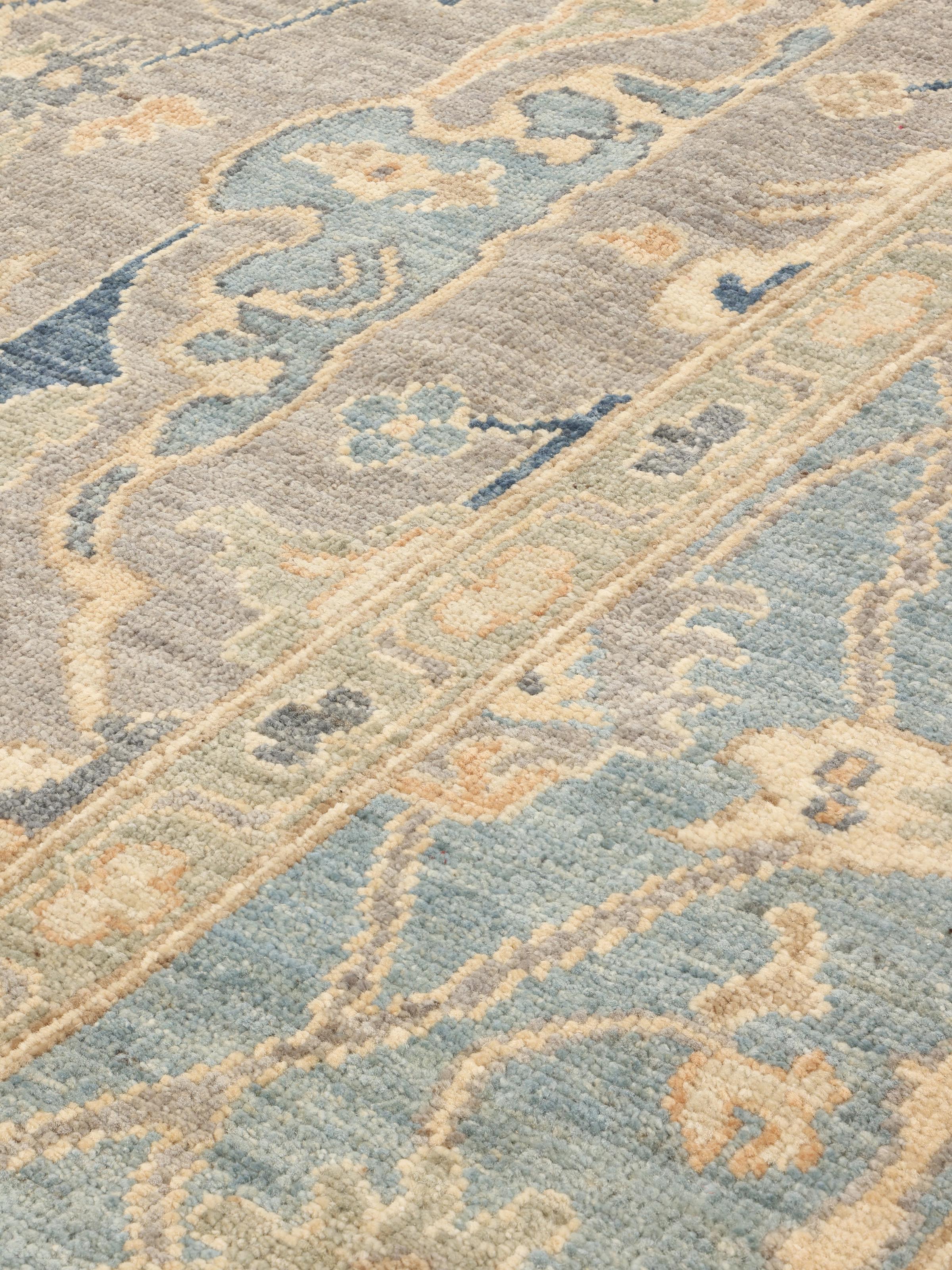
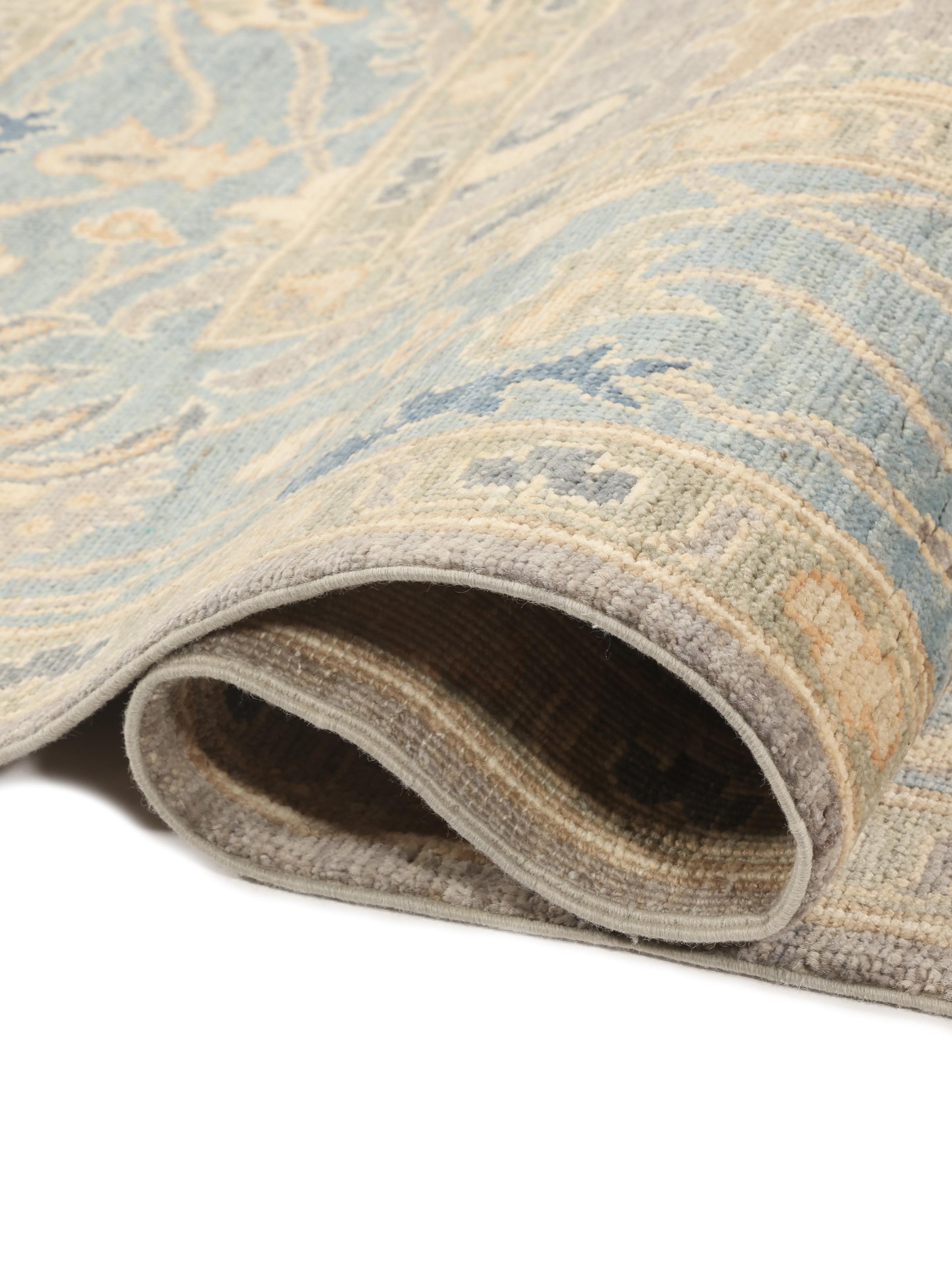
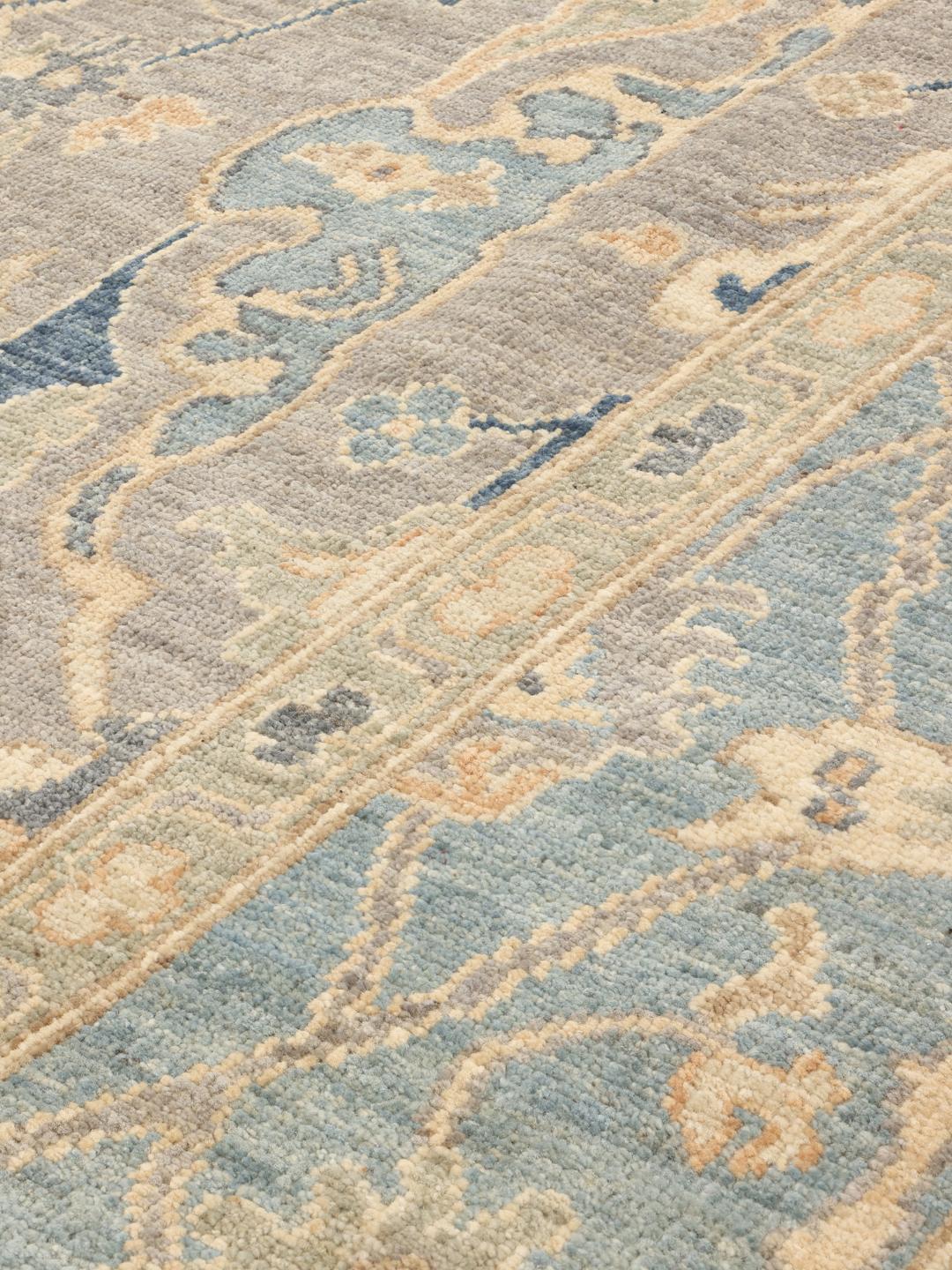
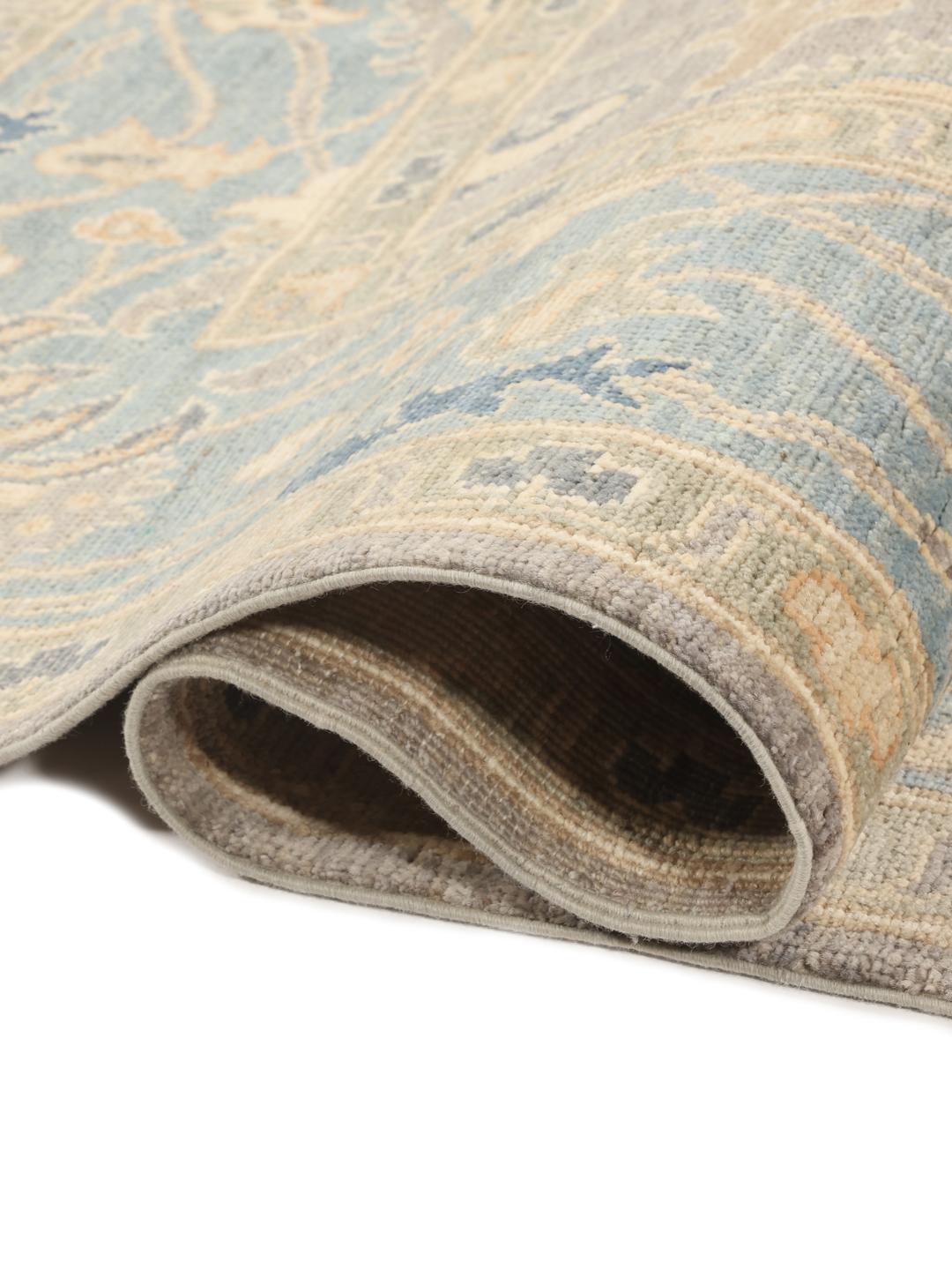
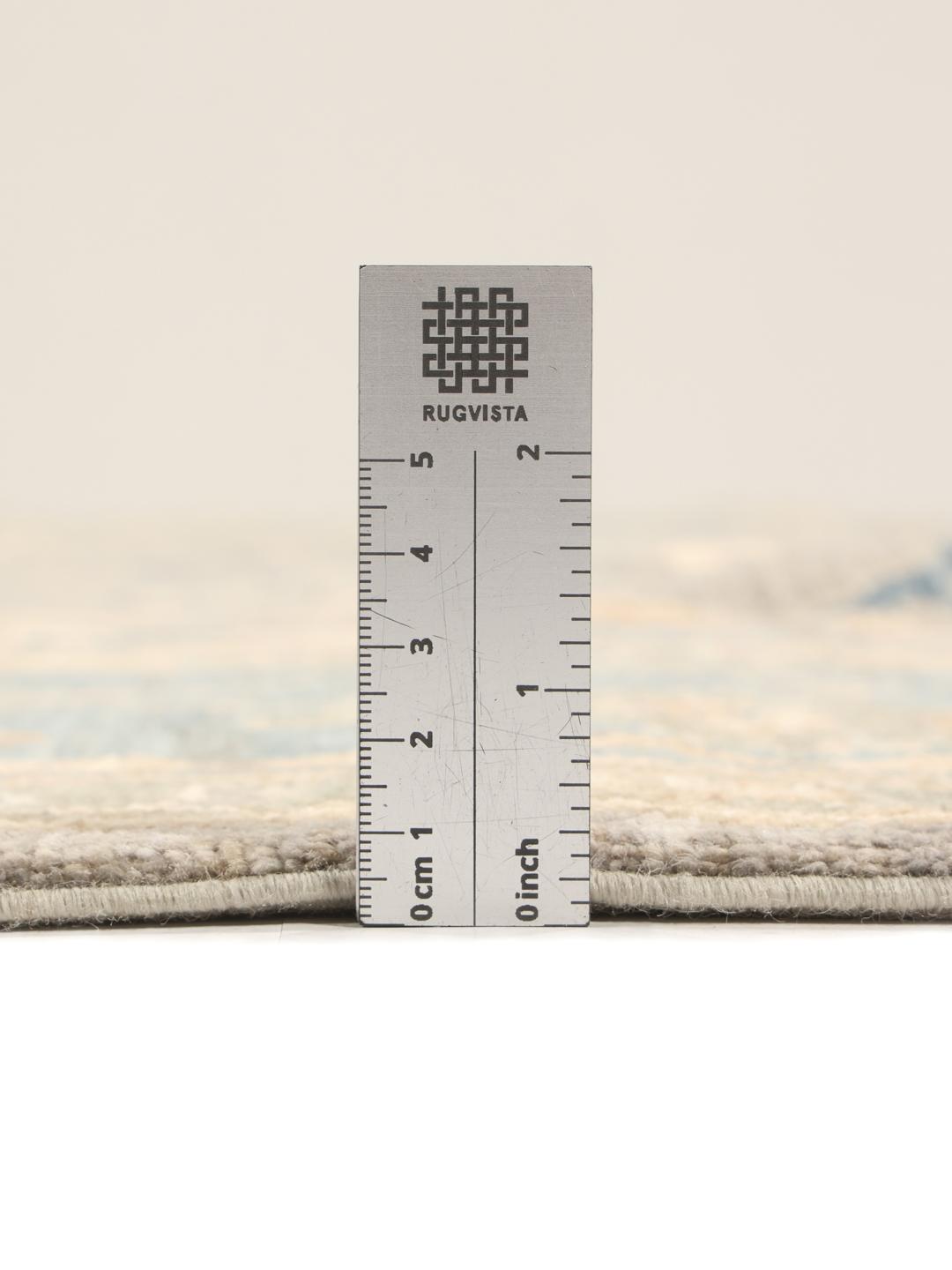
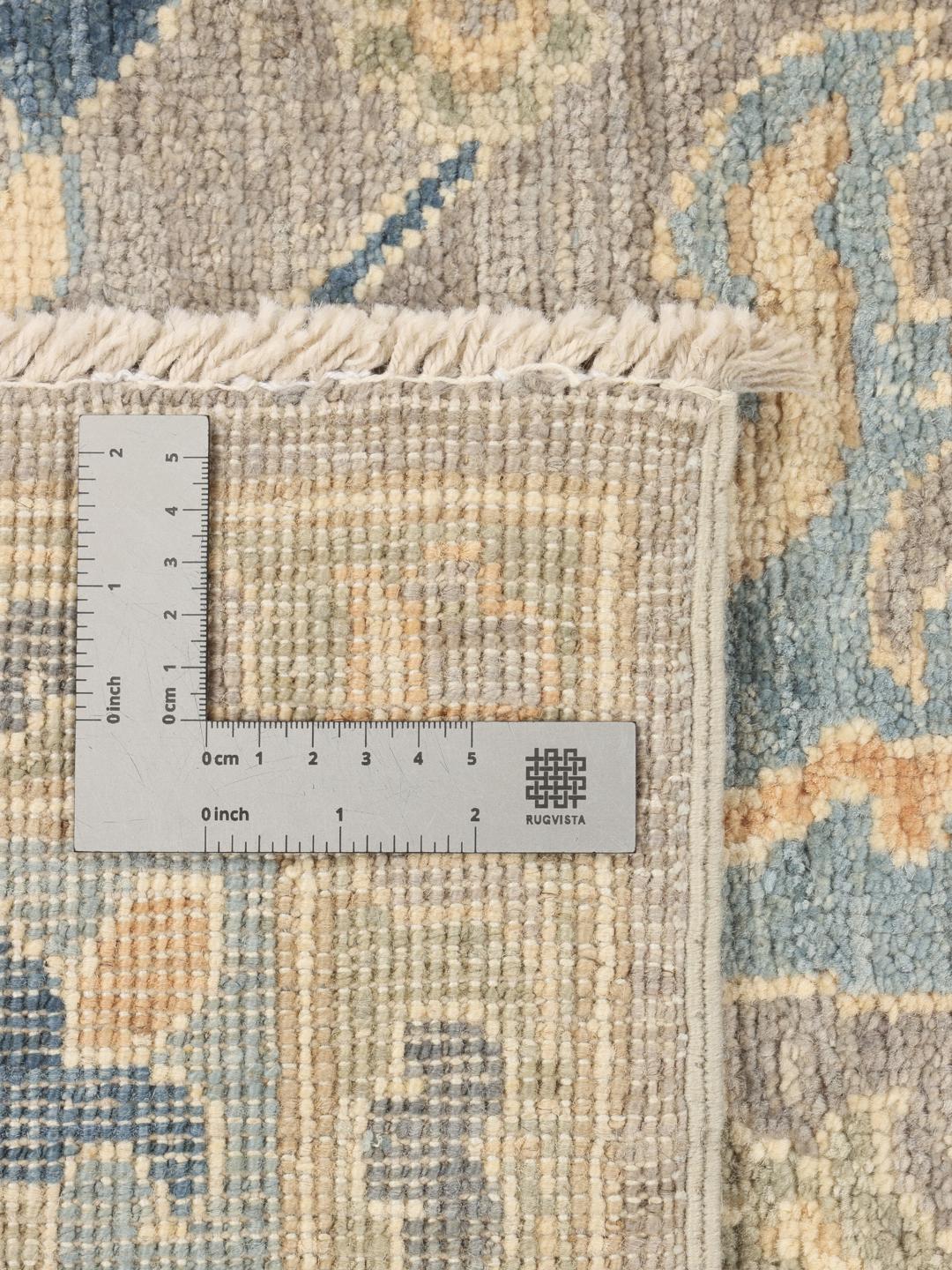
The construction of an Afghan rug is defined by the use of high-quality wool, often sourced locally, which provides a natural lanolin content that makes the pile soft and stain-resistant. The foundation is typically made from robust cotton, ensuring that the rug stays flat and holds its shape even after years of foot traffic.
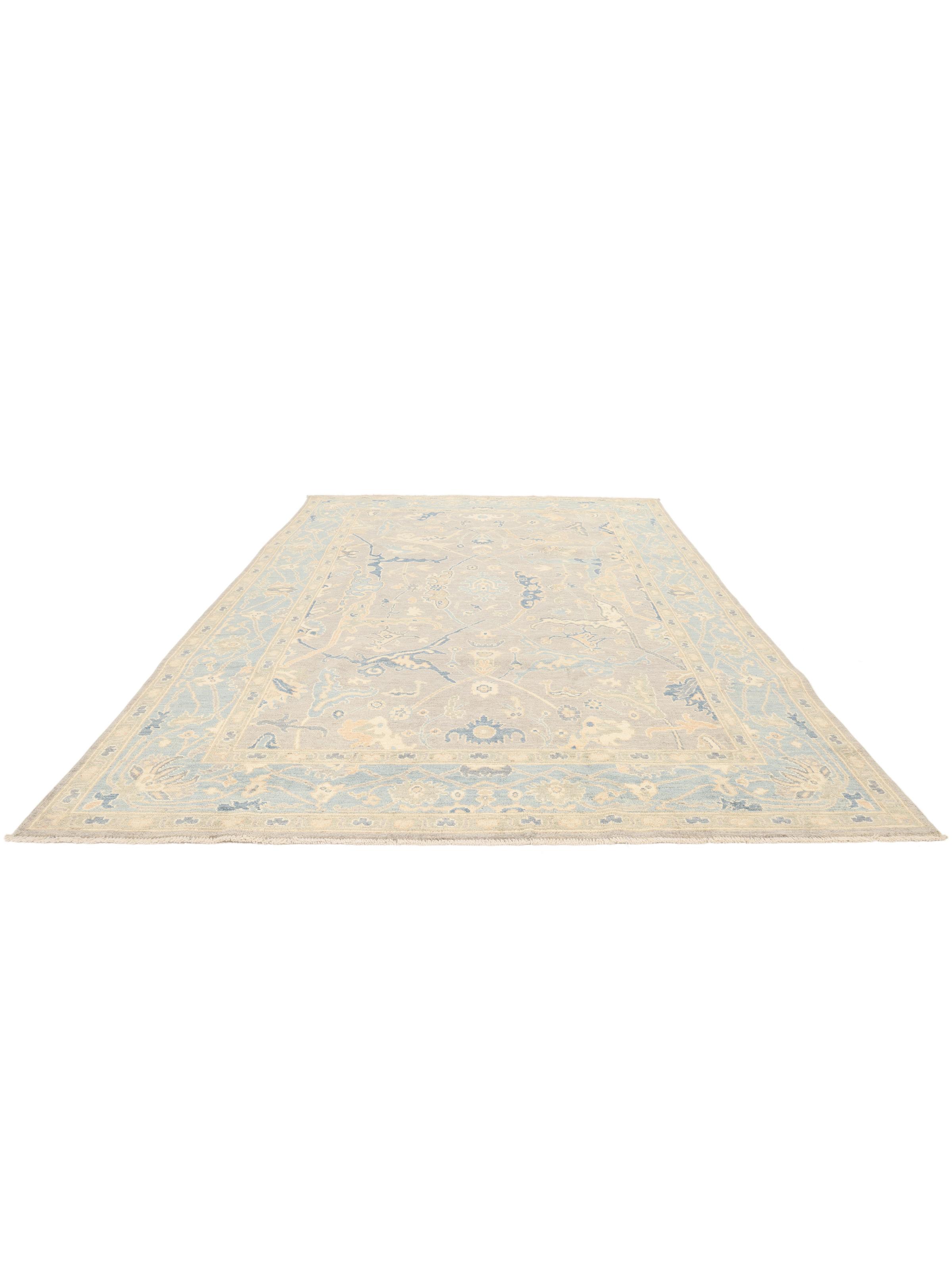
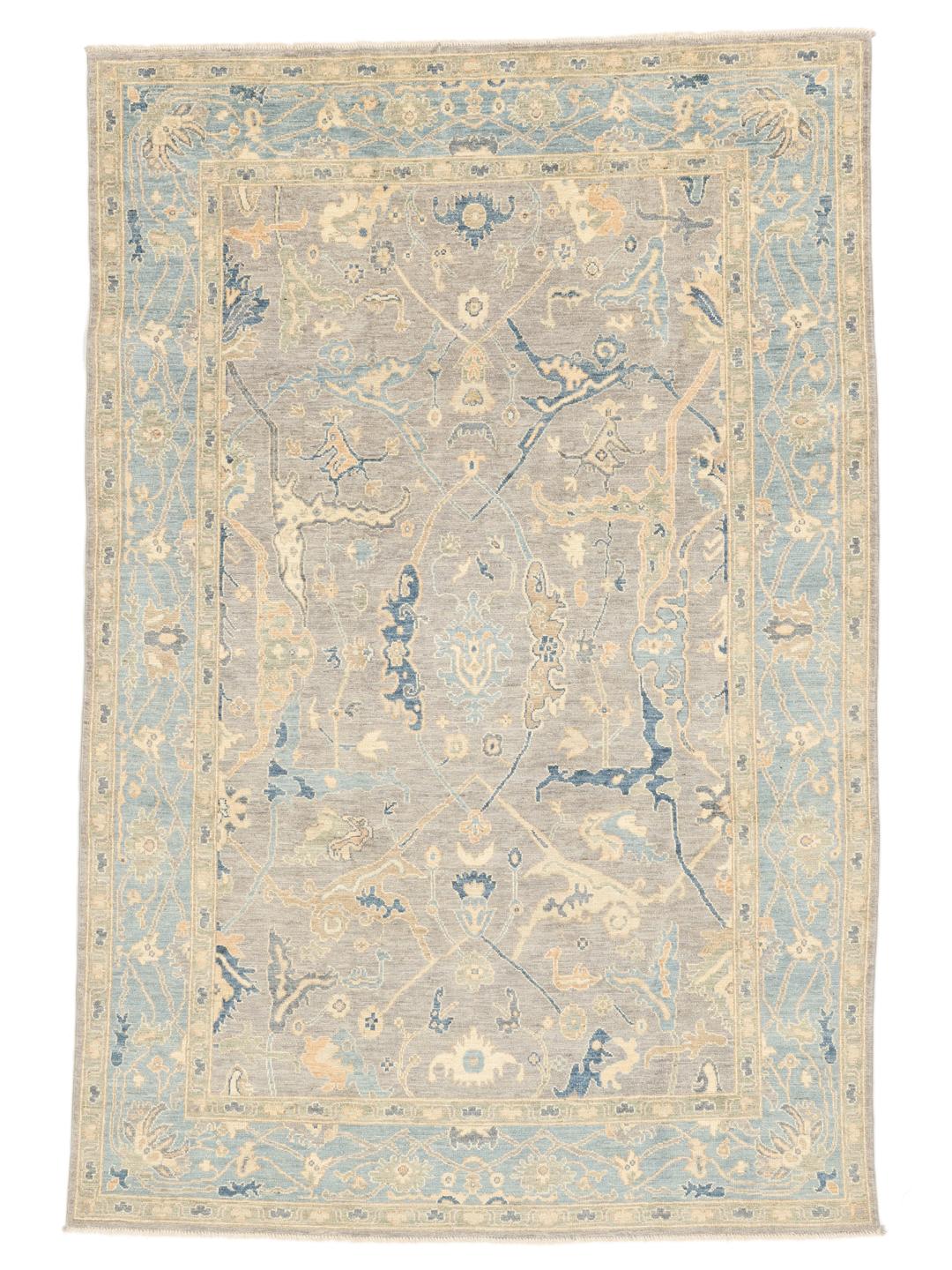
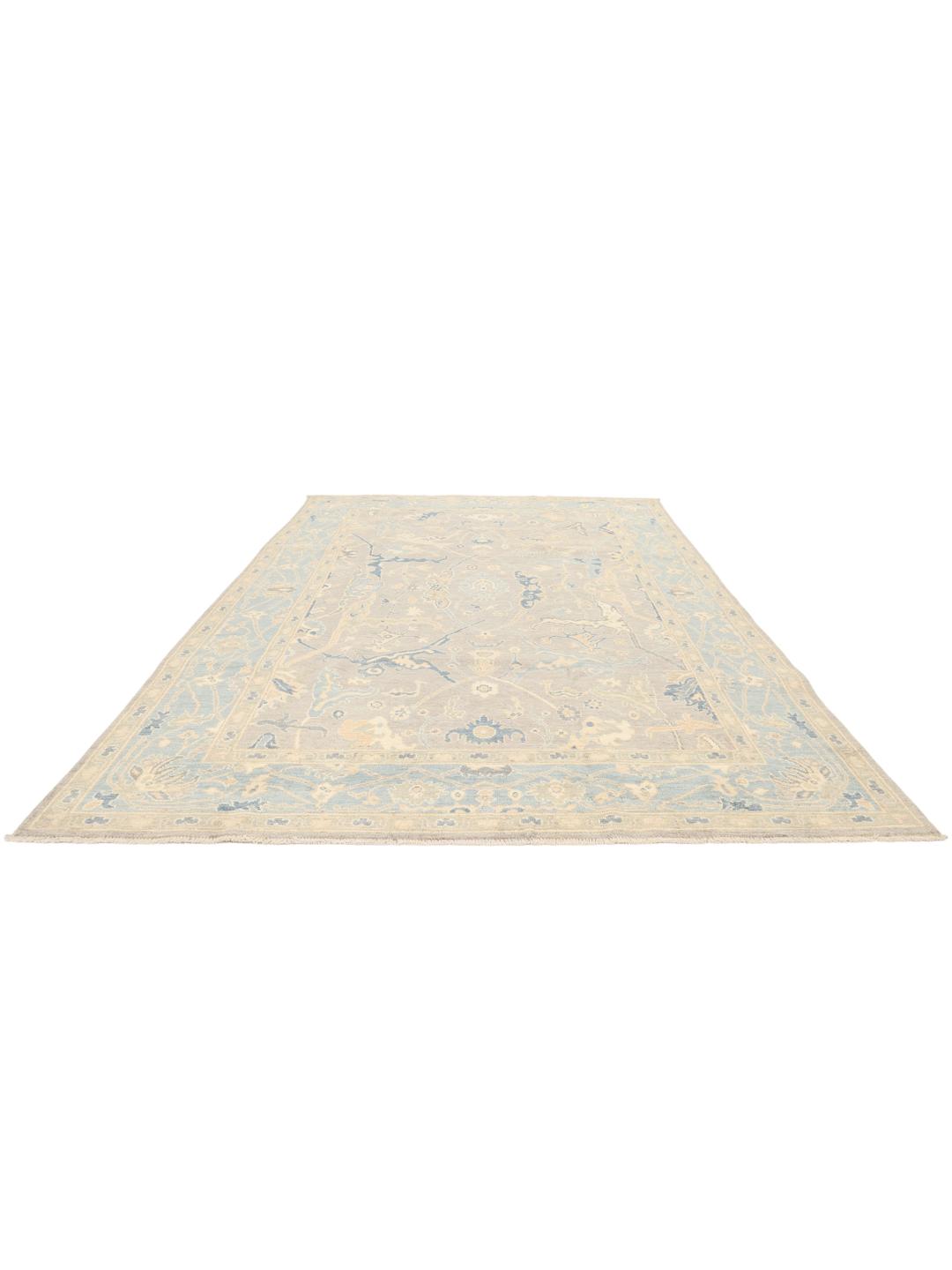
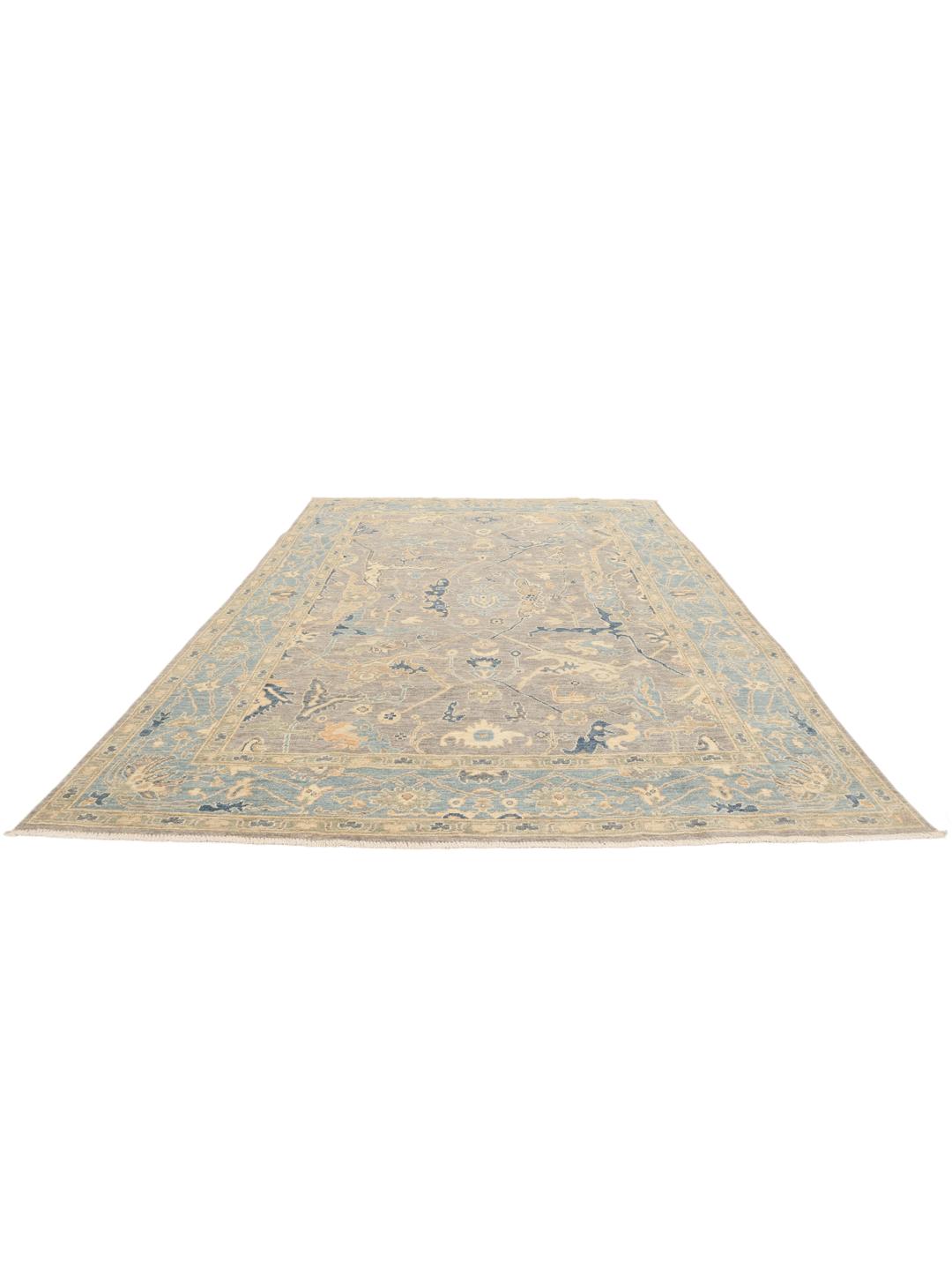
Visually, these rugs often feature intricate, flowing motifs that draw inspiration from natural landscapes and historical floral designs. While many traditional pieces are known for deep, earthy reds, contemporary Afghan weaving has embraced a wider spectrum of colours, including the sophisticated greys and blues seen in this piece, which allow for a more modern interpretation of classic design.
Collectors value Afghan rugs for their authenticity and the sheer human effort required to bring them to life. Owning one is an investment in a living tradition, representing a link to a culture where the art of the loom is a primary expression of skill, community, and creative identity.