The history of rug weaving in India is a fascinating blend of local traditions and influences from the broader Middle East. During the 16th century, the Mughal emperors introduced the art of carpet weaving to the region, bringing with them skilled weavers from the Middle East. Over the centuries, this craft evolved, merging classic floral and medallion motifs with distinctively Indian artistic sensibilities, resulting in the vibrant and detailed styles we see today.
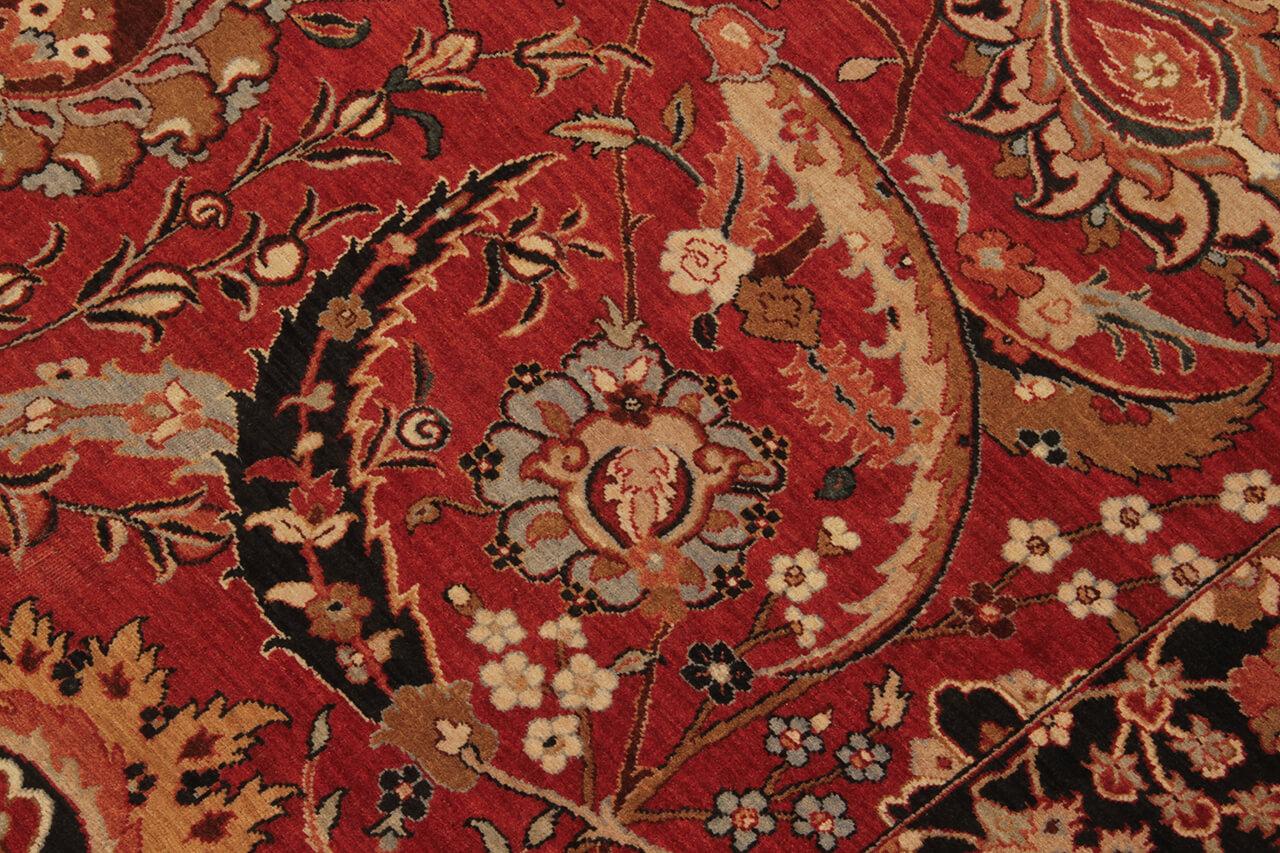
The term hand-knotted refers to the traditional method of creating a rug by tying individual strands of wool around the foundation threads. This labour-intensive process is what gives these rugs their exceptional durability and texture. Because each knot is placed manually, the weaver has total control over the pattern's precision, allowing for the creation of complex, curved lines and fine details that are iconic to this style.
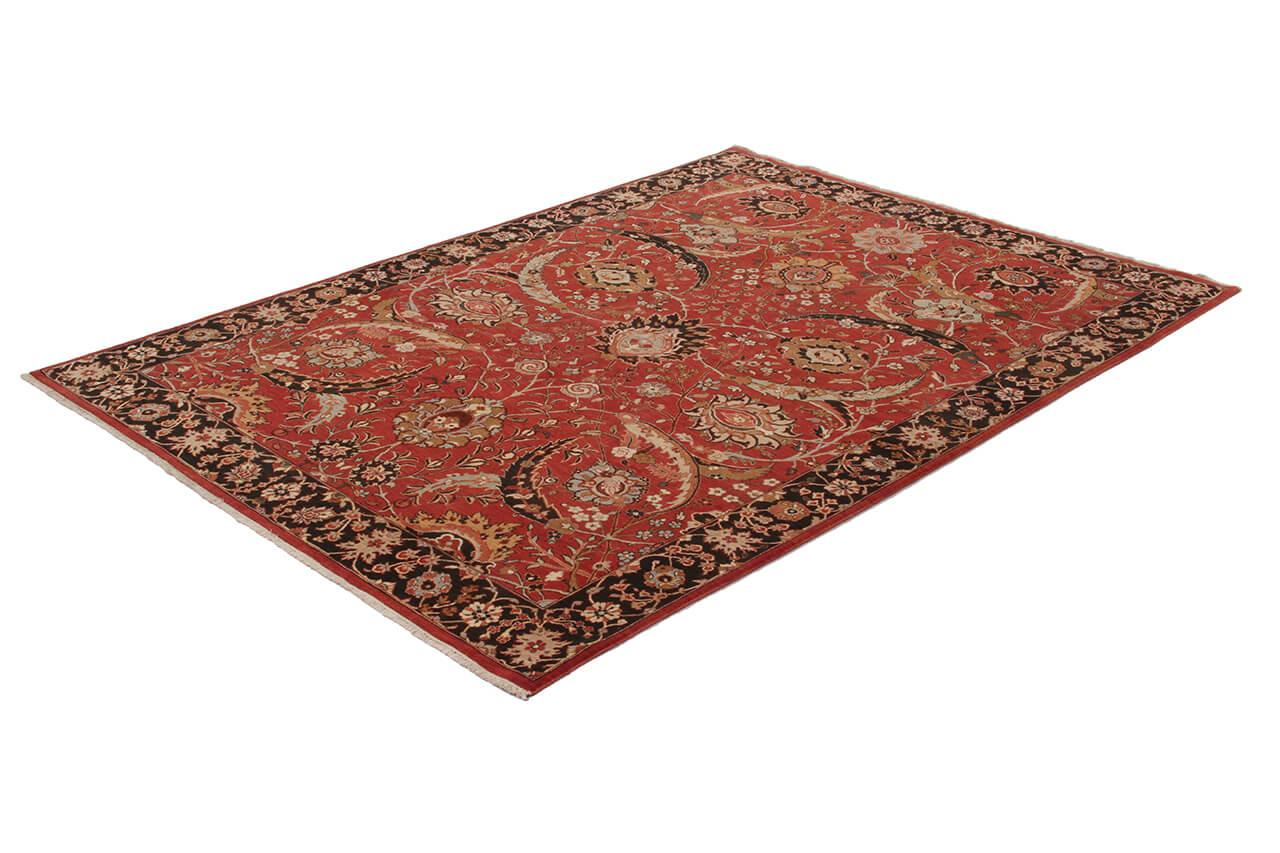
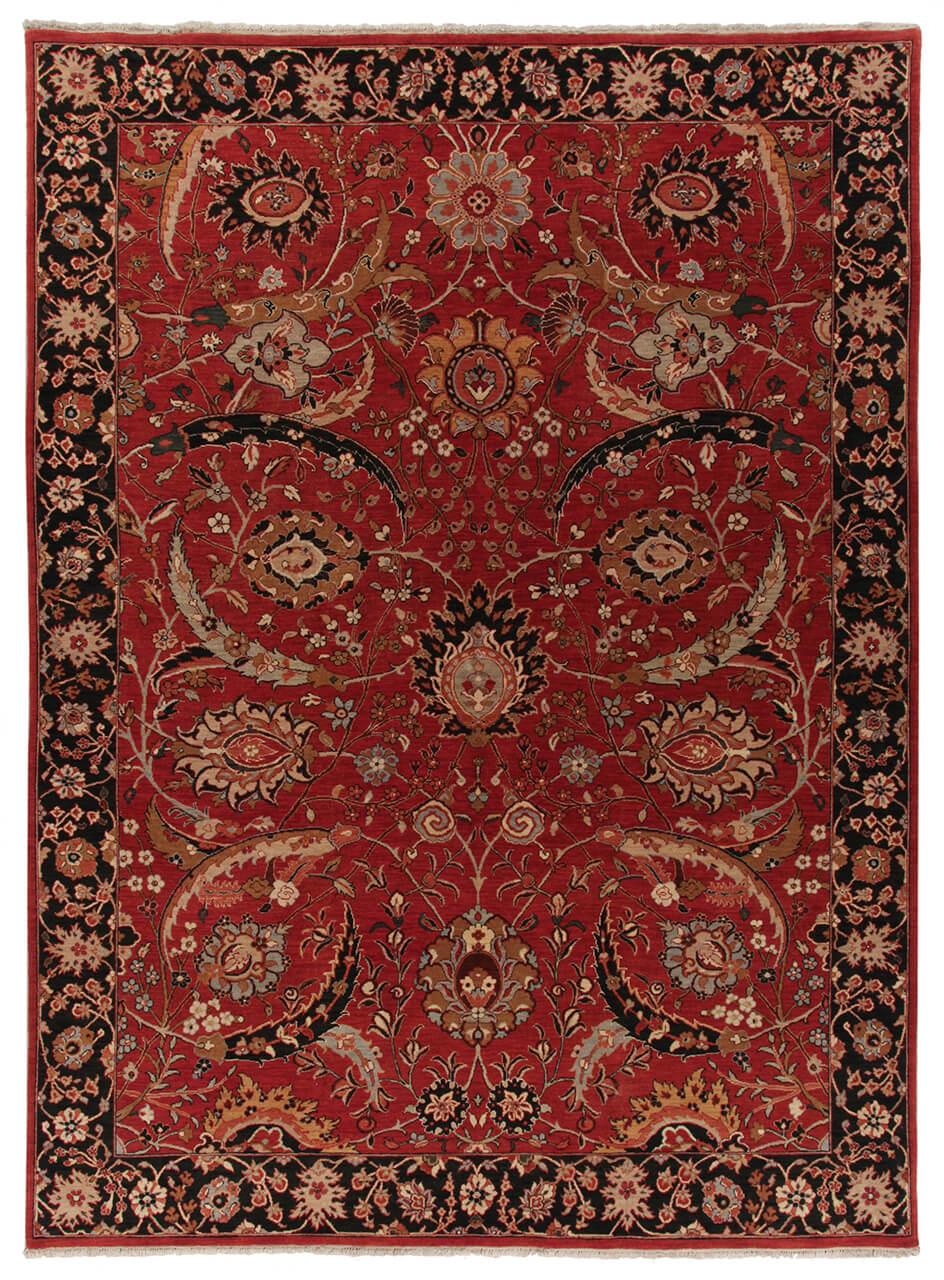
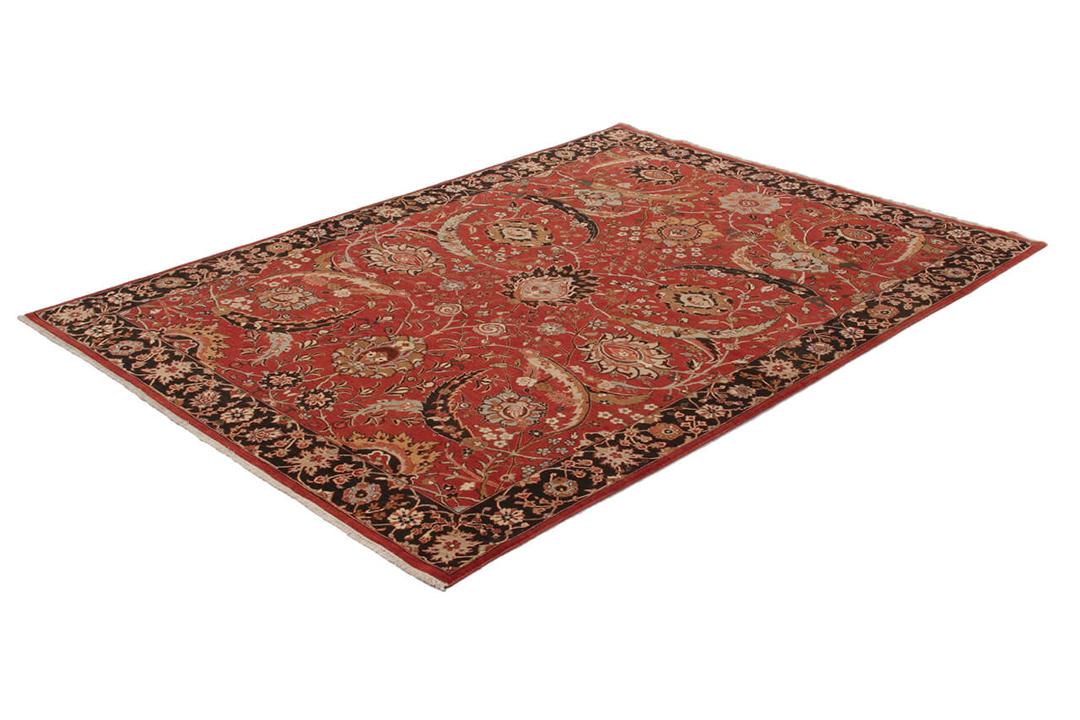
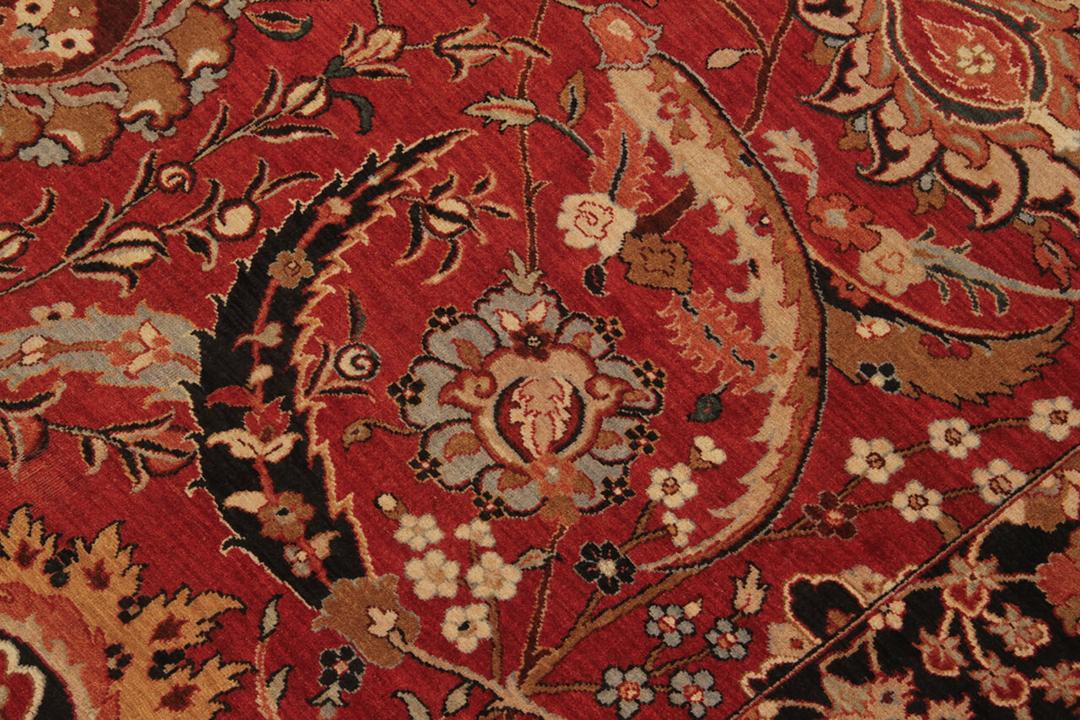
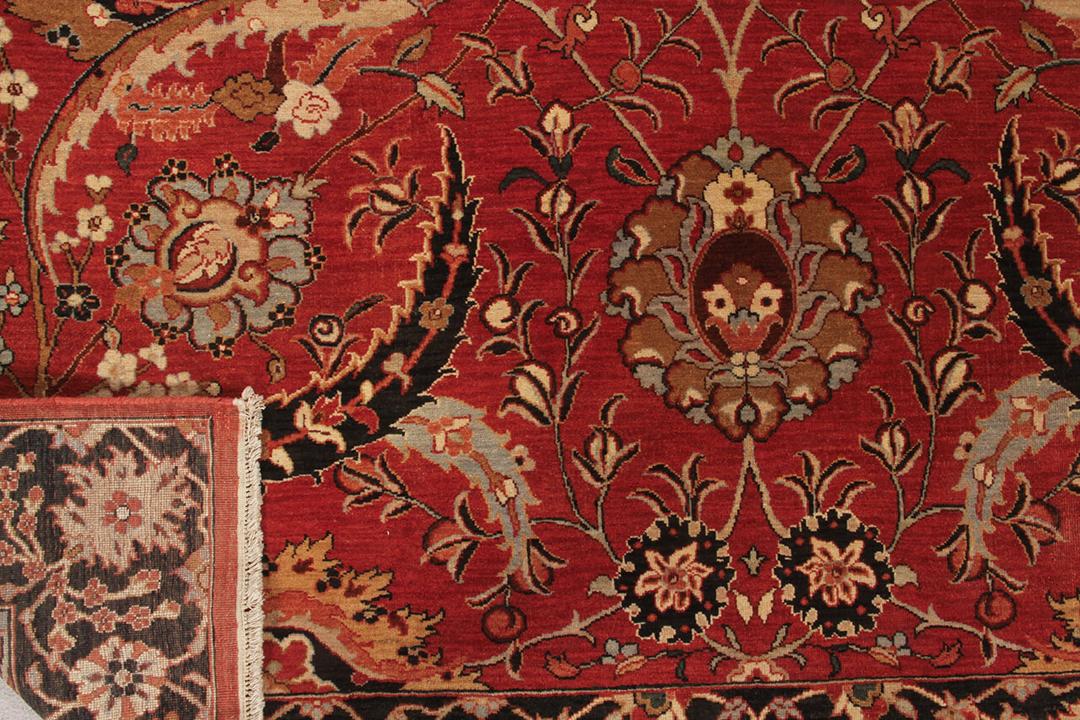
The design of this rug is rooted in the classic floral tradition, featuring intricate vines and central motifs that draw the eye. These patterns are often inspired by the natural beauty of the region, with the floral elements arranged in a harmonious, balanced composition. The use of a bold border serves to frame the field, a common hallmark of classic oriental design that provides a sense of structure and completion to the overall look.
Owning a hand-knotted rug from this tradition is about more than just decoration; it is about preserving a cultural heritage that prizes skill and patience. These pieces are highly valued by collectors for their longevity and the way they age, often becoming more beautiful over time. By choosing a unique rug, you are participating in a long-standing history of artistry that honours the human hand in every stitch.