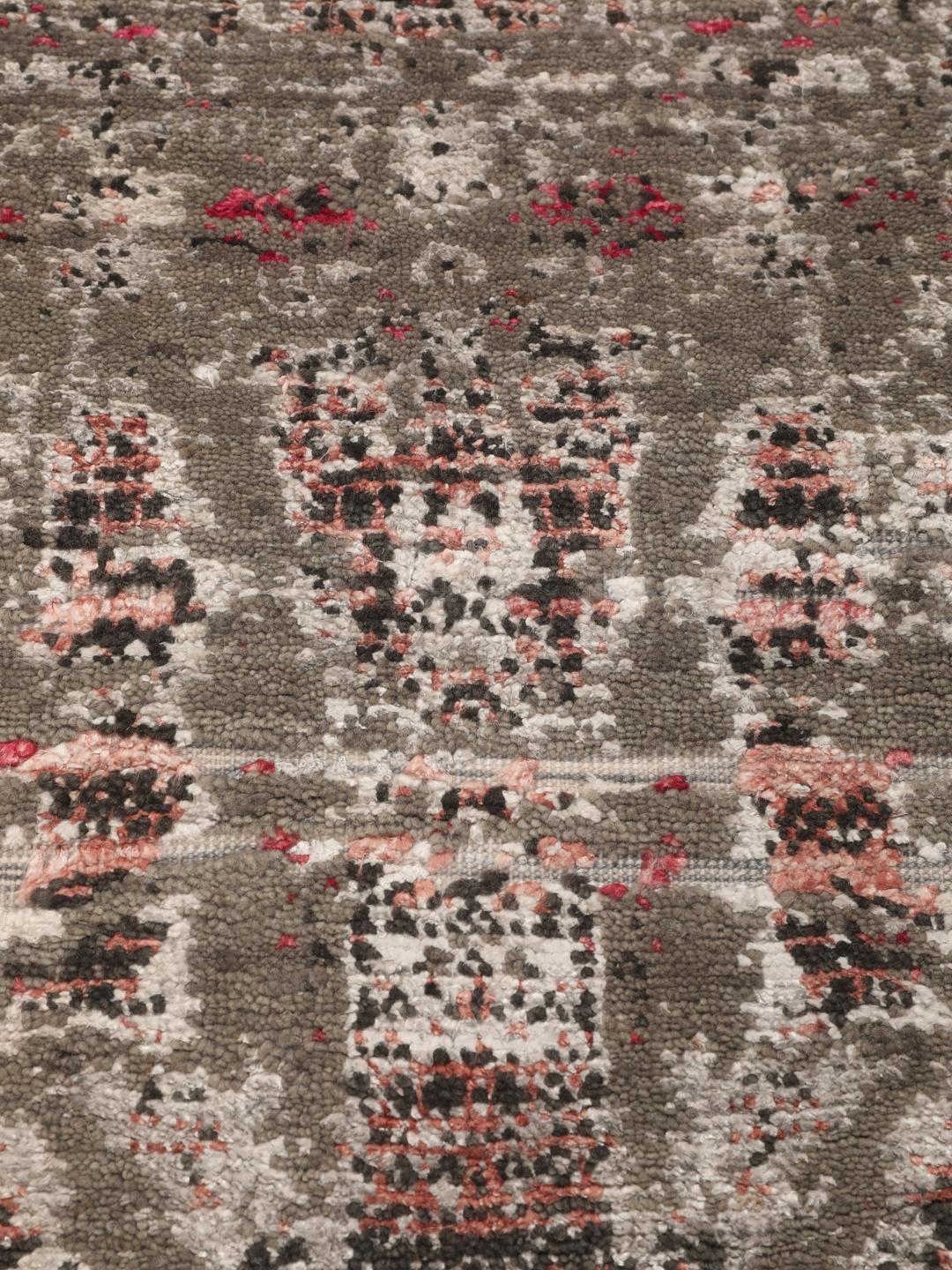
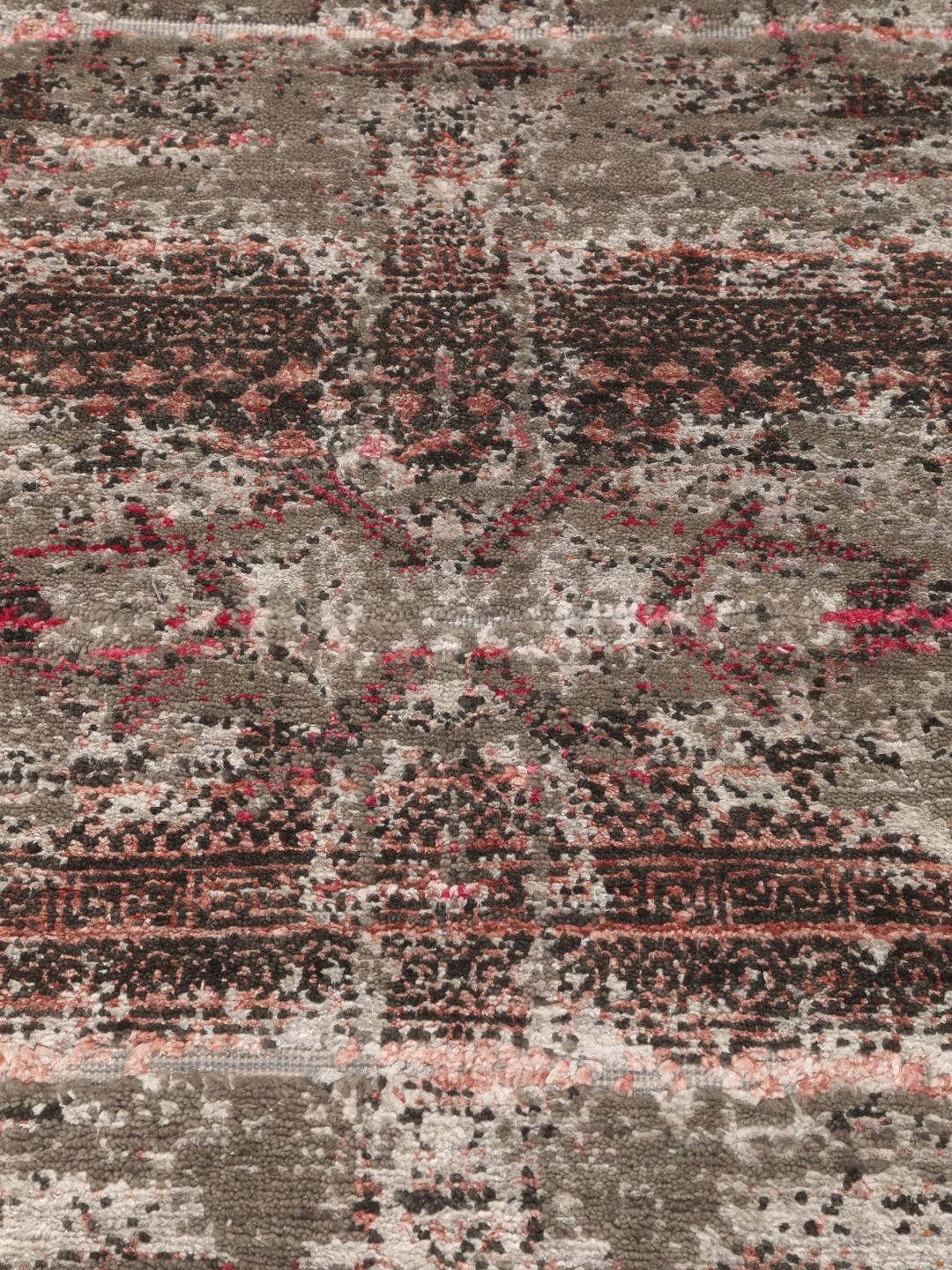
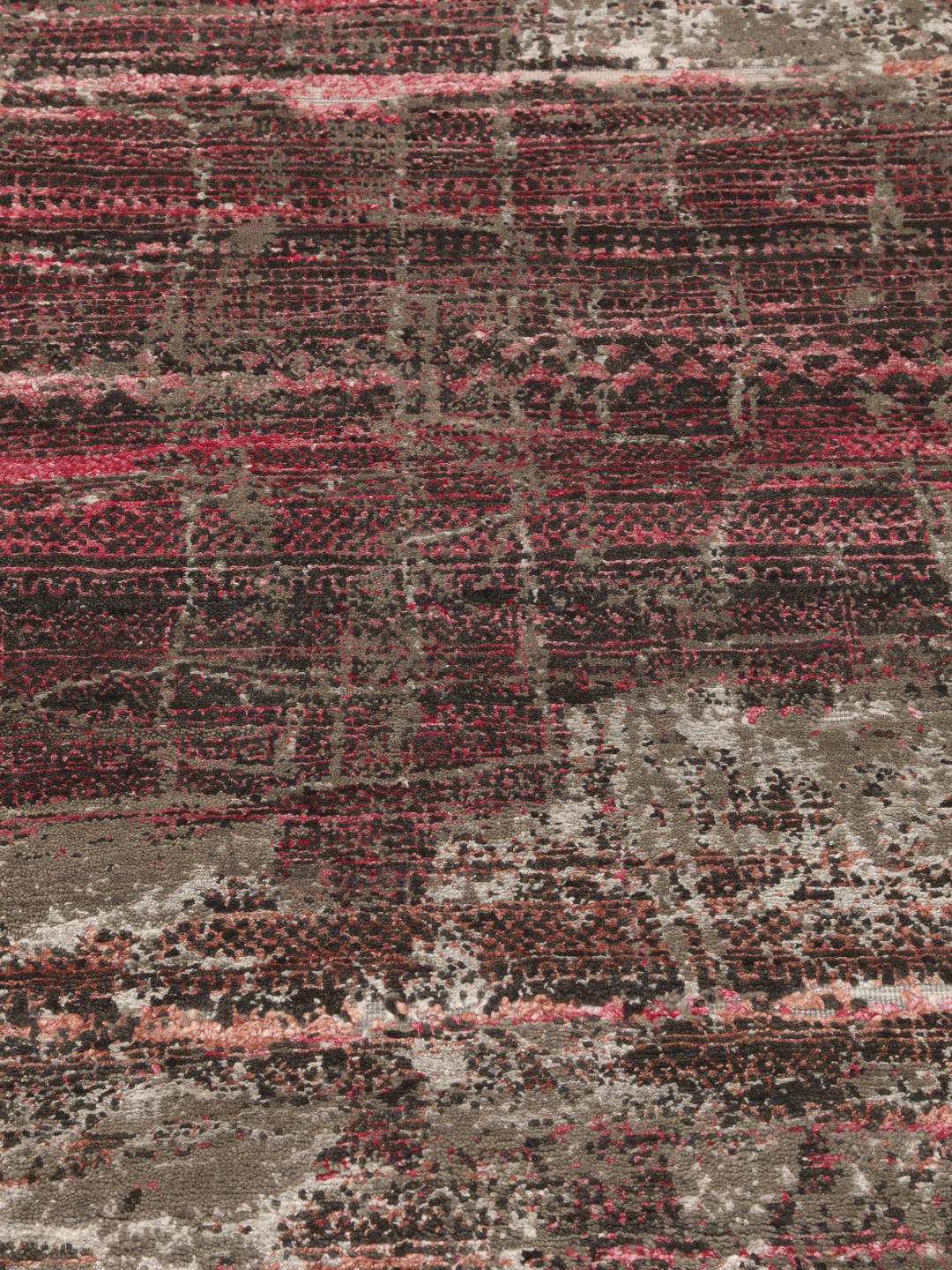
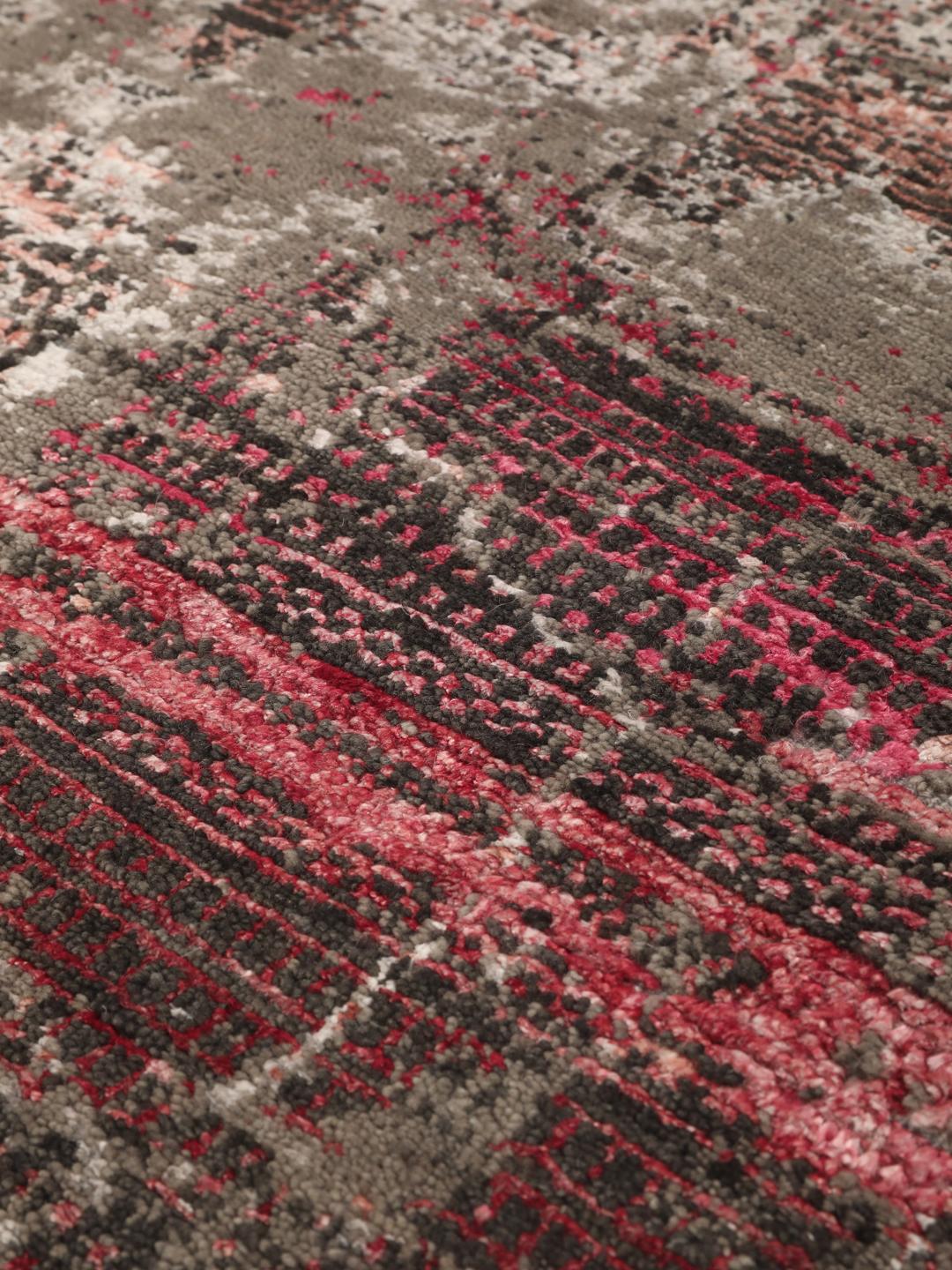
India has a storied history of rug making that dates back centuries, evolving from the influence of Middle Eastern weaving traditions brought to the subcontinent. Over time, these imported techniques were adapted by local artisans who blended them with indigenous designs and materials, creating a distinct Indian style that is celebrated worldwide for its vibrancy and technical excellence.
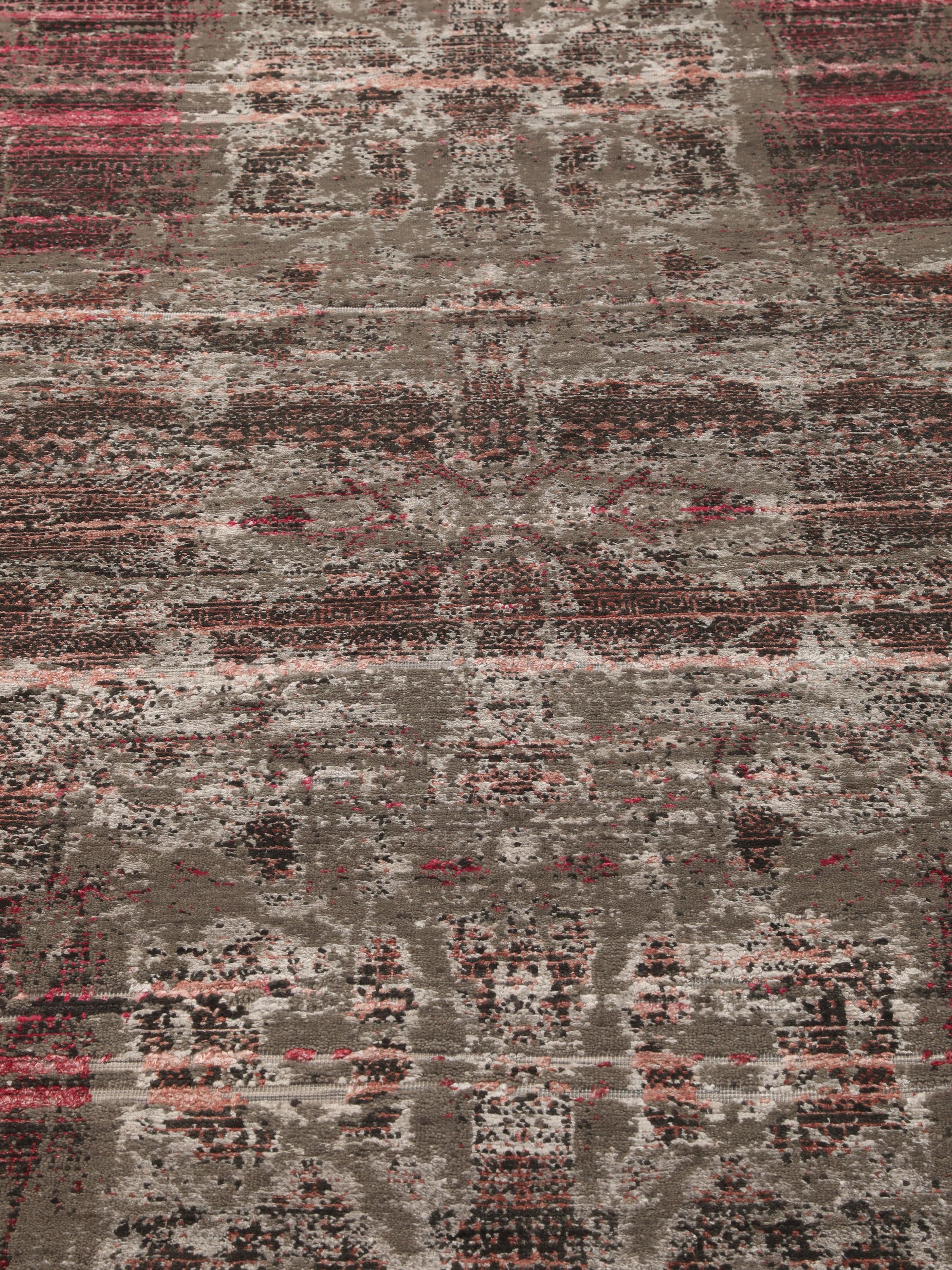
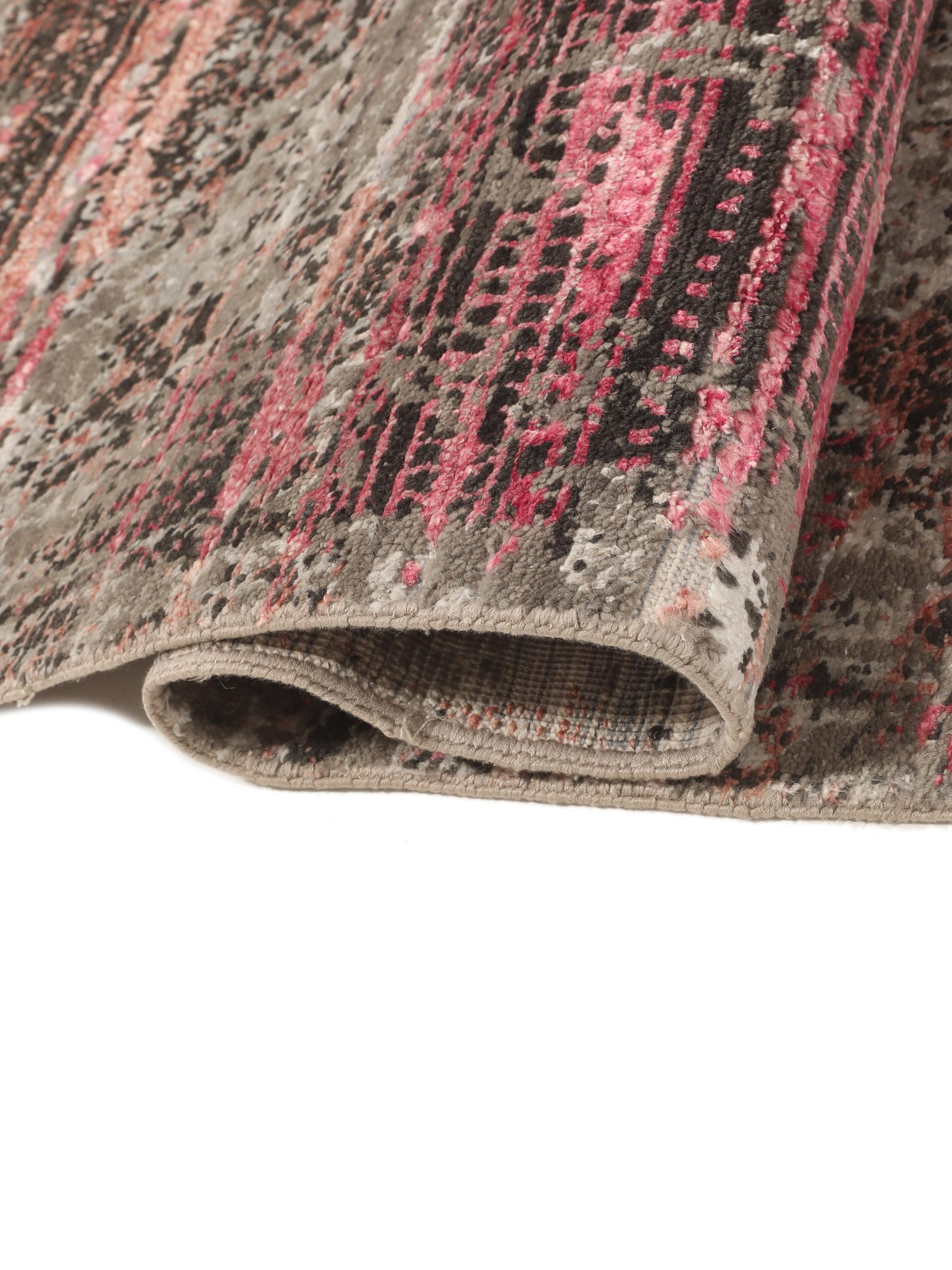
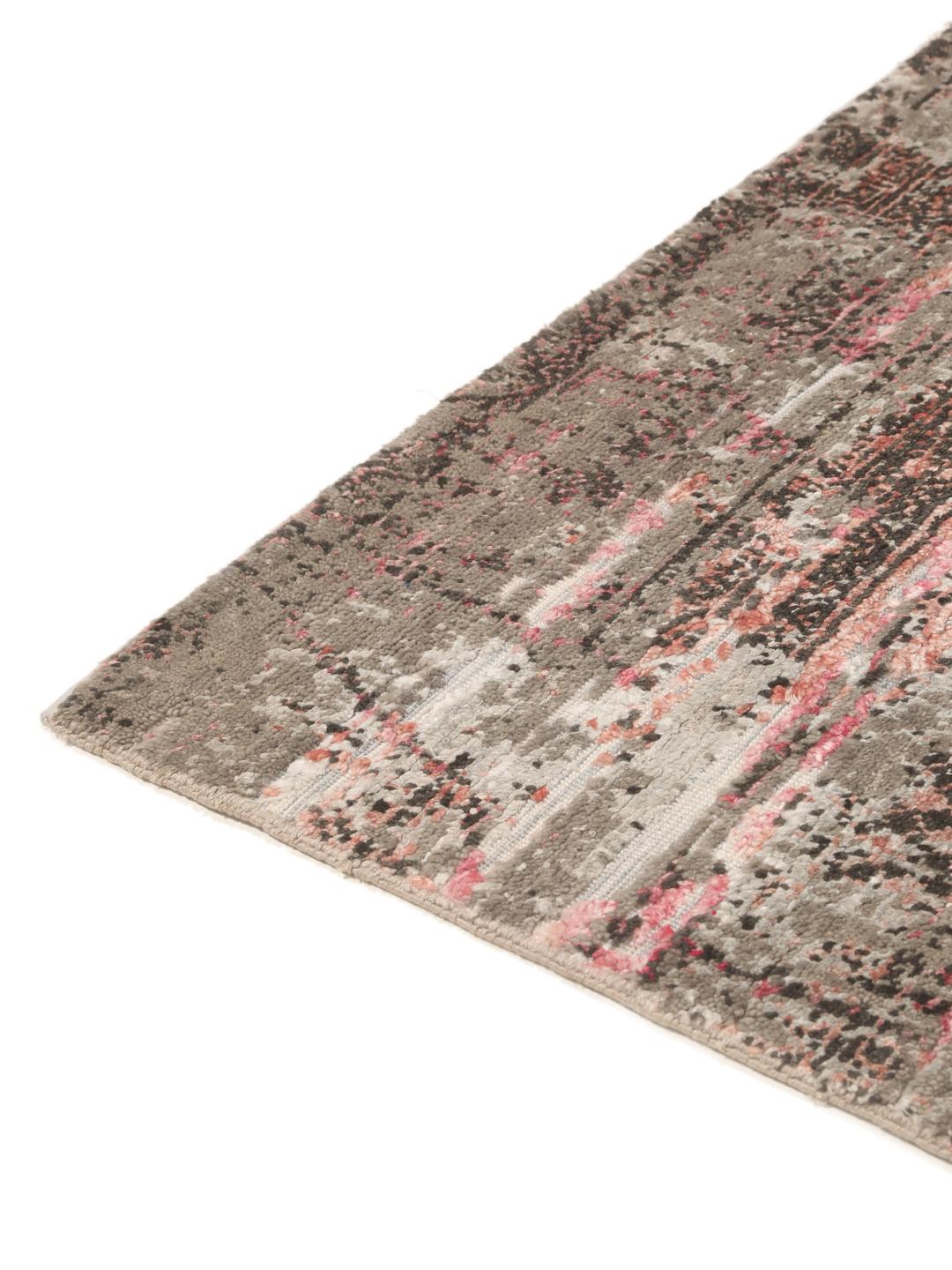
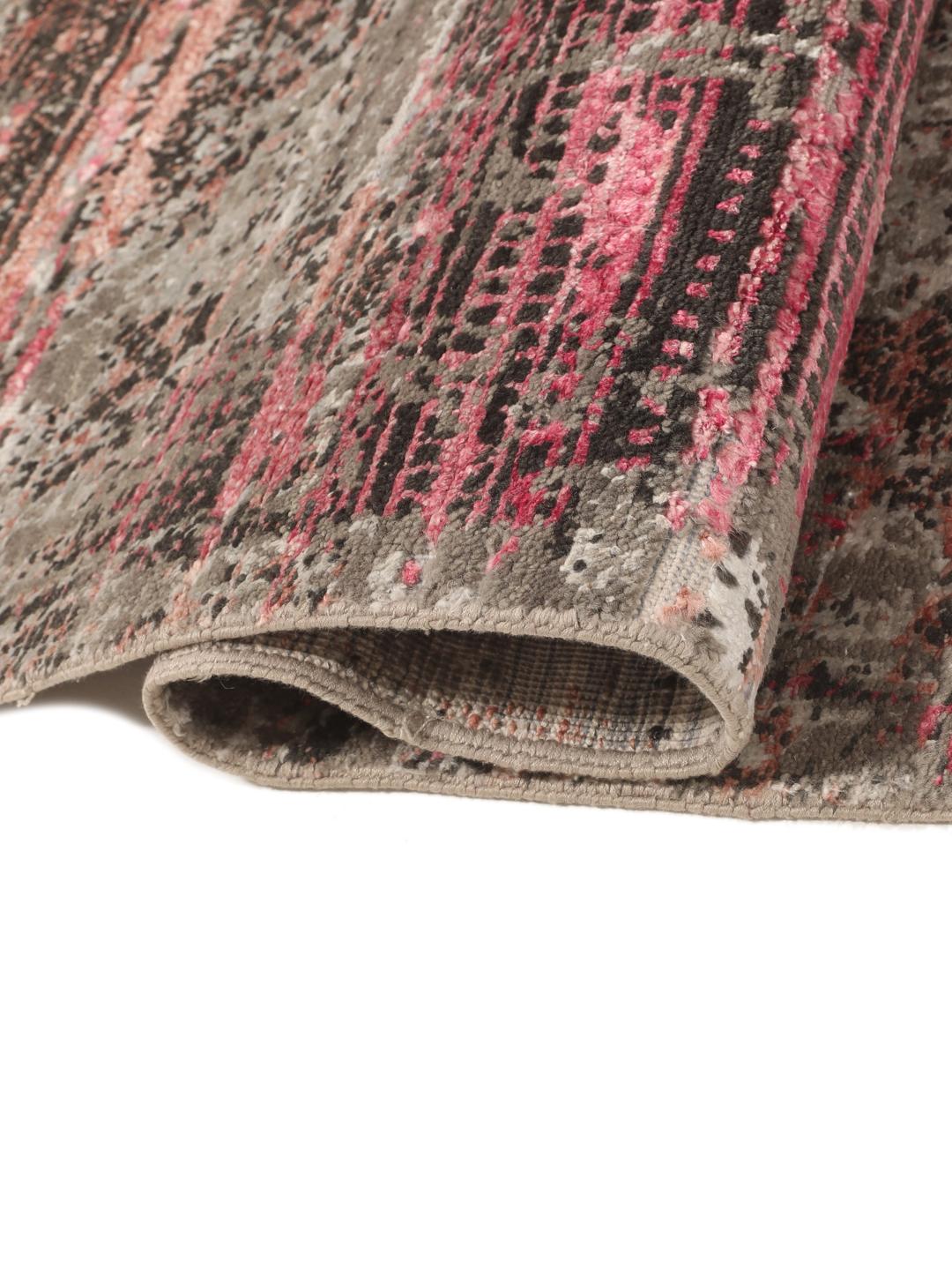
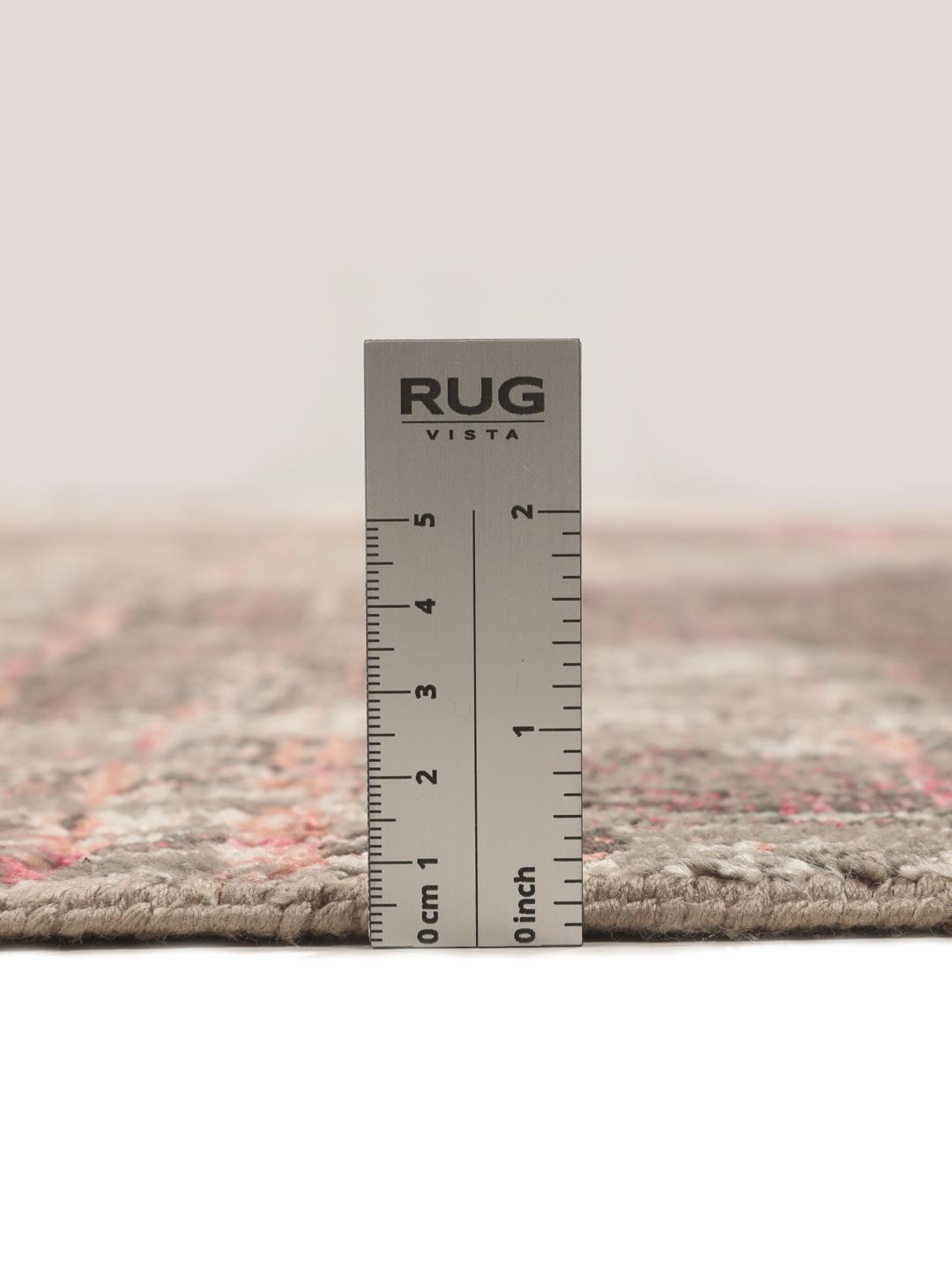
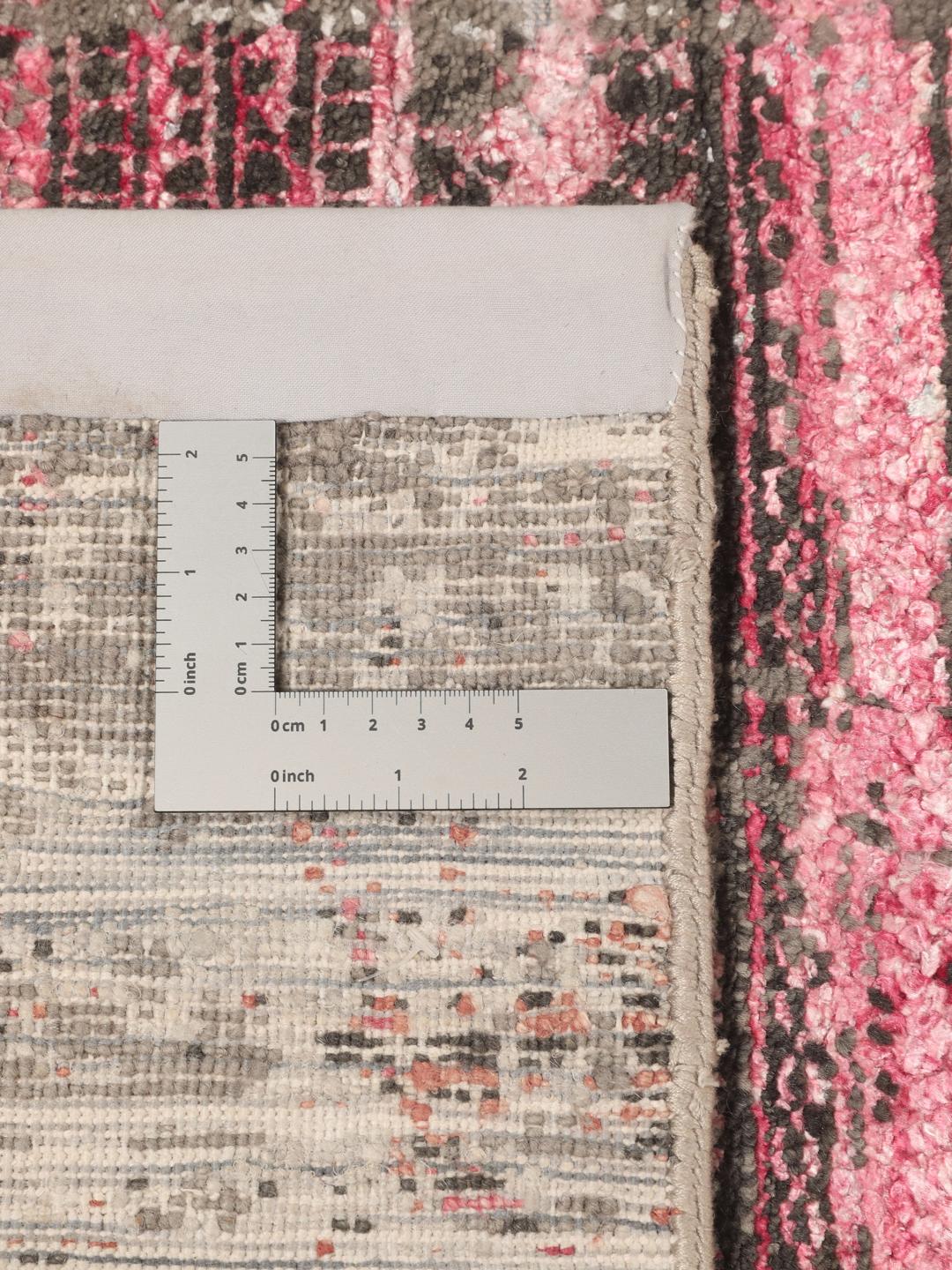
The hand-knotted technique used here is a hallmark of premium rug production. By securing each thread individually to the foundation, weavers are able to create intricate, long-lasting patterns that are structurally superior to tufted or woven rugs. This method ensures that the pile remains upright and dense, which not only enhances the visual clarity of the design but also significantly extends the lifespan of the piece.
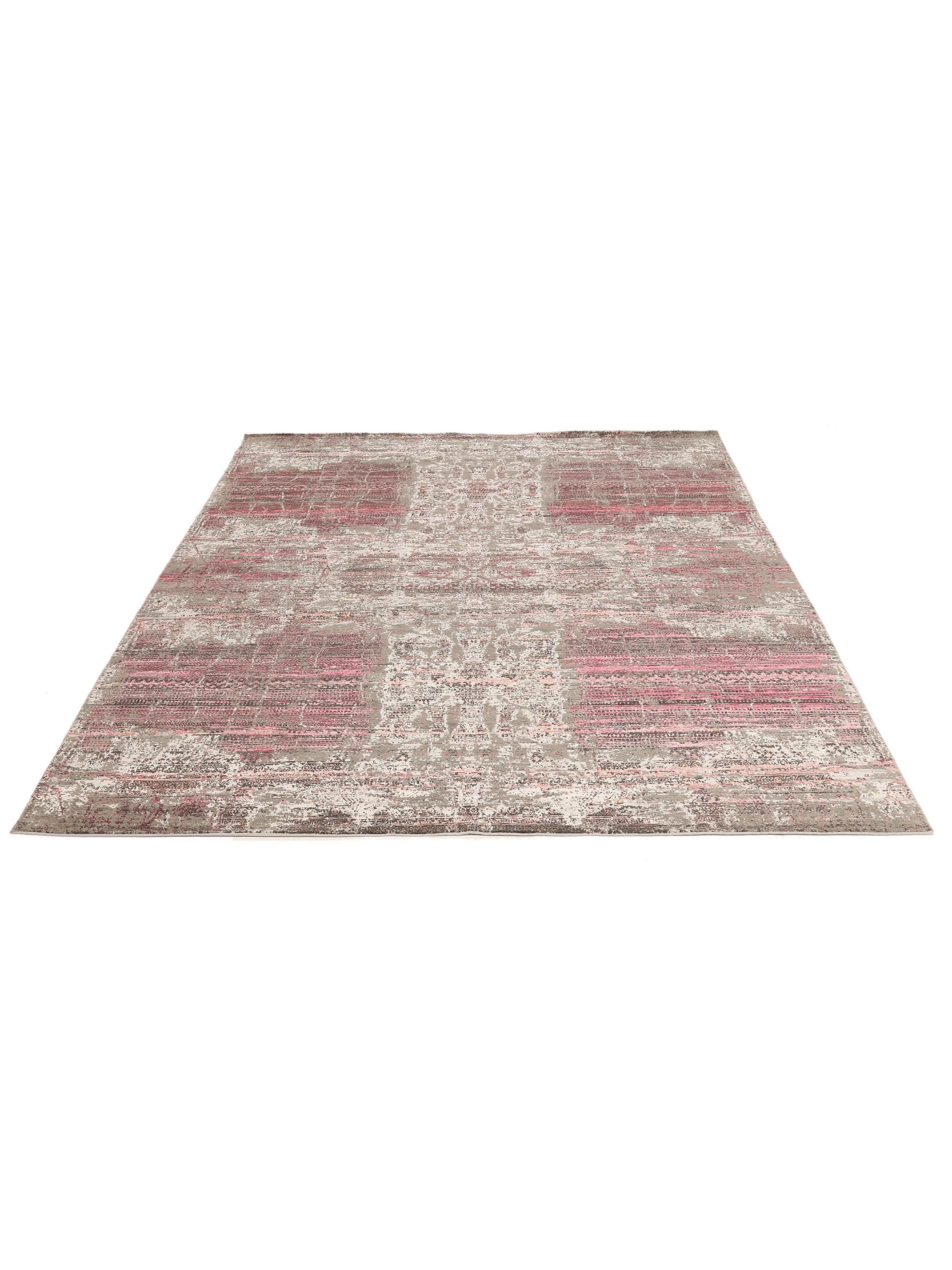
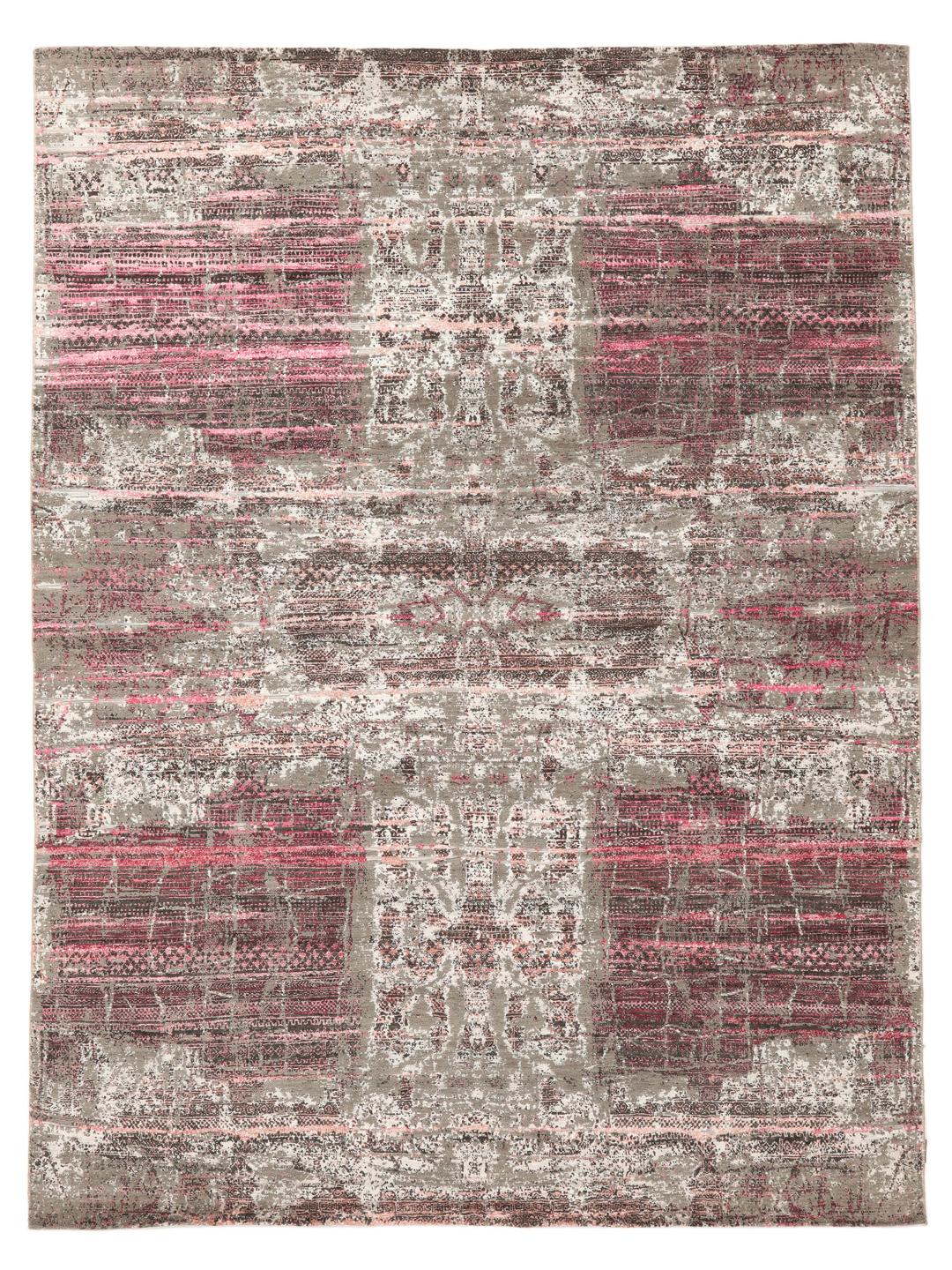
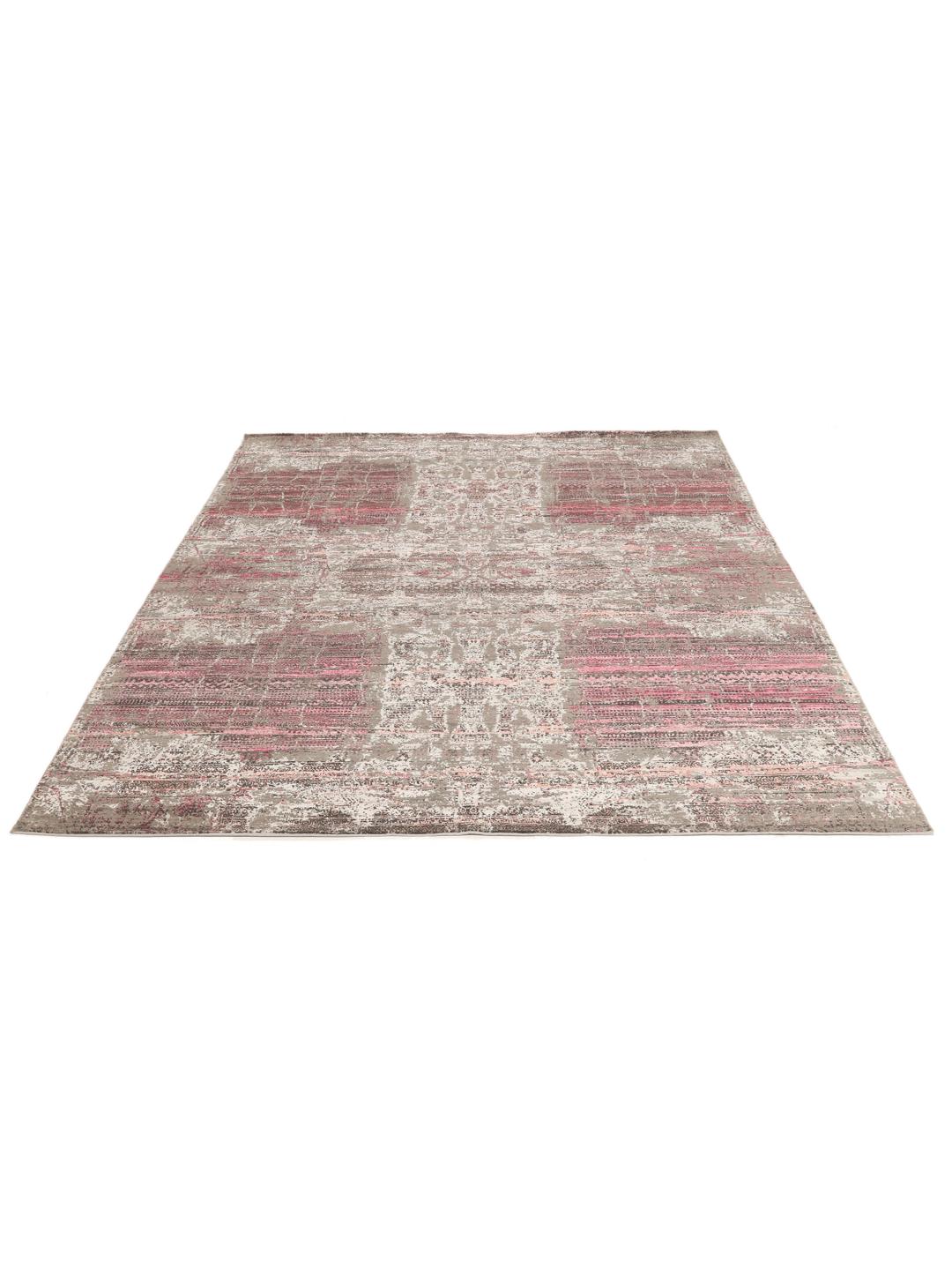
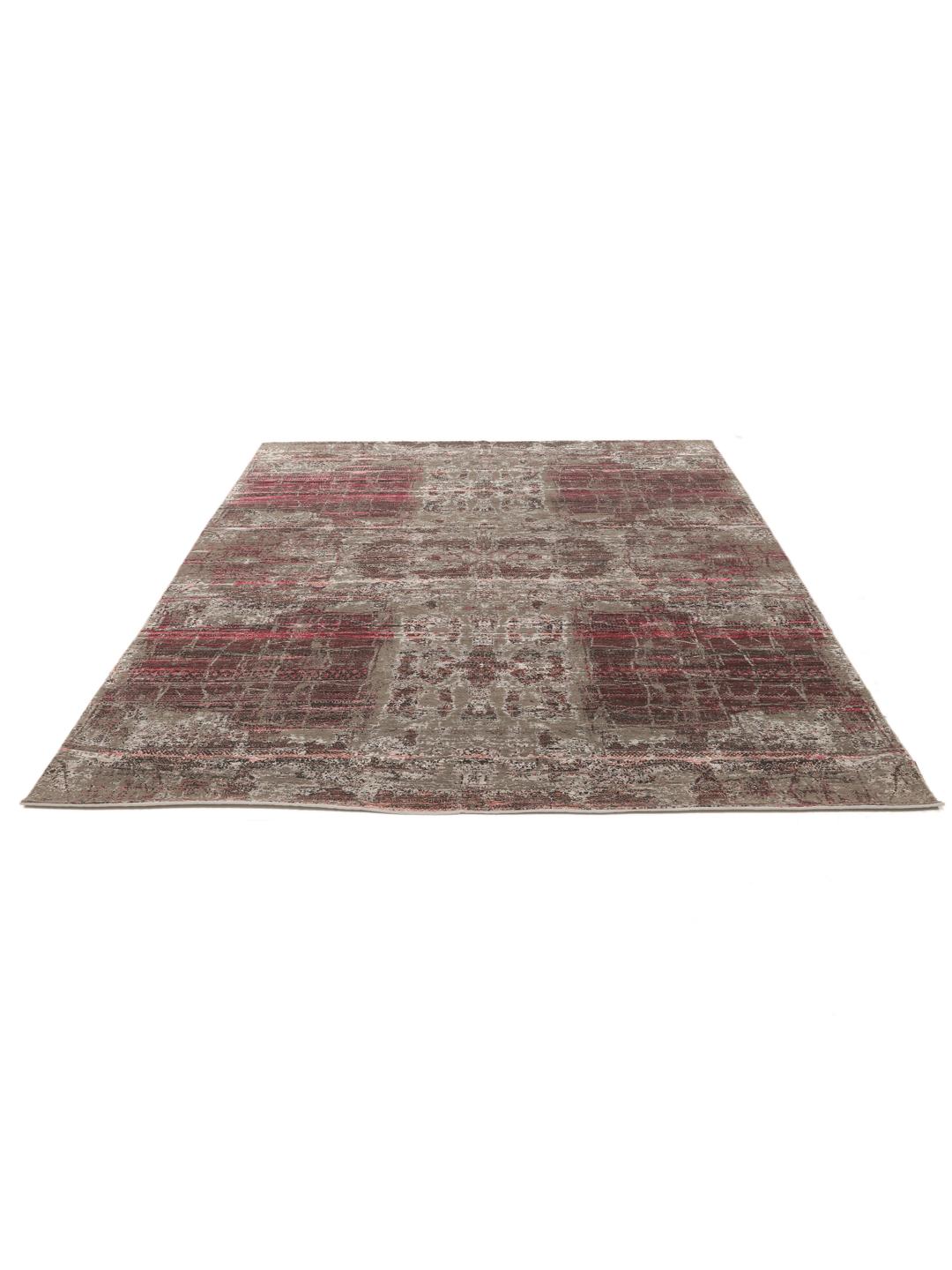
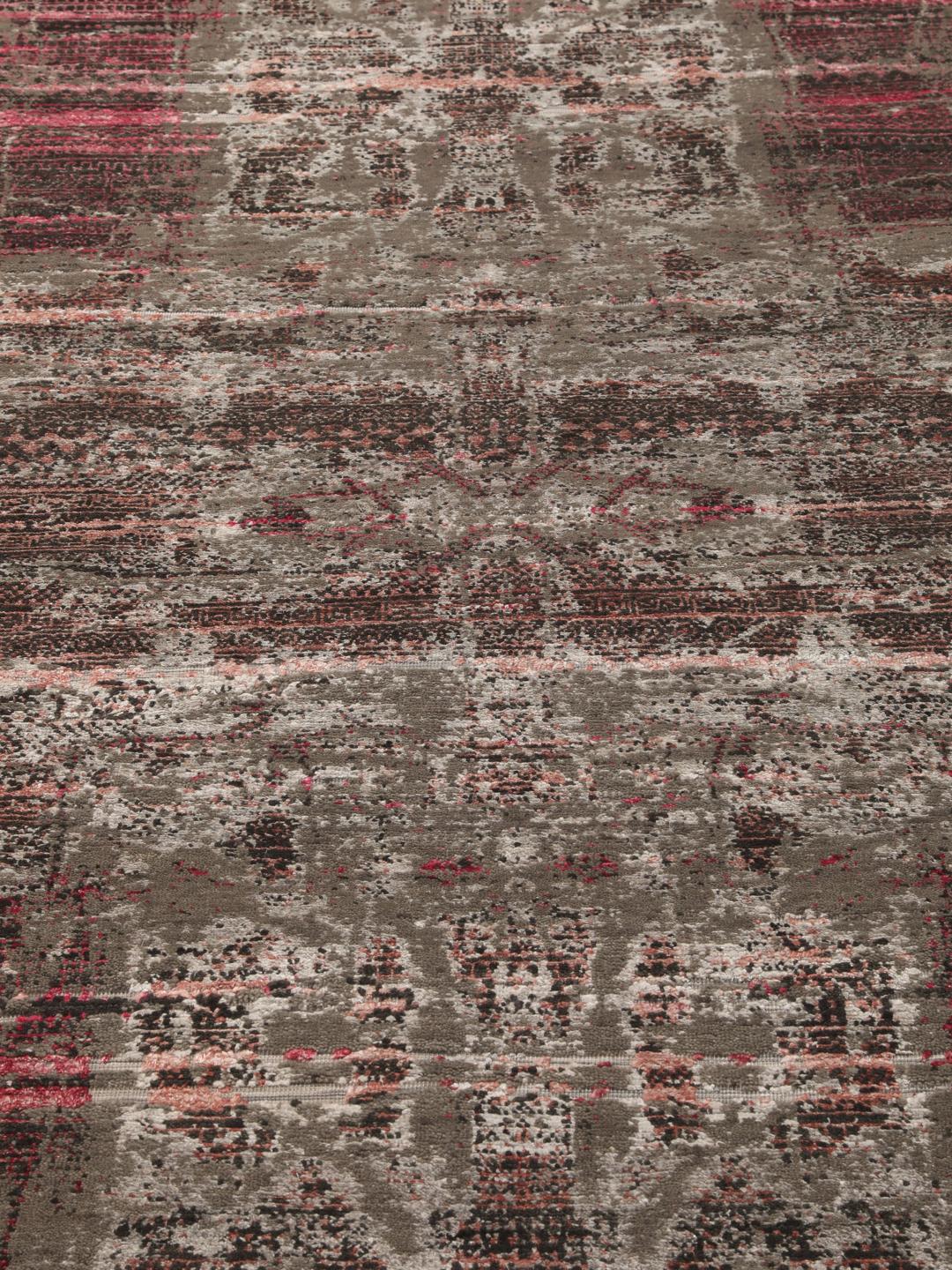
This rug features a contemporary aesthetic that leans into abstract, layered motifs. While traditional rugs often follow rigid, symmetrical formats, this design breaks free from those constraints, utilising a more fluid, artistic approach. The deliberate use of contrasting colours and textured patterns reflects a modern shift in rug design, where the focus is on creating a bold, atmospheric impact that complements modern interior aesthetics.
For collectors and homeowners alike, owning a hand-knotted Indian rug is a mark of appreciation for human skill and cultural continuity. These pieces are valued not only for their beauty but for the narrative they carry, representing a bridge between ancient craft and contemporary living. By choosing this one-of-a-kind rug, you are preserving a tradition of excellence that prioritises authentic, long-lasting quality over mass production.