The tradition of rug weaving in Afghanistan is deeply rooted in the cultural history of the Middle East, drawing on centuries of nomadic and settled artisan practices. While often associated with bold, geometric tribal designs, modern Afghan weaving has evolved to incorporate sophisticated colour palettes and artistic expressions that bridge the gap between ancient craft and contemporary aesthetic sensibilities.
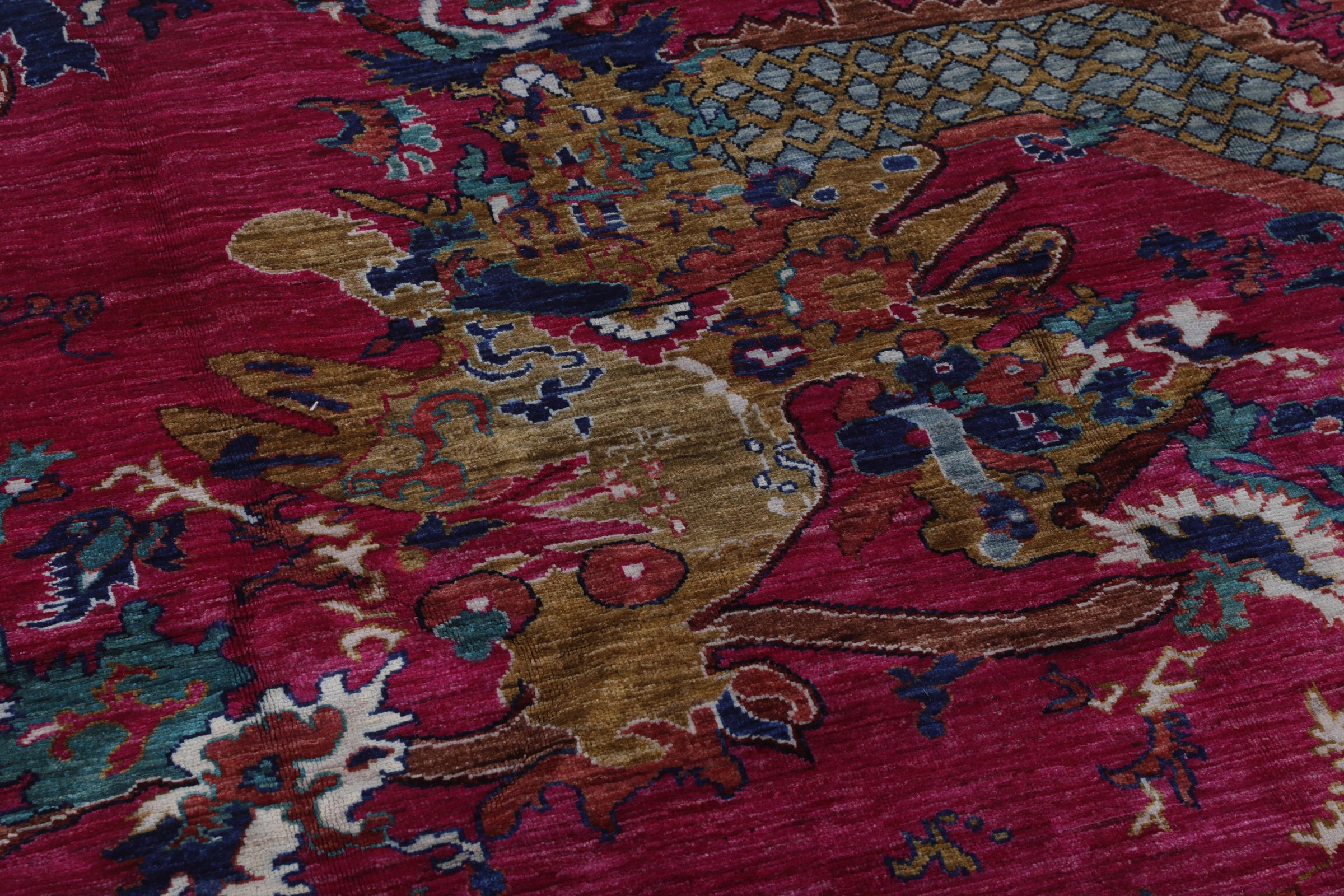
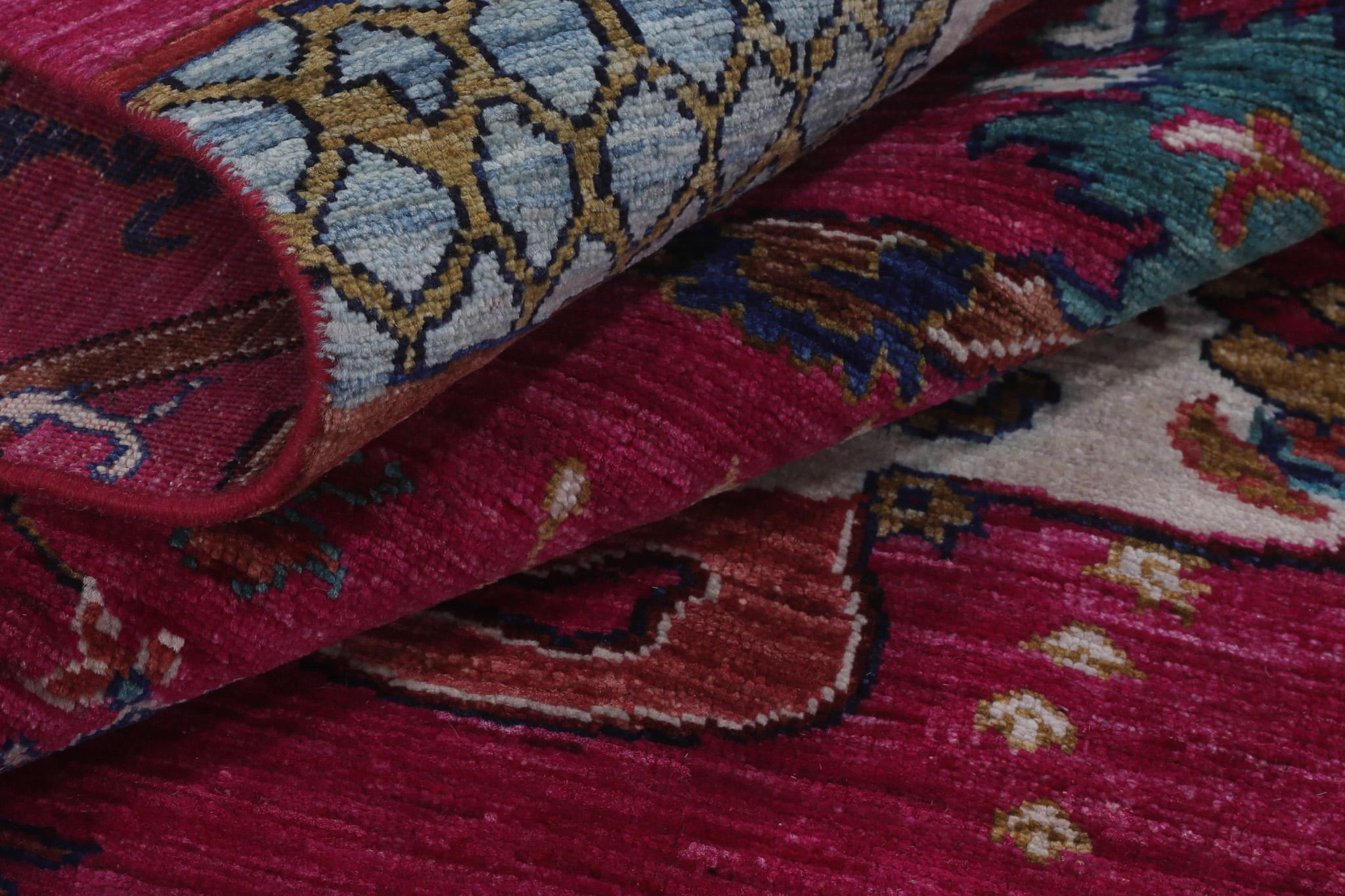
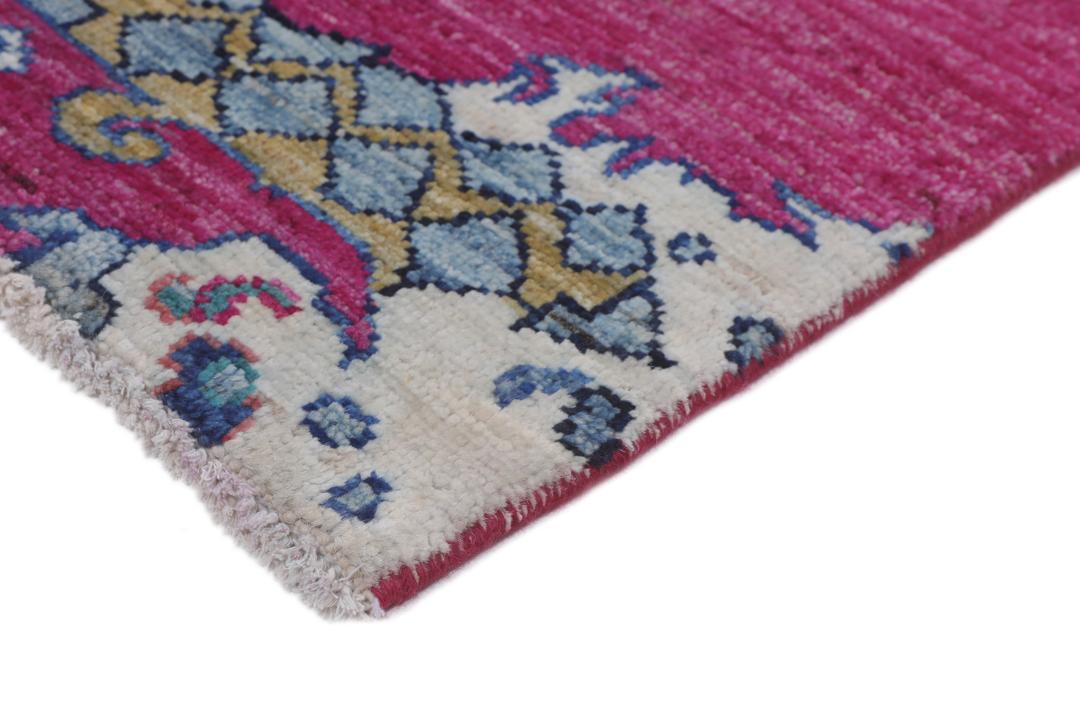
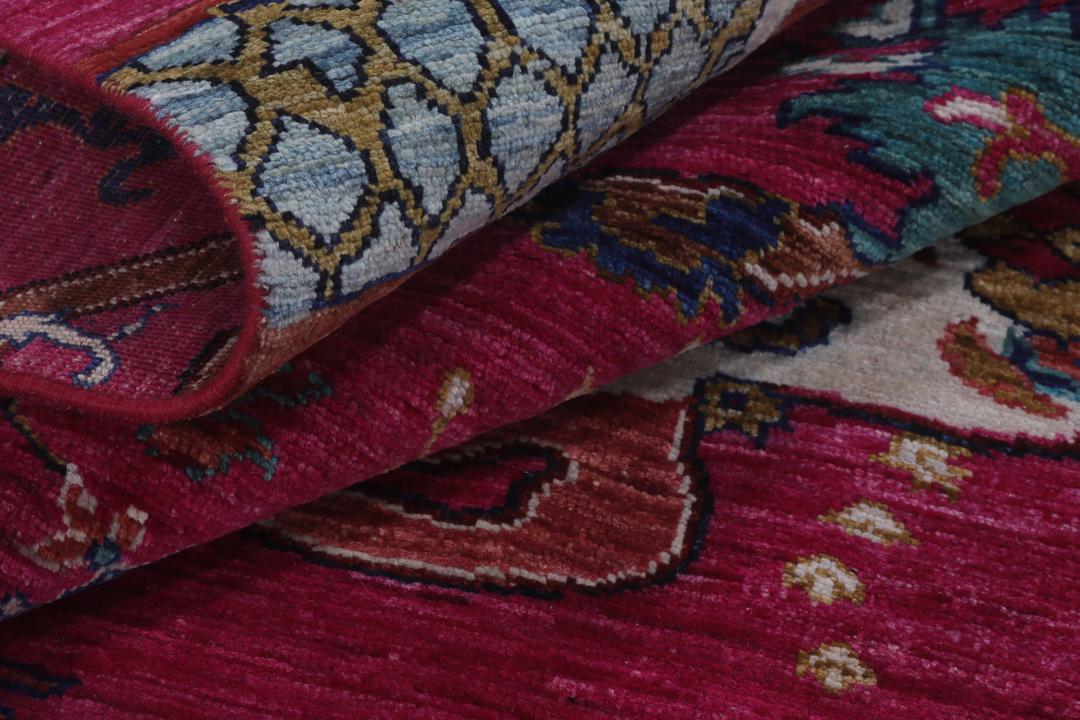
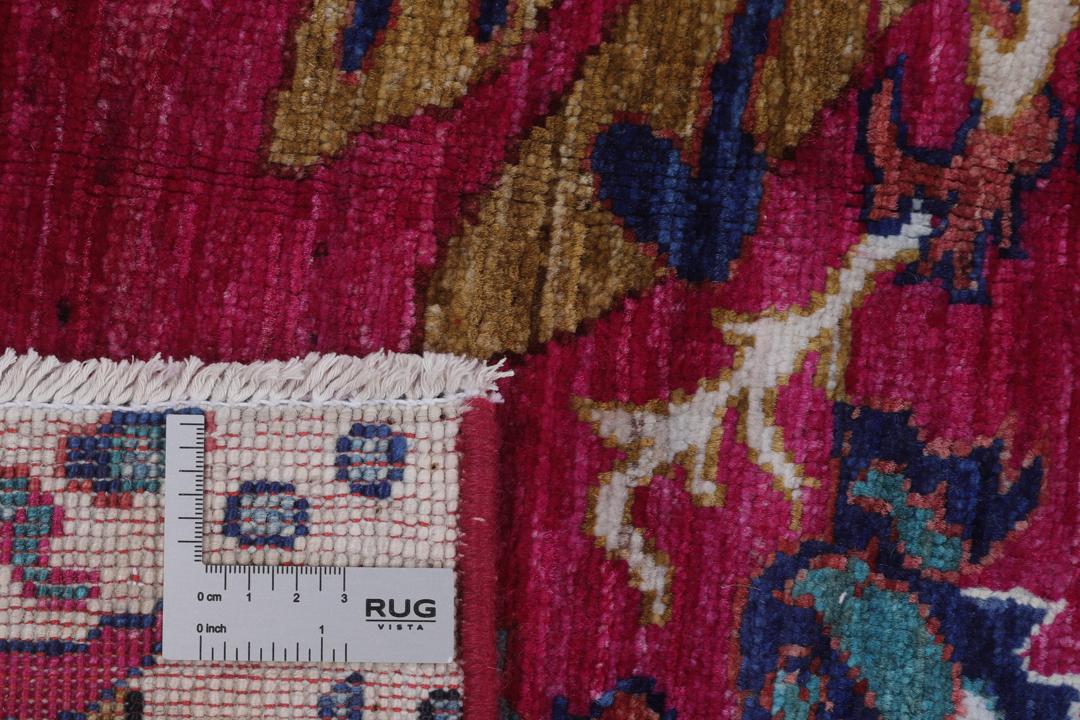
The term 'hand-knotted' refers to the essential method of creating the pile by looping individual strands of Wool around the warp threads. This labour-intensive technique is the hallmark of quality in the region, as it allows for a pile that is not only denser and more lustrous but also significantly more durable than any alternative construction method.
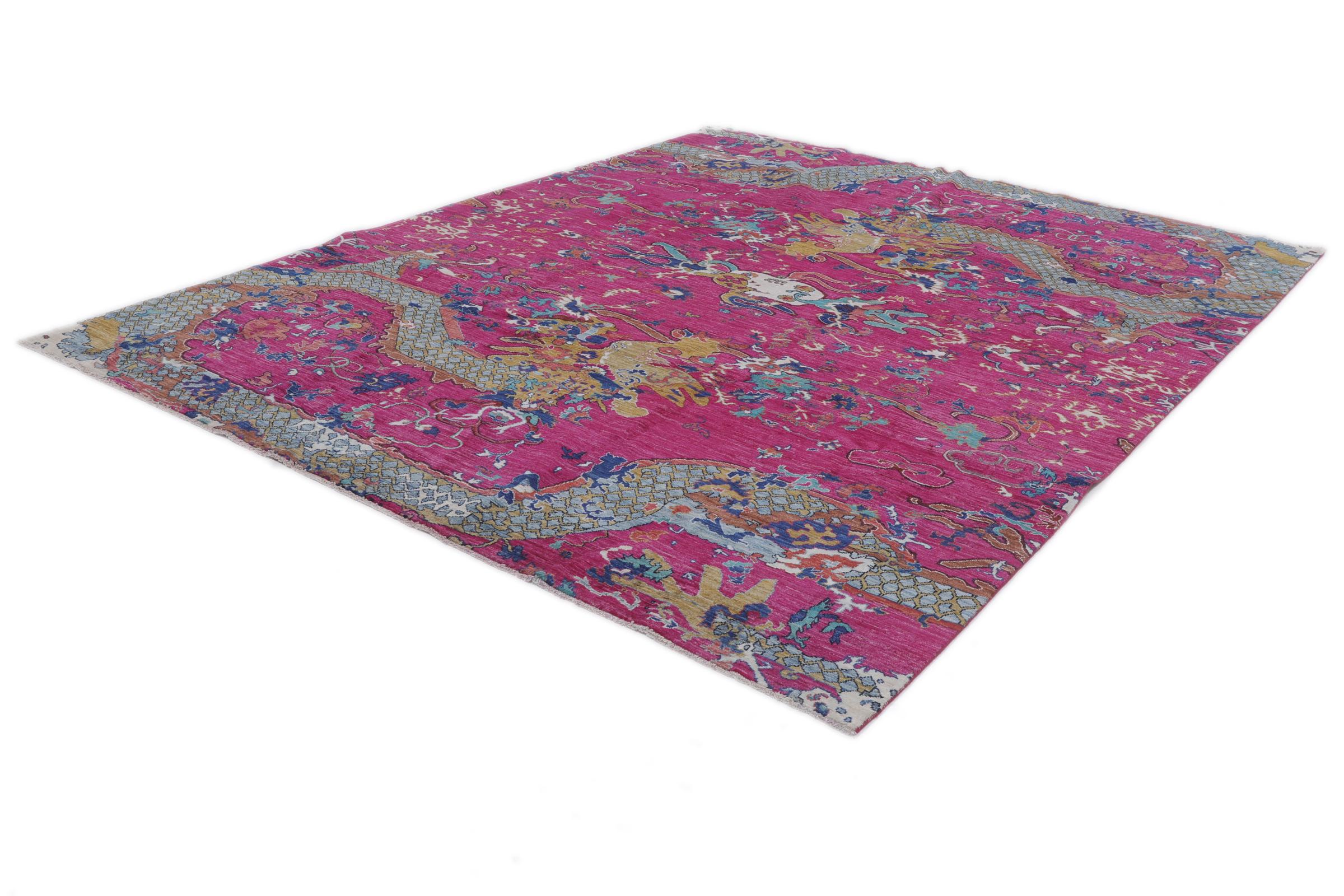
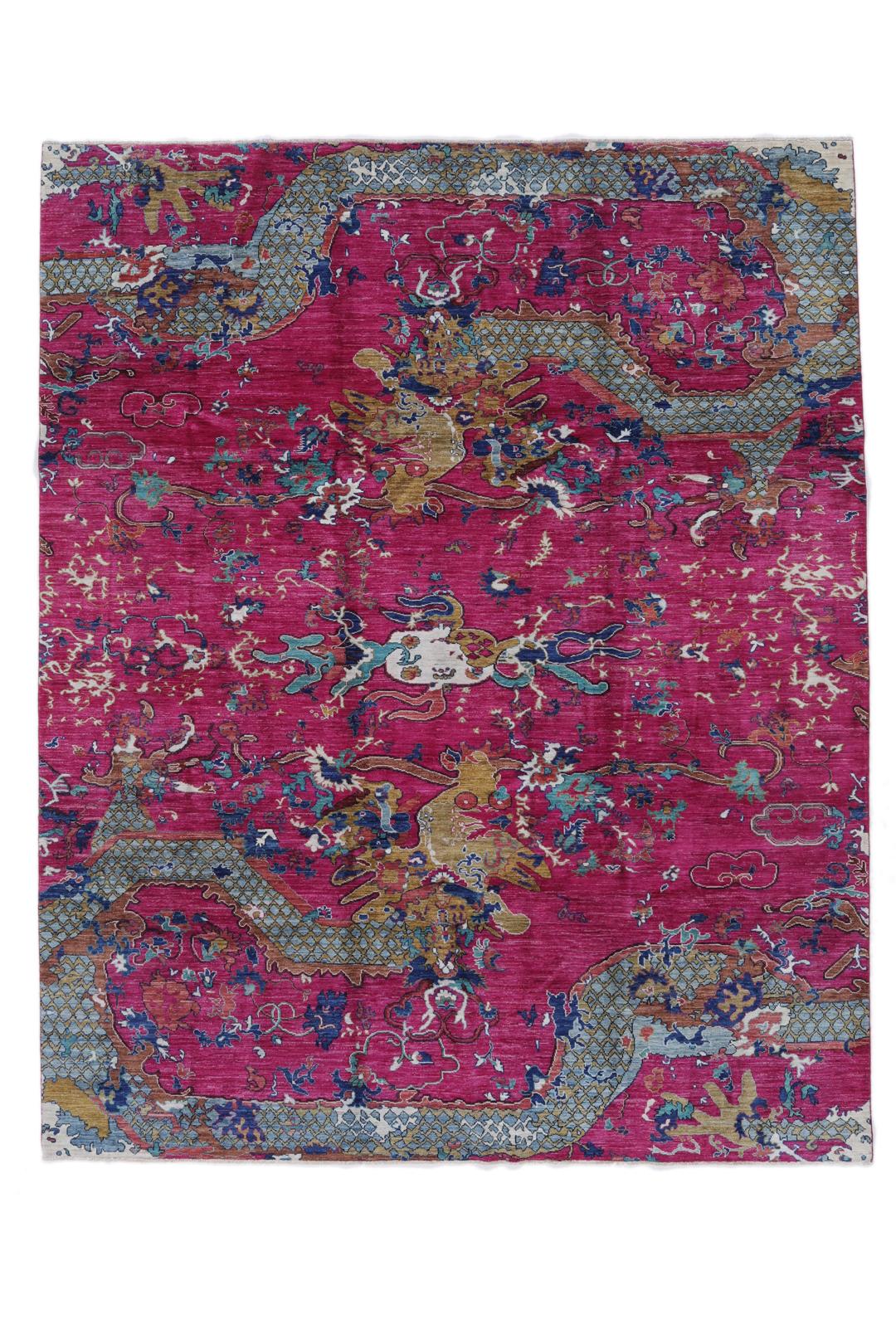
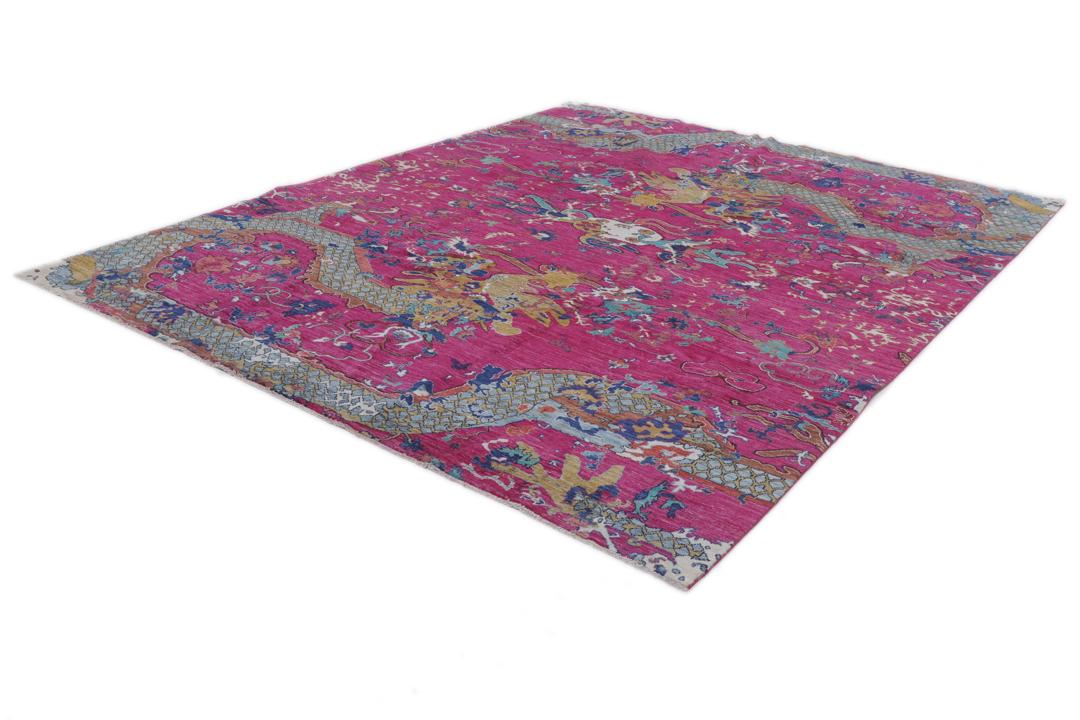
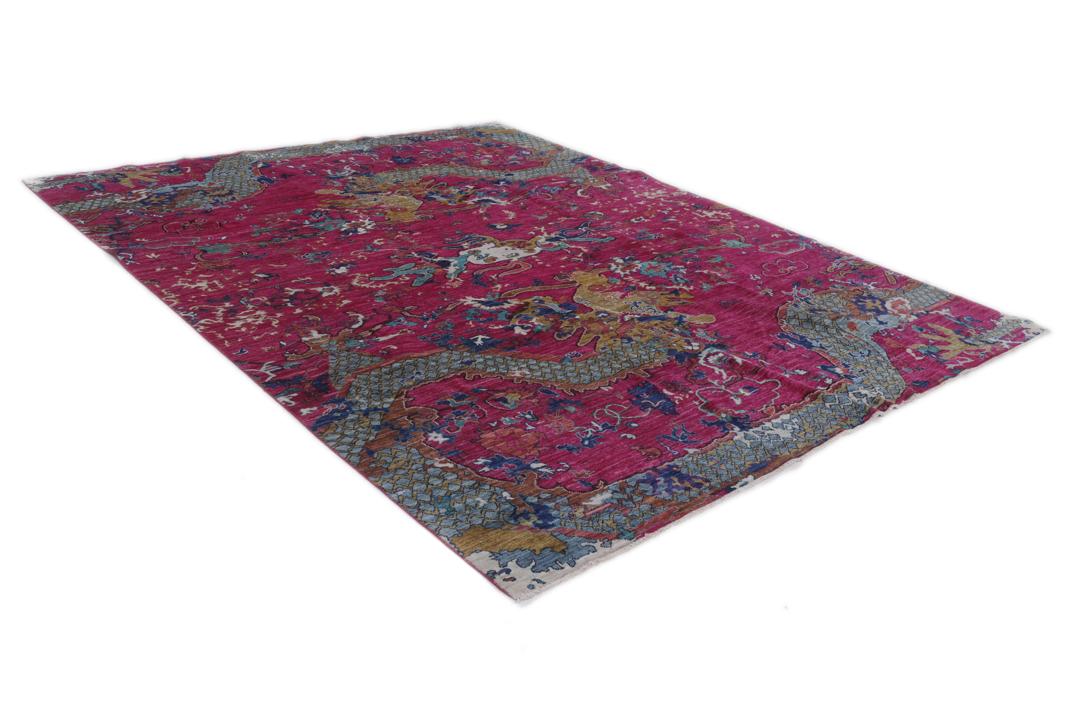
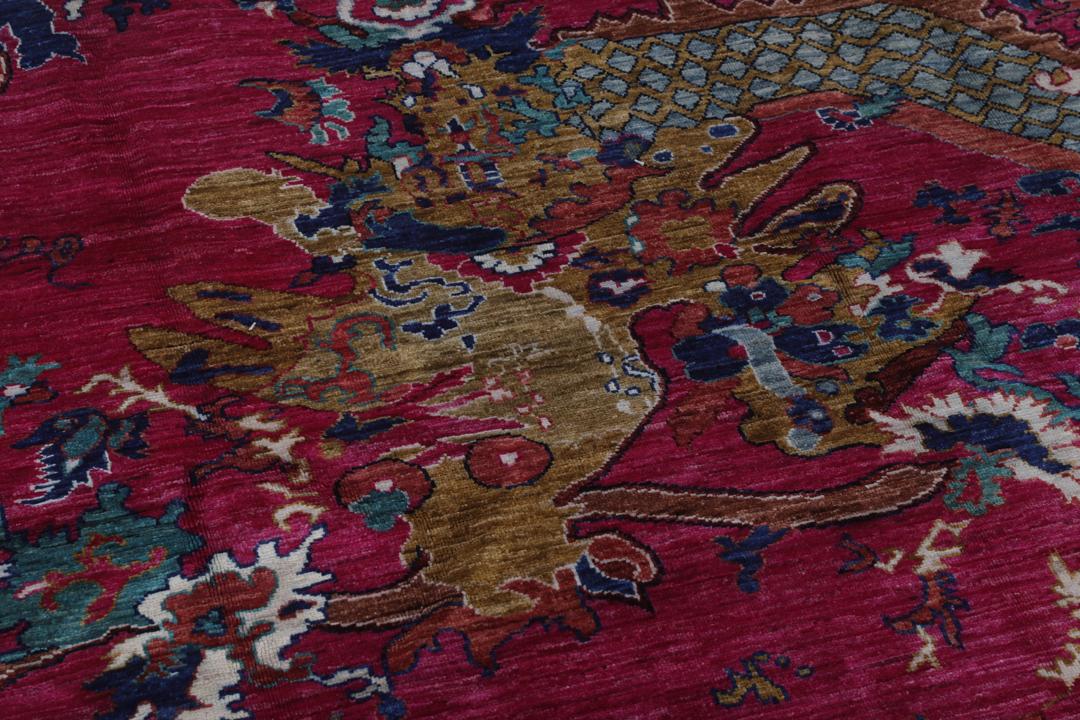
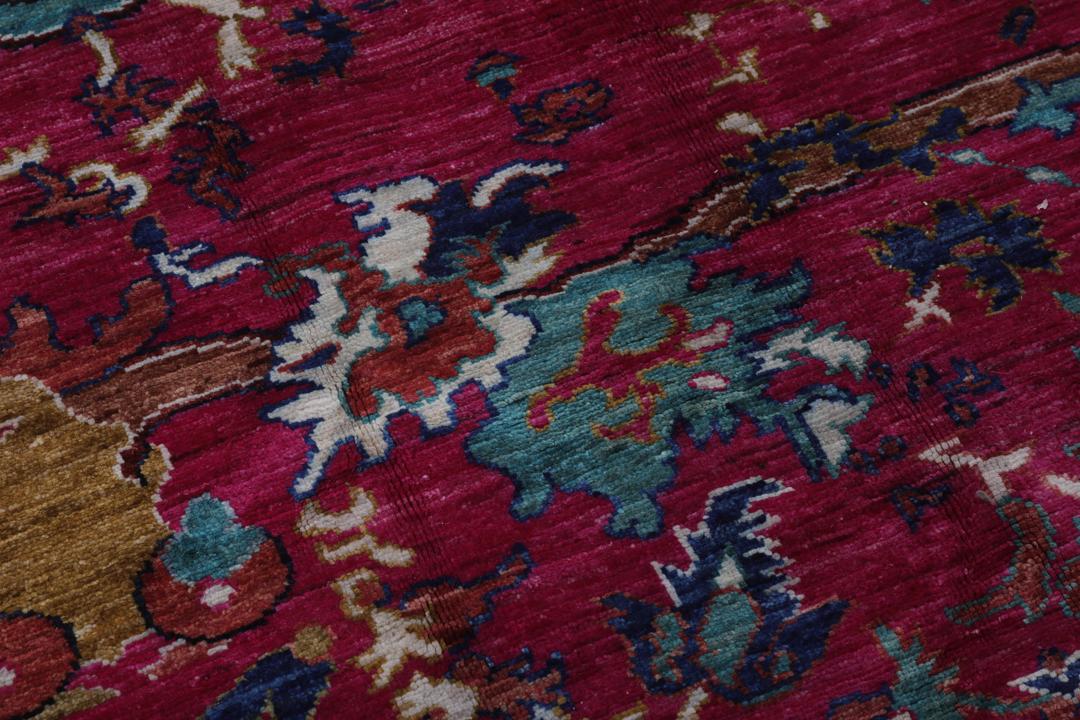
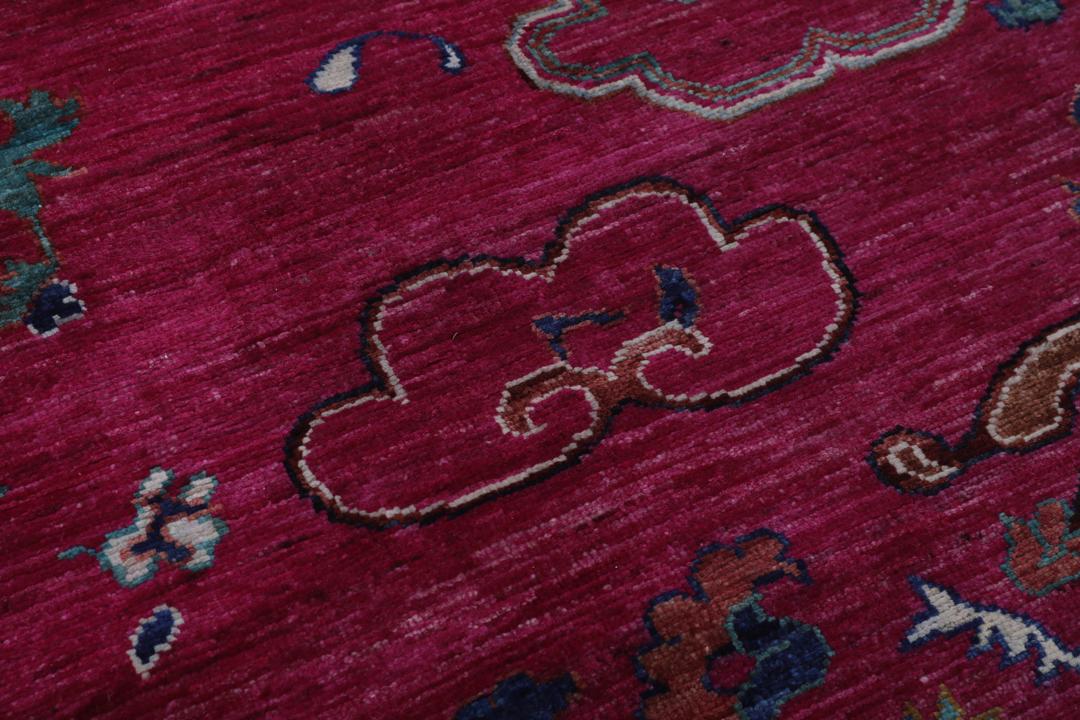
Visually, this rug draws inspiration from classic pictorial traditions, where motifs like dragons, clouds, and floral elements are woven into a cohesive narrative. These symbols often carry deep cultural meanings, representing protection, prosperity, or natural harmony, and their inclusion in modern designs showcases the ongoing relevance of these historical visual languages.
Owning a hand-knotted rug from this region is an investment in heritage and human skill. Collectors value these pieces because they reflect the unique vision of the weaver, standing as a testament to a craft that prioritises patience and quality over mass production, ensuring that each rug carries its own distinct story.