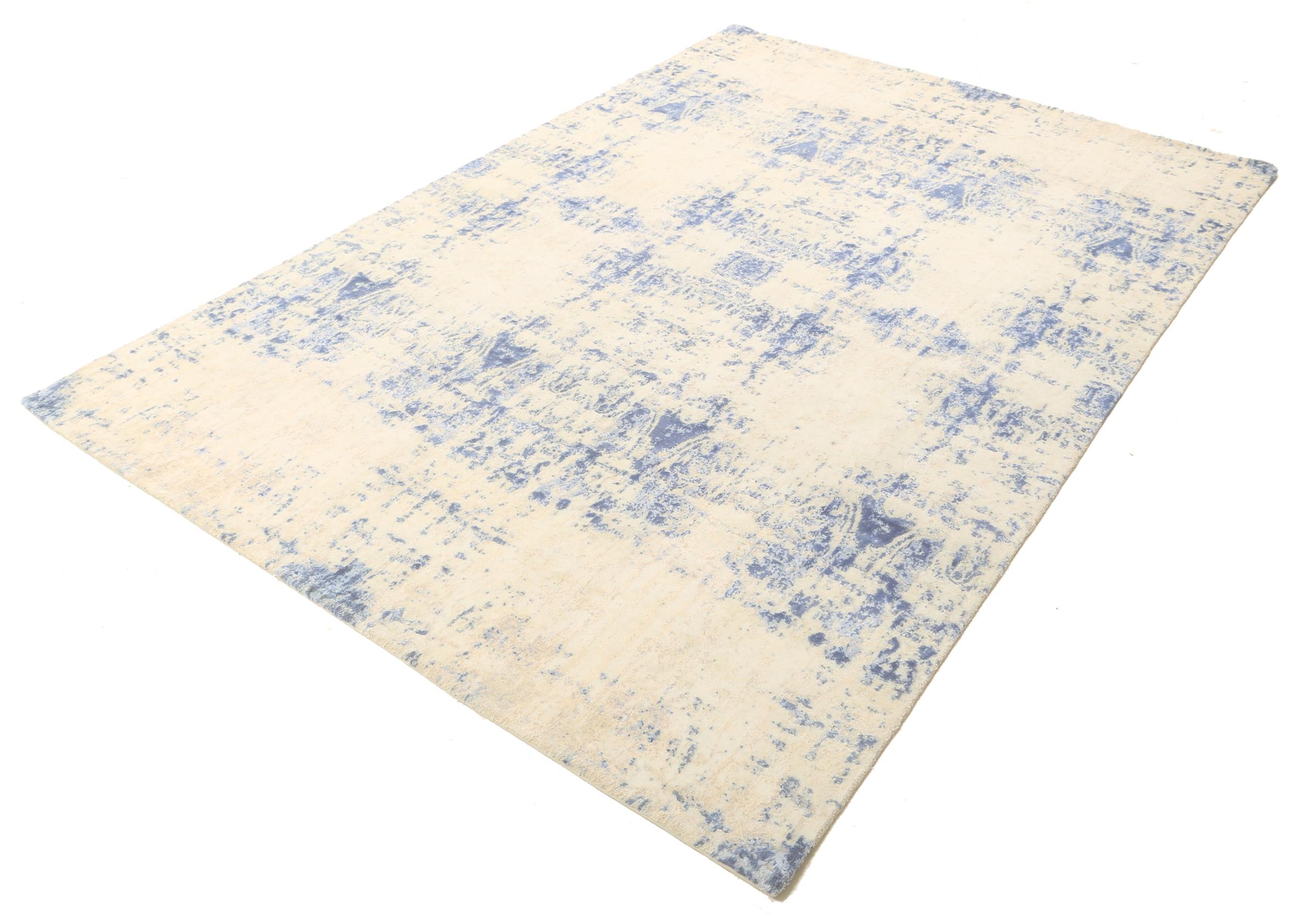
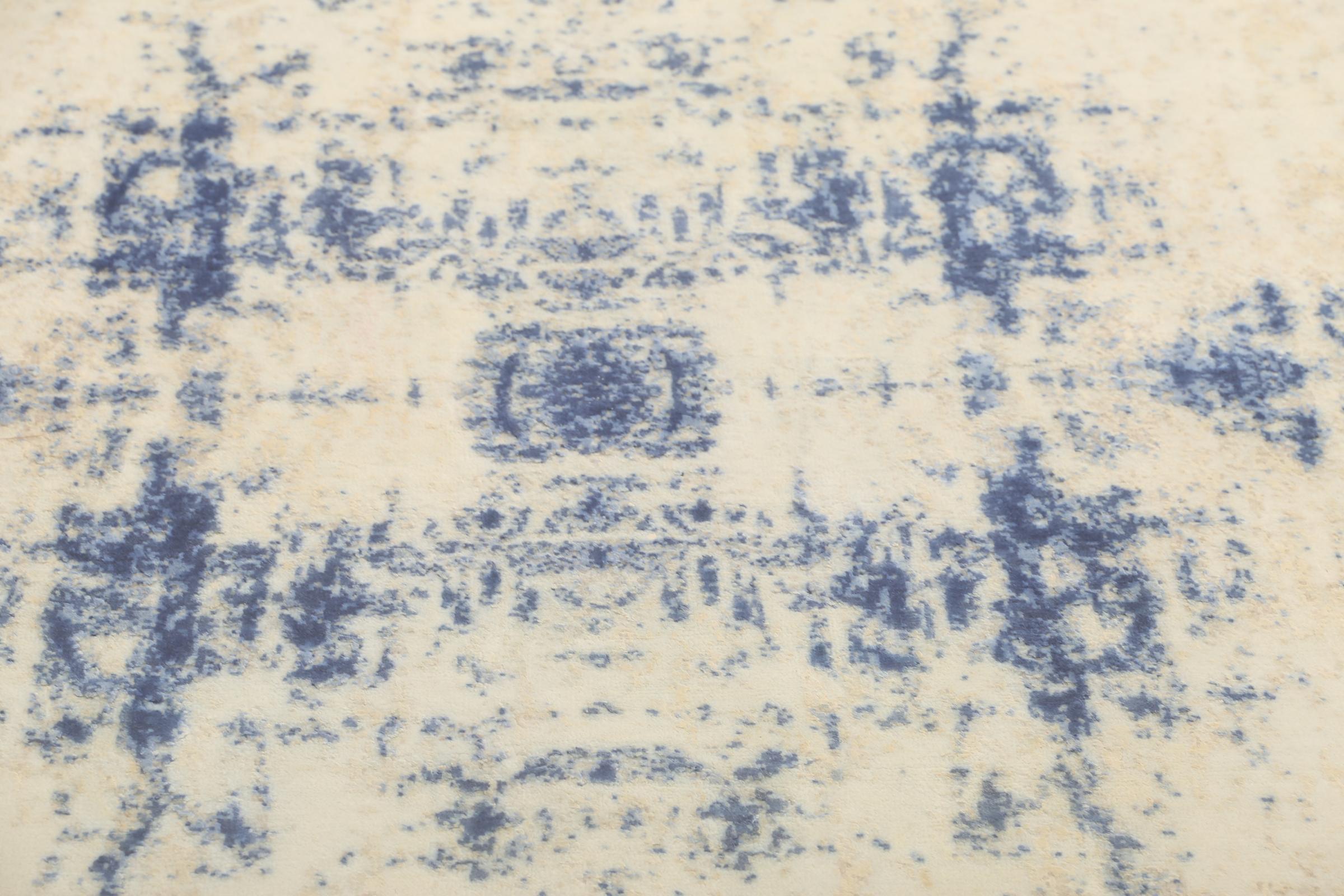
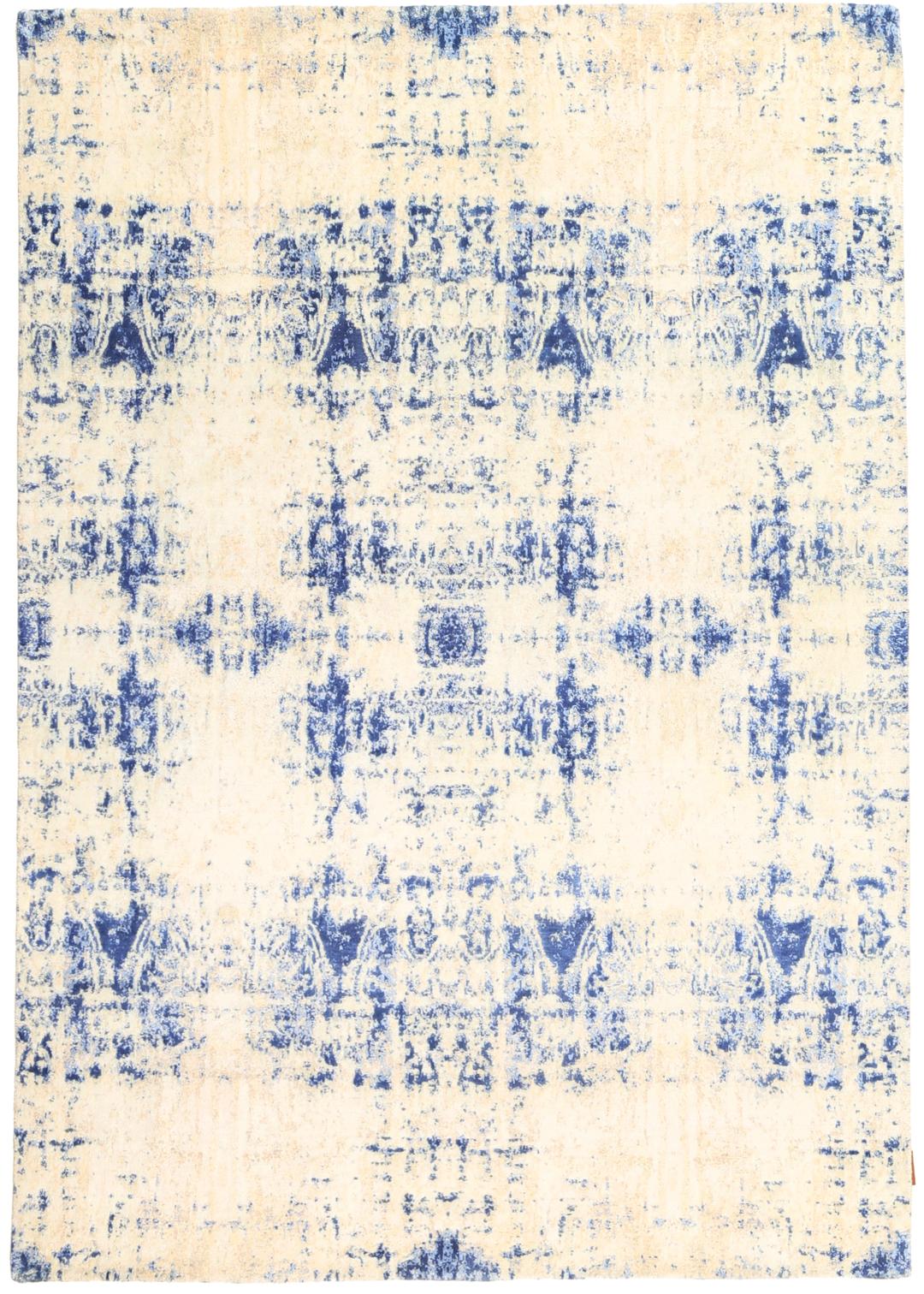
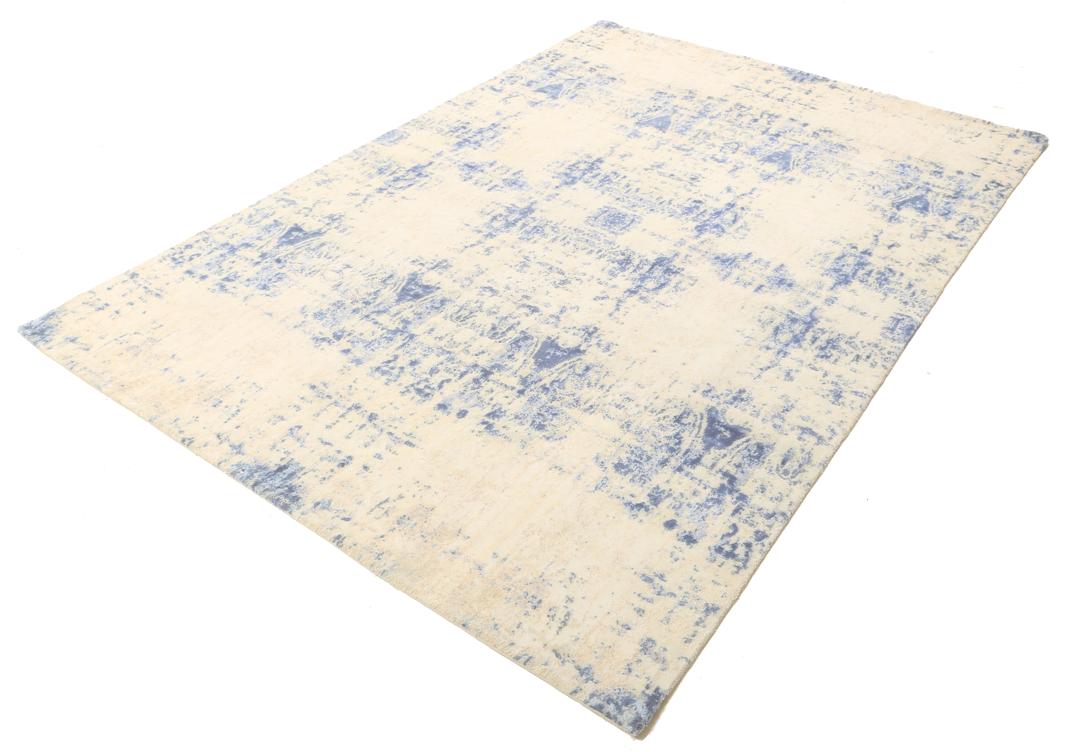
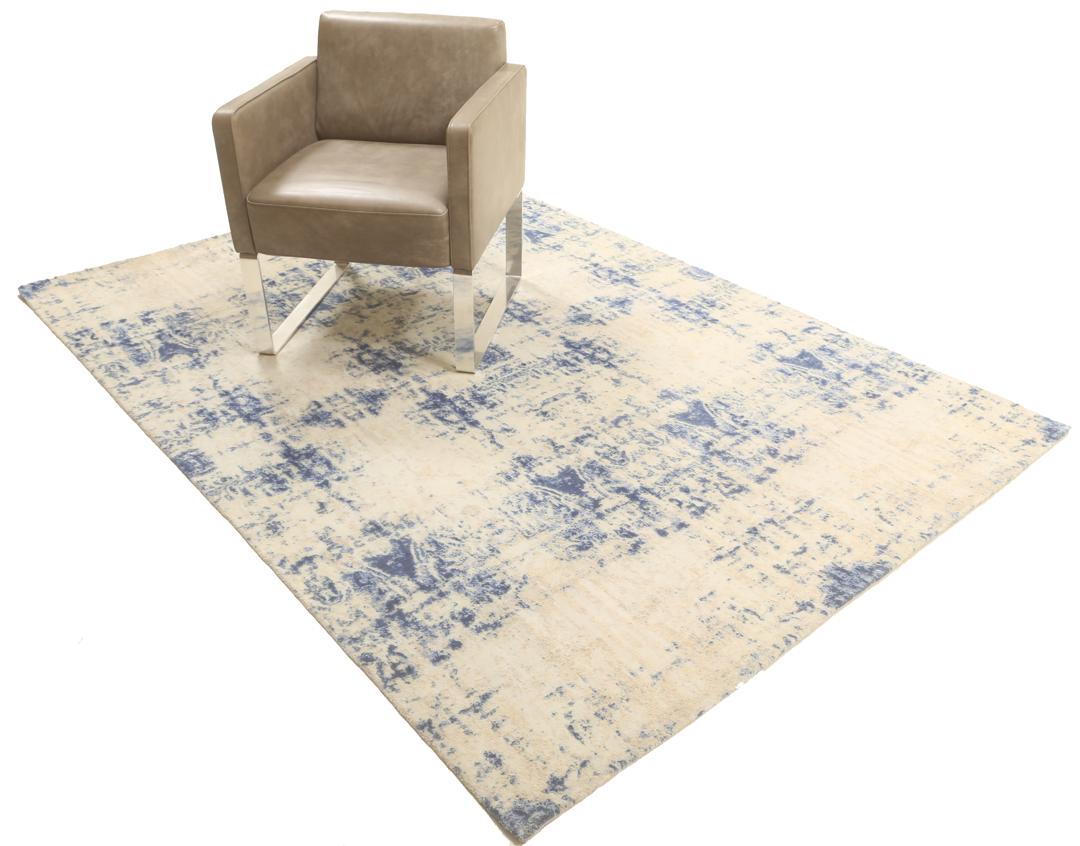
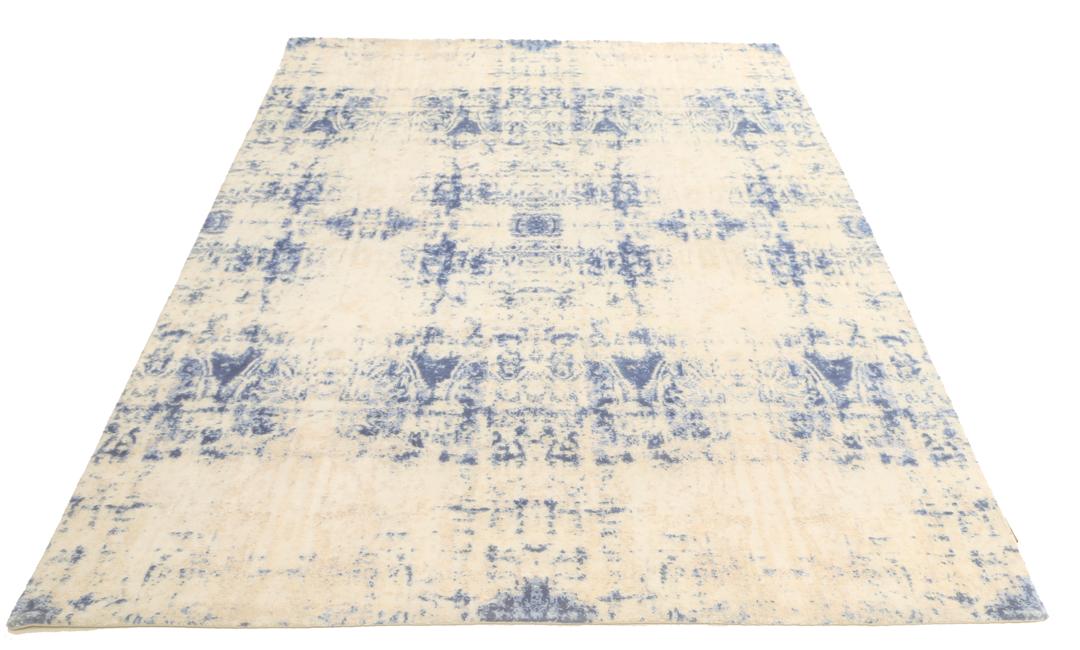
The tradition of rug-making in India is a vibrant tapestry of history, dating back to the 16th century when the craft was introduced by Mughal emperors. Over the centuries, India has evolved into a global hub for fine textile production, blending ancient techniques with contemporary artistic expressions that appeal to modern sensibilities.
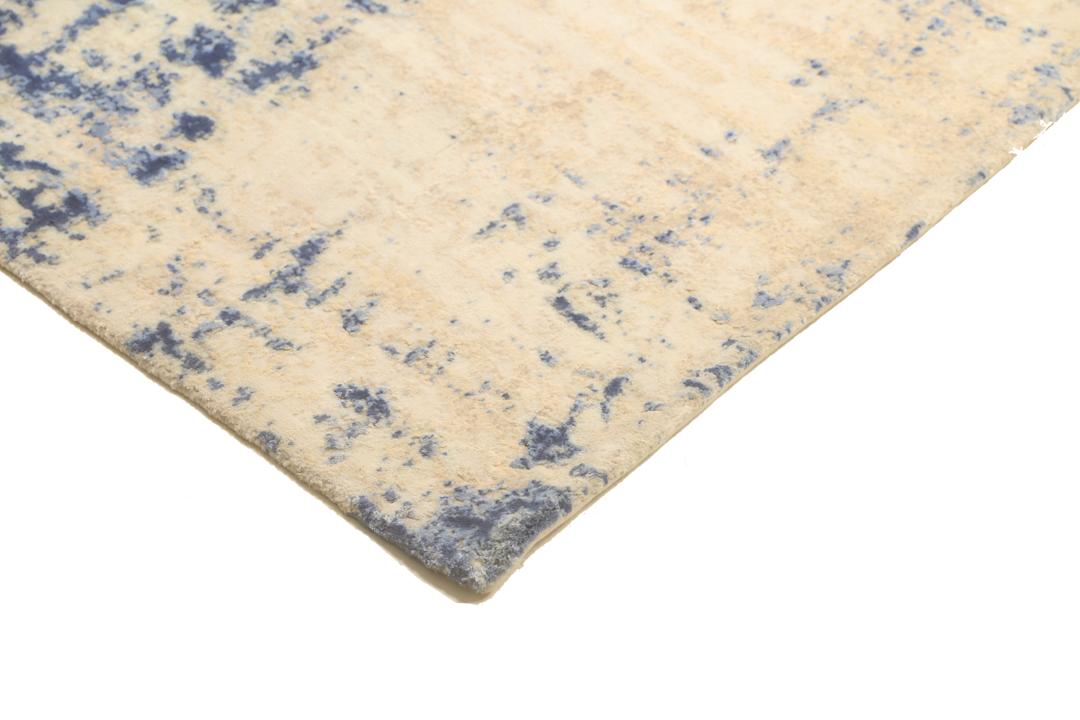
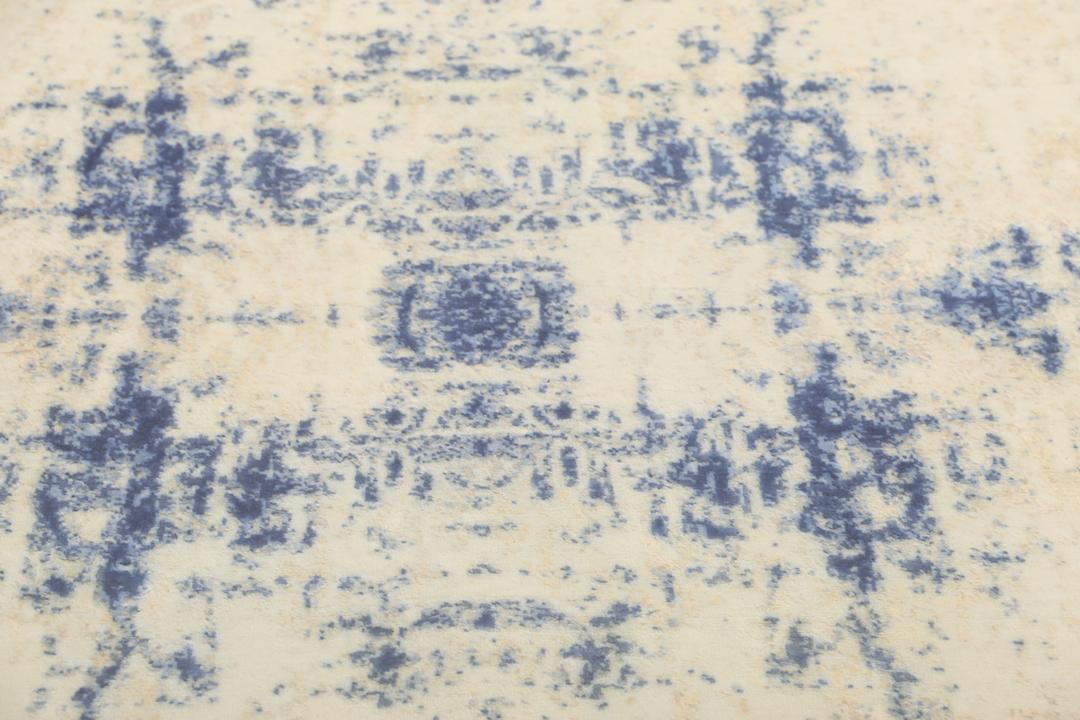
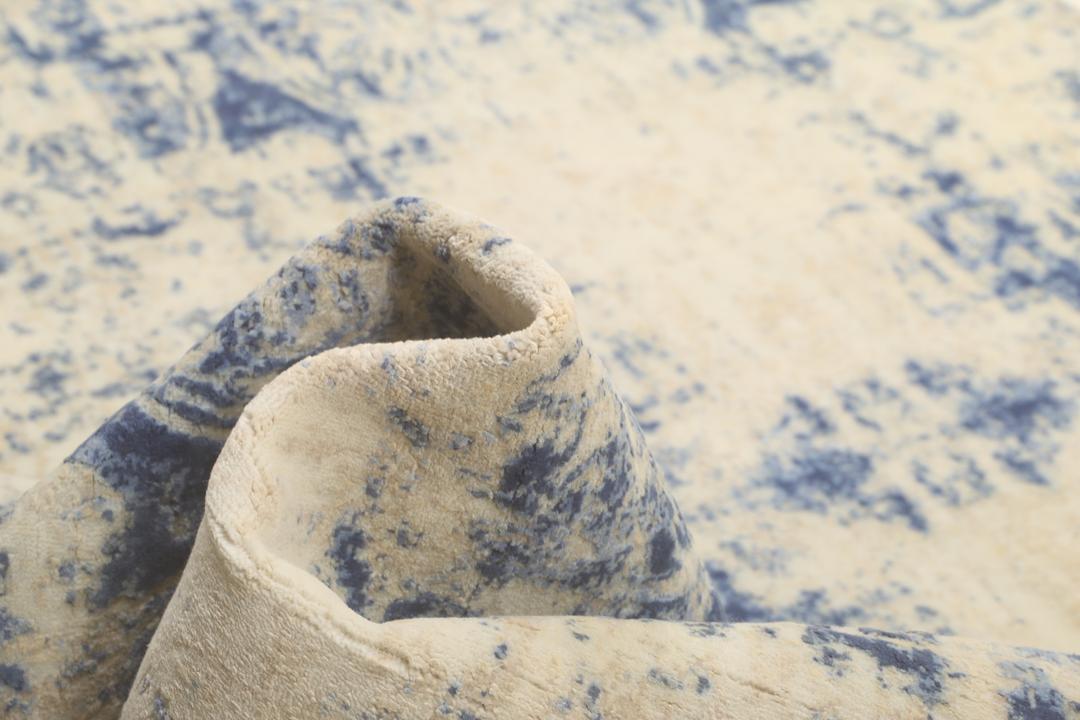
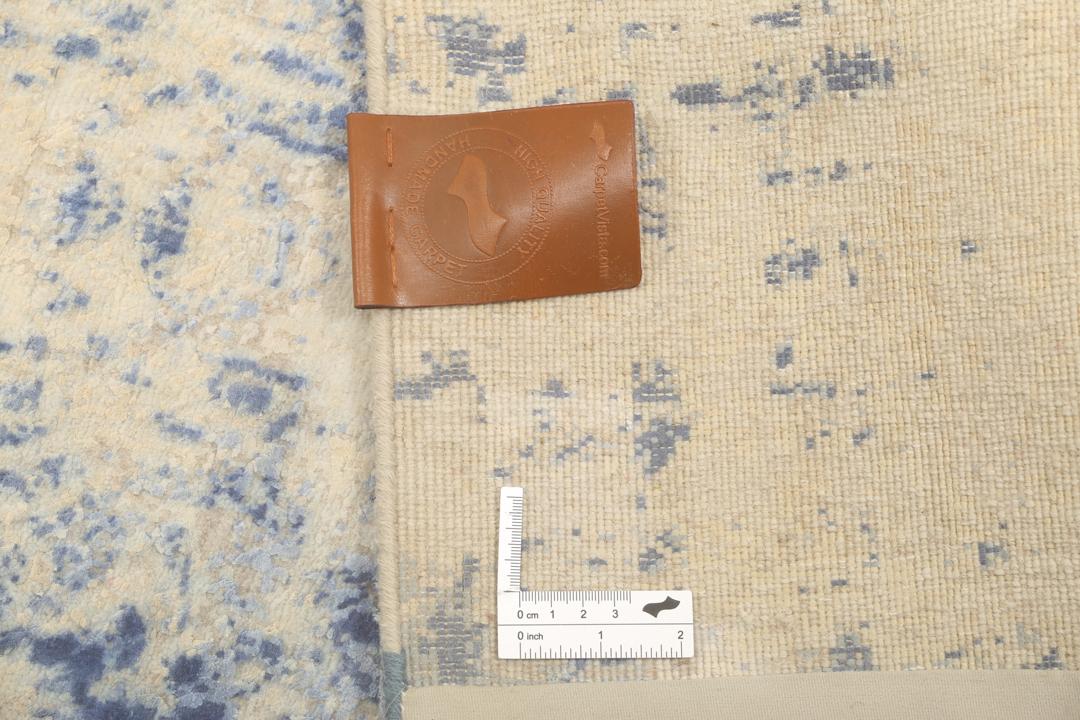
Hand-knotting is the hallmark of fine rug production, a technique that involves looping individual strands of Wool around the warp threads of the foundation. This method is far superior to machine-made alternatives, as it creates a stronger, more durable structure that allows for intricate patterns and a more luxurious, tactile quality that improves with age.
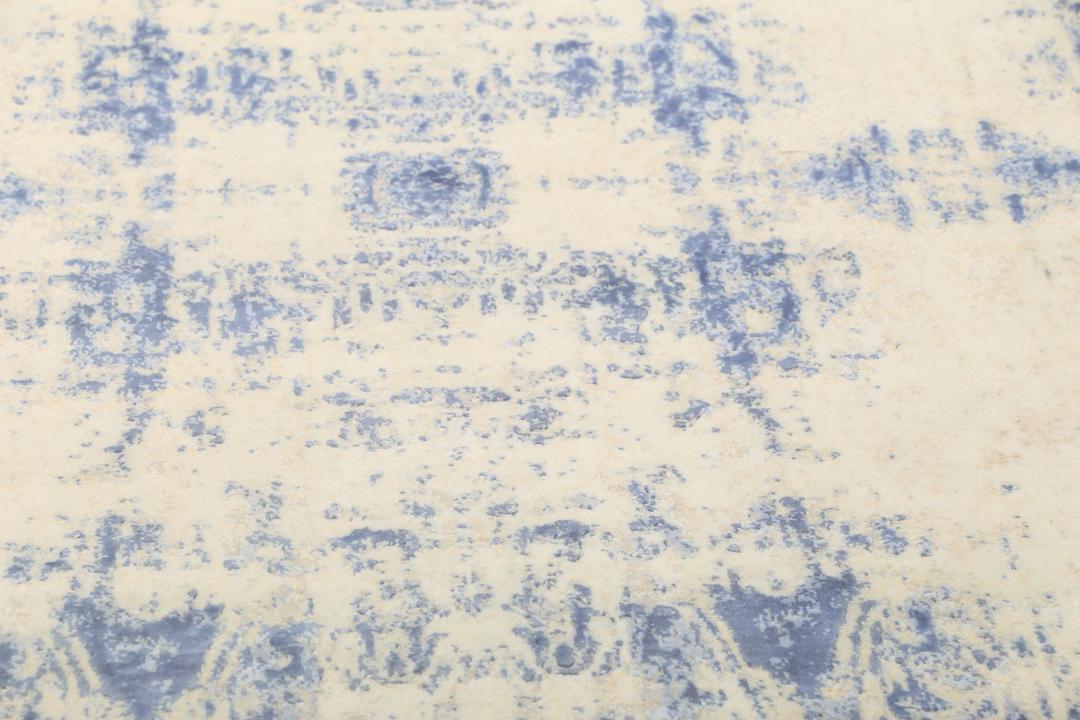
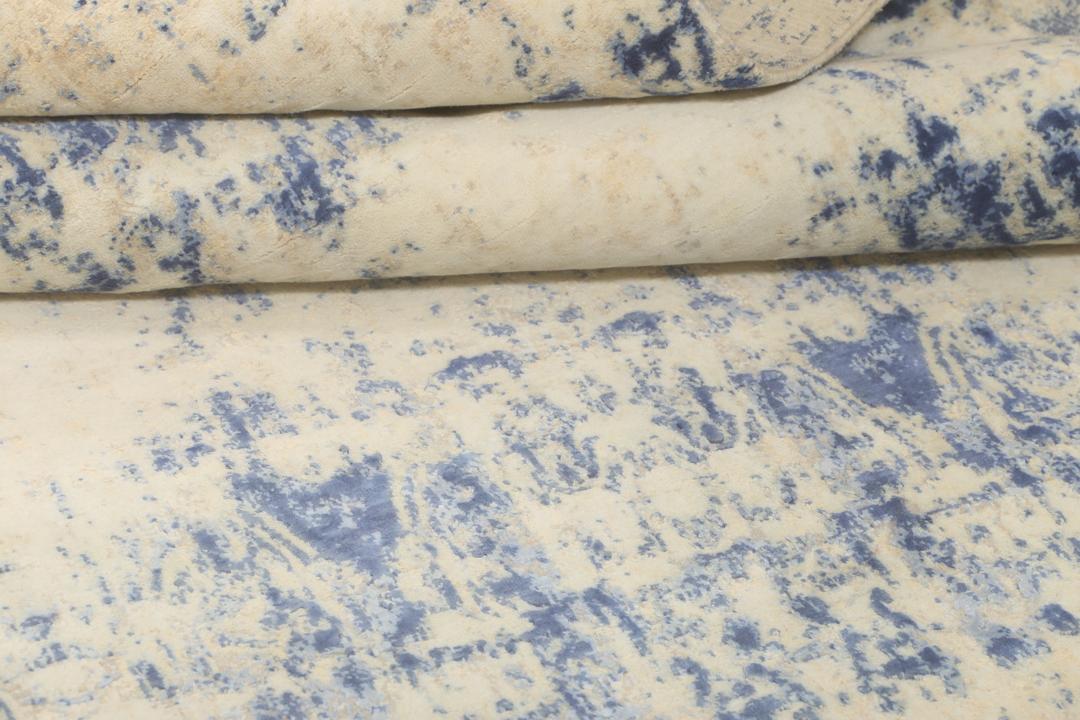
Modern designs often draw inspiration from abstract art and traditional motifs, reimagining them with bold colour palettes and simplified forms. This specific style reflects a movement toward cleaner, more open designs that allow the quality of the material and the subtle variations of the hand-dyed Wool to take centre stage.
Owning a hand-knotted rug from this region is an investment in heritage and skill. These pieces are highly valued by collectors and enthusiasts alike because they represent a human connection to the creative process. By bringing such a rug into your home, you are preserving a craft that values longevity, patience, and the unique beauty of individual expression.