The tradition of hand-knotted rug making in India is a storied craft that has evolved over centuries, blending local techniques with influences from across the Middle East. Originally brought to the region during the Mughal era, these methods were adapted and refined by local artisans who incorporated their own unique cultural motifs and colour palettes. Today, India is recognised as a global centre for high-quality weaving, where ancient traditions continue to flourish in modern workshops.
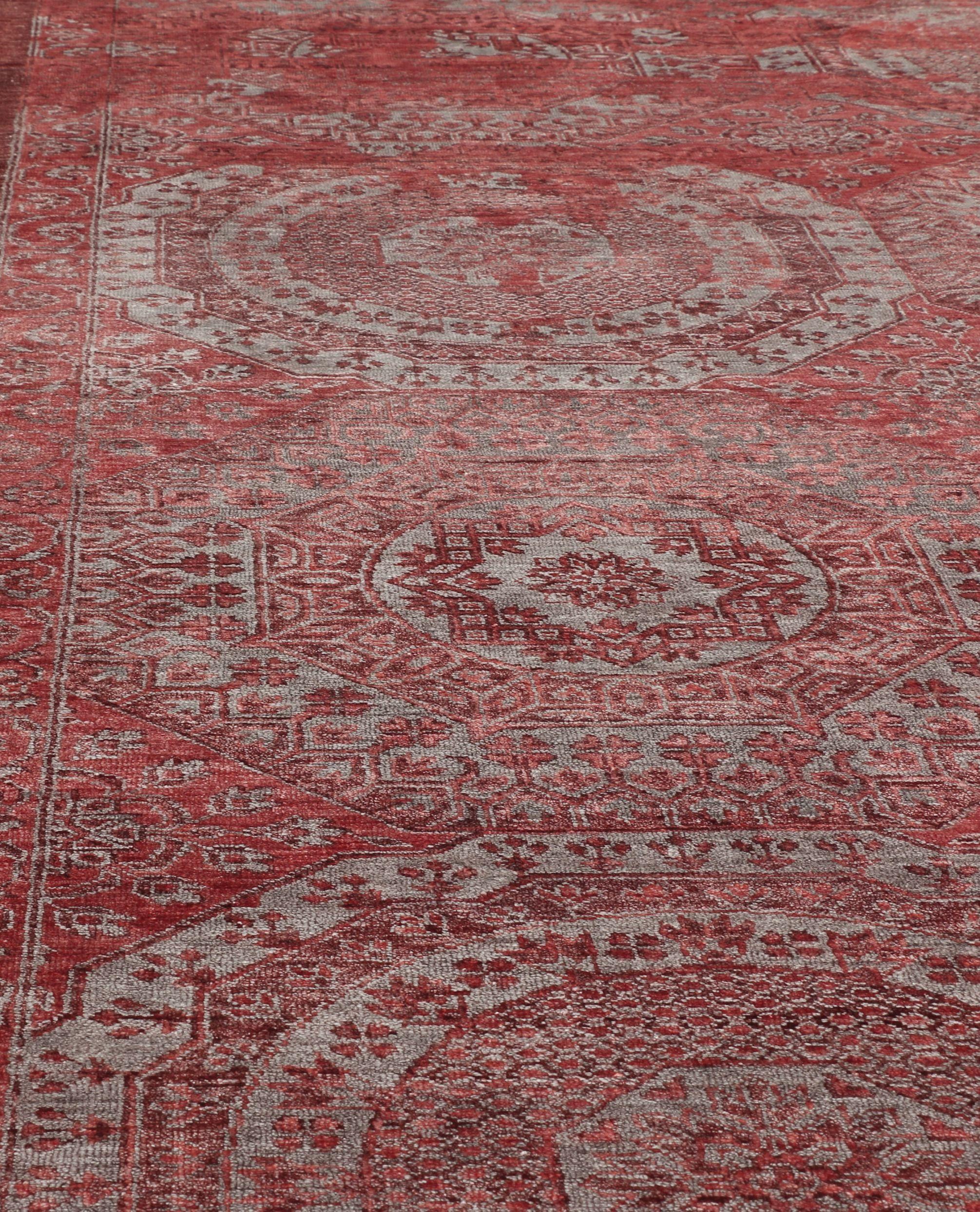
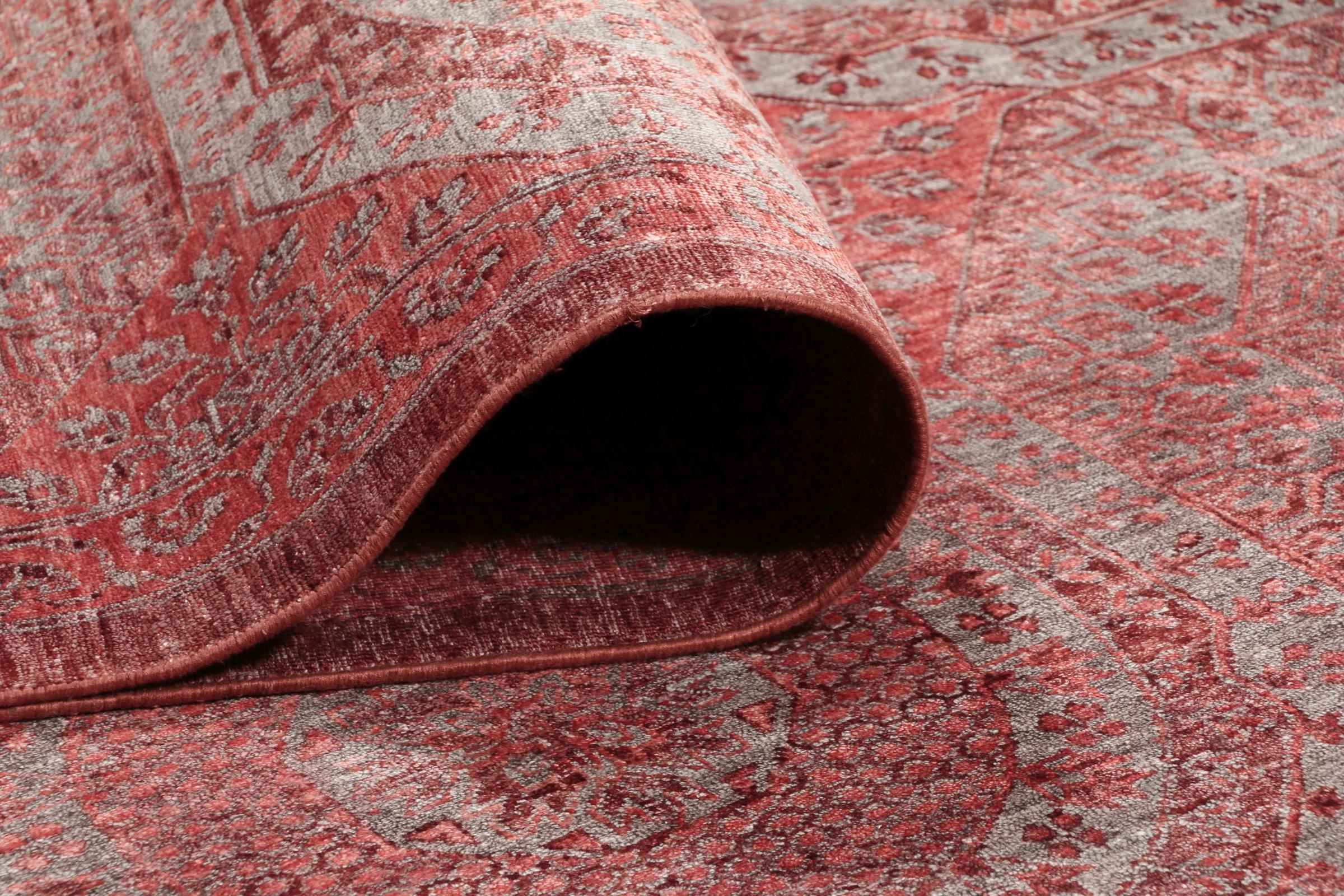
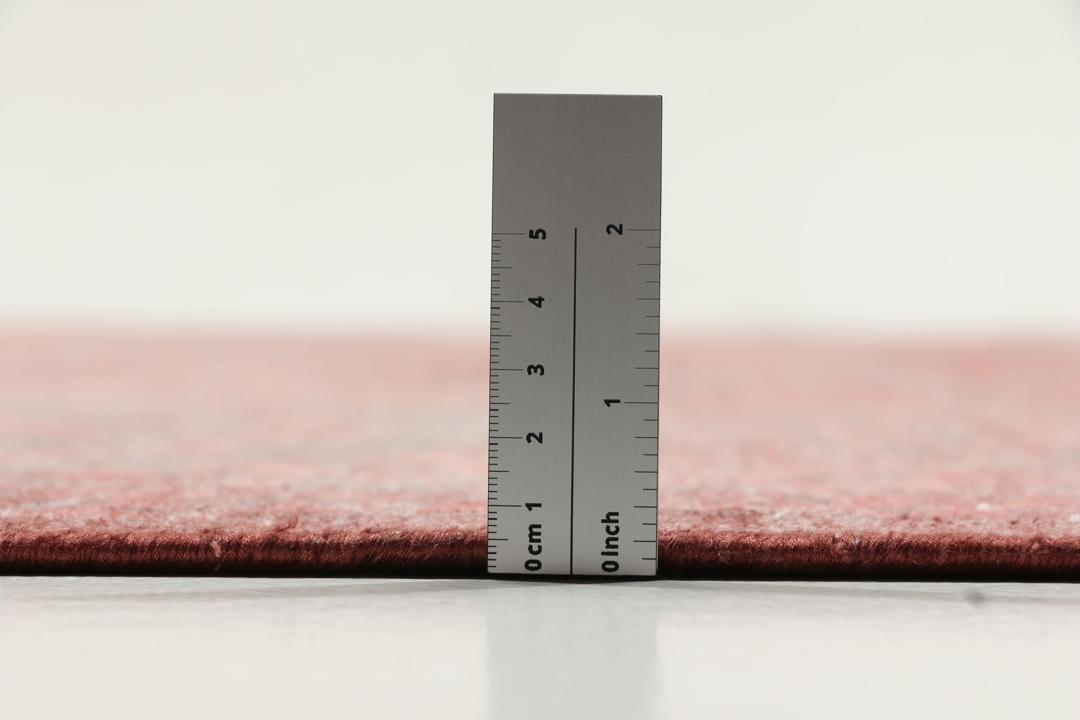
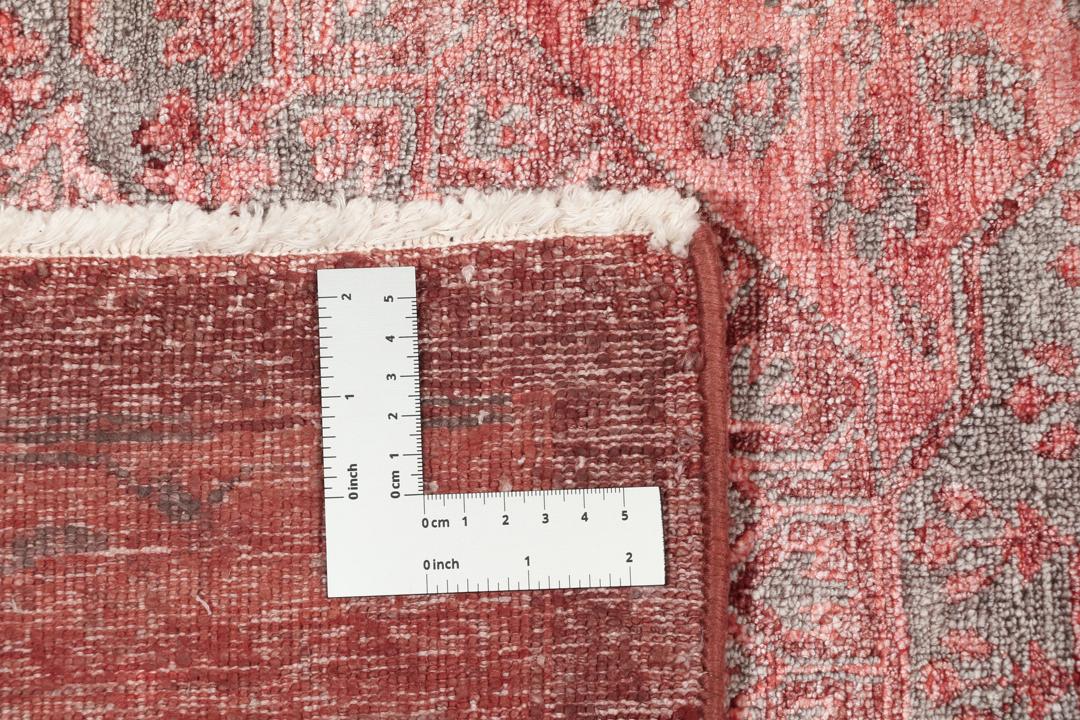
The term hand-knotted refers to the process where each individual knot is tied by hand onto the warp threads. This is the gold standard of rug construction, requiring a level of precision that cannot be replicated by machines. The quality of a rug is often defined by its knot density, as a higher count allows for more intricate designs and a denser, more durable pile. This labour-intensive process ensures that the finished product is not only beautiful but also capable of standing the test of time.
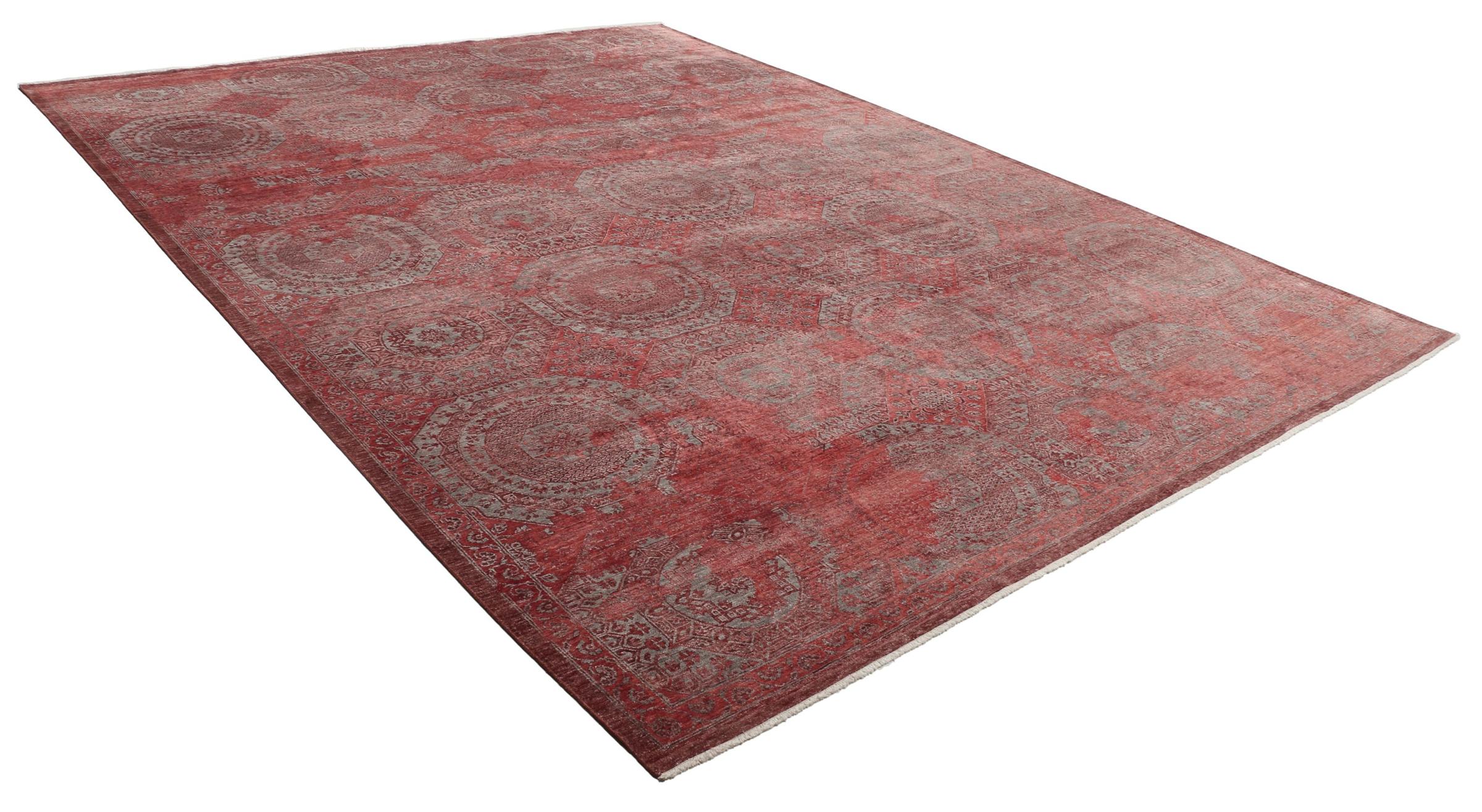
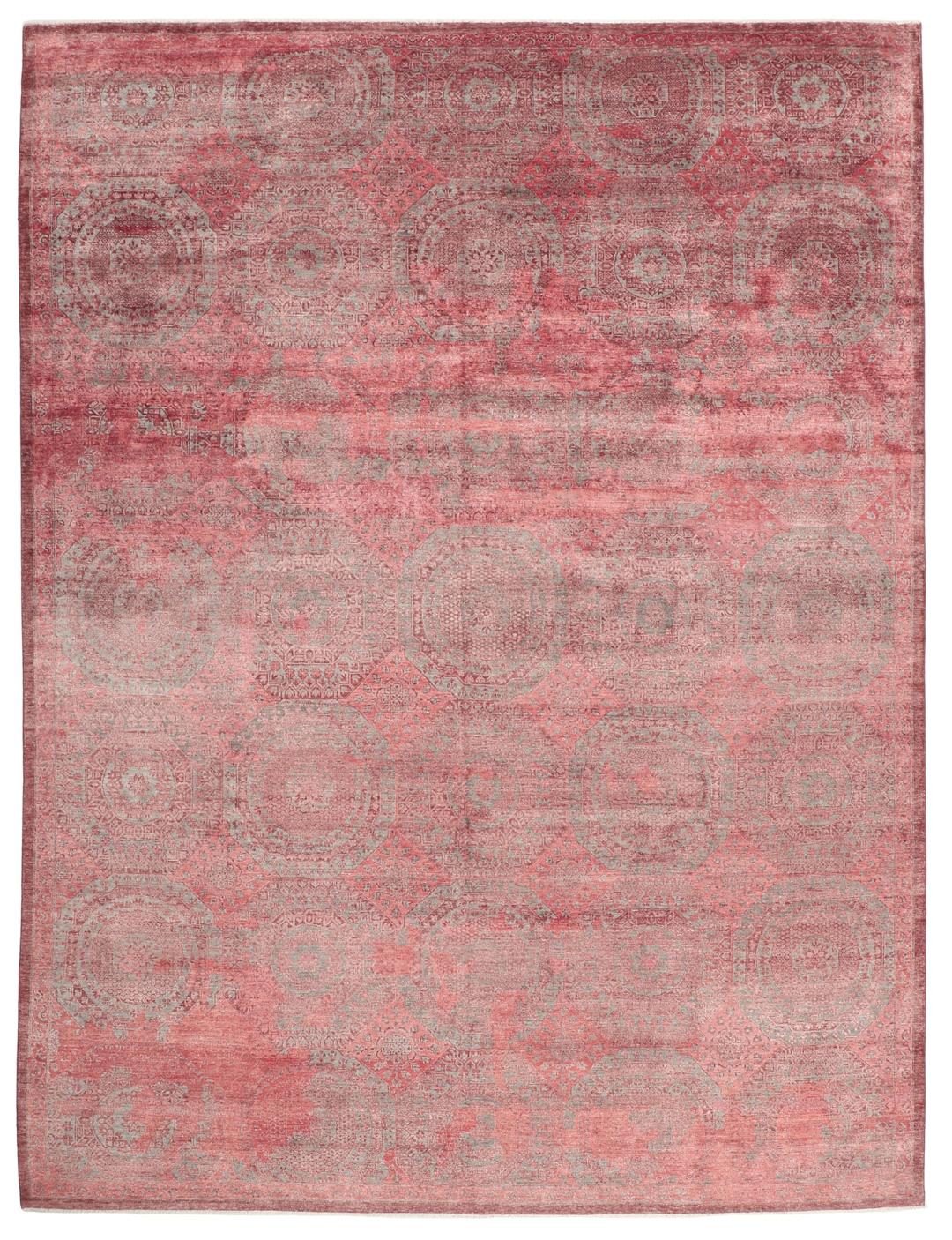
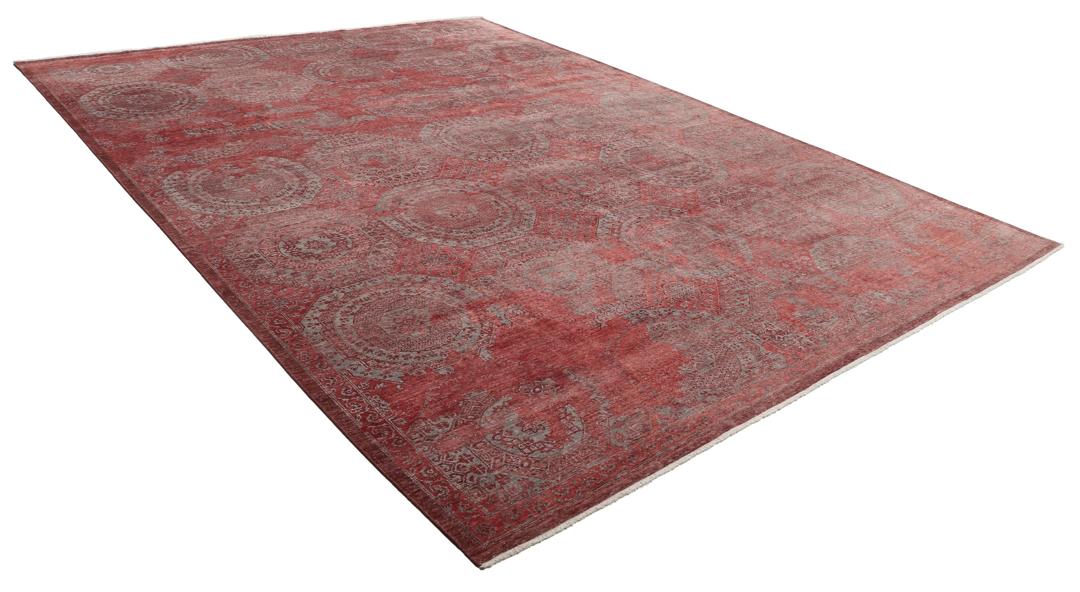
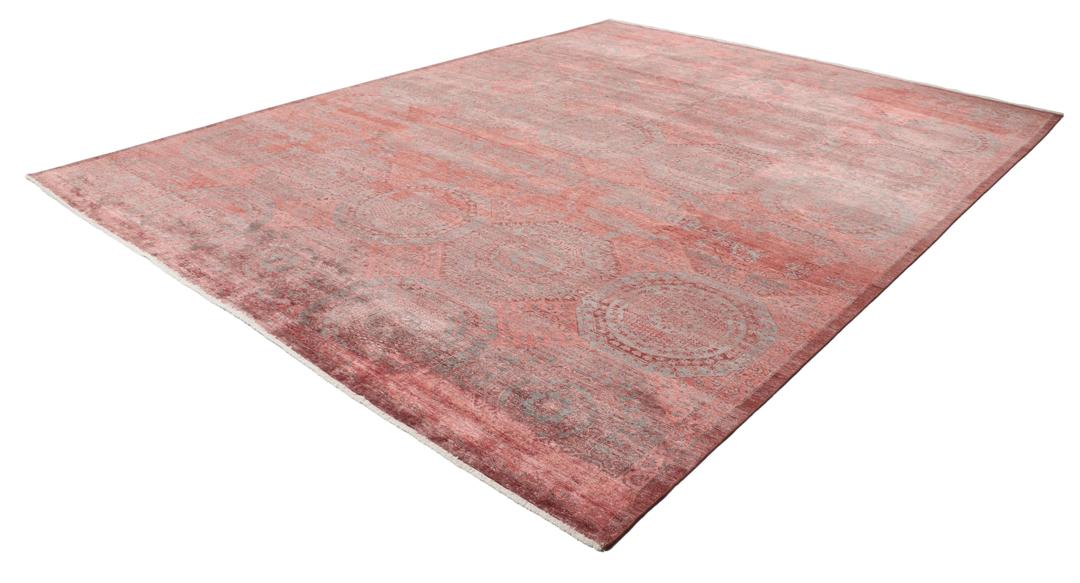
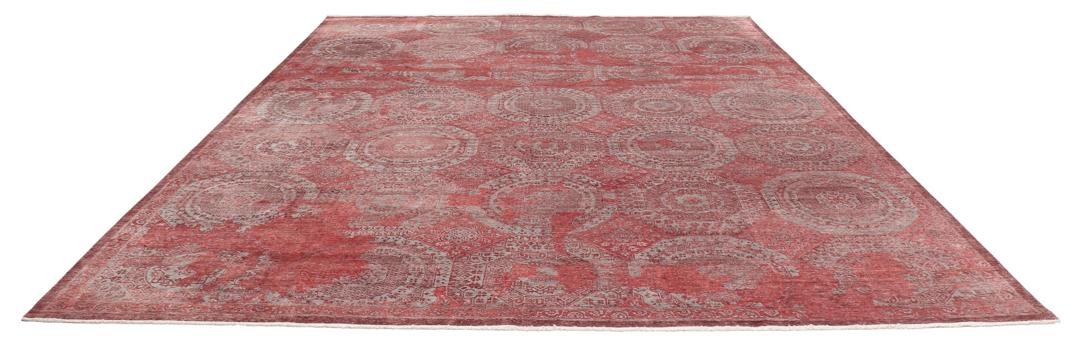
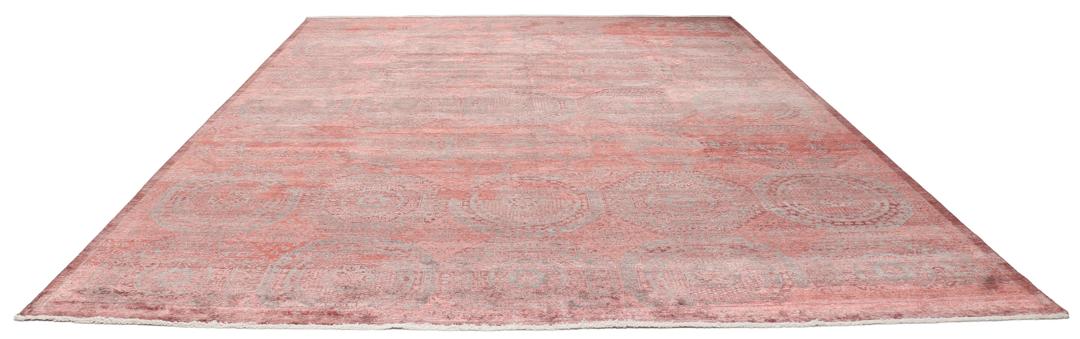
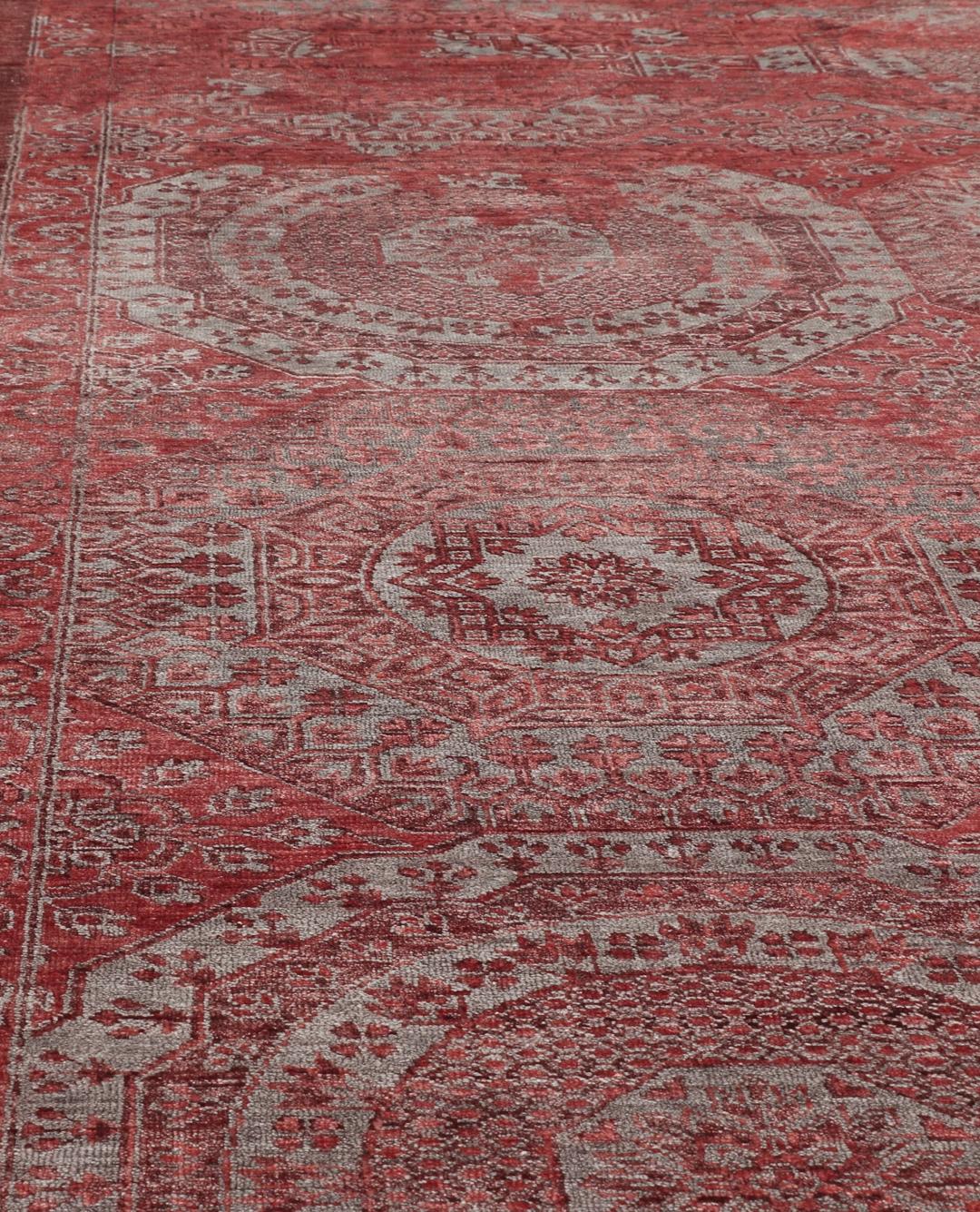
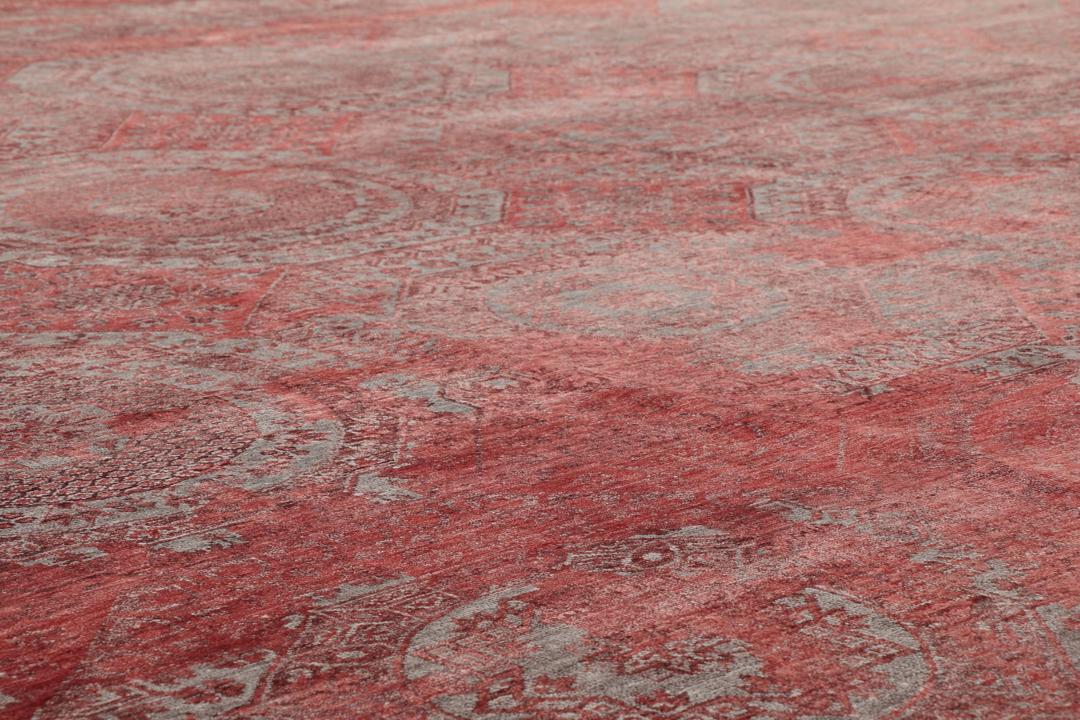
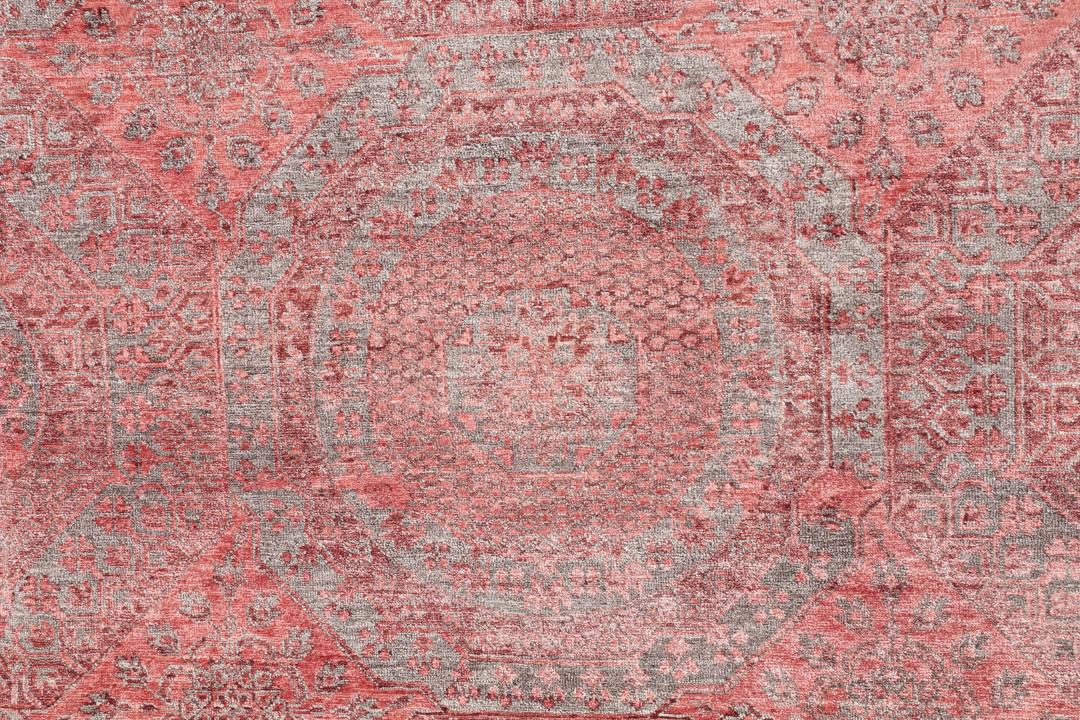
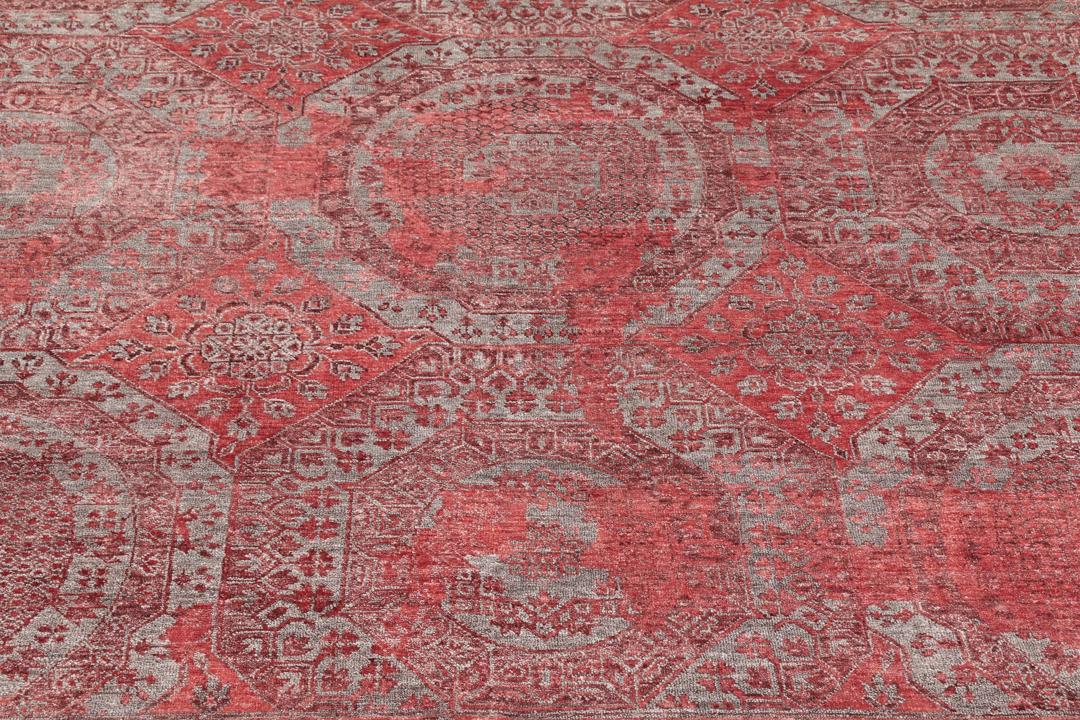
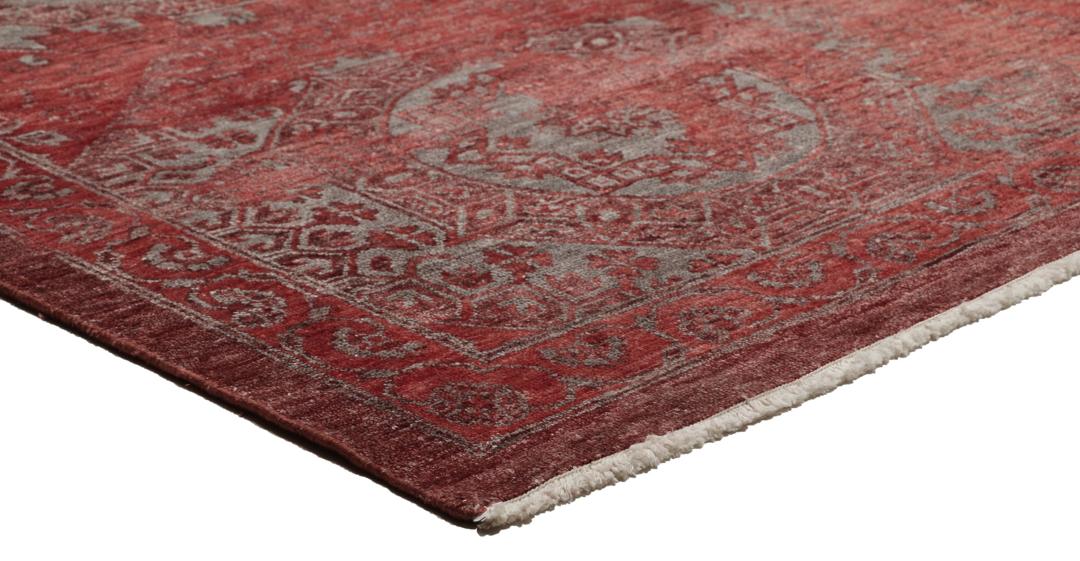
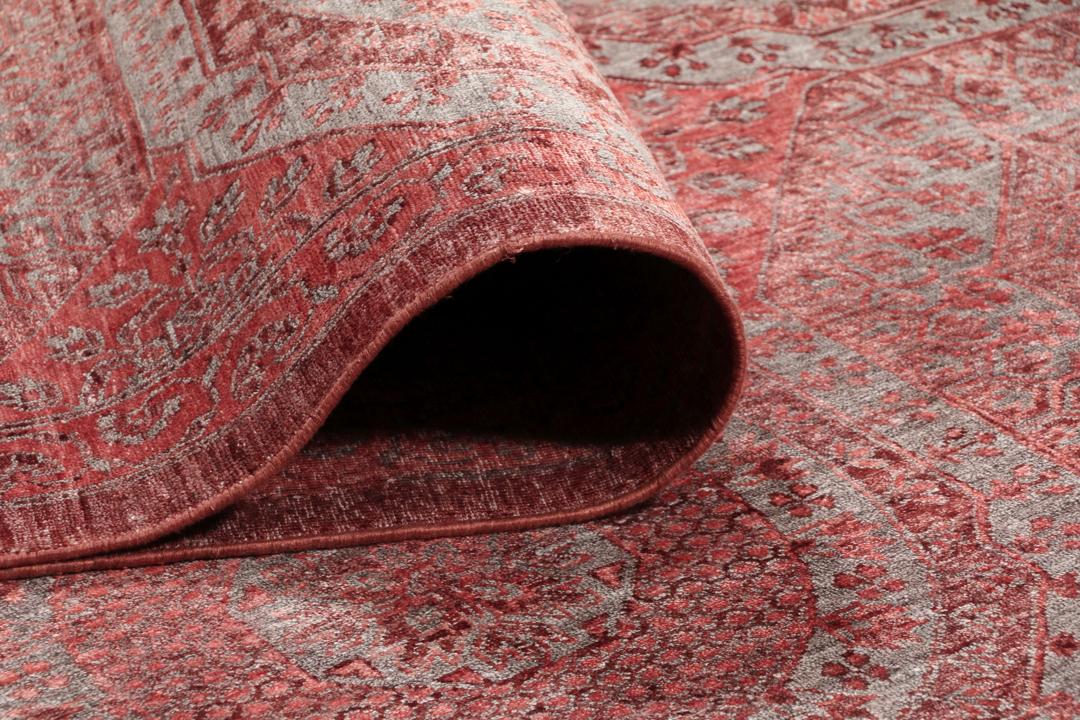
The design of this rug features a sophisticated medallion pattern, a hallmark of traditional rug-making that has been reinterpreted for the modern home. The repeating motifs create a sense of rhythm and balance, while the borders provide a formal frame that anchors the overall composition. Such designs are deeply rooted in historical textile traditions, often drawing inspiration from nature, architecture, and the geometric precision of classic art.
Collecting hand-knotted rugs is a way to preserve a piece of living history. Each rug tells a story of the region it comes from, the hands that made it, and the tradition it upholds. By choosing such a piece, you are supporting a legacy of craftsmanship that values skill and patience over speed. It is a rewarding experience to own something that carries the weight of cultural heritage and provides a tangible connection to the past.