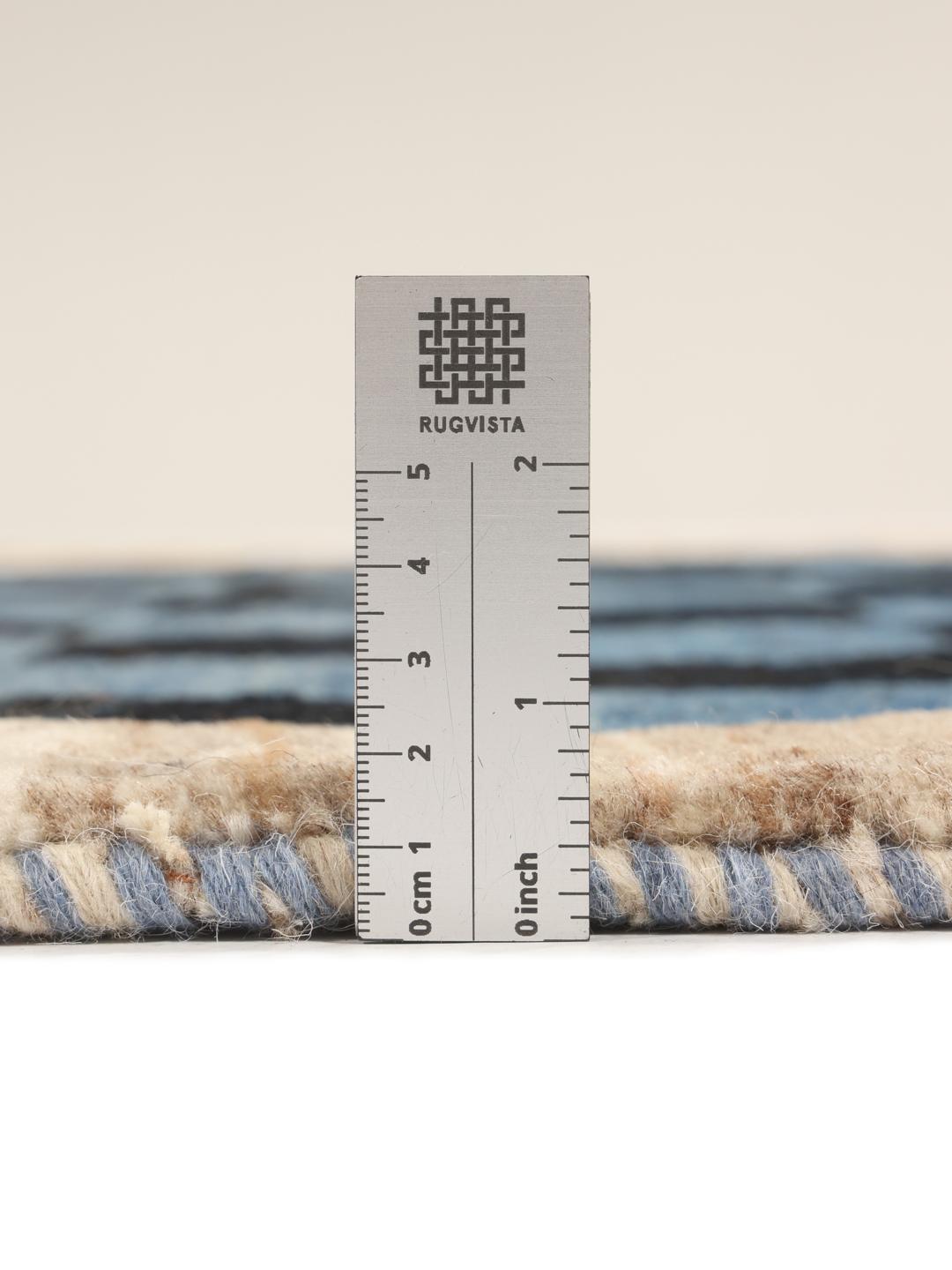
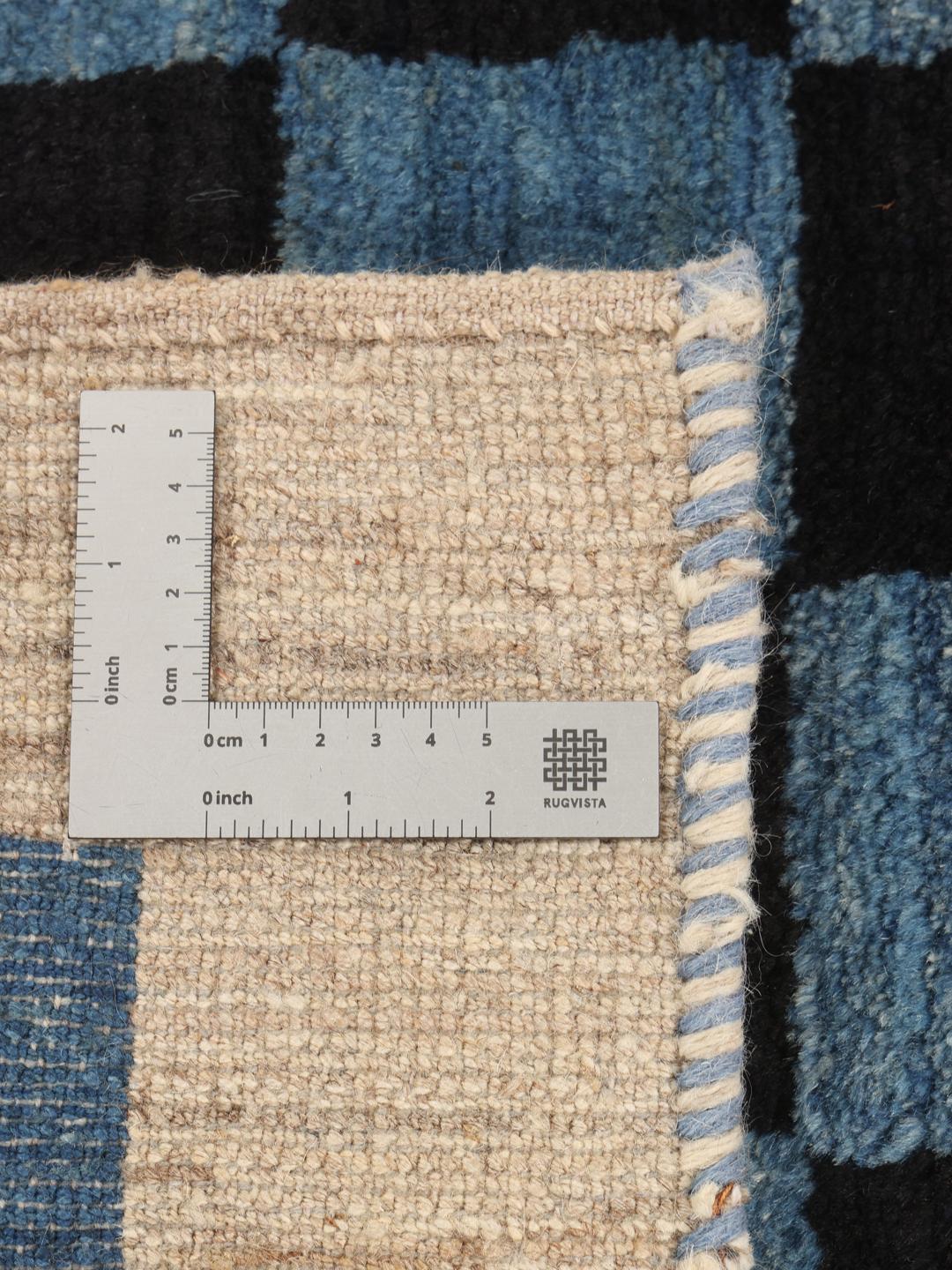
The Gabbeh rug tradition originates from the tribal regions of the Middle East, where weavers historically created these pieces for personal use rather than for trade. Unlike formal, city-made rugs, Gabbeh rugs were designed to be thick, warm, and durable, serving as bedding or floor coverings for nomadic families. Over time, their simple, bold aesthetic has evolved into a highly sought-after style for modern interiors.
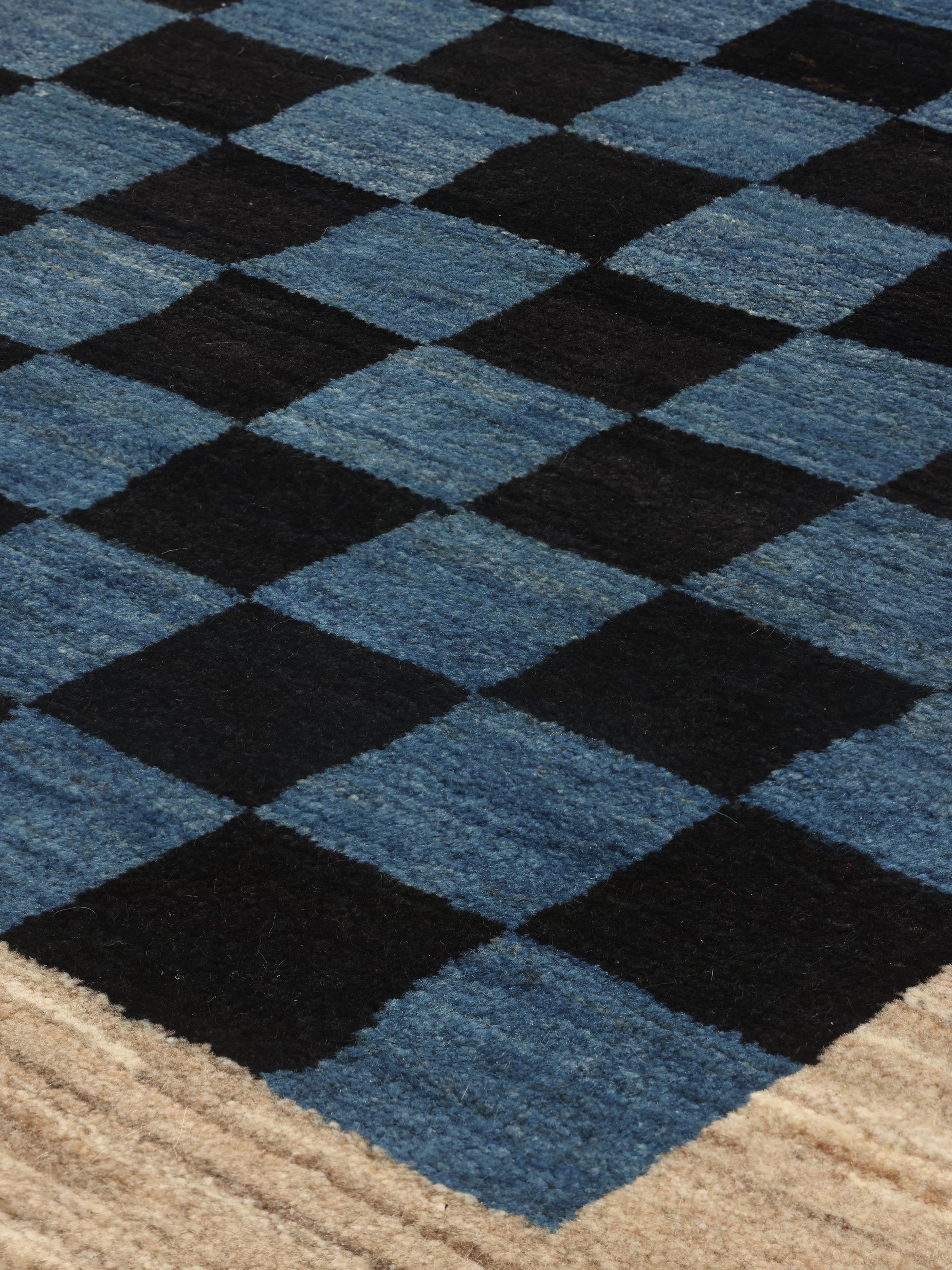
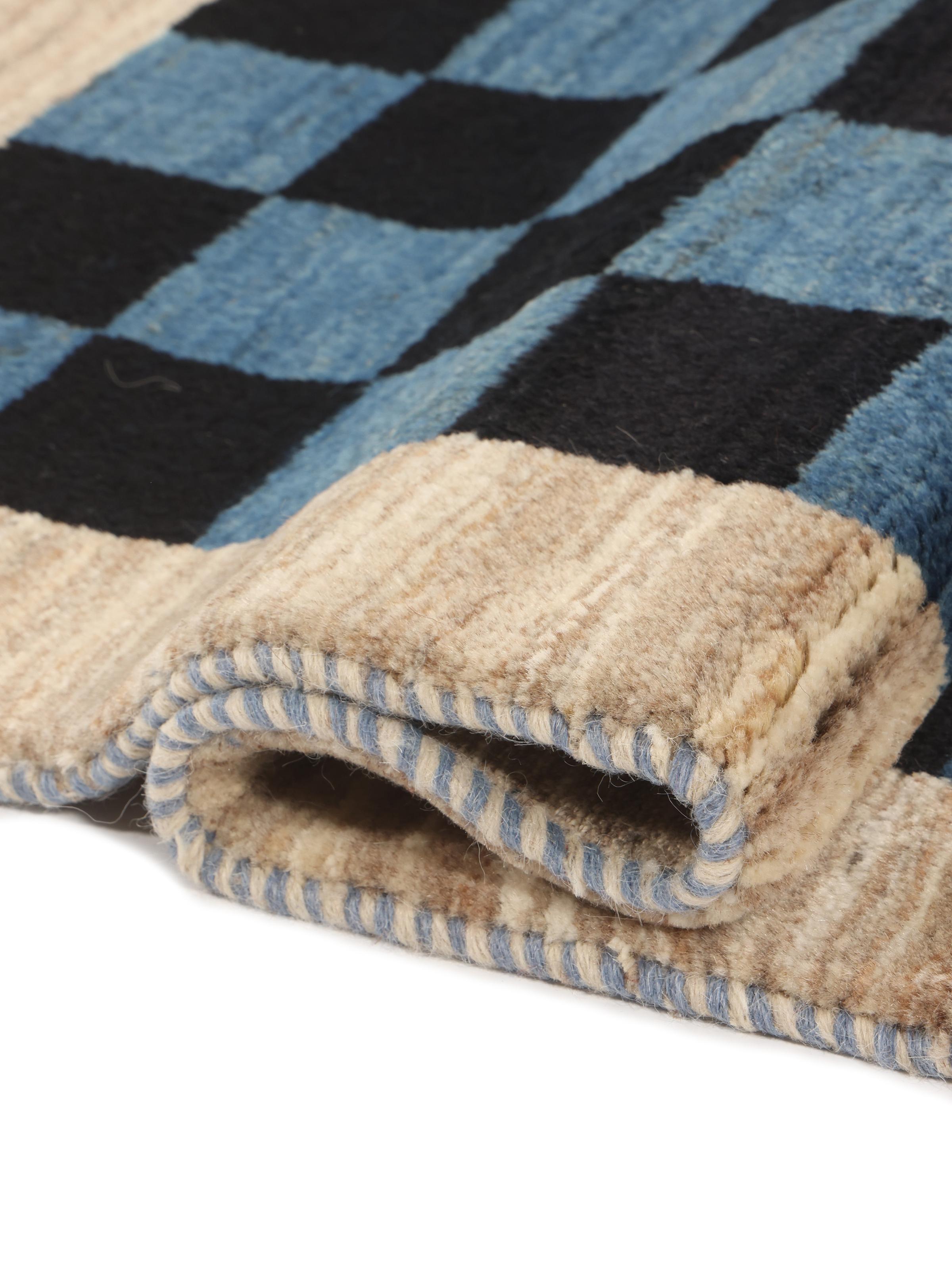
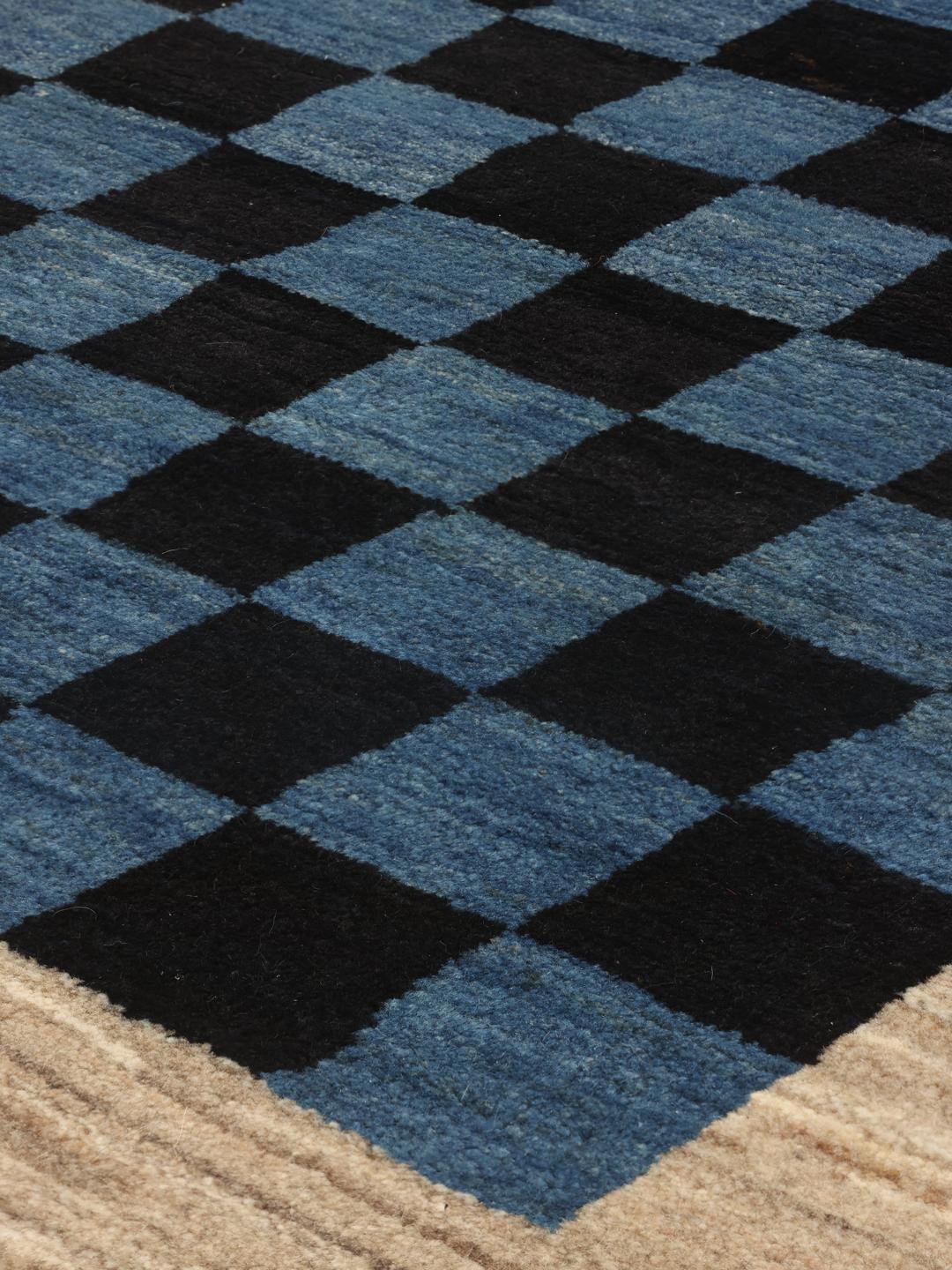
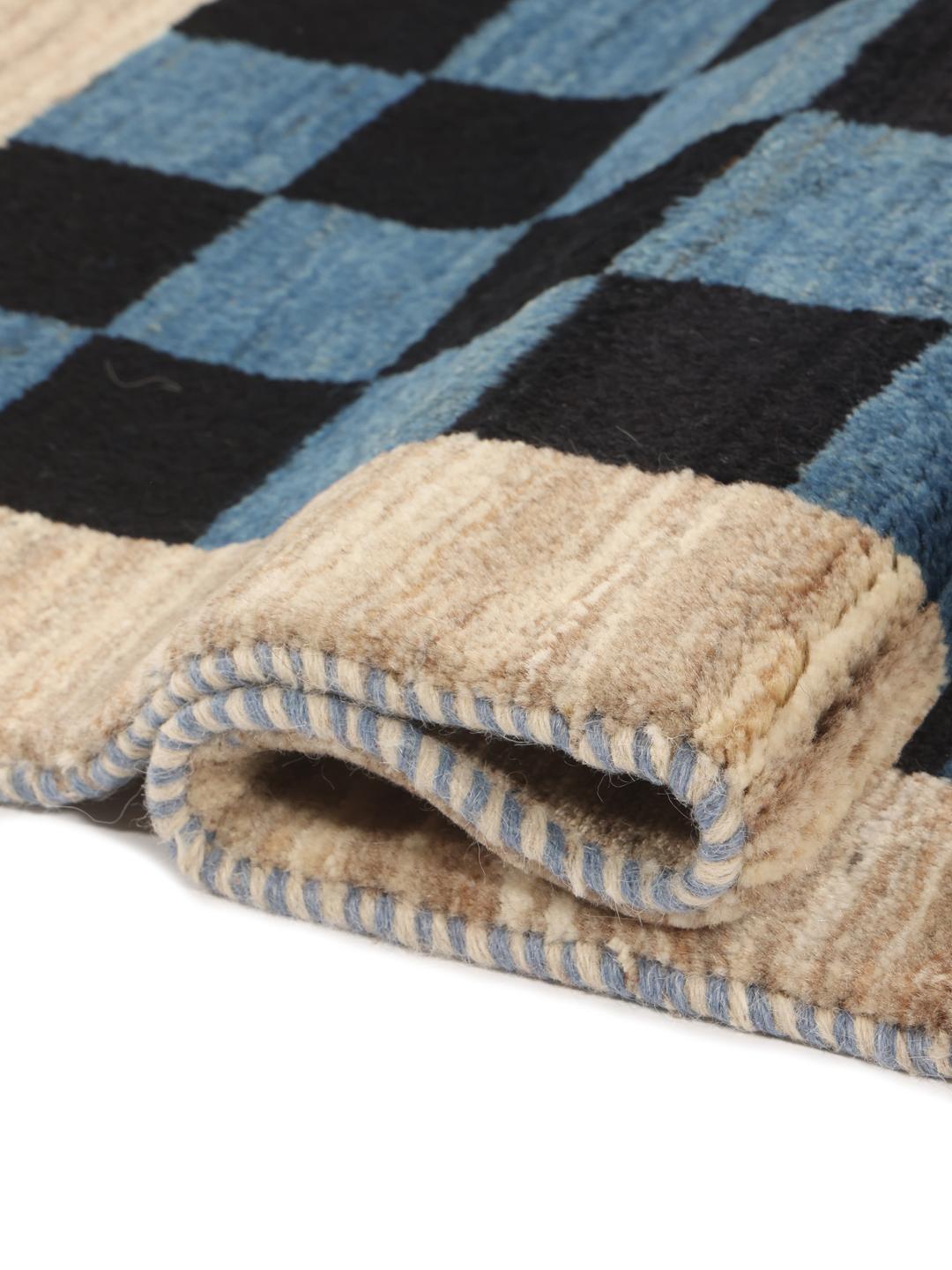
The term 'Gabbeh' itself translates to 'raw' or 'natural', reflecting the tradition of using unrefined, high-quality wool. A defining feature of these rugs is the use of hand-spun yarn, which often contains slight variations in thickness and colour. These natural imperfections are not flaws but are instead the hallmark of authentic hand-spun wool, giving the rug a unique character and a vibrant, living surface that reflects light beautifully.
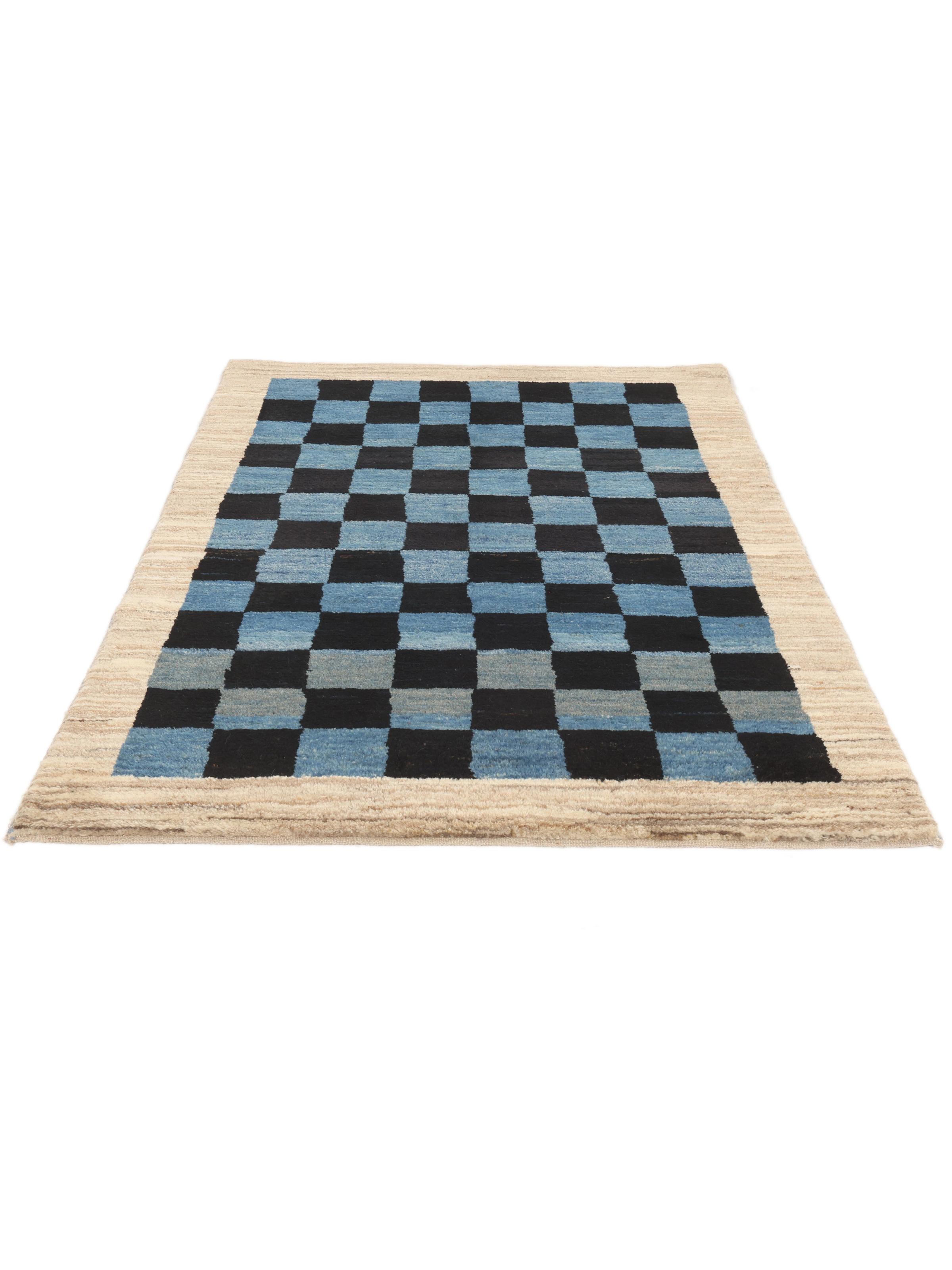
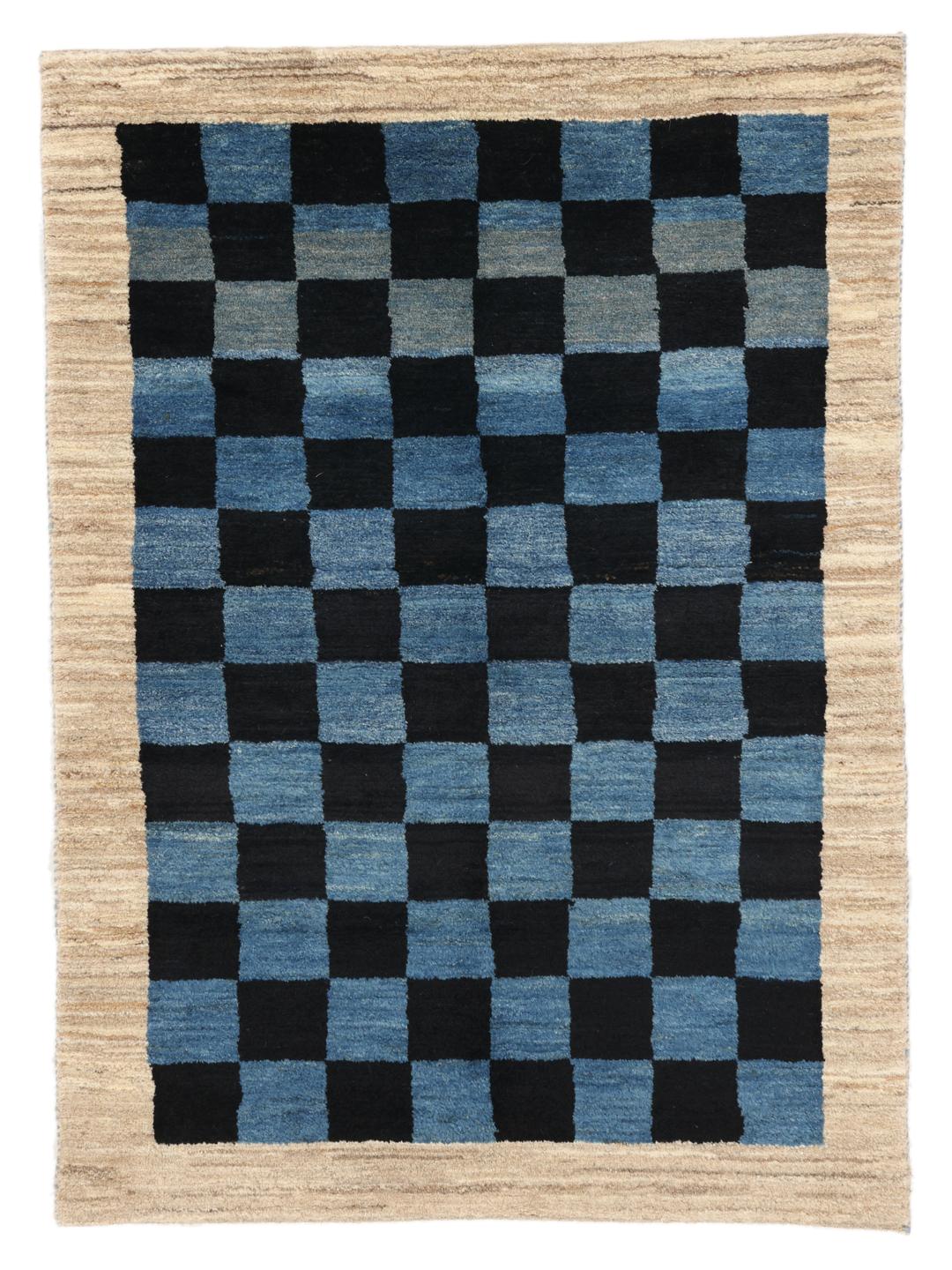
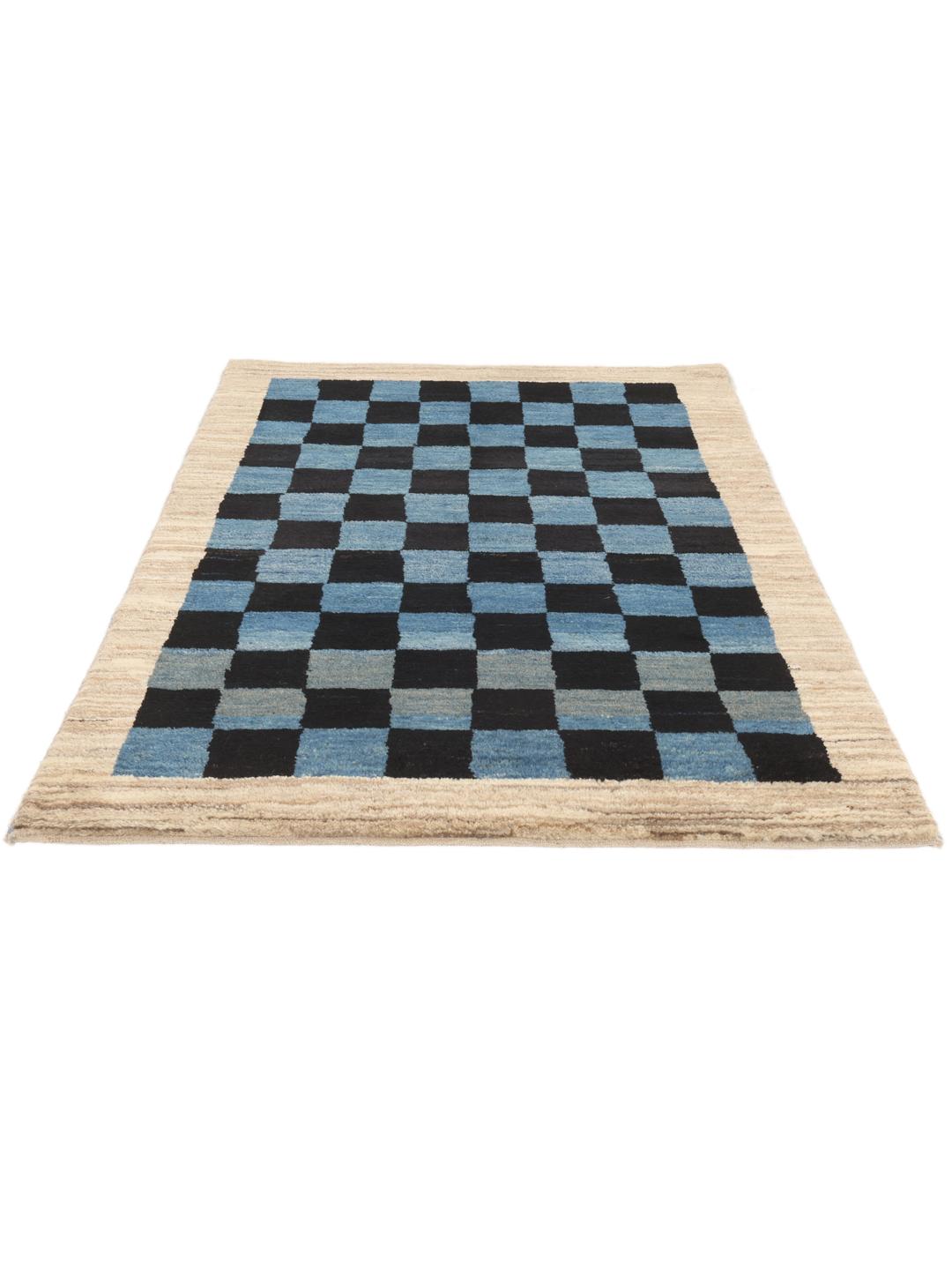
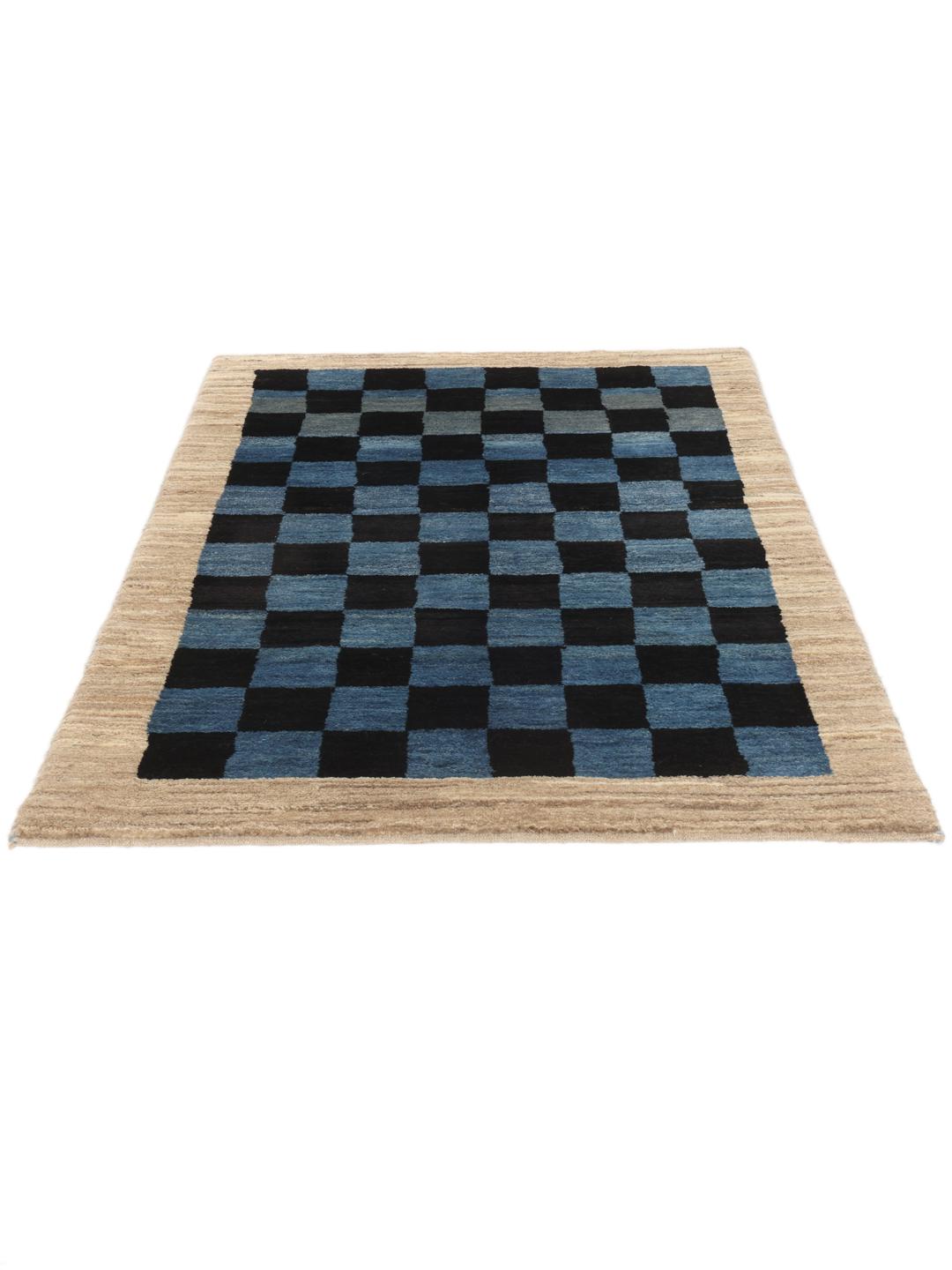
Visually, Gabbeh rugs are celebrated for their artistic, minimalist expression. While traditional rugs might feature elaborate floral motifs, the Gabbeh tradition embraces large, open fields and bold geometric shapes. The checkered pattern seen here is a classic interpretation of this style, where the focus is placed on the interaction of colour and form rather than intricate, small-scale detailing.
Collectors value these rugs for their authenticity and the skill required to maintain such a direct connection to ancient weaving techniques. Owning a Gabbeh is about appreciating the human touch behind every design choice. It is a celebration of heritage, skill, and the enduring appeal of a craft that has survived for centuries, providing a sense of cultural weight and warmth to any contemporary home.