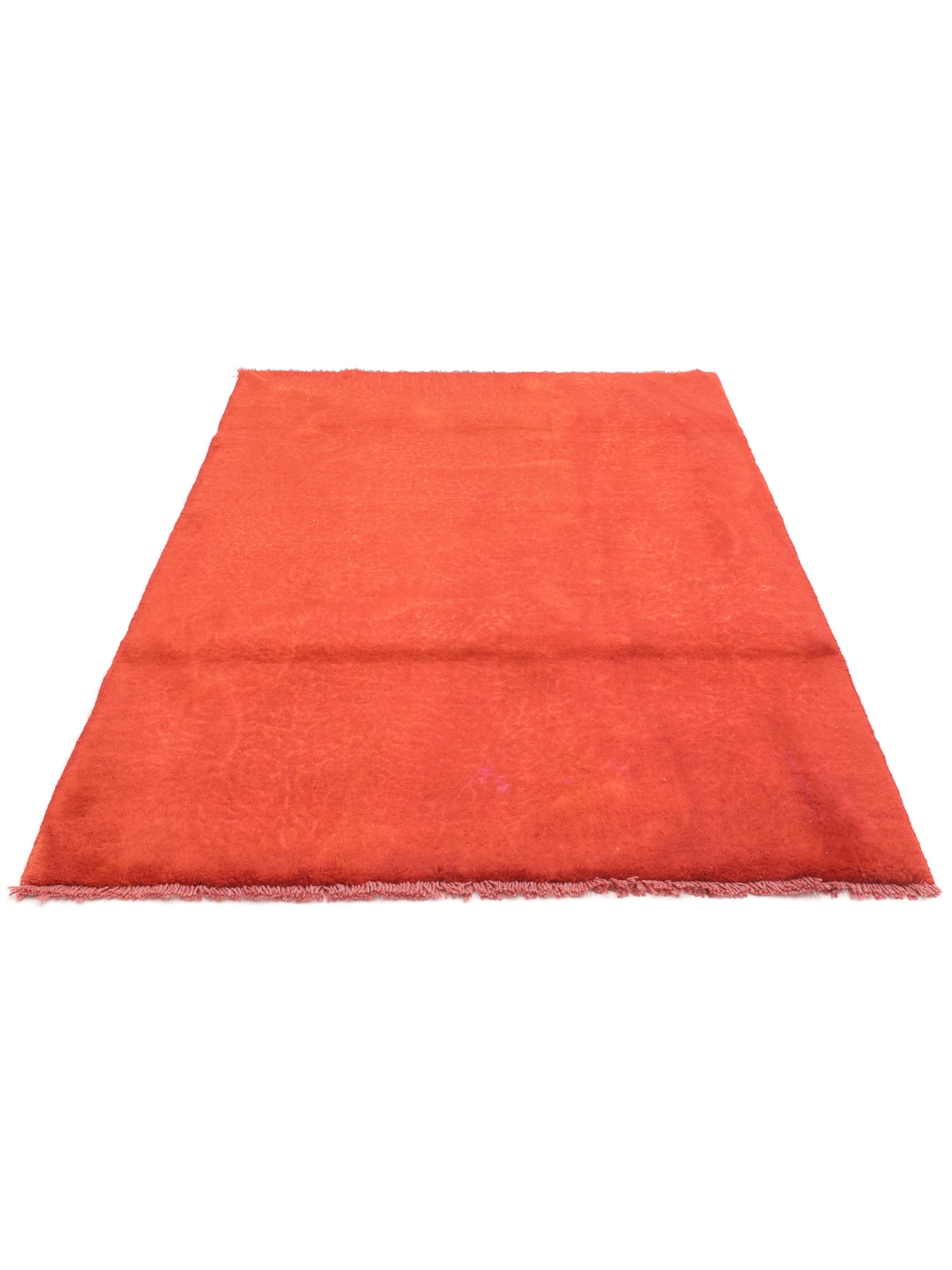
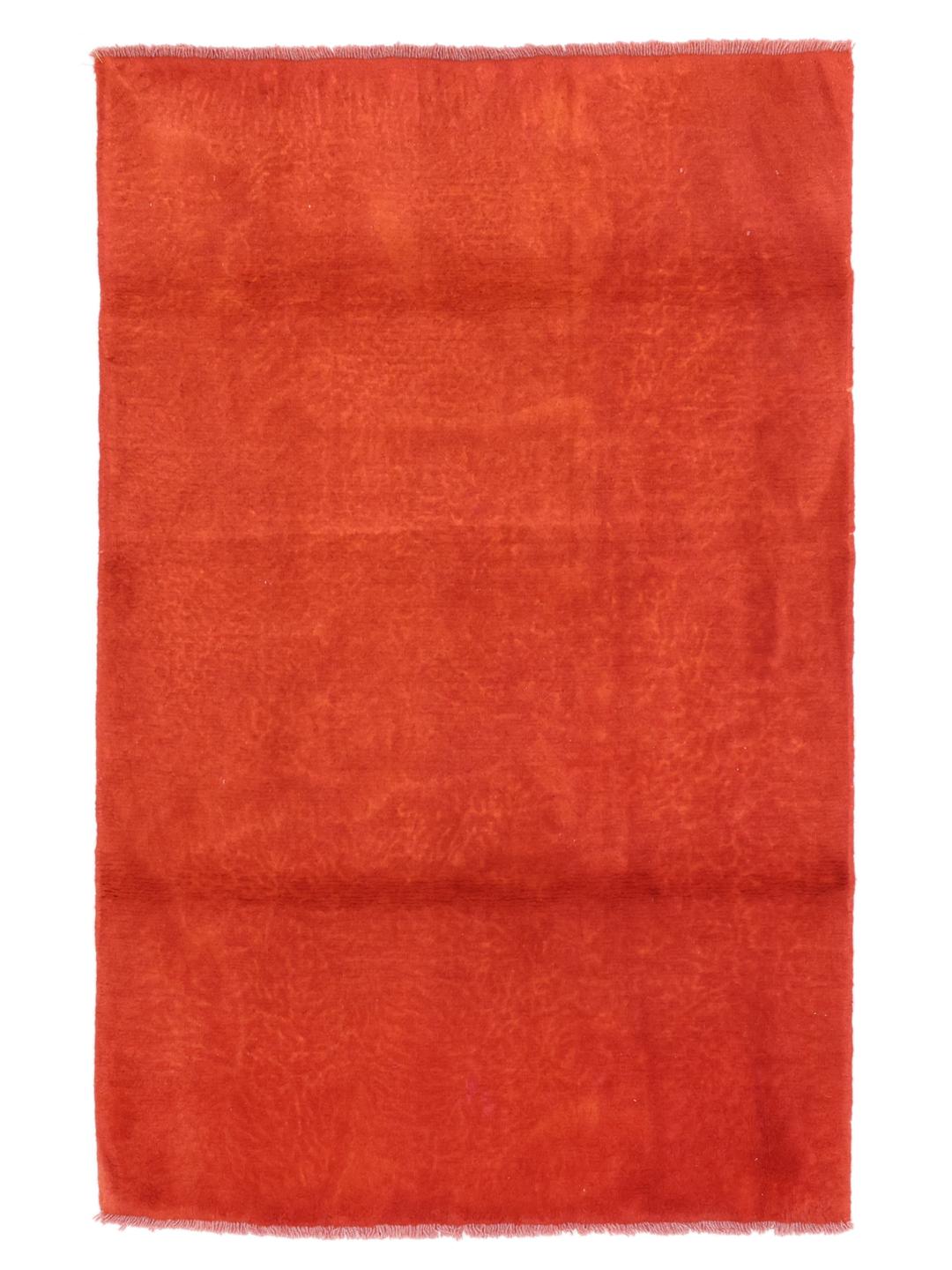
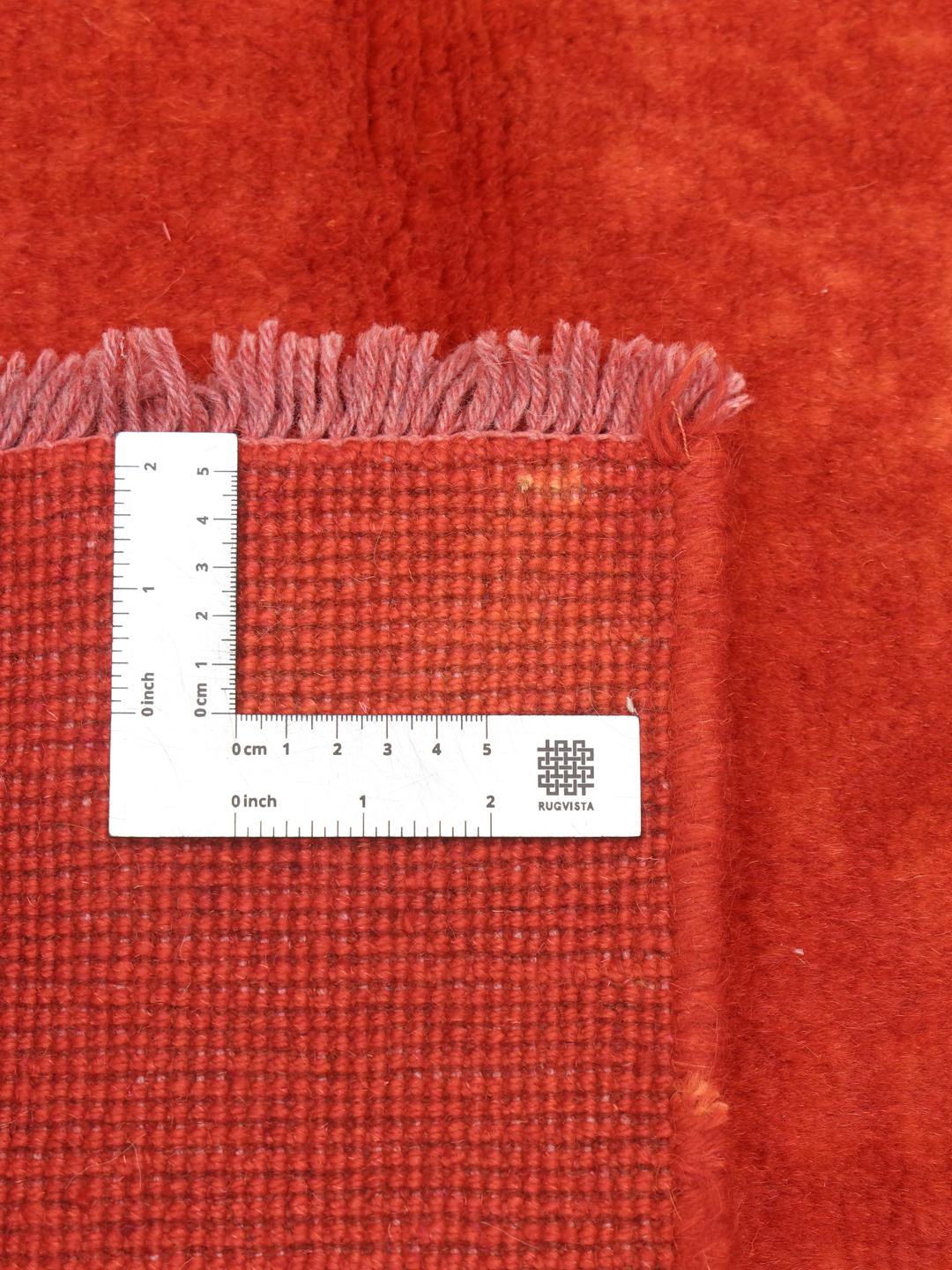
The Gabbeh rug tradition originates from the nomadic tribes of the Middle East, primarily the Qashqai people. Historically, these rugs were woven for personal use by families, intended to provide warmth and comfort in the harsh environments of the region. Unlike more formal, city-made rugs, Gabbeh rugs were defined by their simplicity and direct connection to the weaver's life.
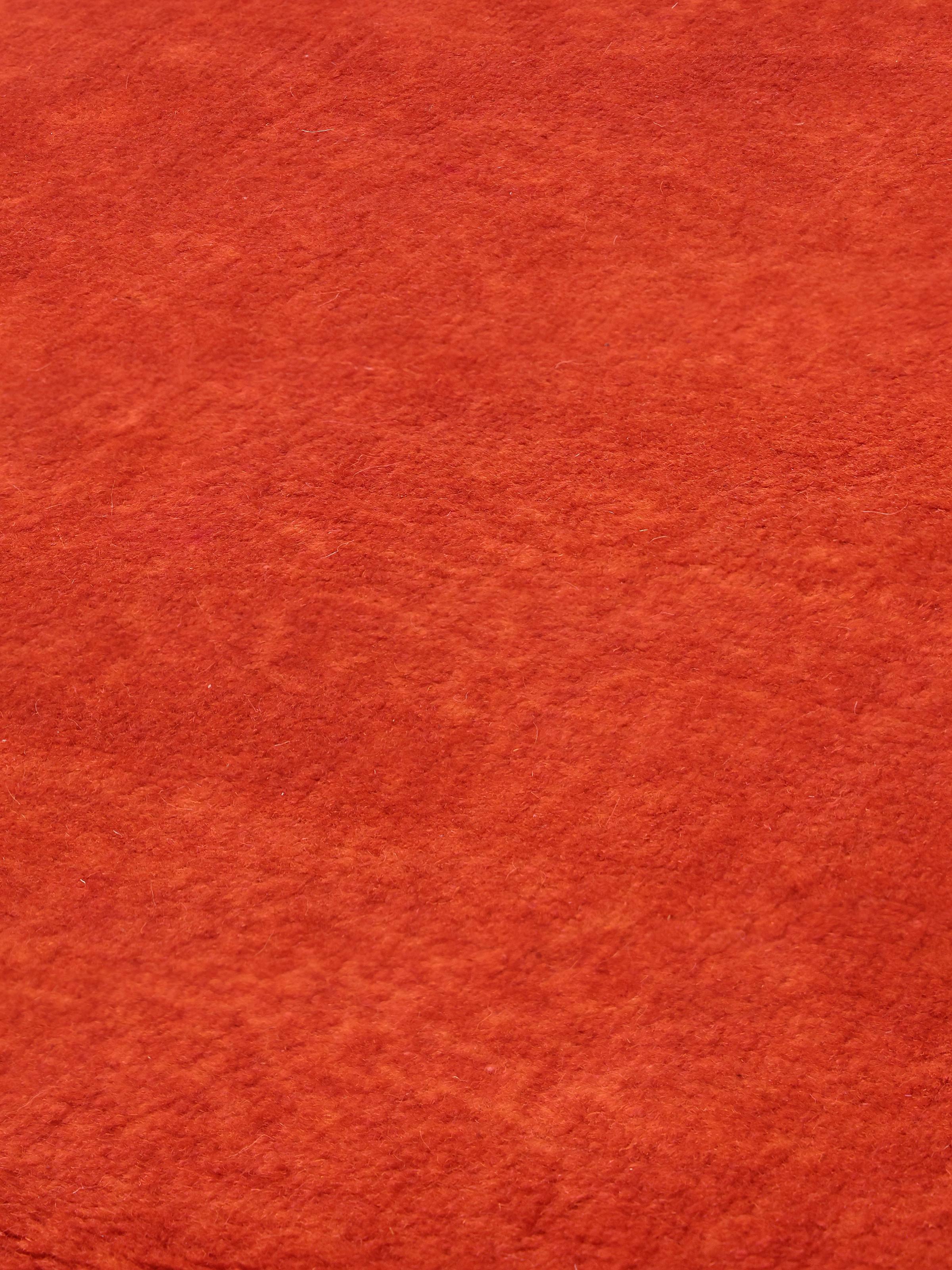
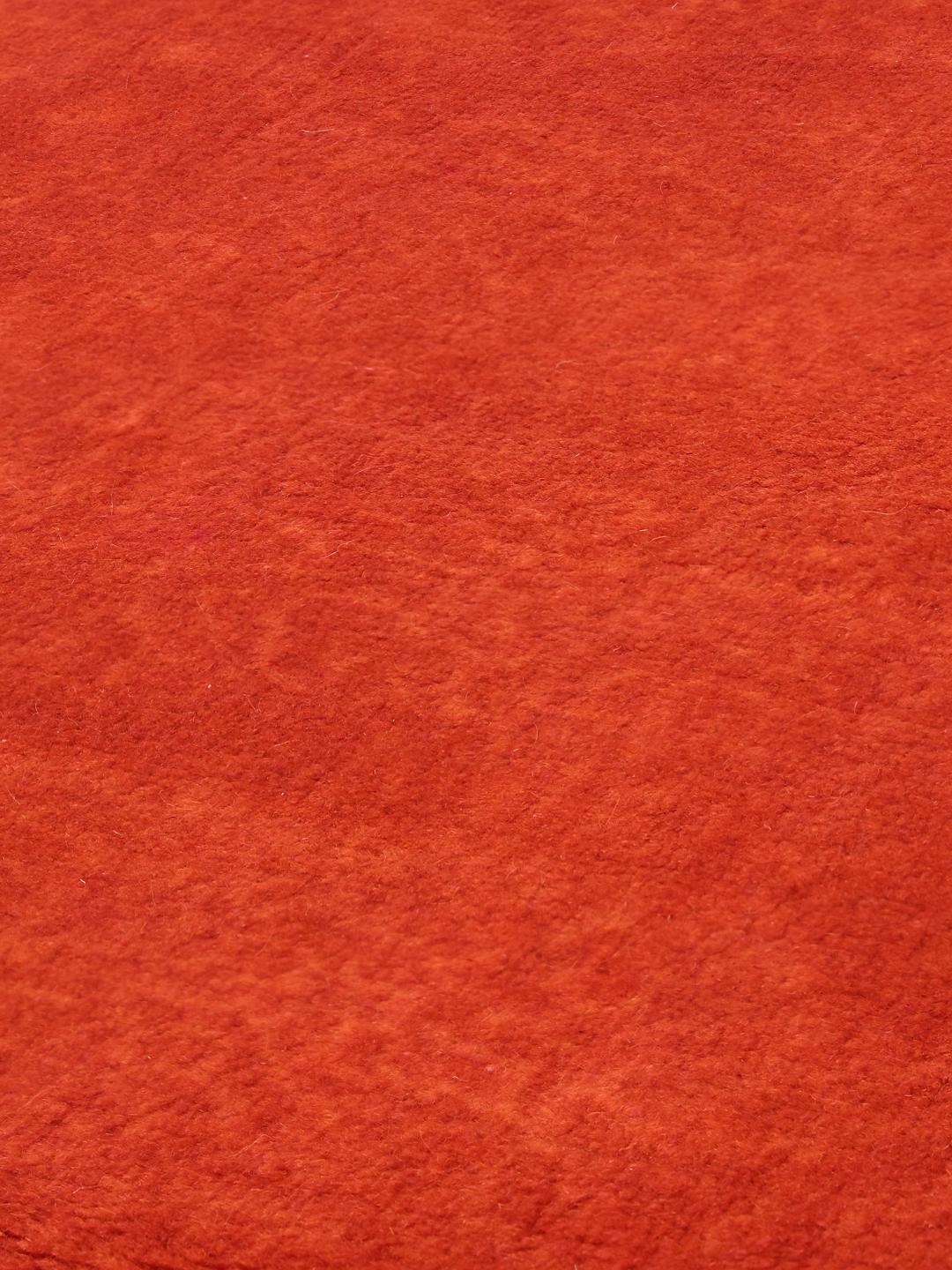
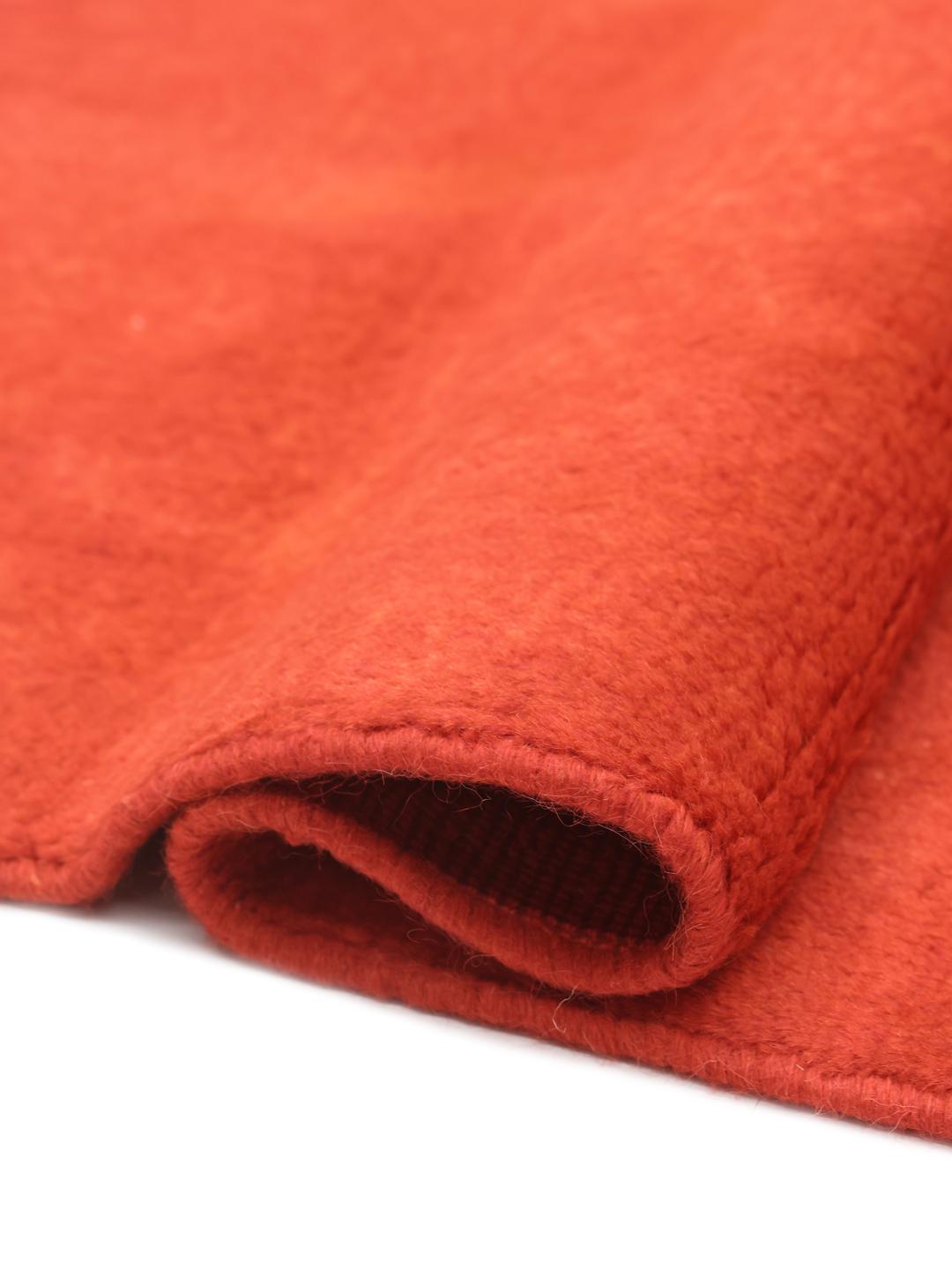
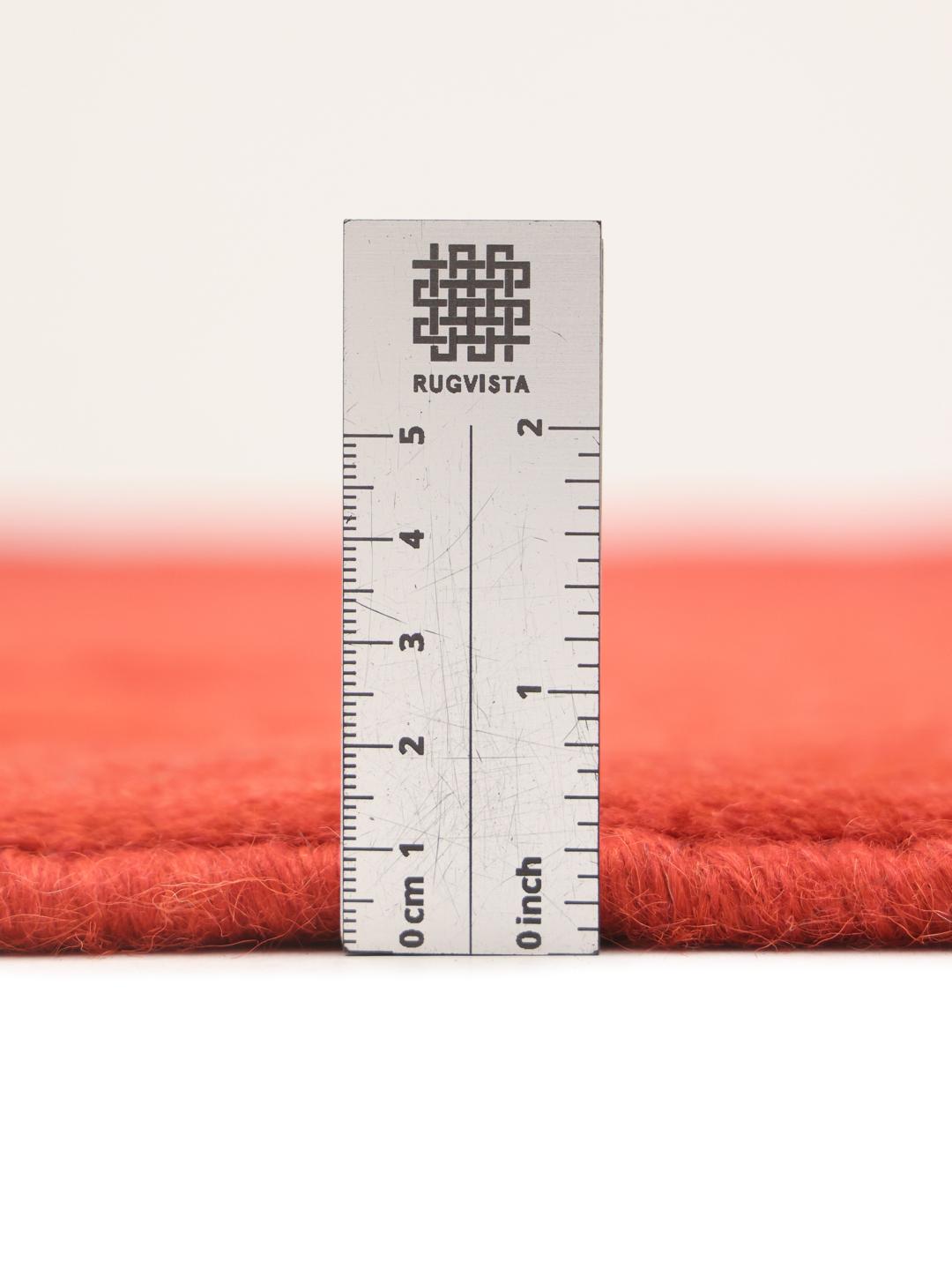
The term 'Gabbeh' itself translates to 'raw' or 'natural', reflecting the tradition of using hand-spun, thick wool. This construction method results in a heavy, cushioned pile that is famously soft and durable. The use of hand-spun wool is central to their quality, as it retains natural oils that contribute to the rug's longevity and unique, slightly uneven texture that many collectors find so appealing.
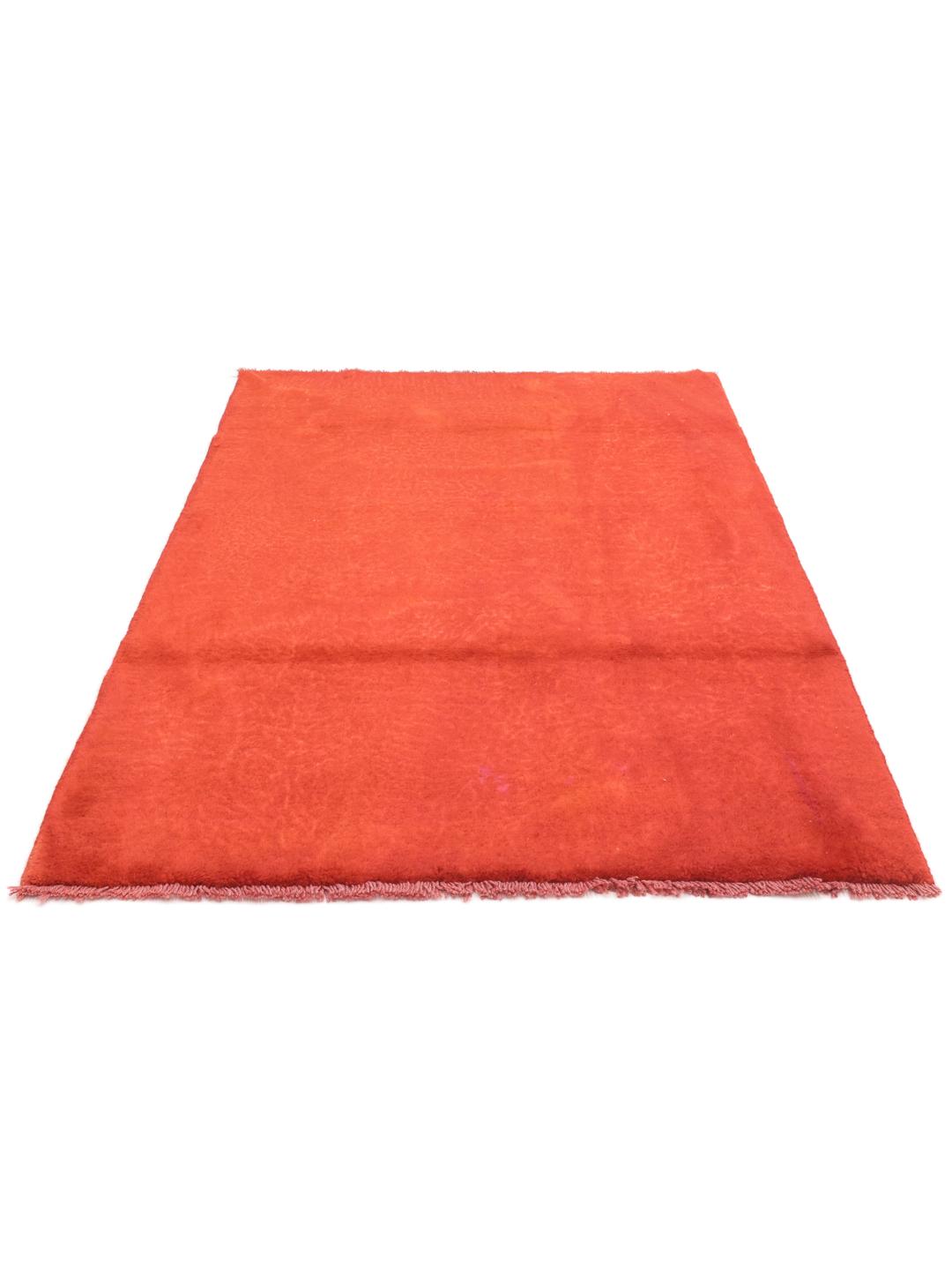
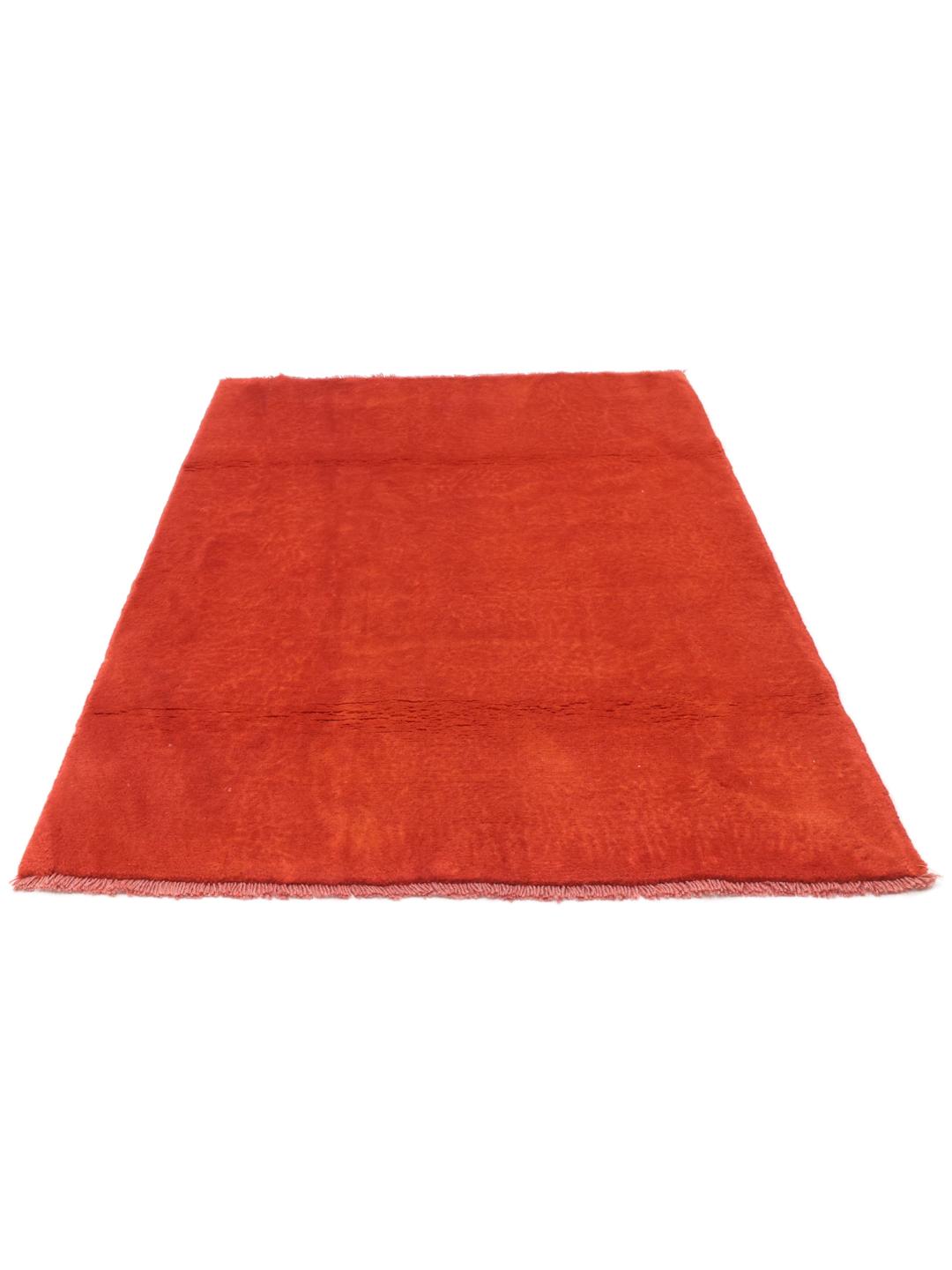
Visually, traditional Gabbeh rugs are celebrated for their artistic, minimalist approach. While they often feature simple geometric motifs or open fields of deep, saturated colour, they rely on the beauty of natural dyes and the weaver's personal expression. This particular piece captures that spirit, offering a clean, bold aesthetic that highlights the quality of the wool.
Today, these rugs are highly valued by collectors for their authenticity and the human story behind every knot. Owning a piece from this tradition is an opportunity to connect with a centuries-old craft that prioritises utility, comfort, and the beauty of natural materials, making it a meaningful addition to any modern home.