The Gabbeh rug tradition originates from the nomadic tribes of the Middle East, particularly those living in the rugged landscapes of the region. Historically, these rugs were woven for personal use, serving as warm bedding or floor coverings within tents. Unlike the formal, symmetrical designs often found in urban workshops, Gabbeh rugs were born from a more spontaneous, expressive tradition that prioritised utility and the natural beauty of local resources.
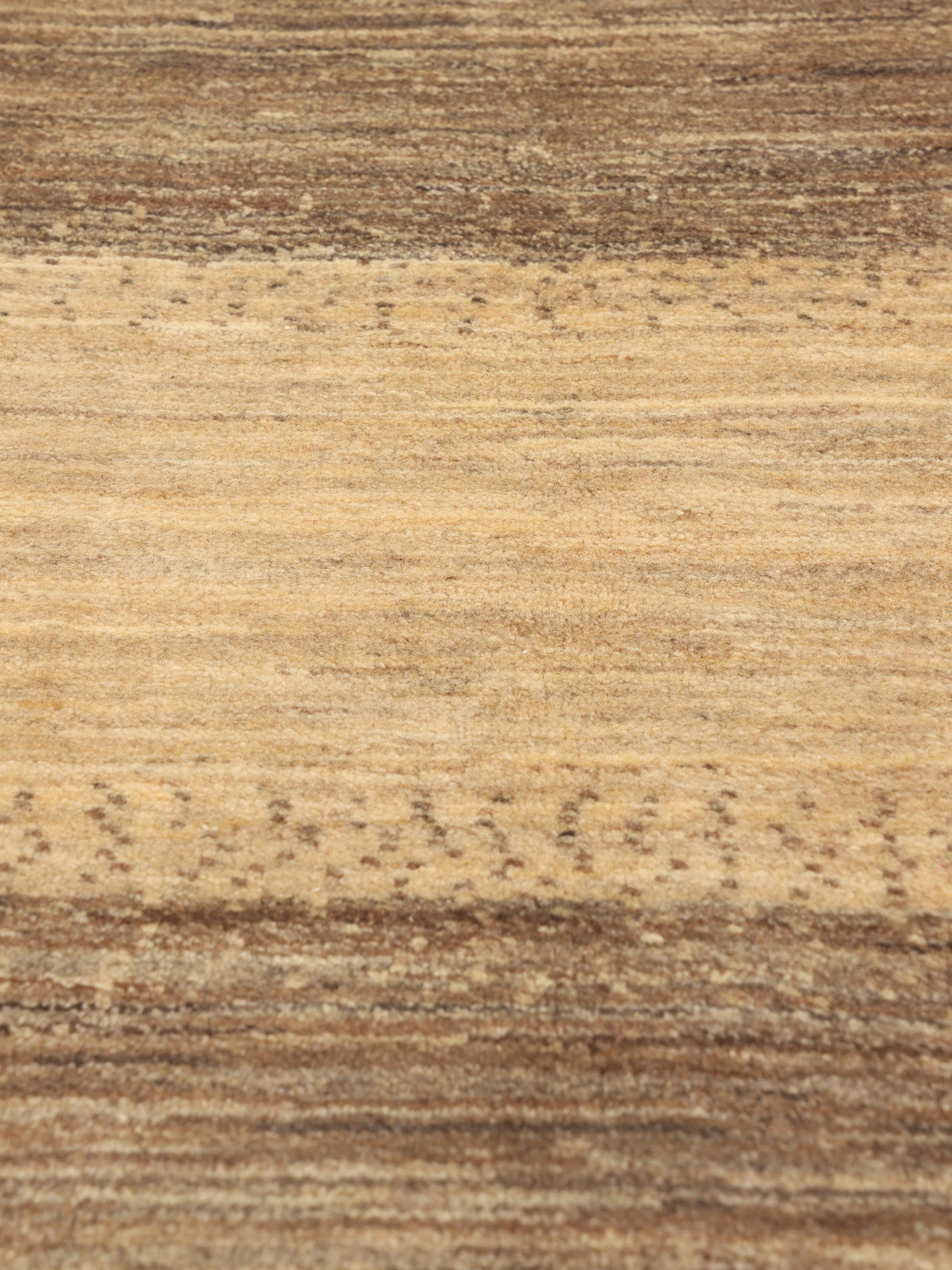
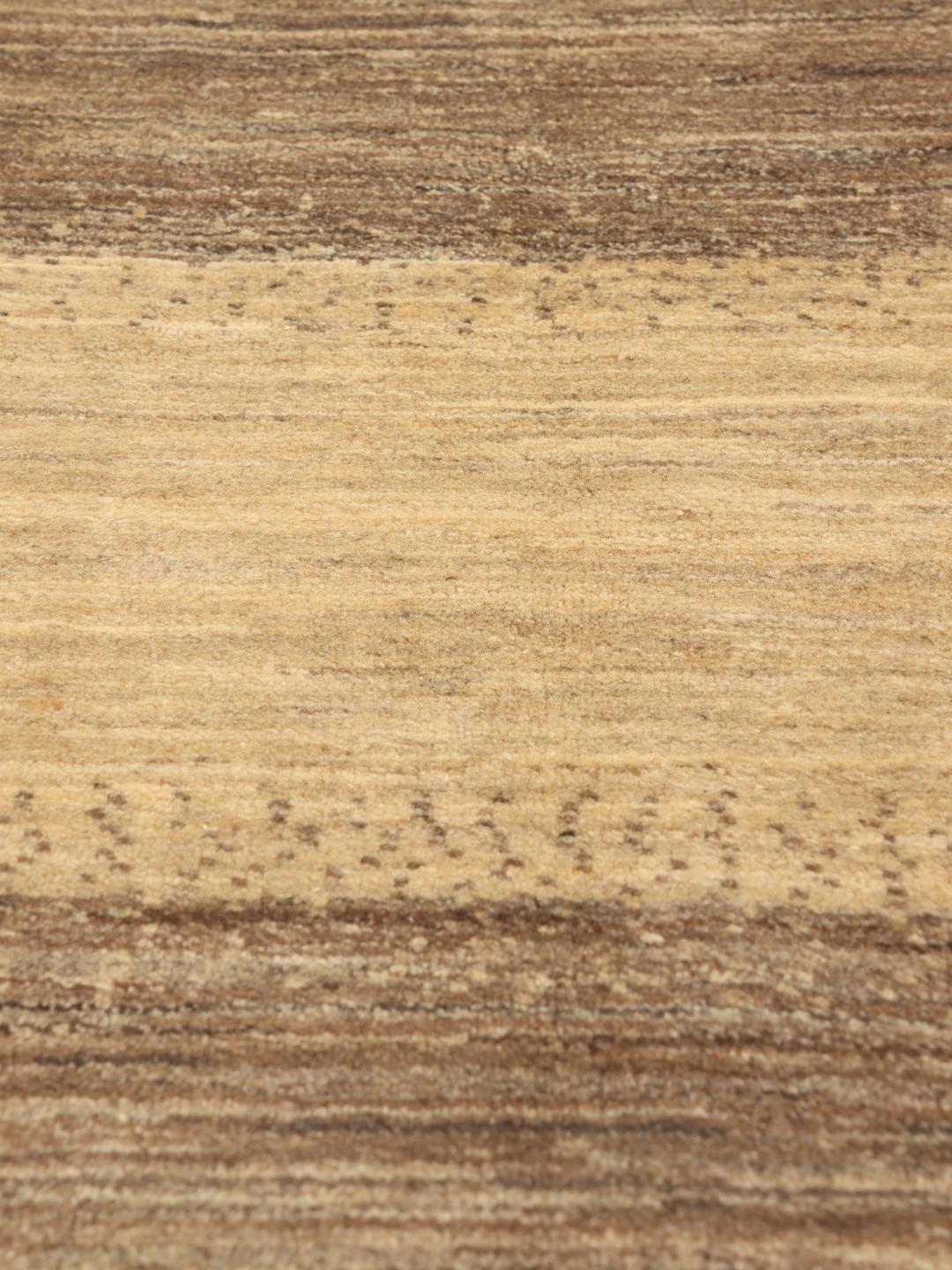
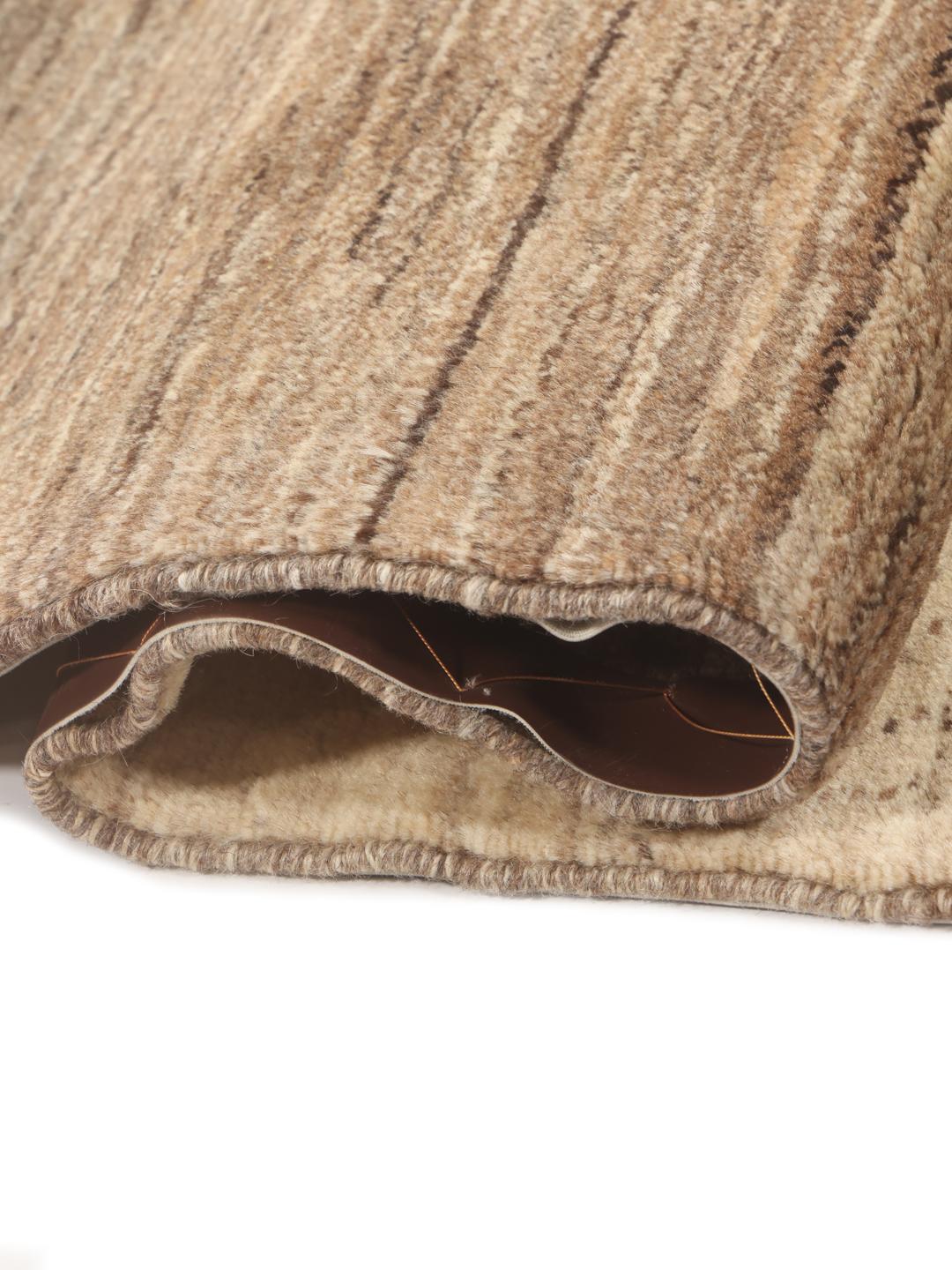
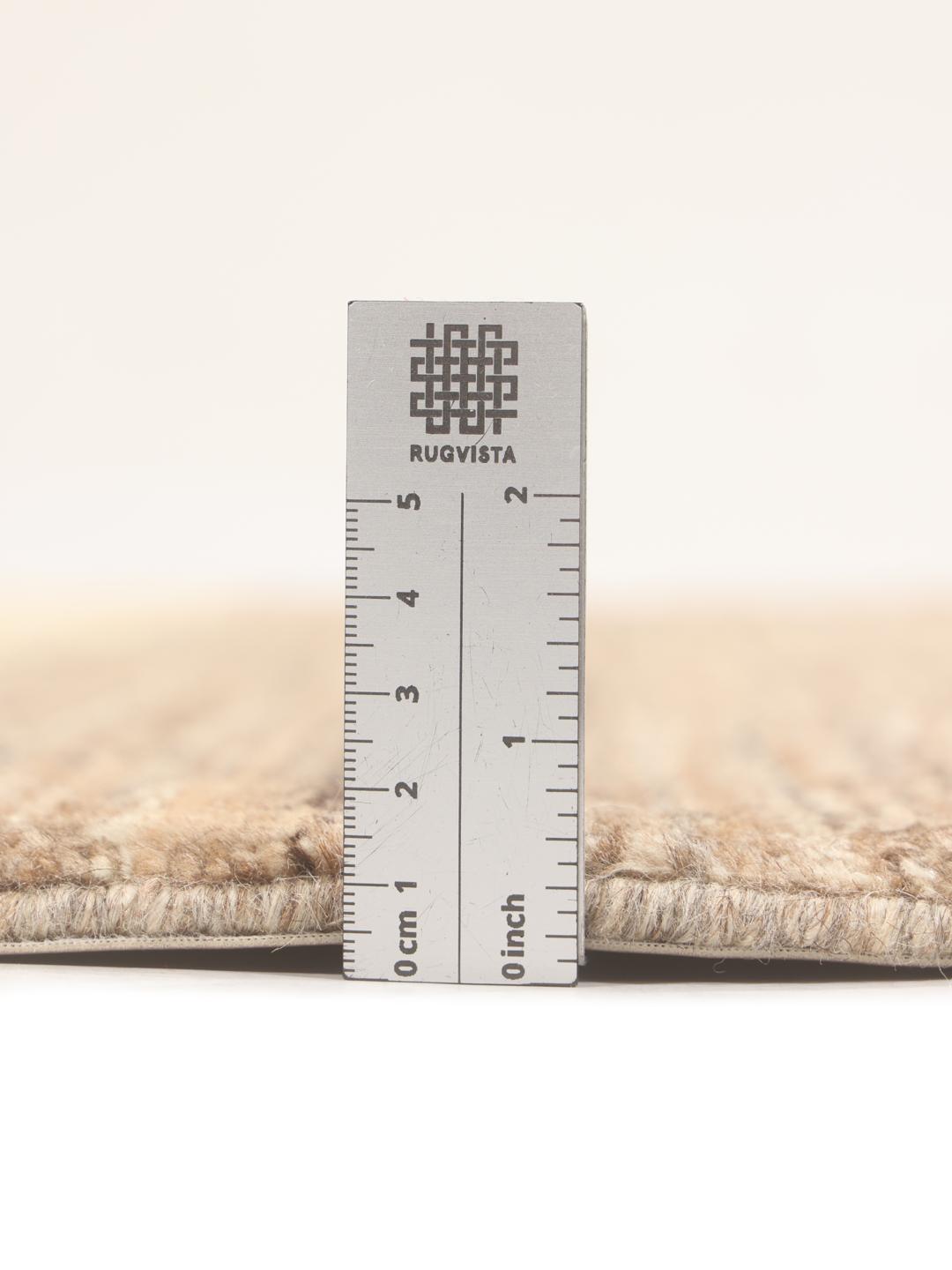
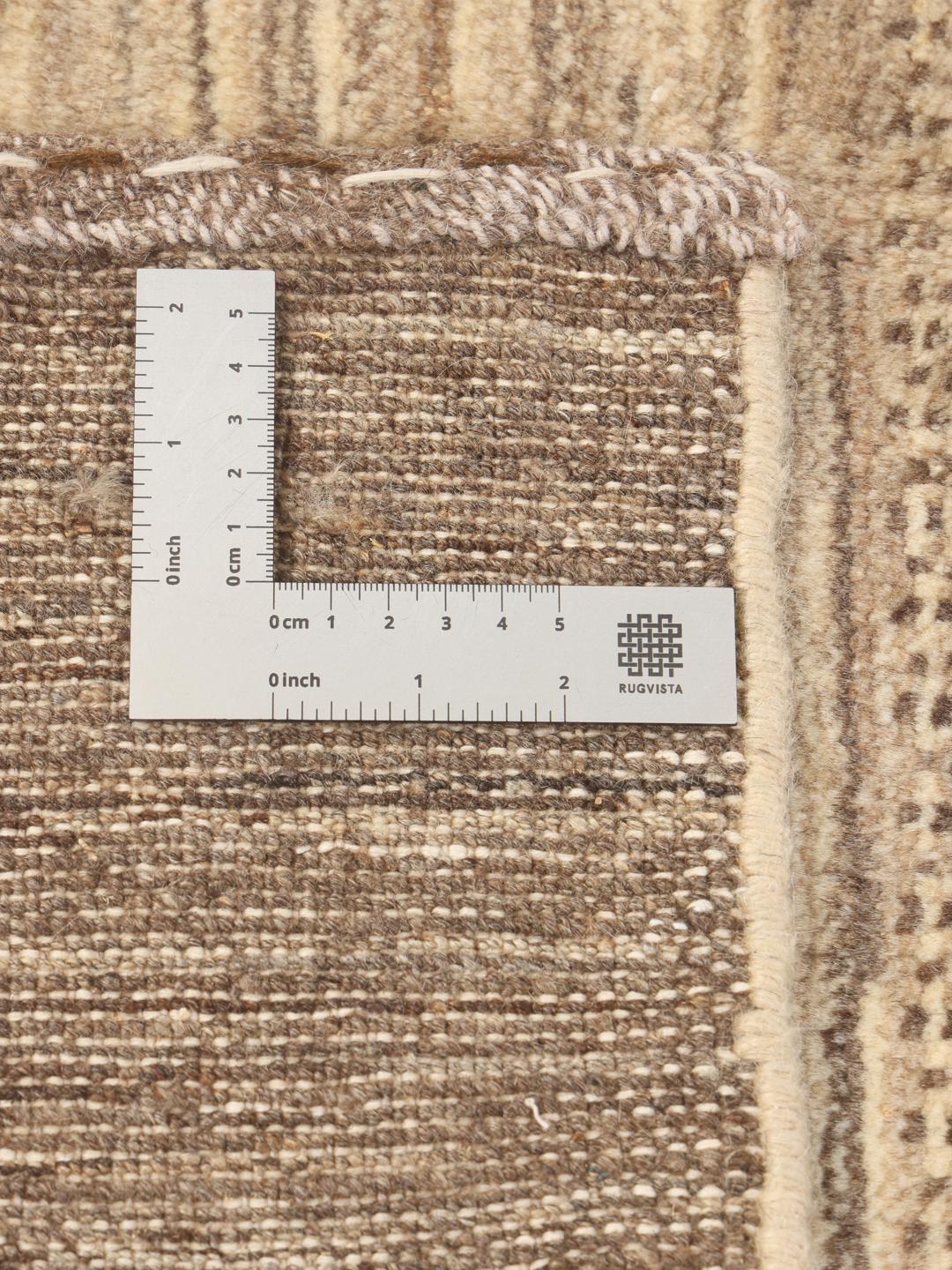
The term 'Gabbeh' itself translates to 'raw' or 'natural,' a perfect descriptor for the aesthetic of these pieces. They are often characterised by their thicker, longer pile compared to other styles, which provides superior insulation and comfort. The technical quality is defined by the use of hand-spun wool, which retains its natural oils and strength, resulting in a resilient and long-lasting surface that ages beautifully over time.
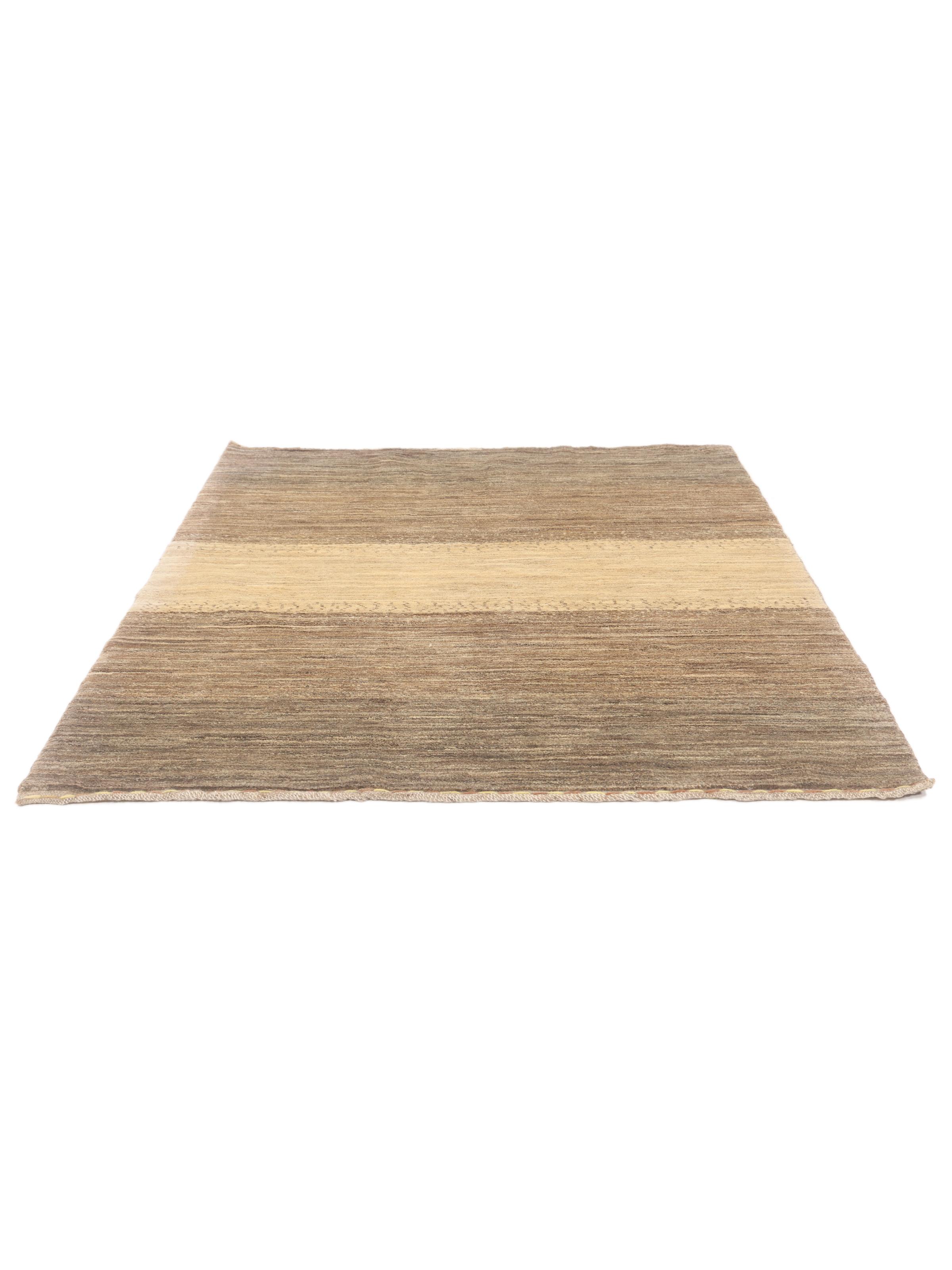
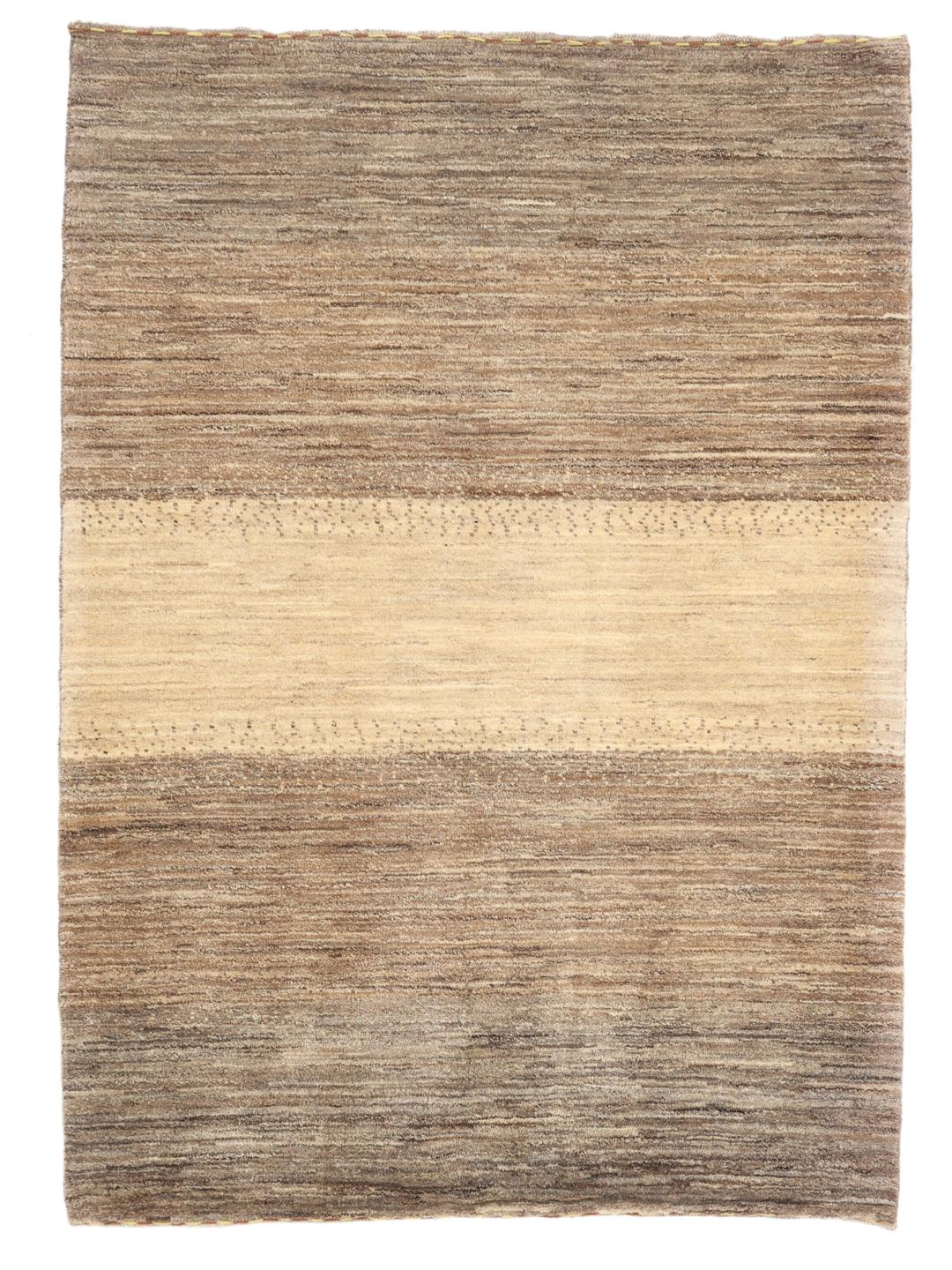
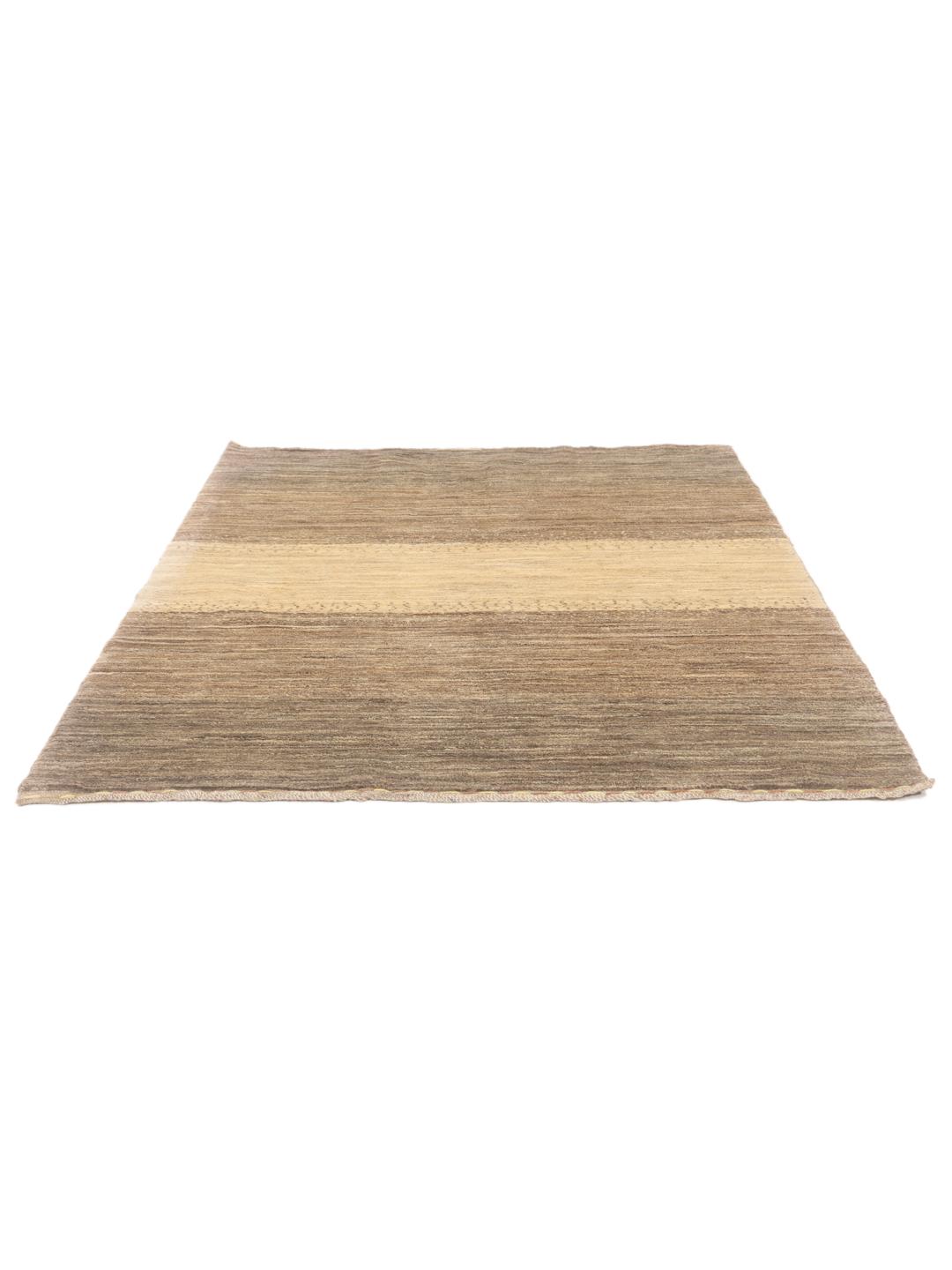
Visually, these rugs are known for their minimalist yet evocative designs. Often inspired by the surrounding landscape, the motifs frequently include abstract representations of nature, animals, or tribal symbols, though many examples lean into a more modern, colour-blocked style. The use of natural dyes derived from plants and minerals gives the wool a unique, variegated appearance that creates a sense of movement across the surface of the rug.
Today, owning a Gabbeh Fine is a way to connect with a centuries-old heritage of artisan skill. These rugs are highly valued by collectors and homeowners alike for their authenticity and the human story woven into every thread. By bringing one into your home, you are not just acquiring a floor covering, but a piece of cultural history that celebrates the enduring connection between craft, nature, and daily life.