Gabbeh rugs trace their roots to the nomadic tribes of the Middle East, where they were originally crafted for personal use rather than for trade. These rugs were designed to provide warmth and comfort in harsh environments, often serving as bedding or floor coverings inside tents. Over time, their simple, bold aesthetic gained international appreciation for its raw, artistic honesty.
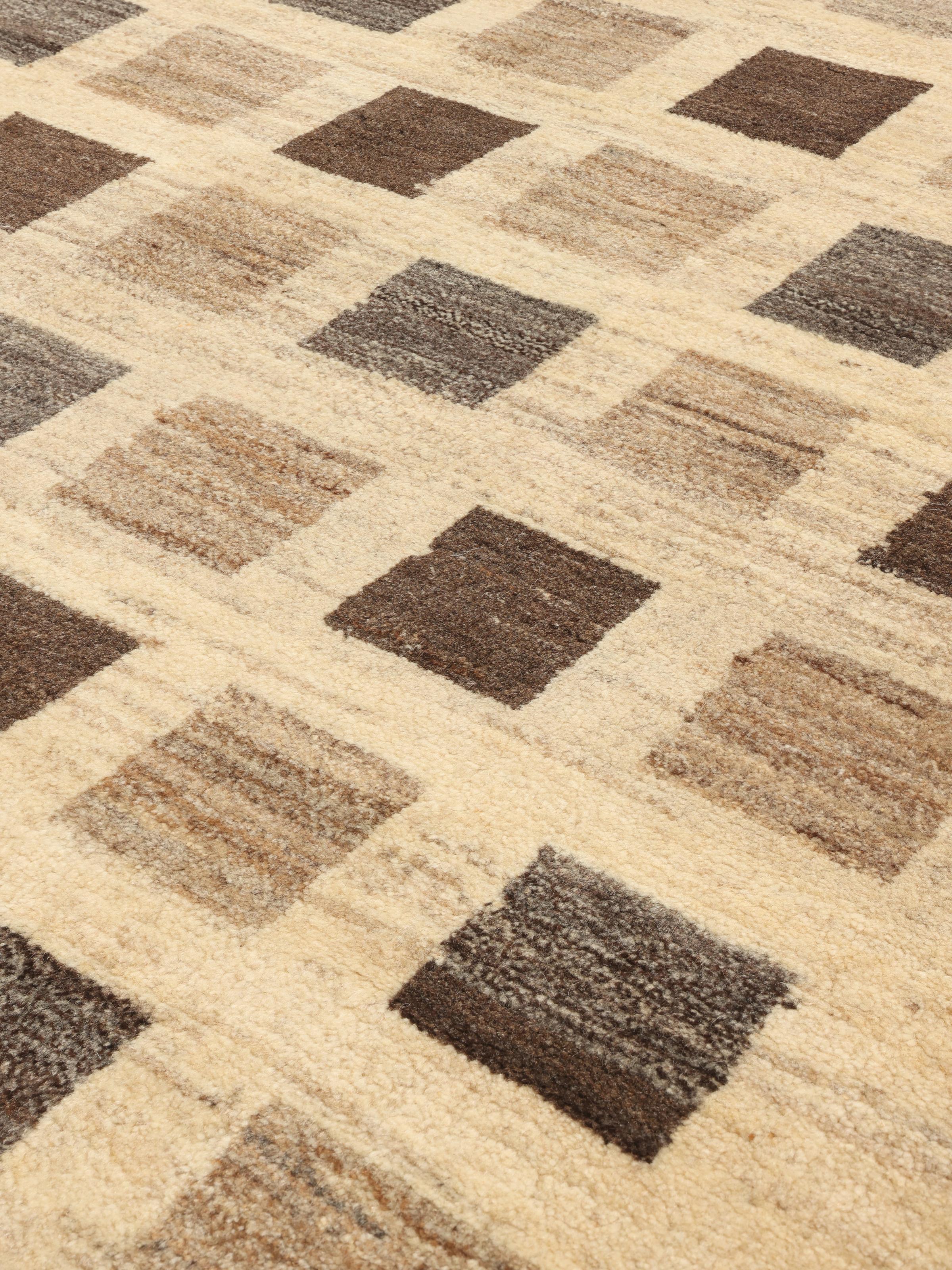
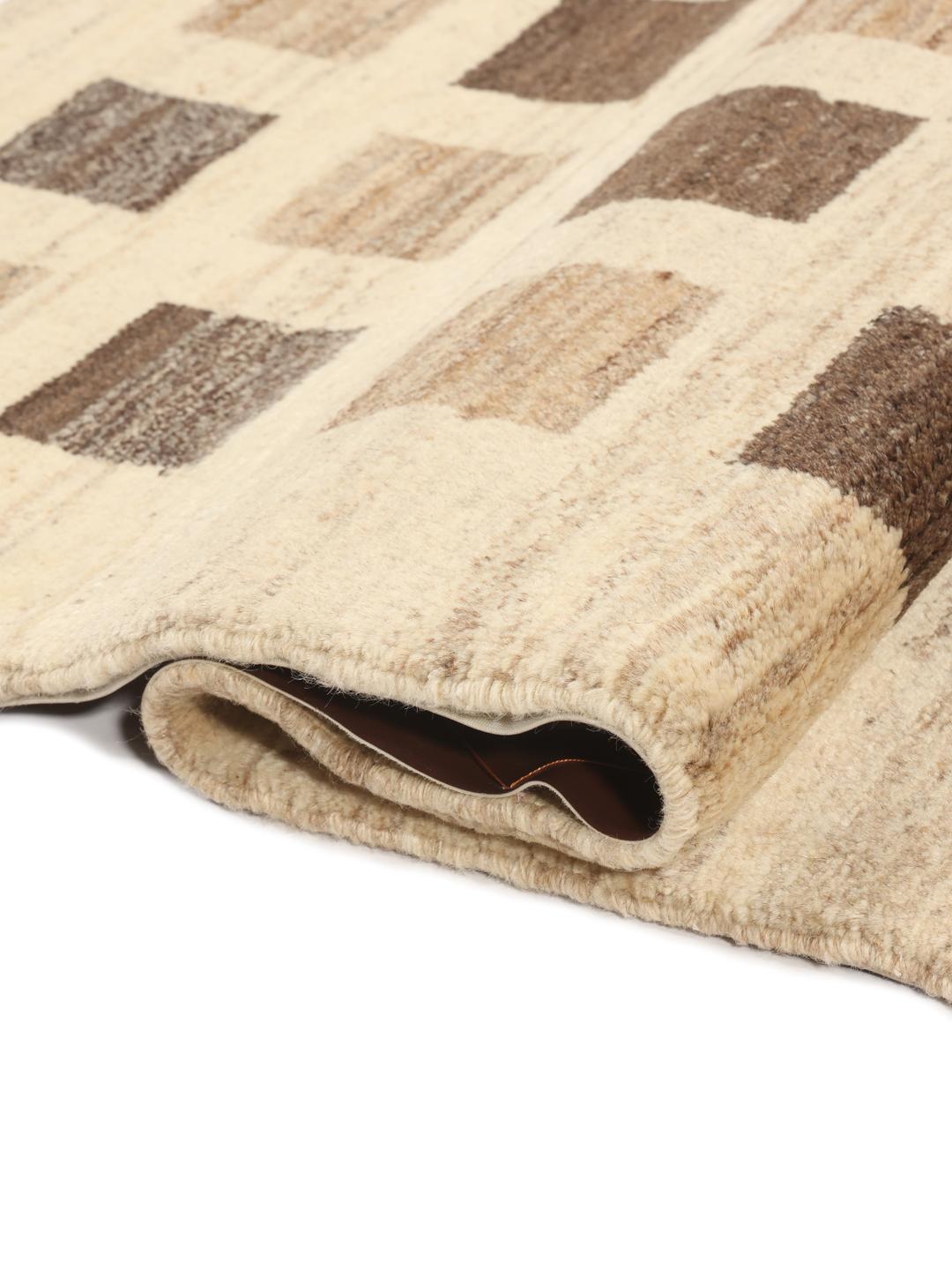
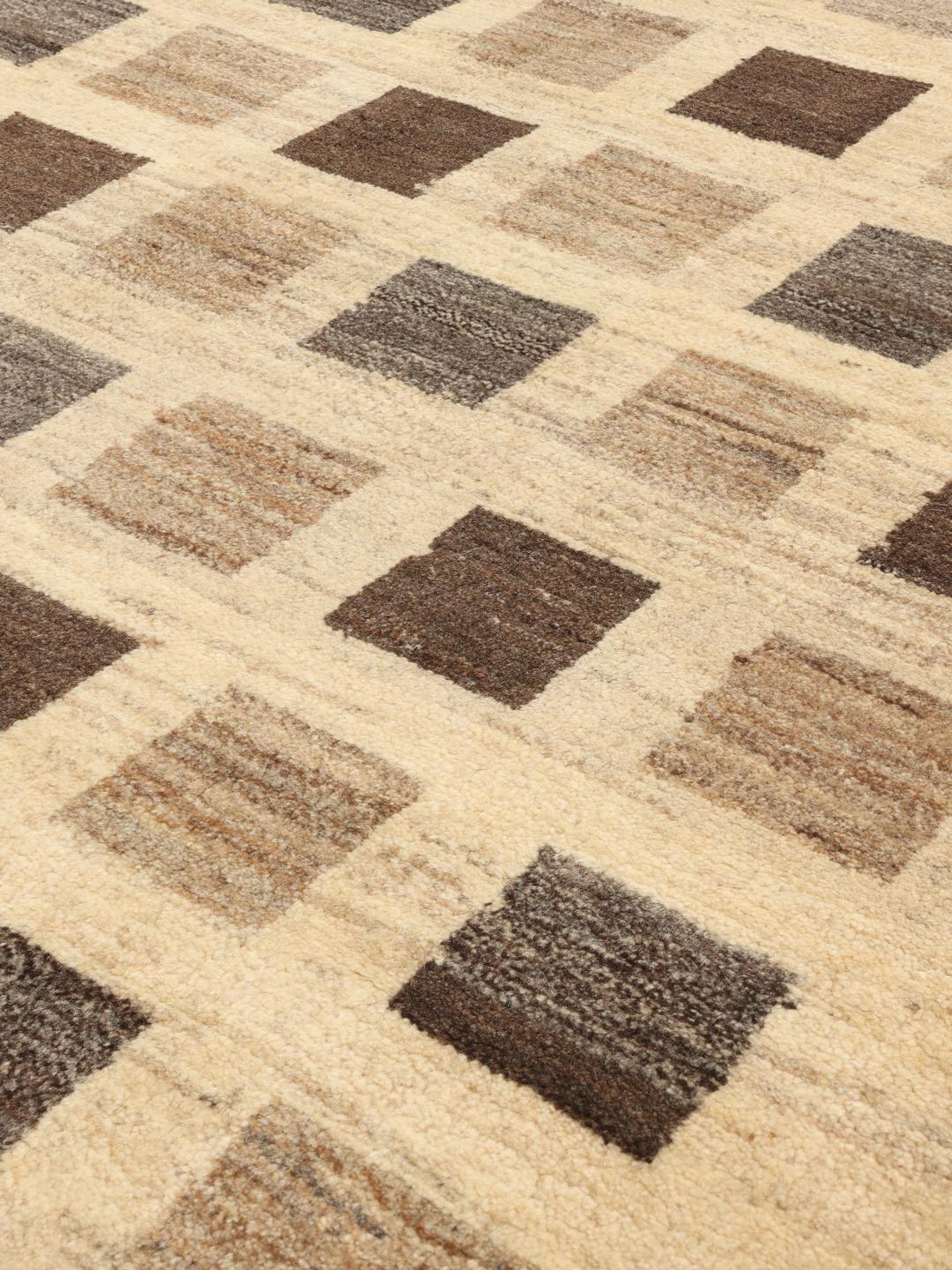
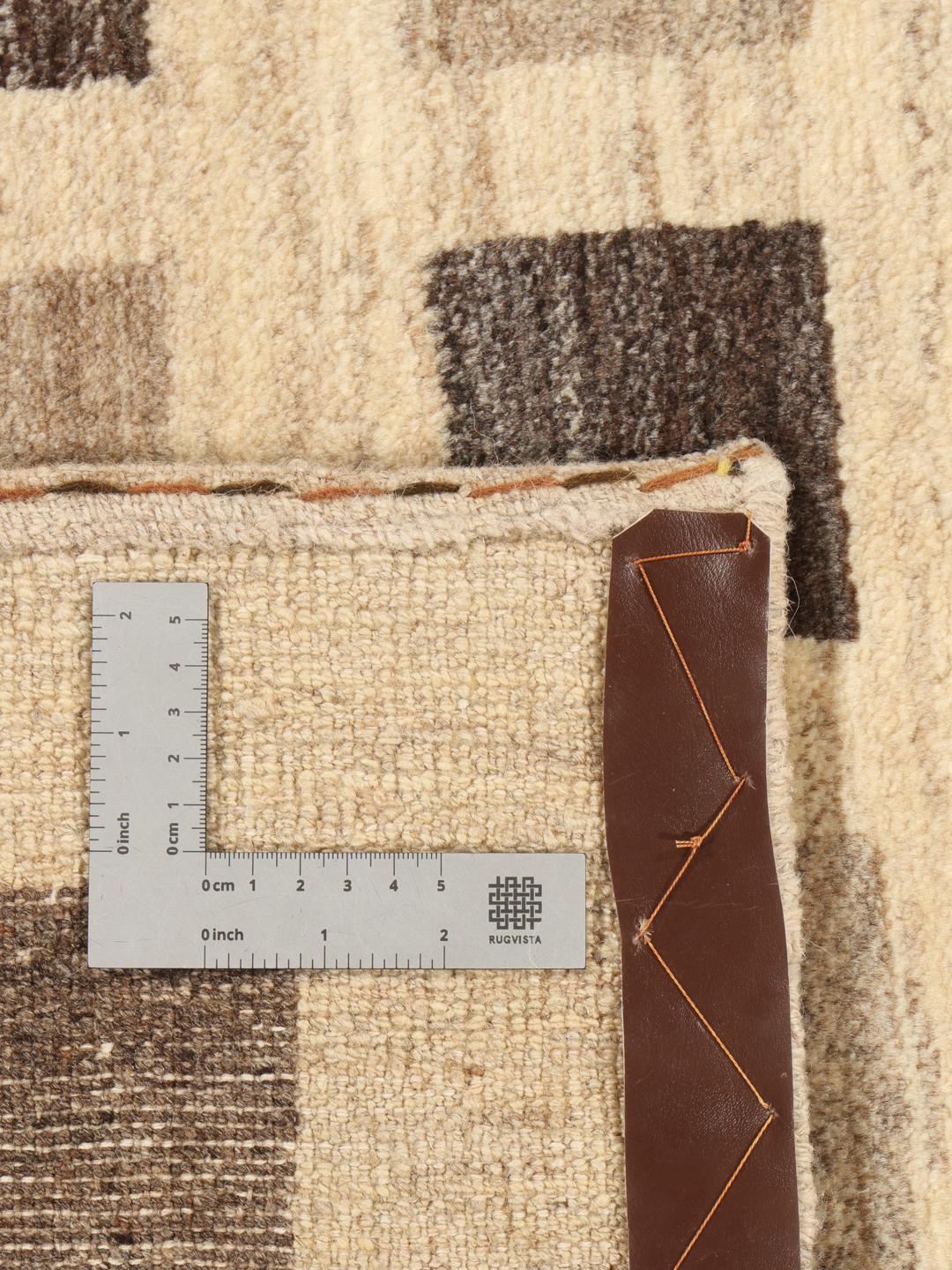
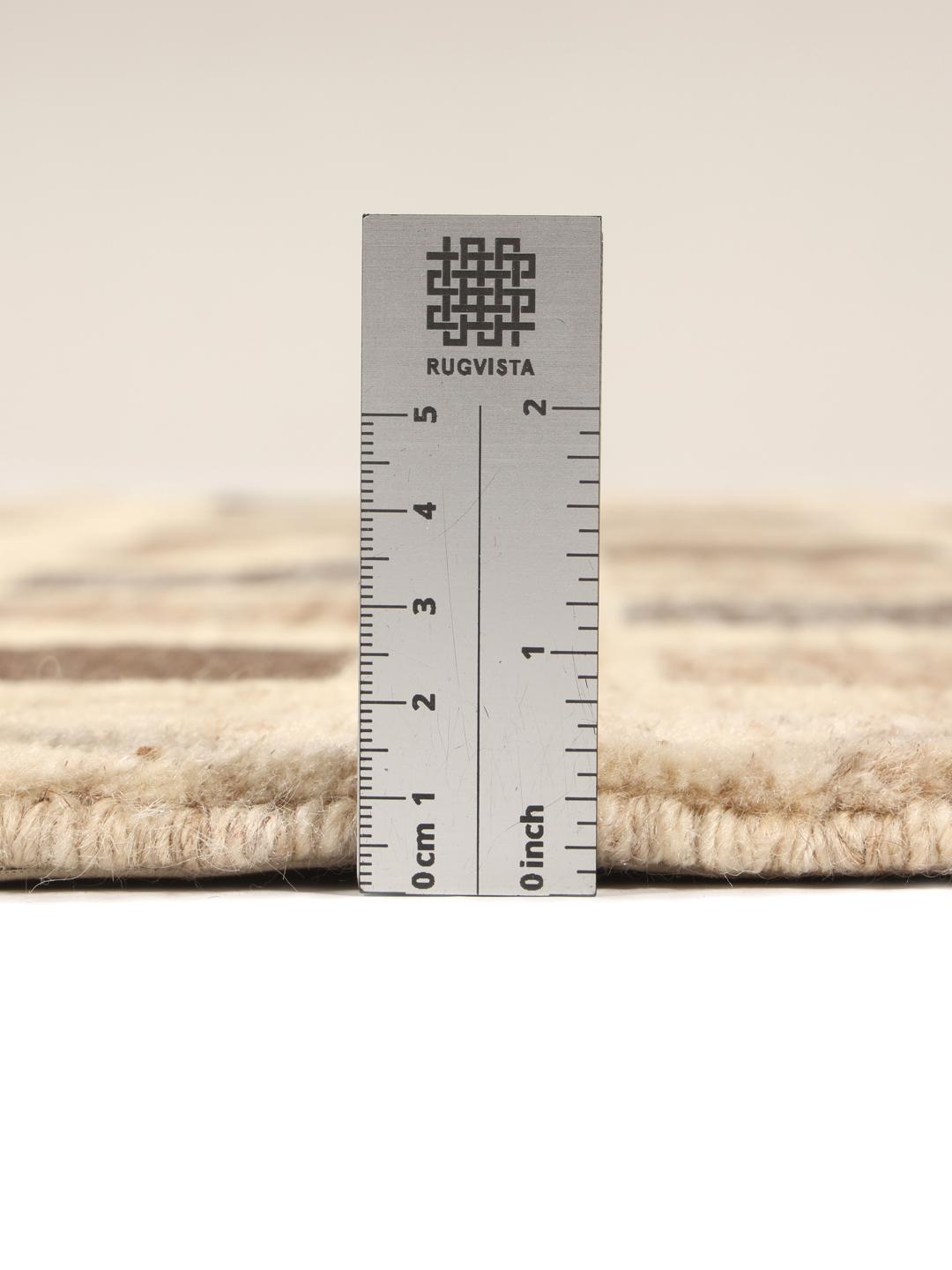
The term Gabbeh refers to a specific style of weaving that prioritises a thicker, softer pile compared to traditional, tightly knotted carpets. This construction method uses hand-spun wool, which retains more of its natural oils, resulting in a rug that is not only plush and inviting but also remarkably resistant to wear. This focus on material quality is a hallmark of the tradition.
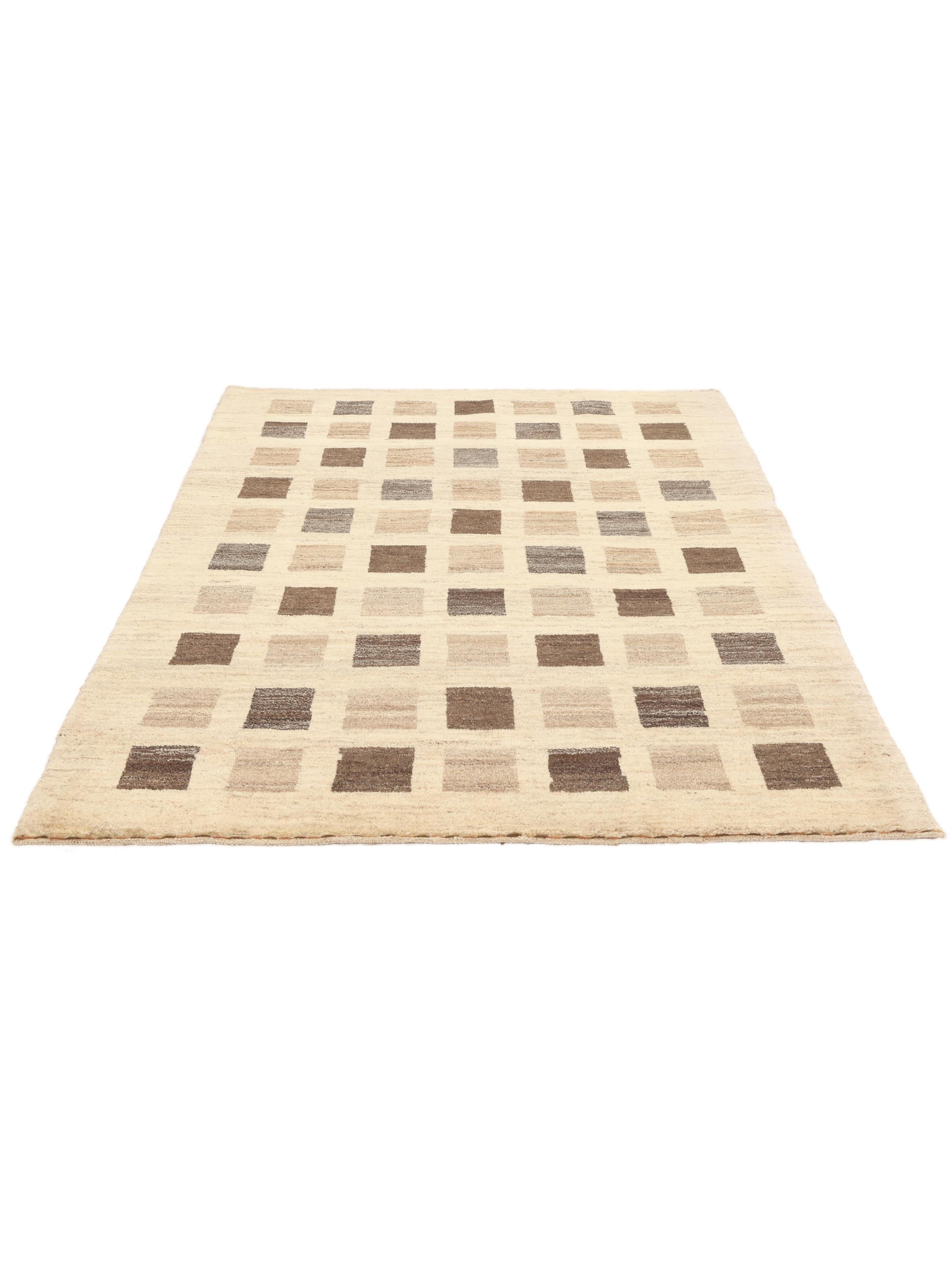
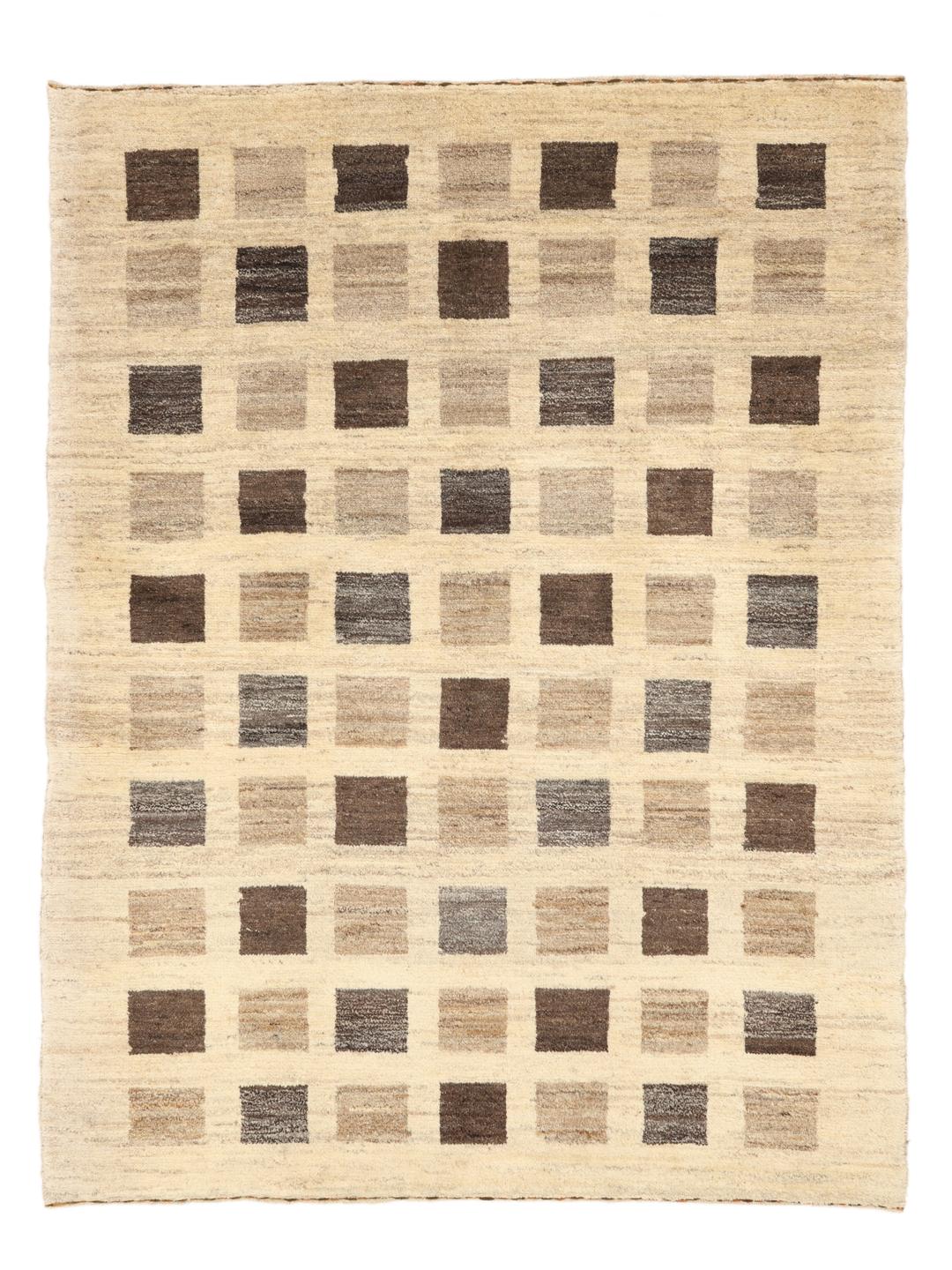
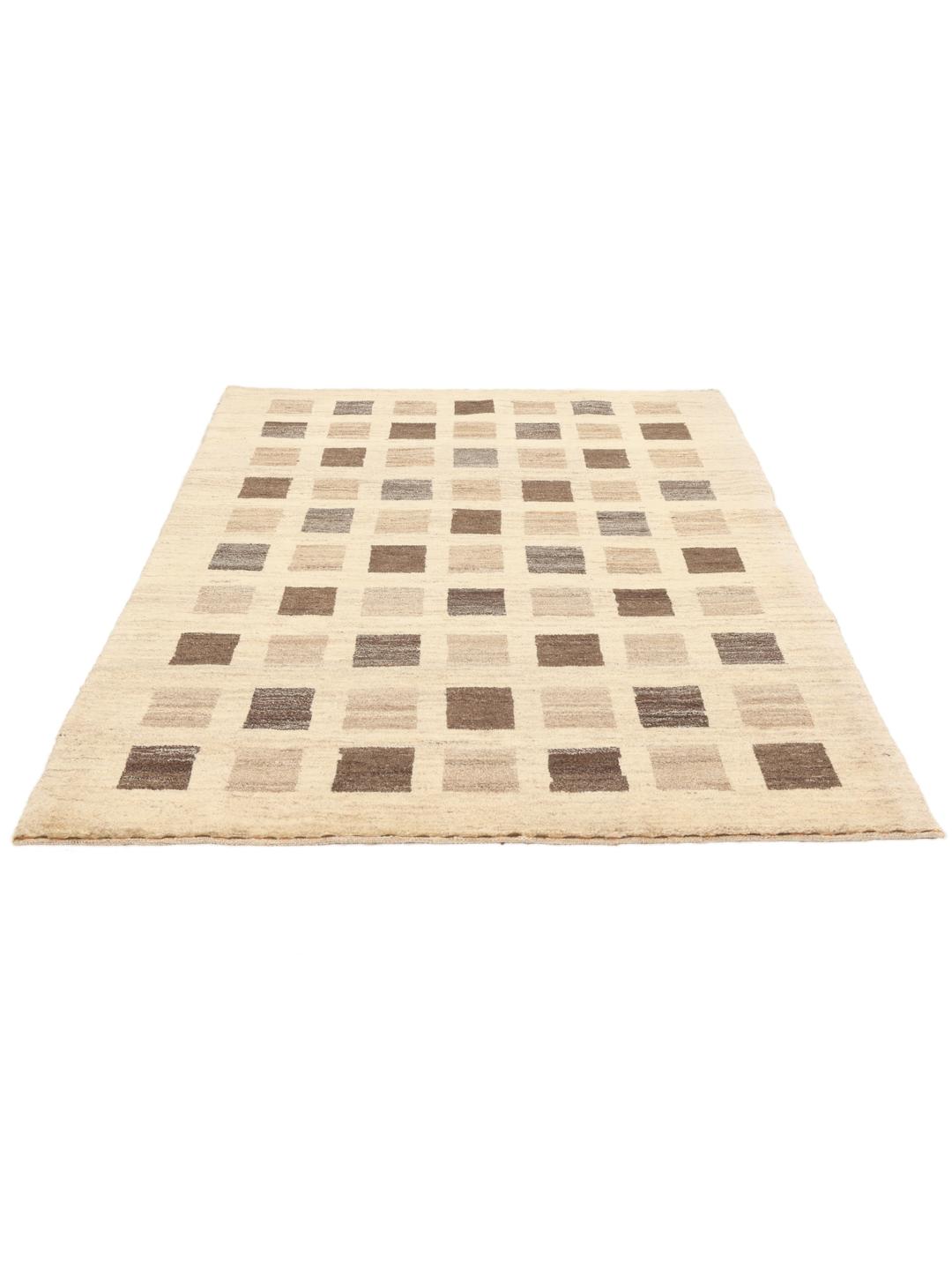
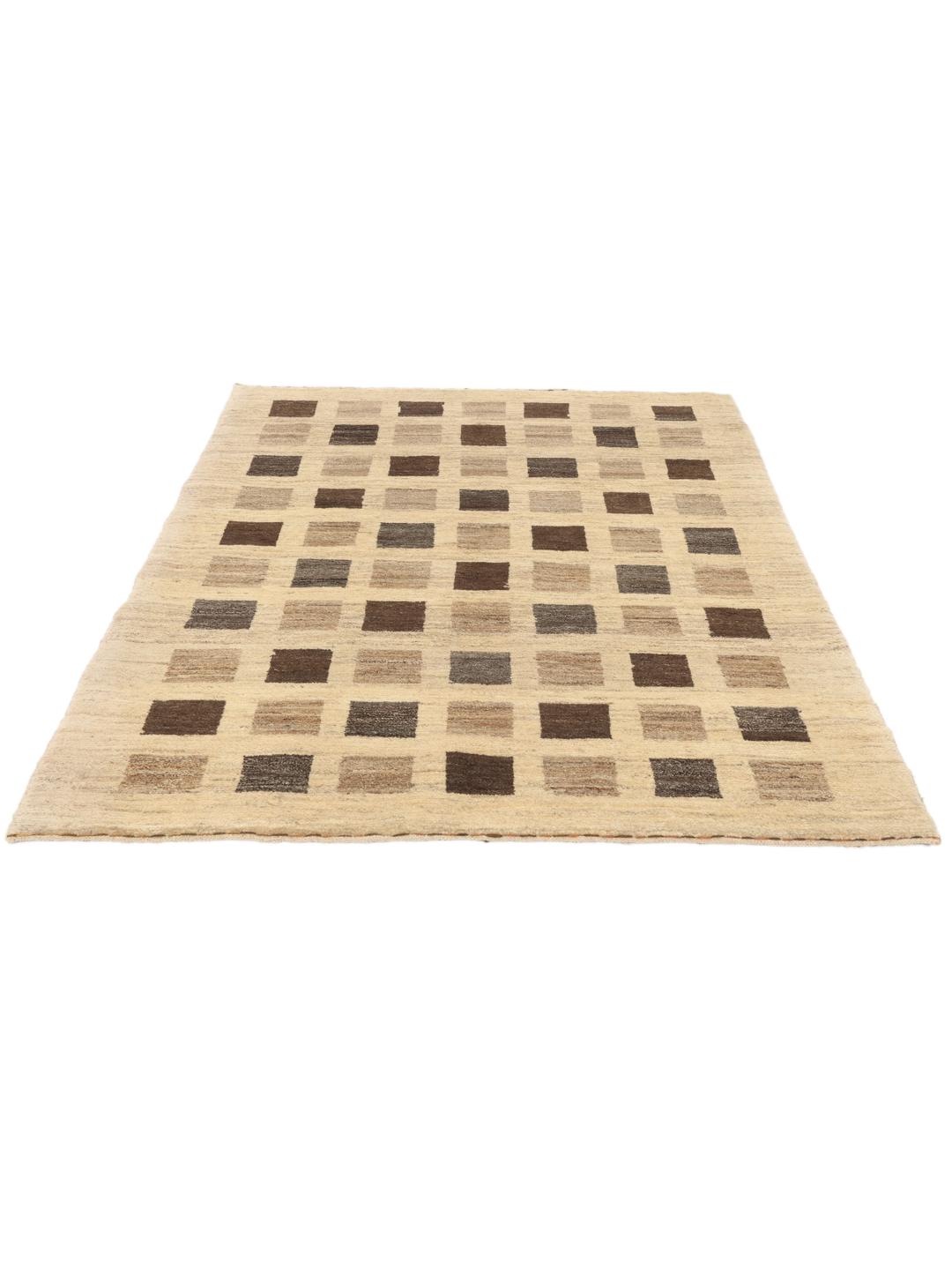
Visually, these rugs are defined by their minimalist approach, often featuring large, abstract motifs or simple geometric shapes like squares and stripes. While many traditional rugs are known for intricate floral patterns, the Gabbeh tradition celebrates open space and the natural, unrefined beauty of the wool. Earthy, natural dyes are frequently used to create a palette that feels grounded and serene.
Today, these rugs are highly valued by collectors for their cultural significance and the skill required to produce them. Owning a piece from this tradition is an act of preserving a nomadic heritage that has been passed down through generations. It represents a connection to a slower, more intentional way of creating, where the artisan's hand is visible in every stitch.