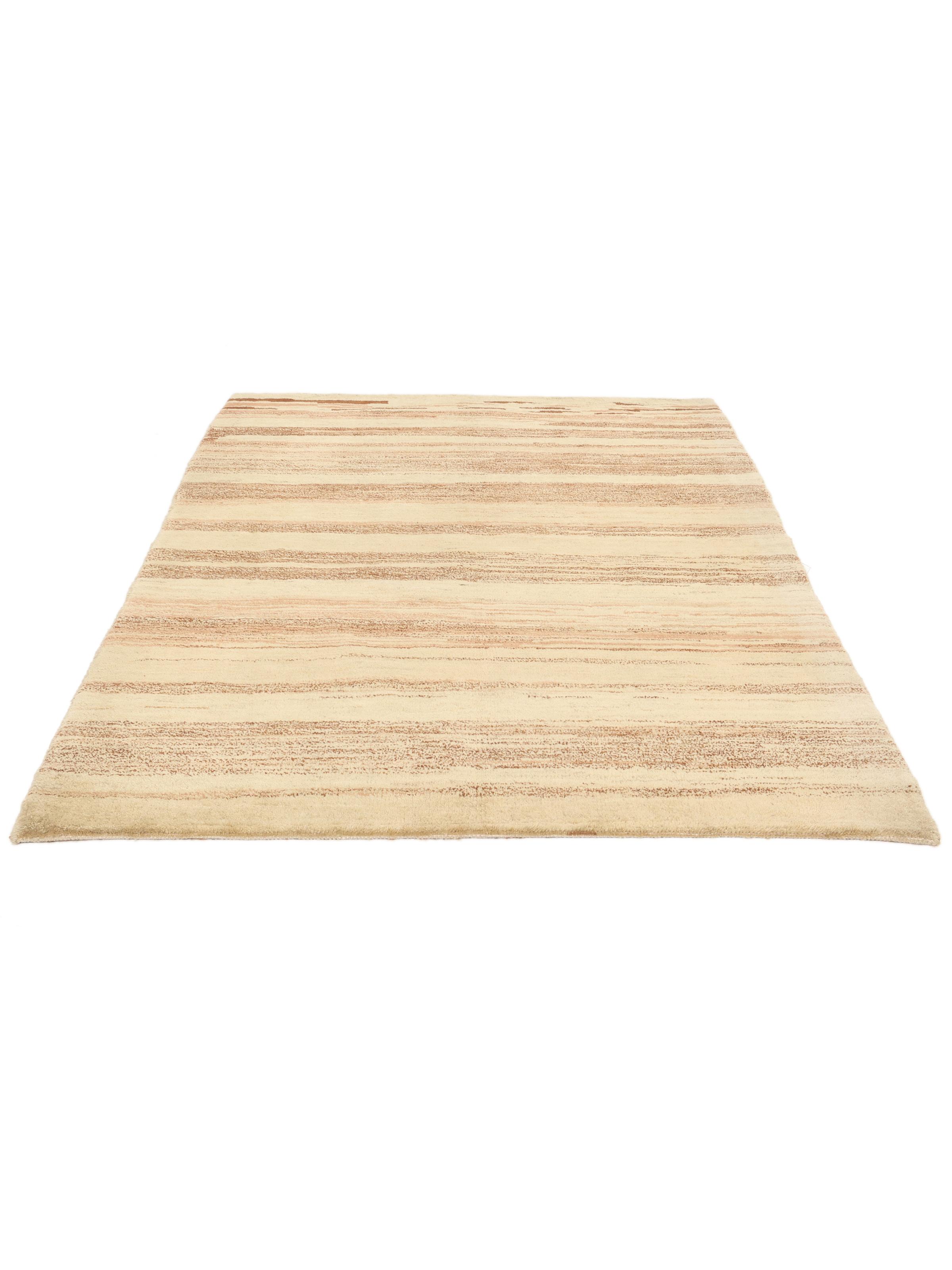
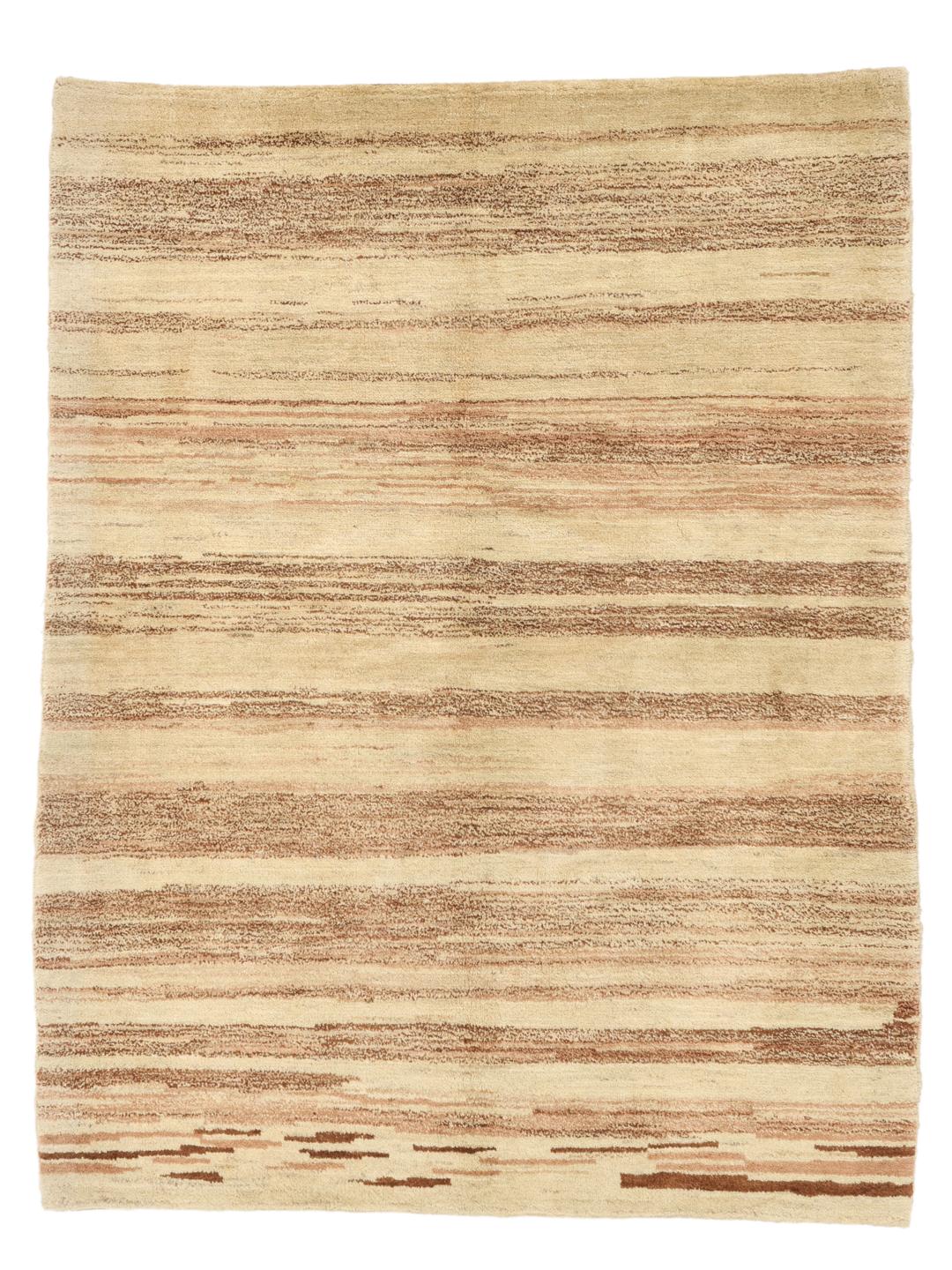
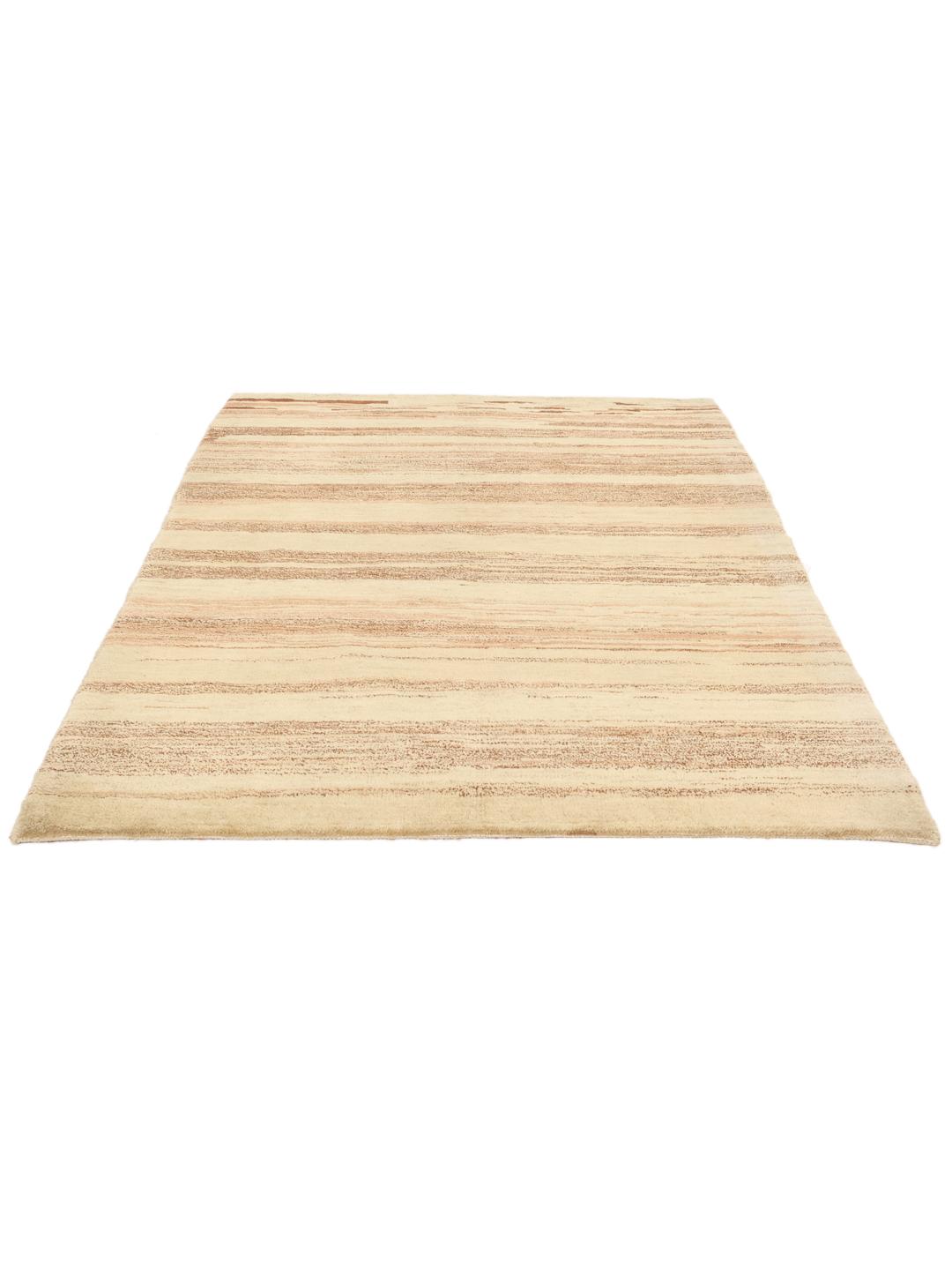
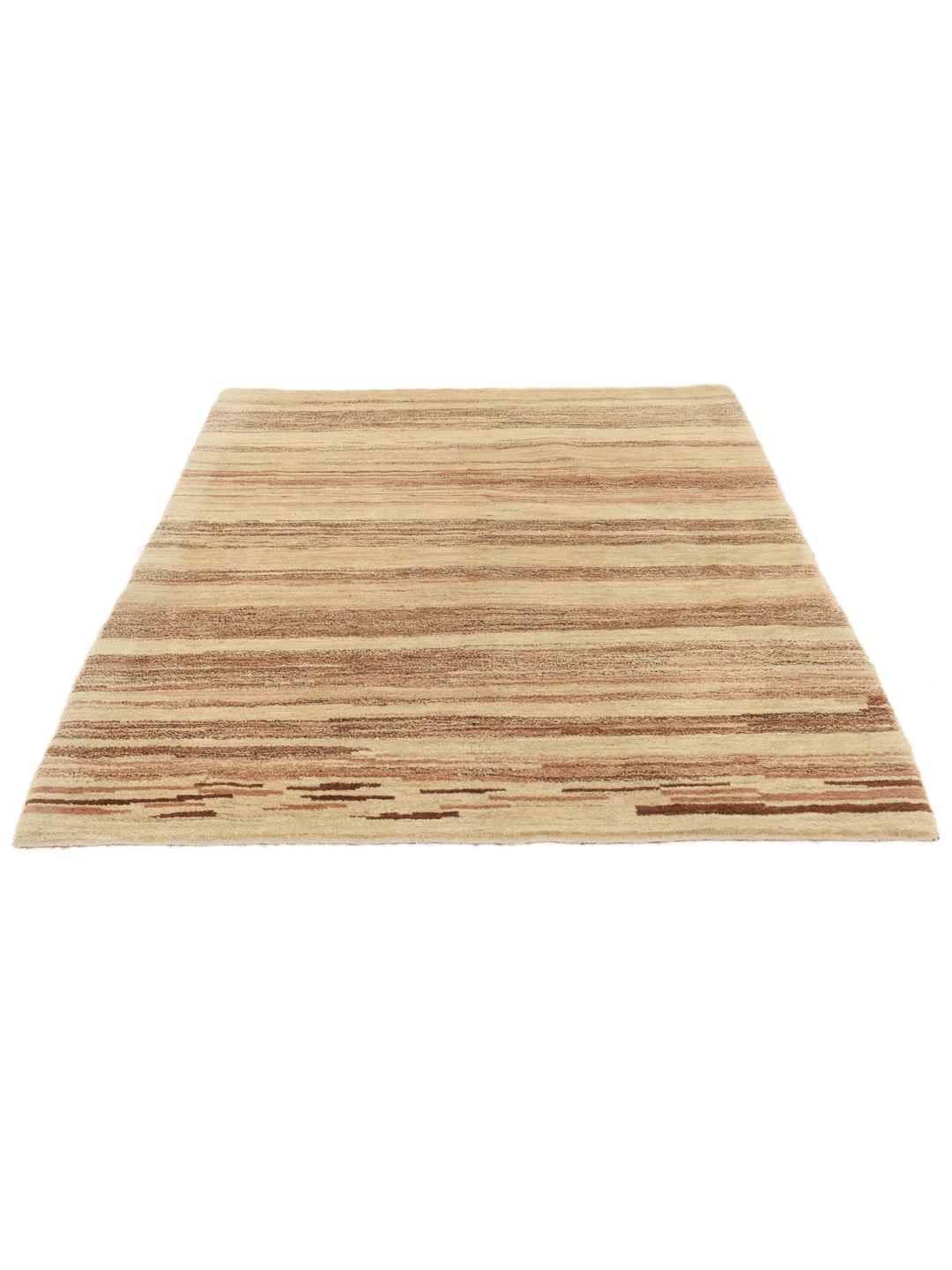
Gabbeh rugs have long been celebrated for their artistic simplicity and deep connection to the nomadic traditions of the Middle East. Historically, these rugs were woven by tribal artisans for their own domestic use, serving as thick, protective floor coverings that provided essential insulation against the cold ground in harsh environments.
The term 'Gabbeh' itself refers to a rug that is thick and coarse, emphasising its functional roots. Unlike formal, city-made rugs that often follow rigid, pre-planned patterns, Gabbeh designs are traditionally improvised, allowing the weaver to express their personal creativity through abstract motifs and a more spontaneous, organic use of colour and geometry.
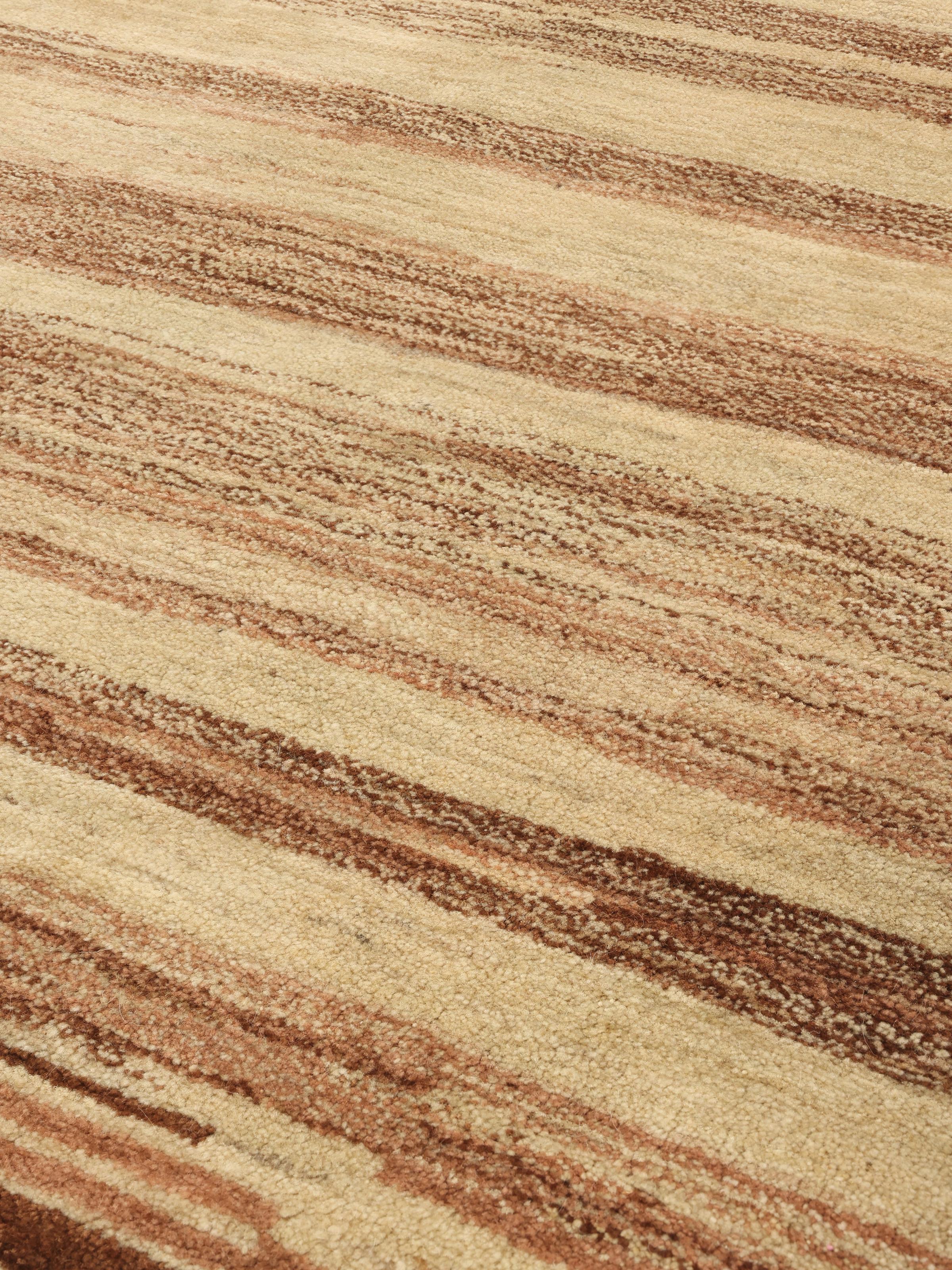
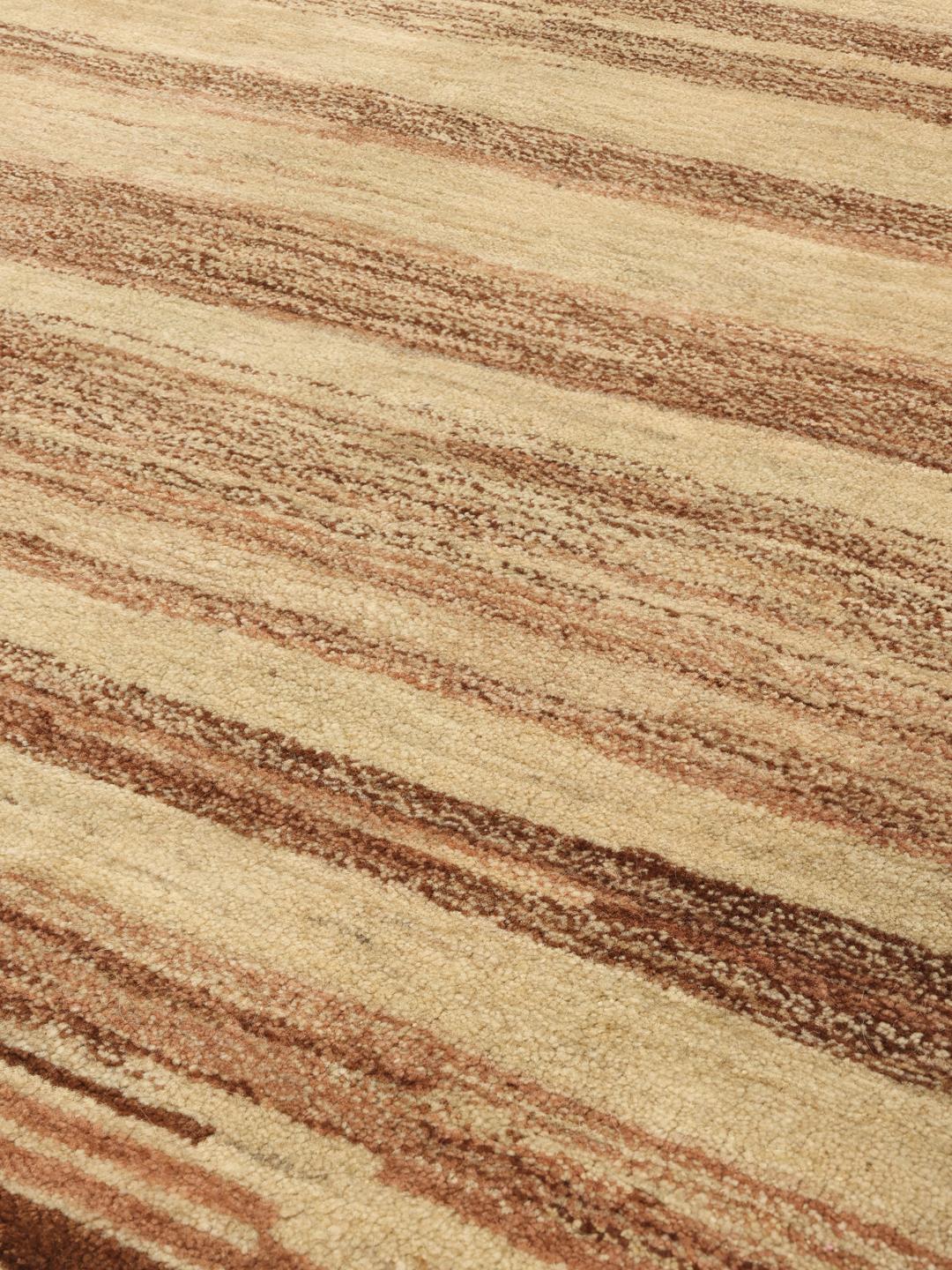
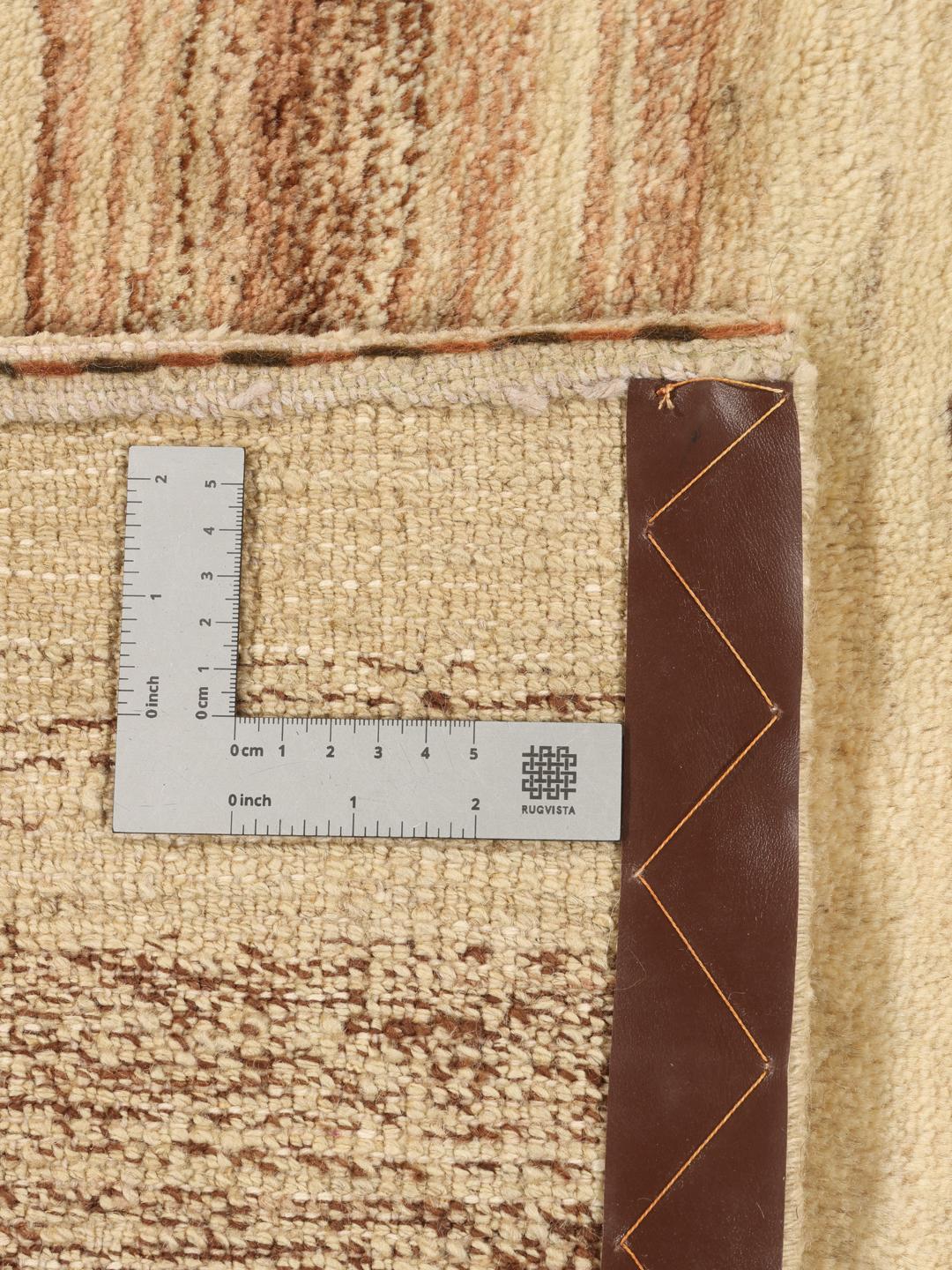
The design language of this tradition is characterised by its focus on the beauty of negative space and the natural, unadulterated quality of the wool. While traditional Gabbehs often featured bold, vibrant colours, contemporary iterations like this piece often embrace a more muted, natural palette that highlights the interplay of light and shadow across the textured, hand-knotted surface.
Collectors value these rugs for their authenticity and the honest, unscripted nature of their design. Owning a piece from this tradition is an invitation to bring a slice of ancient nomadic artistry into a modern home, bridging the gap between historical craft and contemporary living with a rug that is as much a functional tool as it is a piece of art.