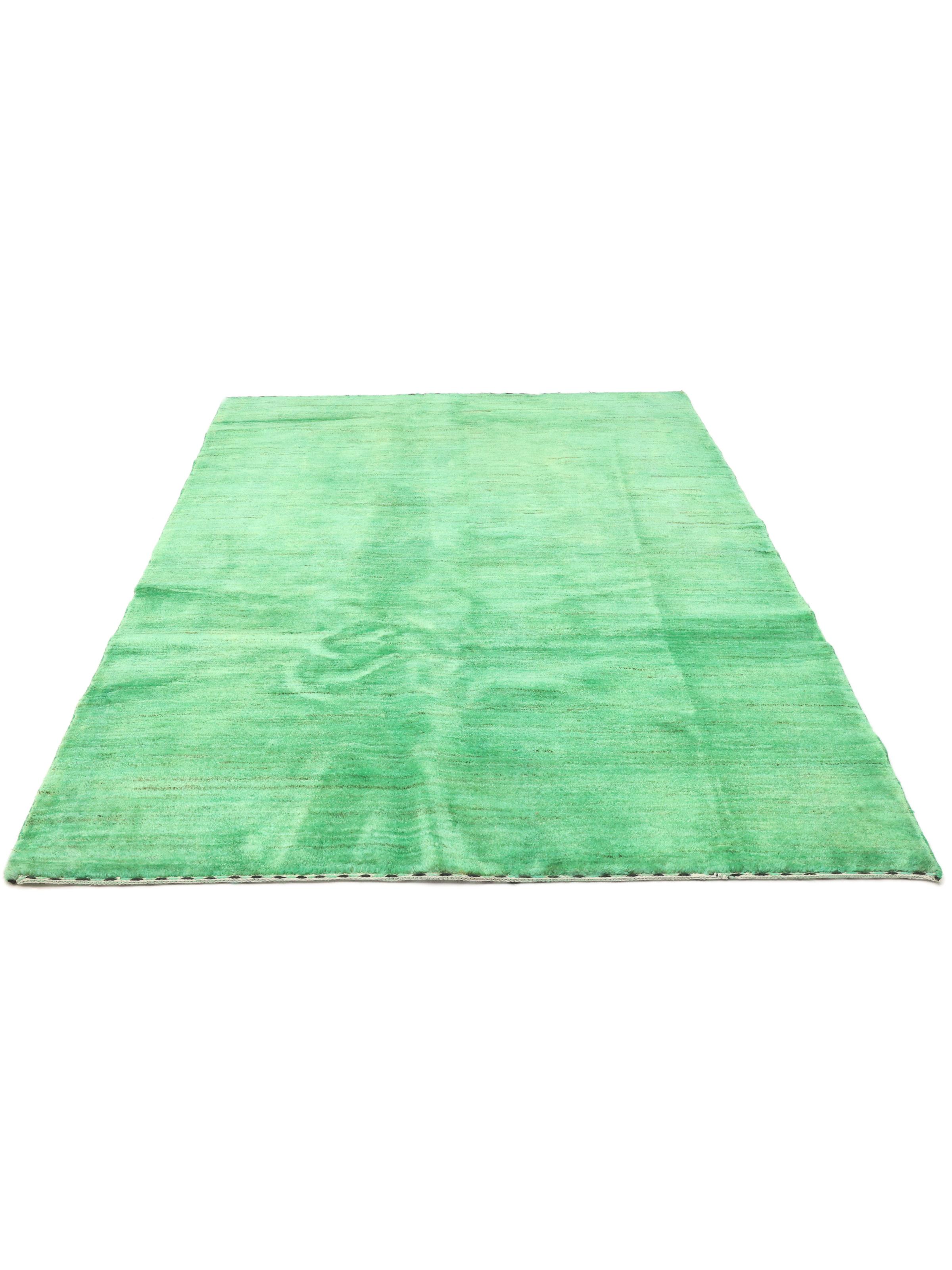
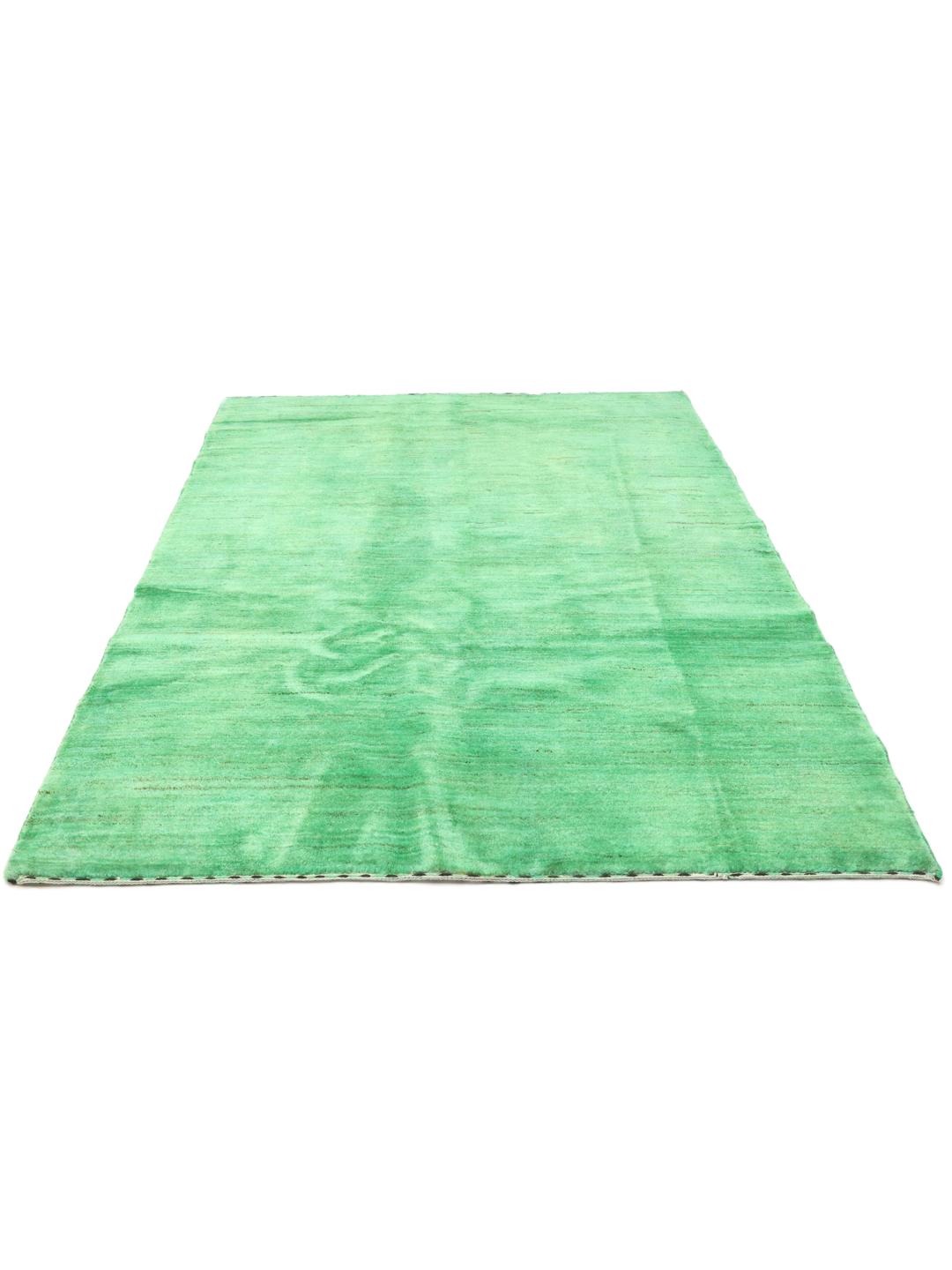
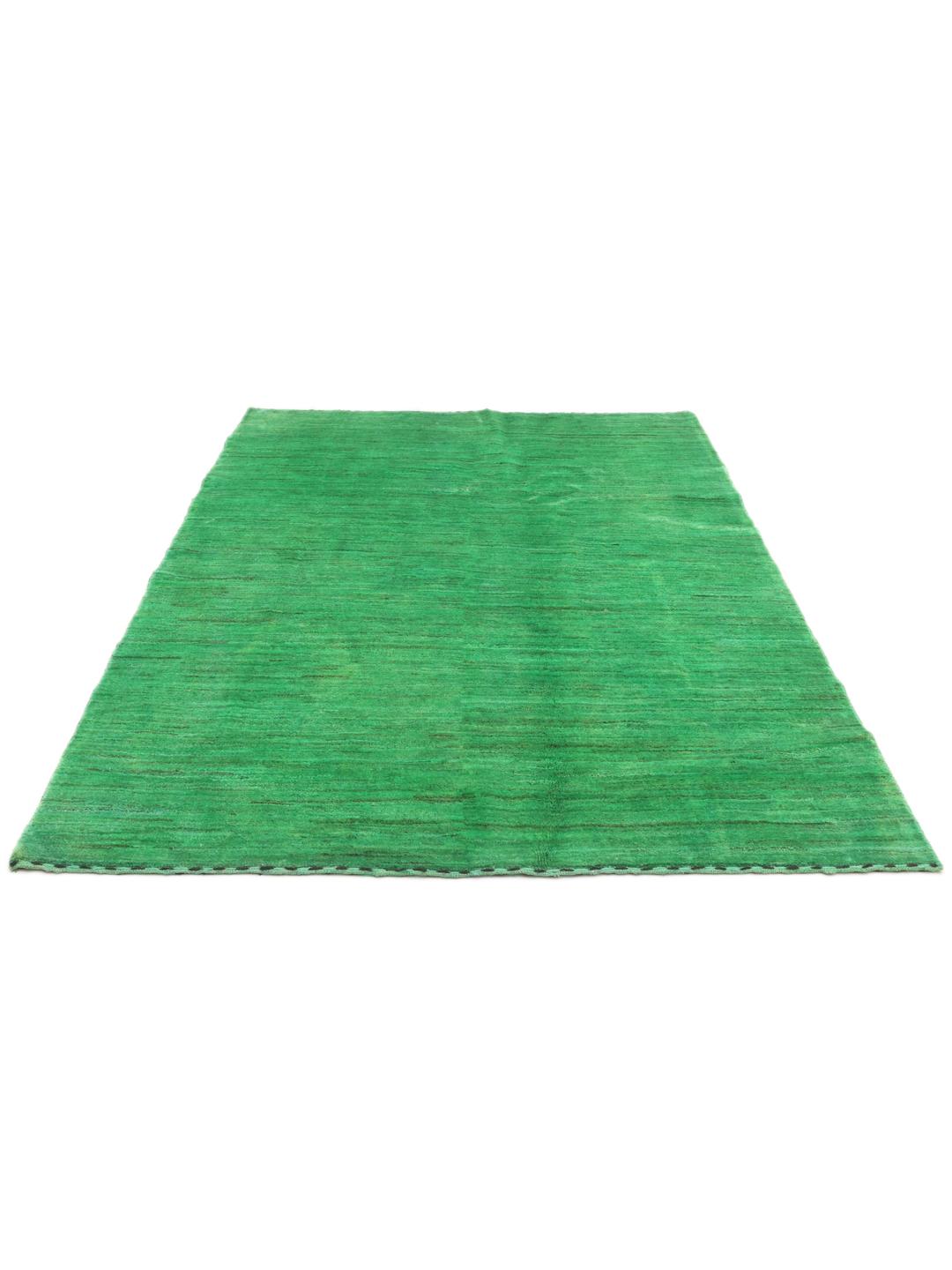
The Gabbeh tradition finds its roots in the nomadic cultures of the Middle East, where weavers historically created these rugs for their own personal use rather than for trade. Unlike formal, city-made rugs, these pieces were designed to be functional, cosy, and reflective of the weaver's immediate surroundings and daily life.
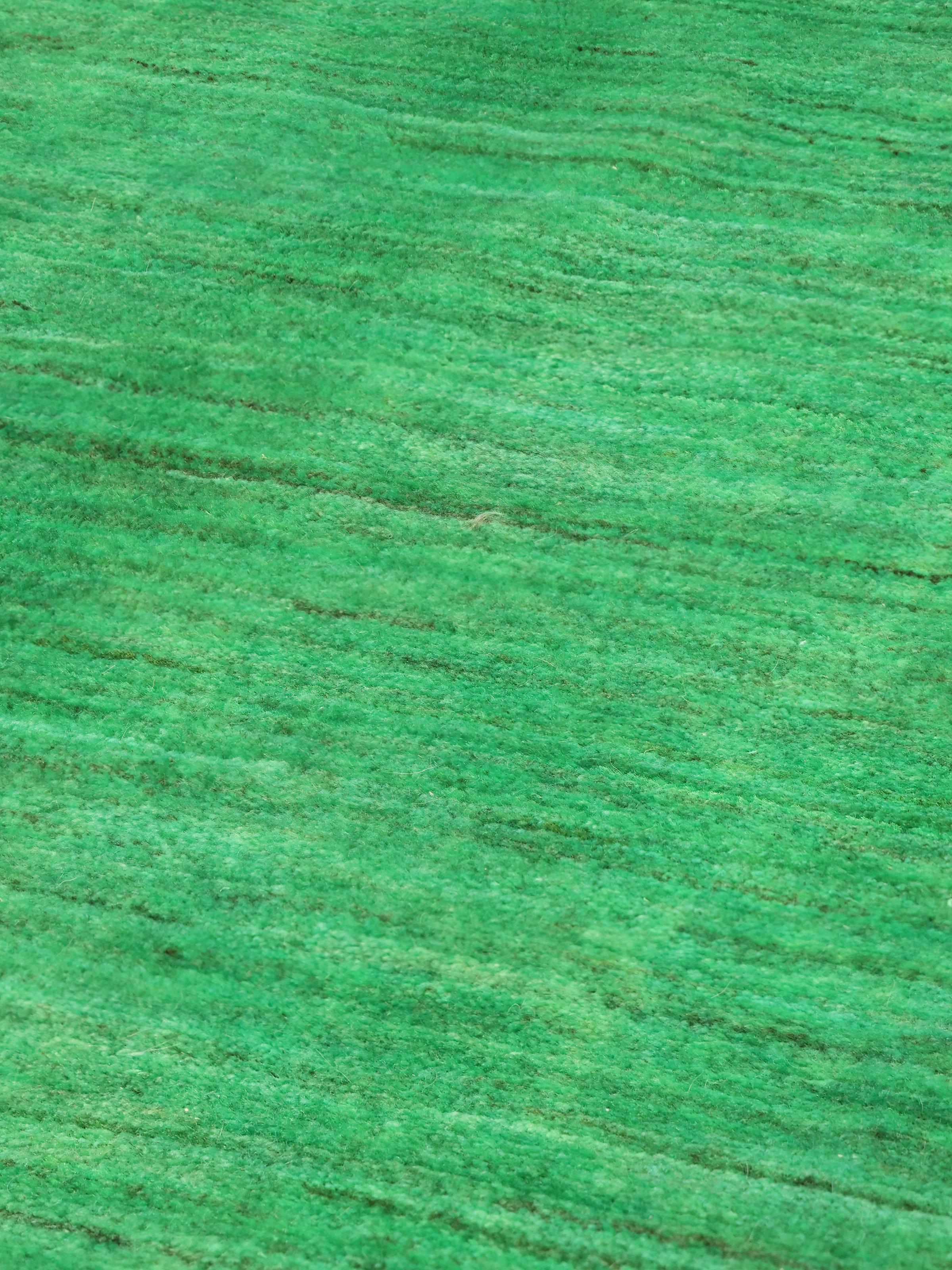
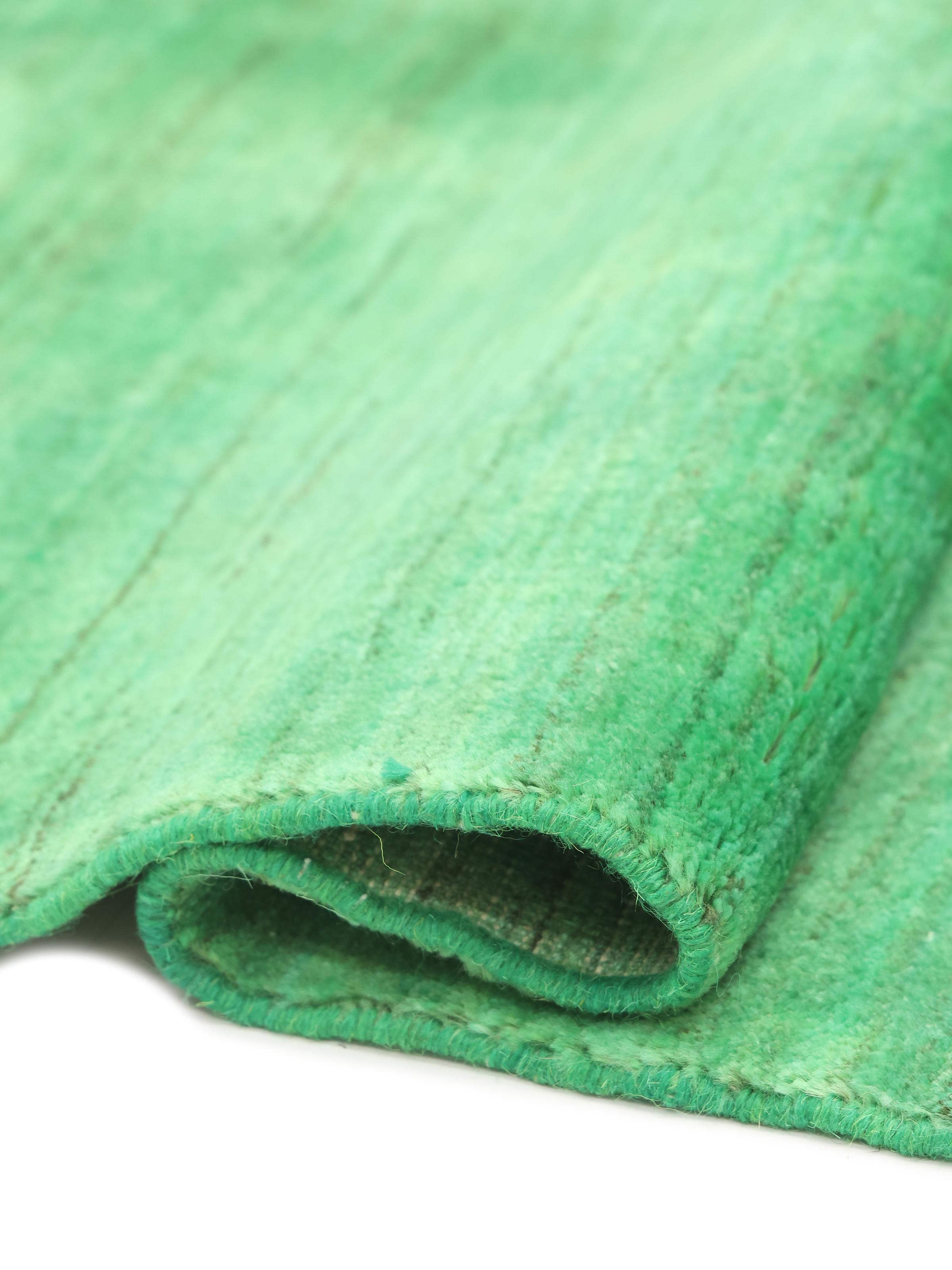
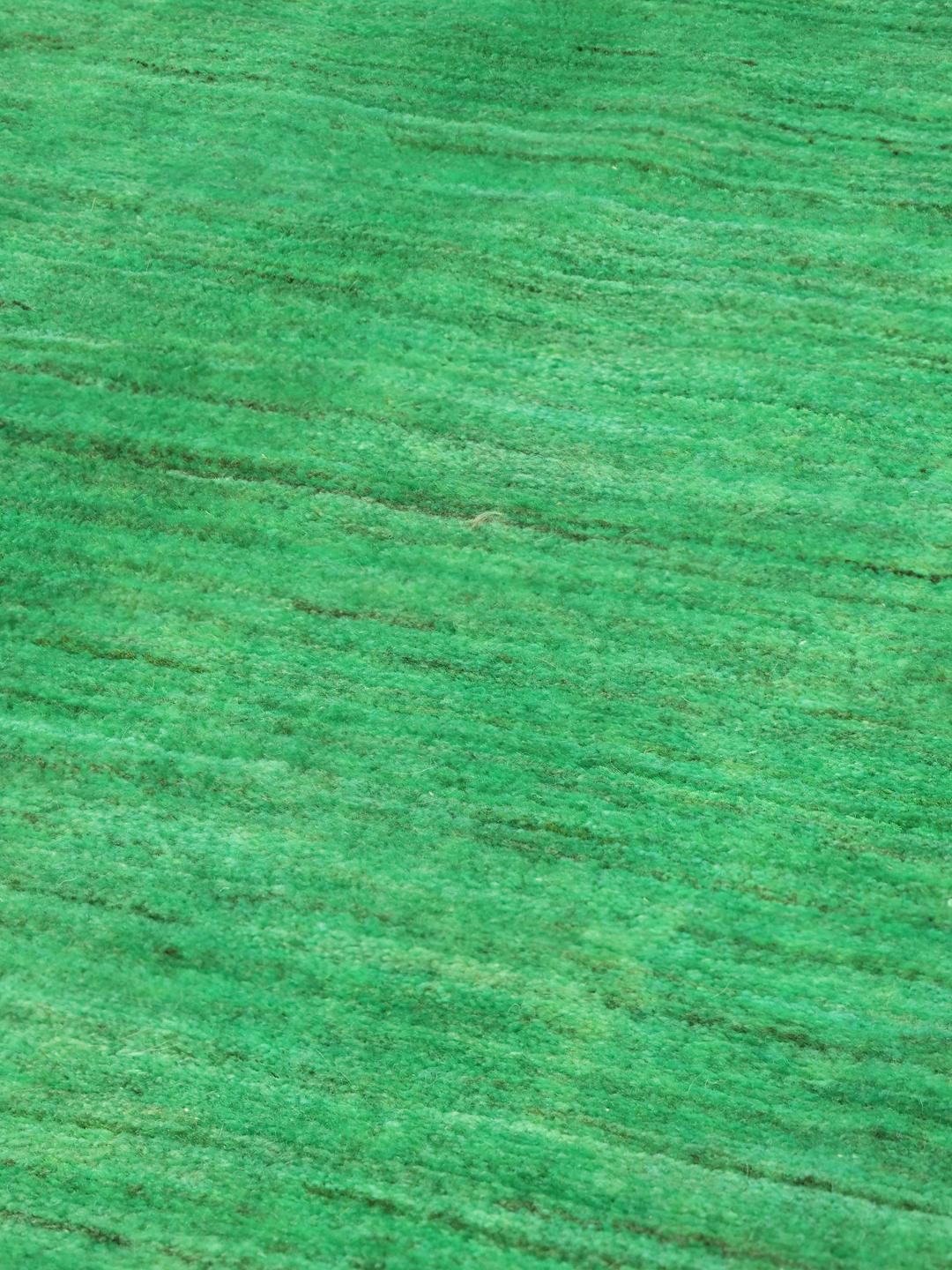
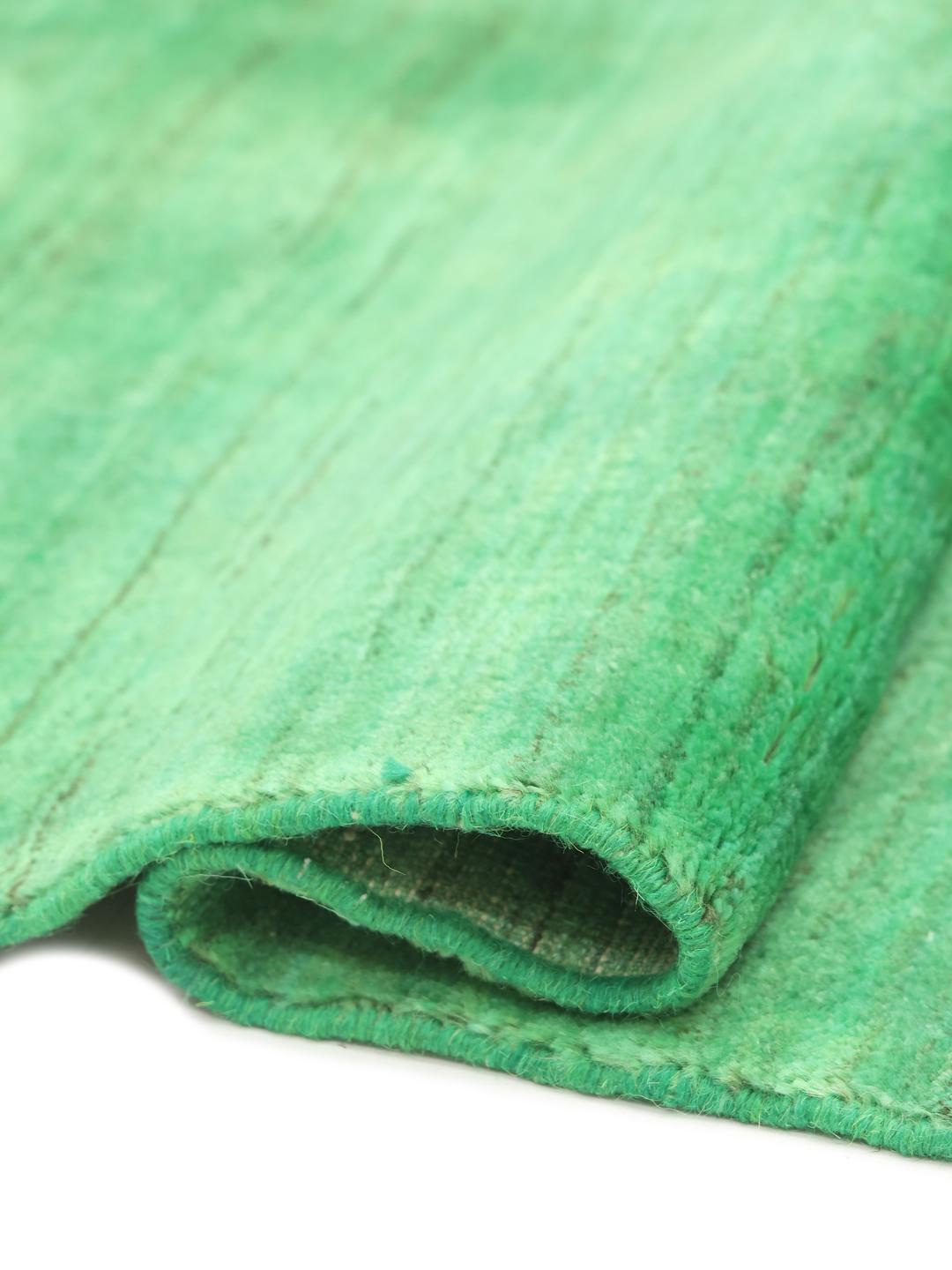
The term 'Gabbeh' itself refers to a rug that is thick and course, characterised by its longer pile and simpler, more intuitive designs. This style emphasises the quality of the raw wool, which is often hand-spun and dyed using natural pigments, resulting in a depth of colour that is synonymous with the authenticity of the tradition.
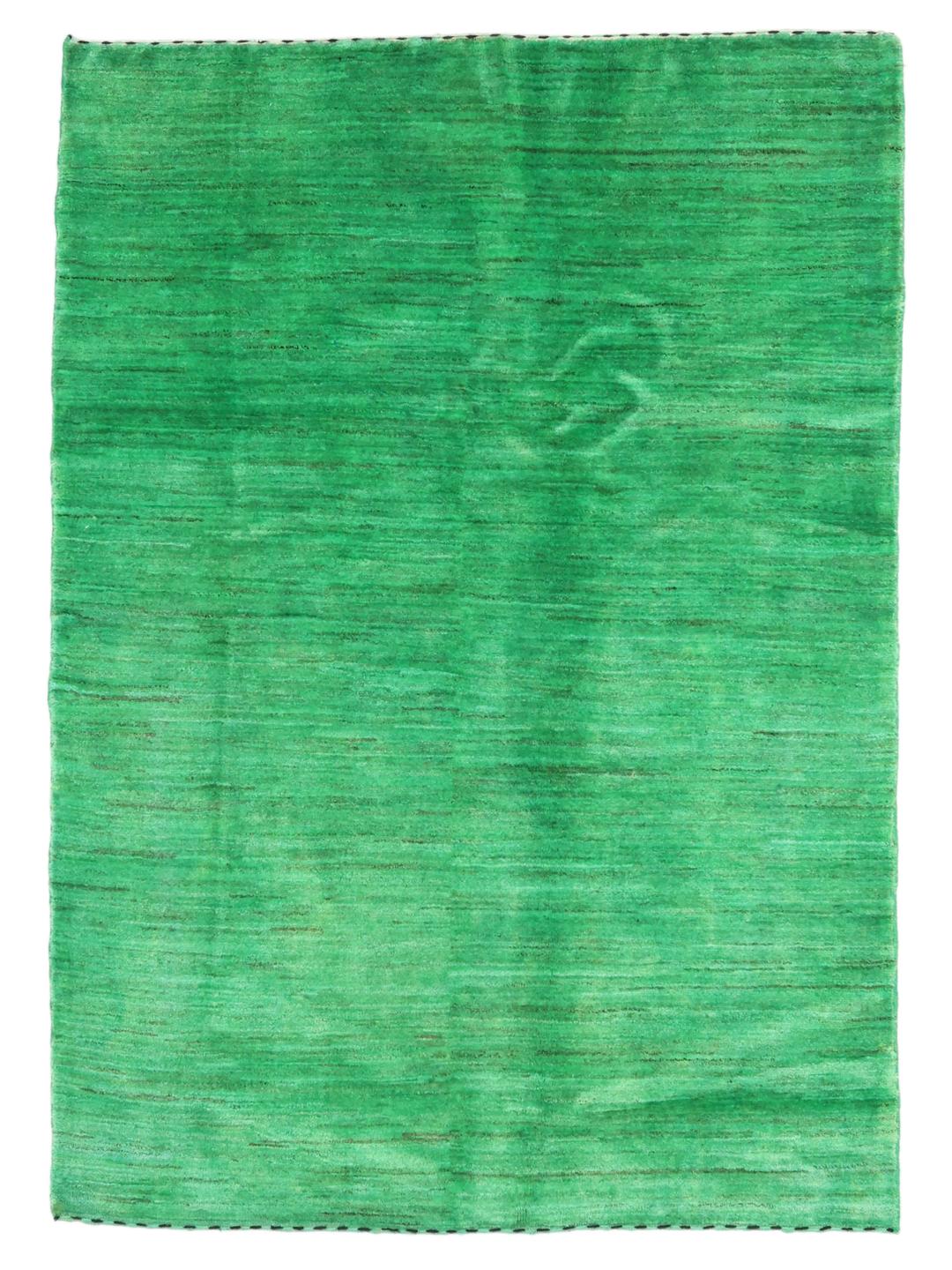
While traditional Gabbeh designs often favour abstract or minimalist motifs, the real beauty lies in the freedom of the weaver. You will often see wide, open fields of colour, sometimes punctuated by small, symbolic geometric shapes or tribal motifs that represent nature, fertility, or protection, making each piece a personal narrative woven into wool.
Collectors value these rugs for their raw, unpretentious beauty and the immense skill required to produce them without the use of complex looms or rigid patterns. Owning a piece from this tradition means connecting with a centuries-old heritage of nomadic artistry, where the rug serves as a lasting testament to the human touch and the enduring quality of natural materials.