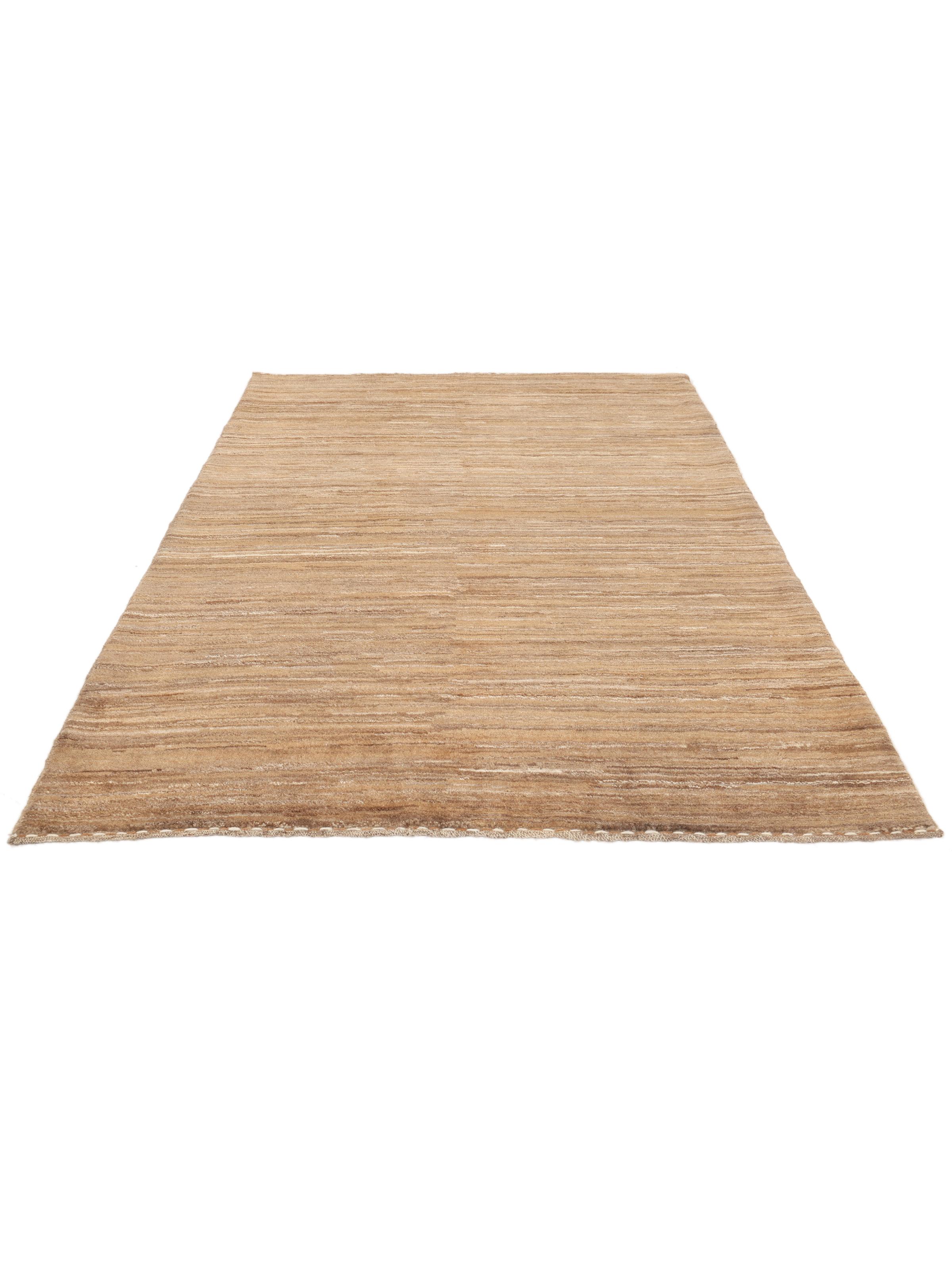
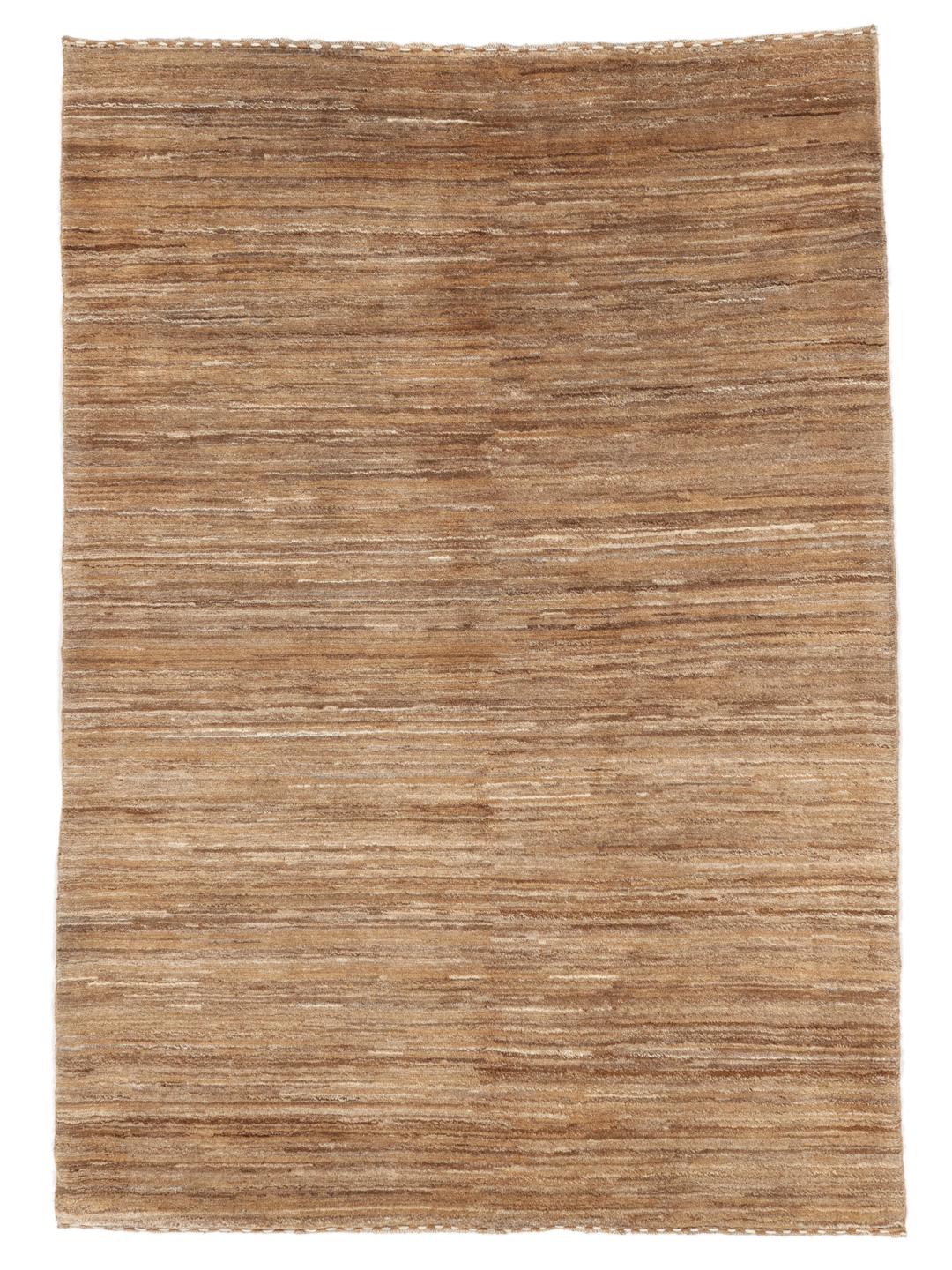
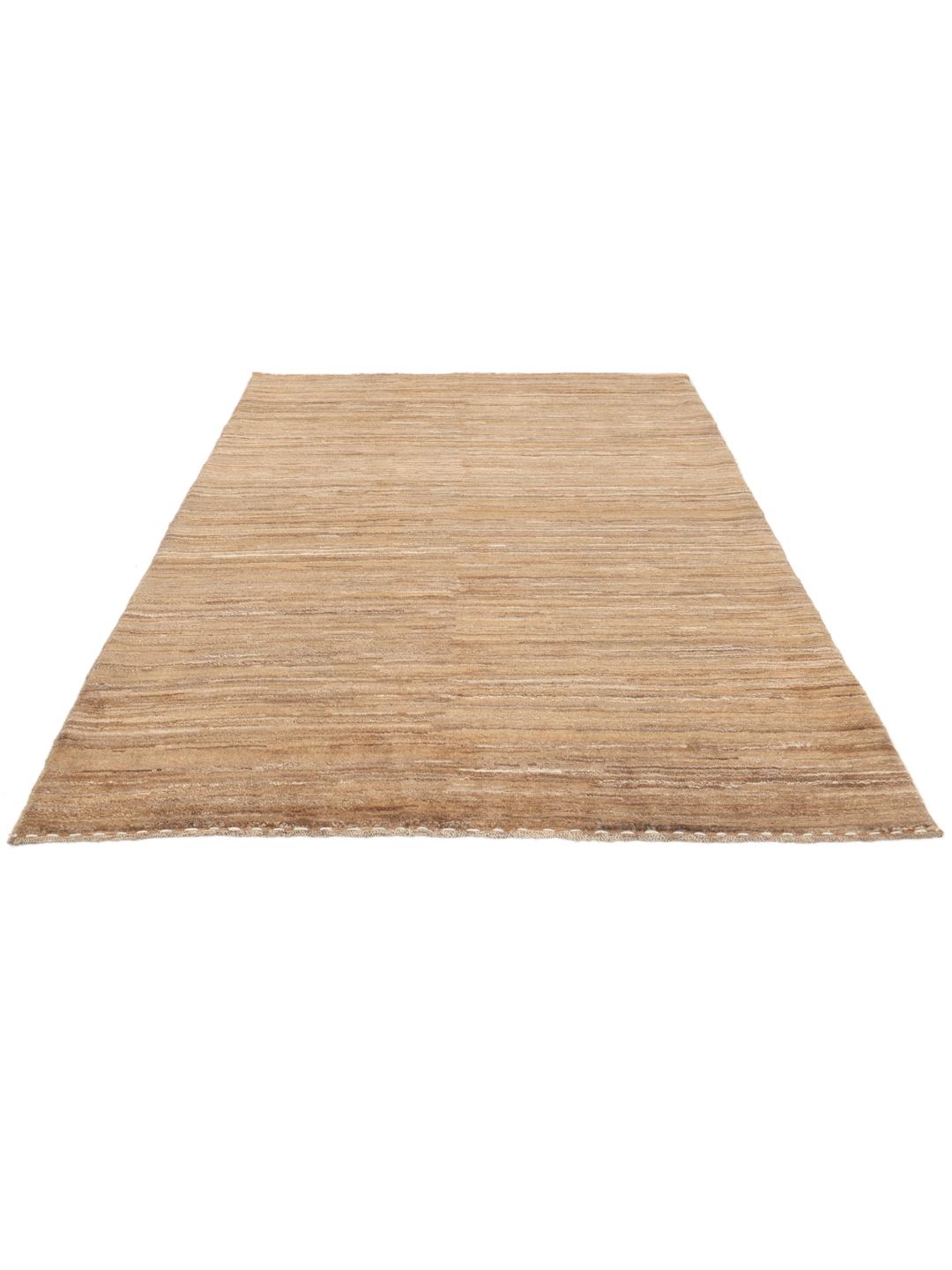
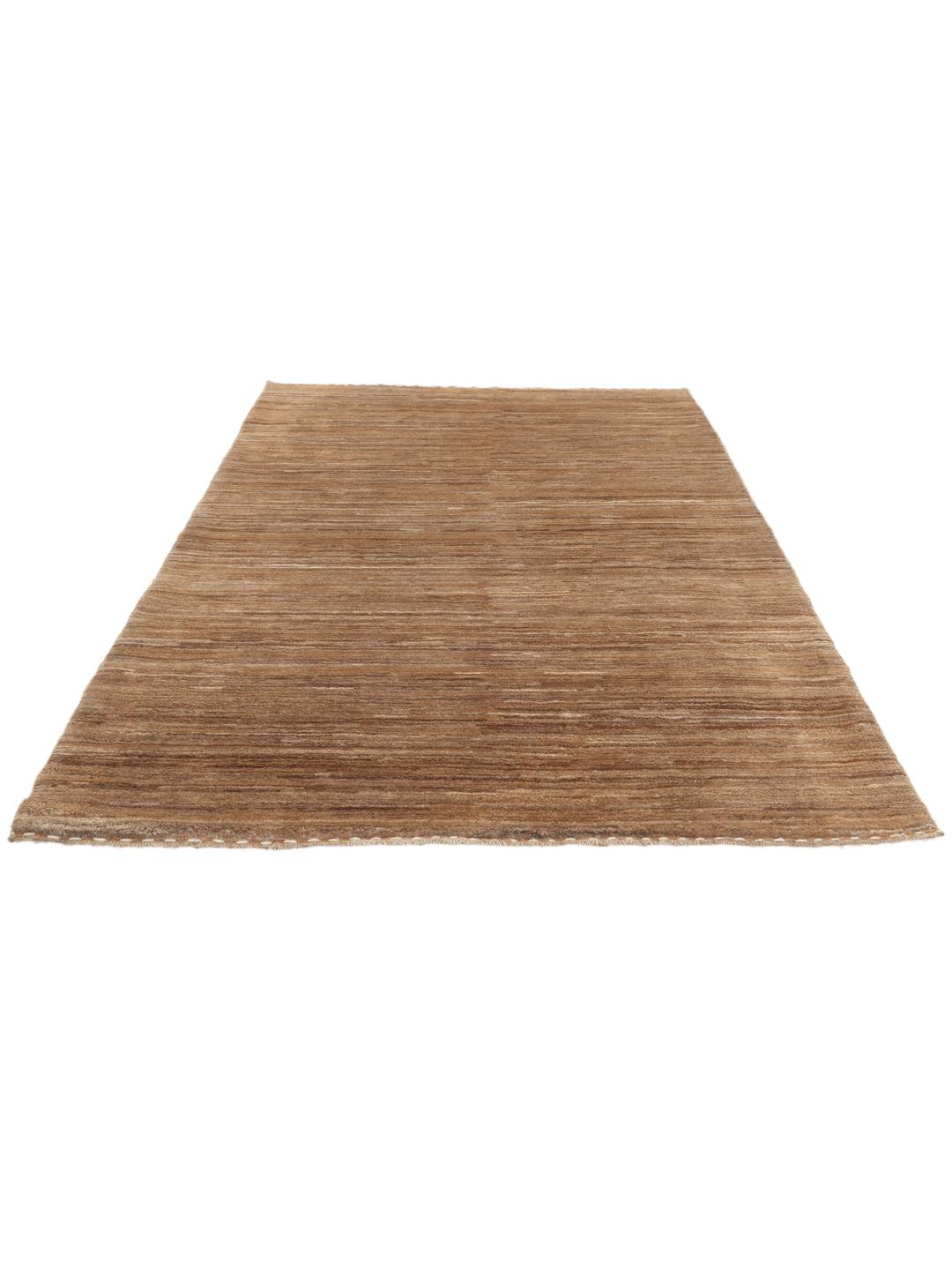
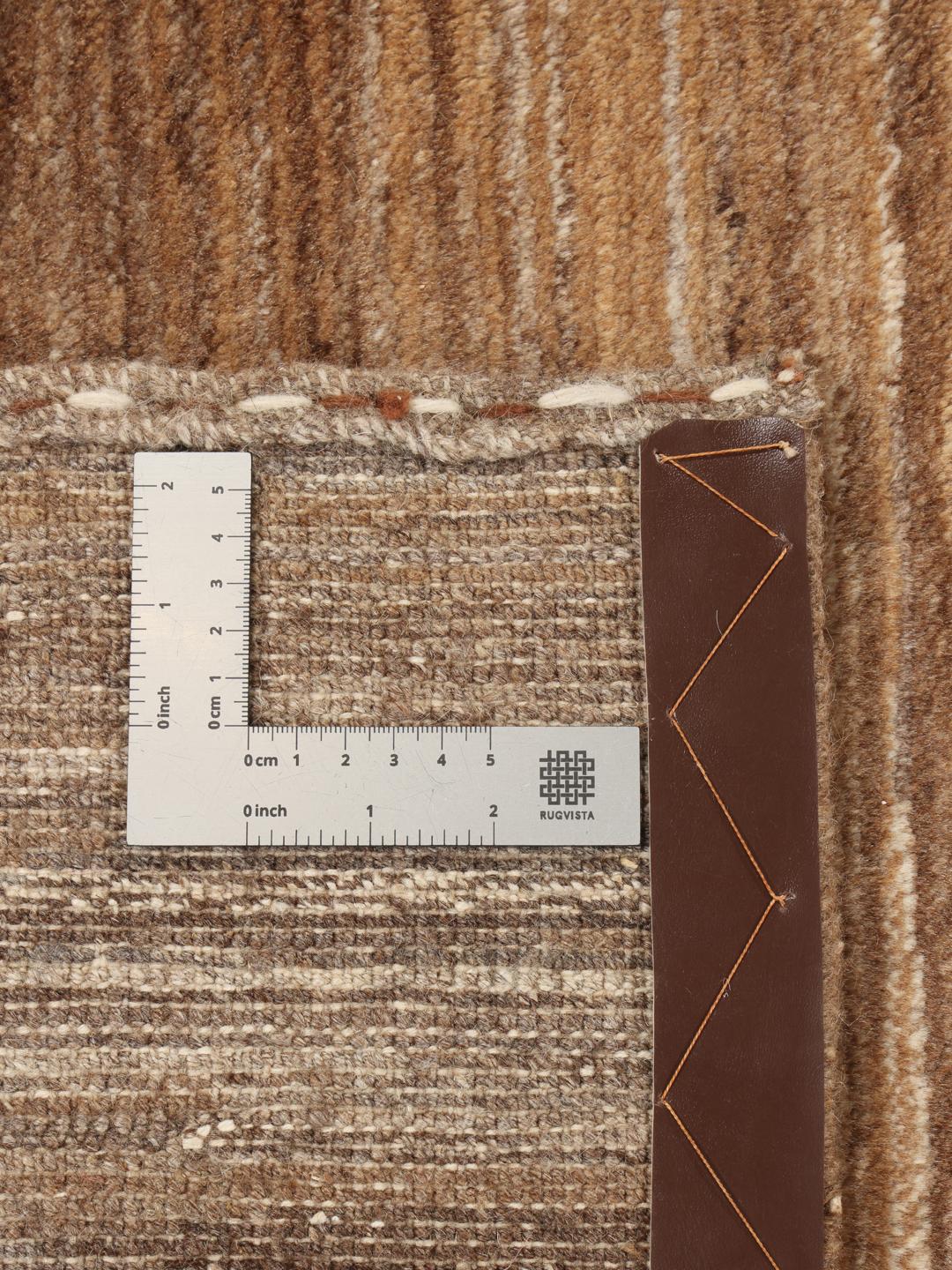
Gabbeh rugs are deeply rooted in the nomadic traditions of the Middle East. Historically, these rugs were woven by tribal women, primarily for their own domestic use, serving as thick, protective floor coverings in nomadic tents. Unlike more formal urban carpets, the Gabbeh was designed for comfort and utility, often featuring simplified, abstract designs that reflected the weaver's personal environment.
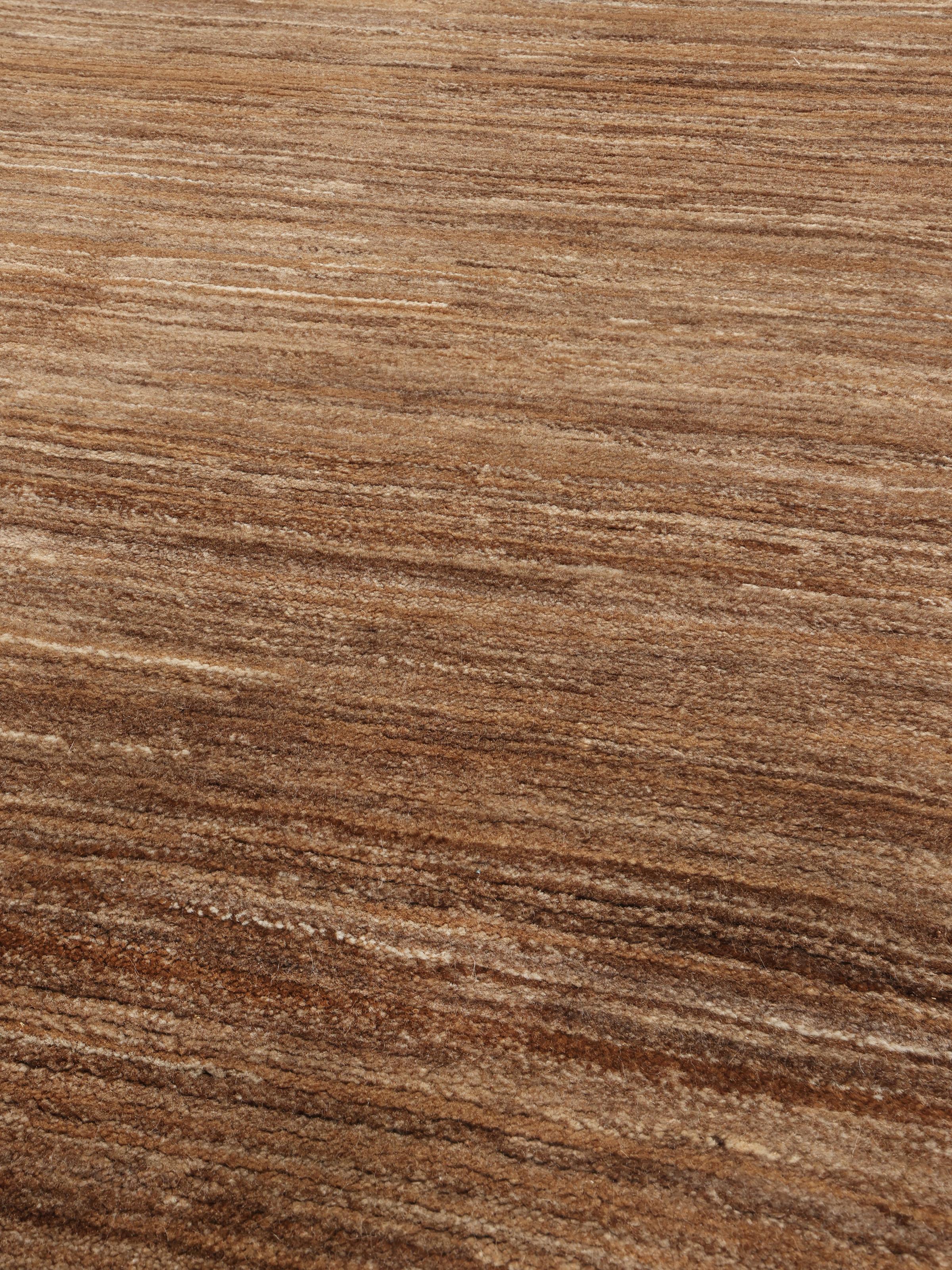
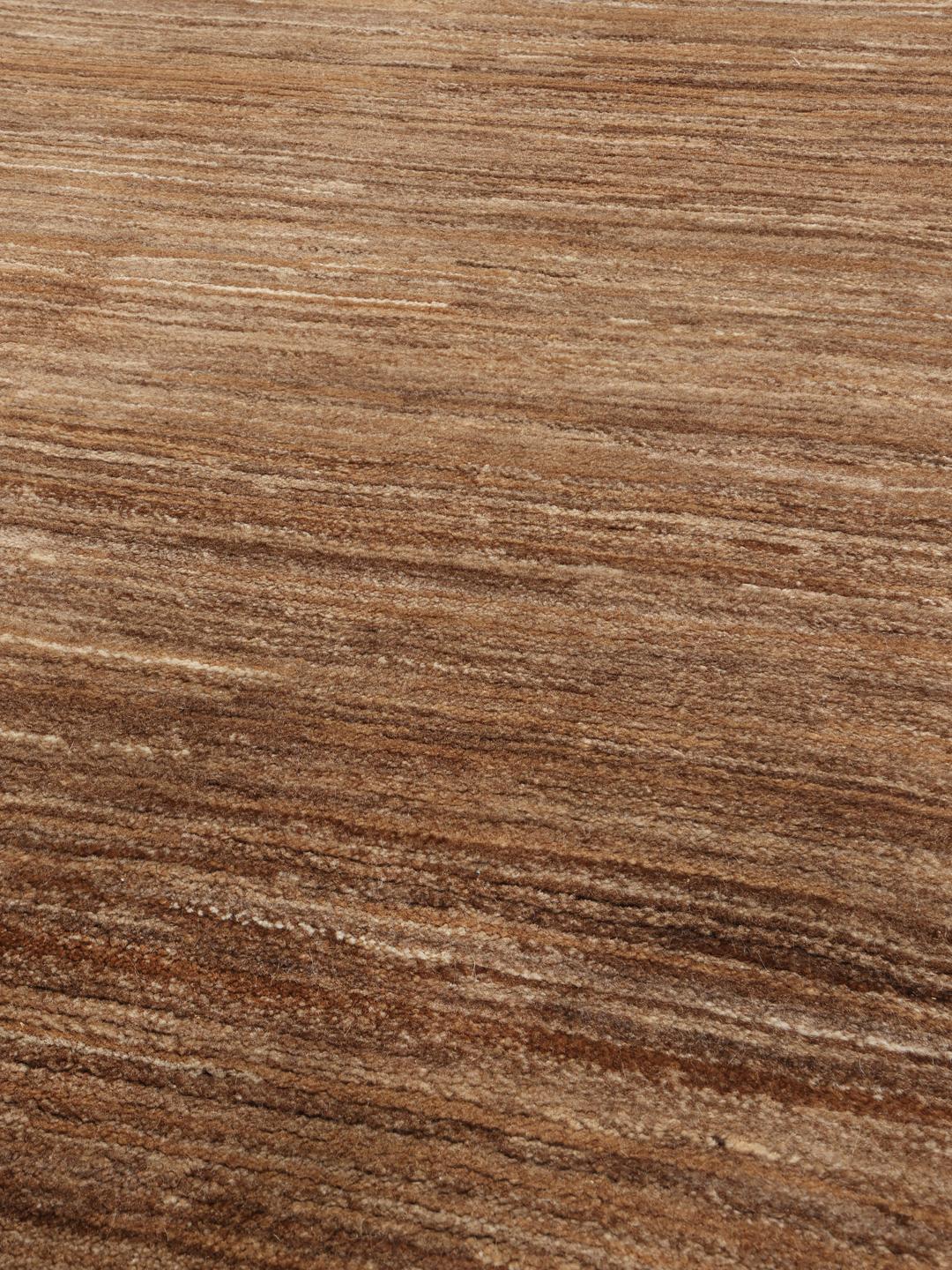
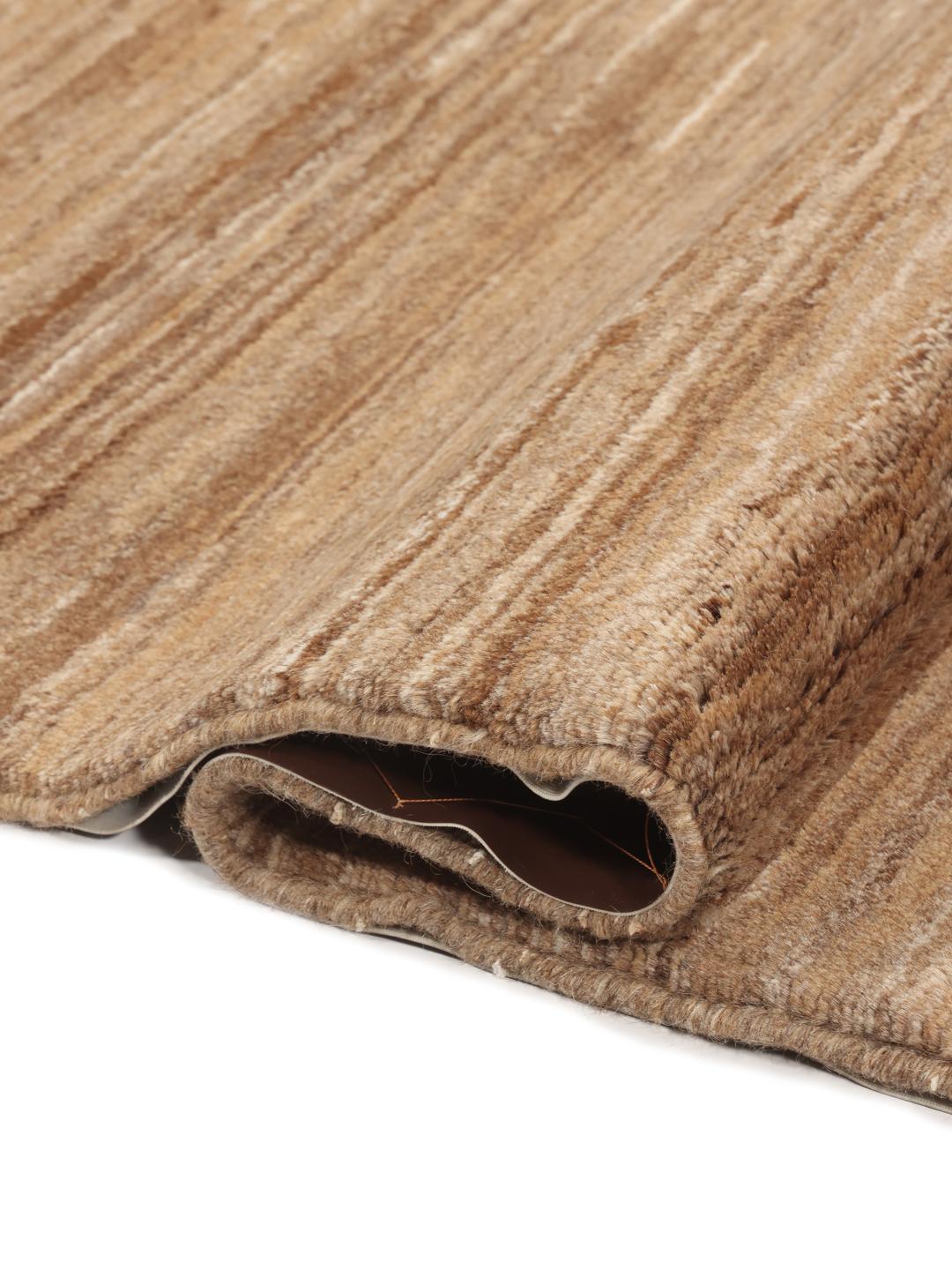
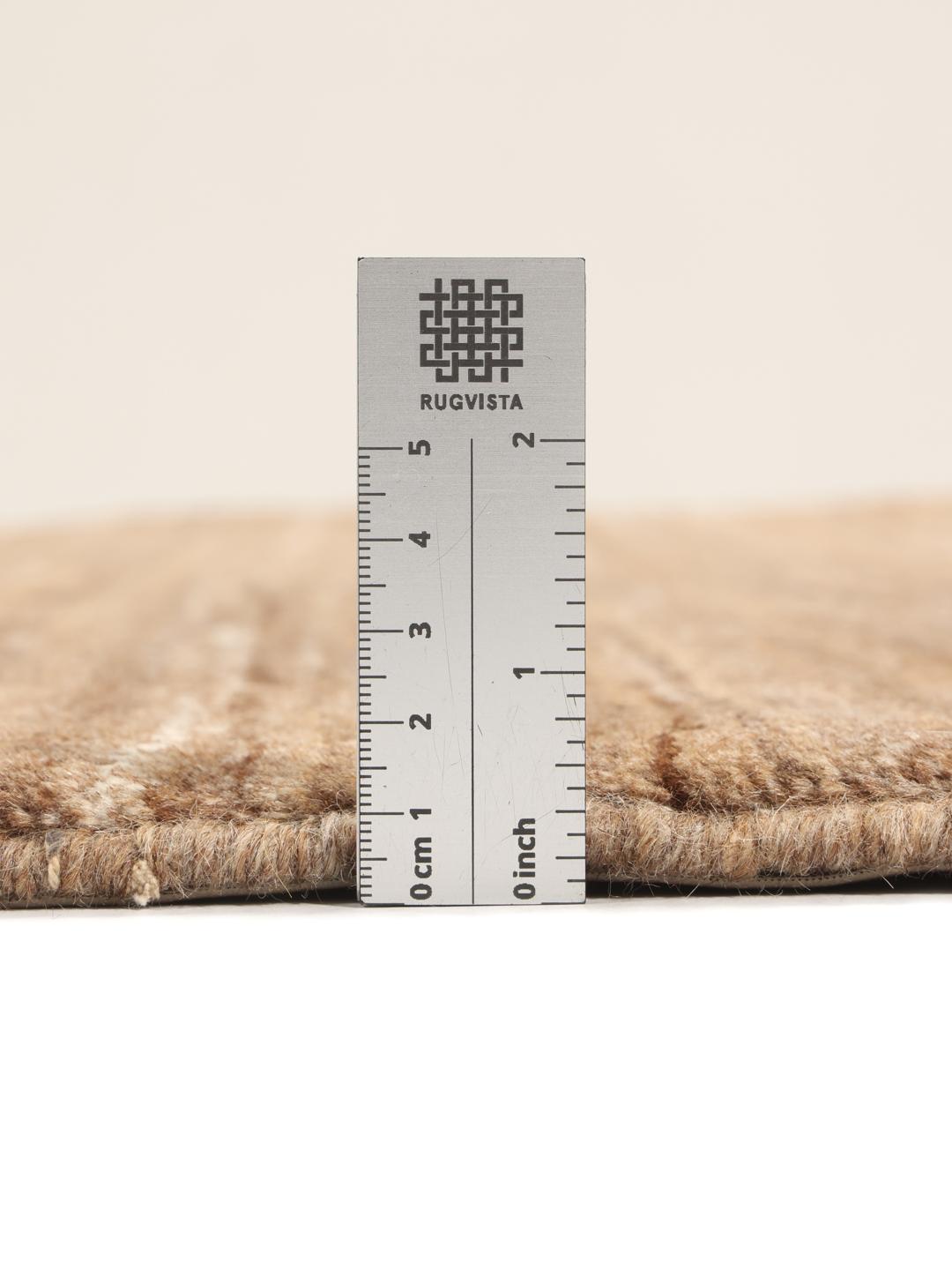
The term 'Gabbeh' itself translates to 'raw', 'natural', or 'unclipped', which perfectly describes the aesthetic of these rugs. They are traditionally known for their thicker pile and simpler, less complex knotting compared to their counterparts, which prioritises the soft, woolly feel of the material. This focus on the raw quality of the wool gives them their signature plush, comfortable character.
Design-wise, these rugs are celebrated for their artistic minimalism. They often feature large, open fields of colour with minimal decoration, or simple geometric shapes that hold symbolic meaning. The use of natural, earthy dyes is a hallmark of the tradition, resulting in subtle, shifting tones that make each piece feel alive and connected to the landscape from which it originates.
Owning a Gabbeh is to own a piece of cultural history. They are highly valued by collectors not just for their aesthetic beauty, but for the authenticity of the tradition they represent. Every rug tells a story of the weaver's skill, providing a sense of heritage and connection to a craft that has been passed down through generations of families.