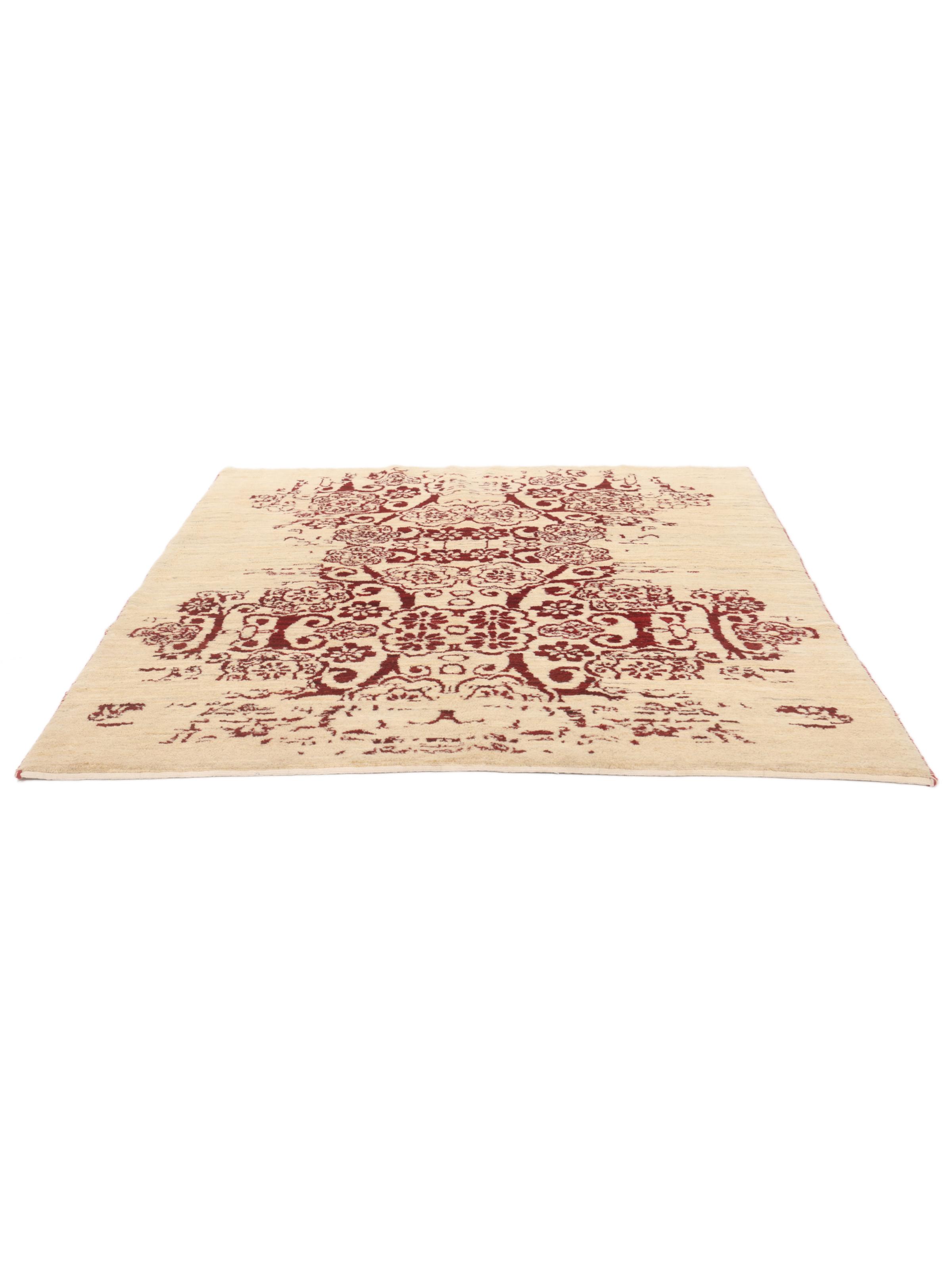
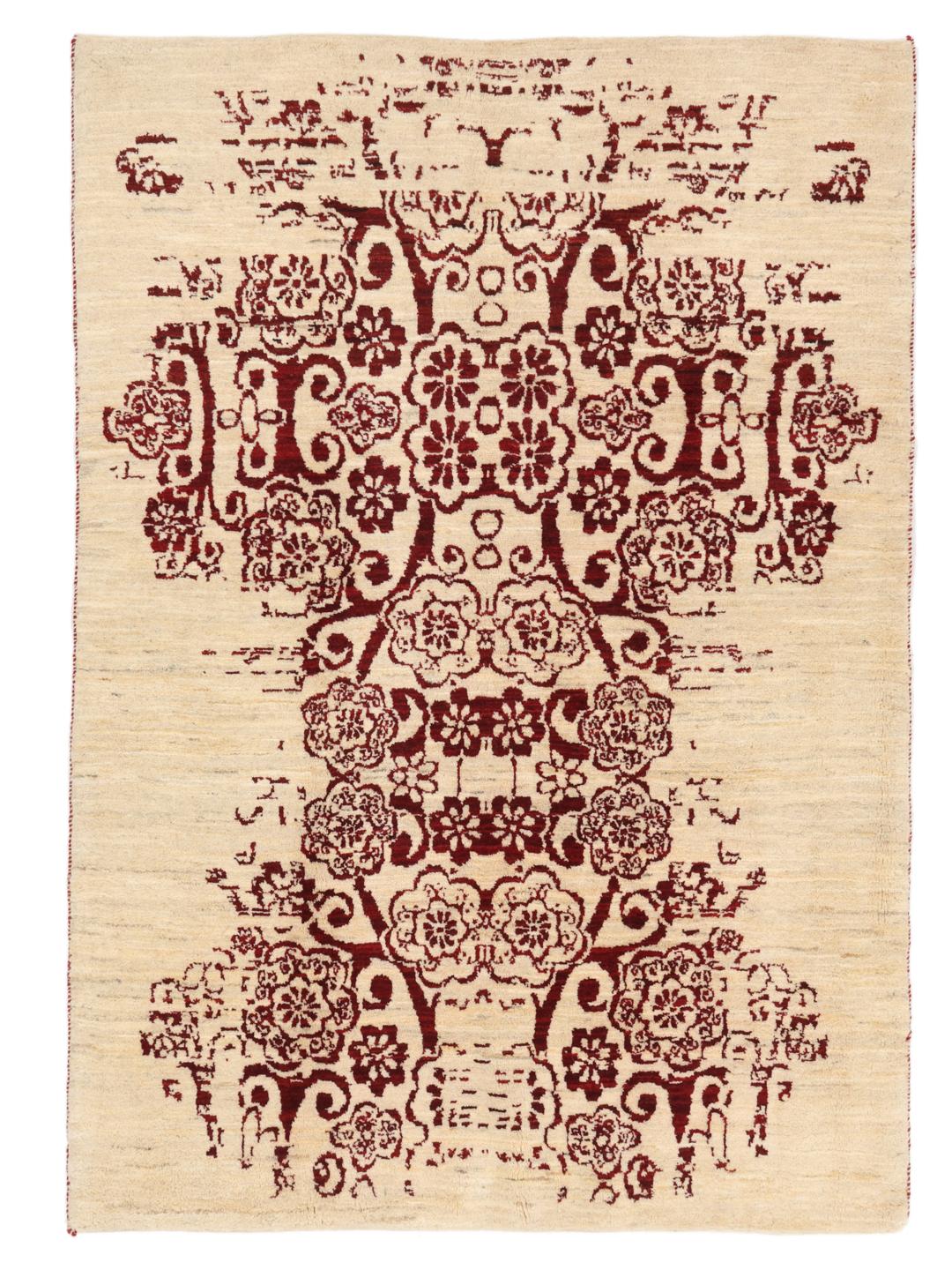
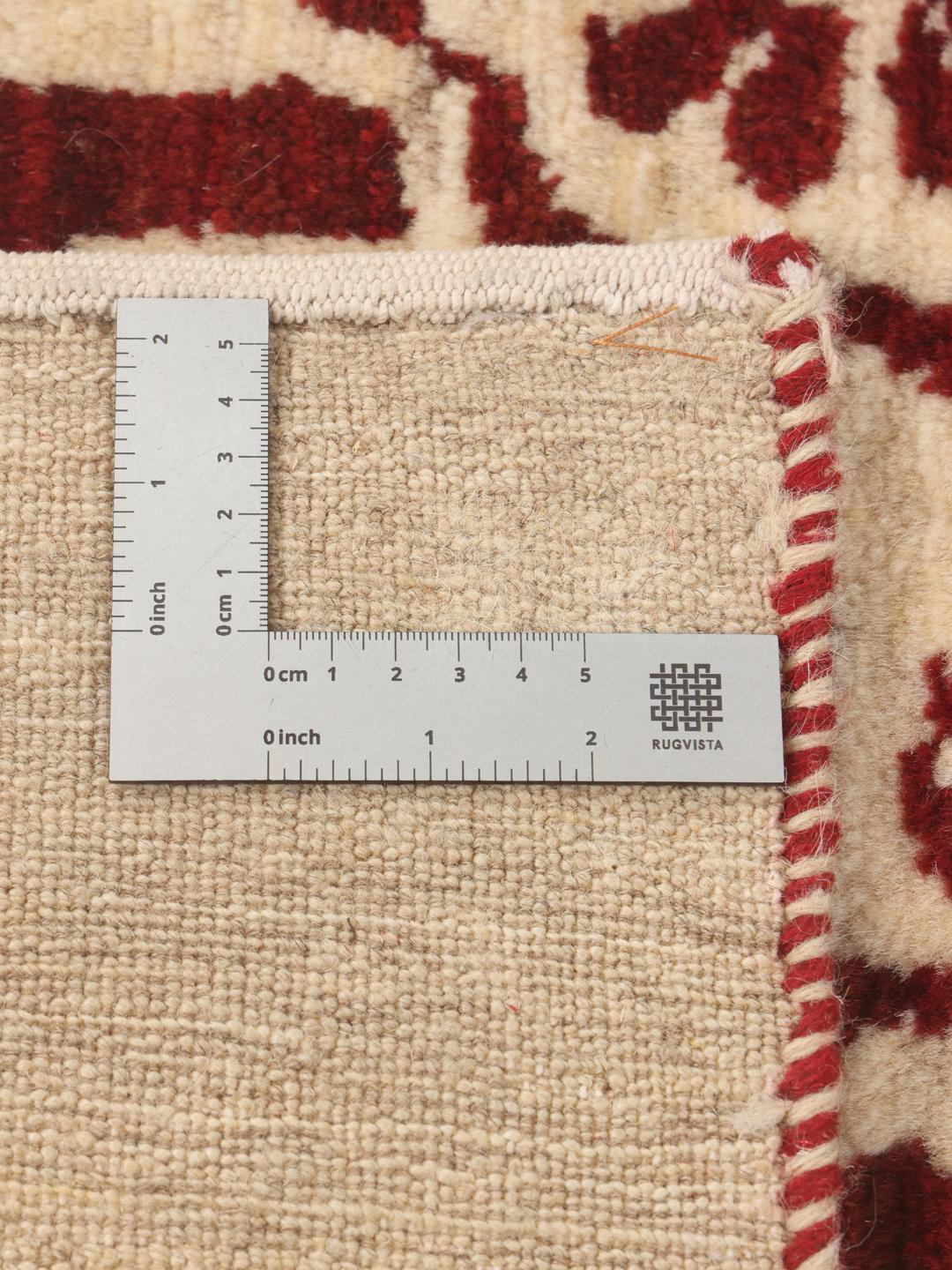
The Gabbeh rug tradition originates from the nomadic tribes of the Middle East, primarily the Qashqai people. Historically, these rugs were woven for personal use within the family, serving as warm bedding and floor coverings inside nomadic tents, which is why they are renowned for their incredible comfort and durability.
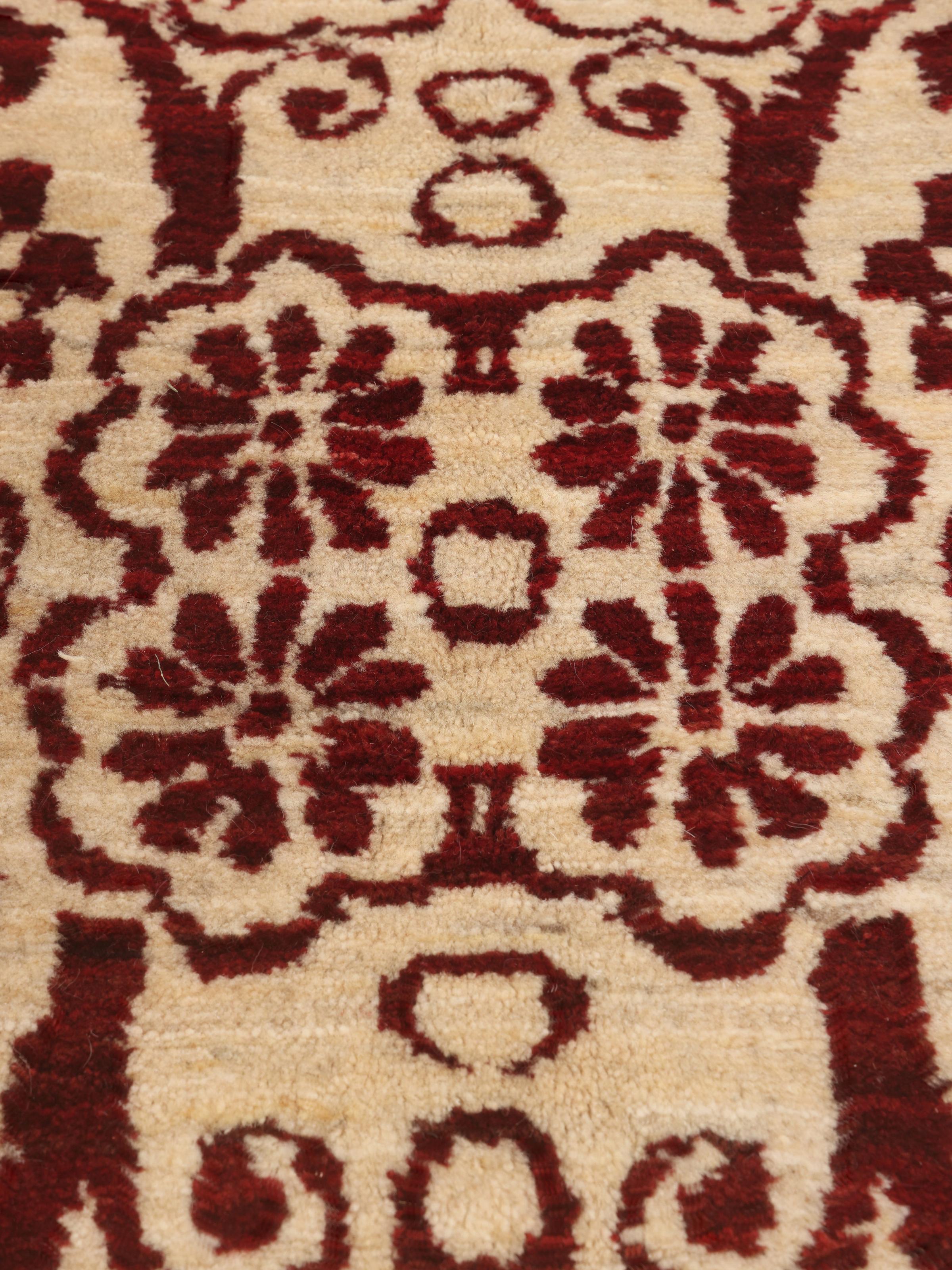
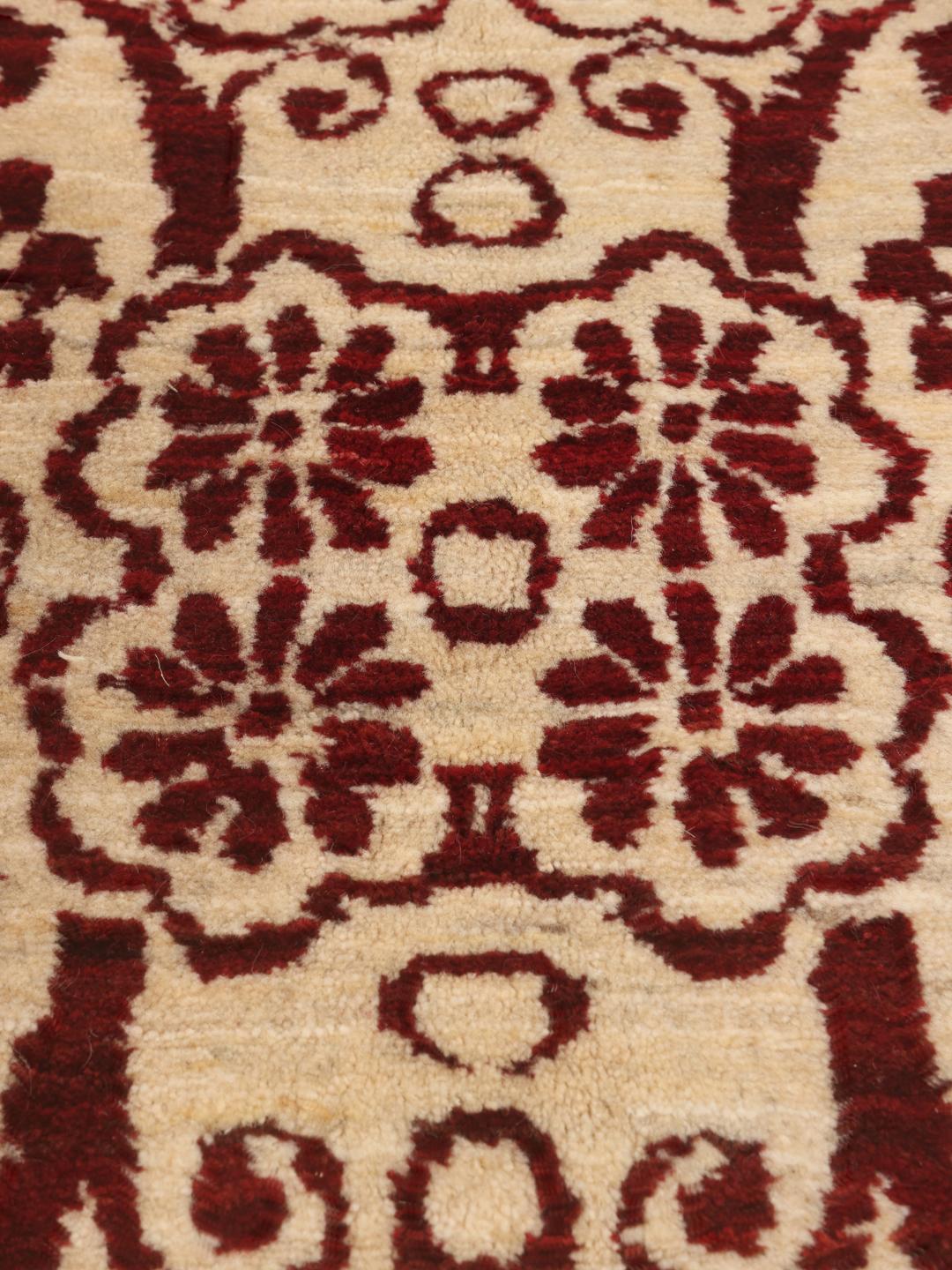
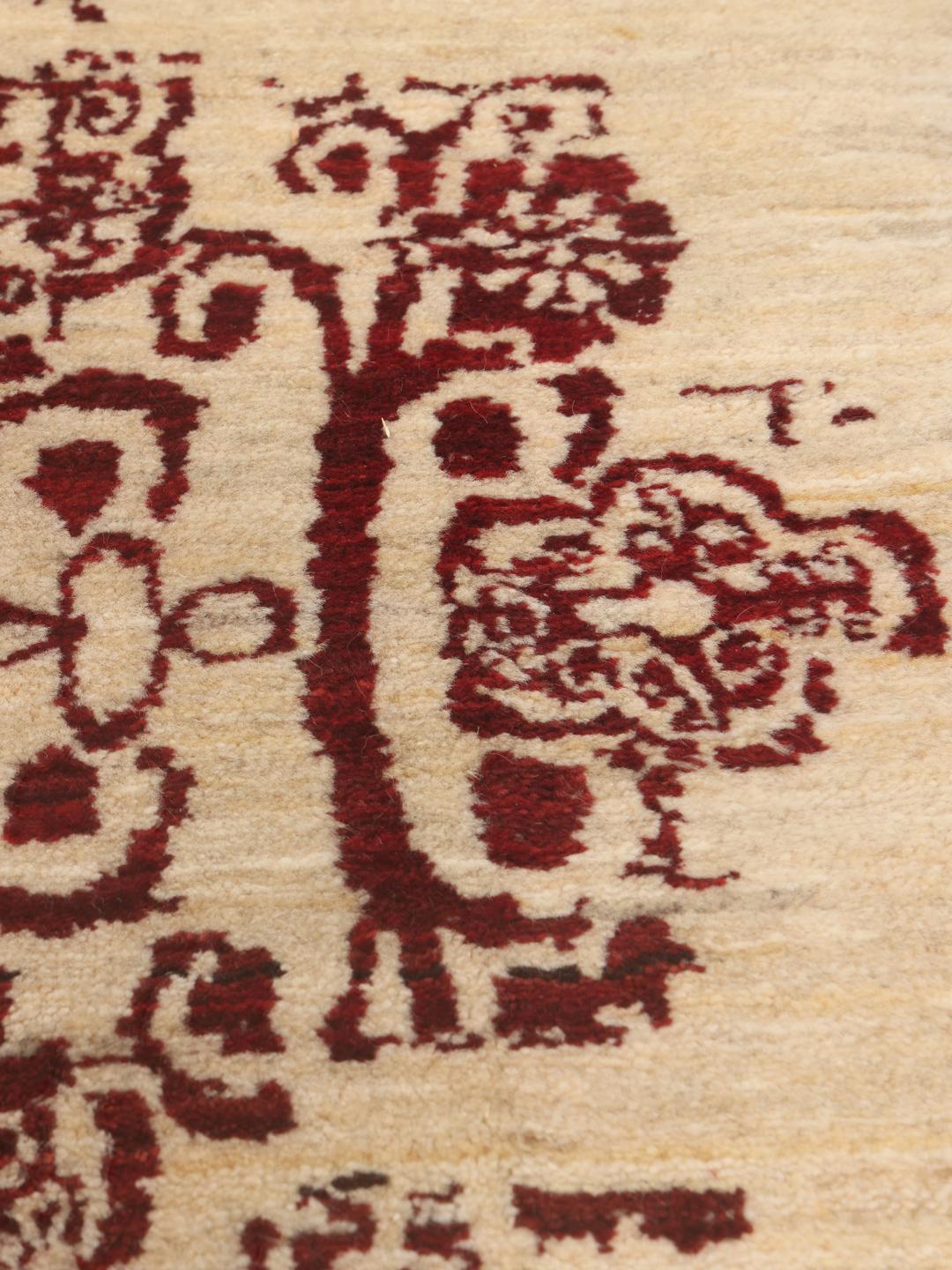
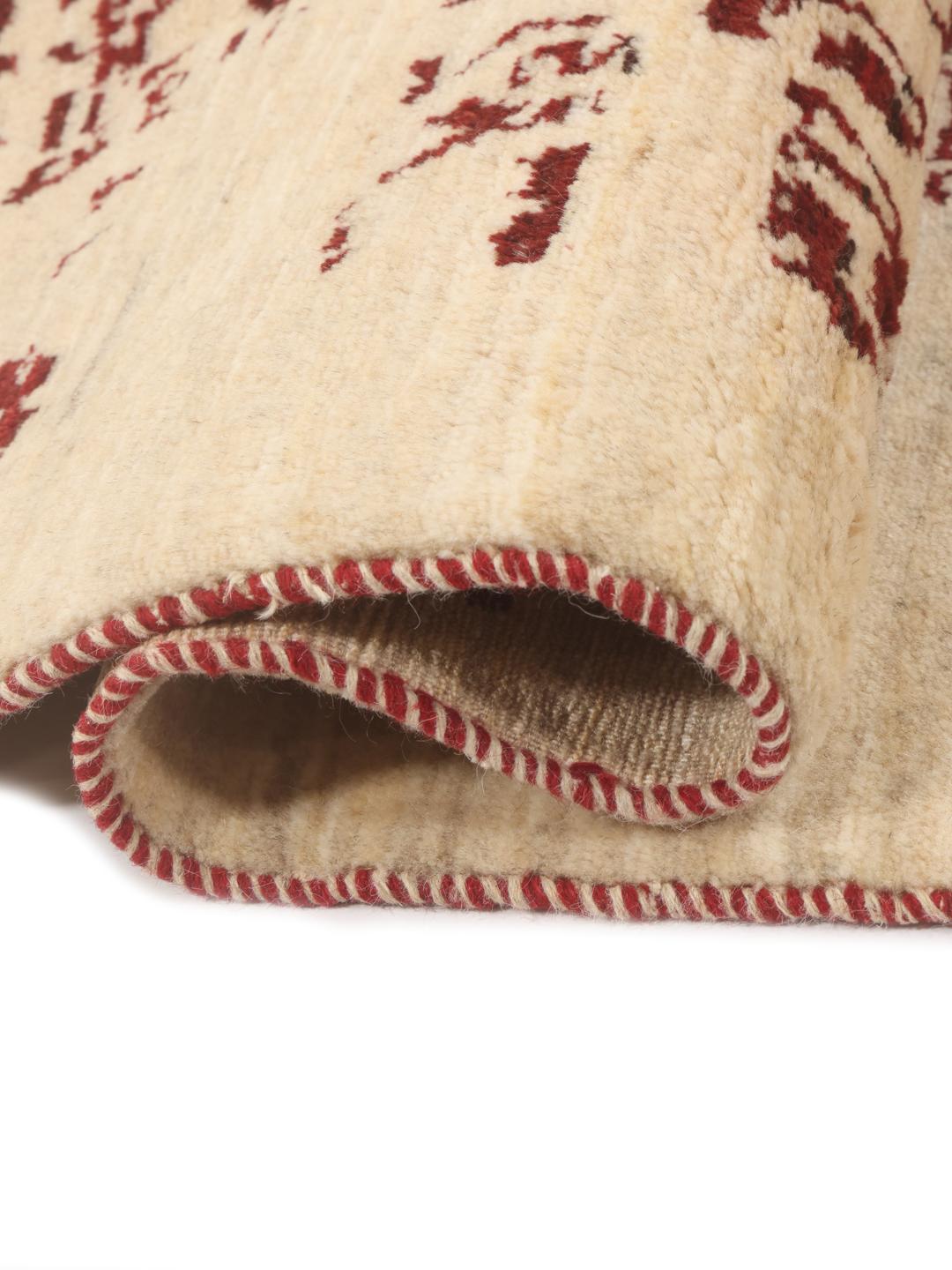
The term 'Gabbeh' itself translates to 'raw' or 'natural', reflecting the tradition of using long-staple, hand-spun wool that retains its natural oils. This ensures the pile is exceptionally soft, lustrous, and resilient, while the use of natural dyes derived from plants and minerals creates the deep, earthy tones characteristic of the style.
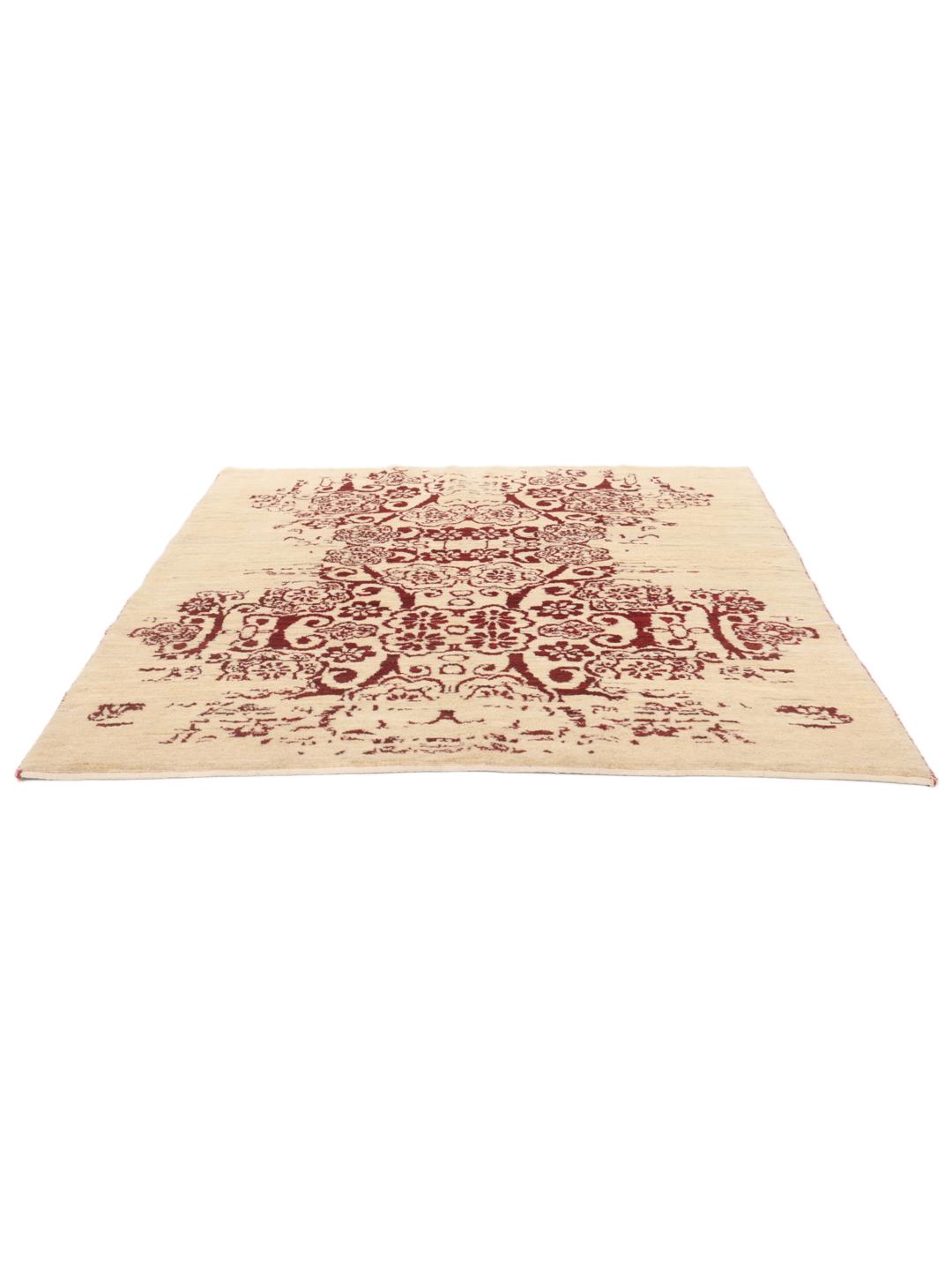
Visually, Gabbeh rugs are celebrated for their minimalist, artistic approach to design. Unlike more formal urban carpets, these rugs often feature simplified, abstract, or stylized floral motifs that carry personal meaning for the weaver. This focus on individual expression makes every Gabbeh a unique reflection of the artisan's surroundings and cultural heritage.
Today, these rugs are highly sought after by collectors who value the blend of primitive, bold aesthetics and sophisticated hand-knotting techniques. Owning a piece from this tradition is an investment in a storied craft that has survived centuries, bridging the gap between ancient nomadic utility and modern home design.