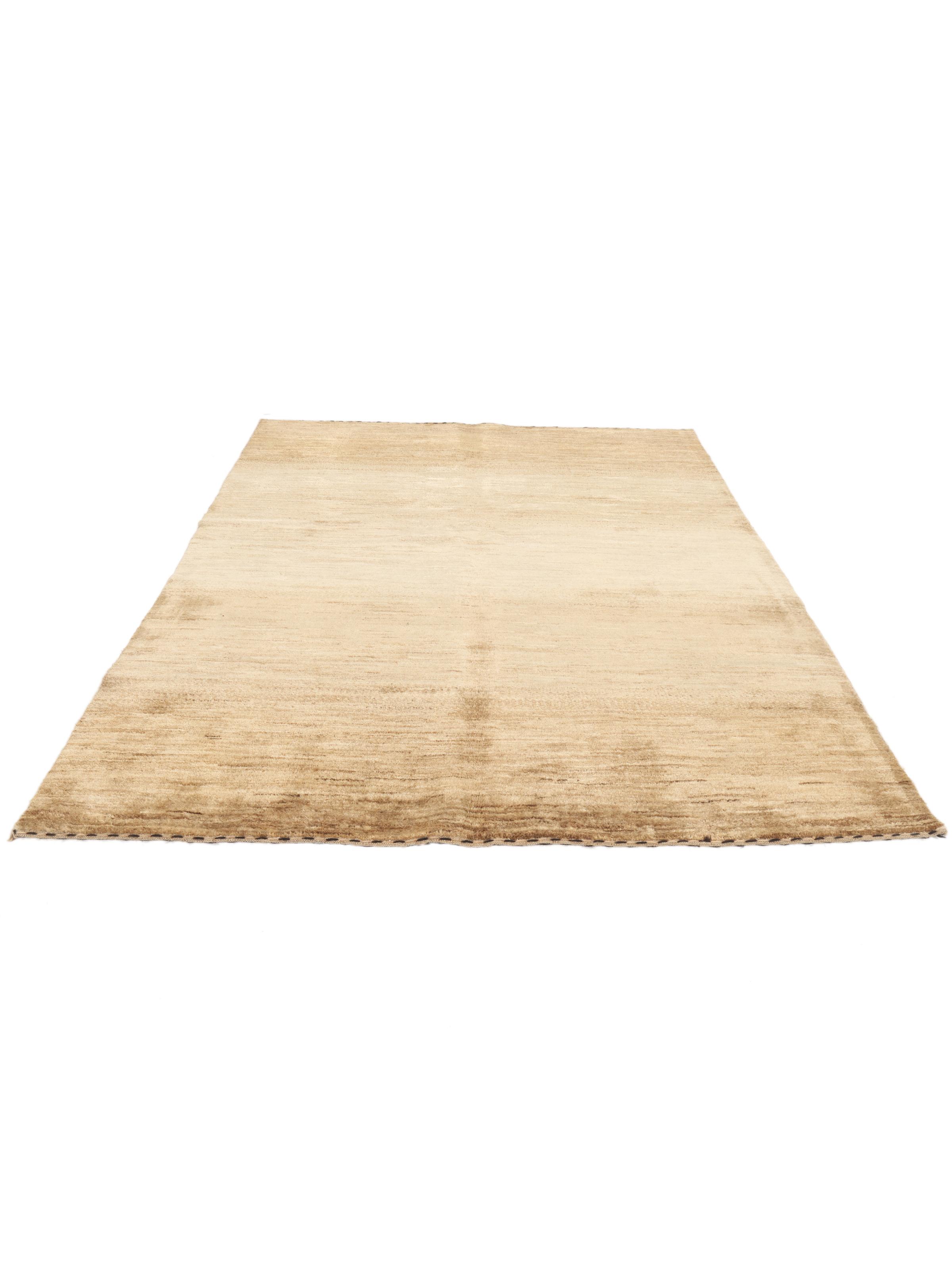
The Gabbeh tradition traces its roots to the nomadic tribes of the Middle Eastern region, who originally wove these rugs for their own practical use. Unlike more formal urban carpets, Gabbehs were designed to be durable, warm, and comforting for life in rugged, high-altitude landscapes.
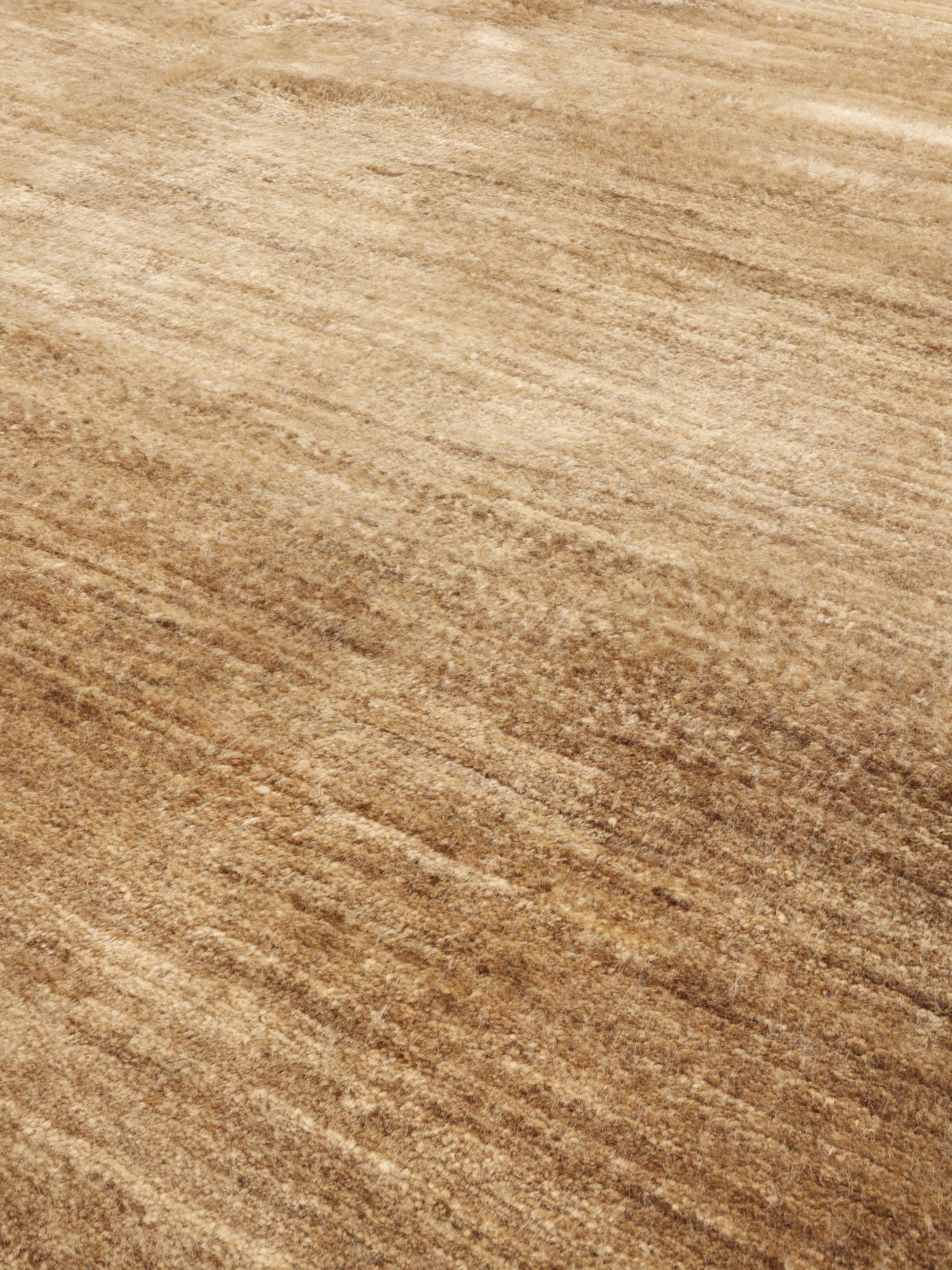
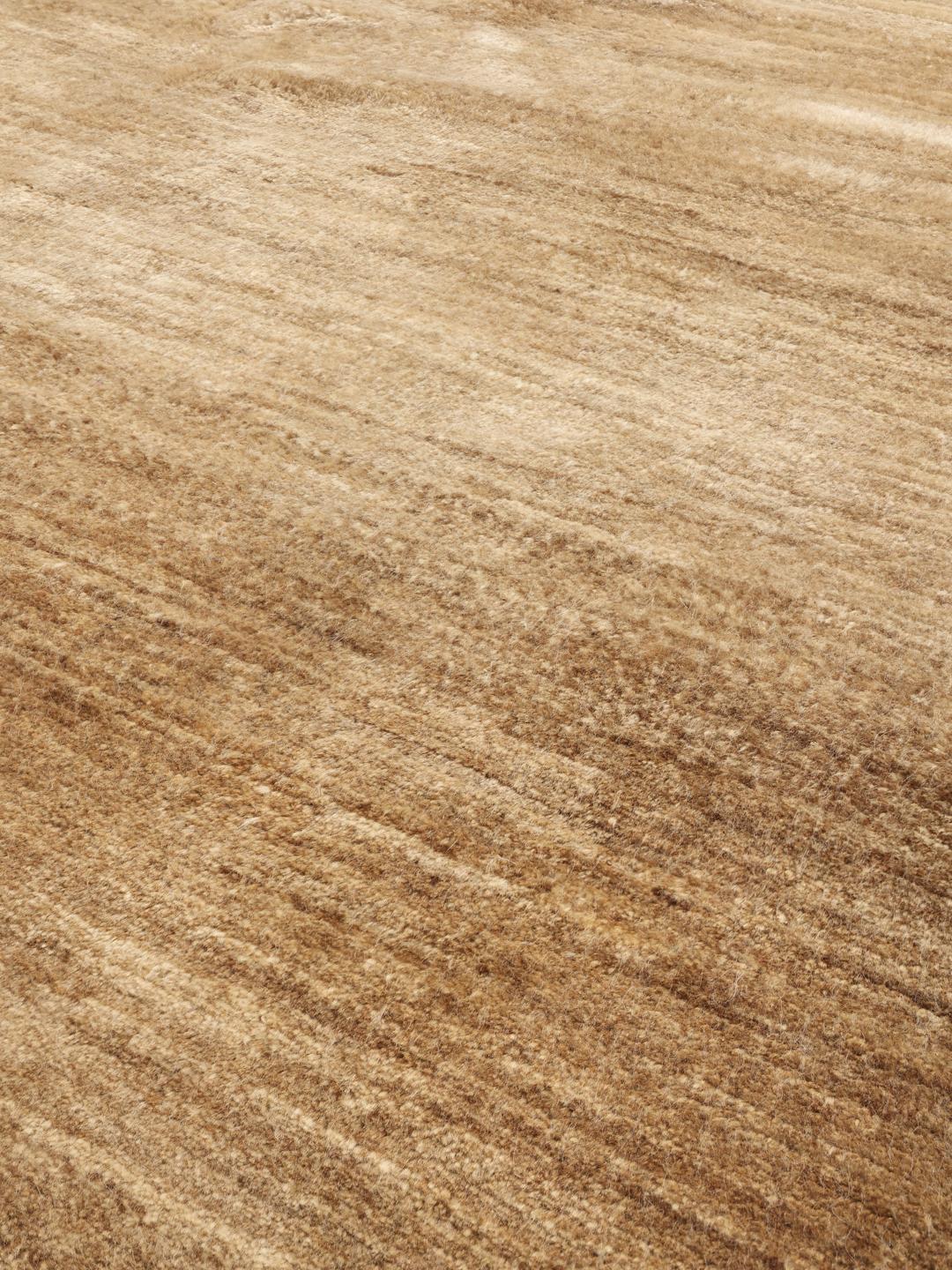
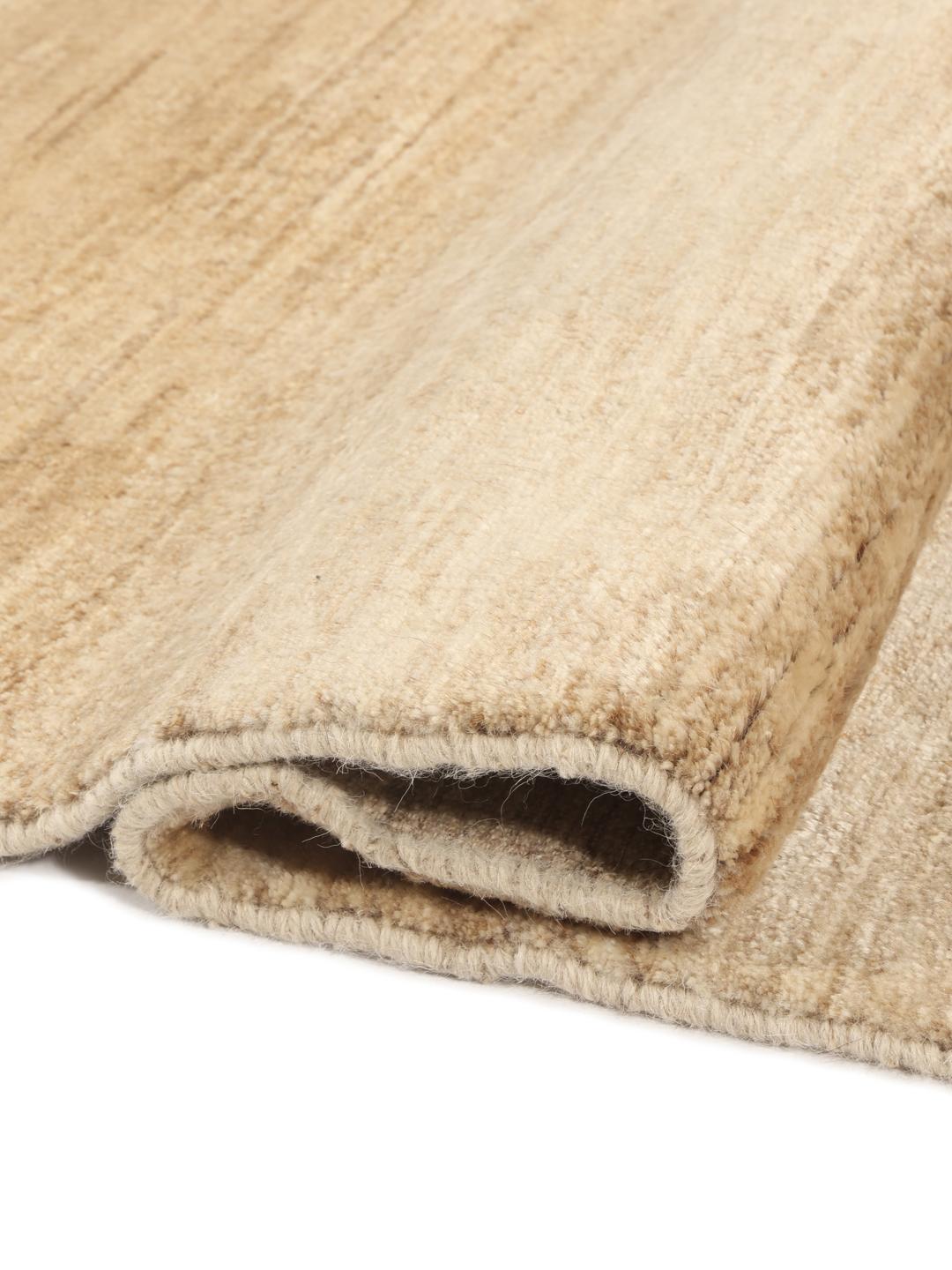
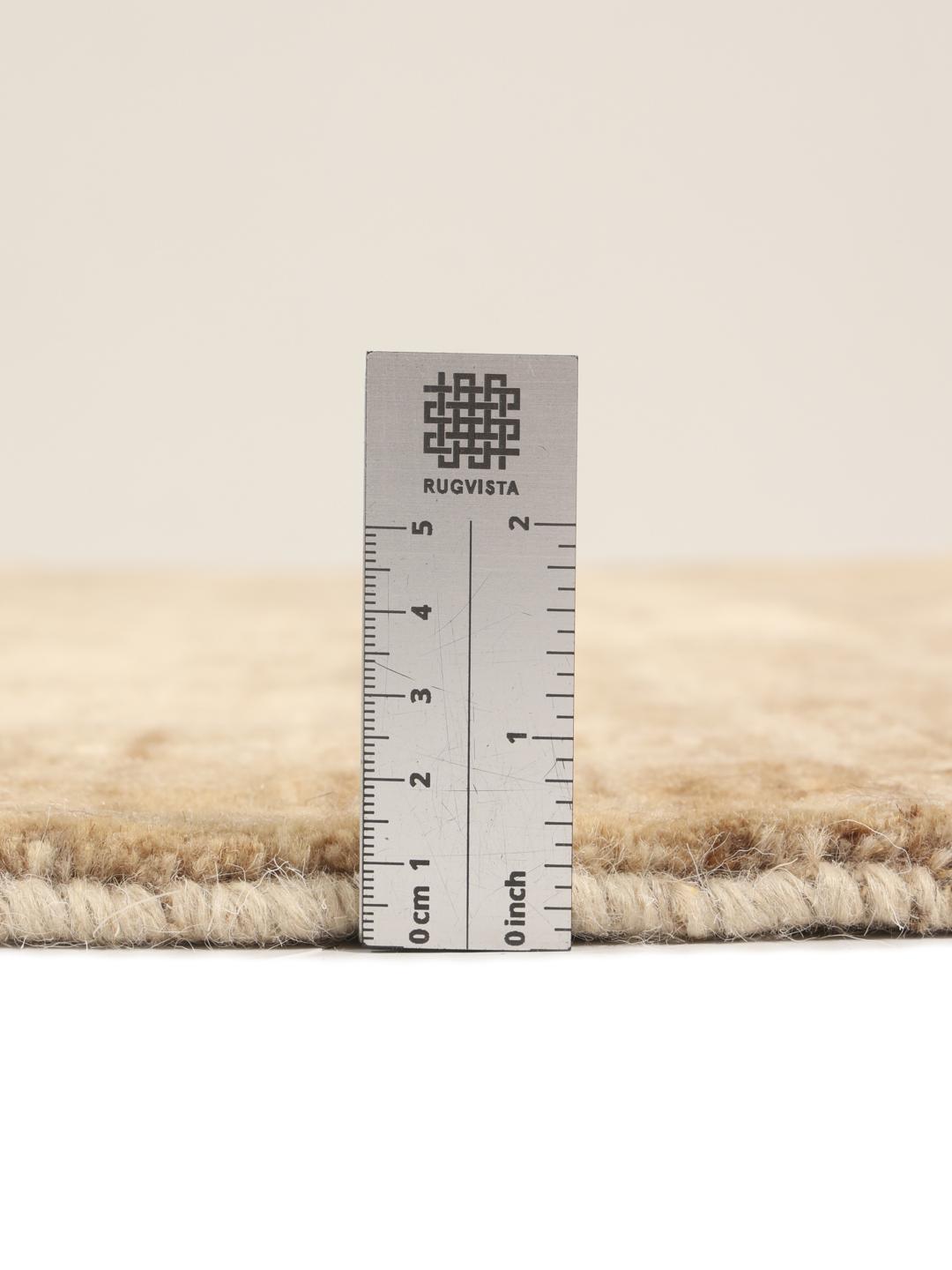
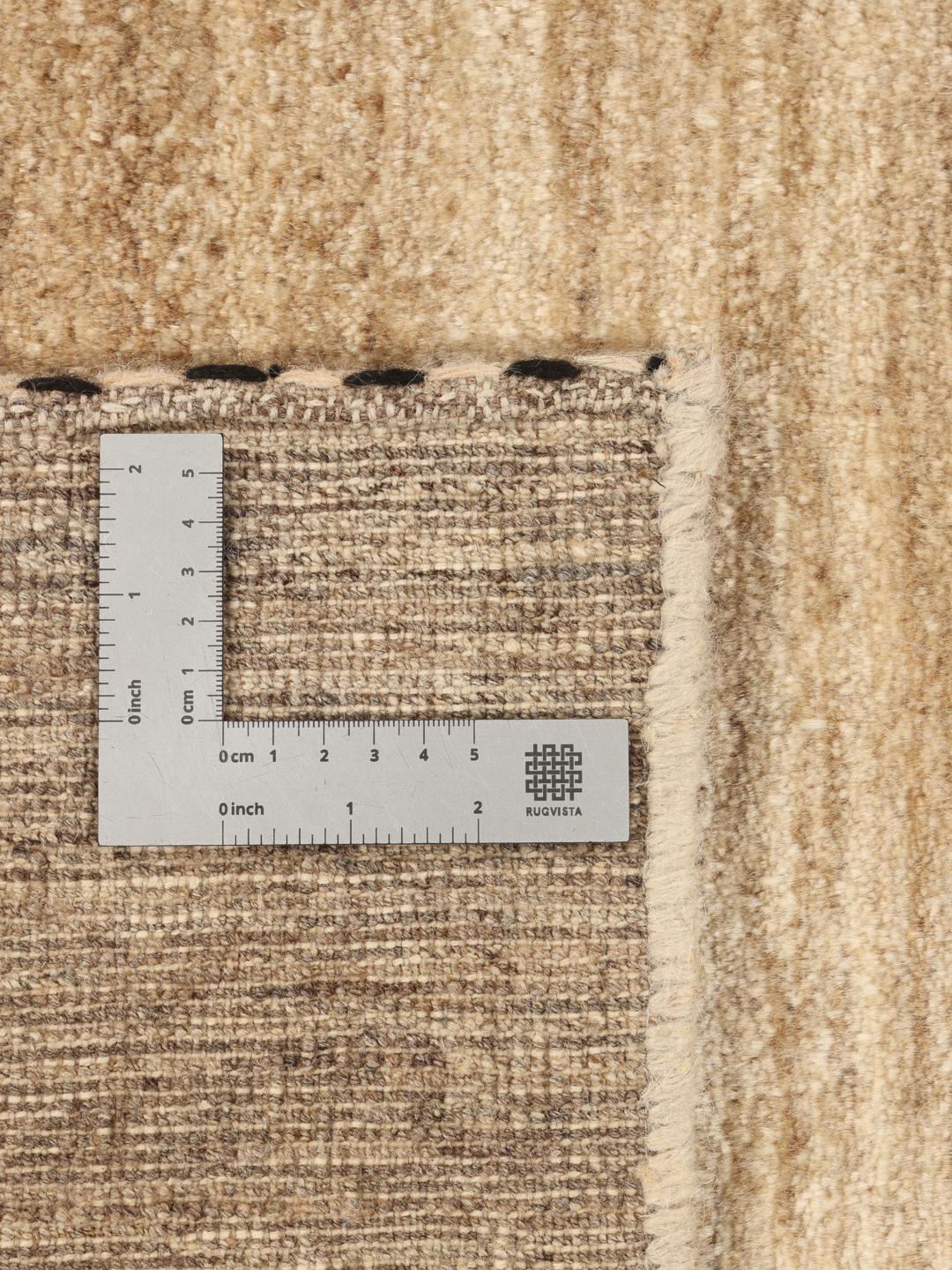
The term Gabbeh refers to a style that is traditionally thicker and more loosely knotted than other regional rugs. This specific construction technique creates a pile that is exceptionally soft and plush, making it the perfect choice for creating a cosy, welcoming atmosphere in a modern home.
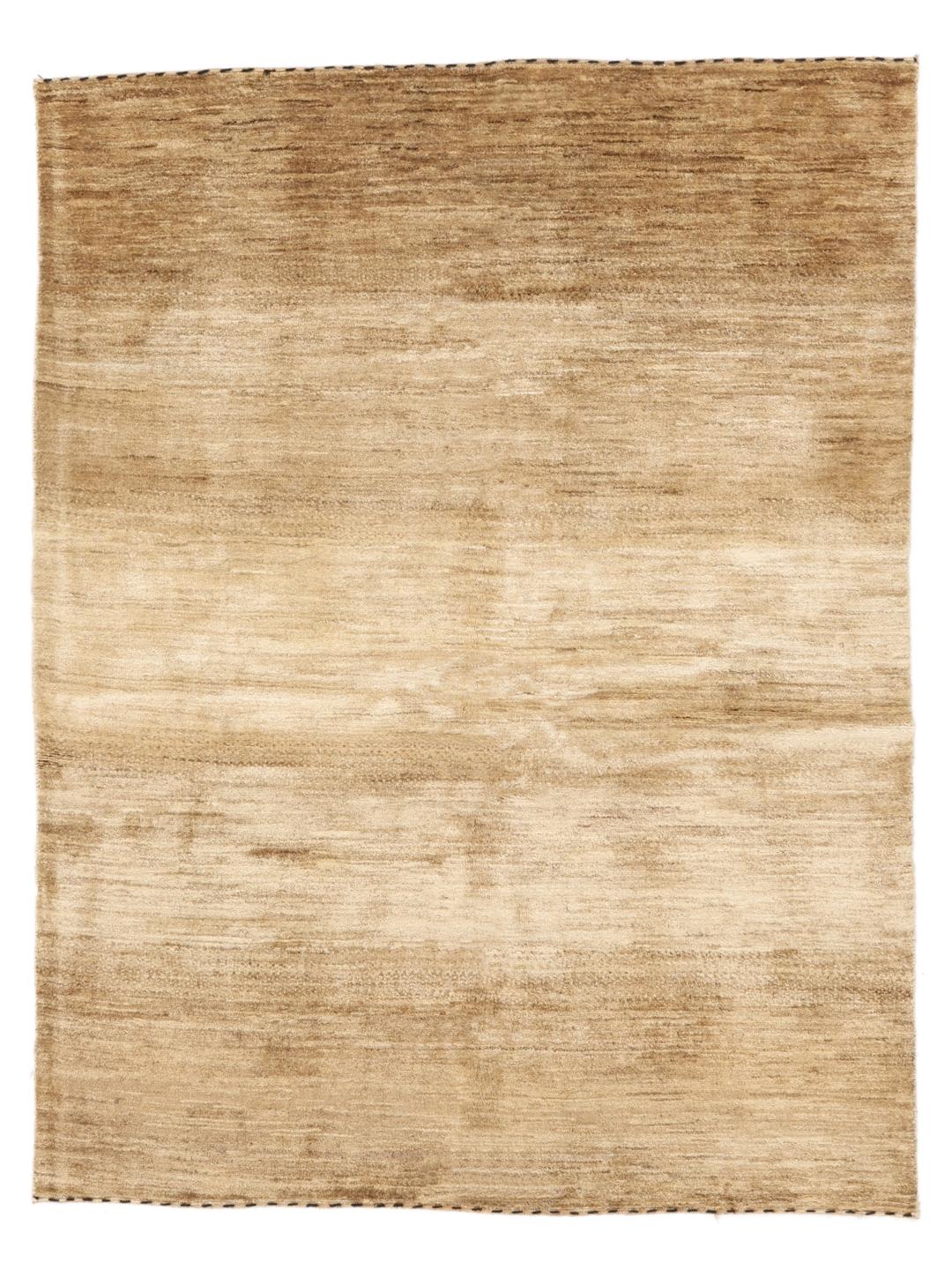
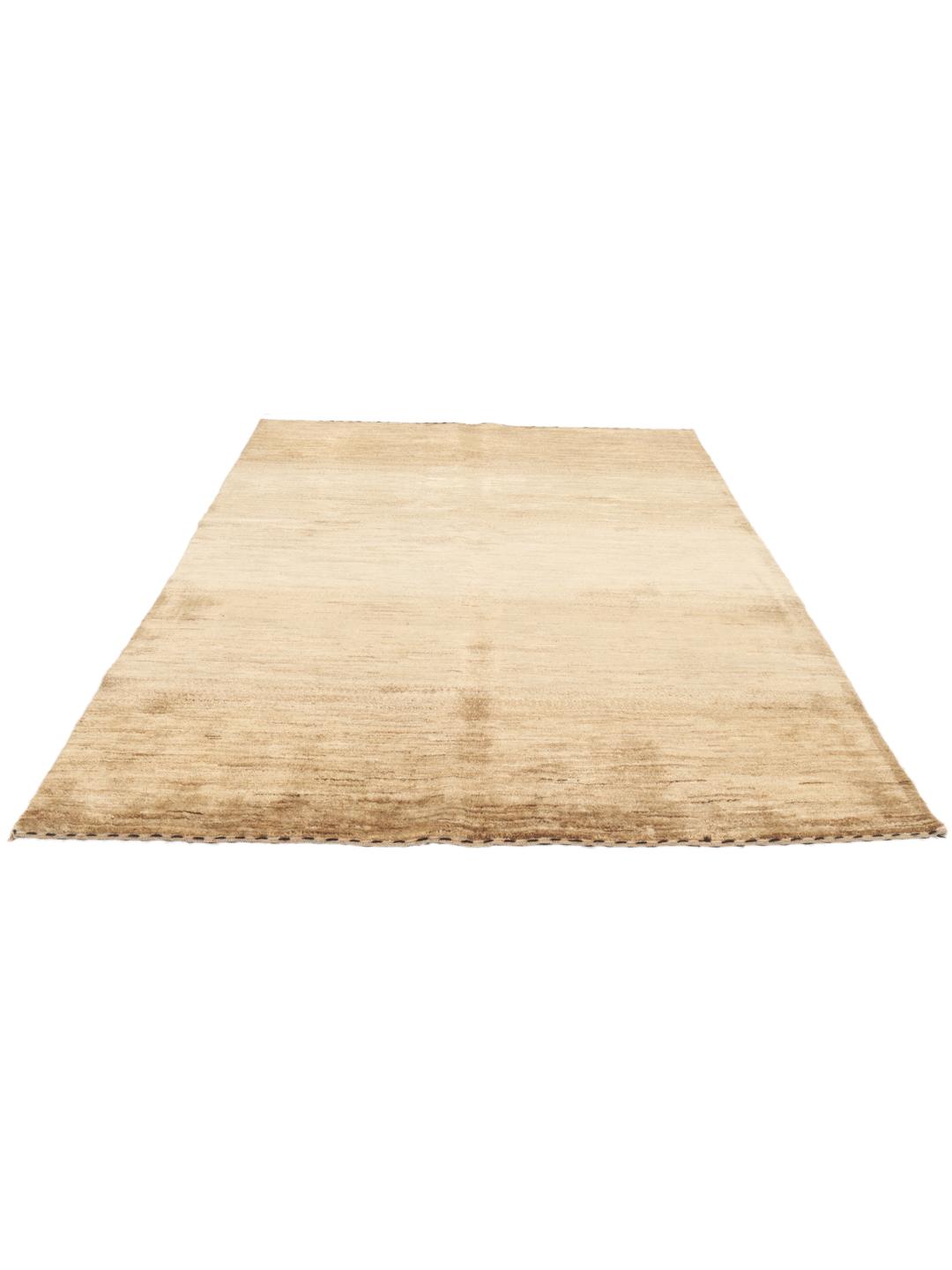
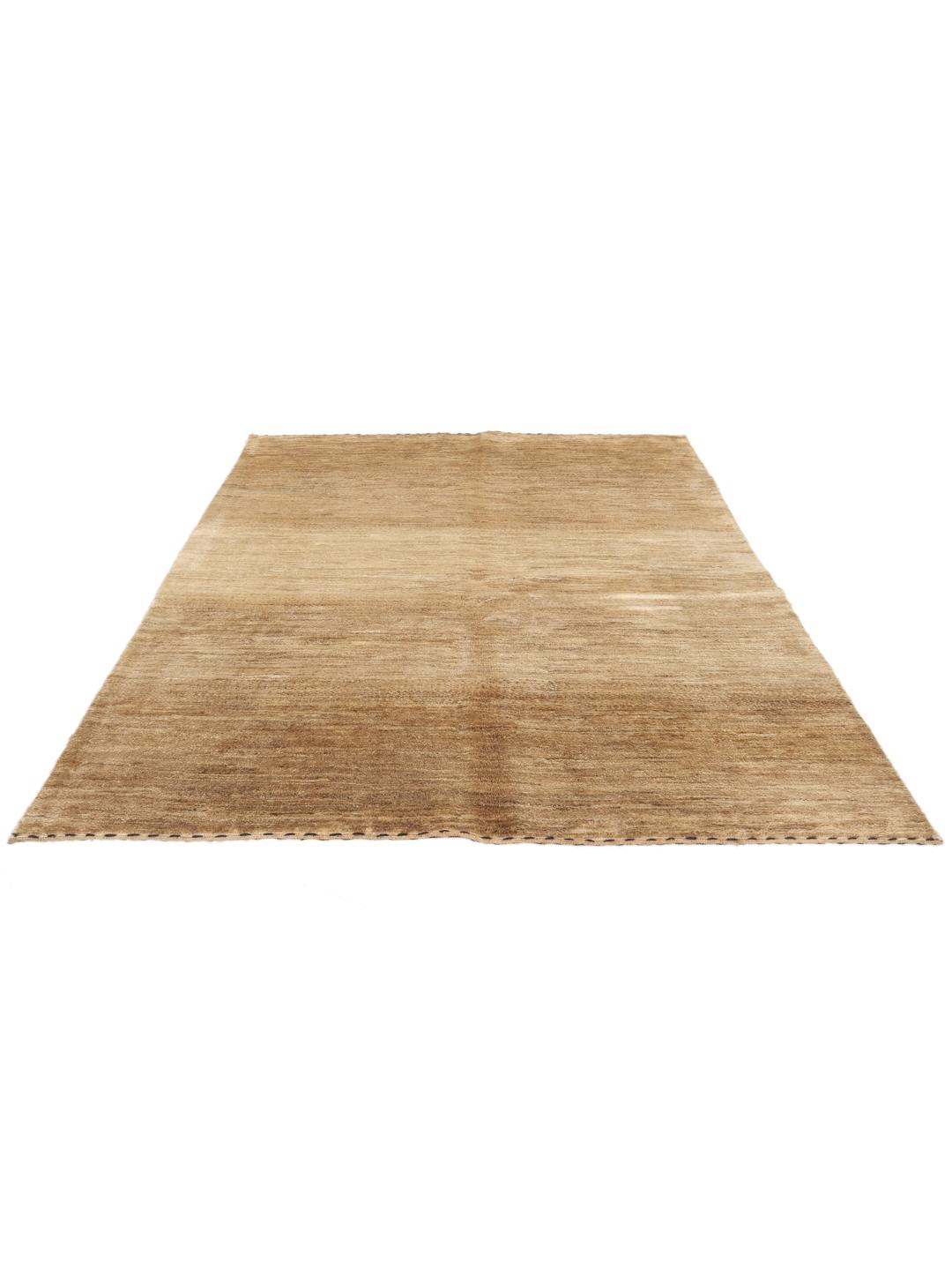
Visually, these rugs are celebrated for their artistic simplicity. While traditional city carpets often feature intricate floral or geometric patterns, Gabbehs are defined by their open, unadorned fields and subtle colour variations. This minimalist approach allows the natural quality of the wool and the nuances of the dye to take centre stage.
Today, these rugs are highly valued by collectors and interior enthusiasts alike for their expressive, primitive beauty. Owning a Gabbeh is not just about the floor covering itself, but about preserving a connection to a centuries-old nomadic heritage that celebrates the human touch in every fibre.