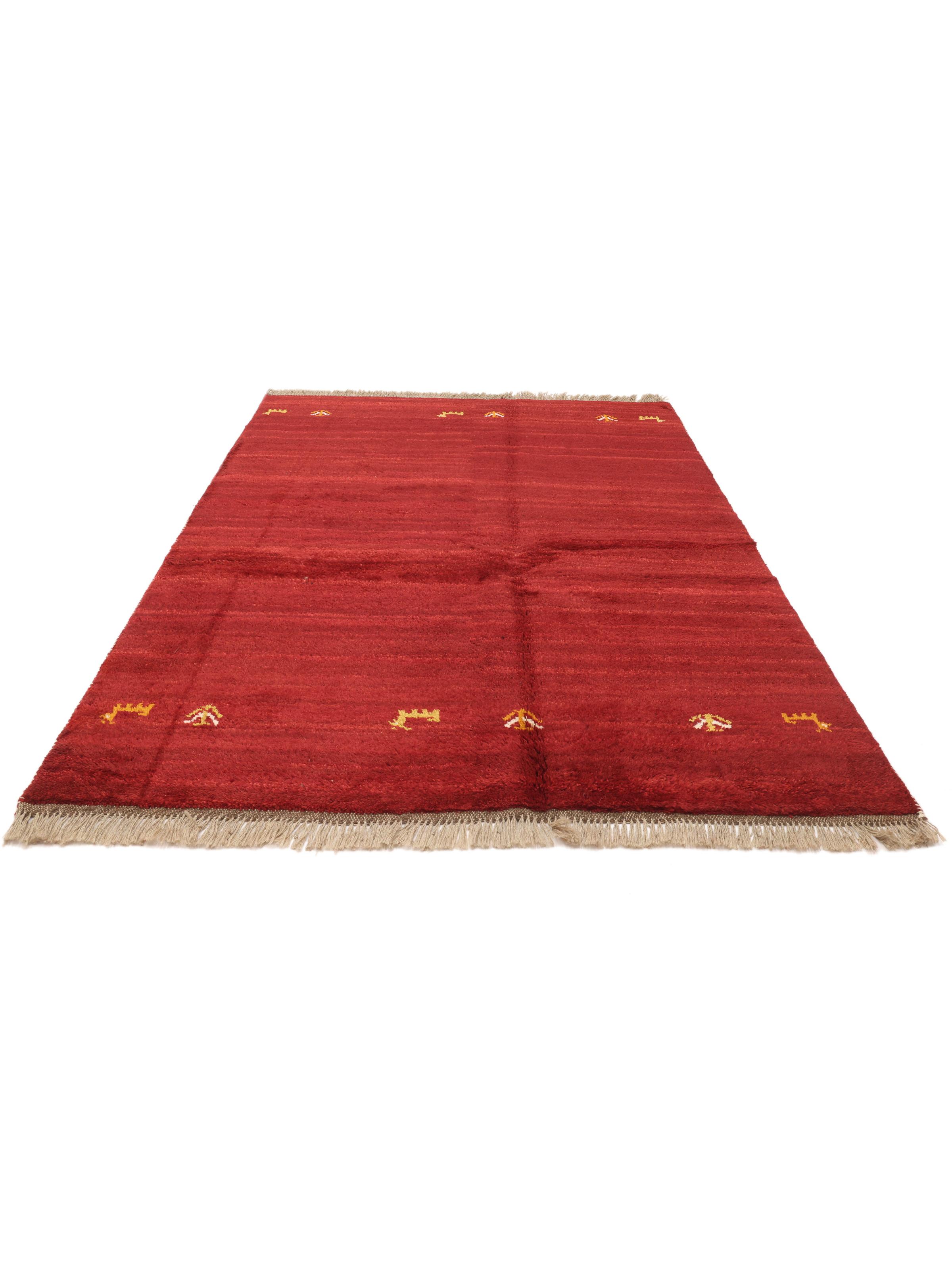
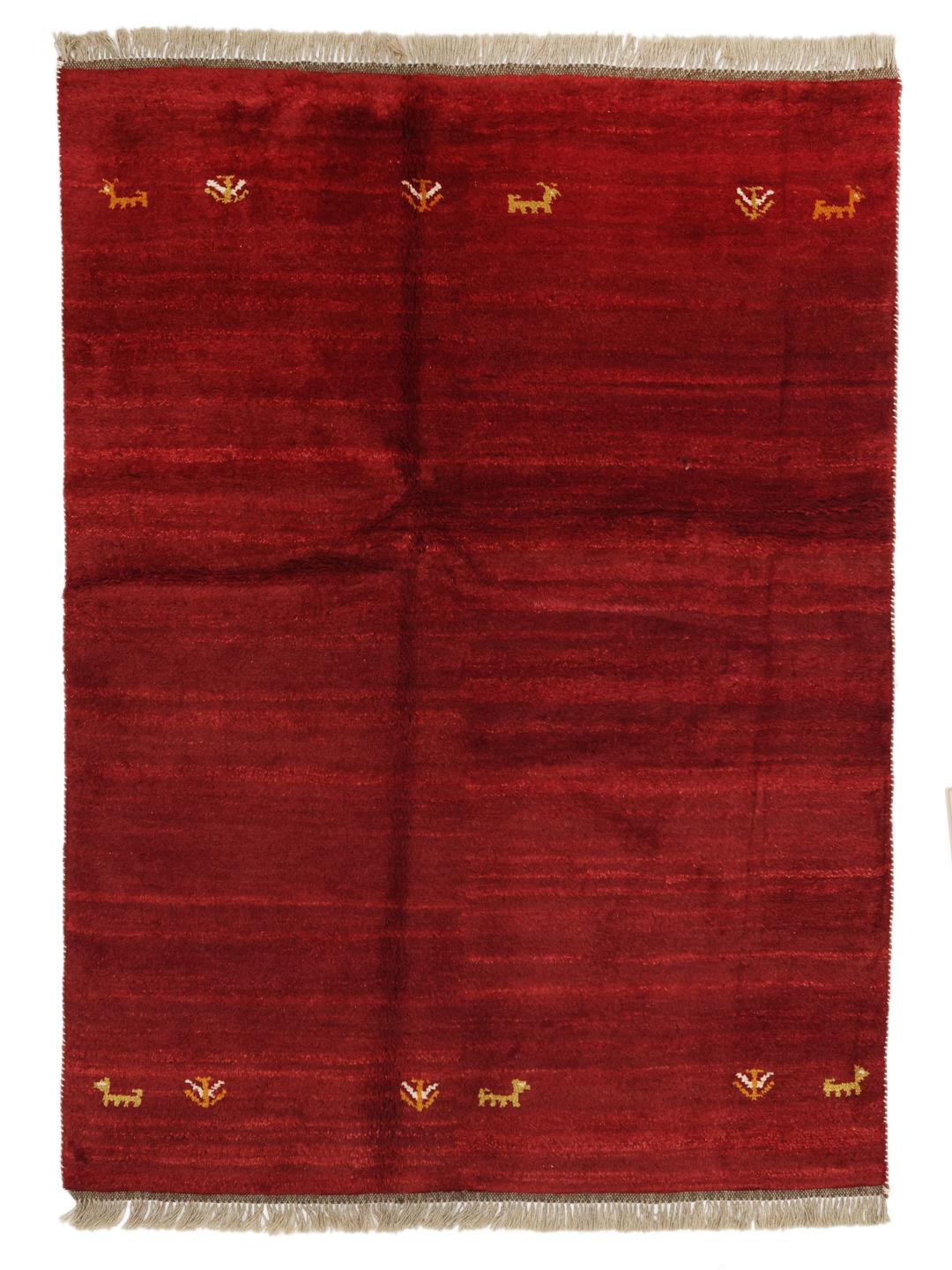
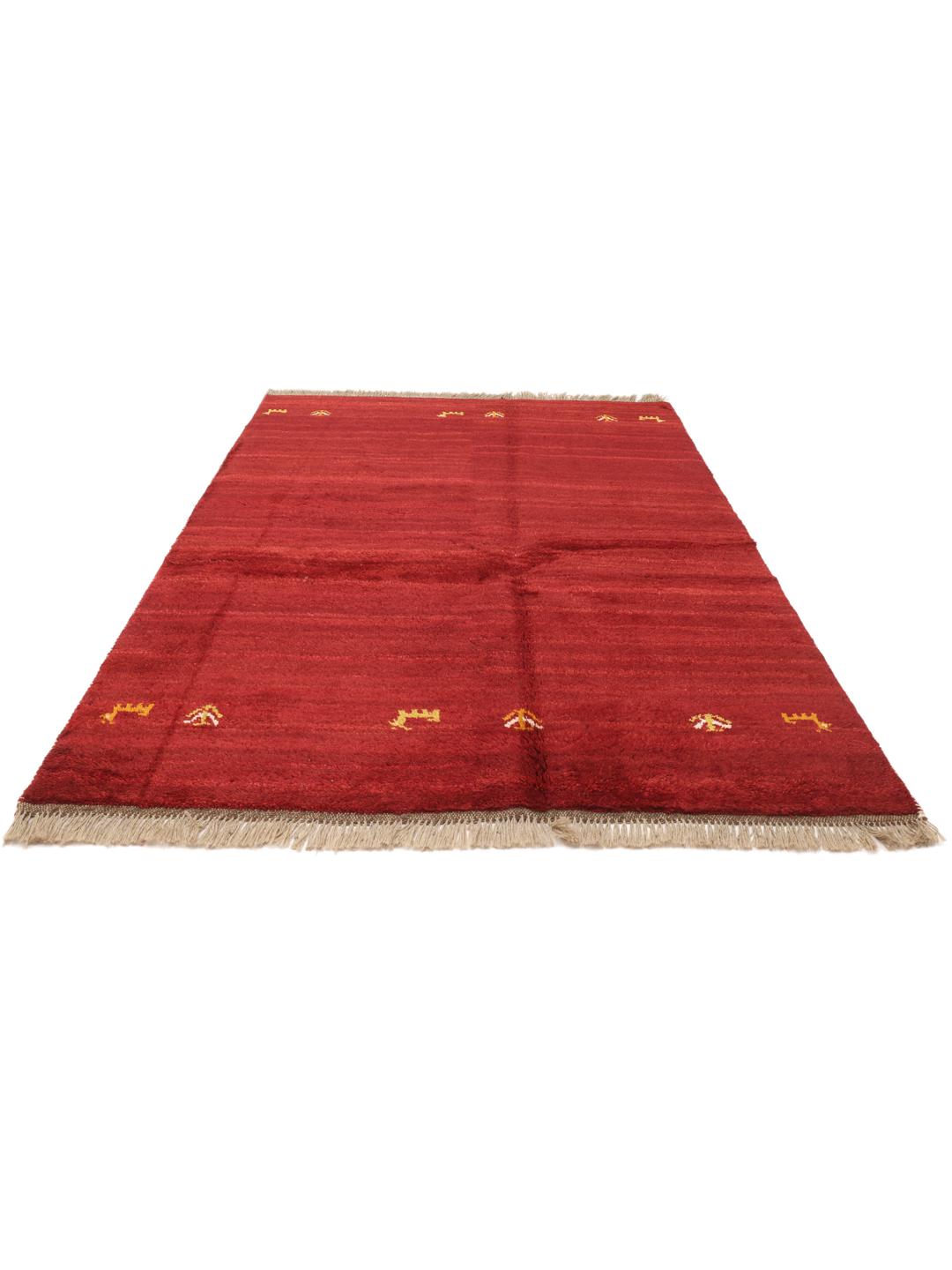
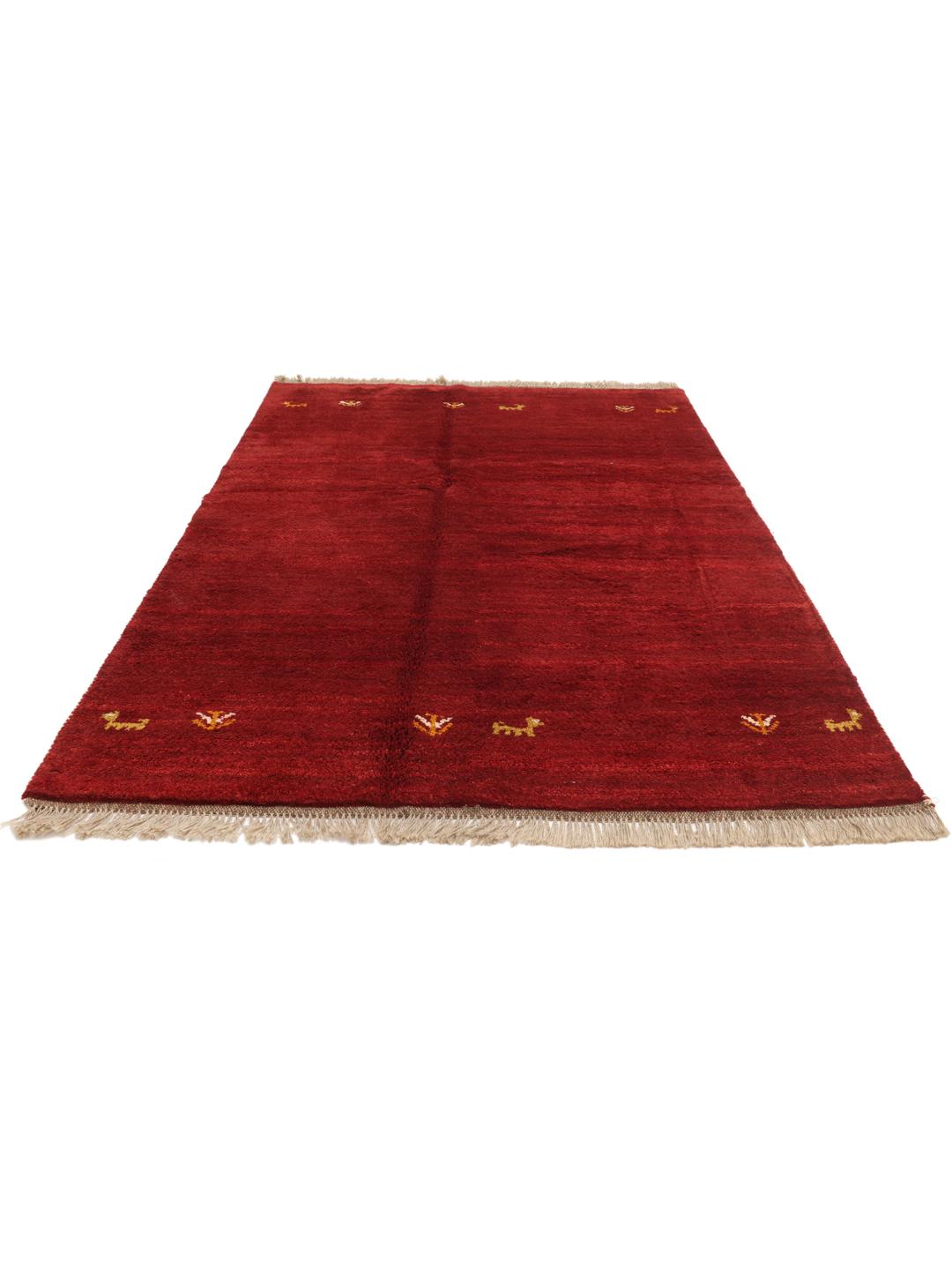
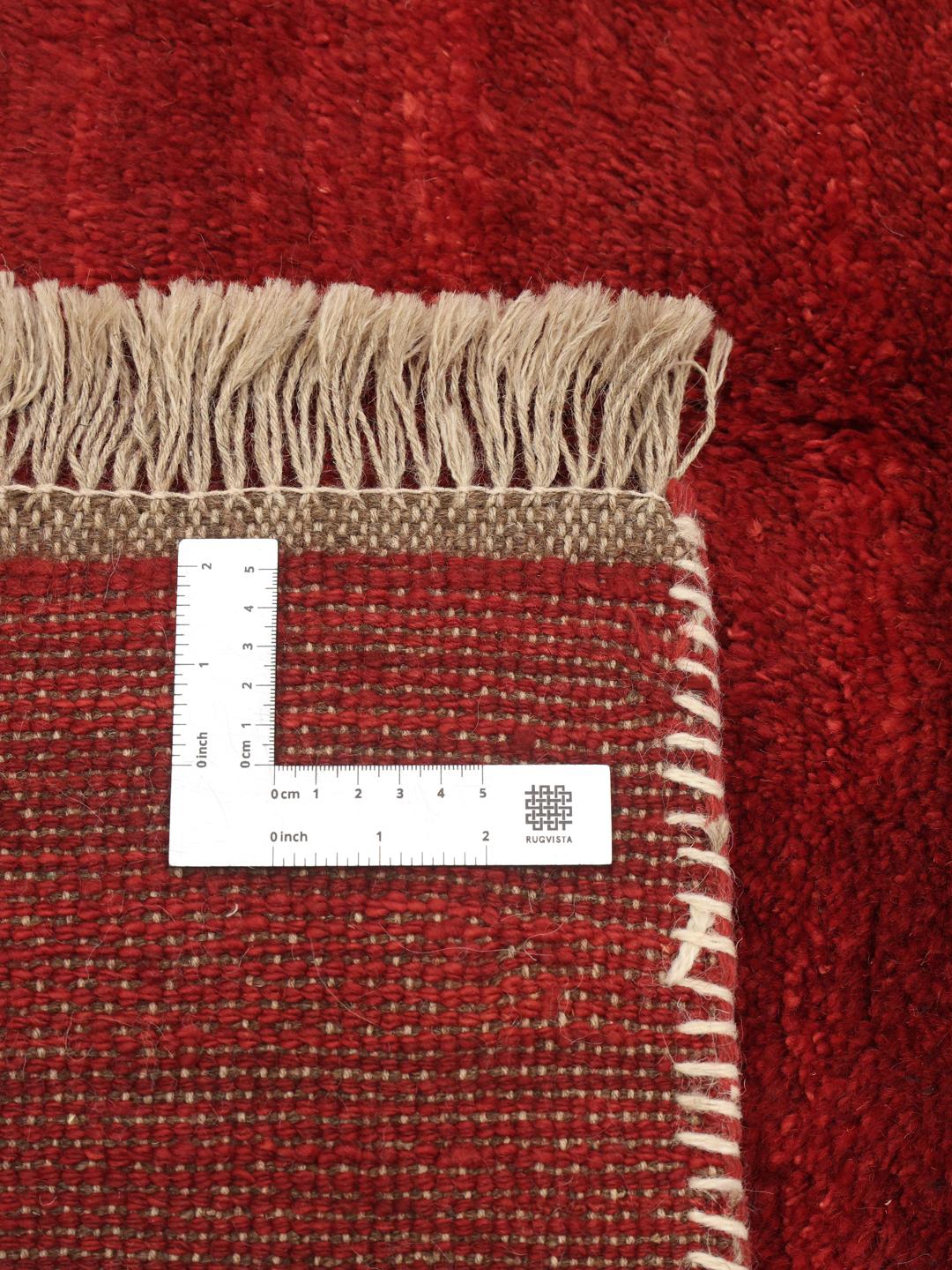
The Gabbeh tradition traces its roots to the nomadic tribes of the Middle East, where weavers created these rugs primarily for personal use and protection against the harsh, cold terrain. Unlike formal palace rugs, these pieces were designed with a sense of freedom, often reflecting the surroundings and the personal experiences of the weaver. The term Gabbeh itself implies something raw, natural, and unclipped, capturing the essence of a tradition that prioritises comfort and utility.
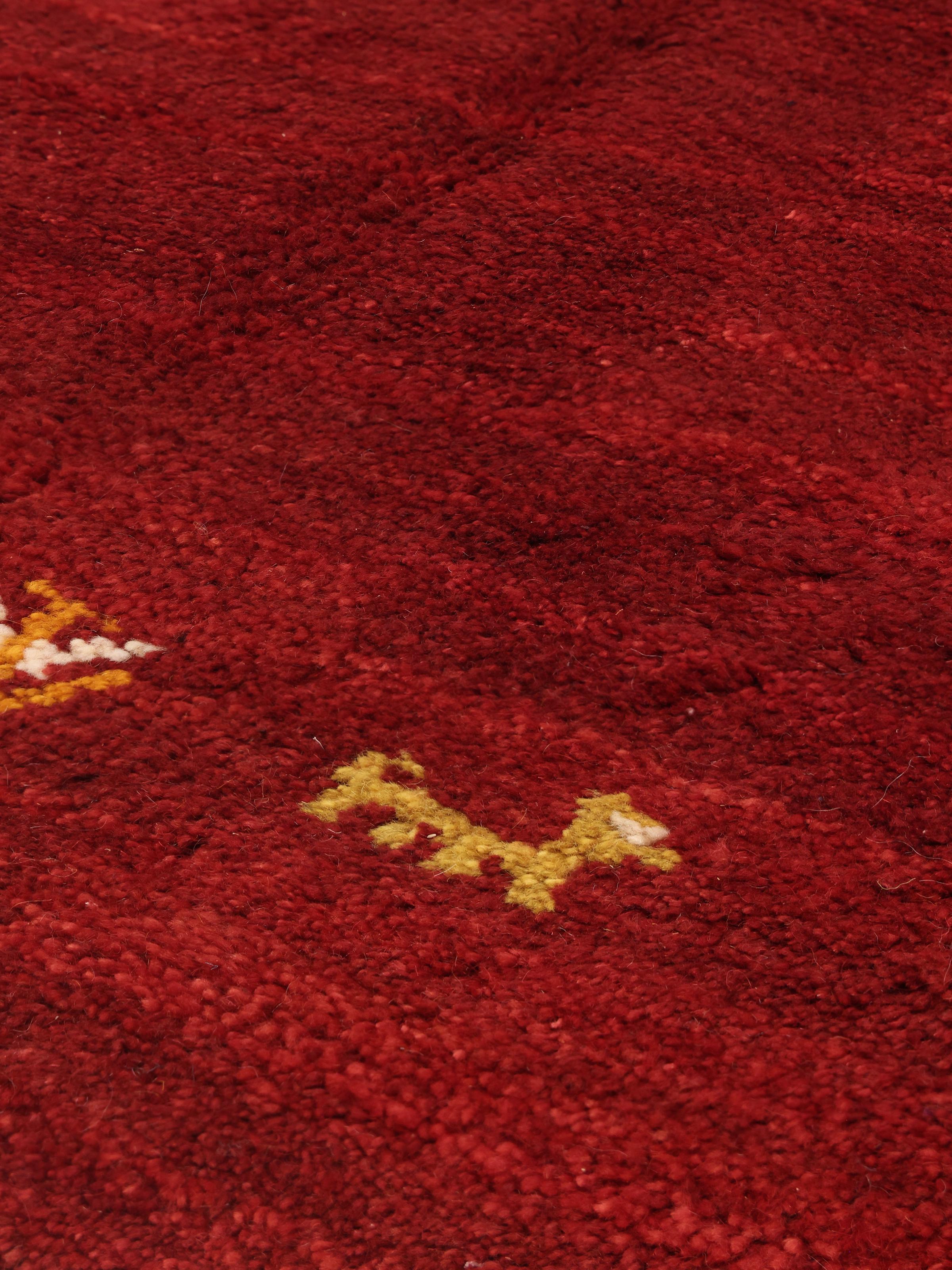
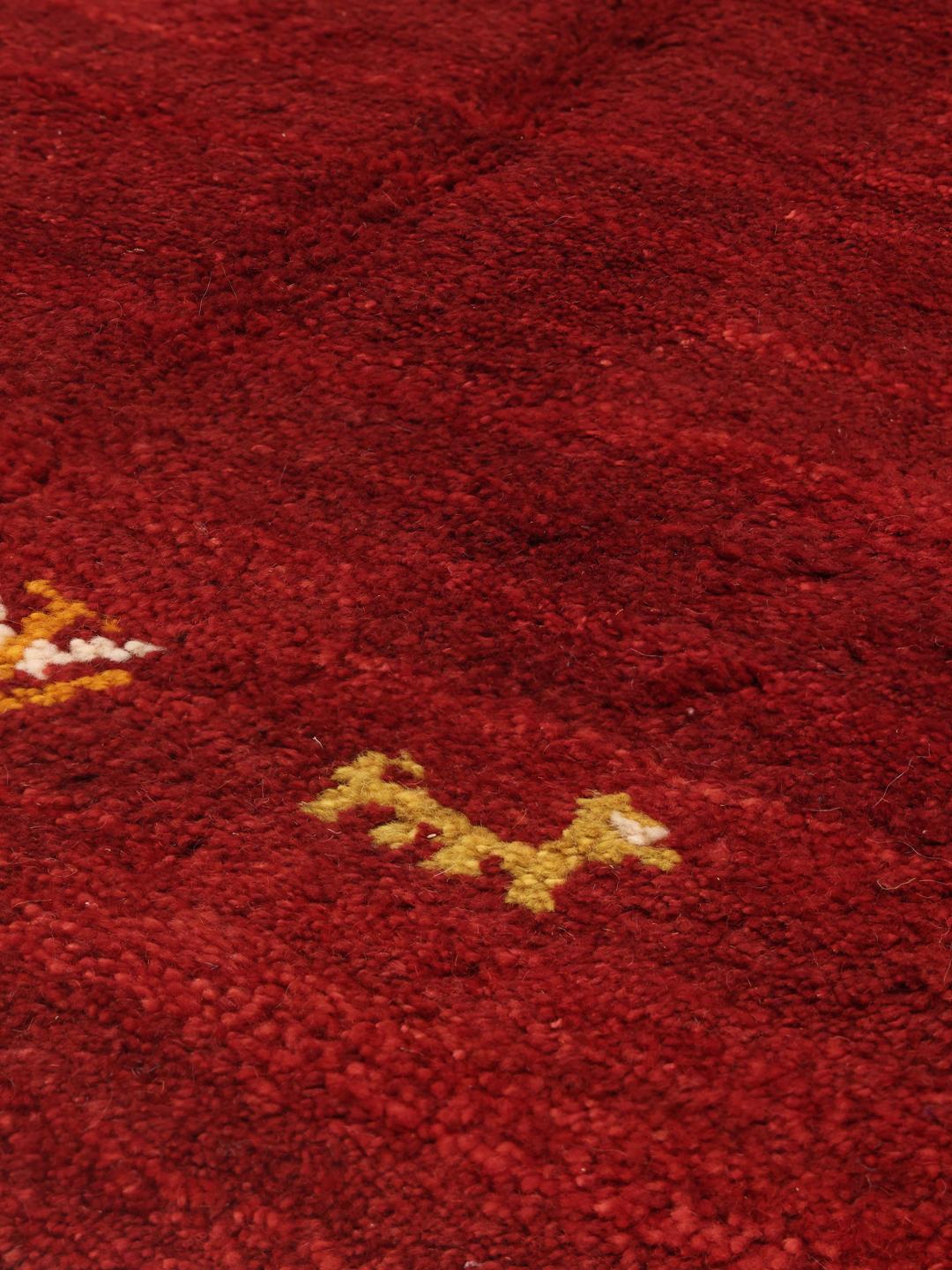
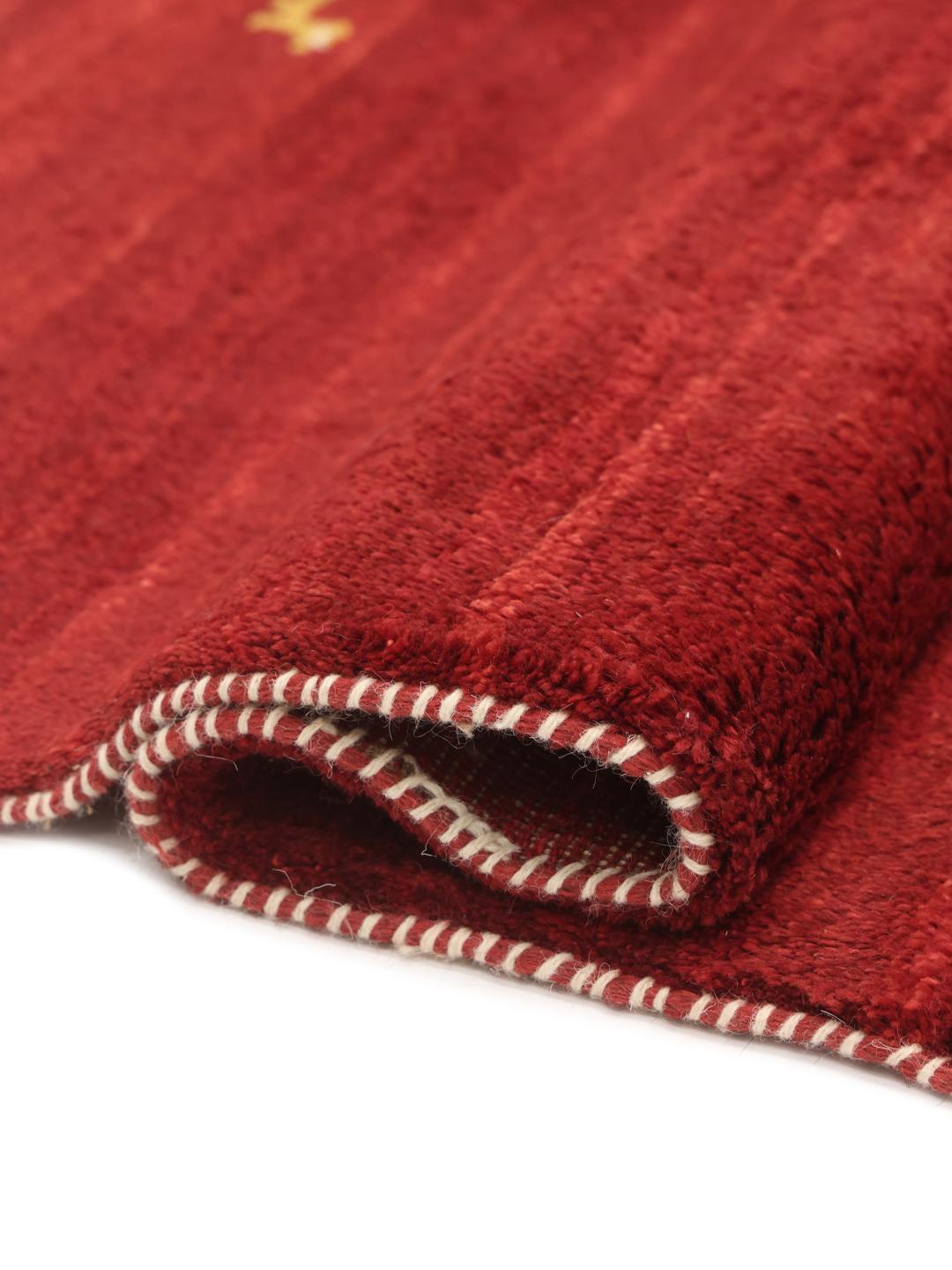
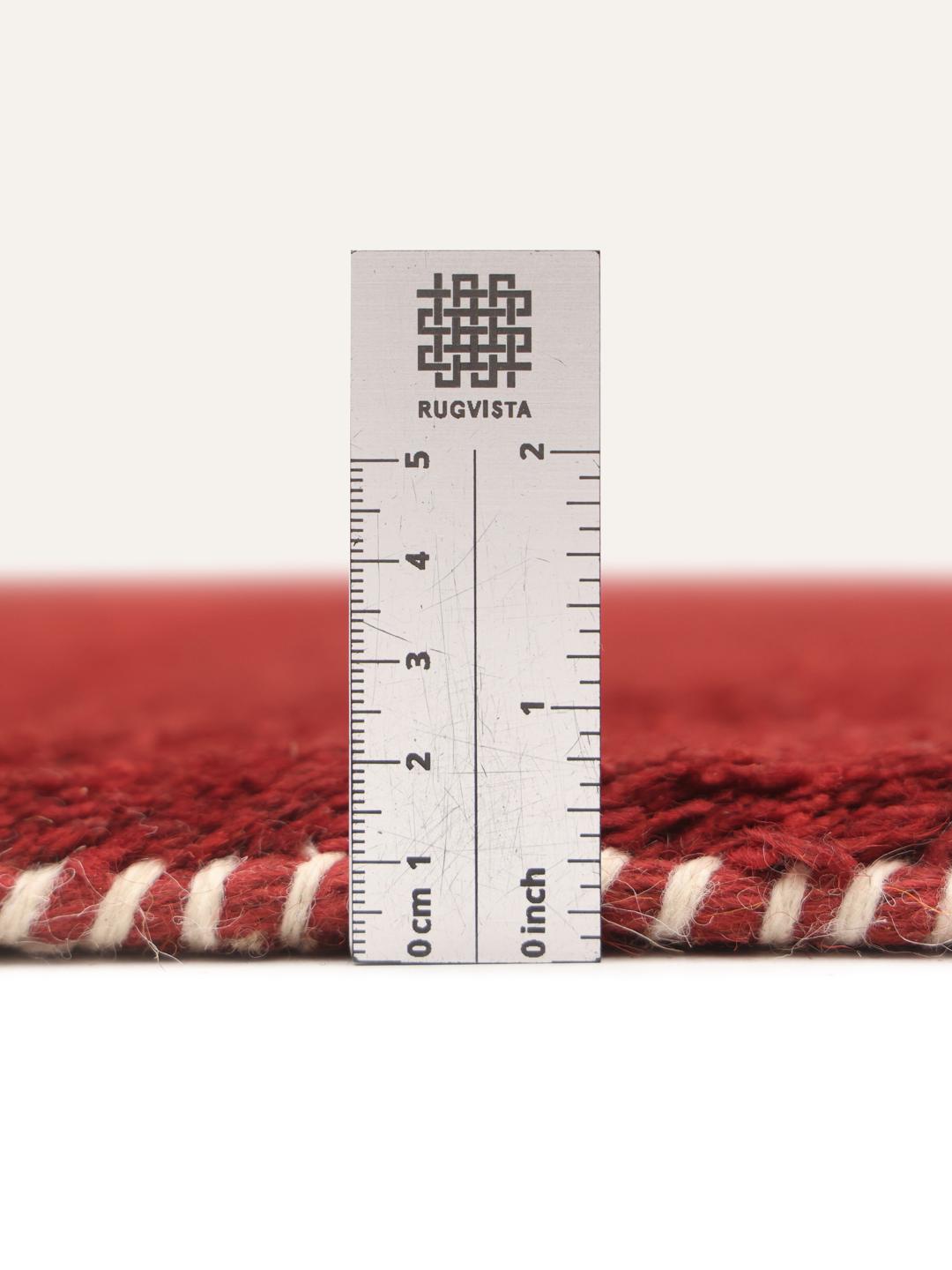
Technically, these rugs are characterised by their thick, plush piles and simplified designs. The use of hand-spun Wool is central to their quality, as the natural variations in the fibre absorb dyes differently, creating a rich, multi-tonal effect that adds depth to the surface. This variation is a hallmark of the craft, signalling a hand-made quality that mass-produced items simply cannot mimic.
Visually, these rugs often feature a striking use of negative space, allowing the bold, earthy colours to take centre stage. While geometric shapes are common, the inclusion of small, stylised animal or plant motifs—as seen here—adds a touch of playfulness and symbolic meaning. These motifs are often inspired by the weaver's daily life, representing animals, family, or local flora in a minimalist, almost abstract style.
Collectors value these rugs for their honesty and cultural weight. Owning one is an opportunity to preserve a living history, as each rug serves as a canvas for the weaver's skill and local identity. They are highly regarded for their enduring quality and their ability to bring a sense of grounded, human-centric artistry into modern interiors, making them a staple for those who appreciate heritage and longevity.