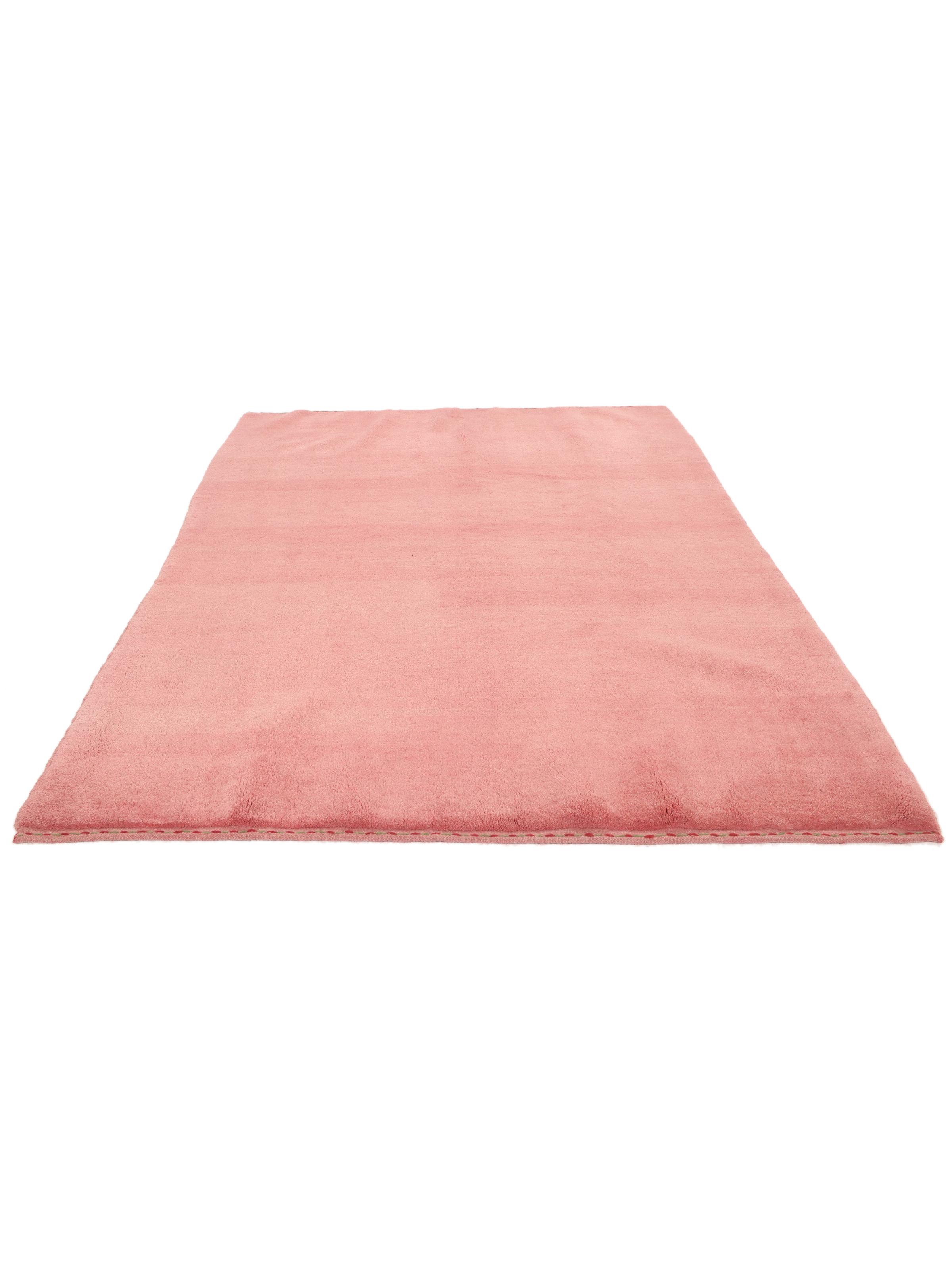
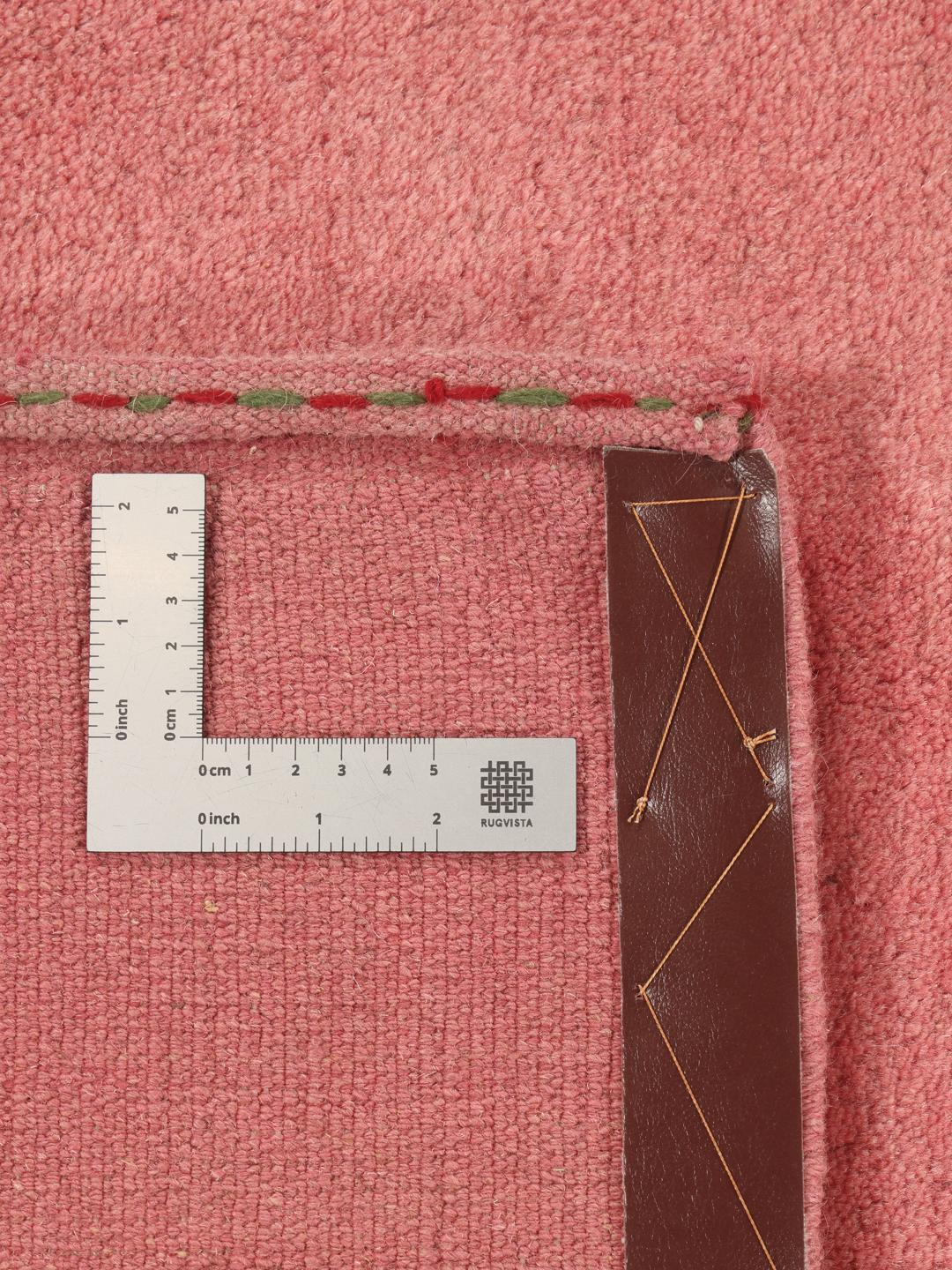
The Gabbeh tradition finds its roots in the nomadic cultures of the Middle East, where weavers historically created these rugs for their own personal use. Unlike more formal, city-made carpets, these were designed to provide warmth and comfort in harsh, rugged environments, often reflecting the surroundings of the weaver's life.
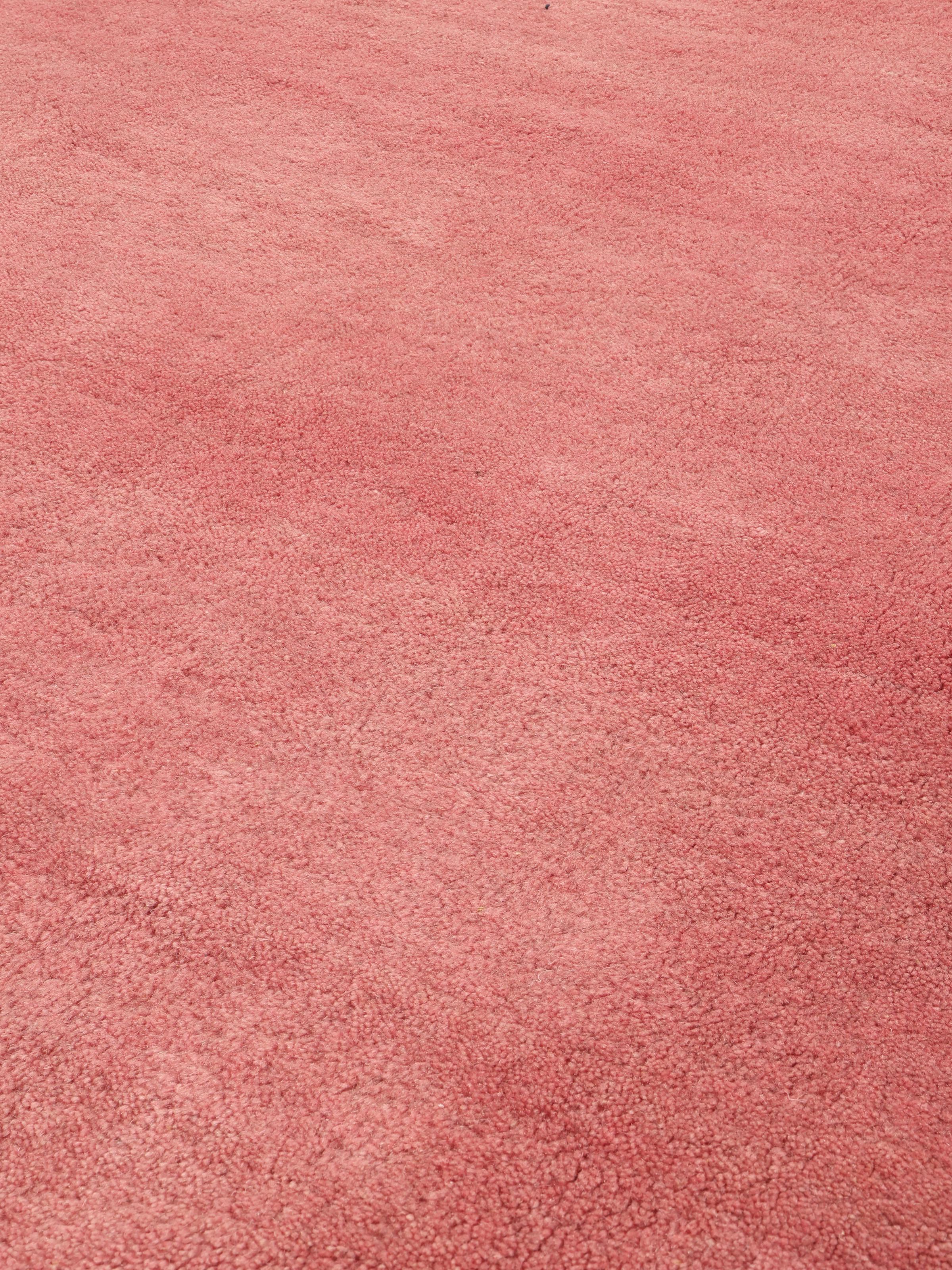
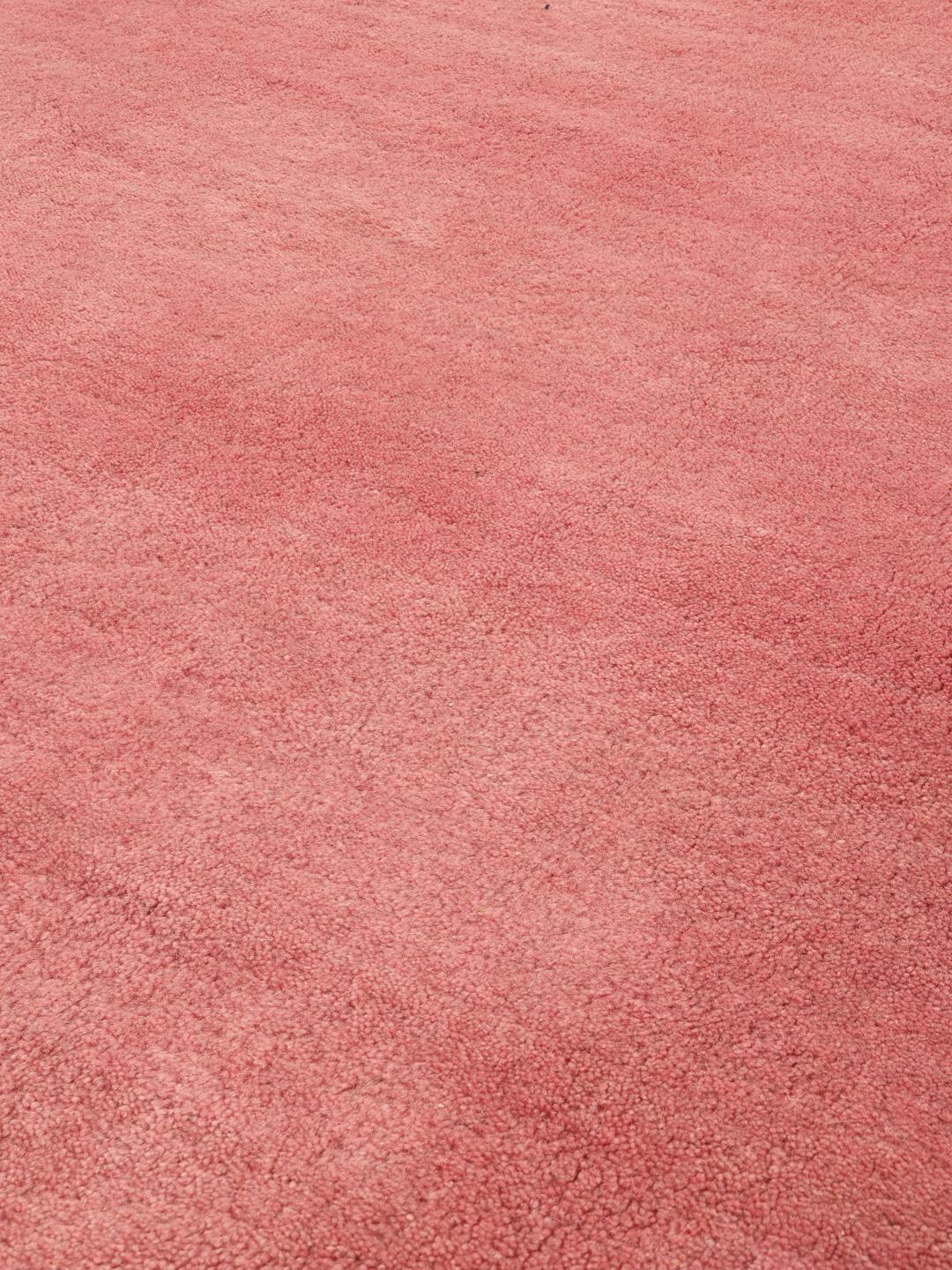
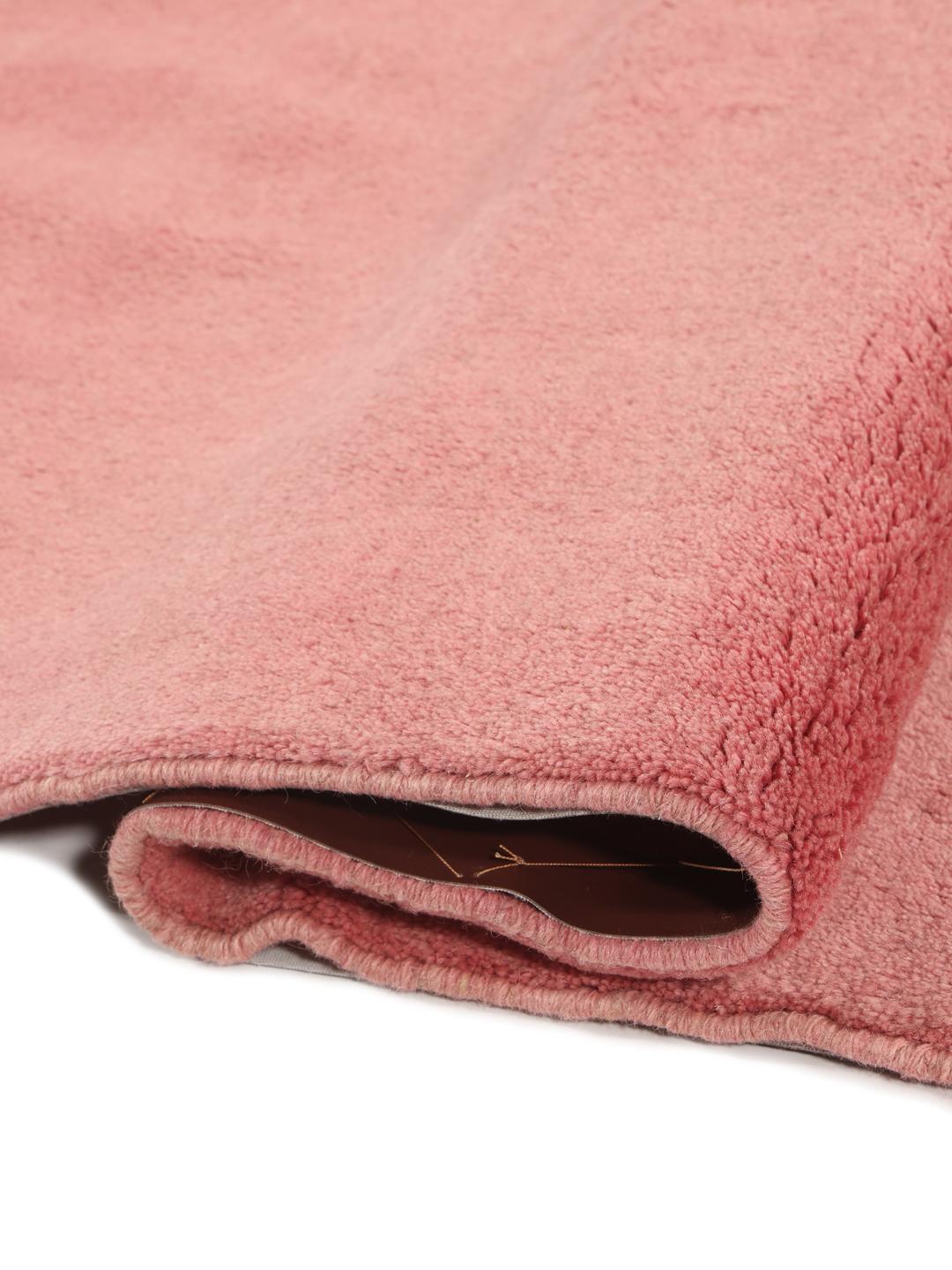
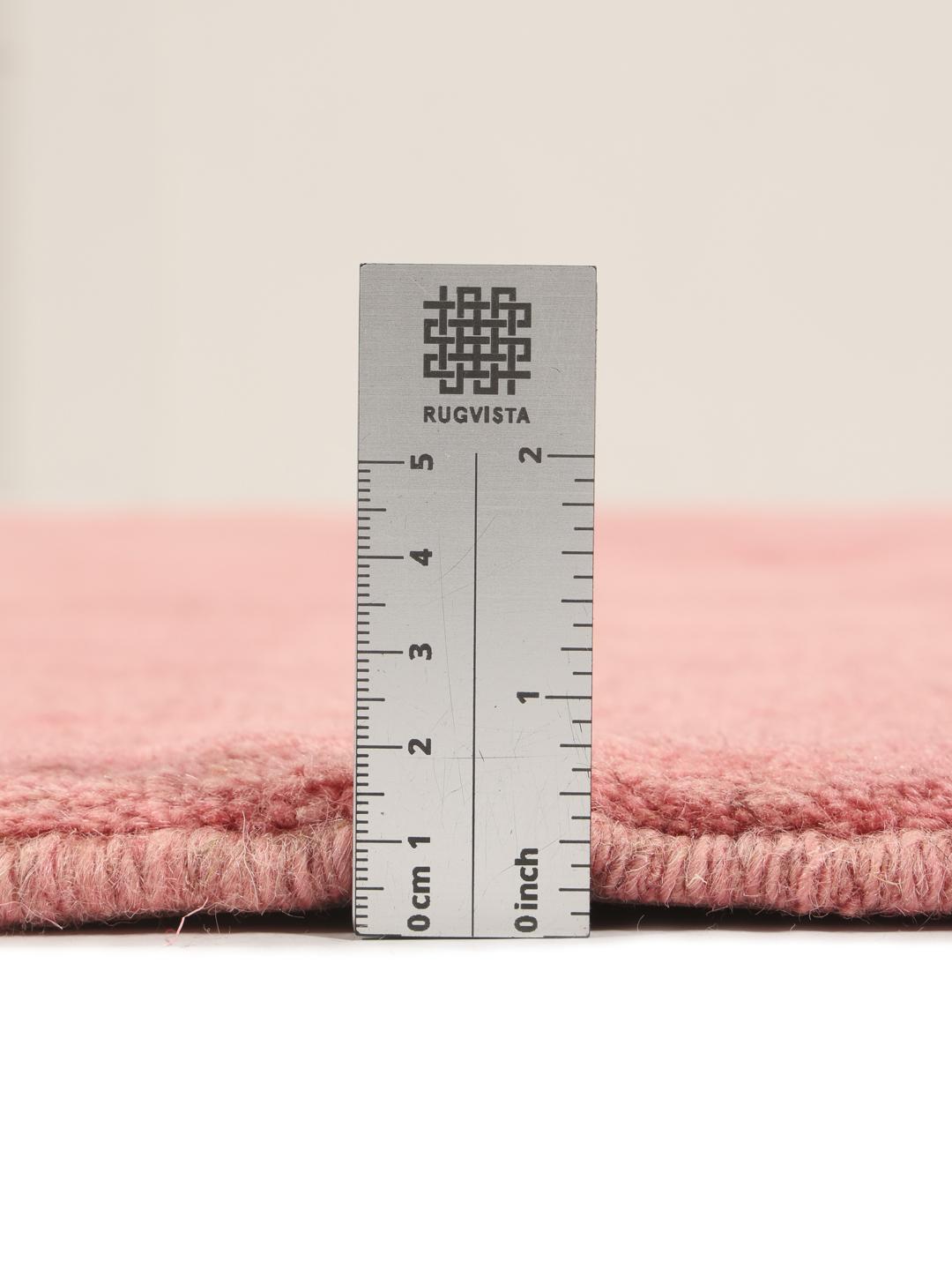
The term Gabbeh itself implies a raw, natural, or primitive quality, which is reflected in their characteristically thick, plush pile. This construction is deliberate, prioritising warmth and durability over the intricate, complex patterns found in other regional styles.
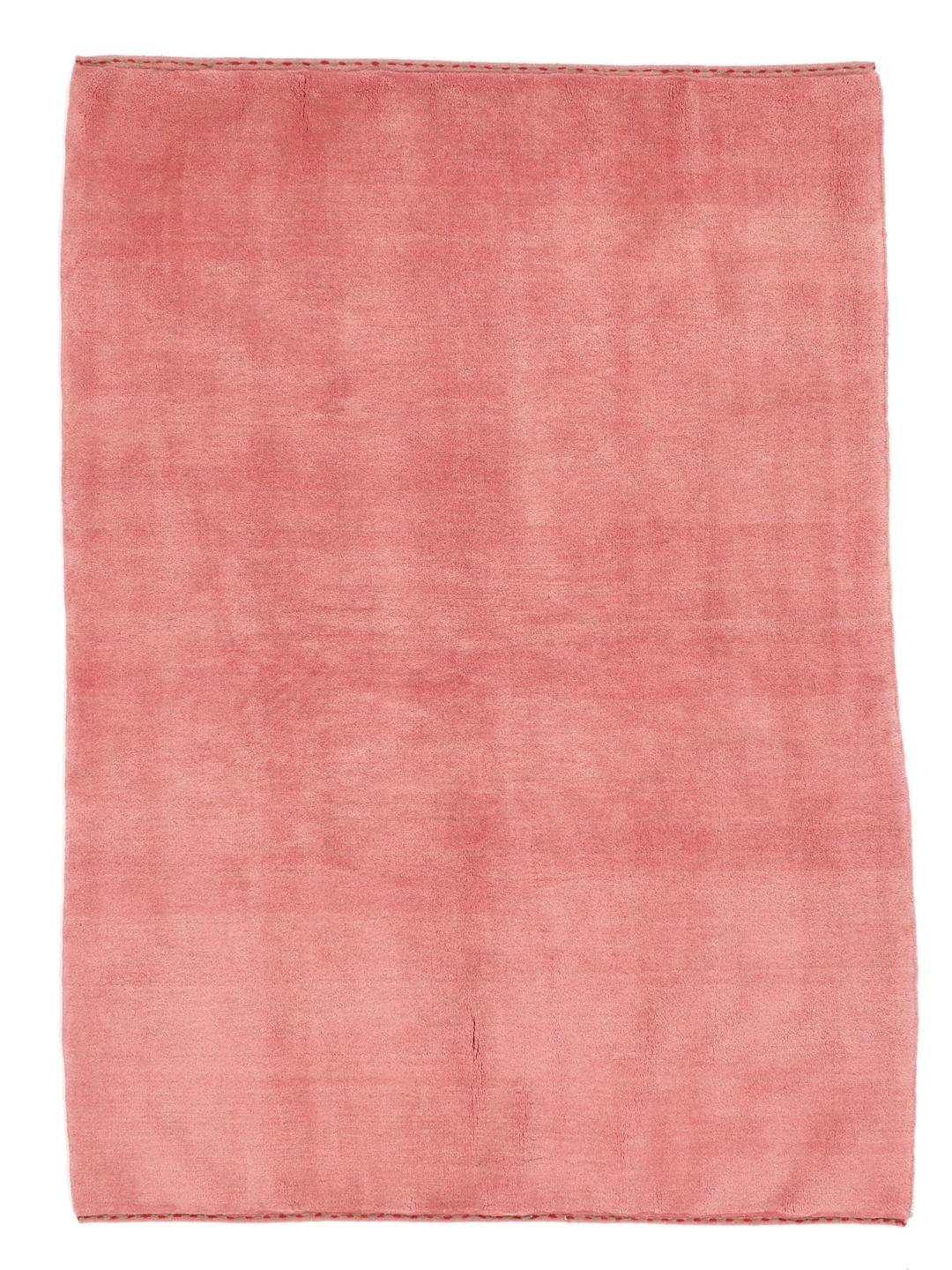
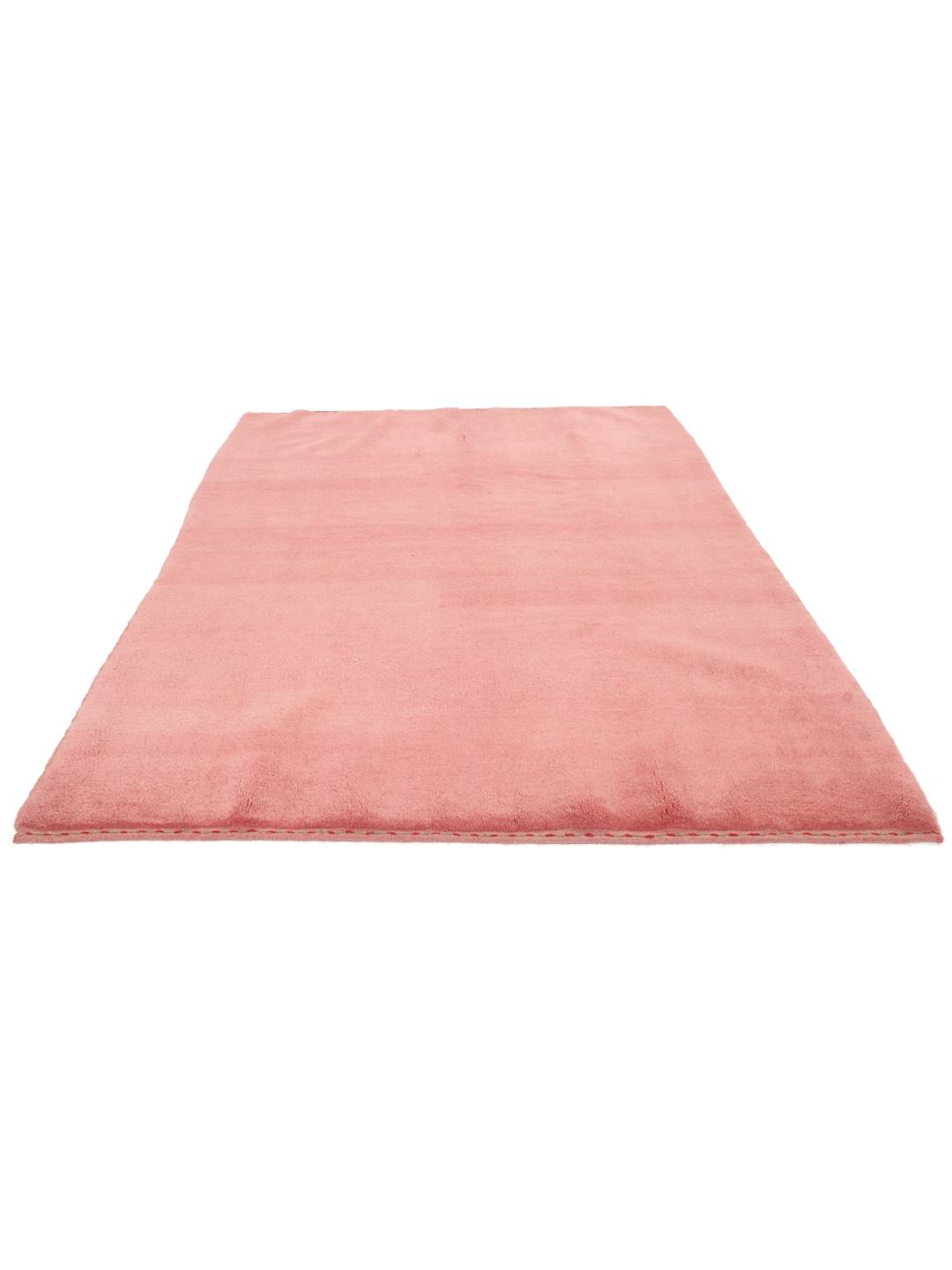
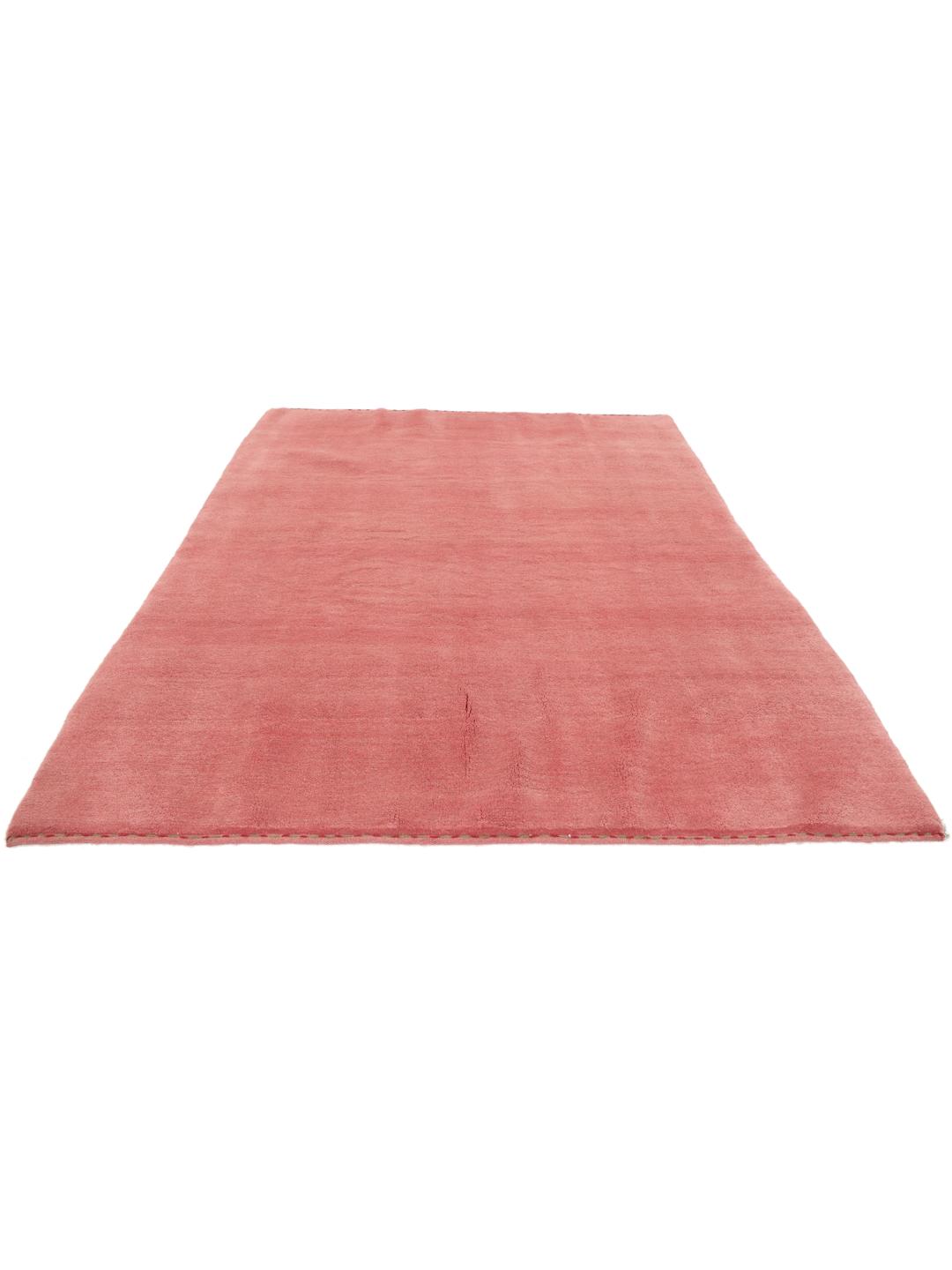
Visually, these rugs are known for their minimalist or abstract designs, often focusing on solid fields of colour or simple geometric shapes. The use of natural dyes historically gave these rugs their signature earthy tones, though modern interpretations like this one embrace a wider palette while maintaining the traditional, soulful essence of the craft.
Today, these rugs are highly valued by collectors for their authenticity and the way they bridge the gap between ancient nomadic traditions and modern home aesthetics. Owning a piece like this is more than just adding a floor covering; it is acquiring a piece of living history that celebrates the artistry of the hand-weaver.