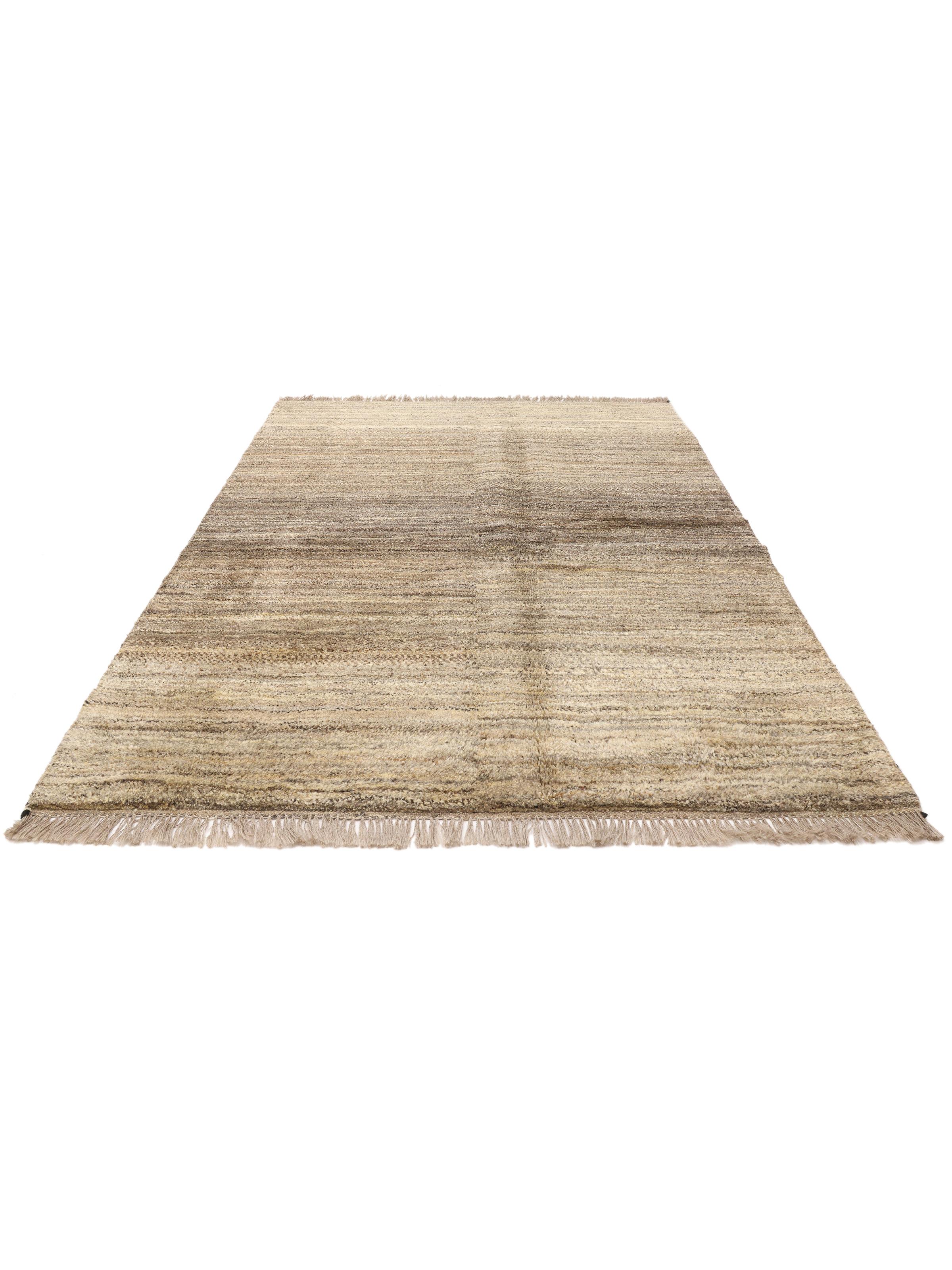
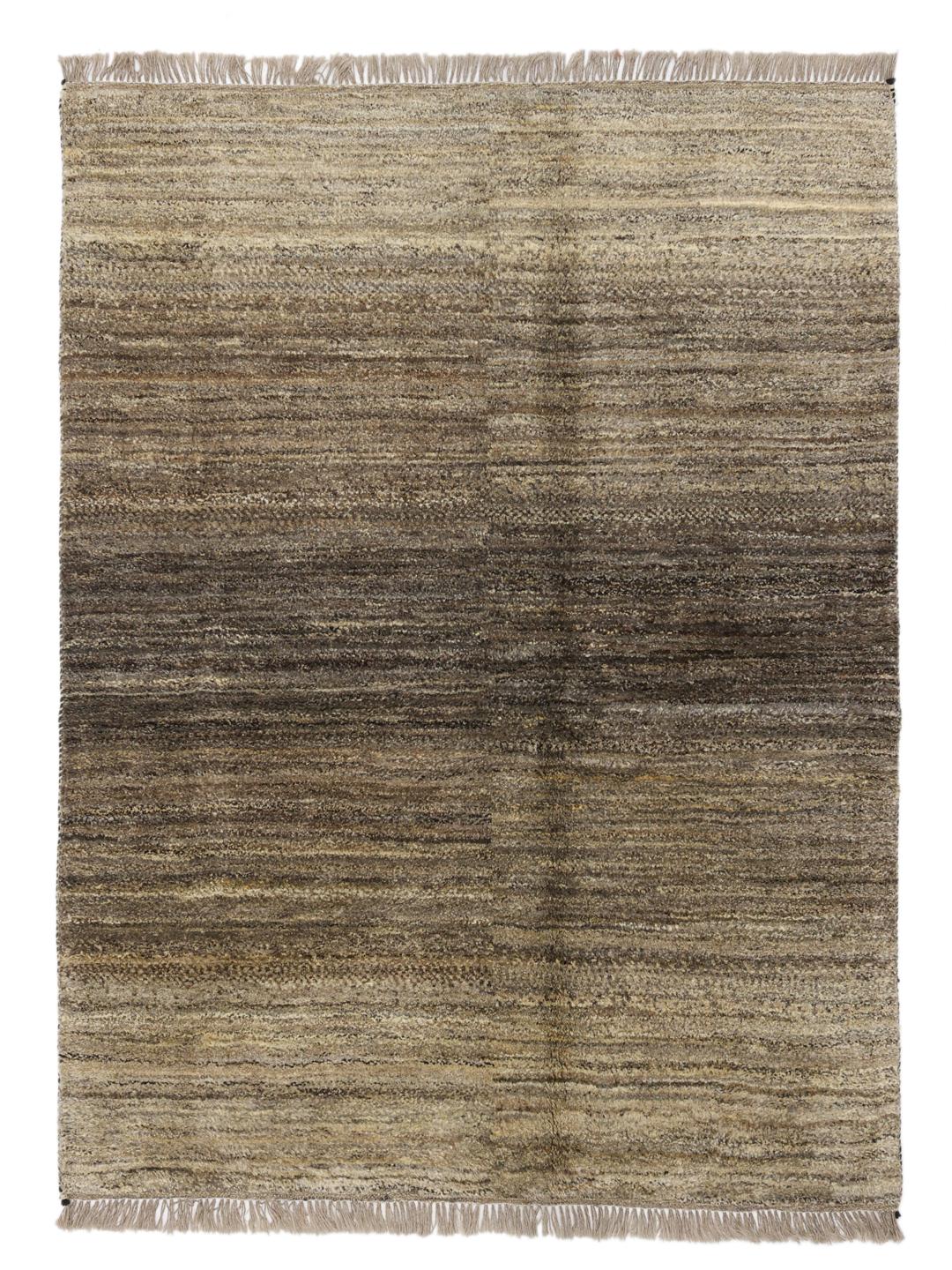
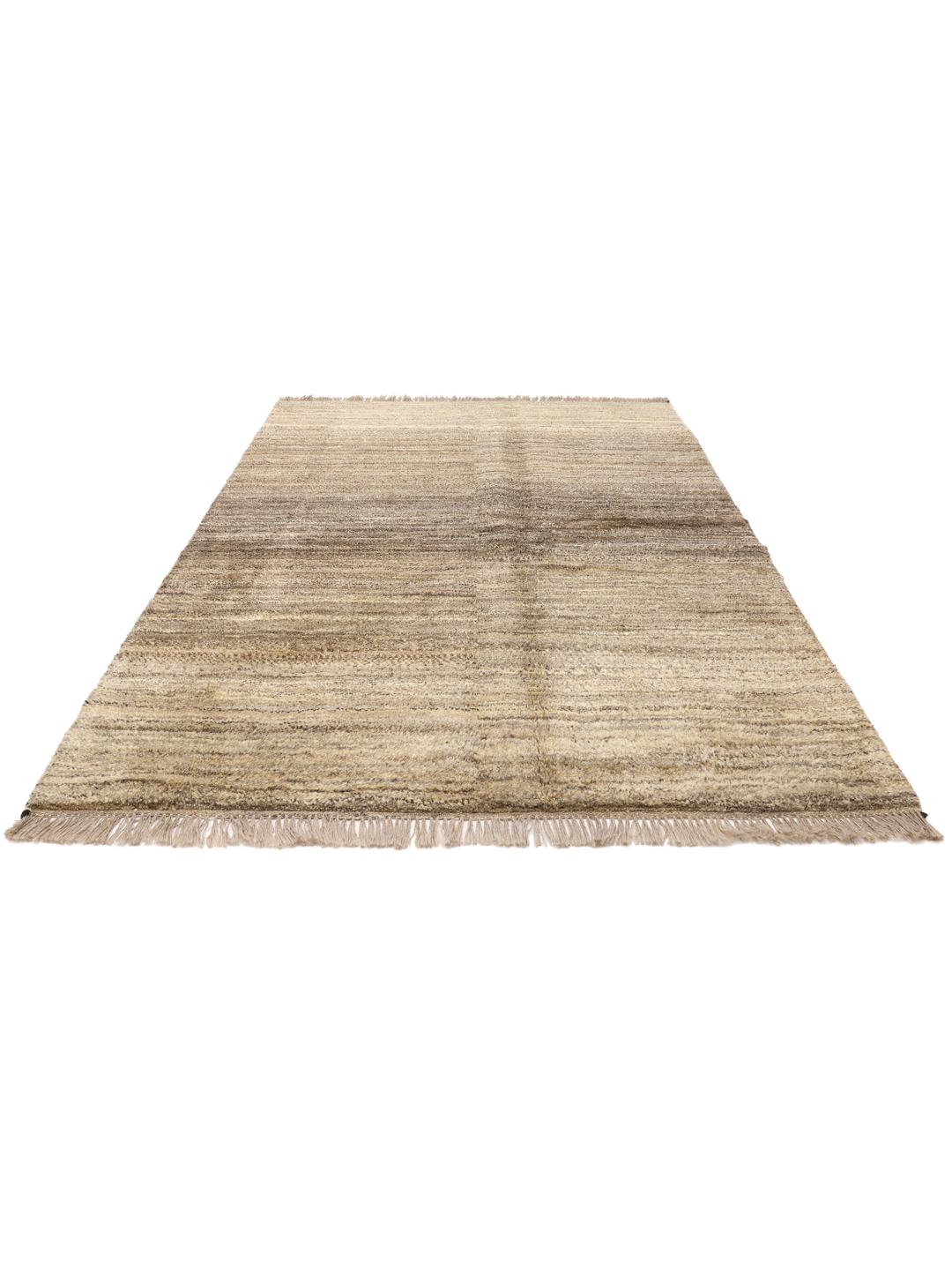
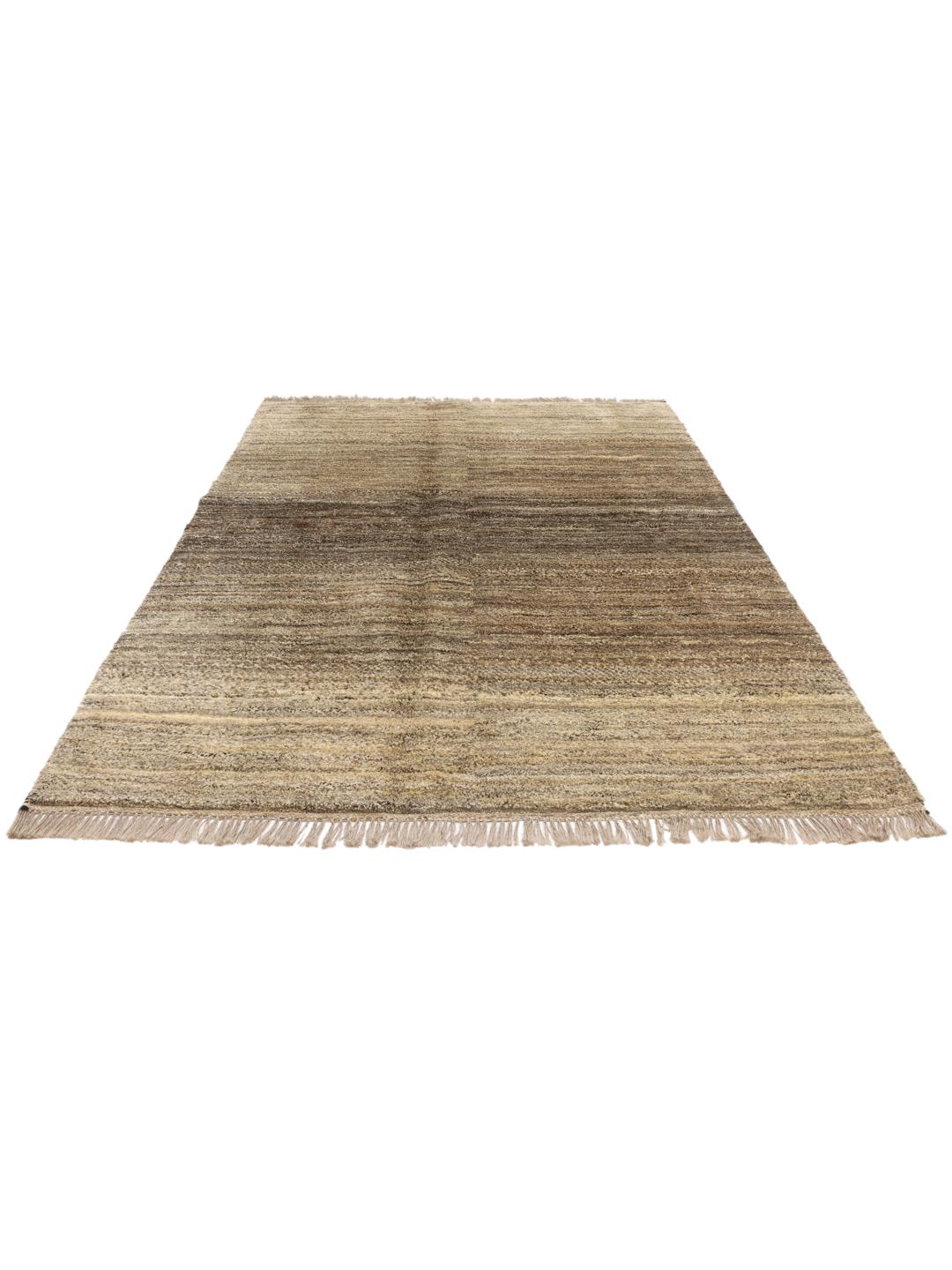
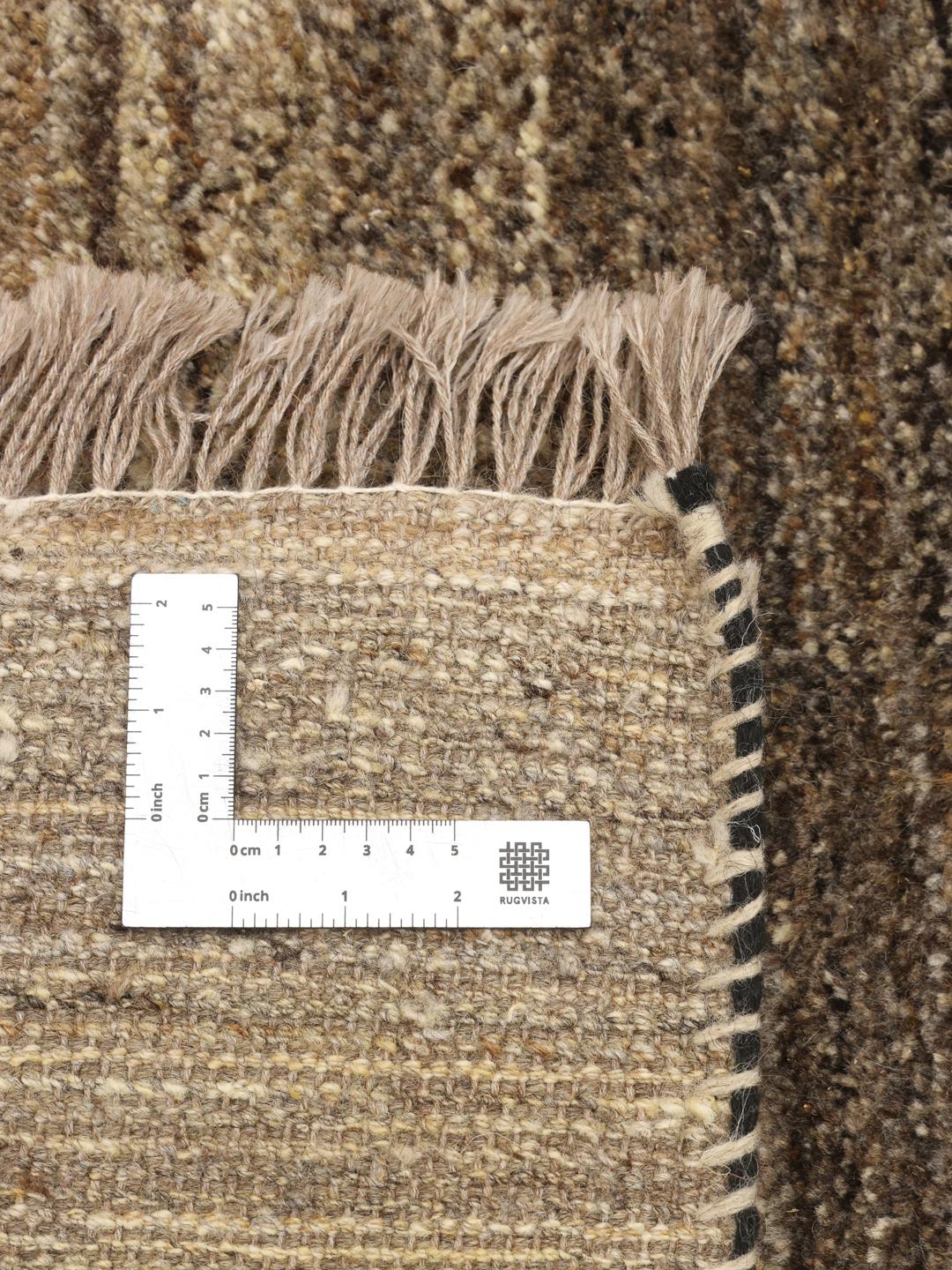
The Gabbeh tradition originates from the nomadic tribes of the Middle East, particularly those inhabiting the rugged landscapes where sheep herding is central to life. Historically, these rugs were woven by women for domestic use, serving as warm bedding and floor coverings within tents. Over time, these functional pieces evolved into a recognised style valued for their simplicity and raw beauty.
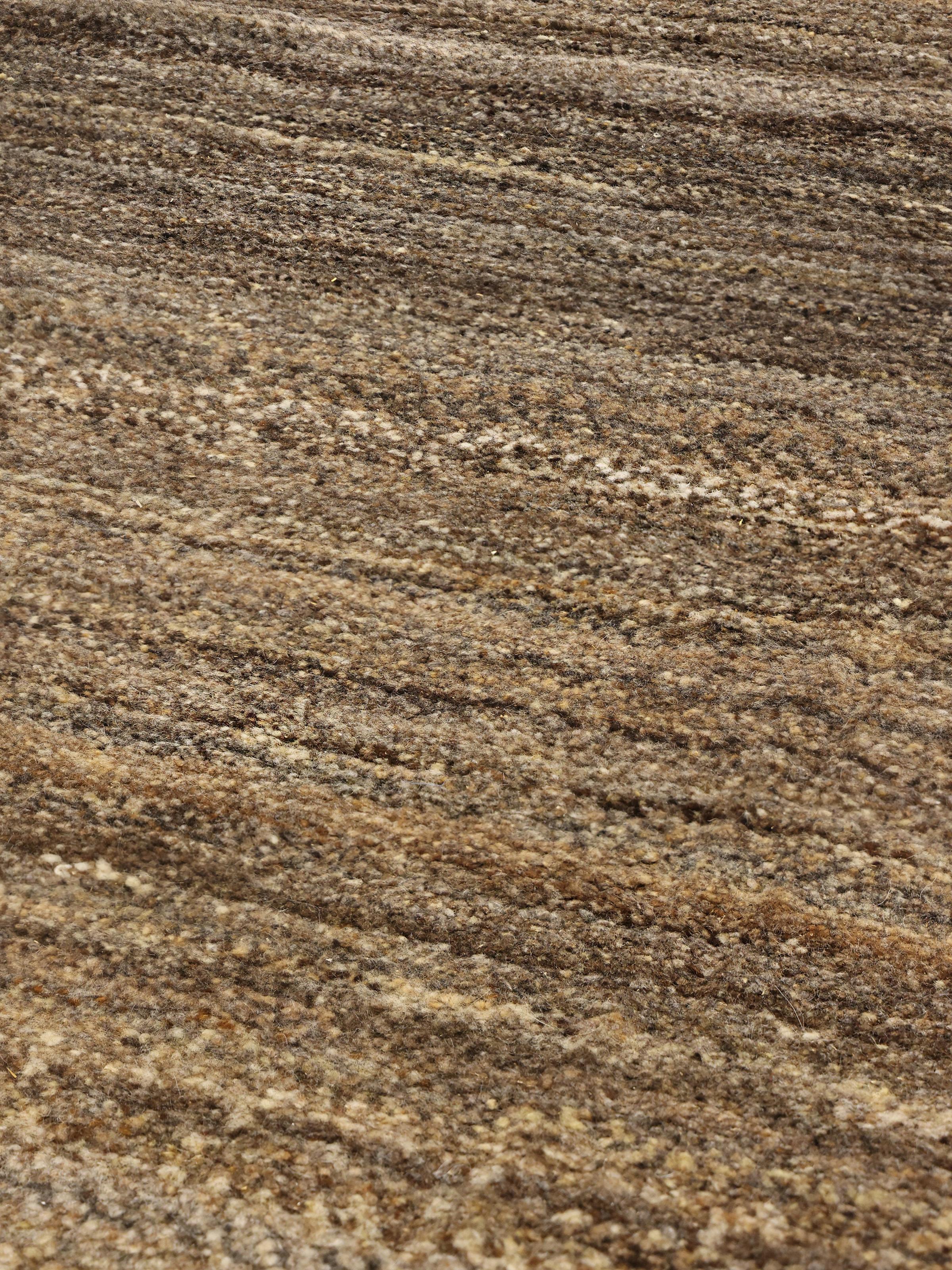
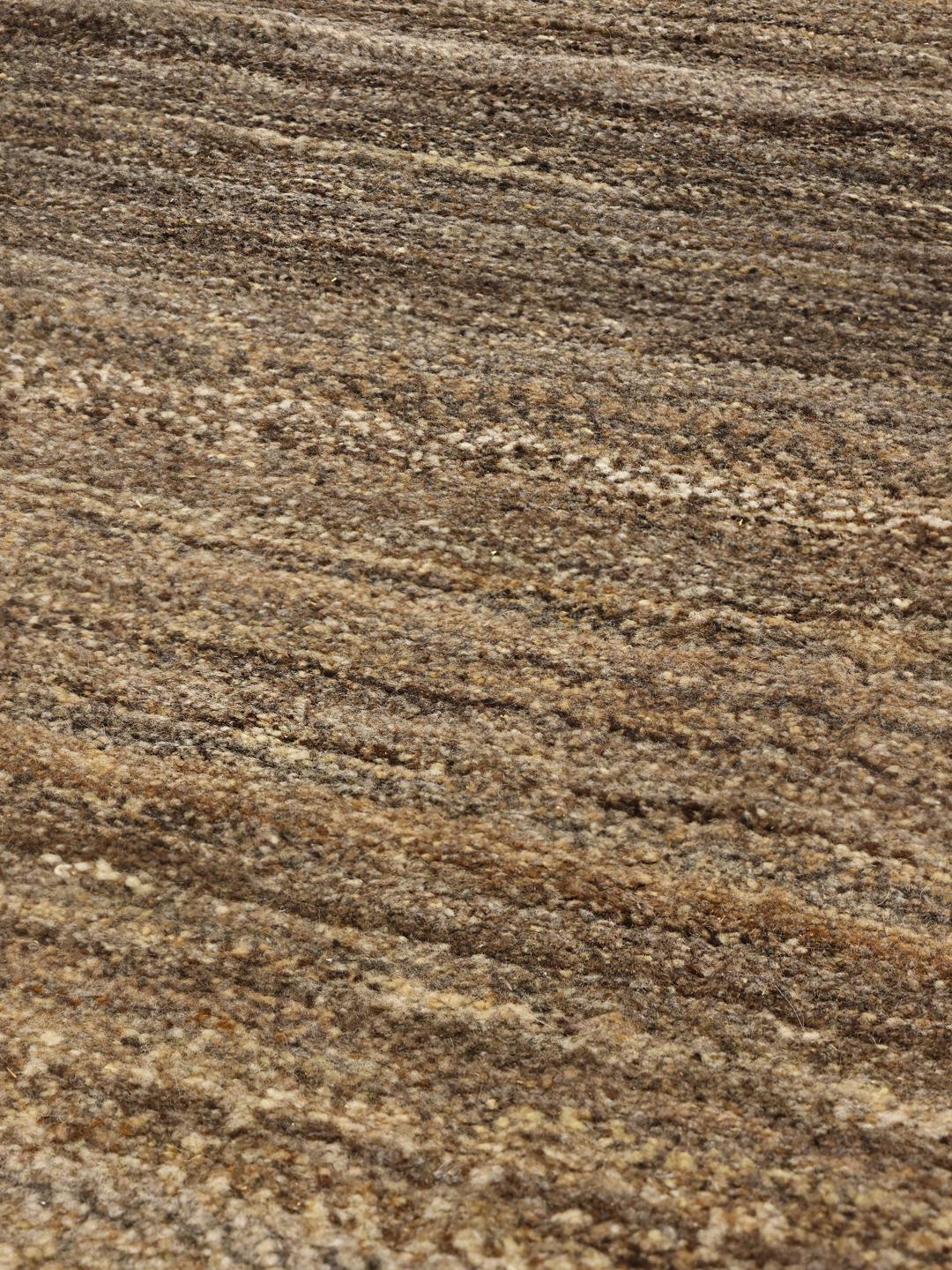
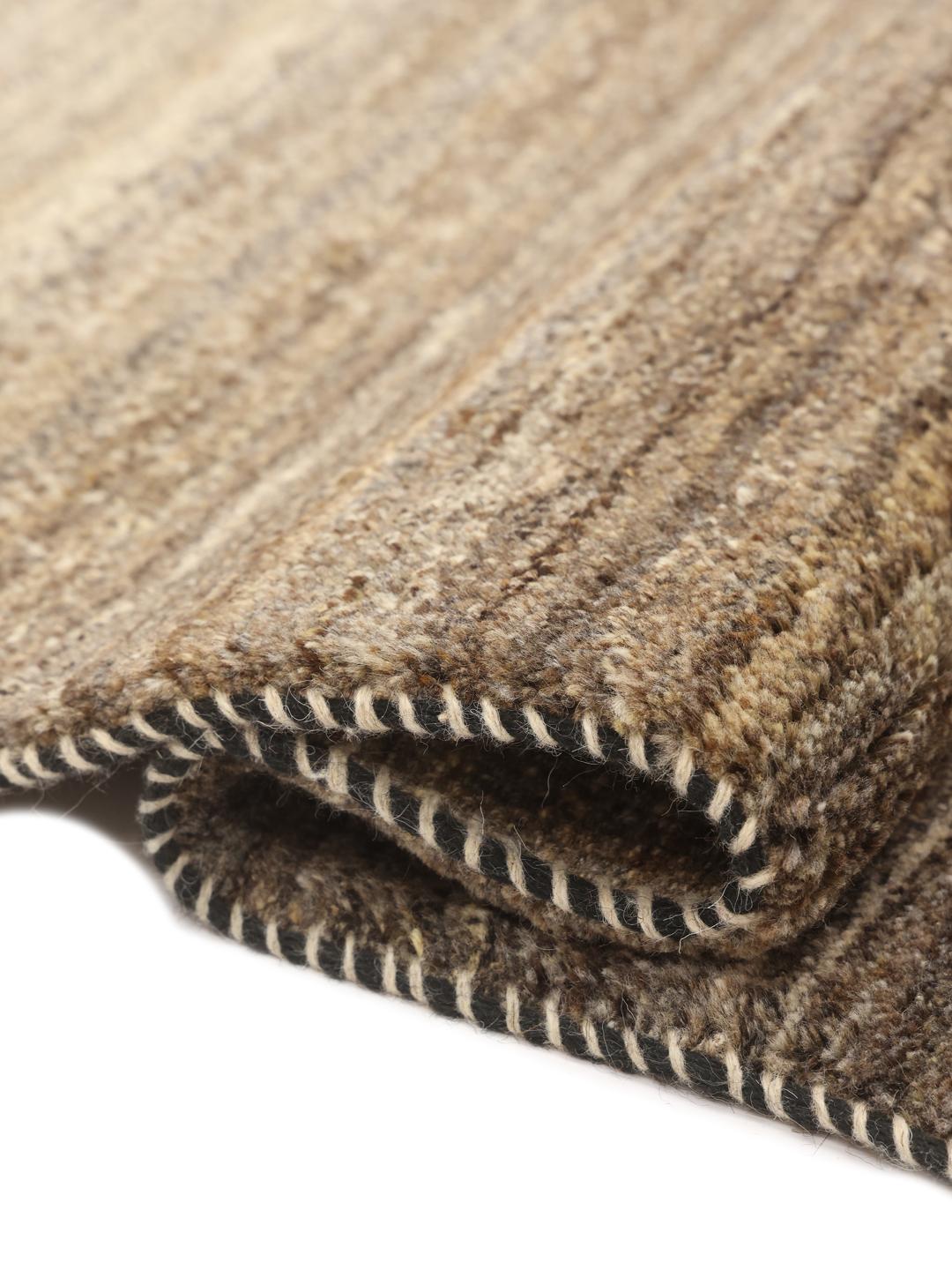
The term 'Gabbeh' itself translates to 'natural' or 'raw,' which speaks to the unrefined and authentic nature of these rugs. Unlike more formal urban carpets, Gabbehs are defined by their thicker pile and broader, more expressive motifs. The use of hand-spun wool is essential to this tradition, as it retains natural oils that lend the pile a soft, lustrous quality that improves with age.
Design-wise, these rugs are known for their minimalist yet powerful visual language. While many traditional rugs are heavily patterned, the Gabbeh style often favours open fields of colour or simple, stylized motifs that reflect the weaver's environment. The subtle variations in tone seen here are a direct result of traditional dyeing methods, which create a vibrant, organic look that is both modern and timeless.
Collectors value these rugs for their honesty and the human connection they represent. Owning a piece from this tradition means bringing a fragment of a nomadic heritage into your home. Each rug is a record of a specific time and place, capturing the skill and personal expression of the artisan who brought it to life.