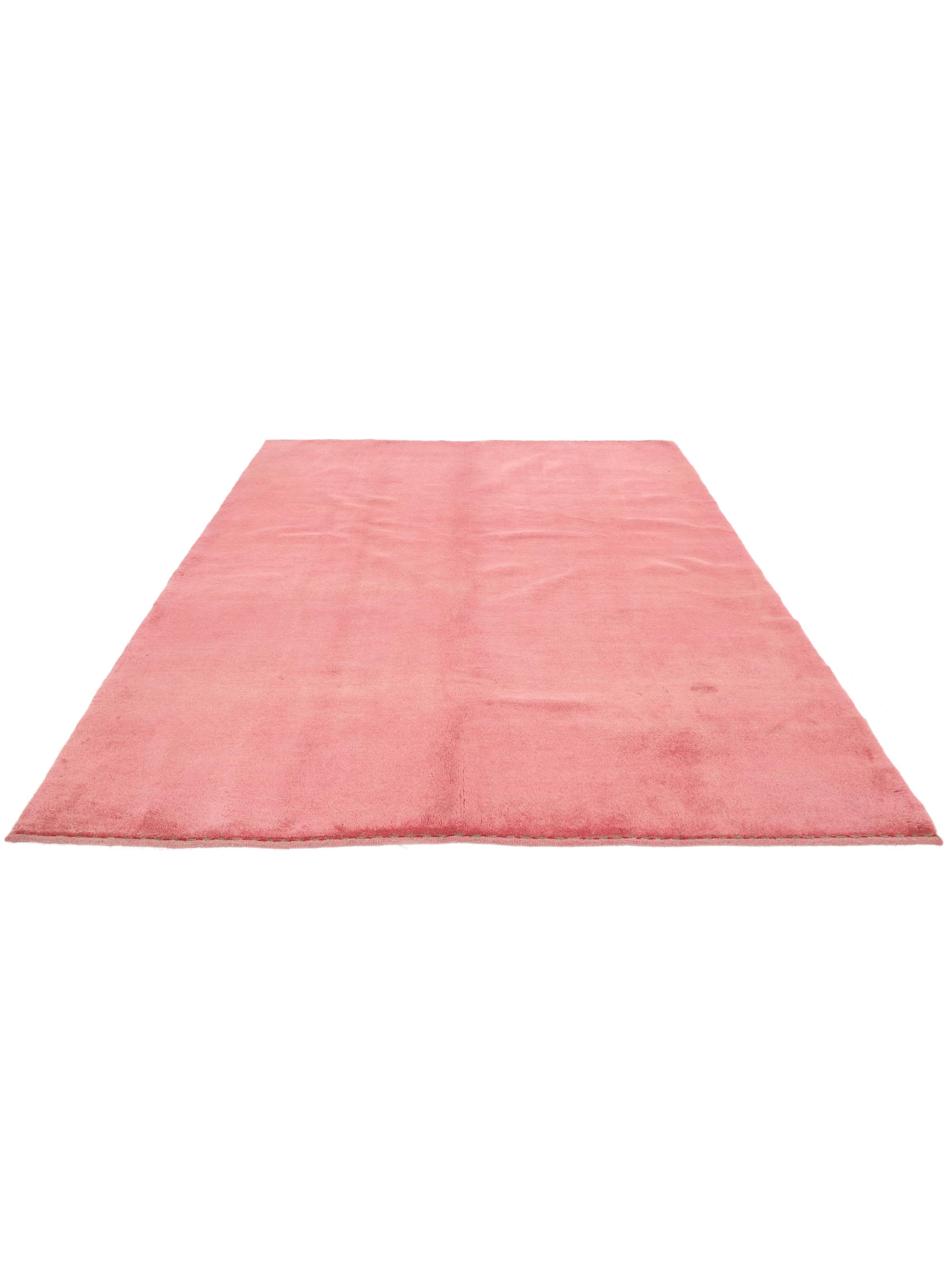
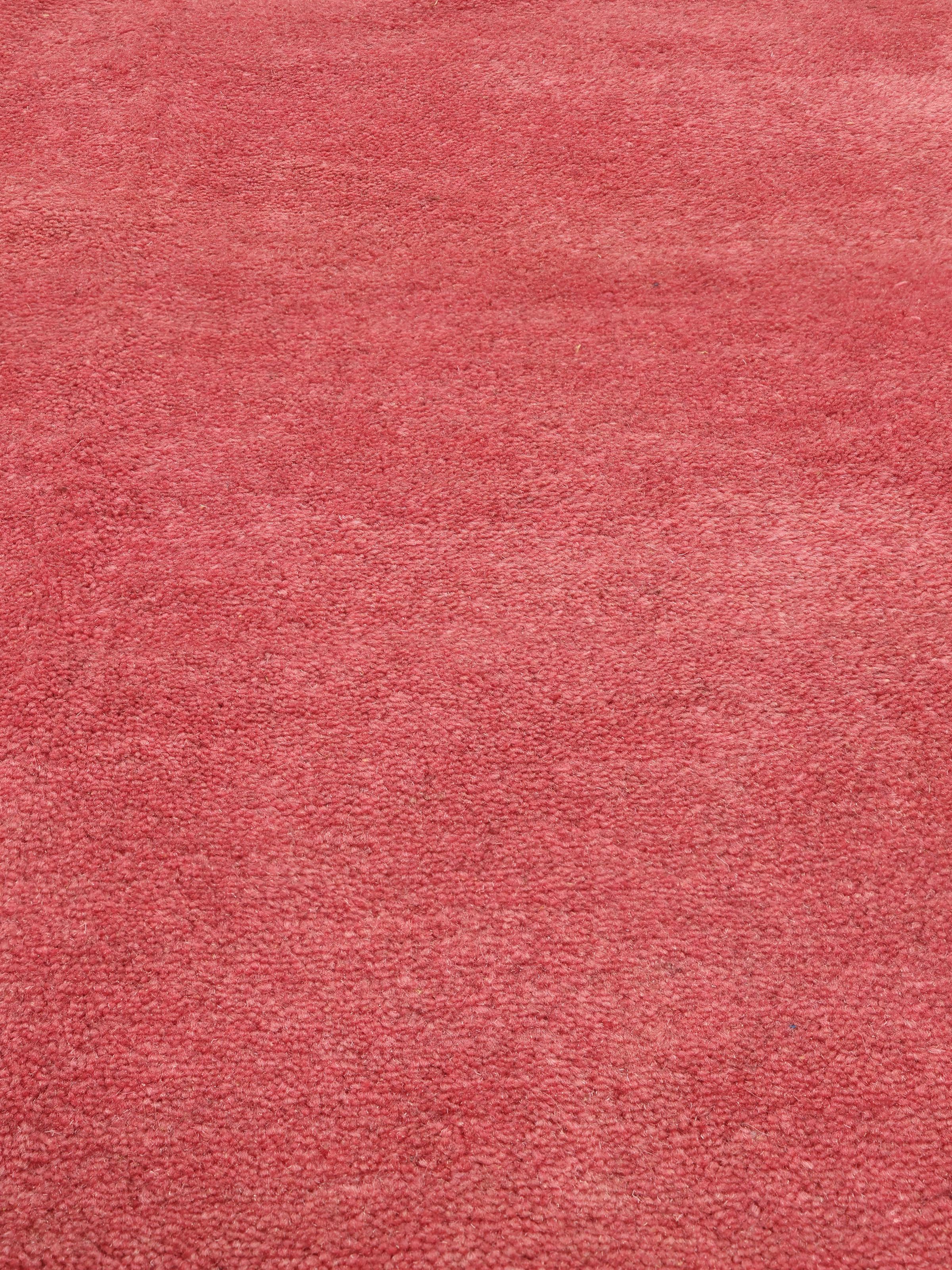
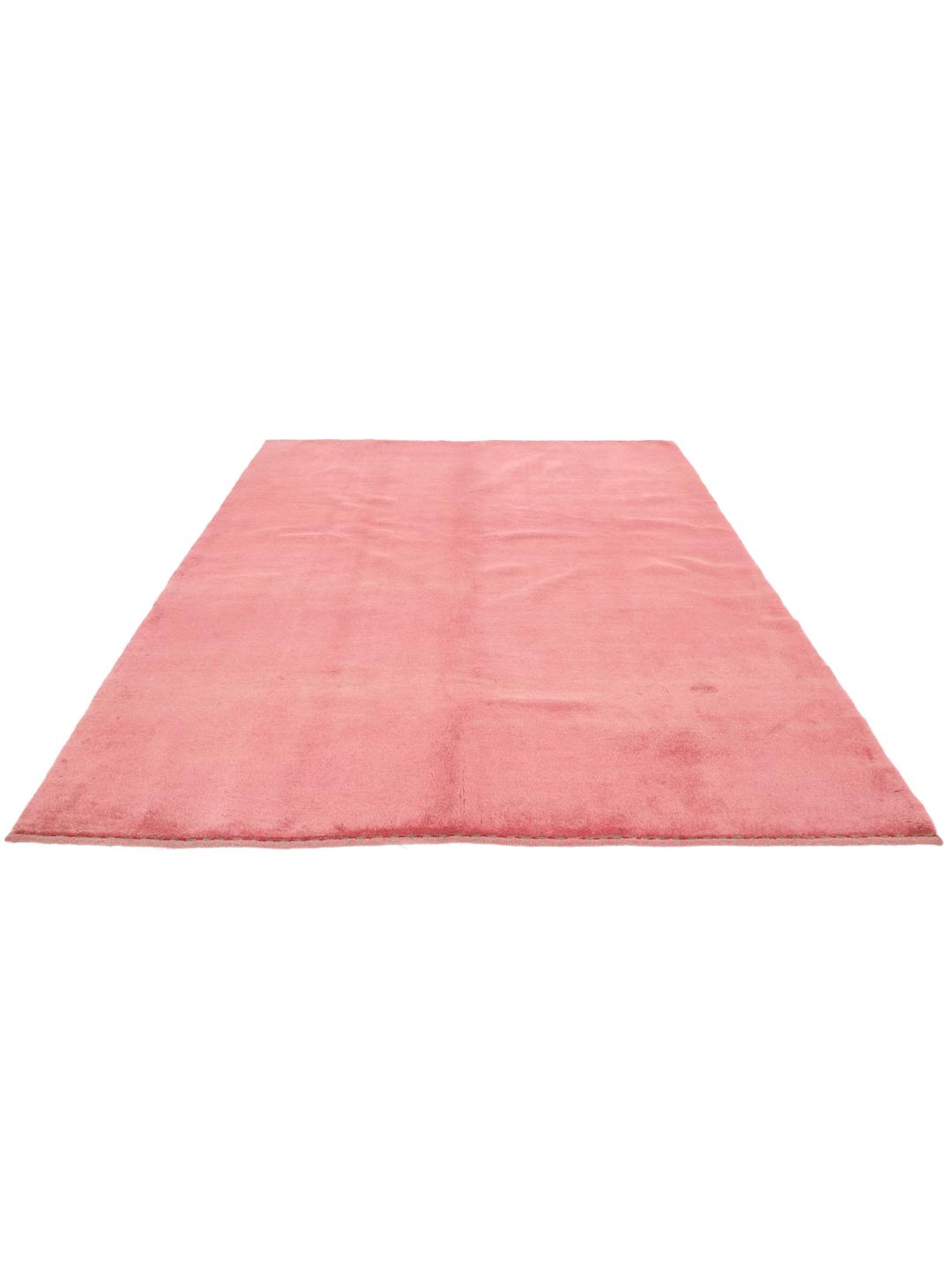
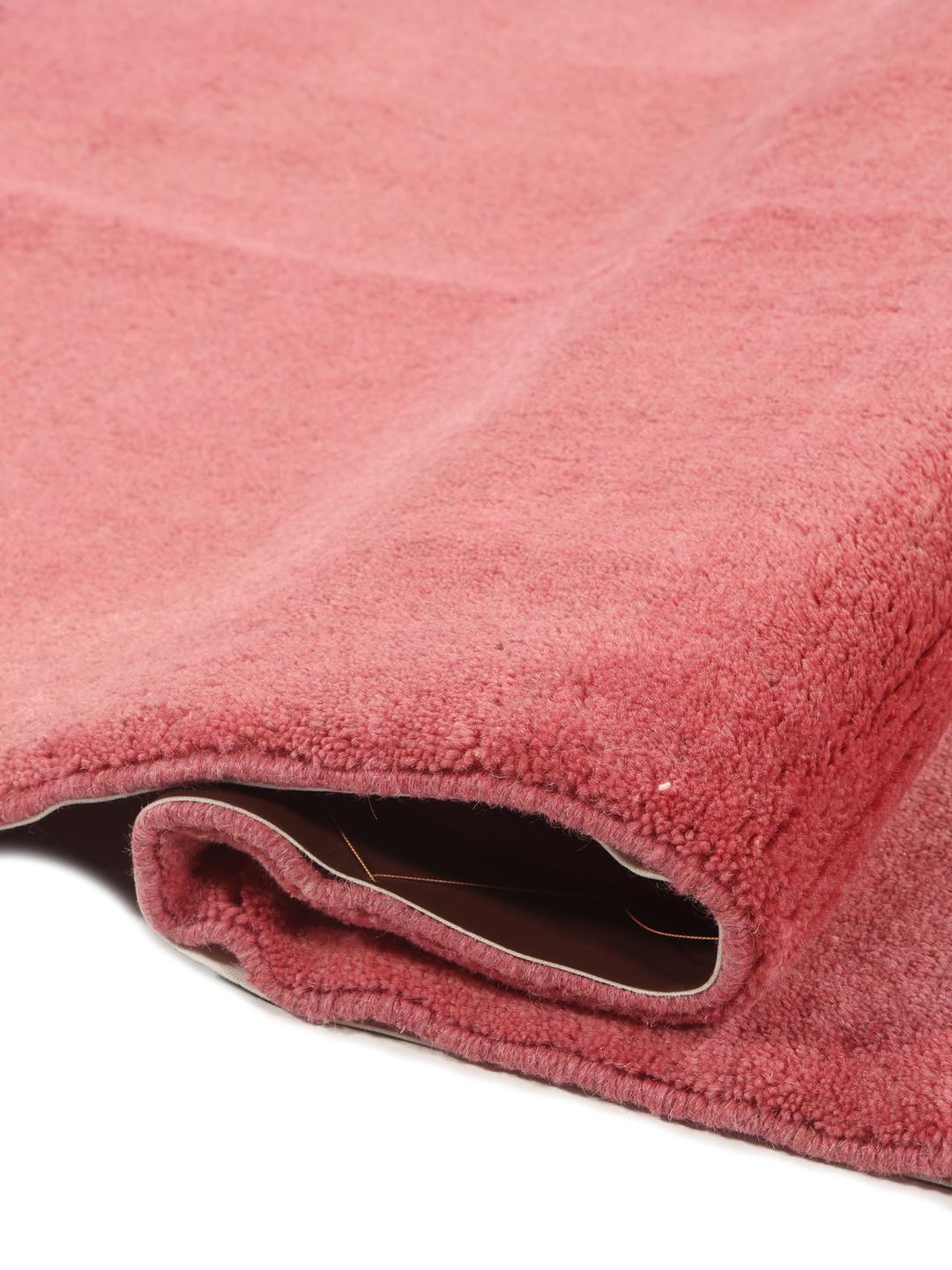
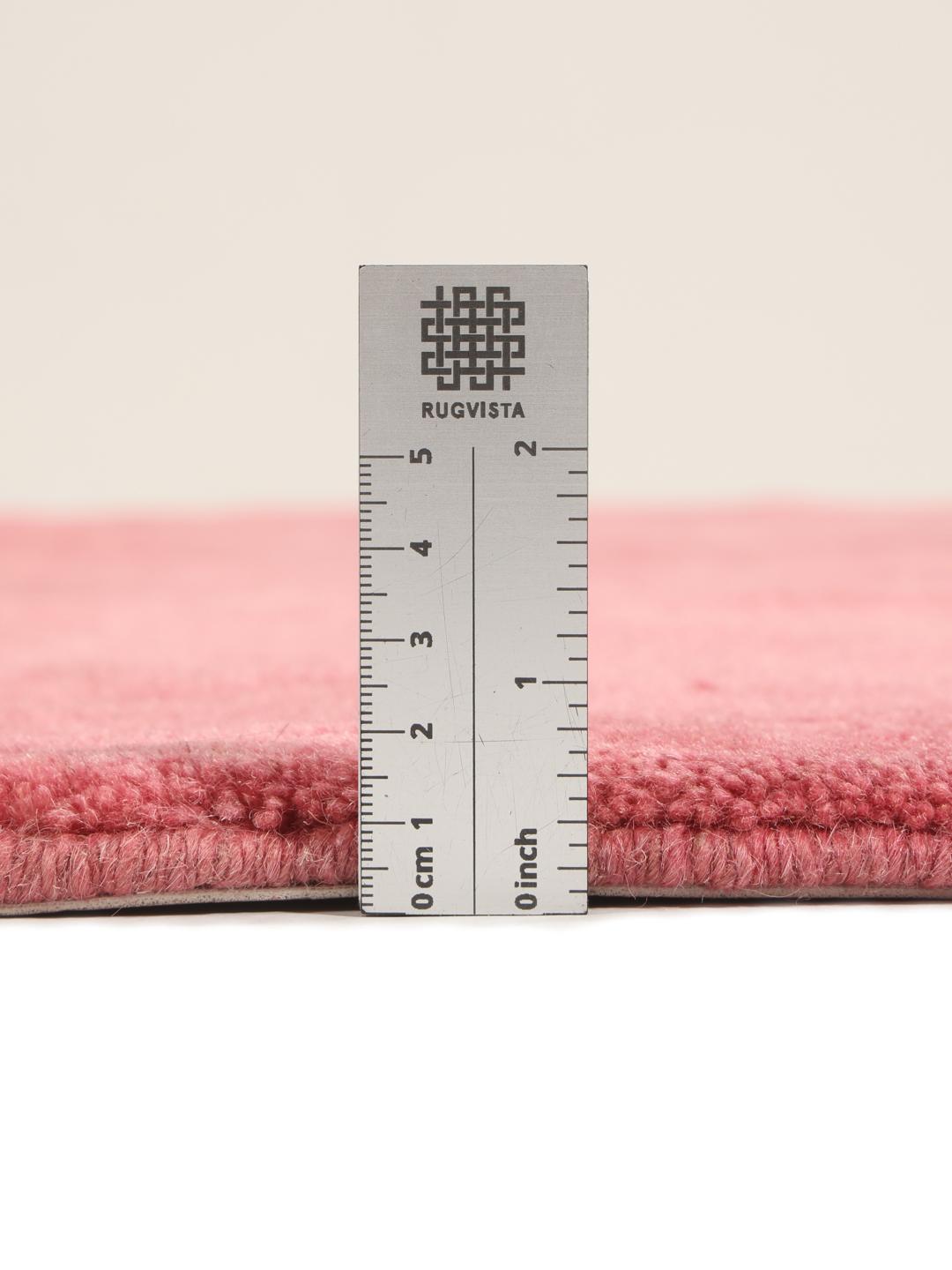
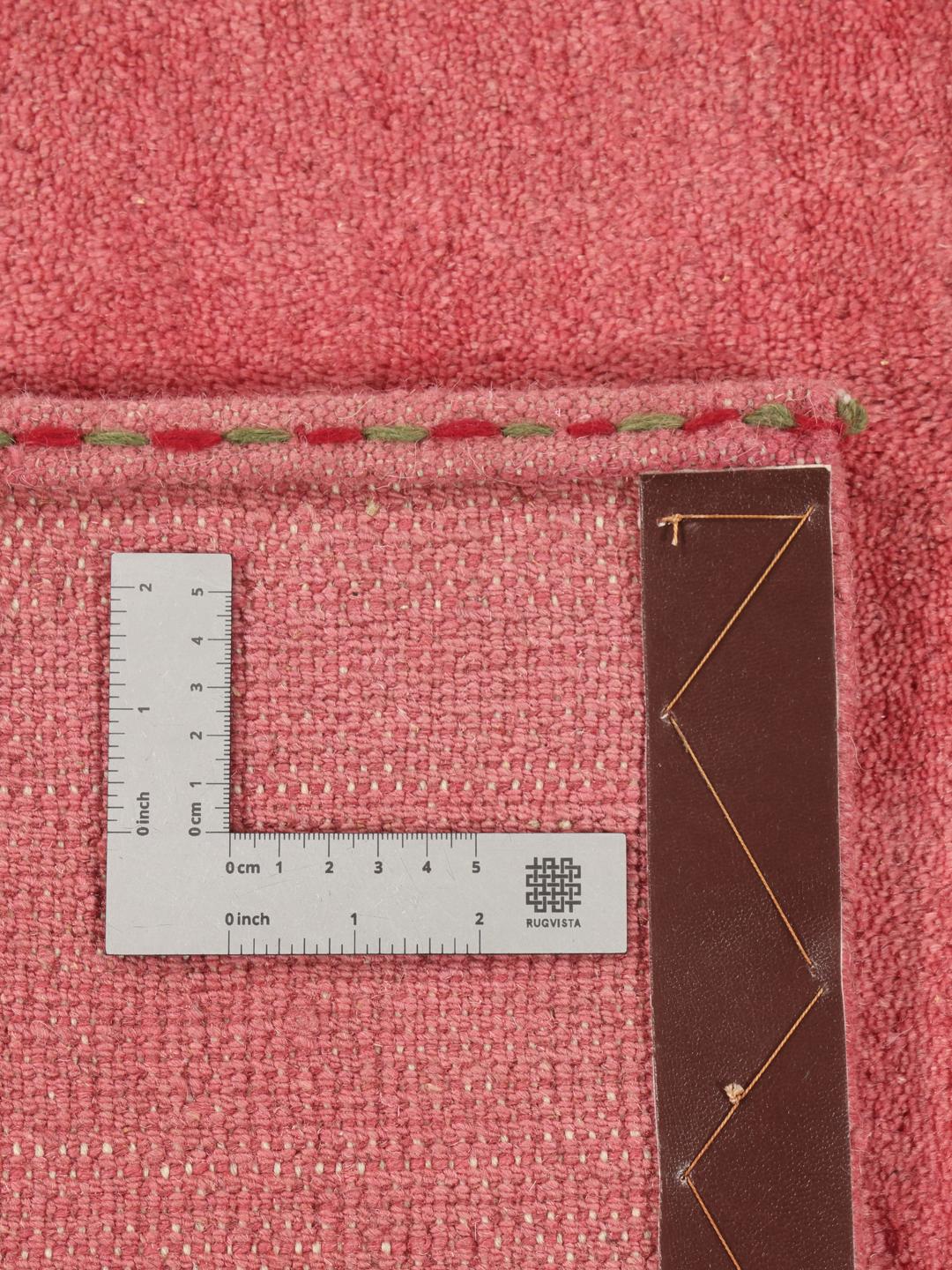
The Gabbeh rug tradition originates from the nomadic tribes of the Middle East, where weavers created these pieces primarily for personal use rather than for trade. Unlike more formal, intricate city rugs, the Gabbeh was designed for comfort, featuring a thicker, coarser pile intended to provide a soft and warm surface for life inside a tent.
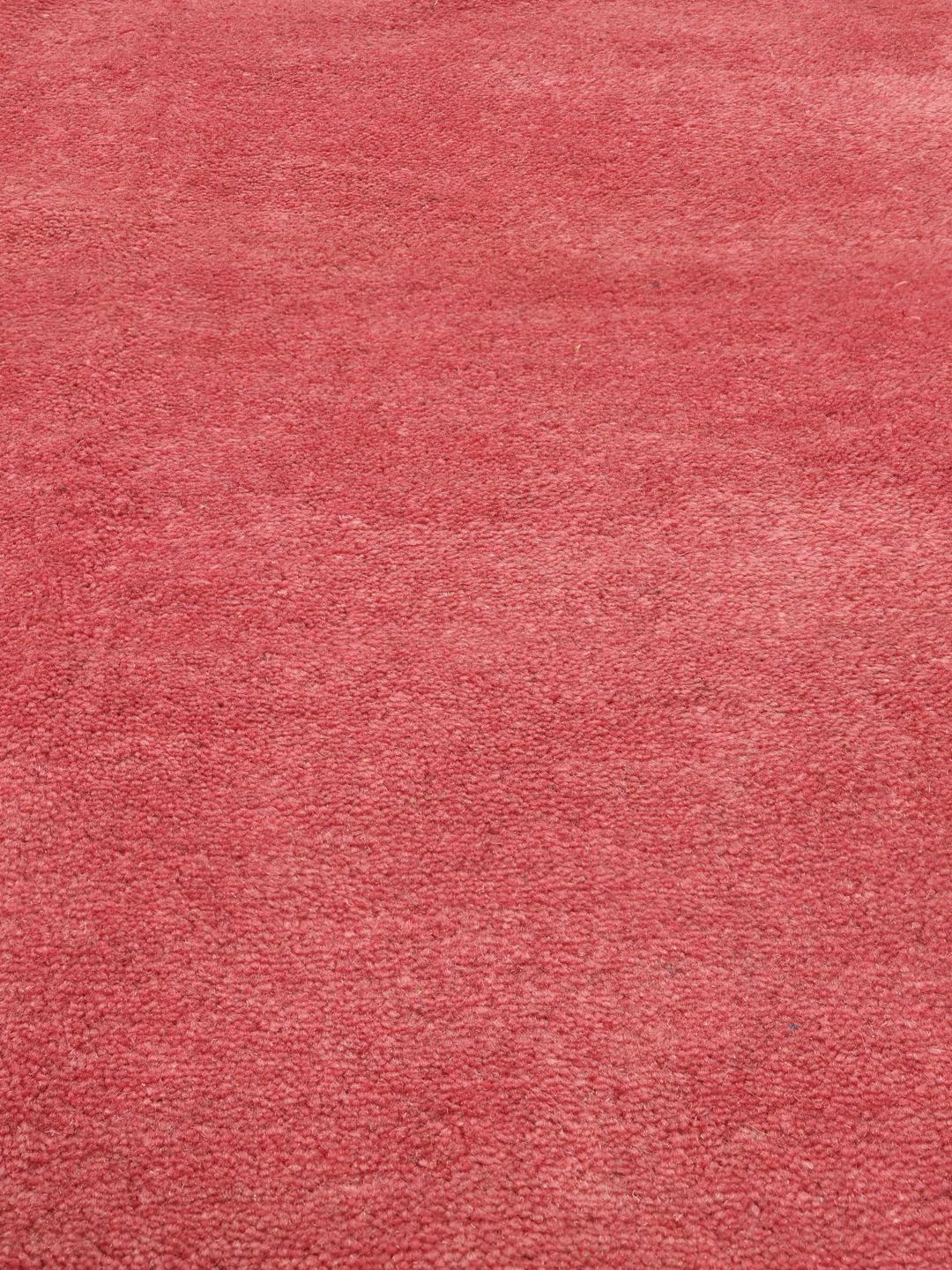
The term 'Gabbeh' itself translates to 'raw' or 'natural', reflecting the tradition’s focus on simplicity and the direct expression of the weaver. These rugs are celebrated for their thick, hand-spun wool and their ability to convey a sense of unadorned beauty through a focus on texture and colour rather than complex, rigid patterns.
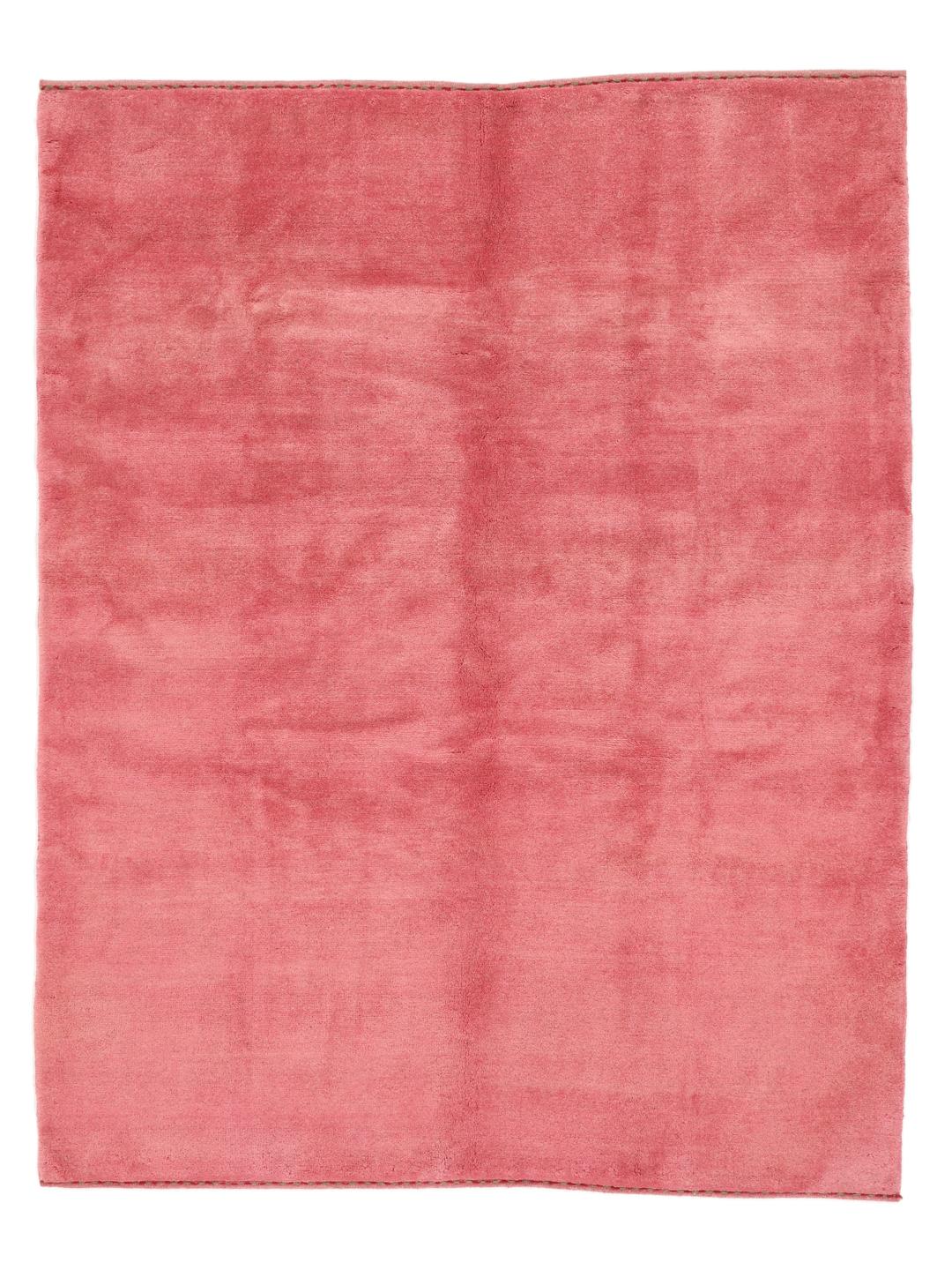
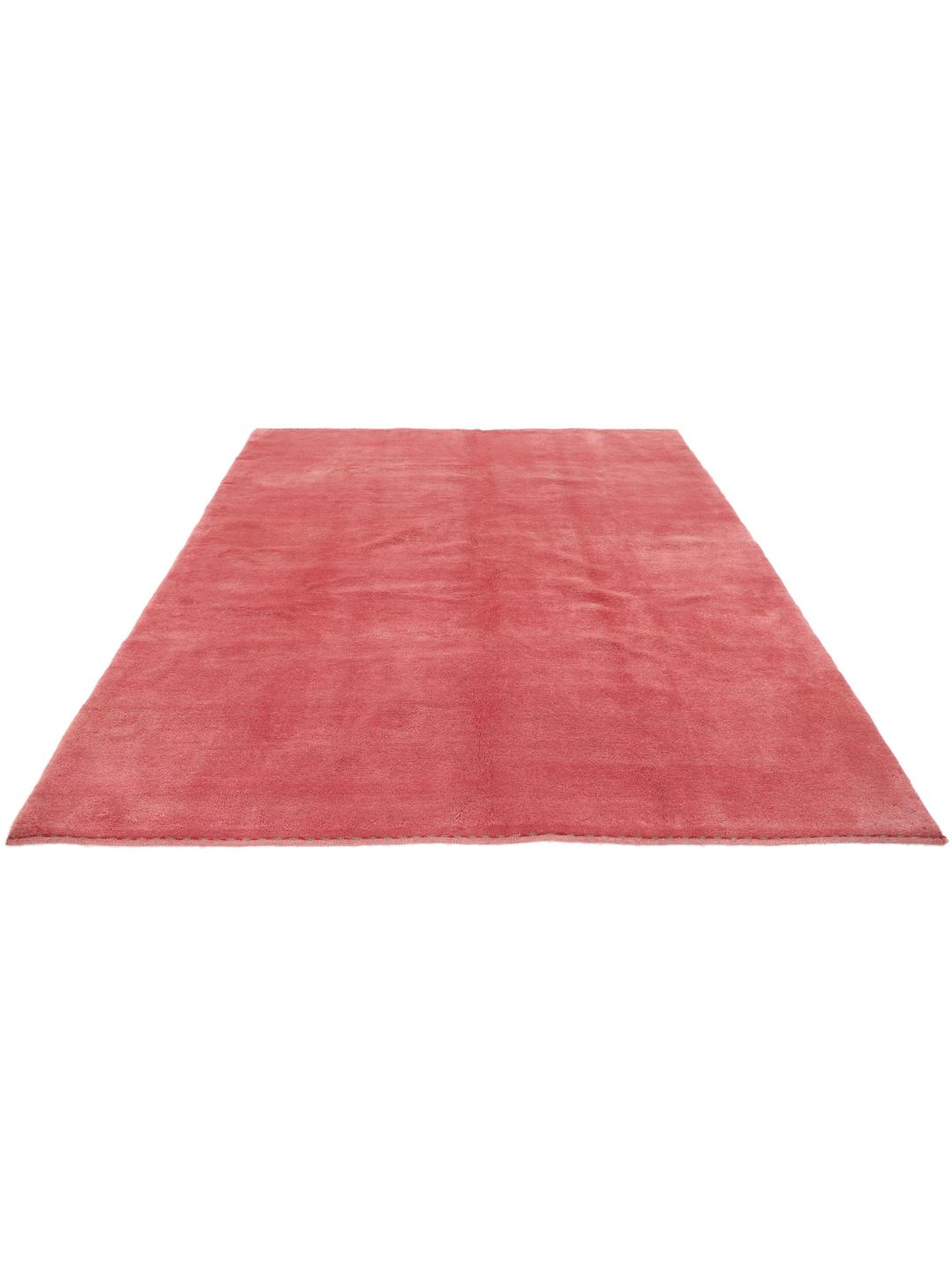
Signature elements of this tradition often include bold, solid fields or simple, spontaneous geometric motifs that arise from the weaver's imagination. While many traditional rugs follow strict, pre-planned designs, the Gabbeh is known for its free-form nature, making each rug a canvas for the artisan's individual creative process.
Today, these rugs are highly valued by collectors for their authenticity and the deep cultural connection they offer to ancient nomadic practices. Owning a Gabbeh is not just about floor coverage, but about bringing a piece of living history into your home that celebrates the skill, spontaneity, and enduring quality of traditional craft.