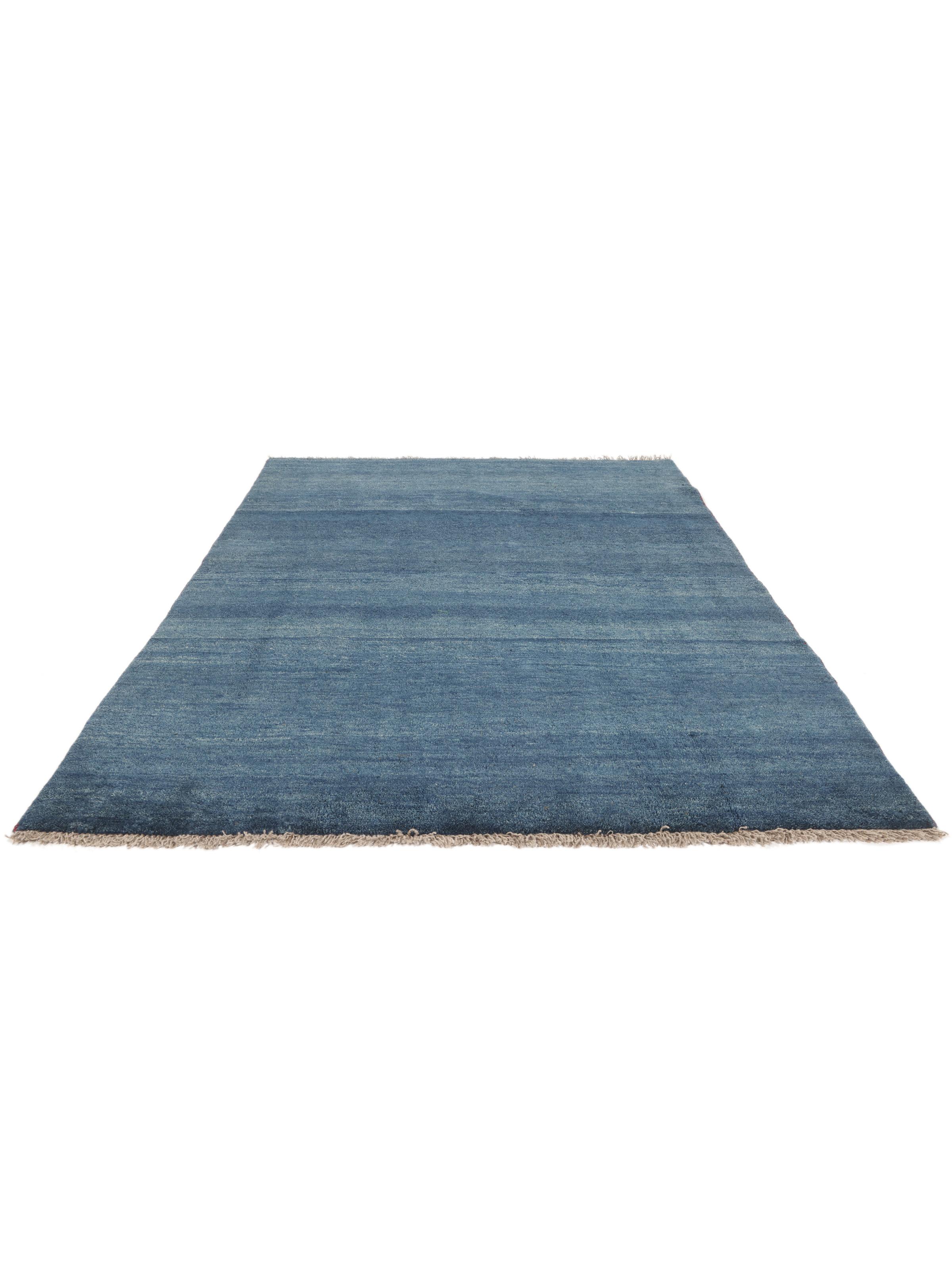
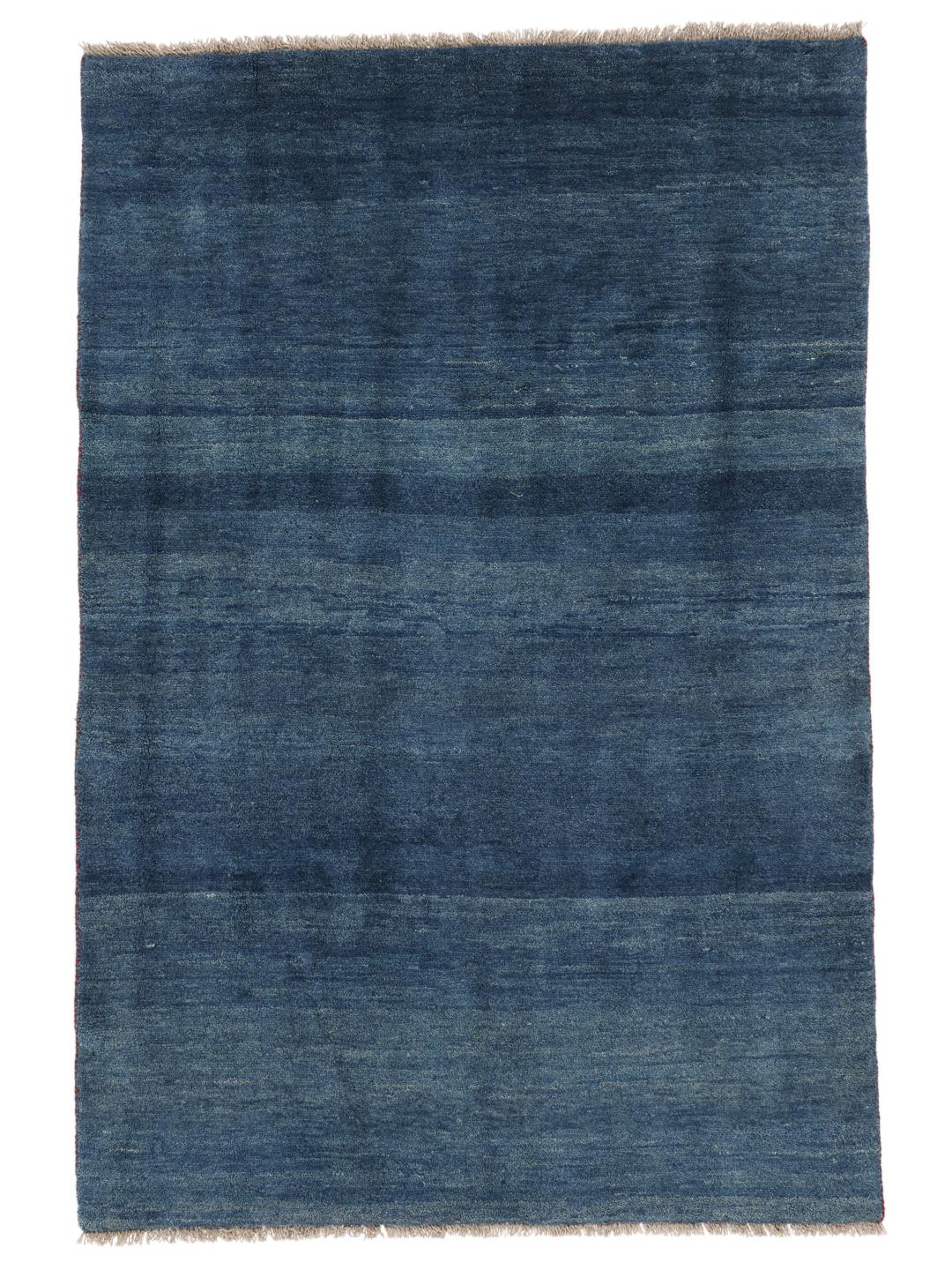
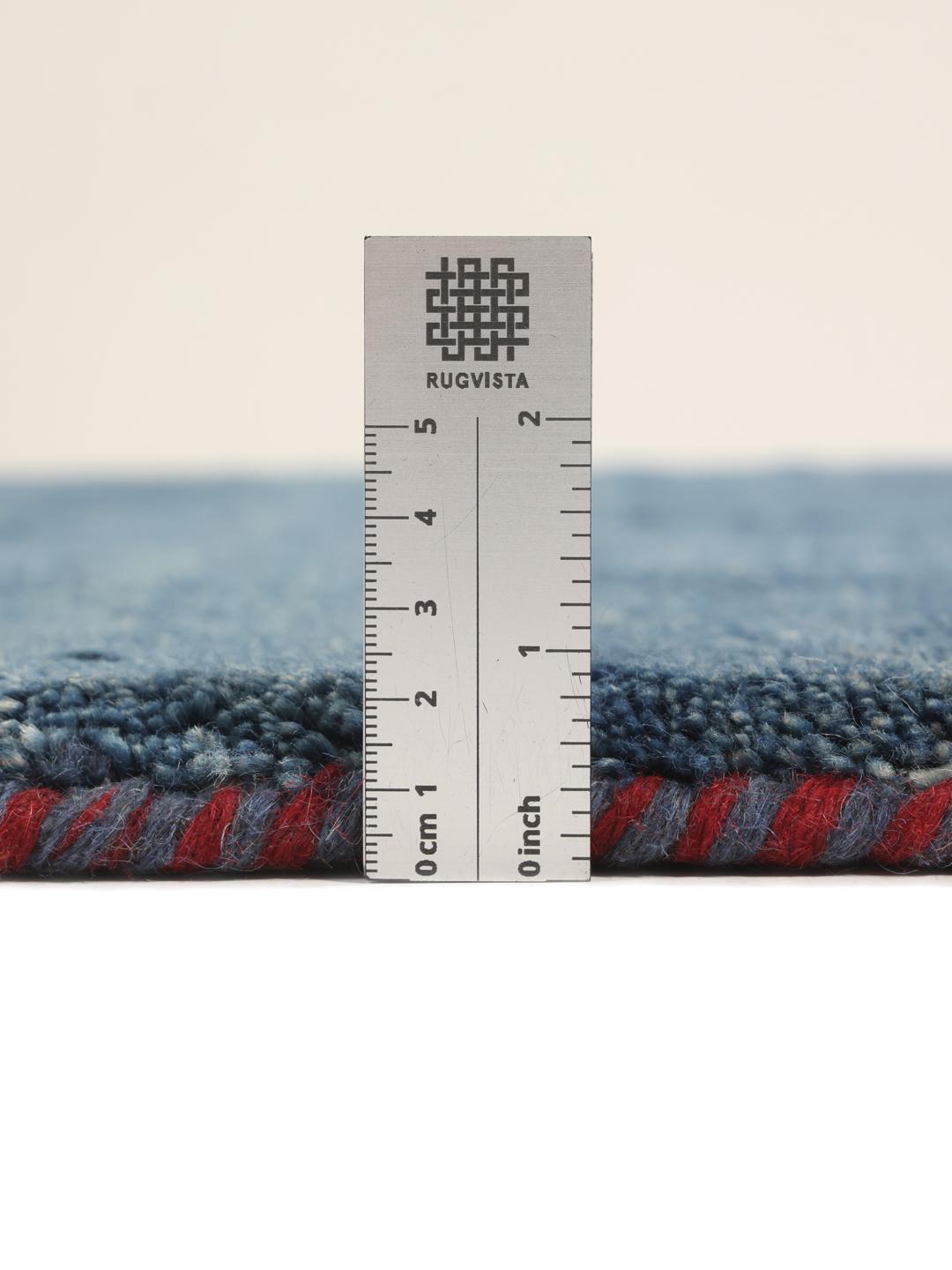
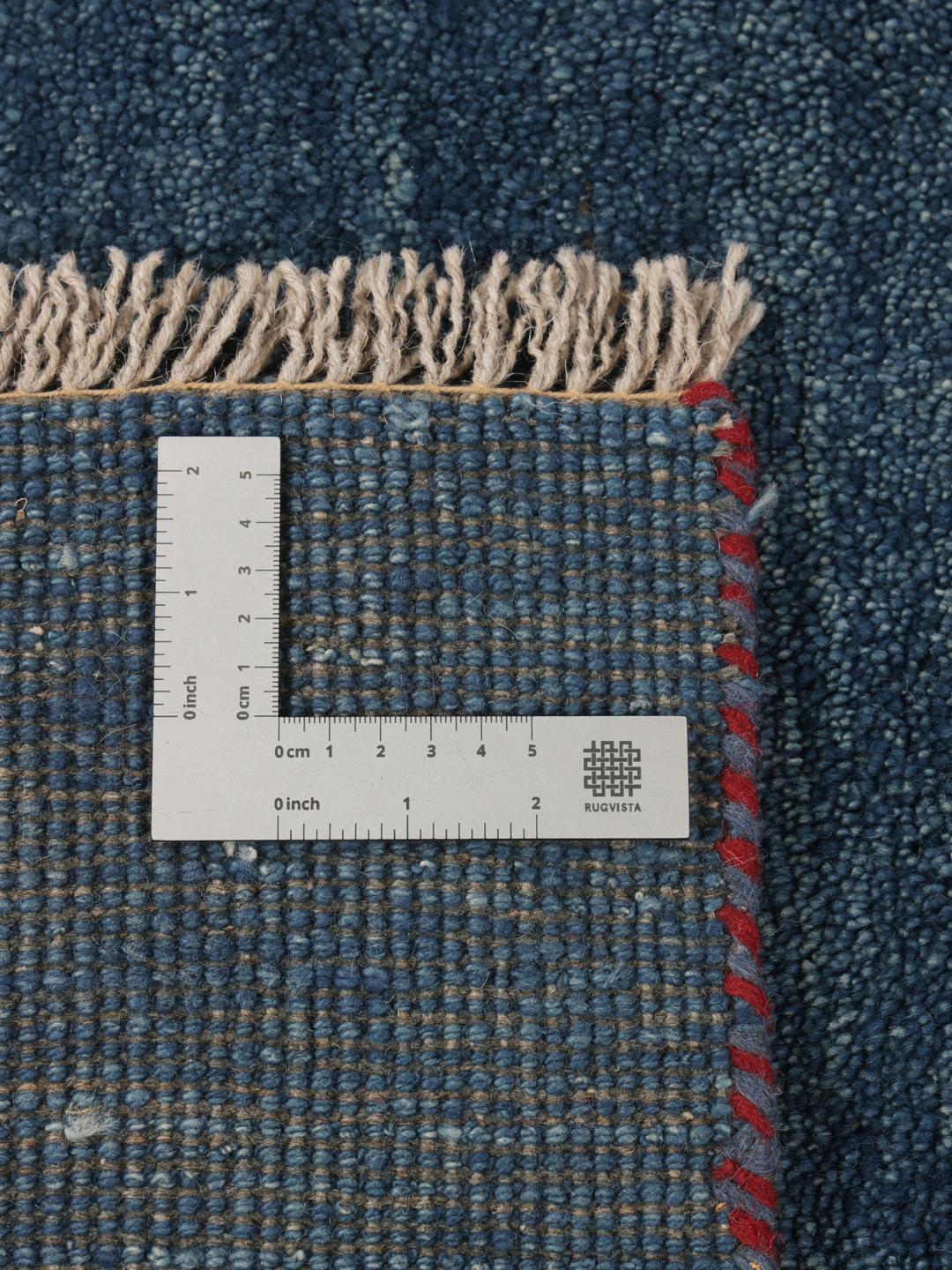
The Gabbeh tradition originates from the tribal regions of the Middle East, where nomadic weavers created these rugs primarily for their own domestic use. Historically, these pieces were crafted to provide warmth and comfort in harsh environments, featuring simple, bold designs that reflected the weaver's natural surroundings. Today, the Gabbeh has evolved into a celebrated style, prized for its honest, artistic expression and its rejection of rigid, formal patterns.
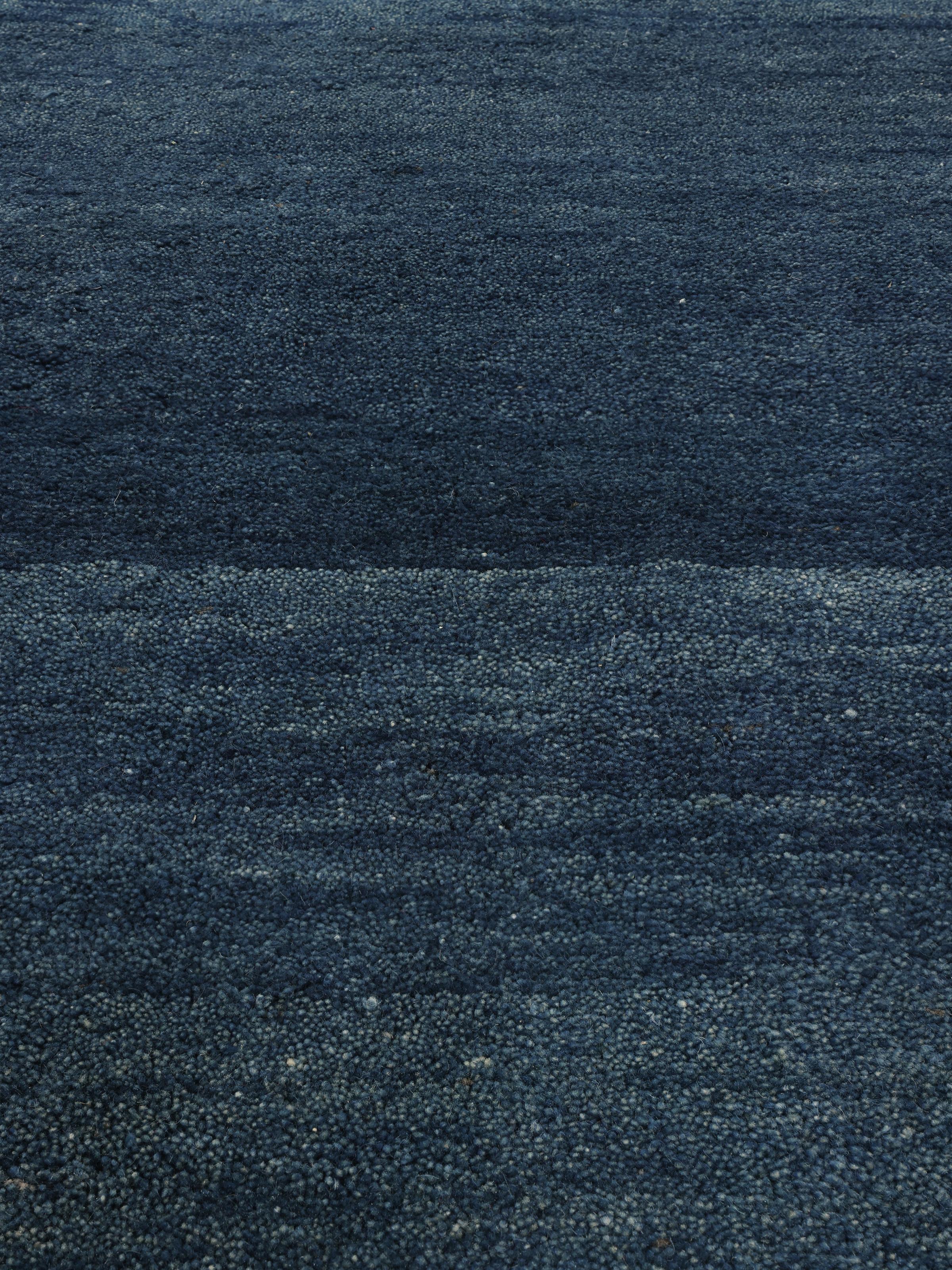
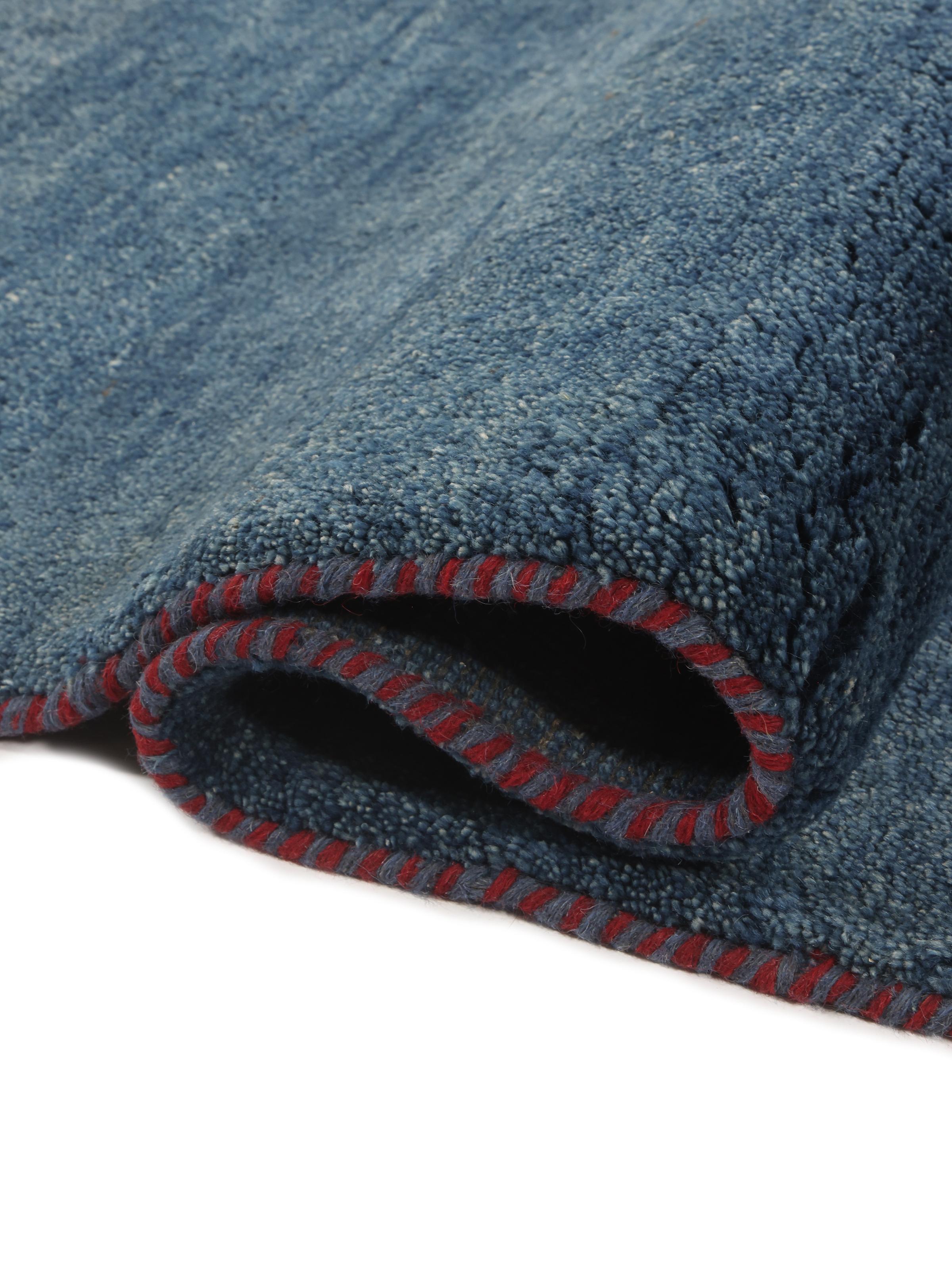
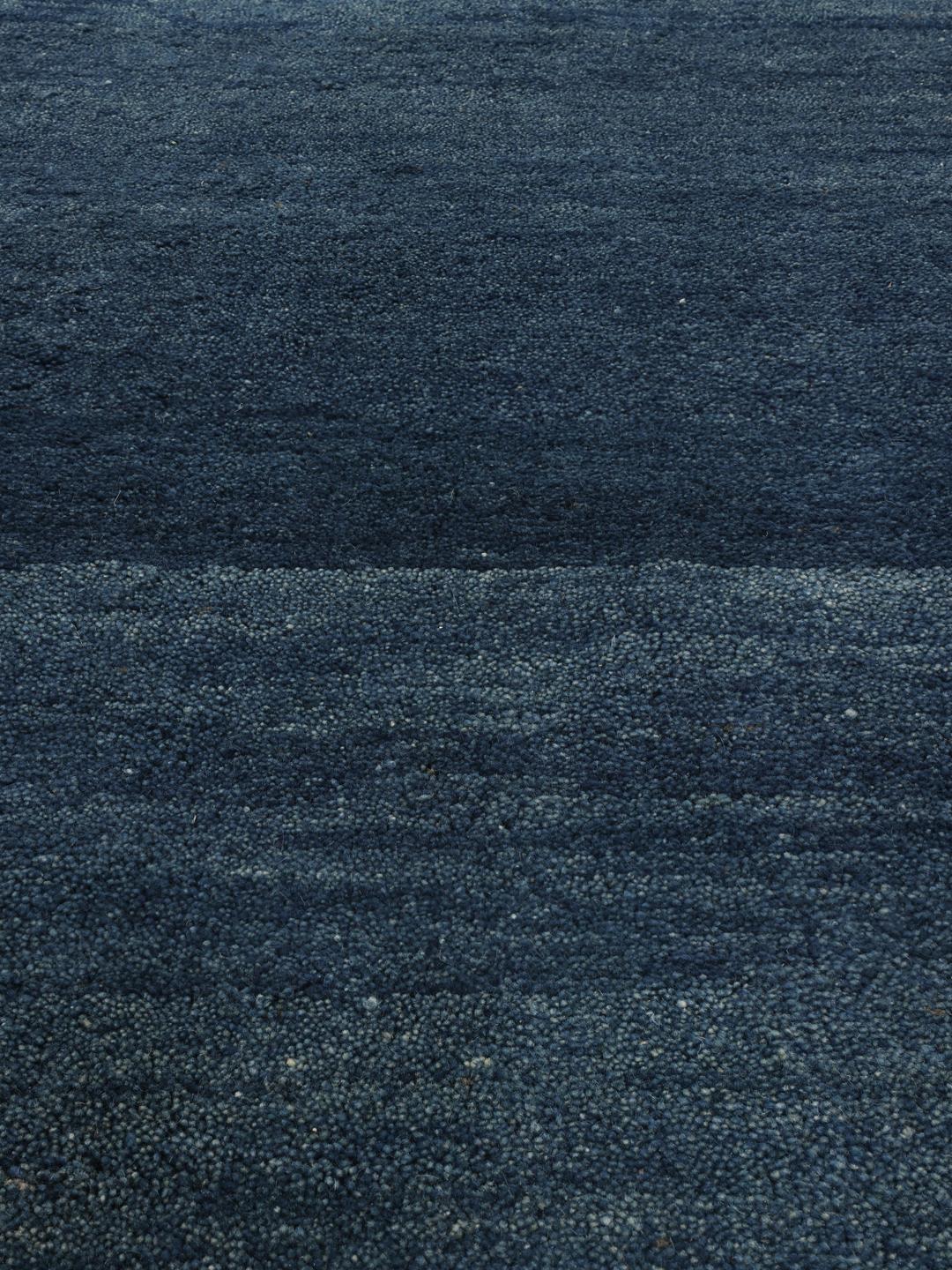
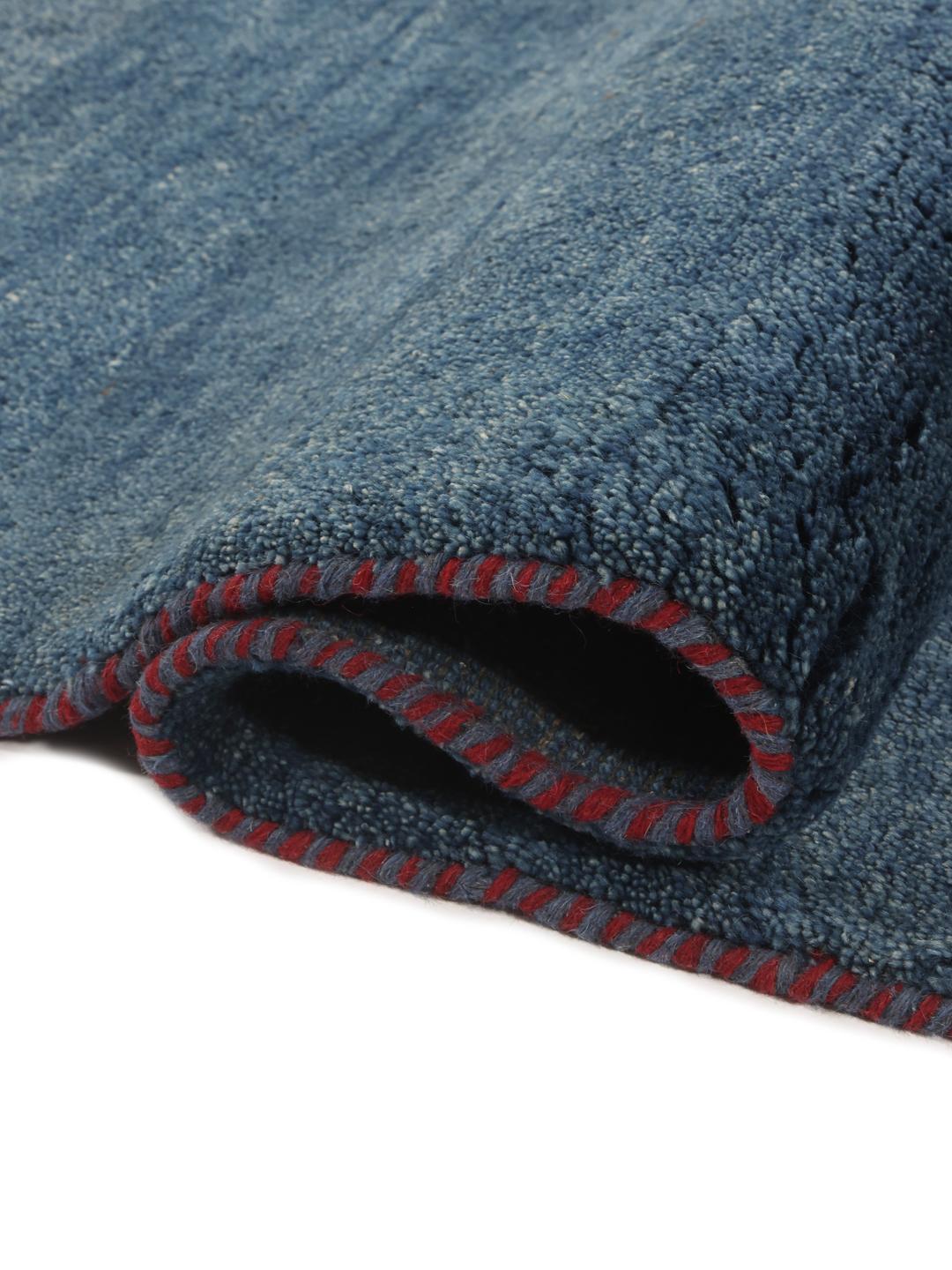
The term 'Fine' in this context refers to the elevated quality of the materials and the increased precision of the knotting process compared to traditional, coarser tribal versions. This refinement allows for a more consistent pile and a smoother surface while still maintaining the rustic, soulful appeal that defines the category. It represents a bridge between ancient nomadic utility and modern, high-end interior aesthetics.
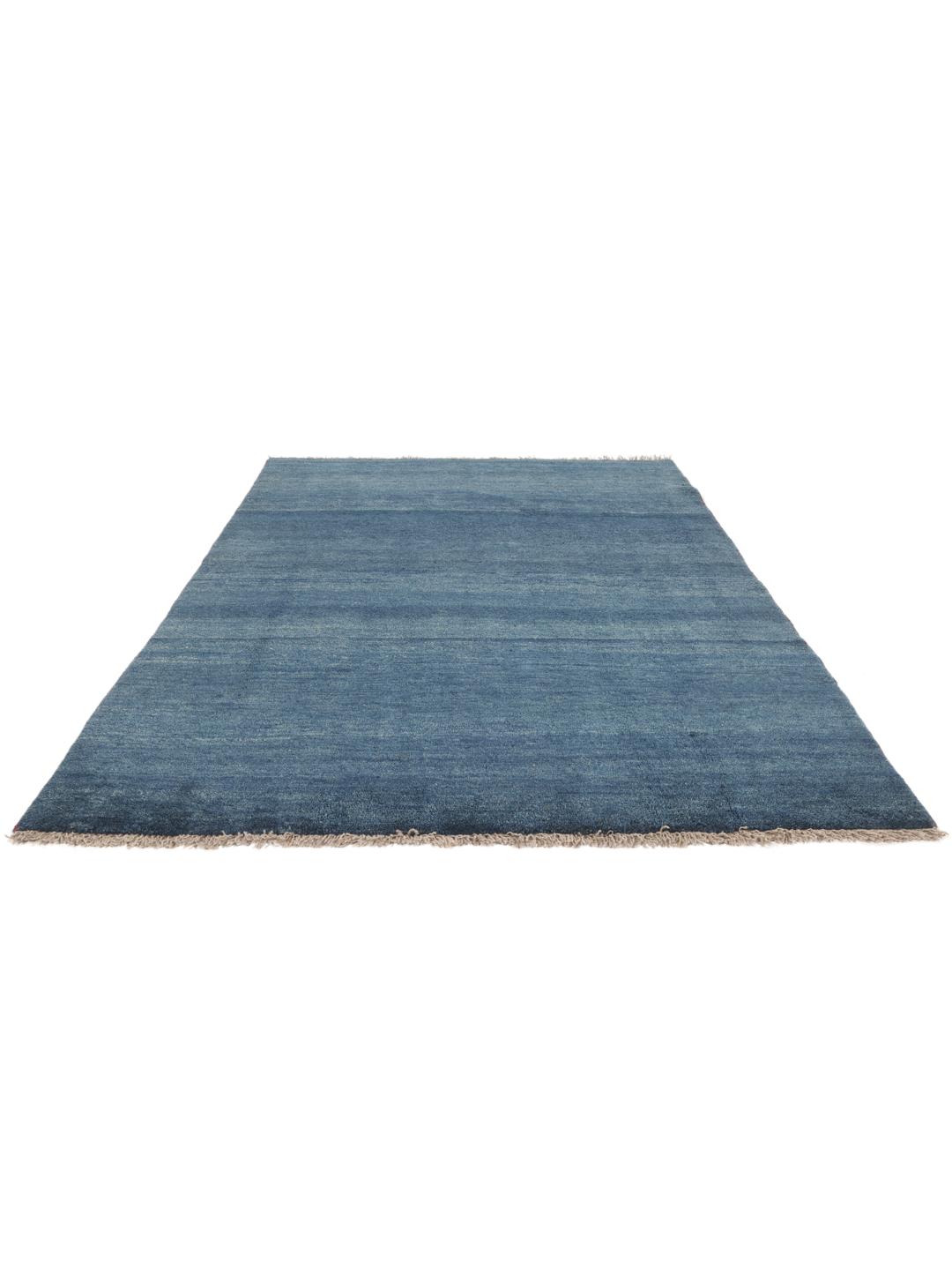
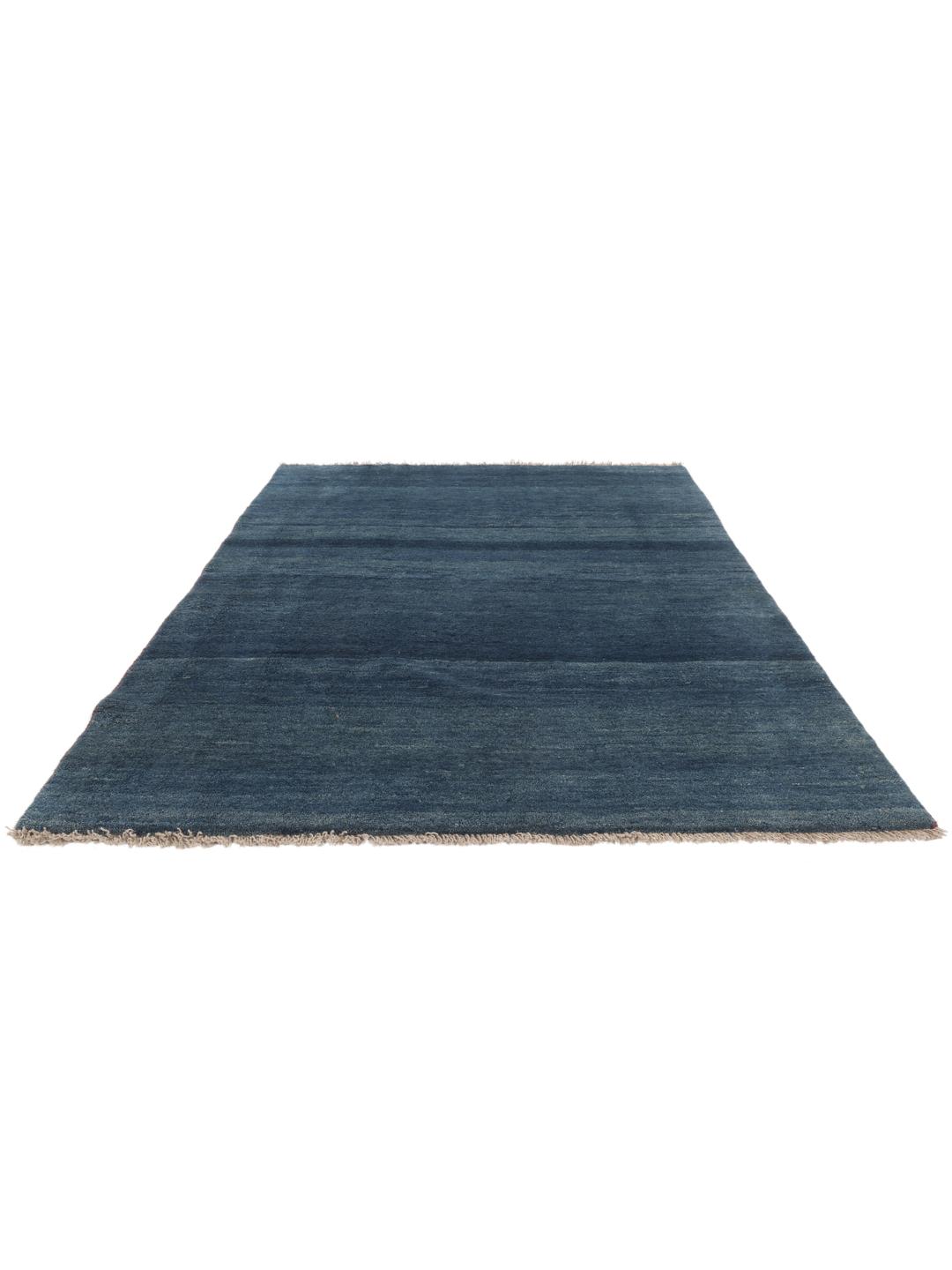
Visually, these rugs are often defined by their minimalist fields, where the focus is placed entirely on the interplay of colour and texture rather than complex geometric motifs. The use of natural dyes often results in subtle variations—sometimes called 'abrash'—which give the rug a living, breathing appearance that shifts slightly under different lighting. This design choice highlights the beauty of the wool and the depth of the colour palette.
Collecting a rug from this tradition is an act of preserving a rich cultural heritage. Owning a piece like this means connecting with a lineage of weavers whose skill and creativity have remained vital for centuries. It is not merely a floor covering, but a testament to a craft that values human touch, patience, and the enduring beauty of traditional materials, making it a meaningful addition to any collection.