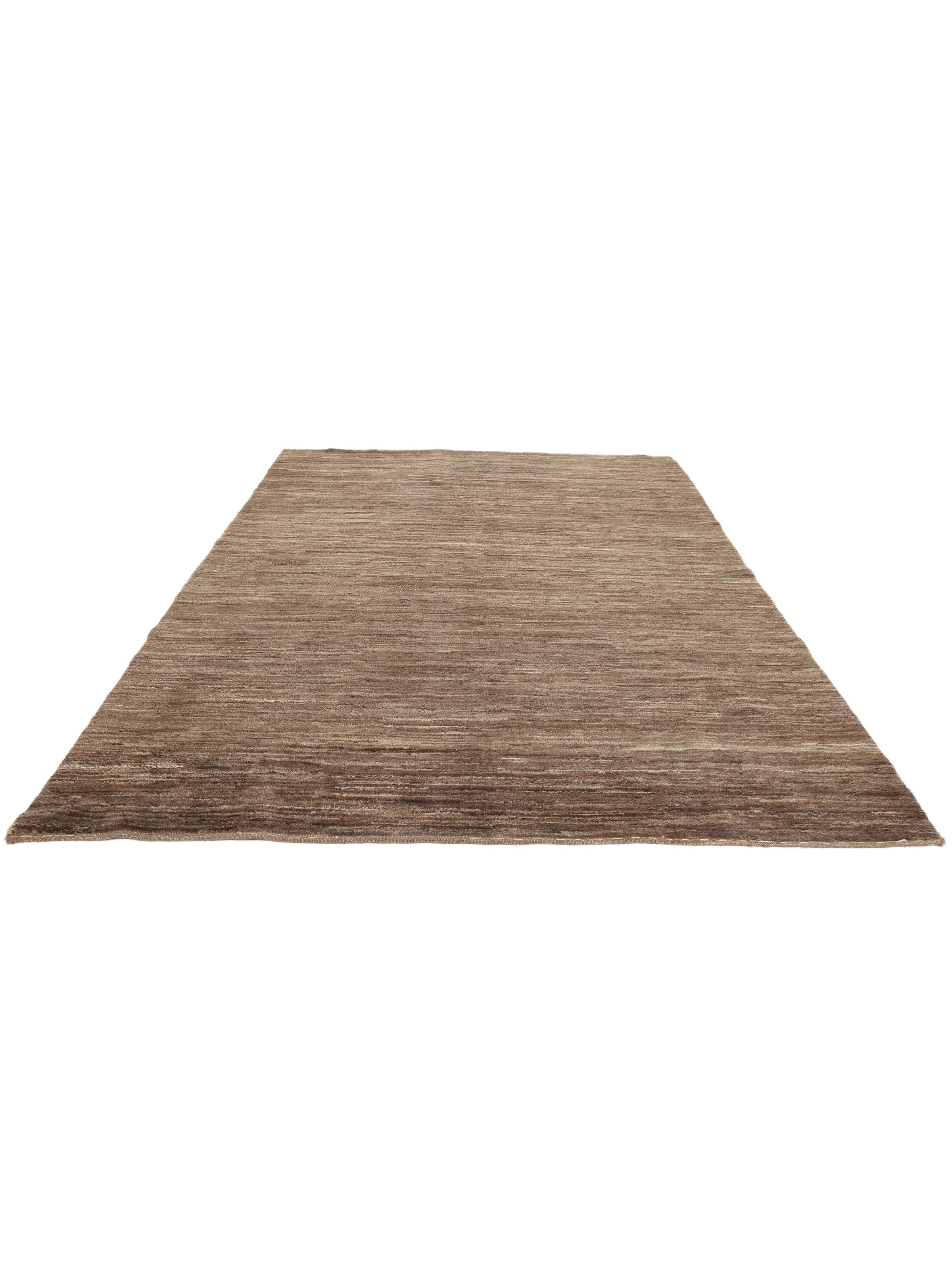
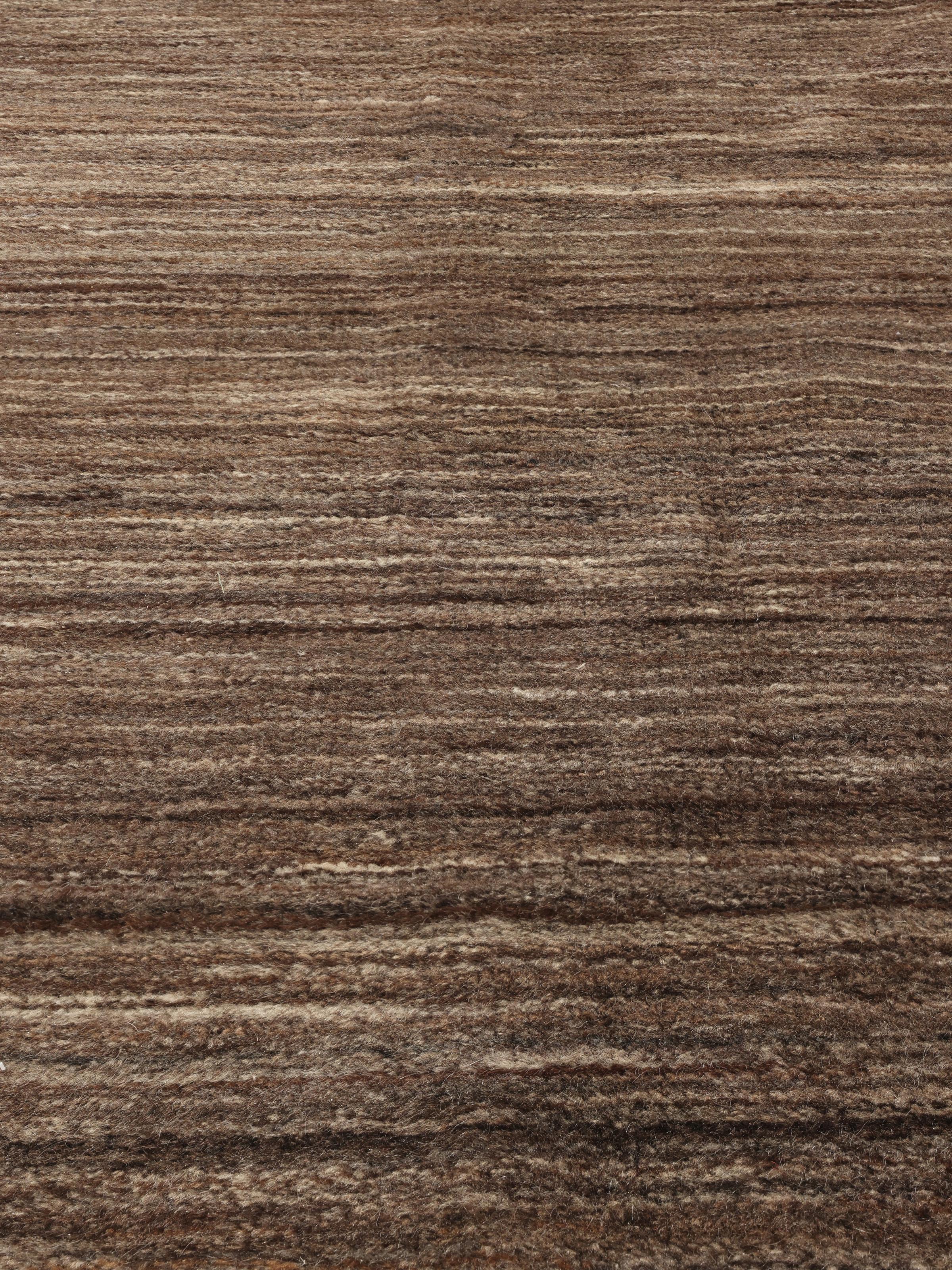
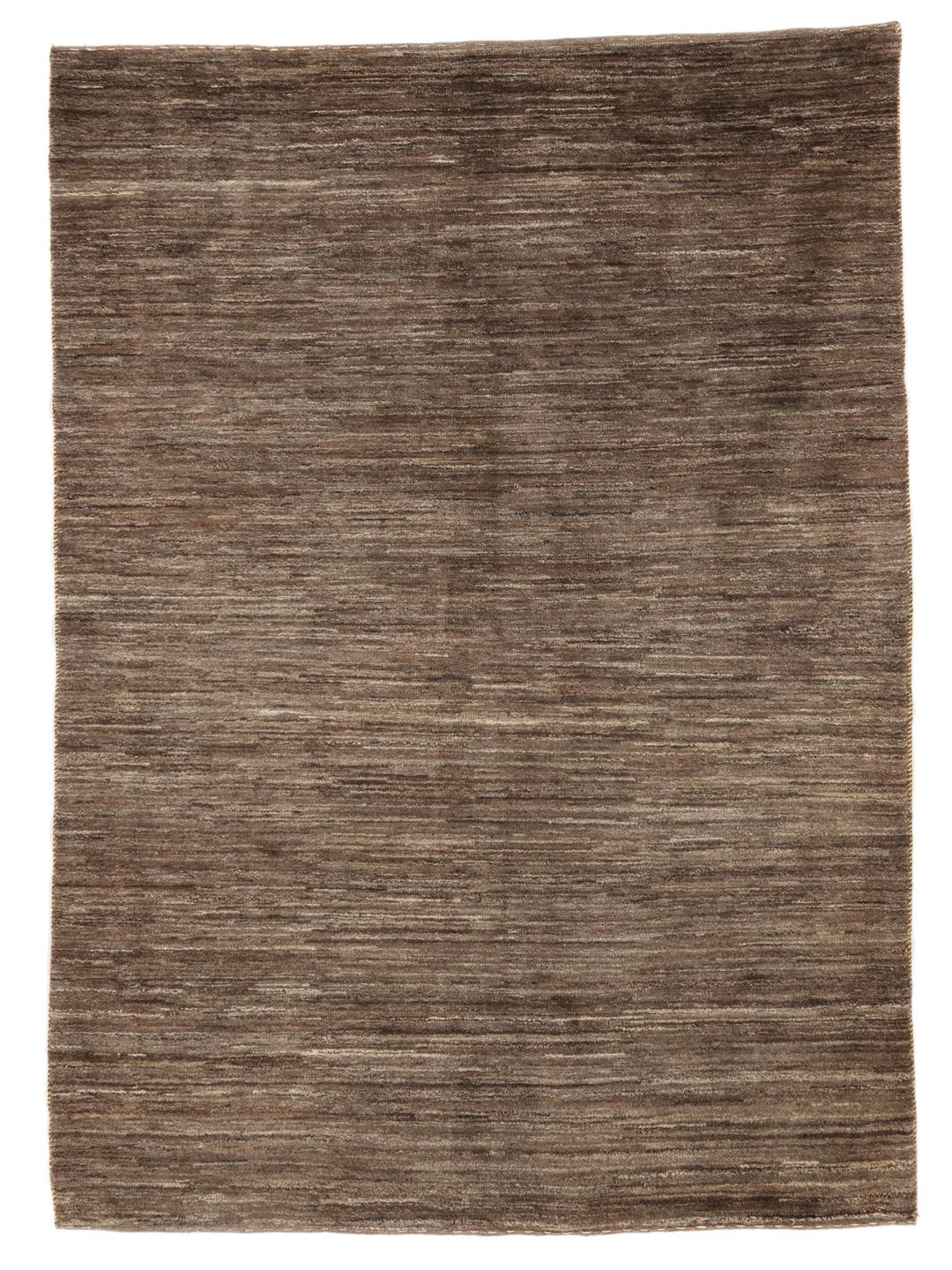
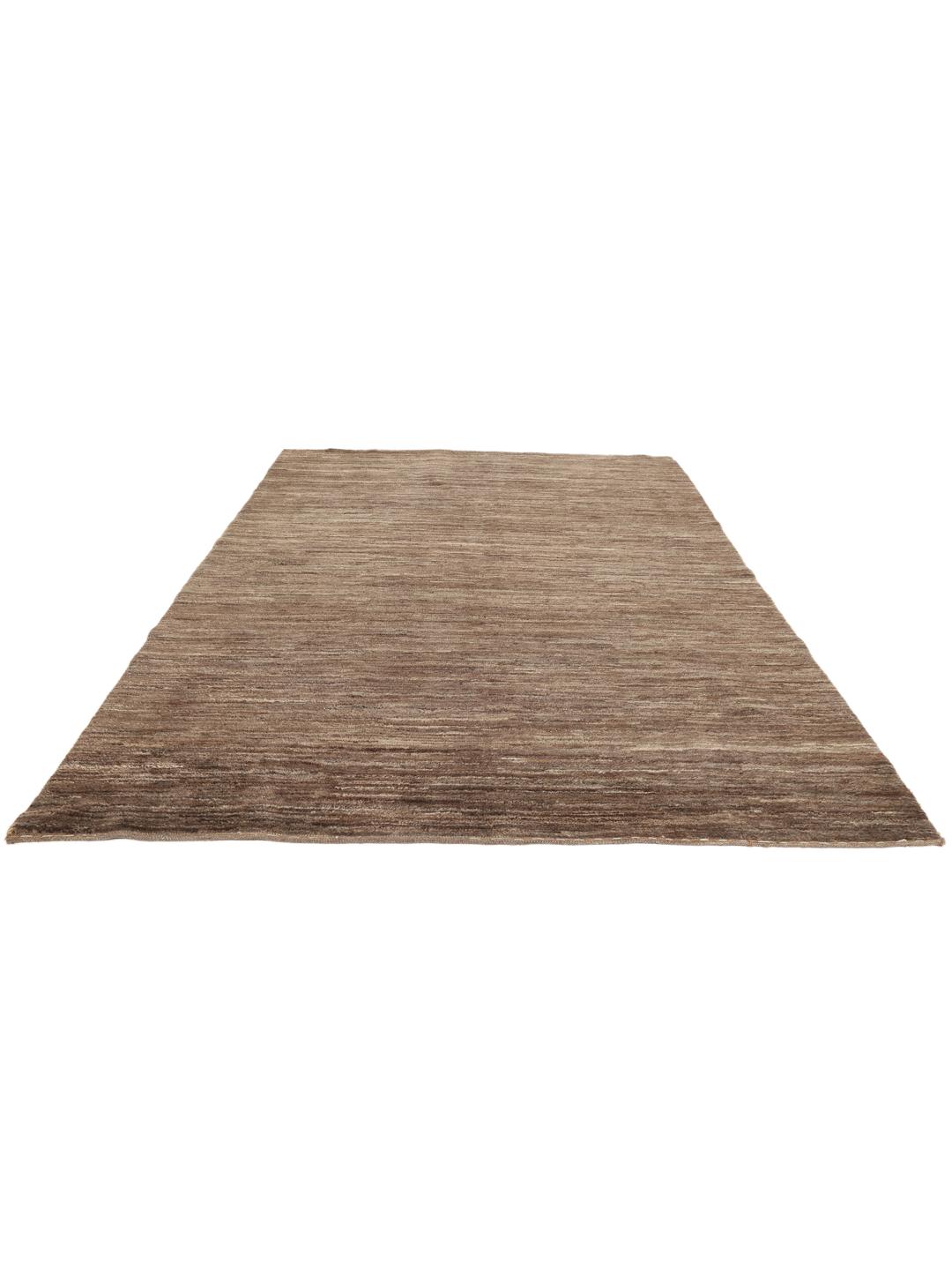
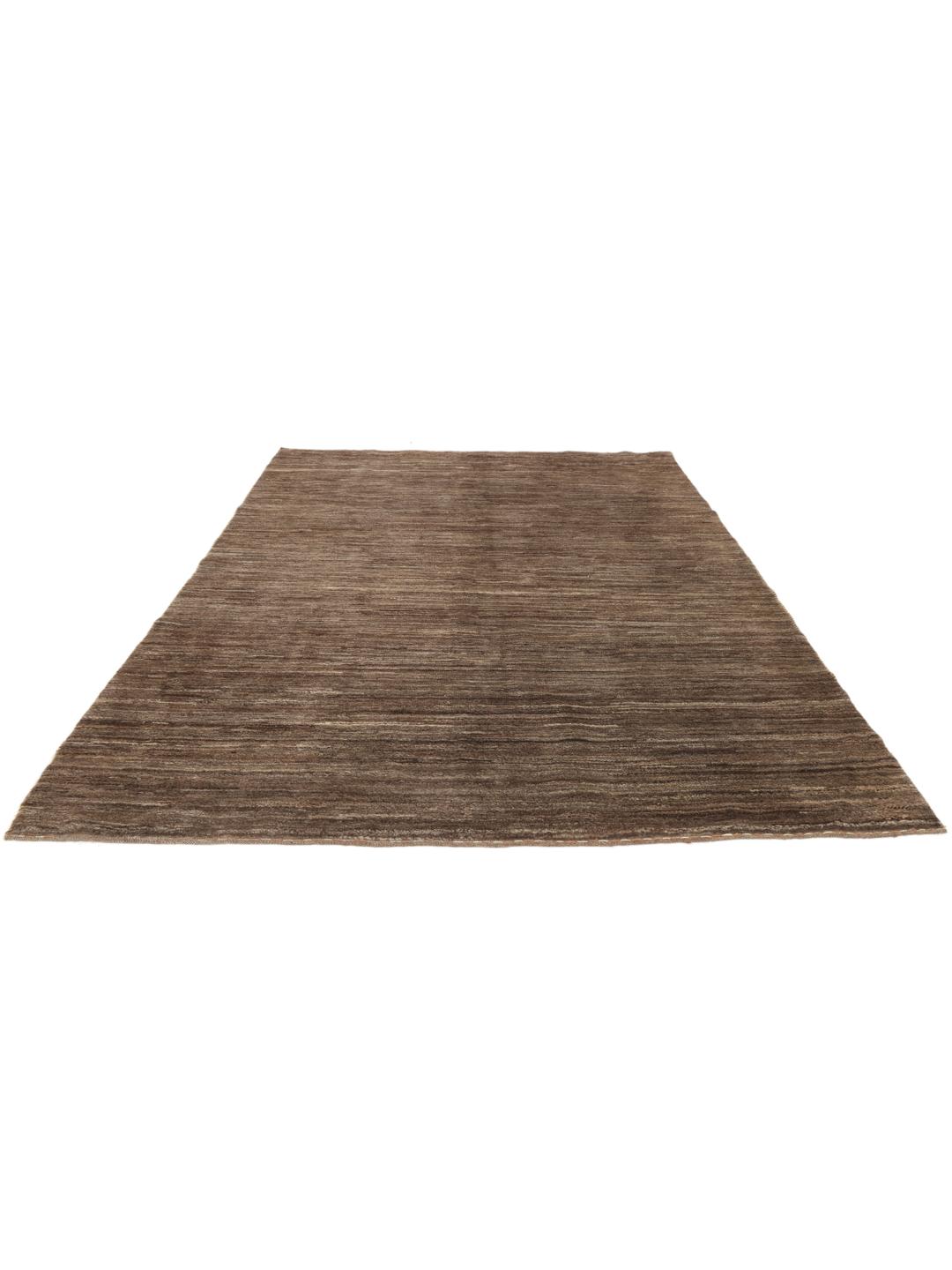
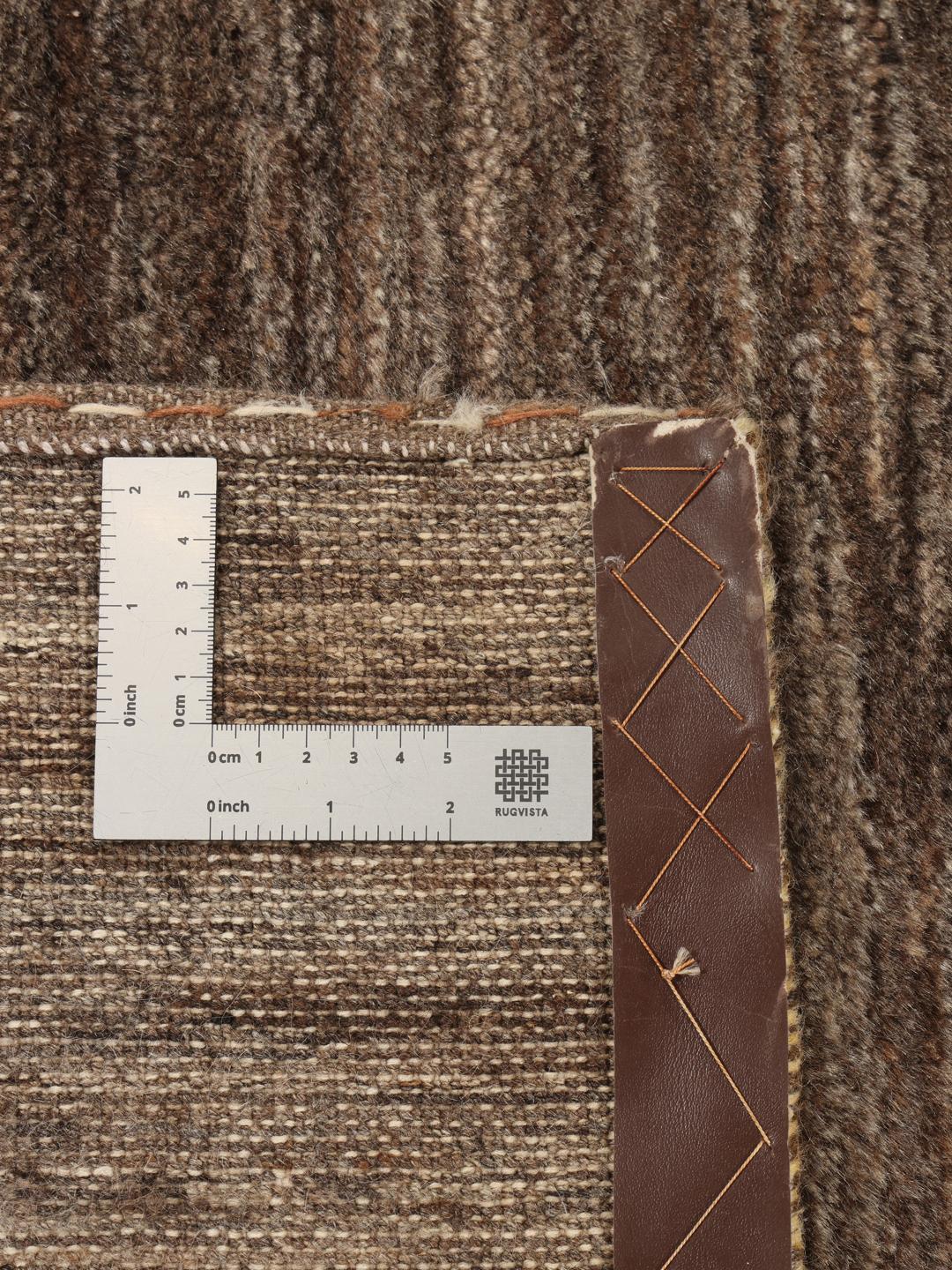
Gabbeh rugs have a long history rooted in the nomadic traditions of the Middle Eastern region. Historically woven by tribal groups, these rugs were created primarily for personal use, serving as practical, warm bedding and floor coverings within tents, which explains their thick, durable construction.
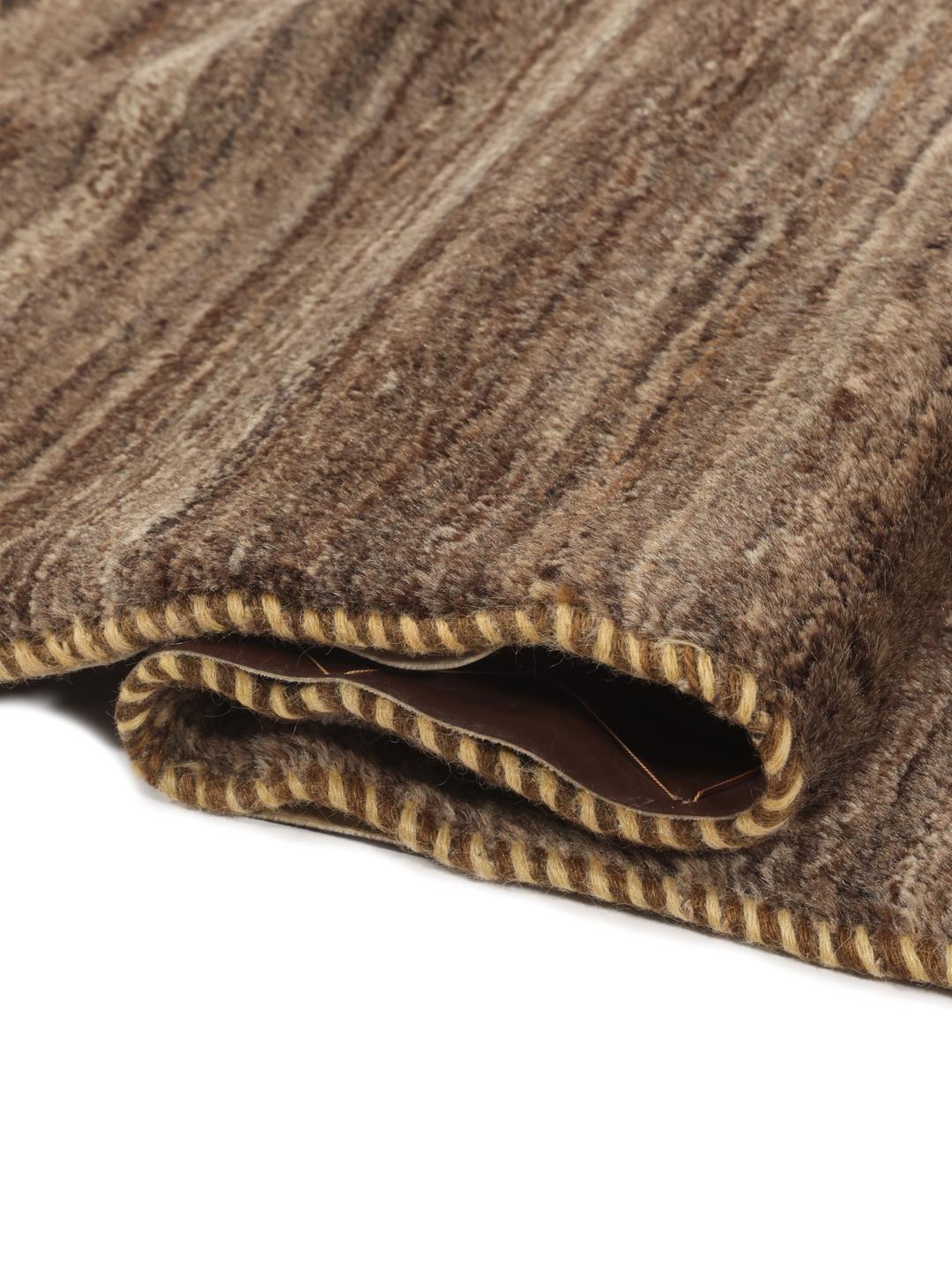
The term Gabbeh itself means raw, natural, or unclipped in the local dialect, referring to the characteristic long, thick pile that distinguishes these rugs from more formal, tightly shorn city styles. Over time, these rugs evolved from purely utilitarian items into highly sought-after pieces of folk art, prized for their expressive, often minimalist aesthetic.
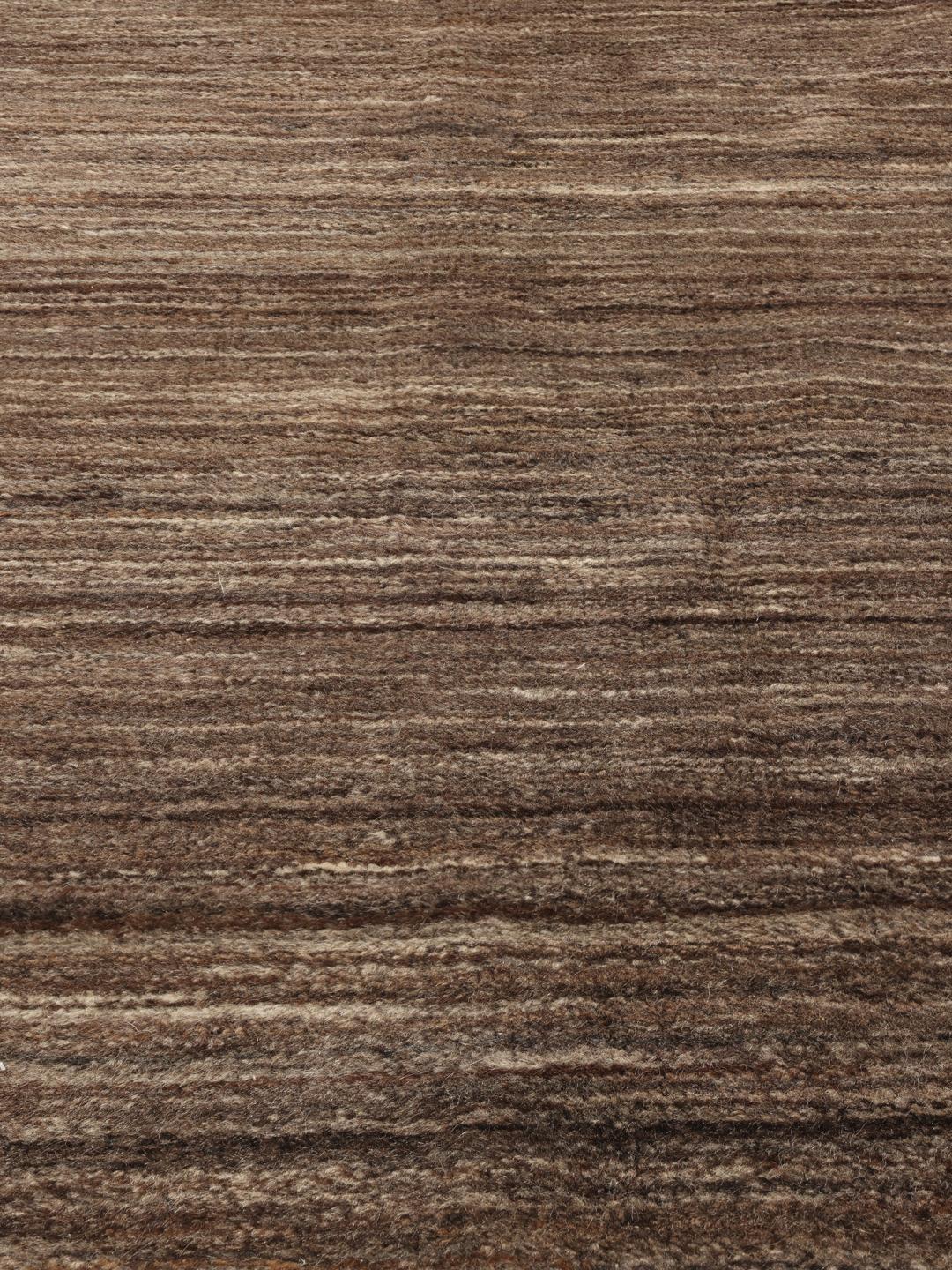
Unlike formal, medallion-heavy designs, the Gabbeh Fine tradition focuses on the beauty of the wool itself. The patterns are often understated, relying on natural variations in the yarn to create depth rather than complex, rigid motifs. This aesthetic is a deliberate celebration of the weaver's creative freedom and the organic qualities of the materials.
Today, owning a piece from this tradition is a way to connect with a centuries-old craft. Collectors value these rugs not only for their durability and warmth but for the authentic human story woven into every thread. They represent a bridge between ancient nomadic life and the contemporary home, offering a sense of heritage and connection to the artisans who carry this tradition forward.