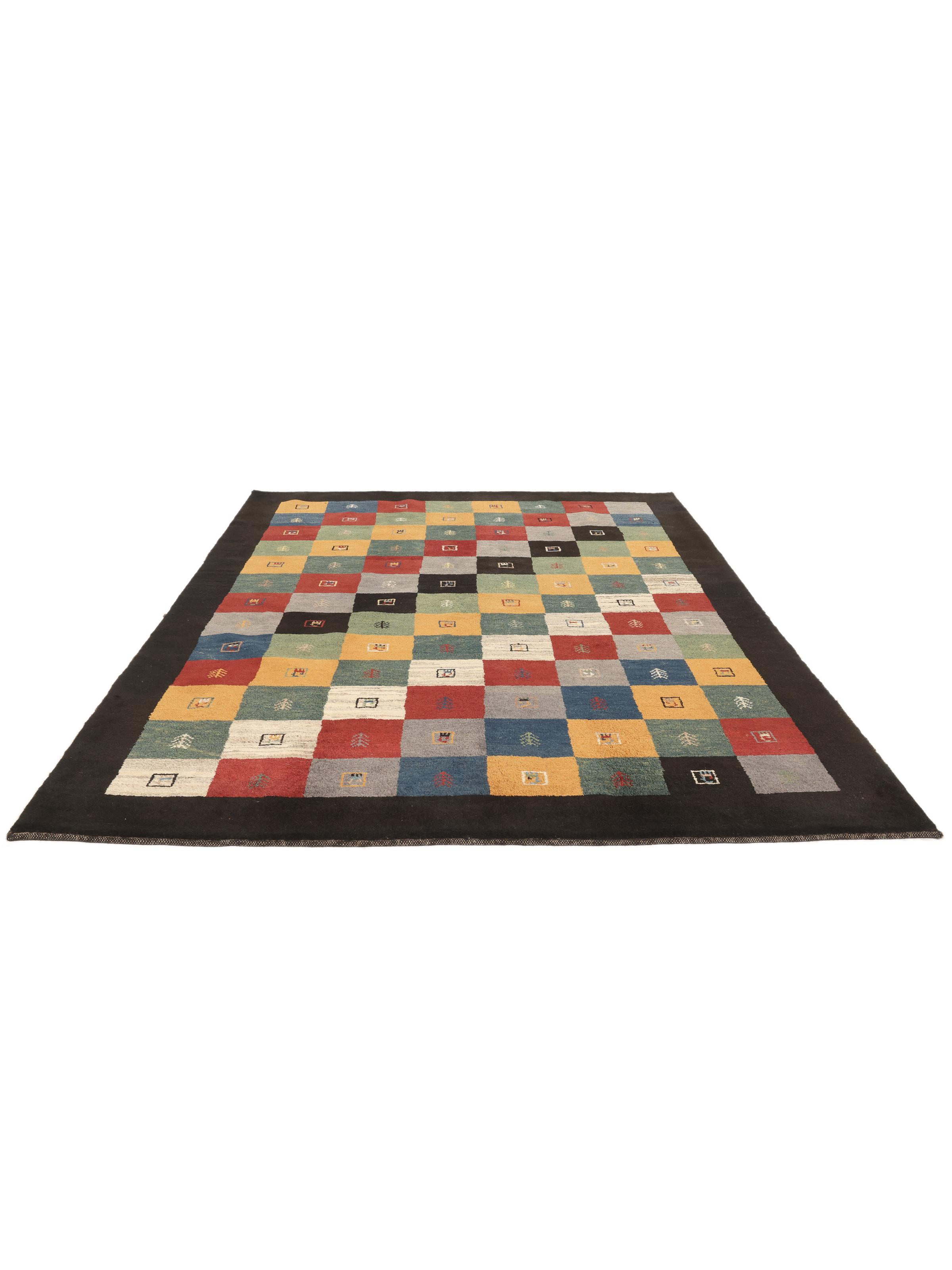
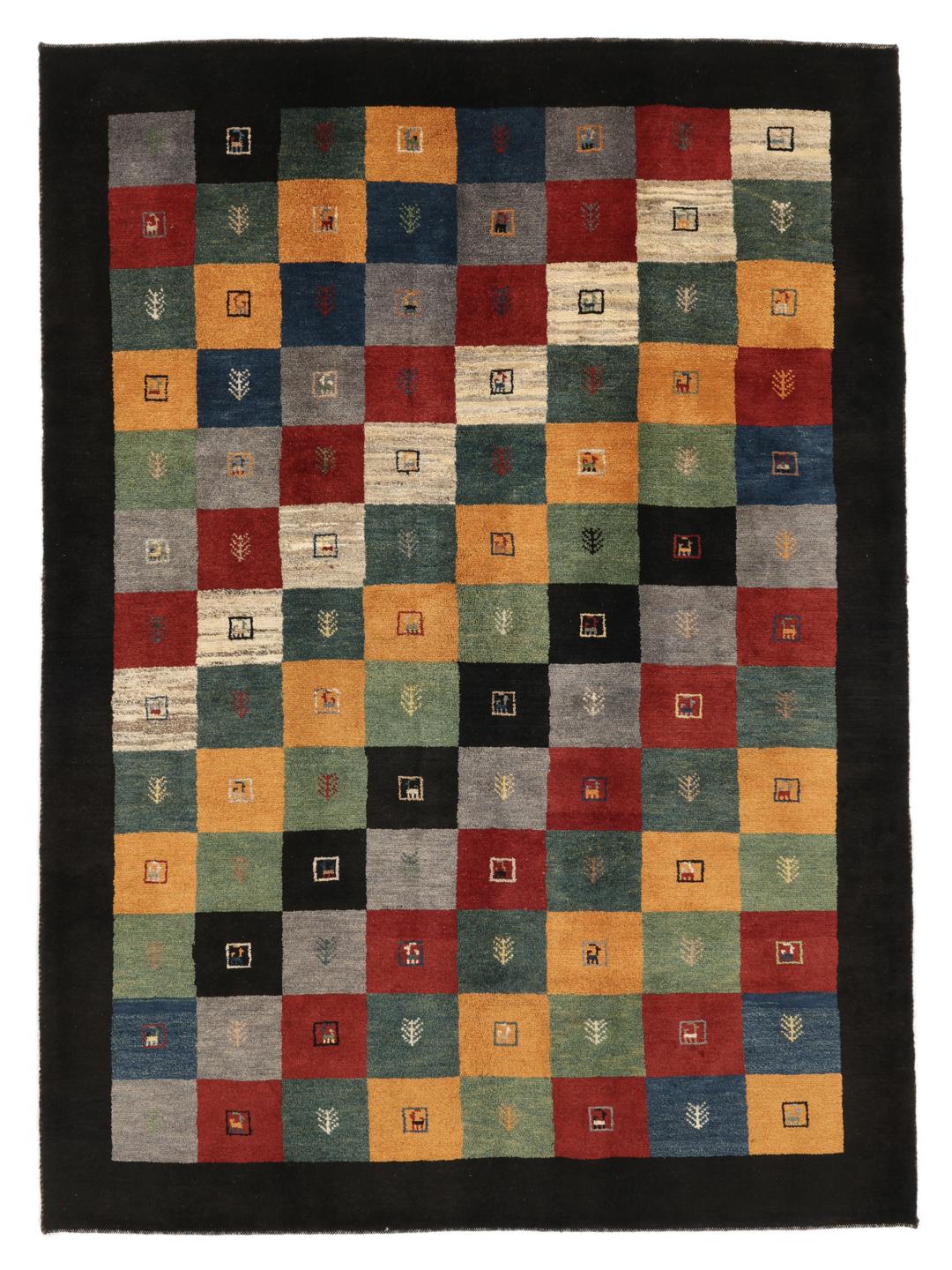
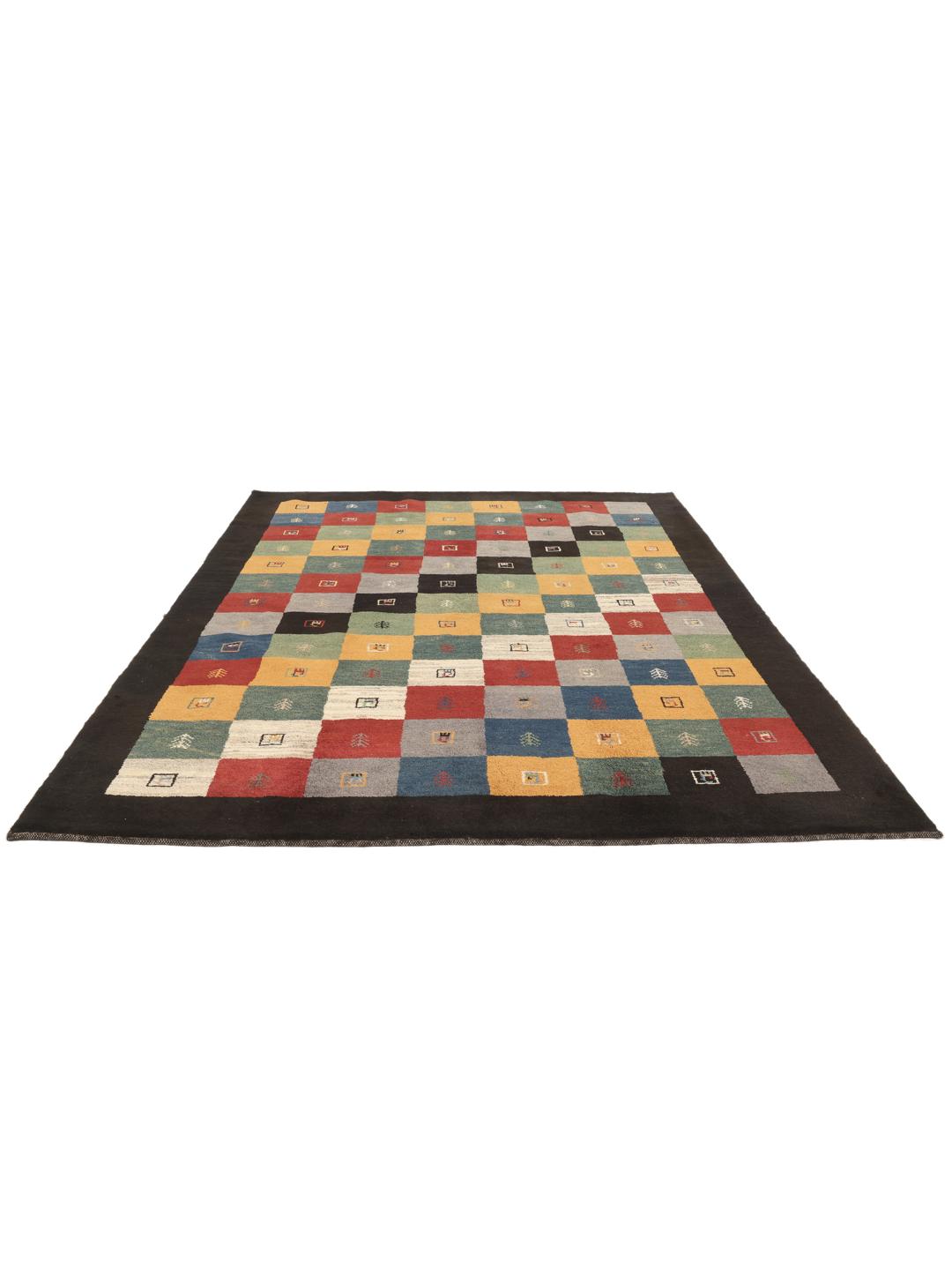
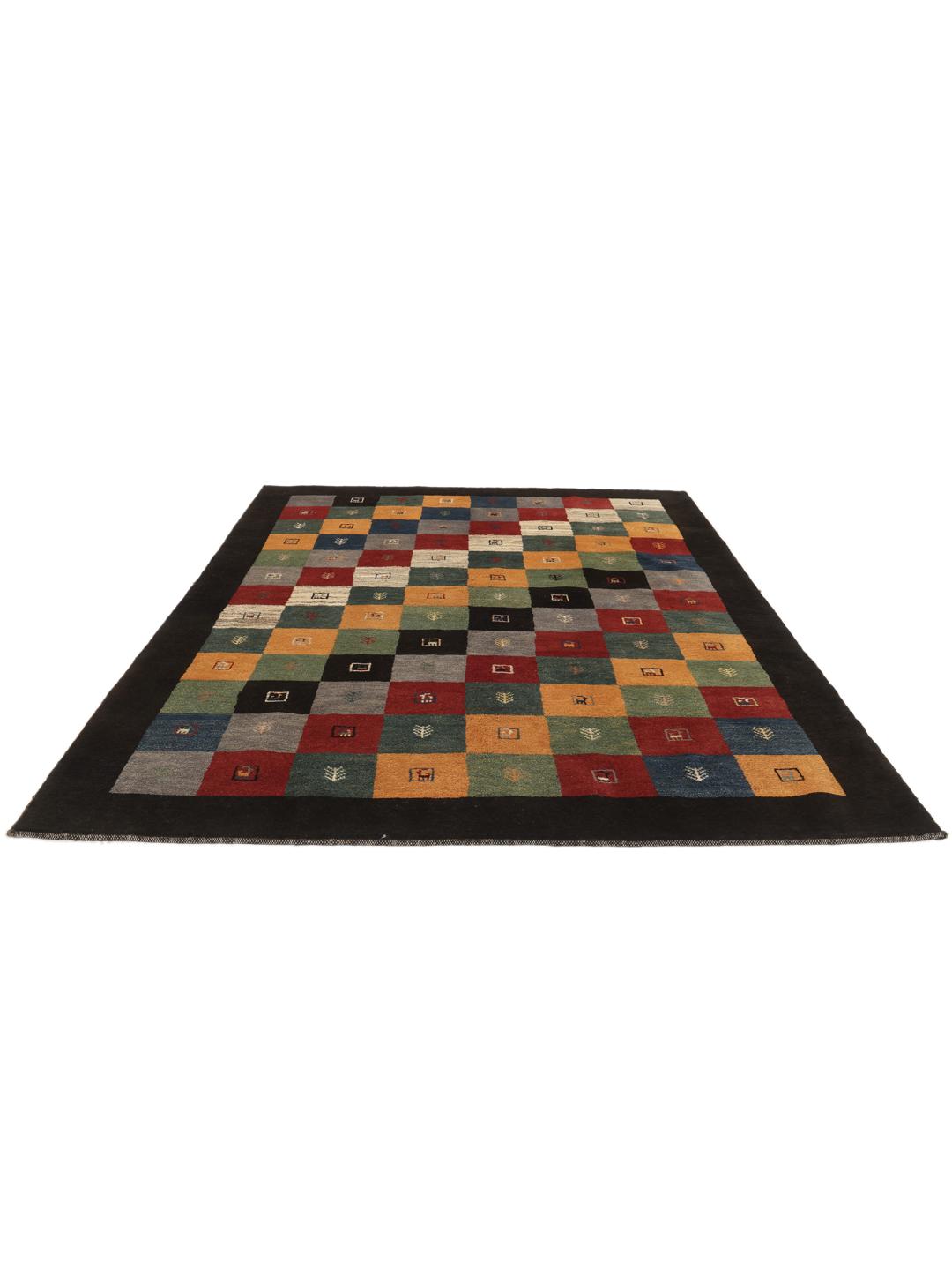
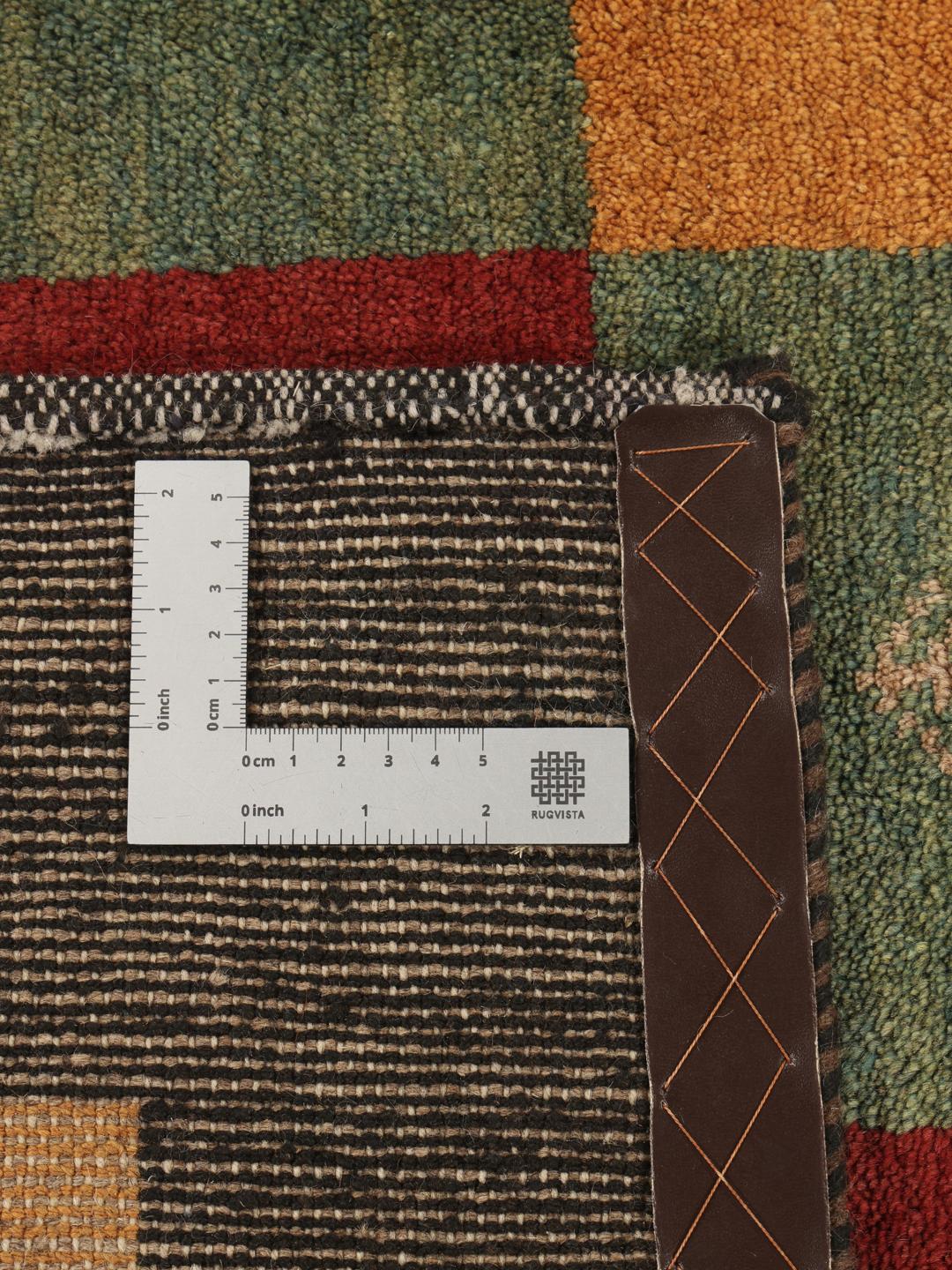
The Gabbeh tradition originates from the nomadic tribes of the Middle East, who have historically woven these rugs for personal use rather than for trade. Unlike formal, city-made rugs, these pieces were designed to provide warmth and comfort within the rugged, often harsh conditions of tribal life, resulting in a style that is celebrated for its honesty and simplicity.
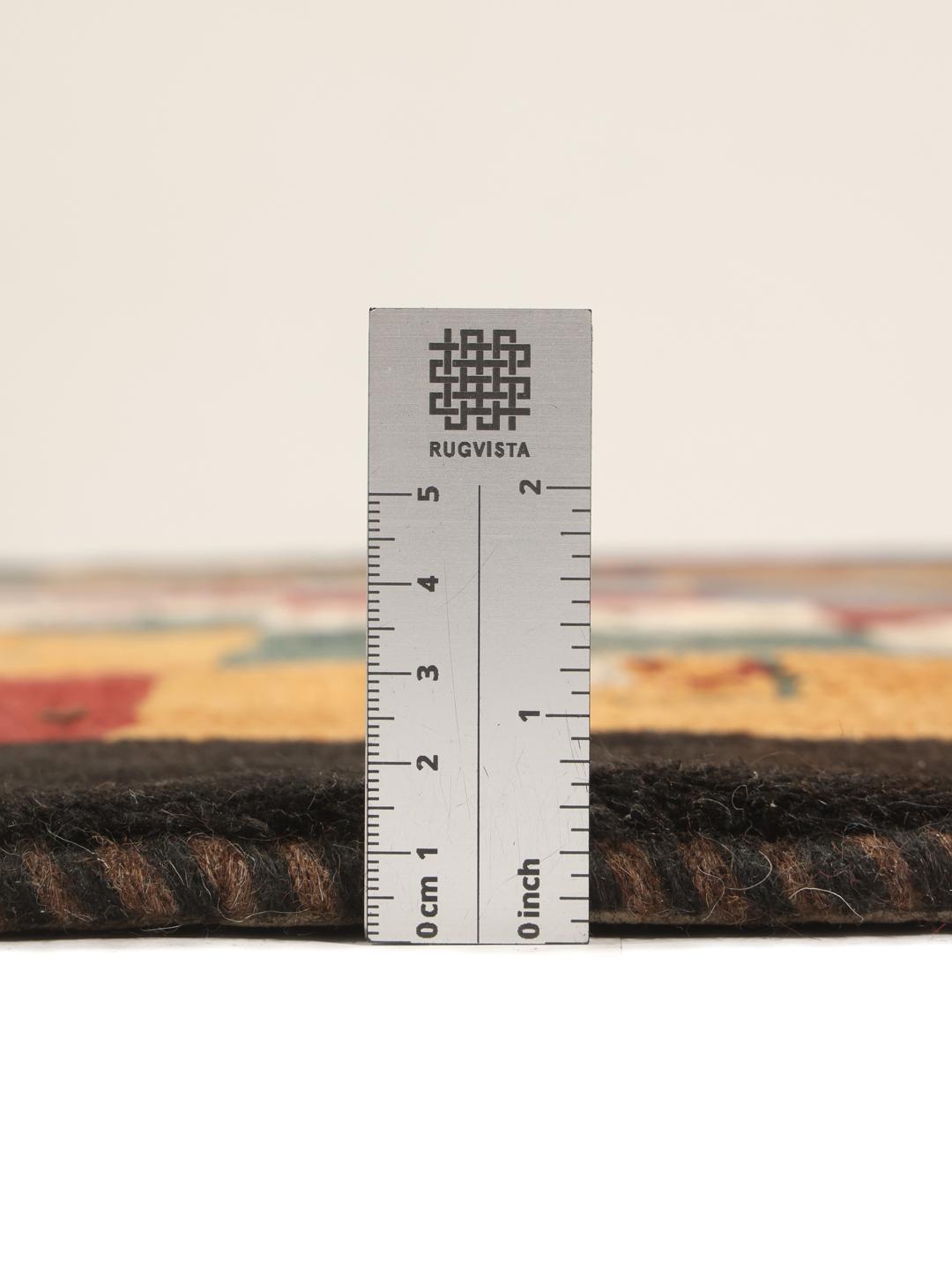
The term 'Gabbeh' itself translates to 'raw' or 'natural', reflecting a tradition that prioritises the quality of the wool and the depth of the pile over complex, pre-planned designs. This approach allows for a spontaneous, artistic expression that often draws inspiration from the weaver's immediate surroundings and daily experiences.
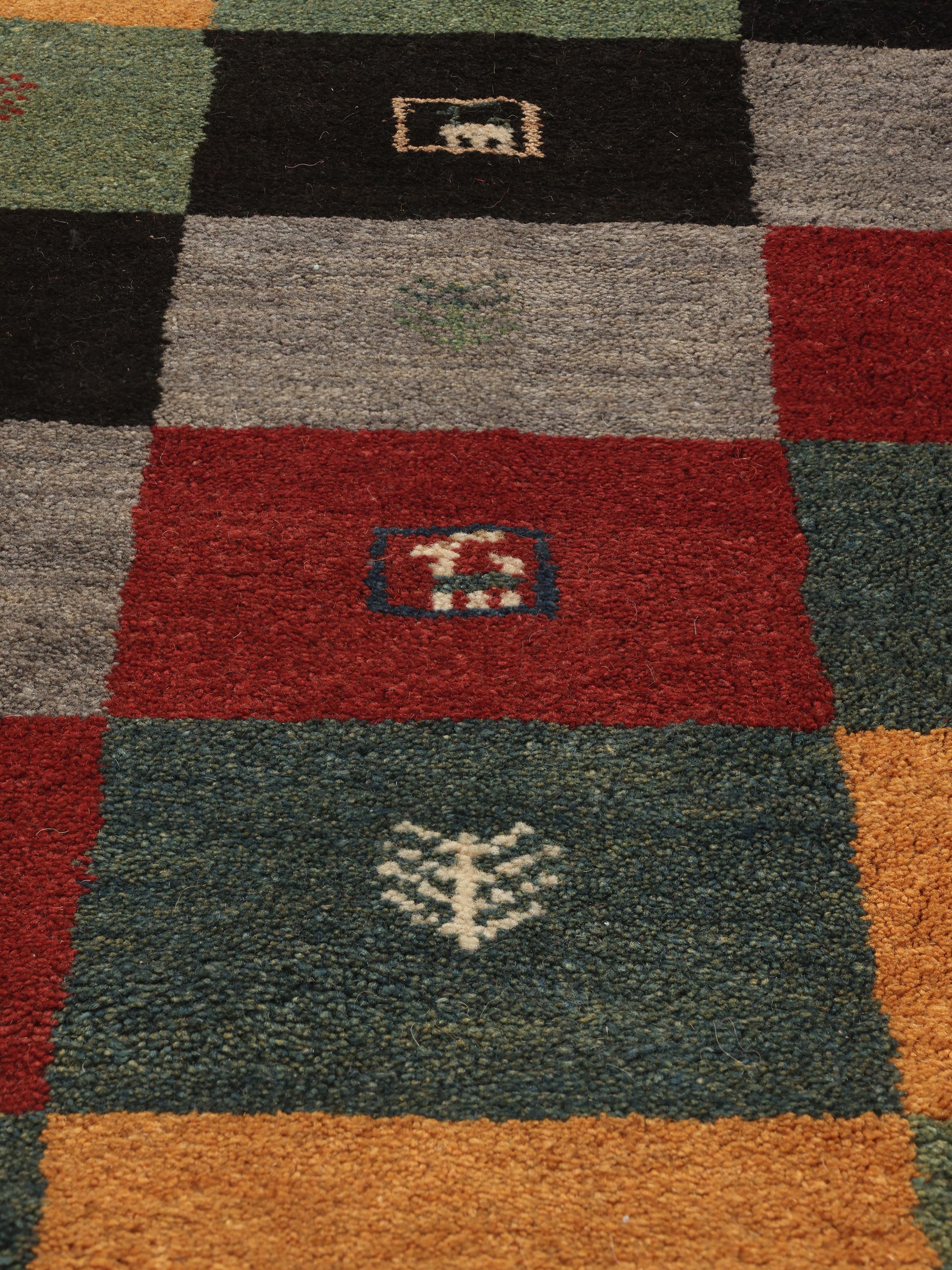
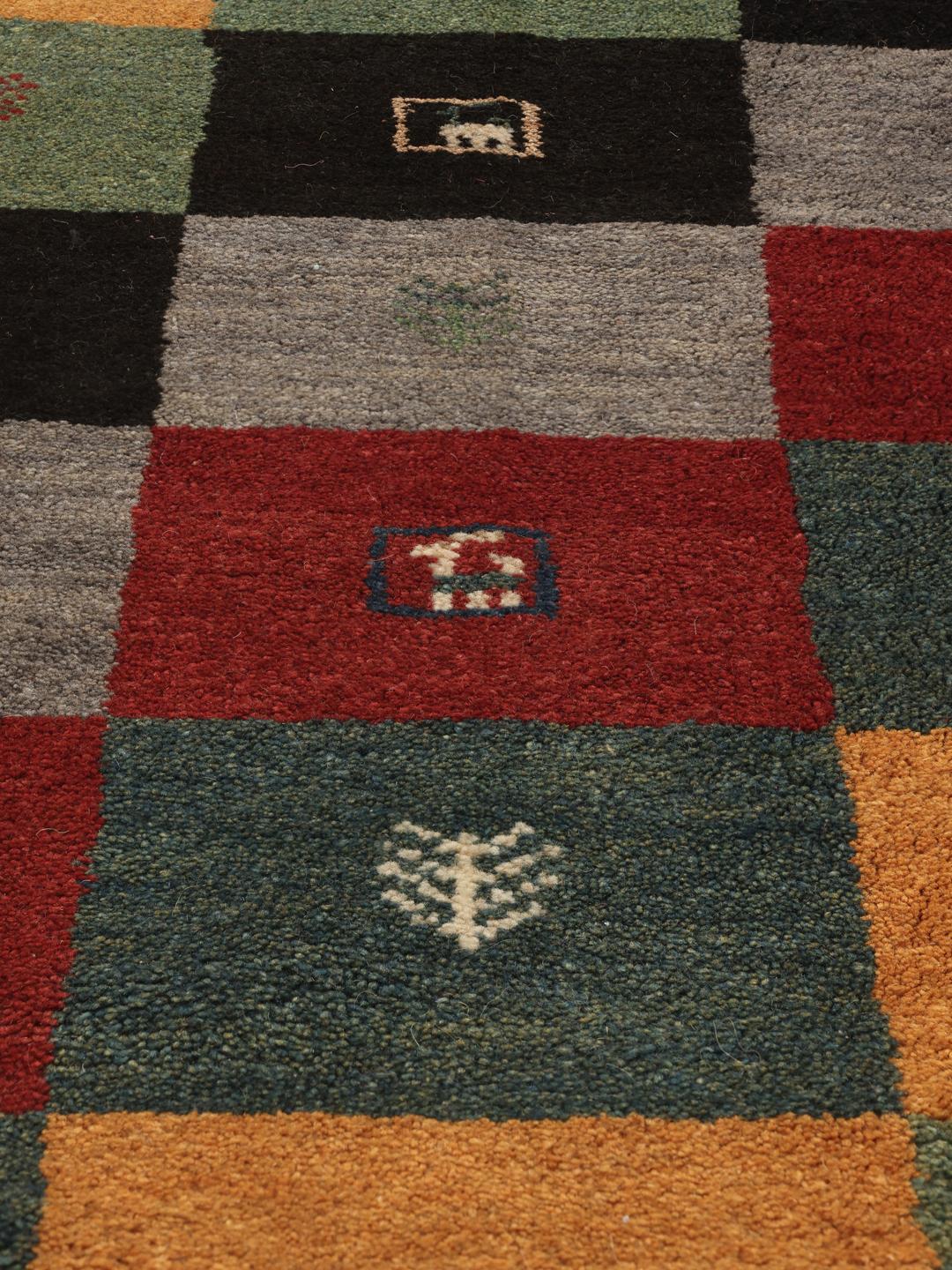
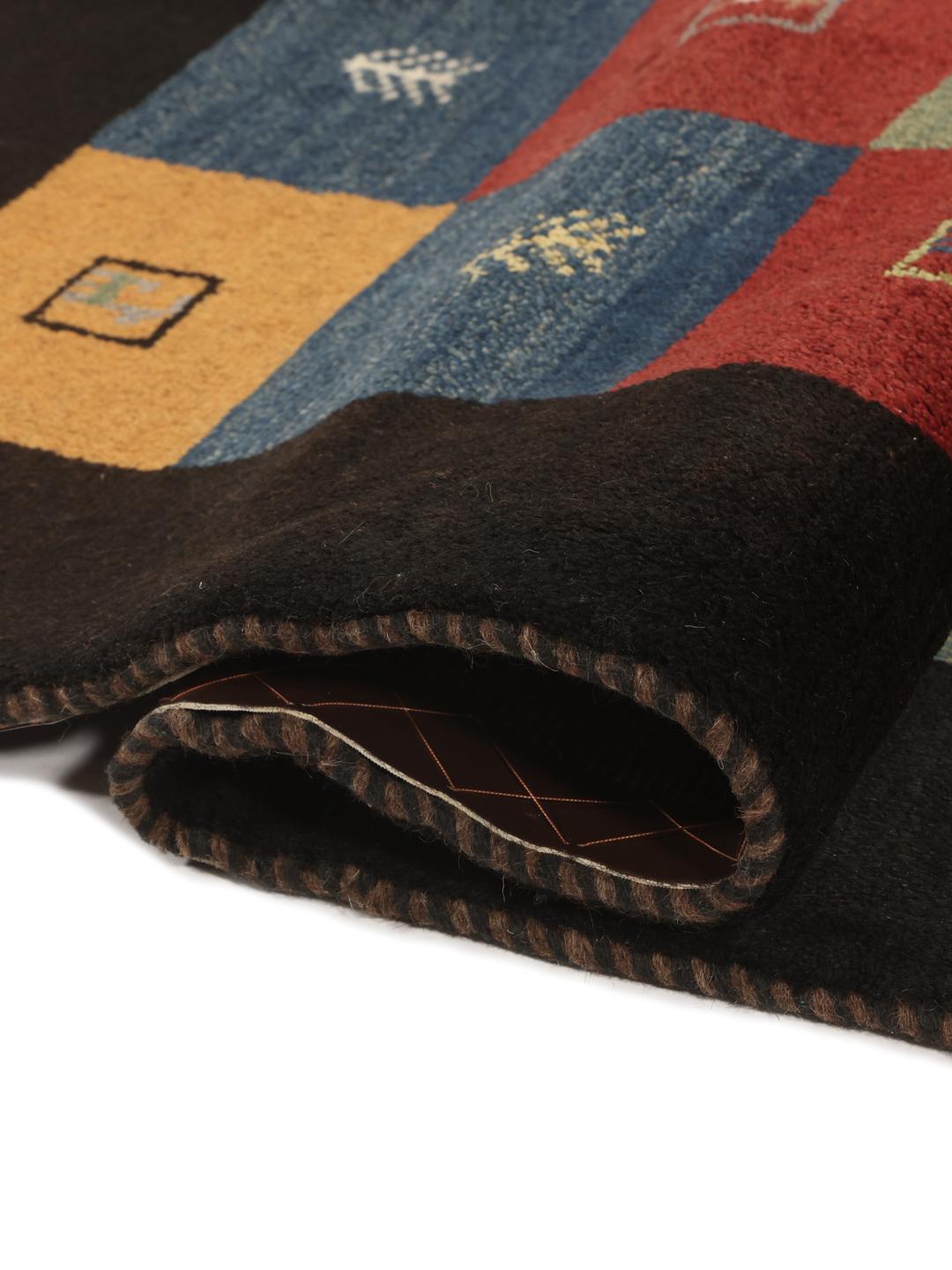
Visually, these rugs are known for their bold fields of colour, which are frequently achieved using natural dyes. While traditional examples often feature simple, sparse motifs, the 'Fine' designation indicates a more refined approach where the weave is tighter and the designs are more intricate, bridging the gap between rustic charm and sophisticated artistry.
Owning a piece from this tradition is an act of preserving a dying art form. These rugs are highly valued by collectors not only for their durability but for the cultural narrative they carry—each one is a direct connection to the nomadic spirit and the deep, enduring skill of the artisans who have kept this craft alive for generations.