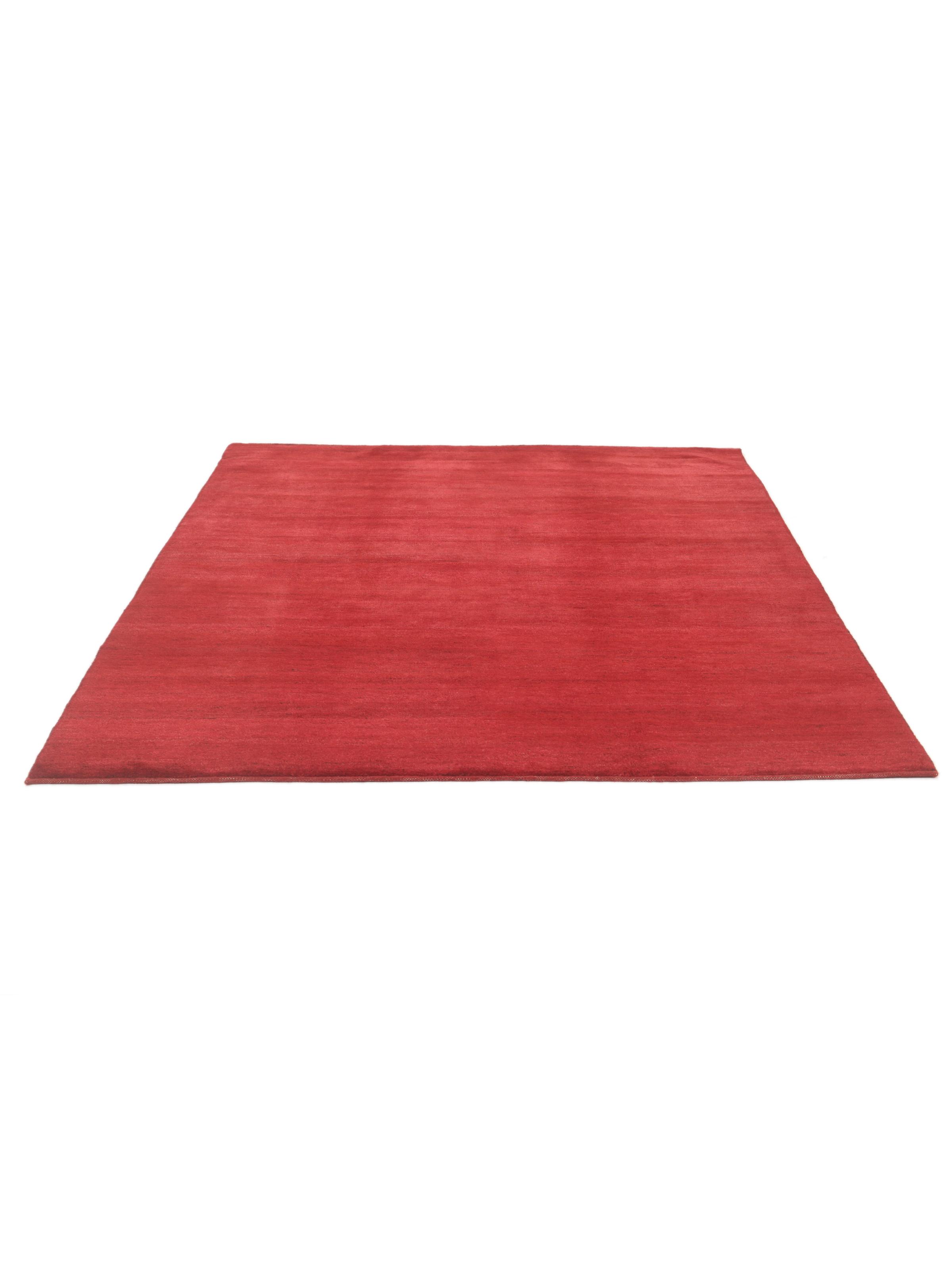
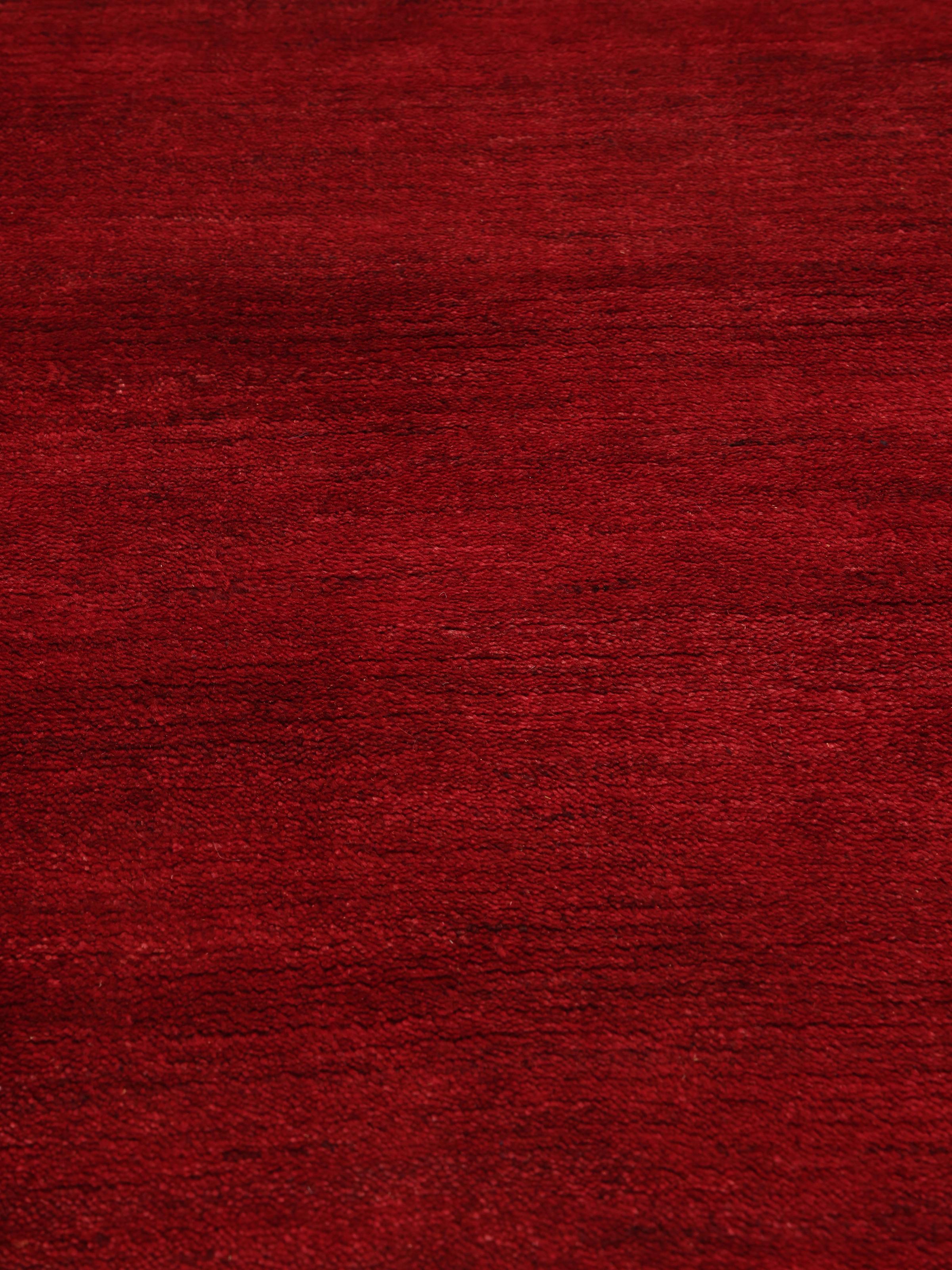
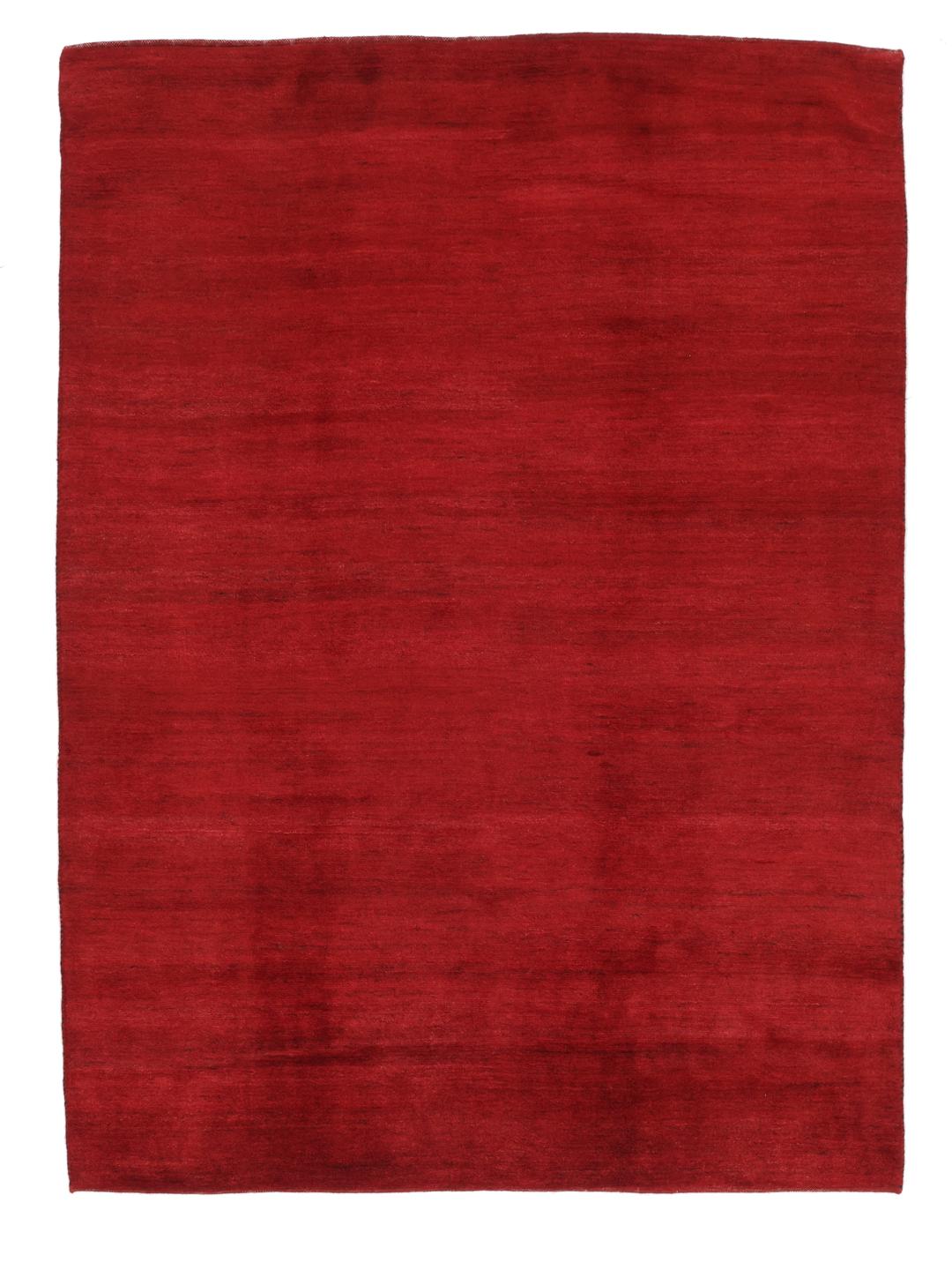
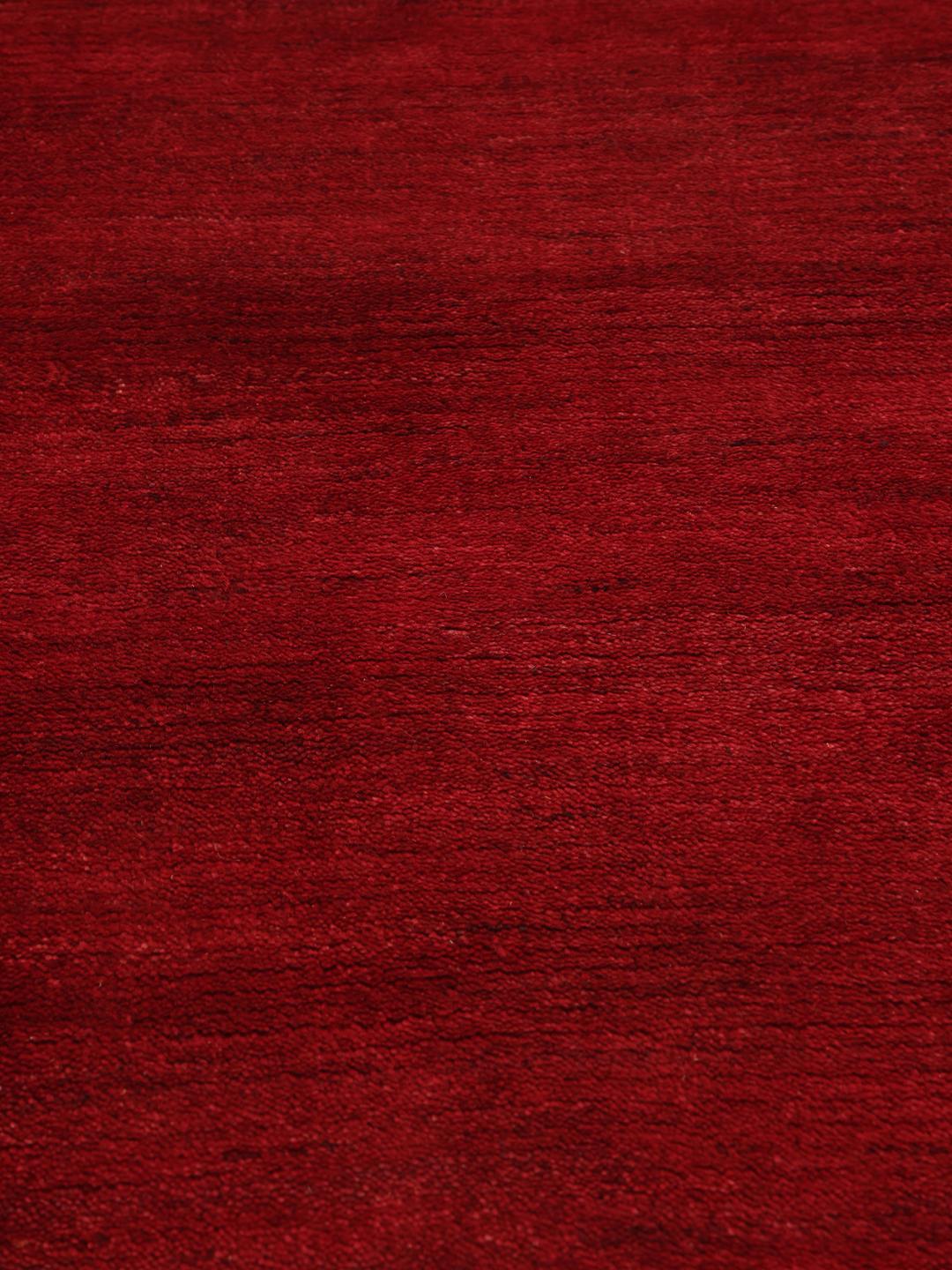
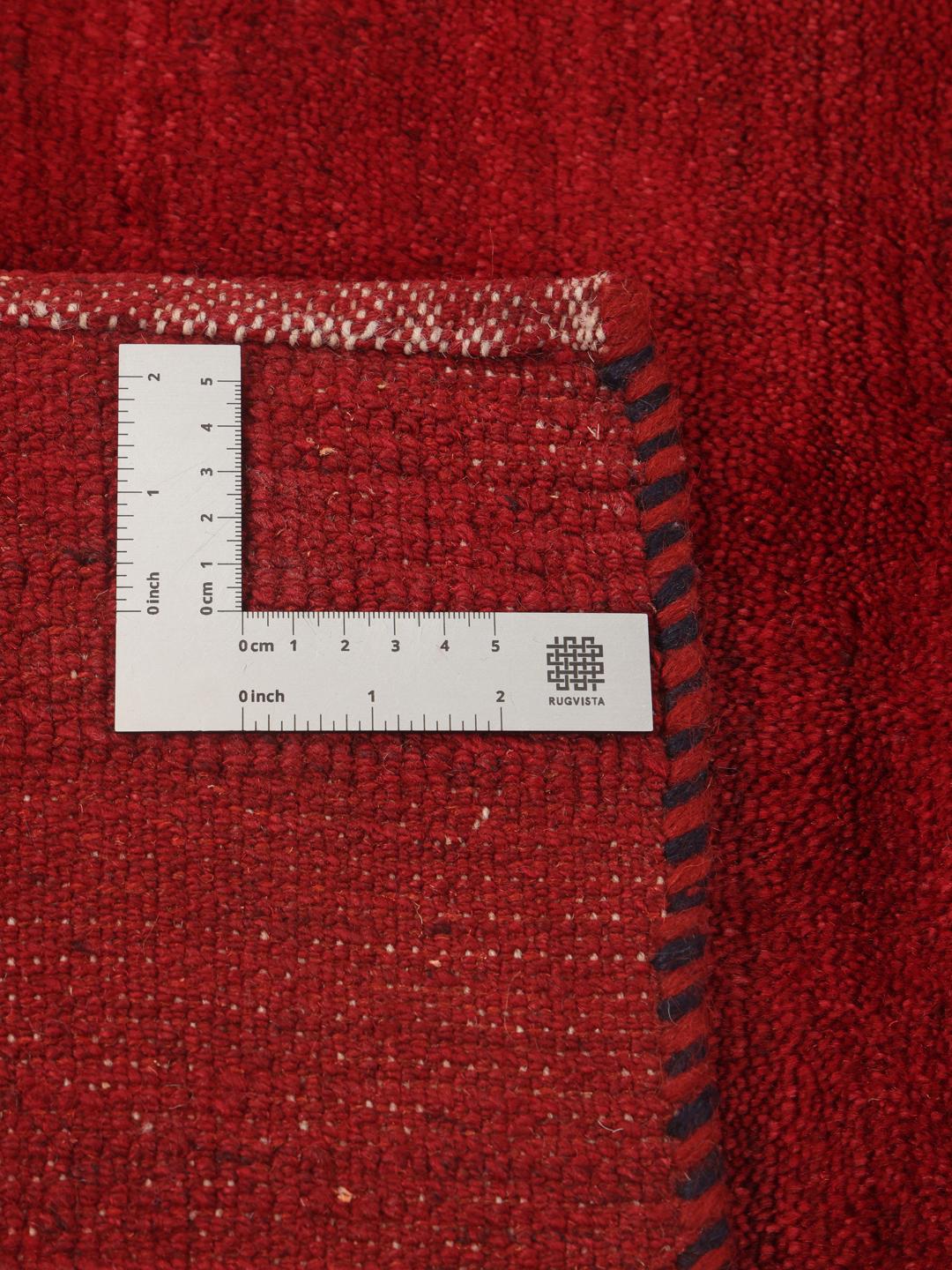
Gabbeh rugs originate from the tribal traditions of the Middle East, where they were traditionally crafted by nomadic weavers for domestic use. Unlike more formal, intricate city rugs, the Gabbeh was designed as a heavy, warm floor covering that provided essential insulation in harsh climates.
The term Gabbeh itself refers to a style that is intentionally raw and expressive. Historically, these rugs were not intended for the commercial market, but rather as personal projects where the weaver had the freedom to experiment with colour, simplified forms, and personal storytelling through the wool.
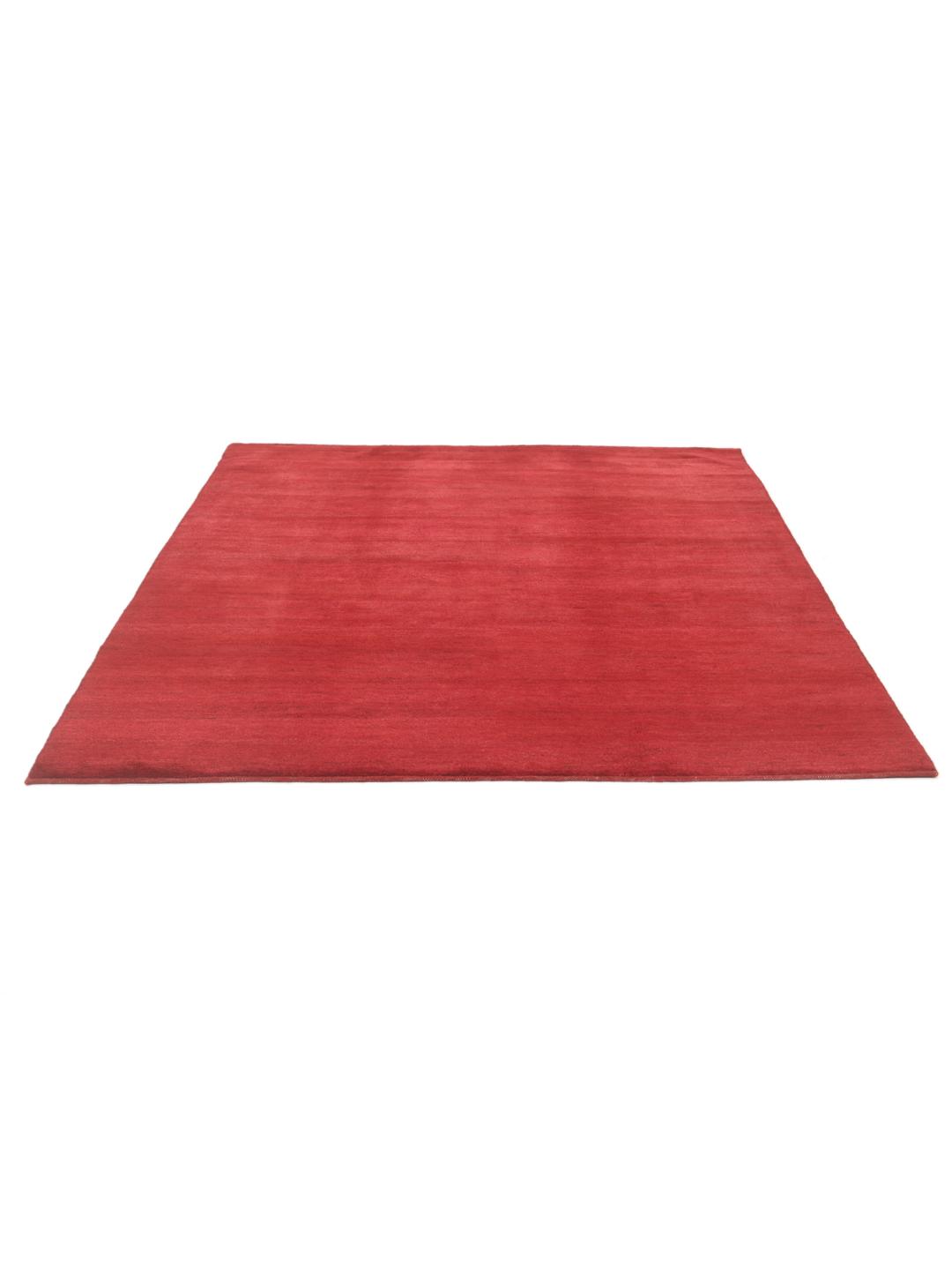
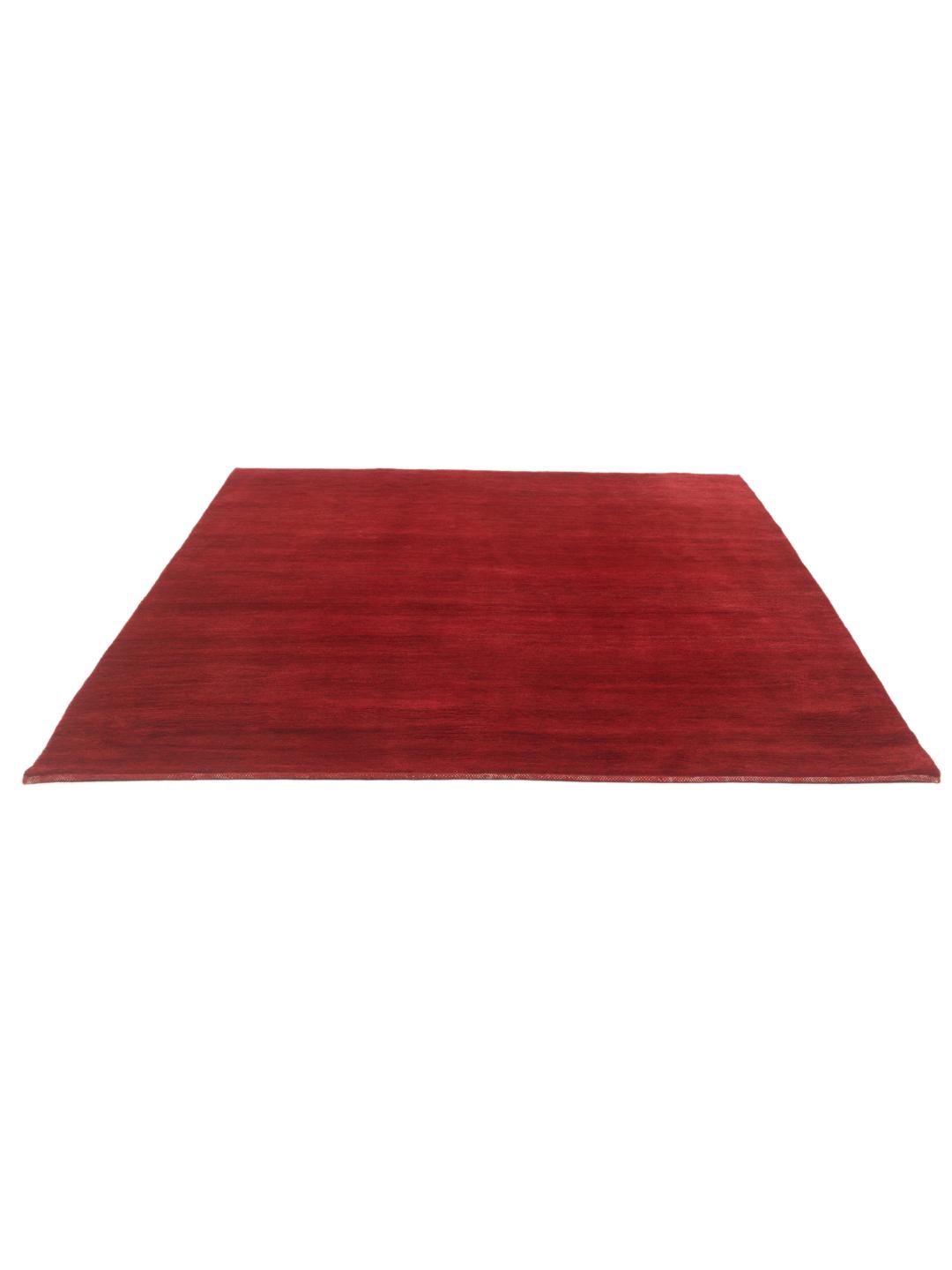
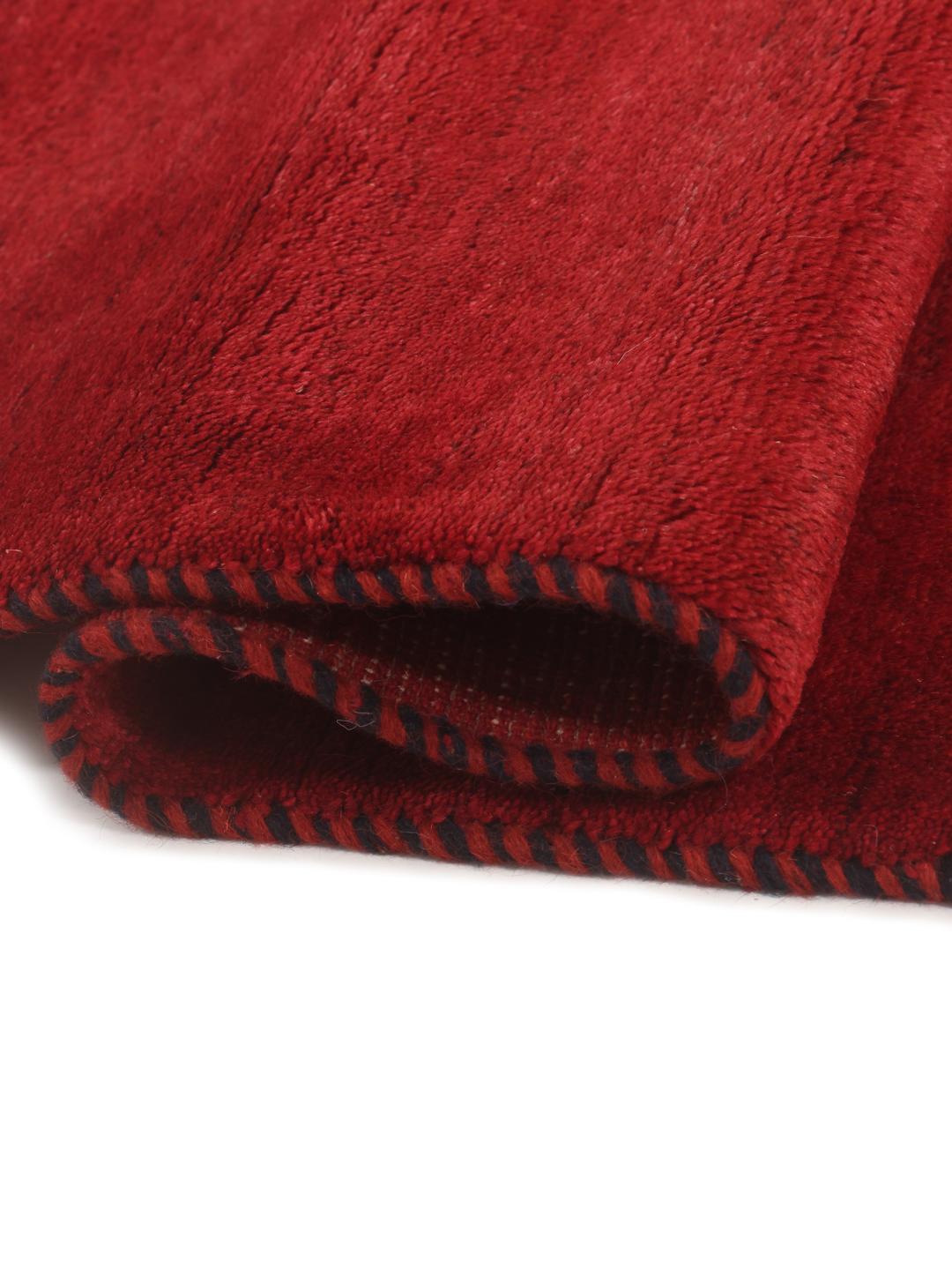
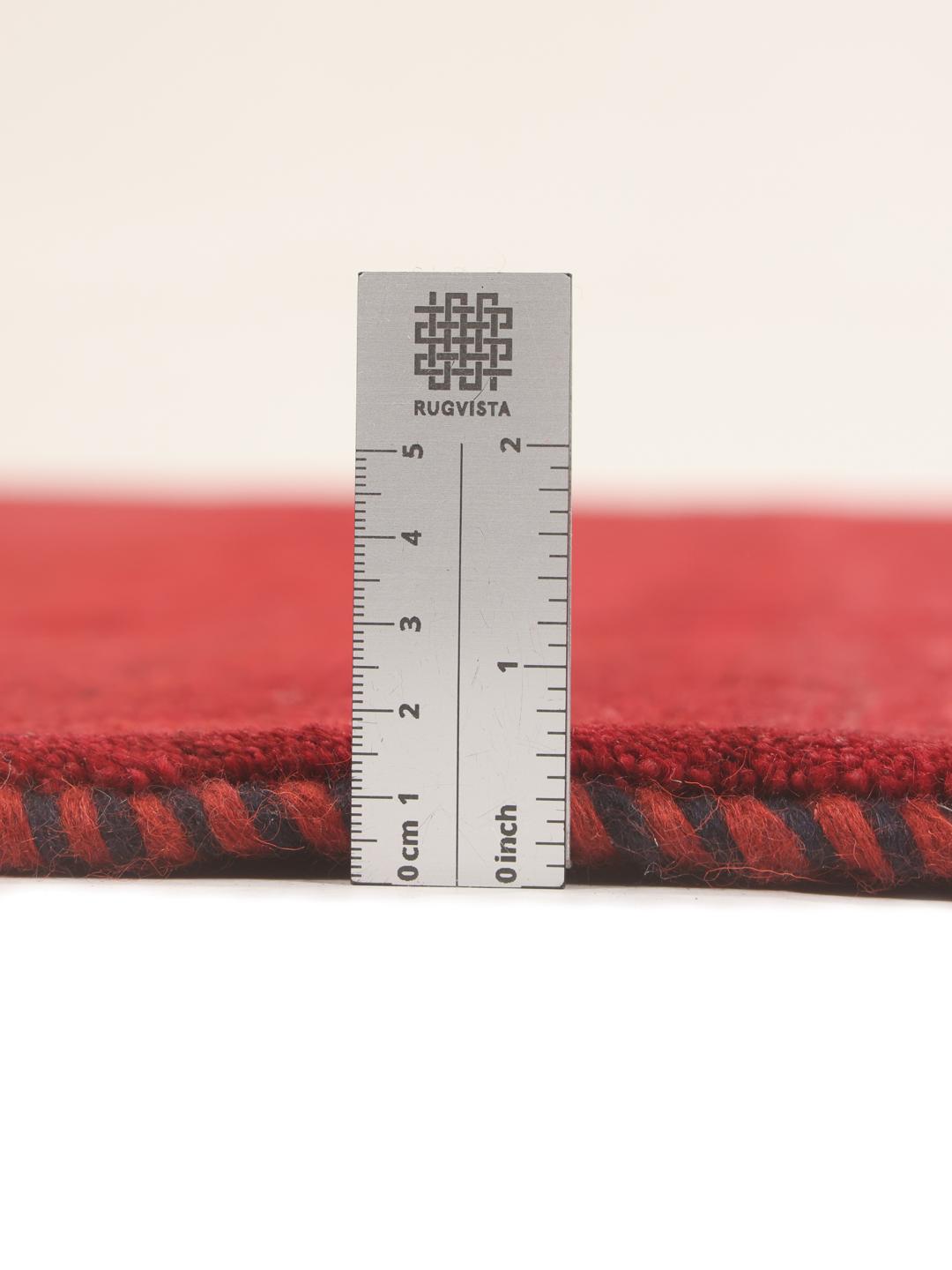
Visually, these rugs are celebrated for their thick, plush piles and their often minimalist or abstract aesthetic. While many Middle Eastern rugs are defined by strict geometric patterns or floral medallions, the Gabbeh is known for its open fields and bold use of natural dyes, creating a look that is effortlessly modern despite its ancient roots.
Today, these rugs are highly prized by collectors for their authenticity and the unrefined beauty of their construction. Owning a Gabbeh is not just about floor decor, but about preserving a connection to a long-standing nomadic heritage that prioritizes the tactile experience and the unique hand of the artisan.