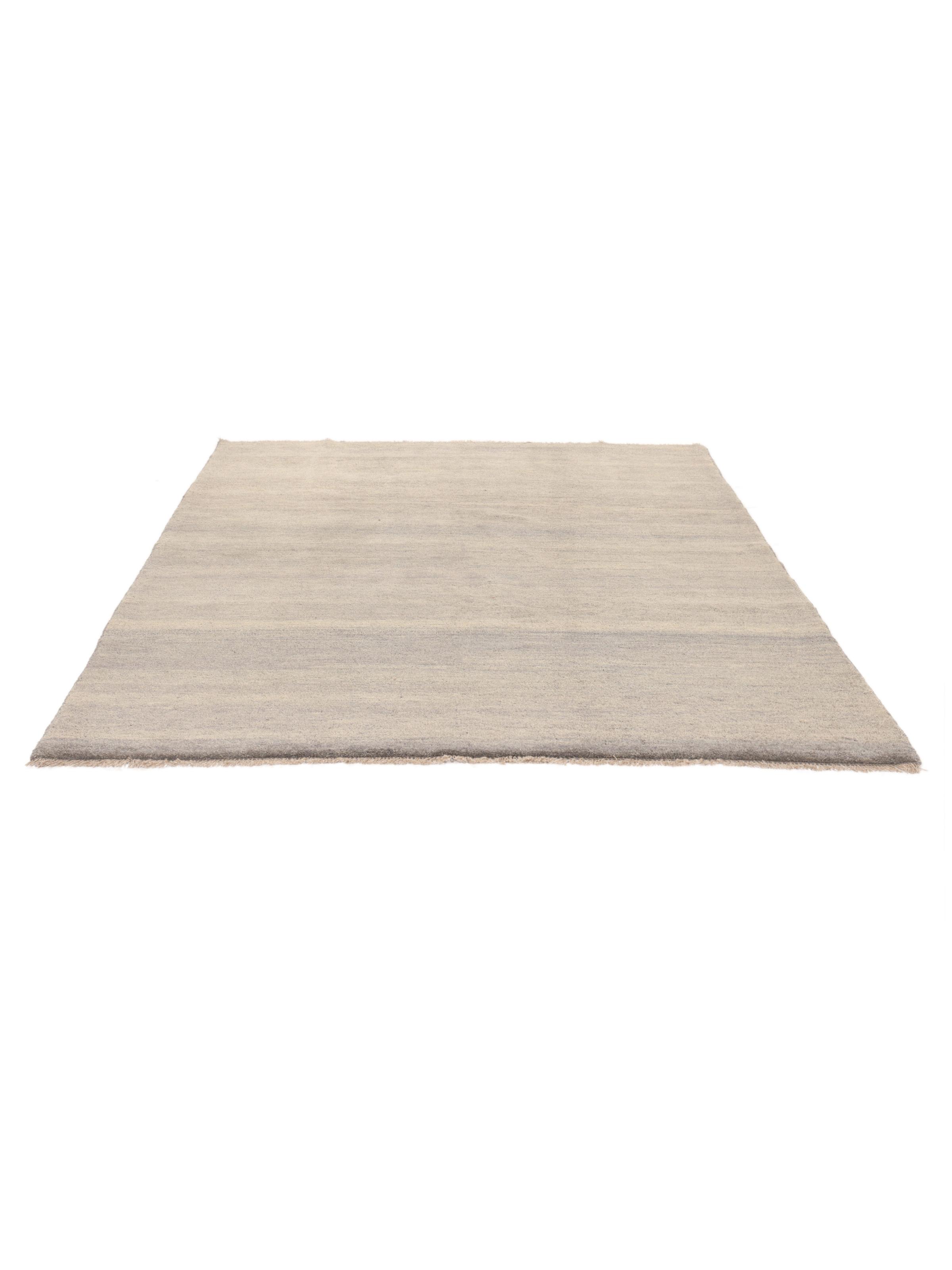
Gabbeh rugs originate from the nomadic tribes of the Middle East, who developed this style as a practical yet beautiful way to provide warmth and comfort in their tents. Historically, these rugs were woven for personal use rather than for trade, which allowed the weavers a great deal of creative freedom to express their surroundings and emotions through simple, bold designs and natural colours.
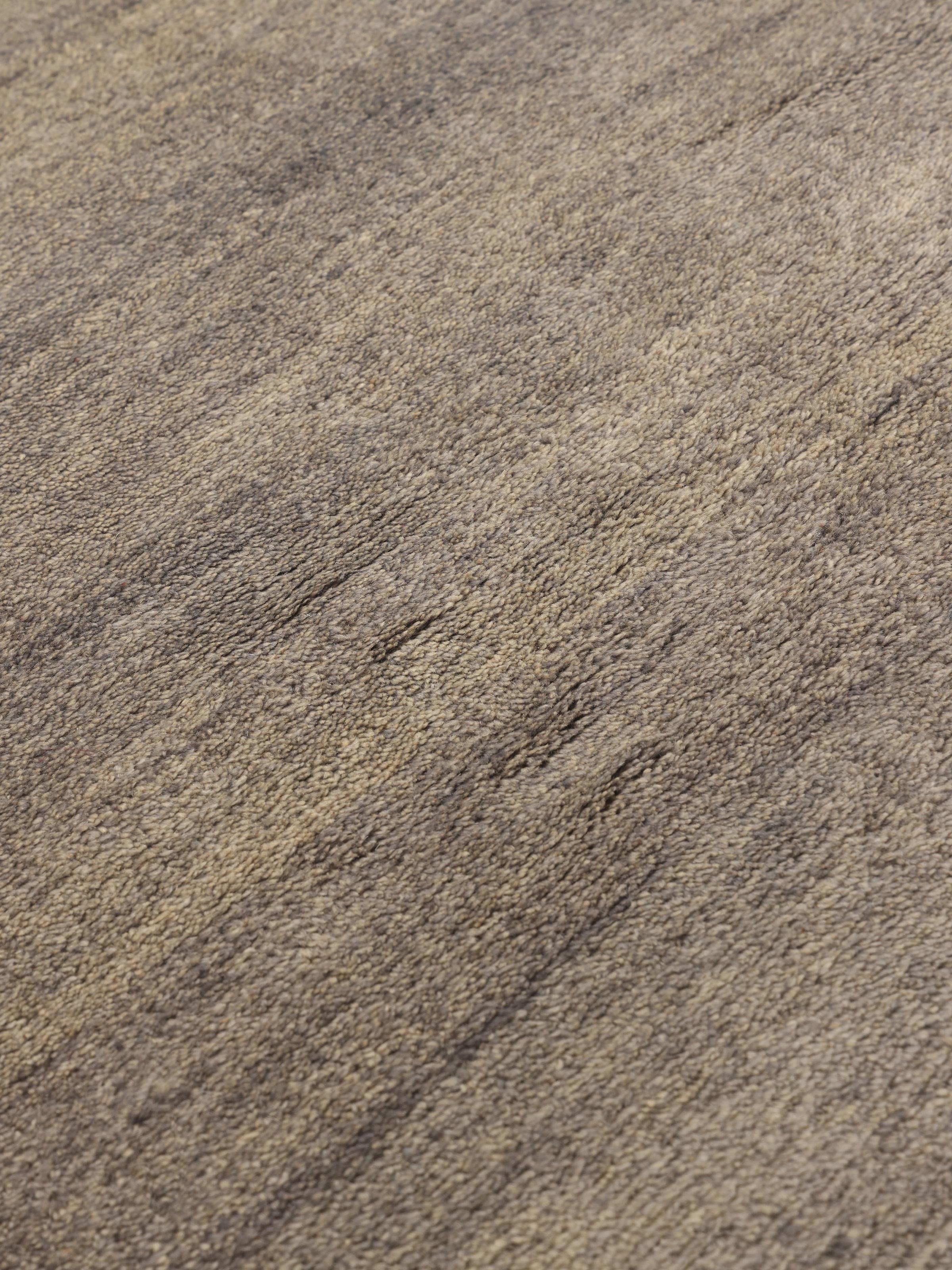
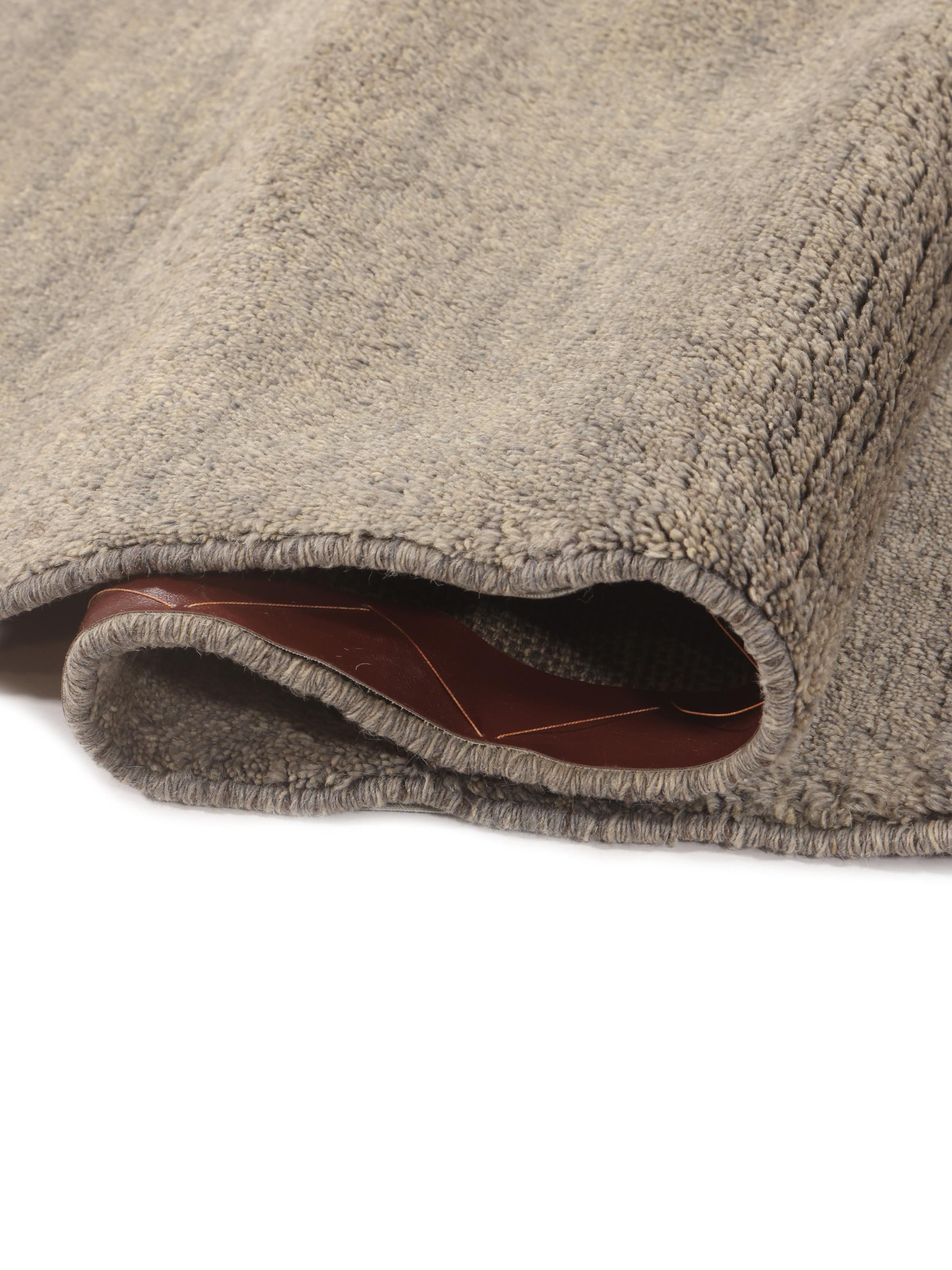
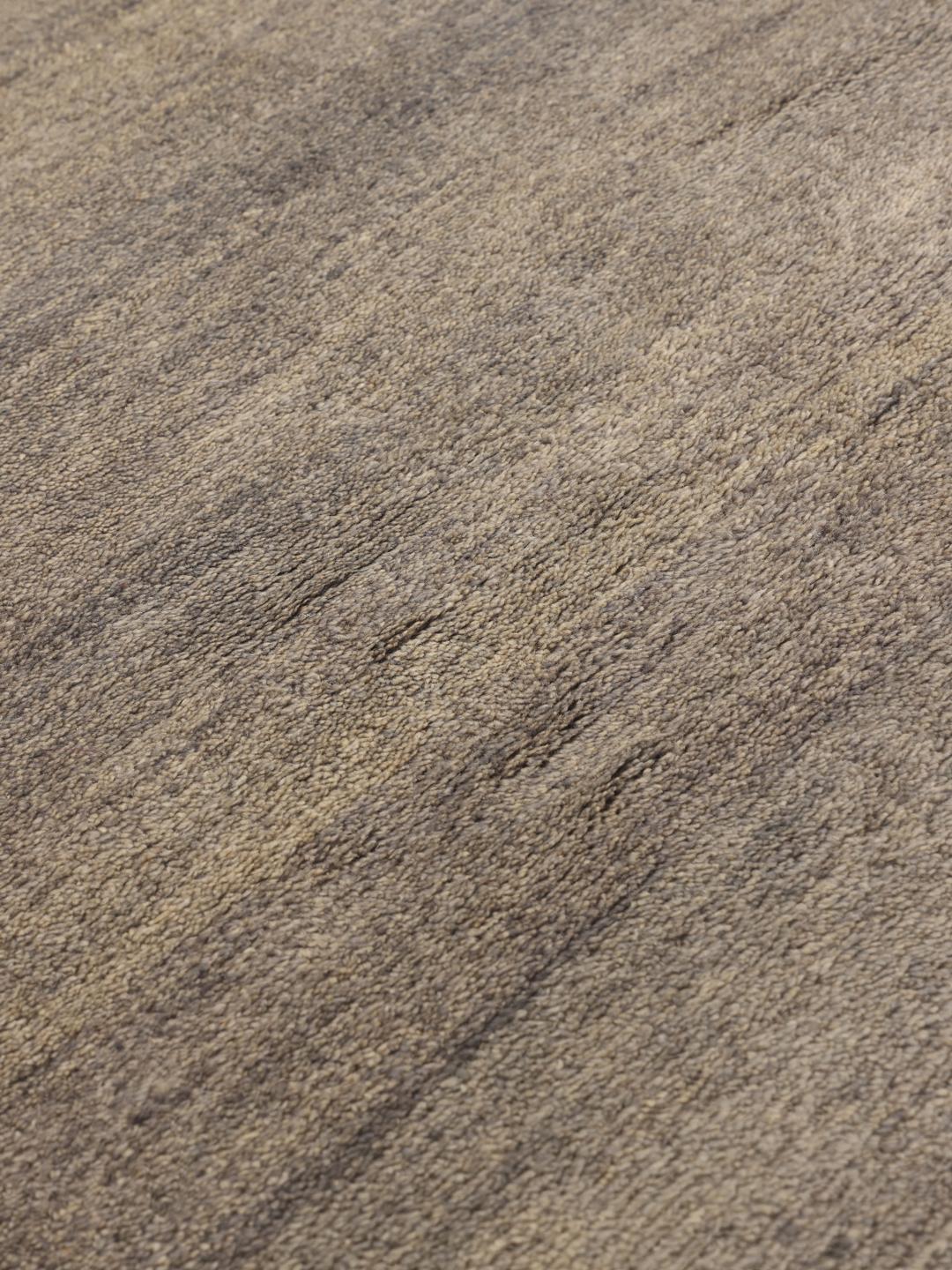
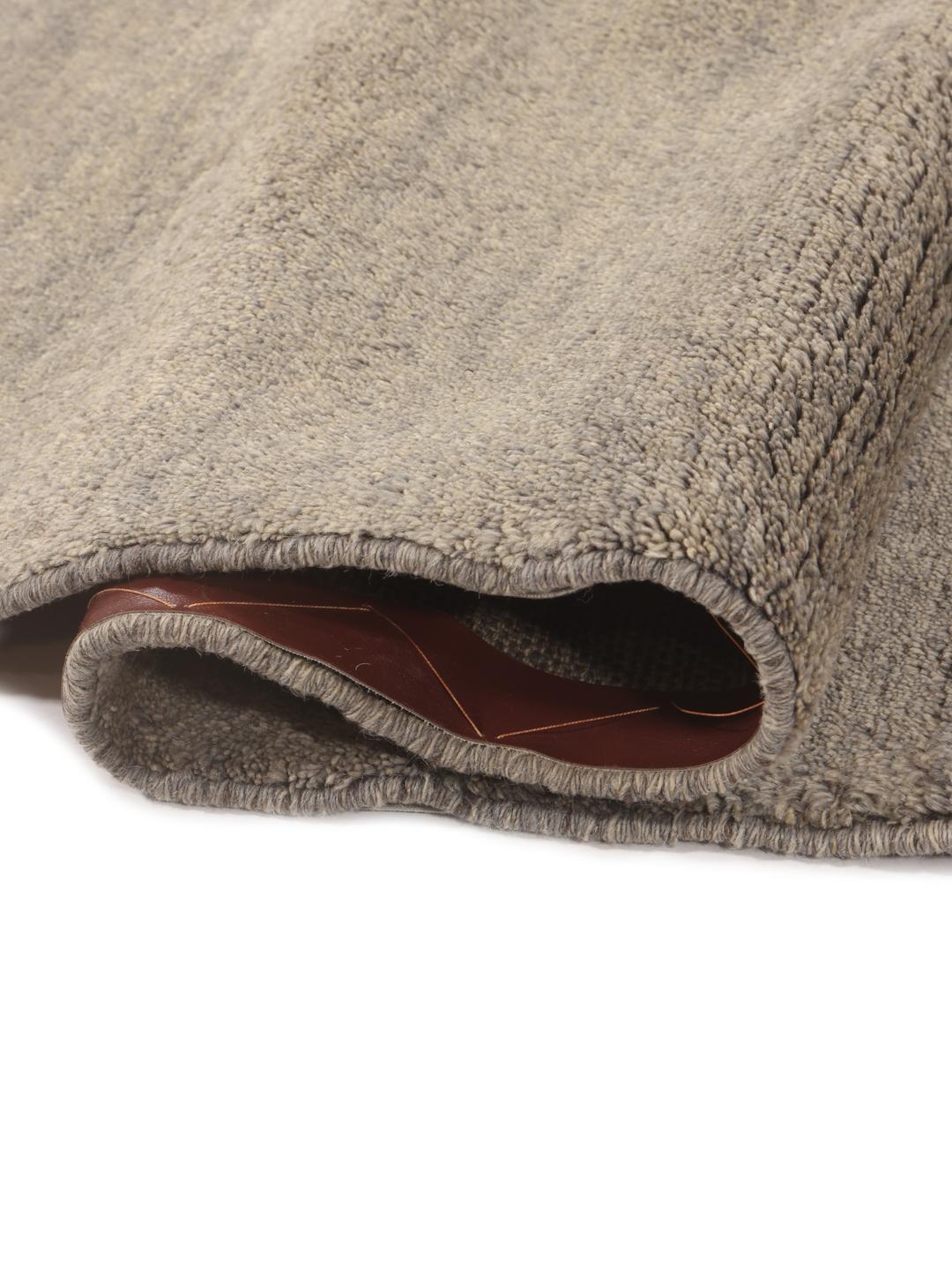
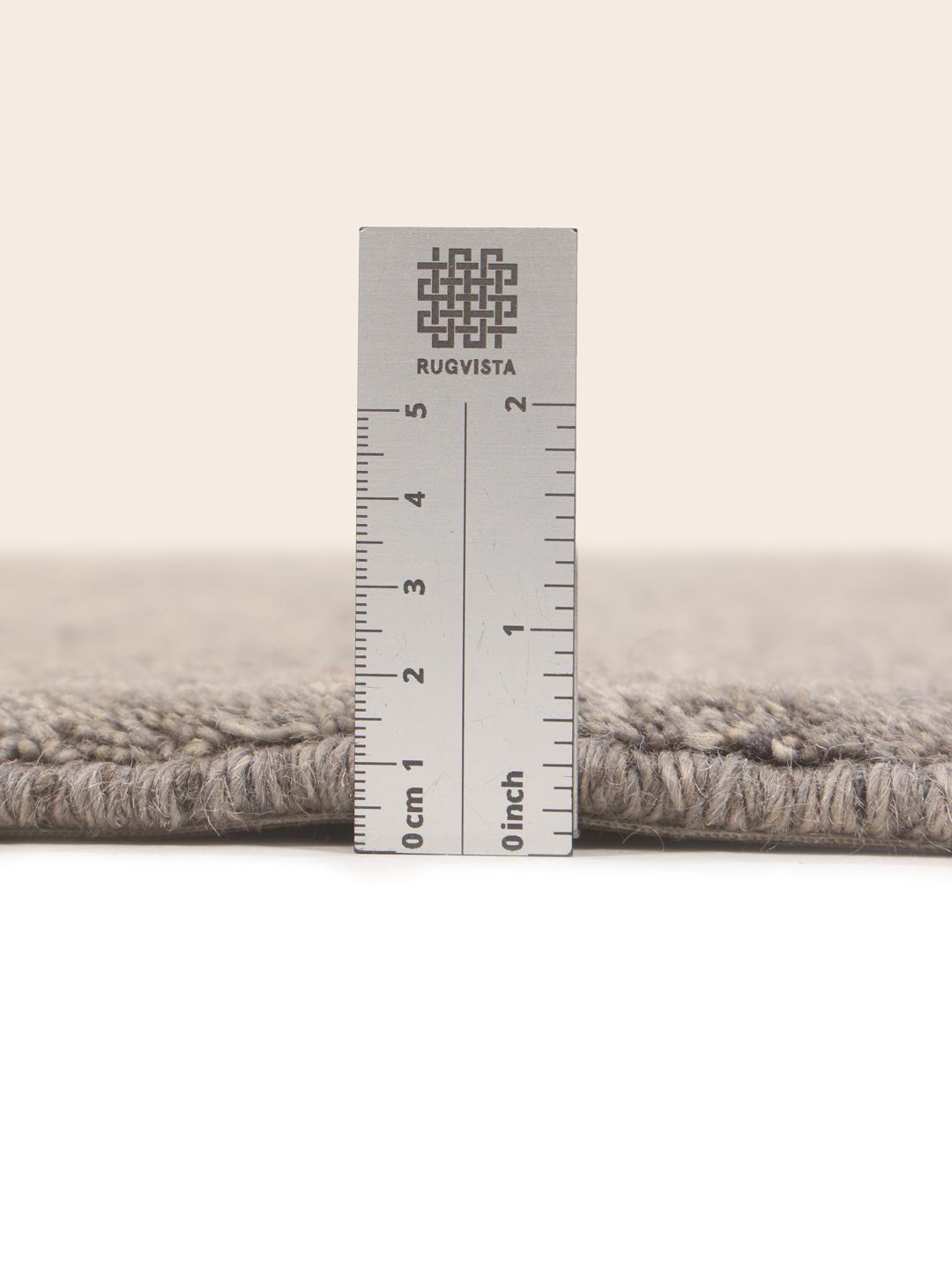
The term 'Gabbeh' itself refers to the raw and natural nature of the rug, often characterised by a thicker, longer pile than more formal, city-woven carpets. This style is celebrated for its unpretentious charm and the way it highlights the quality of the wool, which is often hand-spun and dyed using traditional methods to achieve deep, rich, and varied tones that age gracefully over time.
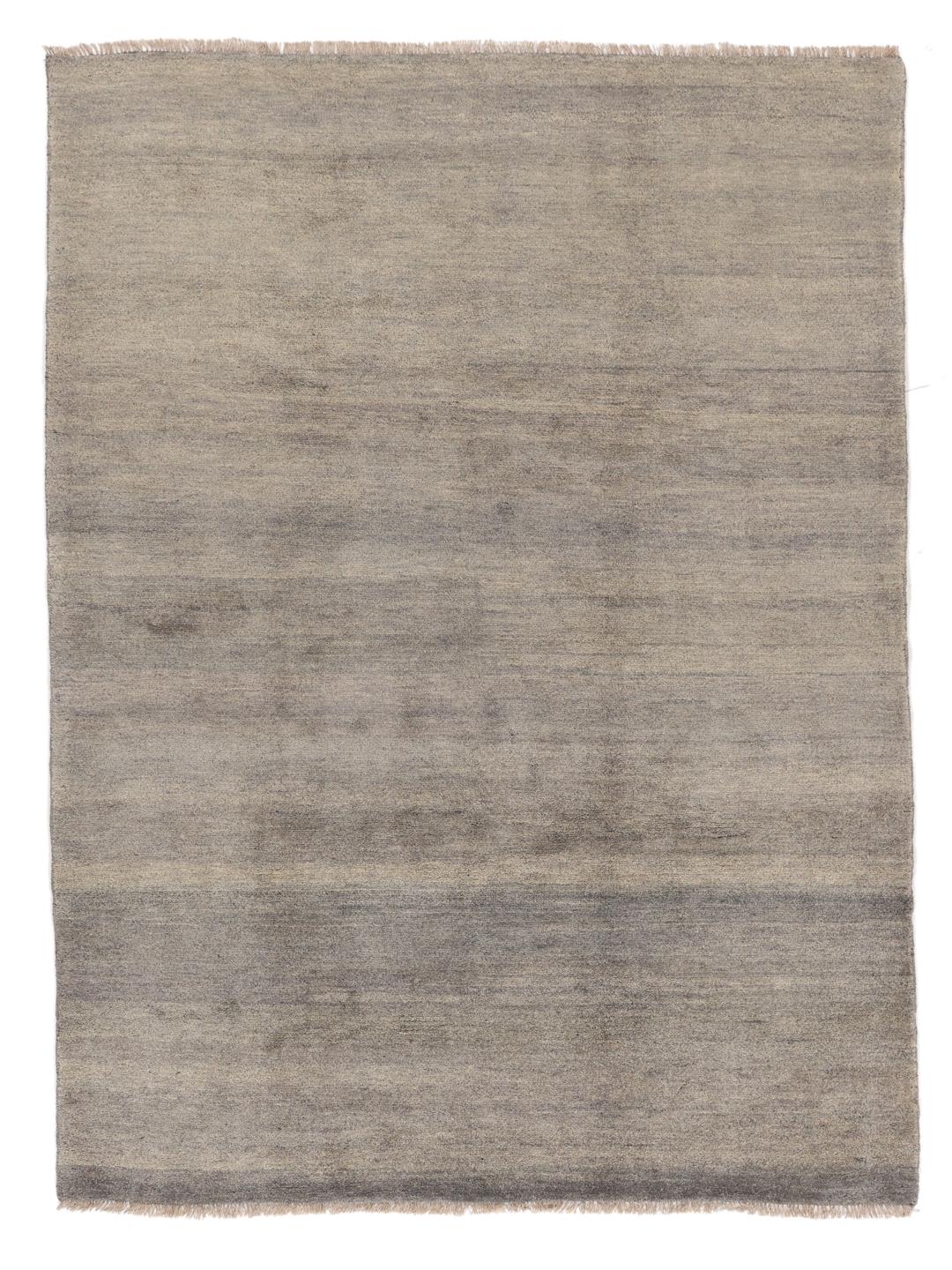
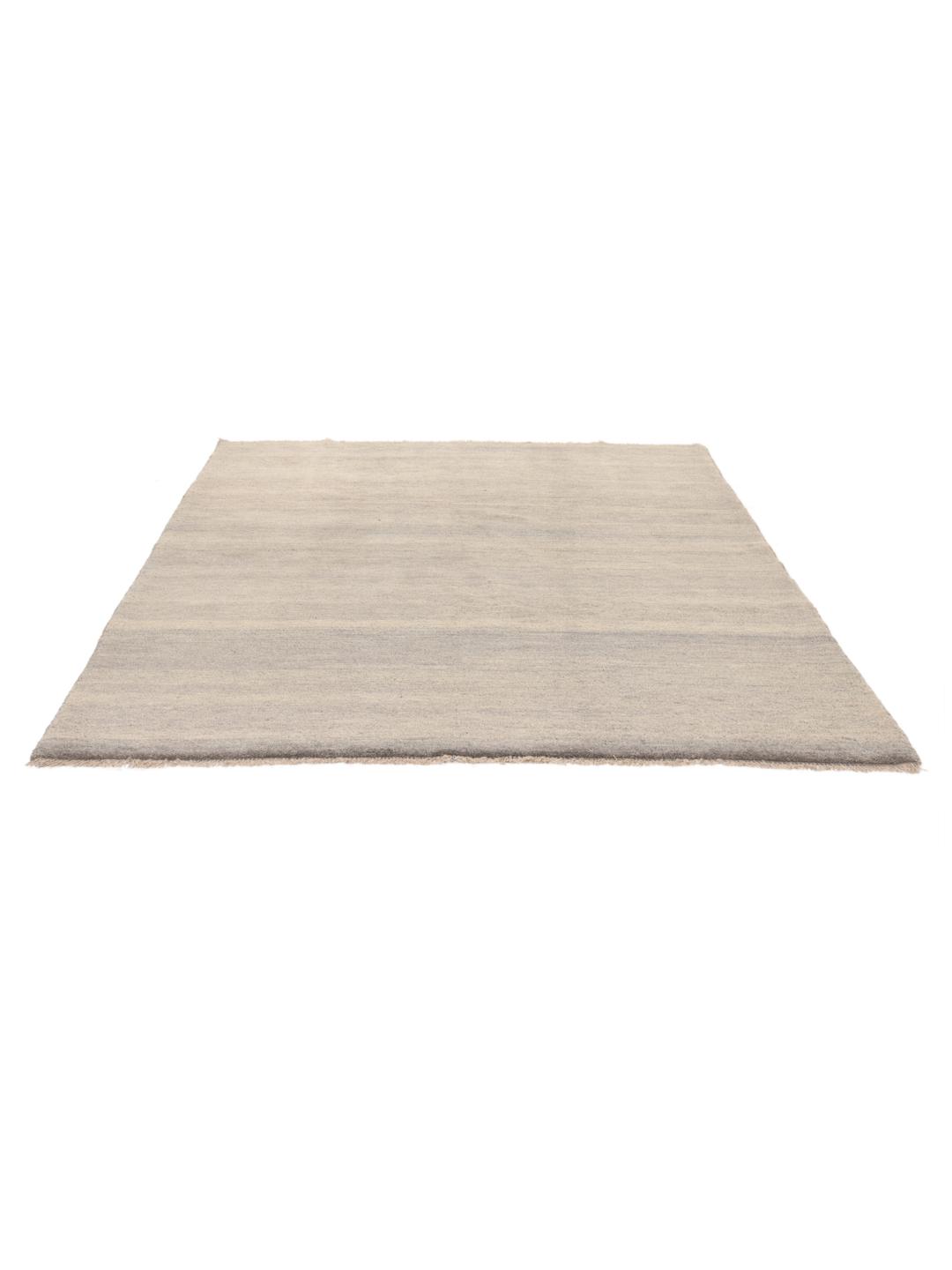
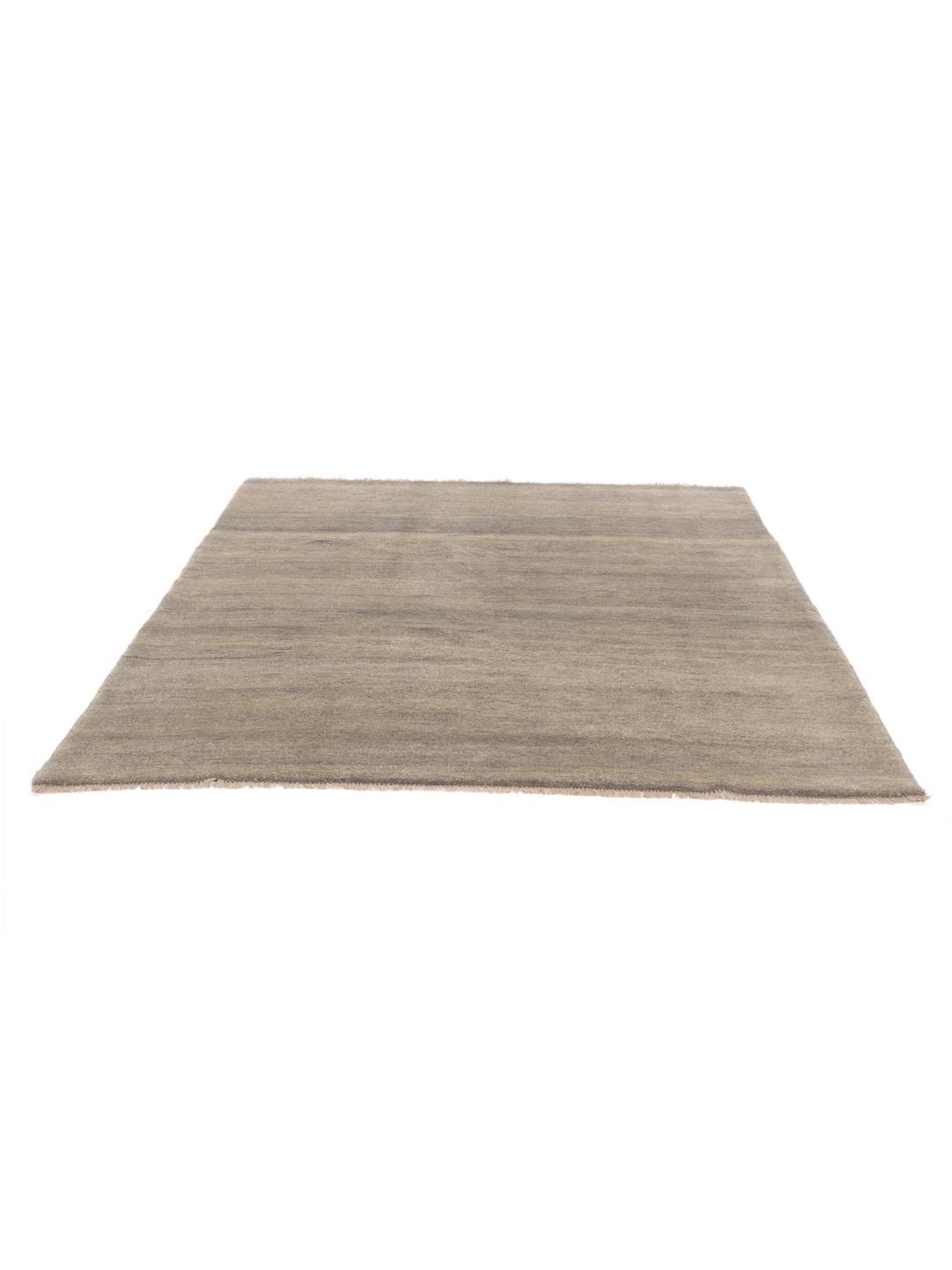
Design-wise, Gabbeh rugs are renowned for their minimalist aesthetic, often featuring wide fields of colour or simple, abstract motifs that draw inspiration from the landscapes and daily lives of the tribespeople. While many traditional rugs are defined by intricate, floral patterns, the Gabbeh stands out for its focus on texture and the subtle interplay of colour, making it a versatile choice for modern homes.
Today, owning a Gabbeh rug is a way to connect with a storied tradition of craftsmanship that has been passed down through generations. These rugs are highly valued by collectors and interior enthusiasts alike, not only for their aesthetic beauty but for the tangible sense of heritage and human effort woven into every strand. They serve as a lasting reminder of a time when every object in the home was made with intent and purpose.