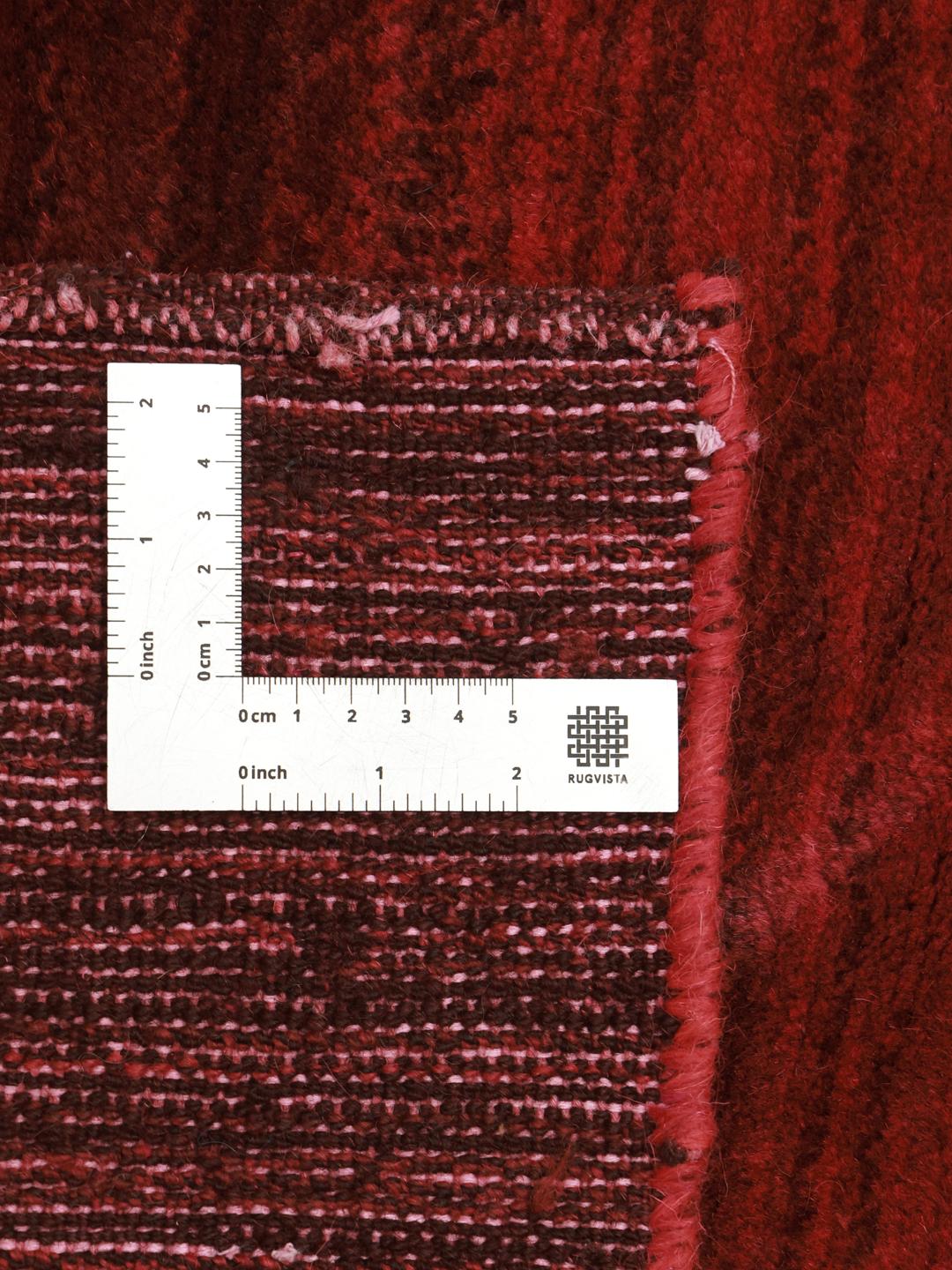
Gabbeh rugs originate from the nomadic tribes of the Middle East, particularly the Qashqai people, who developed this style to provide warmth and comfort in harsh, mountainous environments. Unlike more formal, intricate carpets, the Gabbeh was traditionally woven for personal use, serving as a protective layer against the cold ground of the tent.
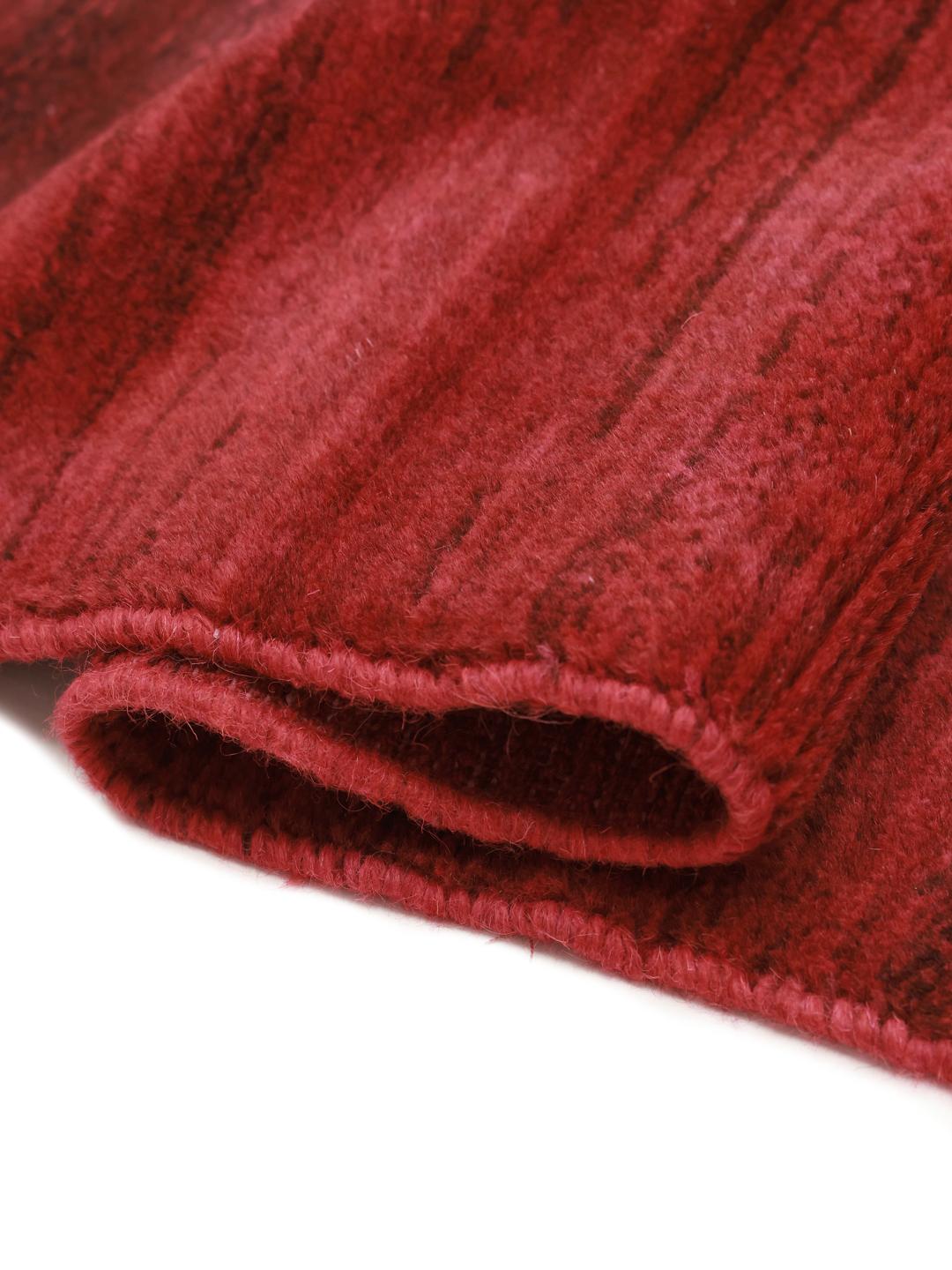
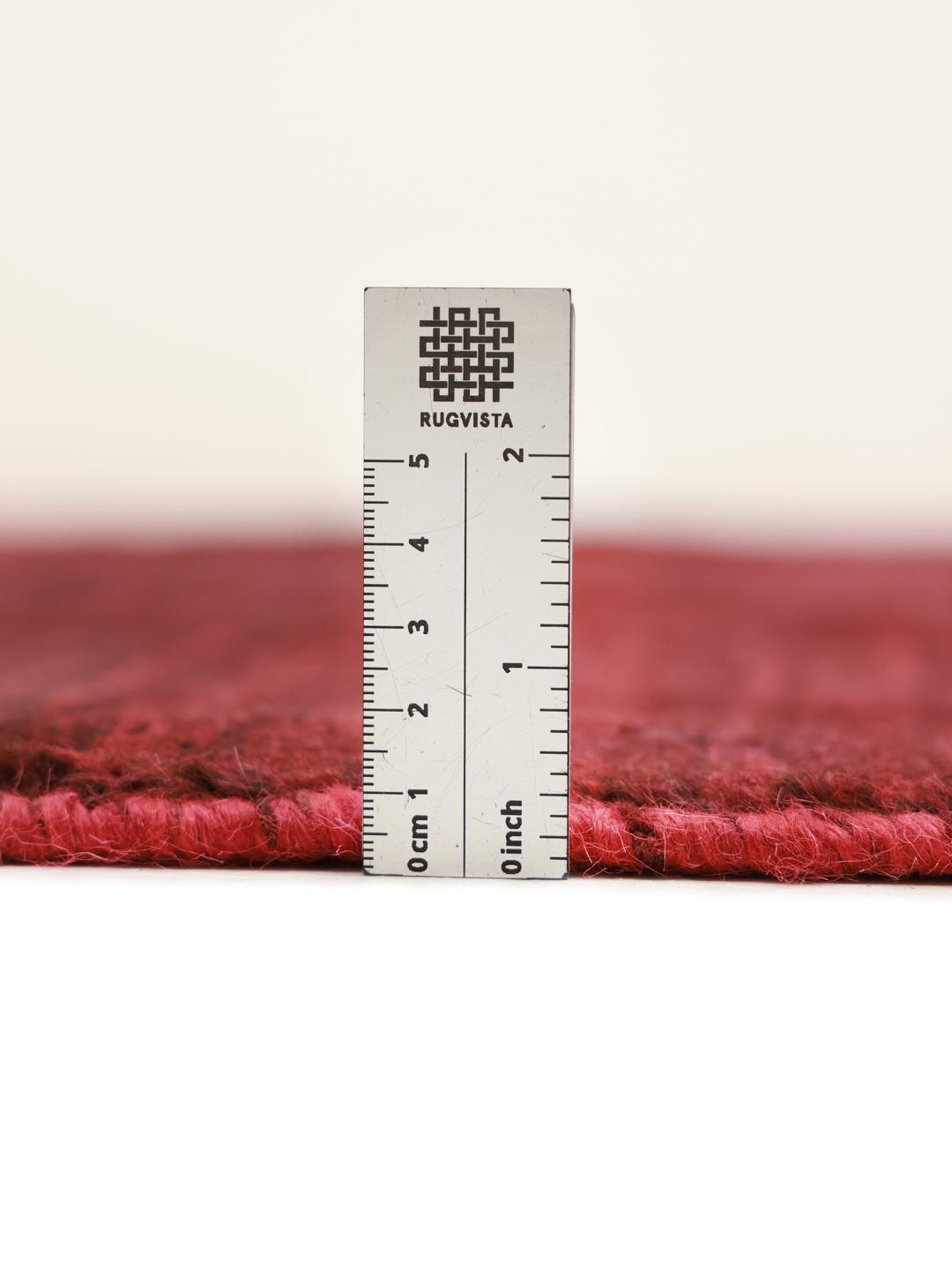
The term 'Gabbeh' itself translates to 'raw' or 'natural', reflecting the rug's character. These pieces are known for their thicker, longer pile and a more relaxed approach to design compared to city-made carpets. This construction style allows for a plush, cushioned feel that makes these rugs highly sought after for their comfort and rustic charm.
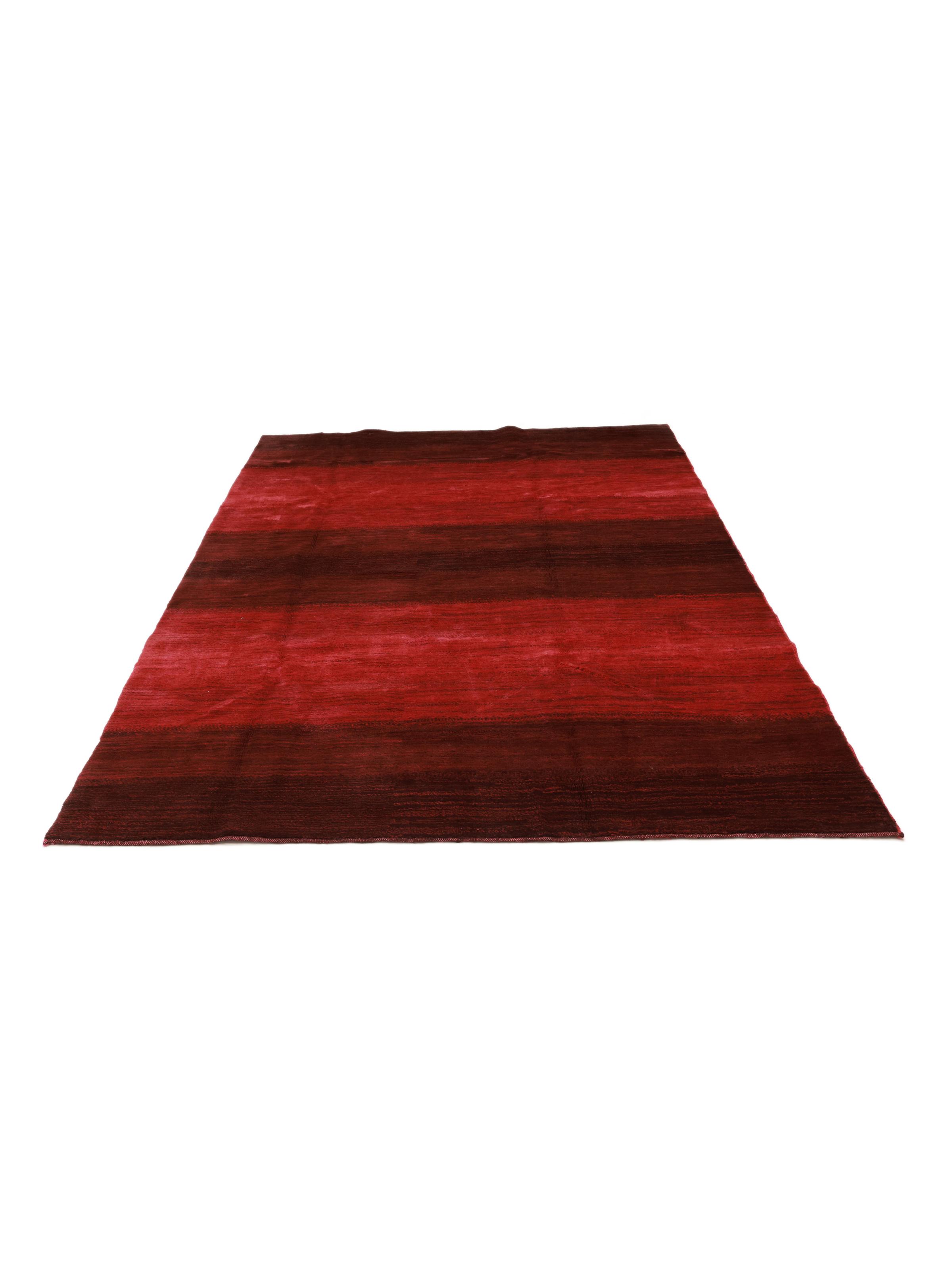
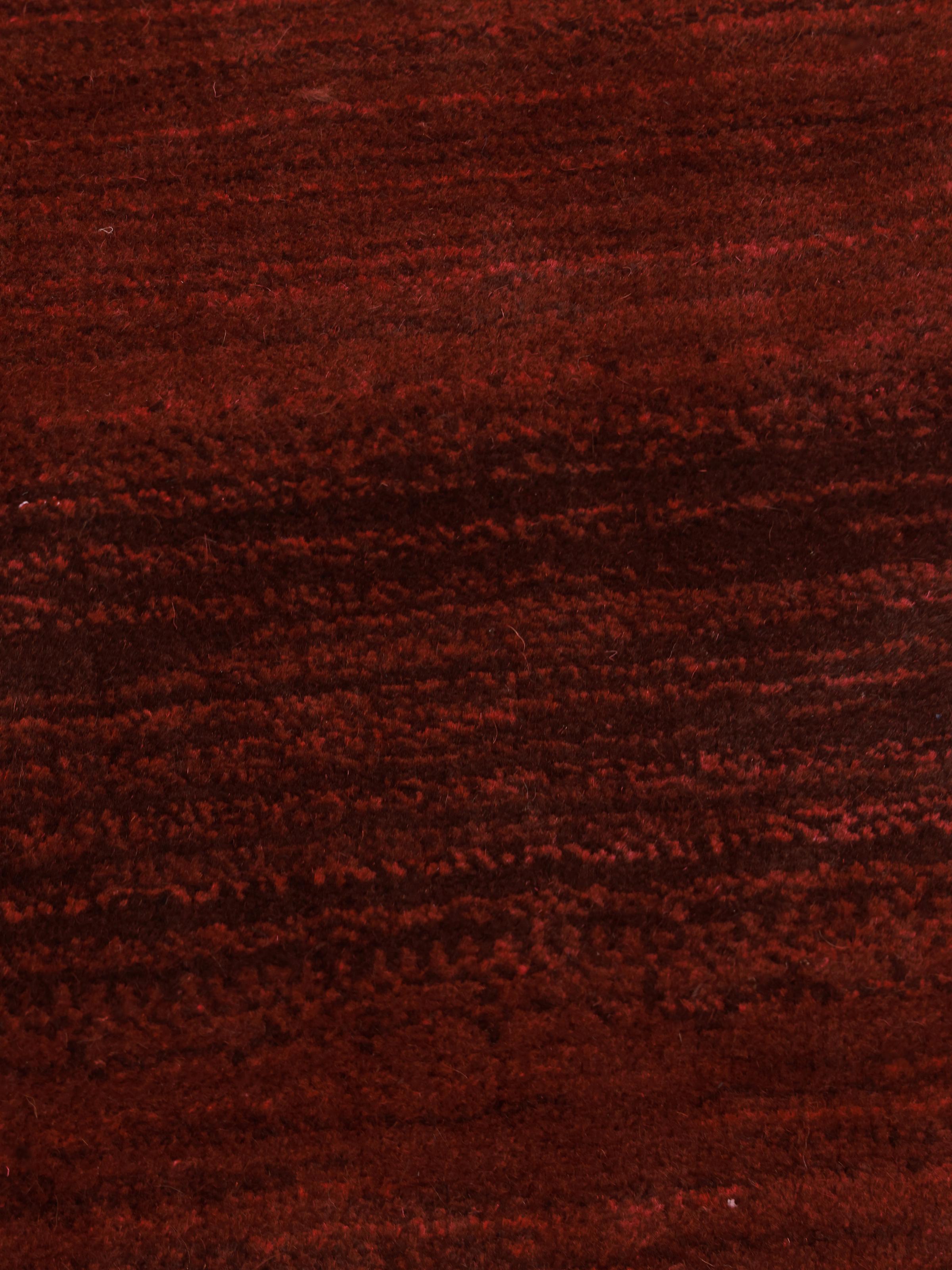
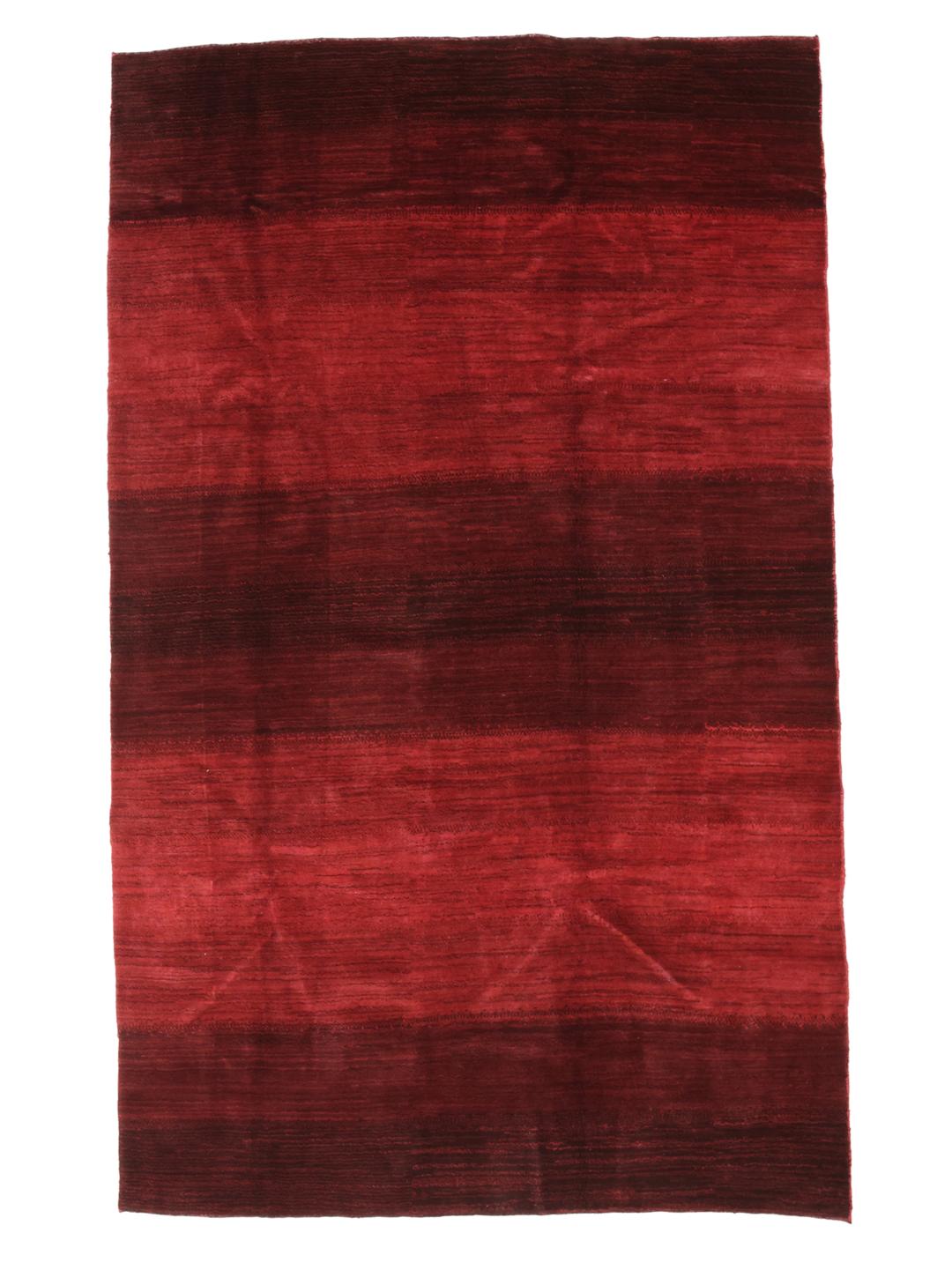
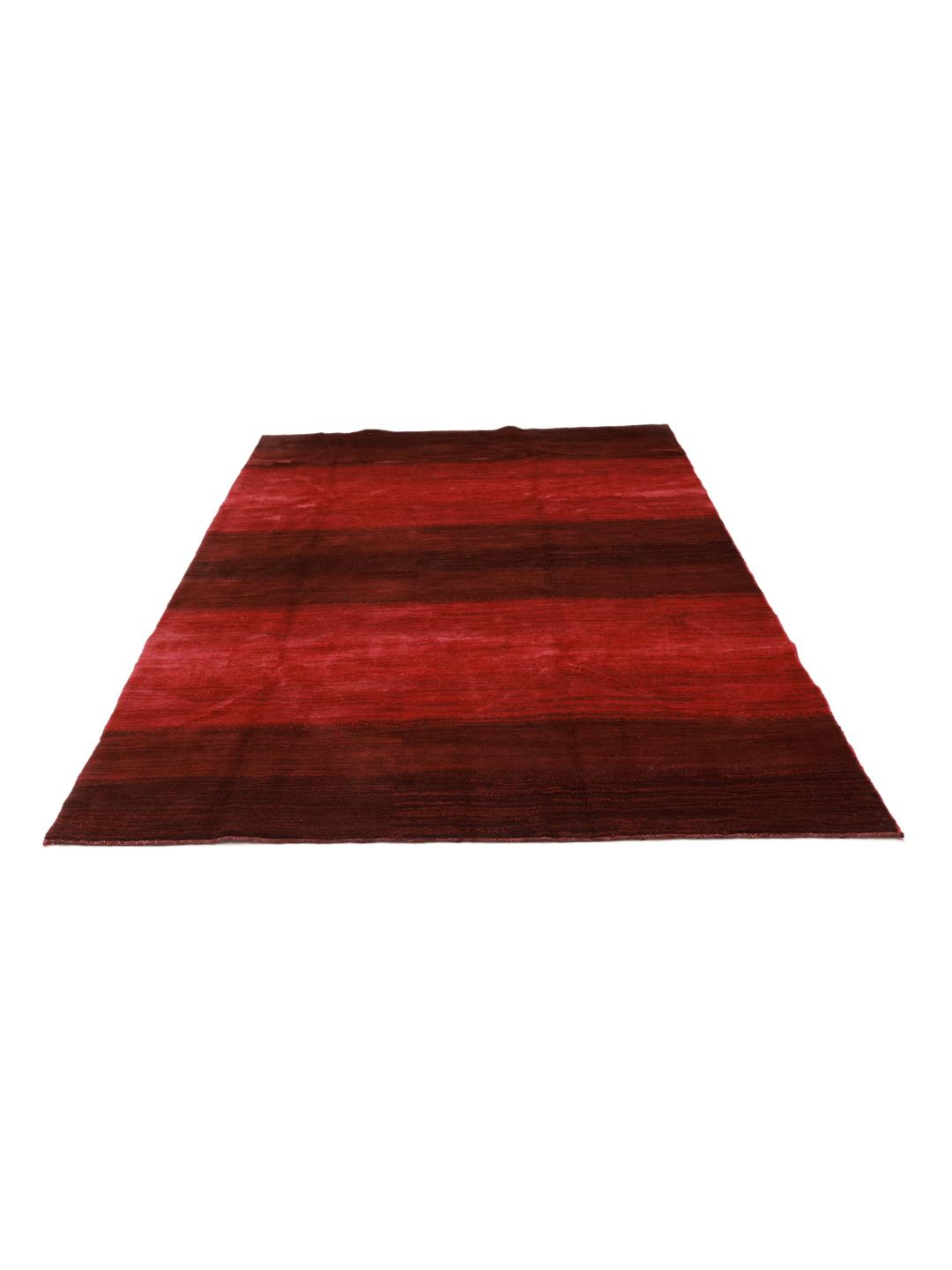
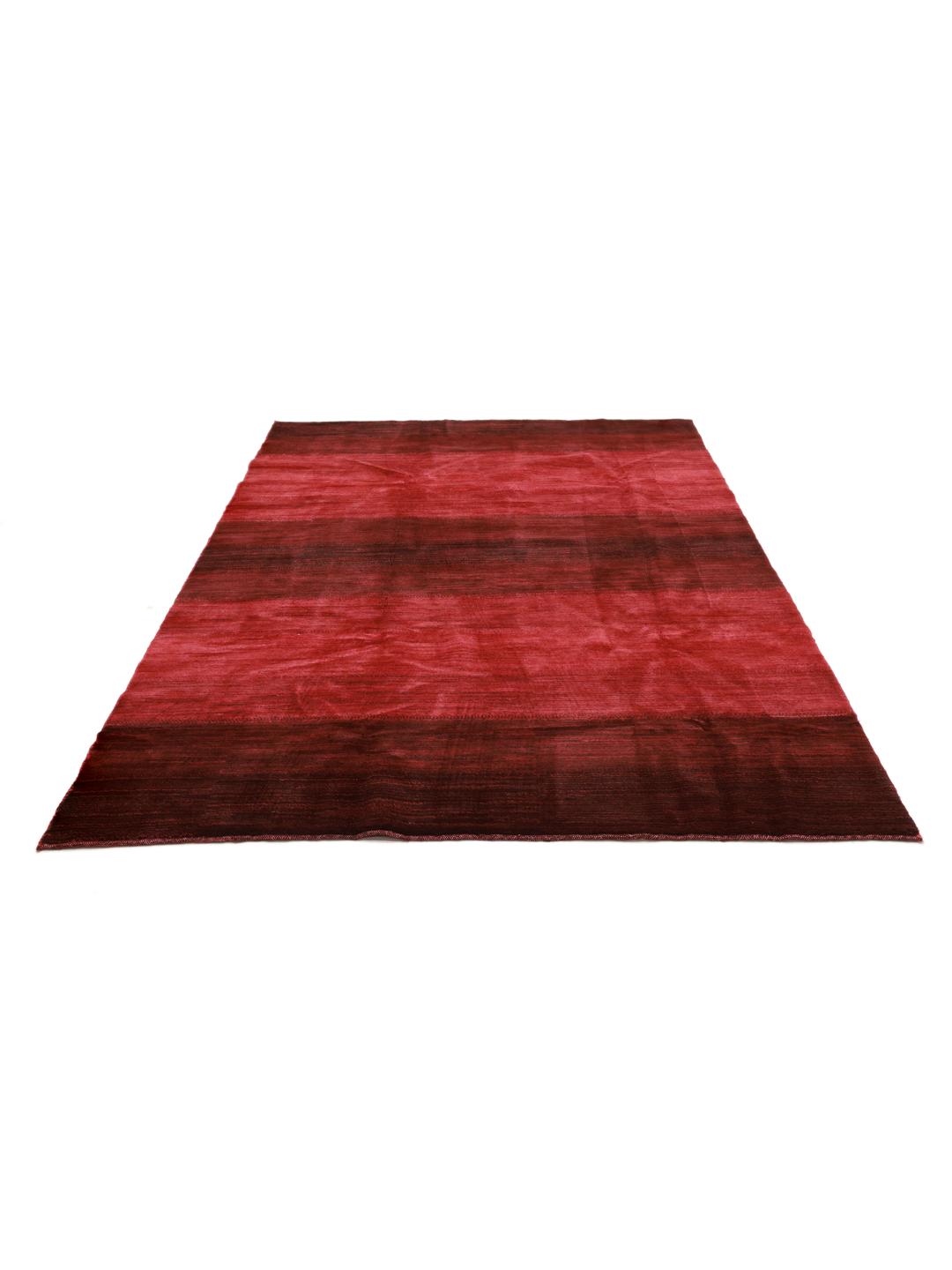
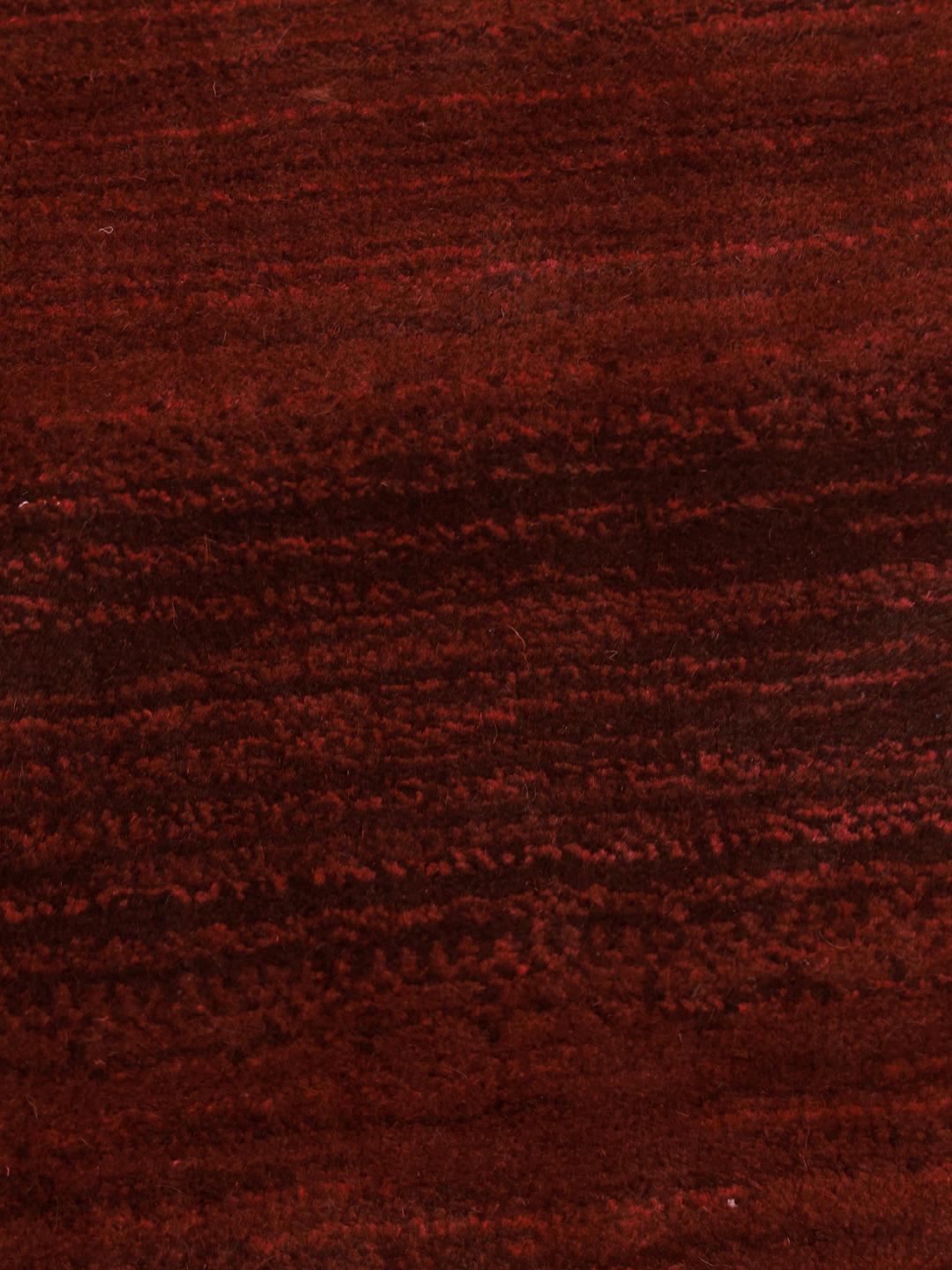
Visually, these rugs are defined by their use of expansive, open fields and minimalist patterns. While many feature simple geometric shapes or subtle animal motifs, the focus is often on the quality of the Wool and the depth of the natural dyes. This rug's deep red palette is a classic hallmark of the tradition, evoking the warmth of the hearth and the vibrancy of the landscape from which these weavers draw their inspiration.
Collecting a Gabbeh Fine rug is an act of preserving a dying art form. As modern life changes, the traditional nomadic ways of weaving are becoming rarer, making each authentic, hand-knotted piece a significant cultural artifact. To own one is to possess a tangible connection to a centuries-old craft that prioritises human skill and natural materials over industrial speed.