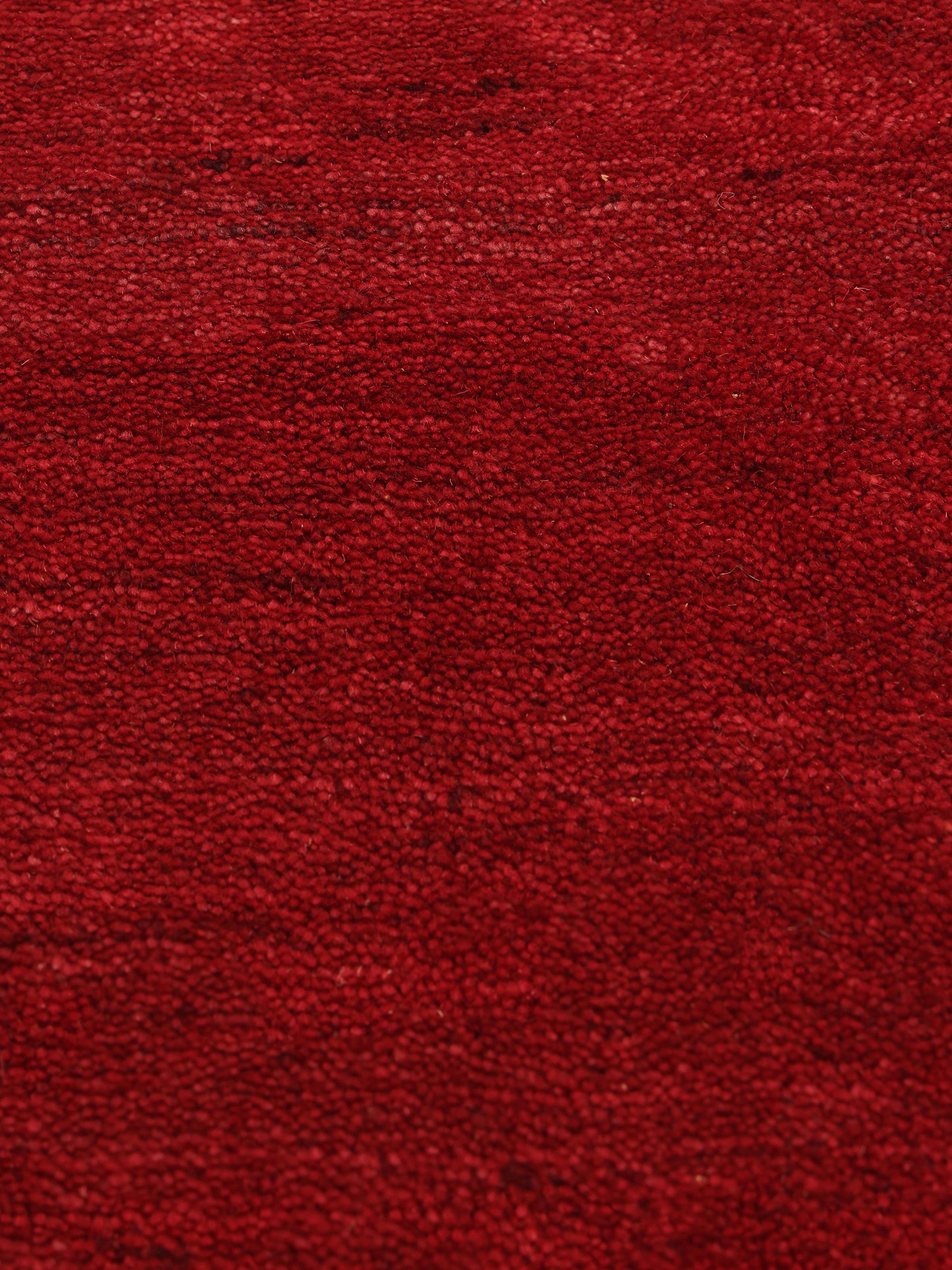
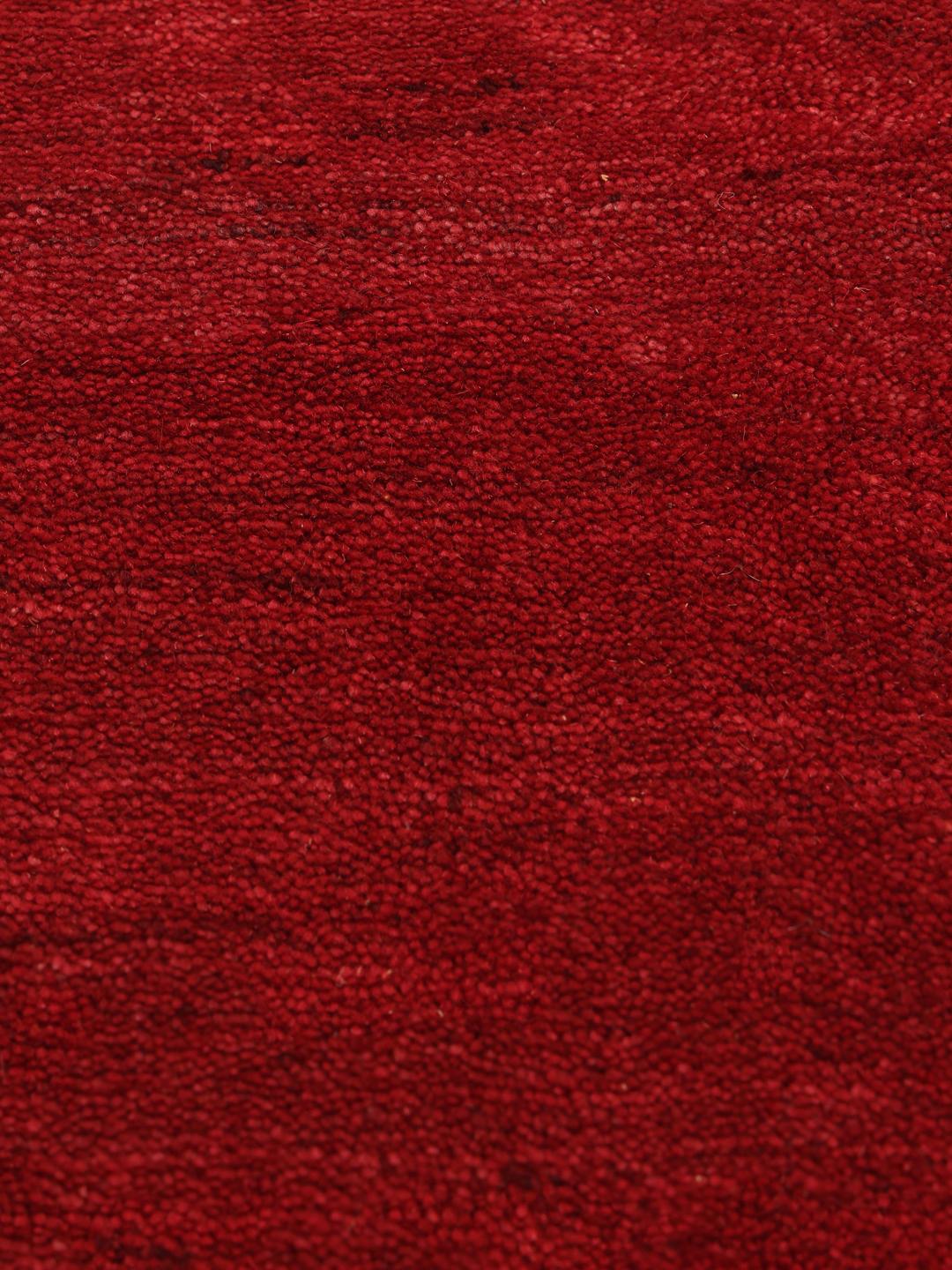
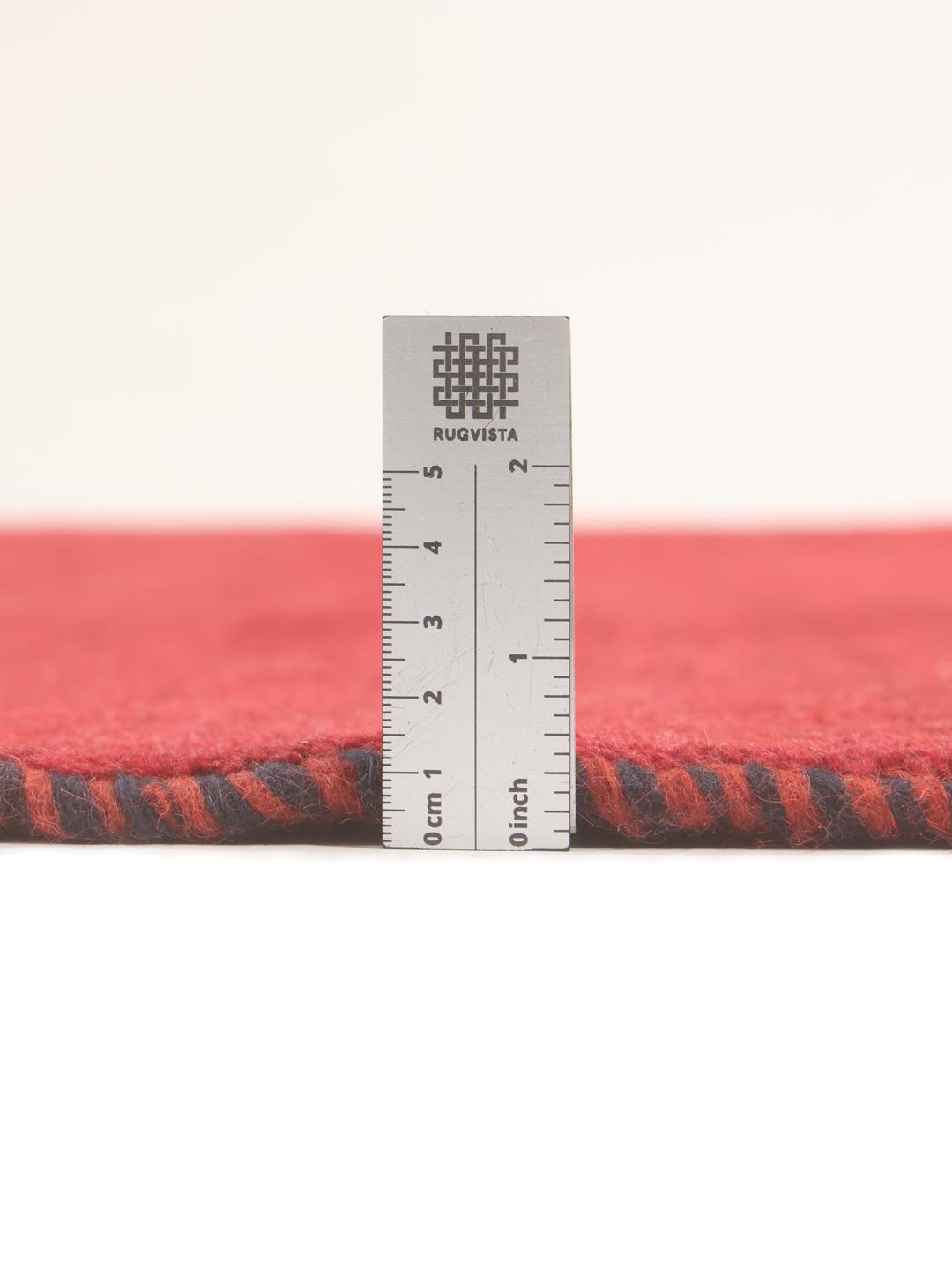
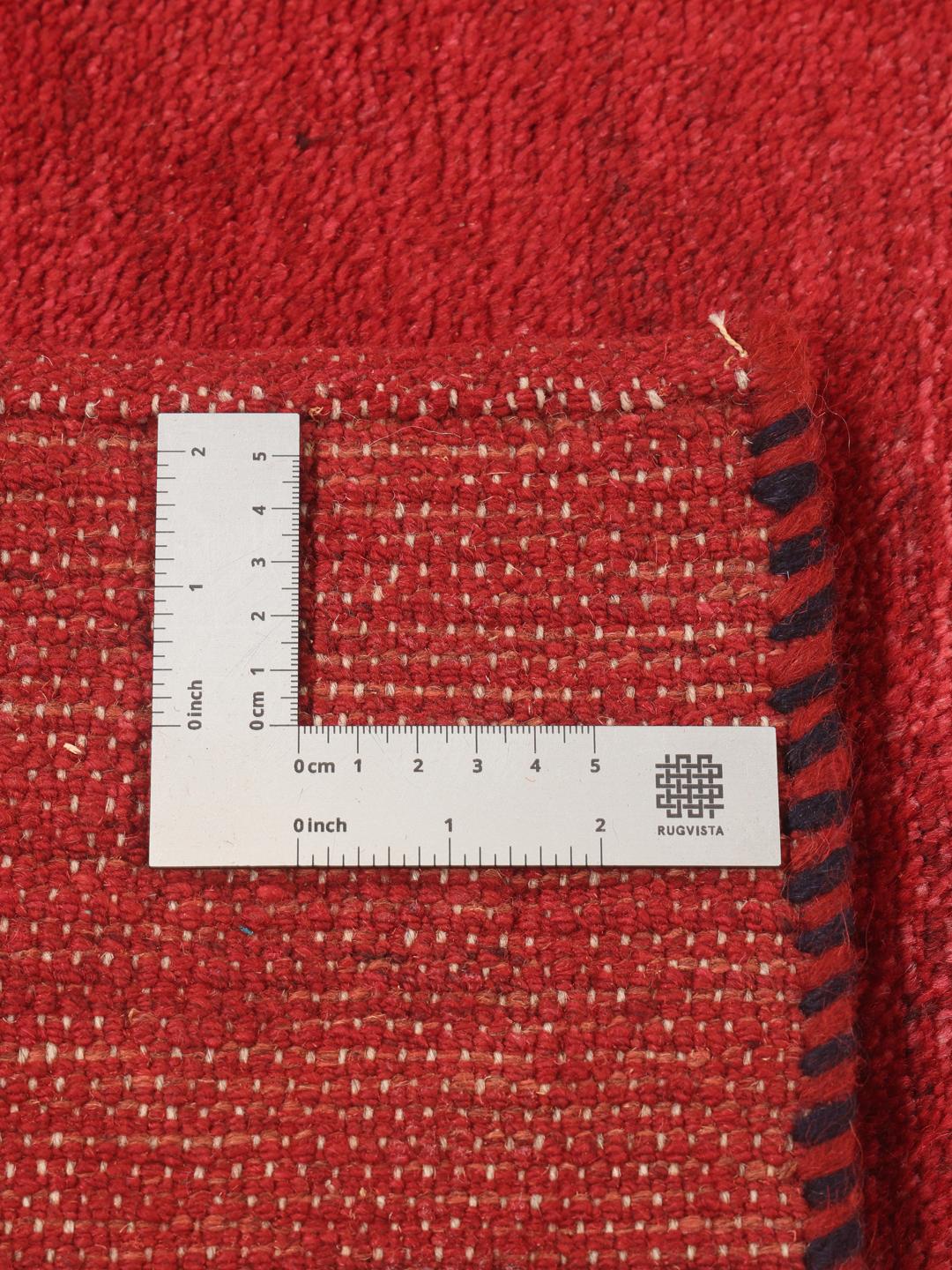
The Gabbeh tradition originates from the nomadic tribes of the Middle East, where weavers created these rugs primarily for their own domestic use. Historically, these pieces were designed for warmth and comfort in harsh environments, leading to a style that prioritises a thicker, more tactile pile over intricate, formal patterns.
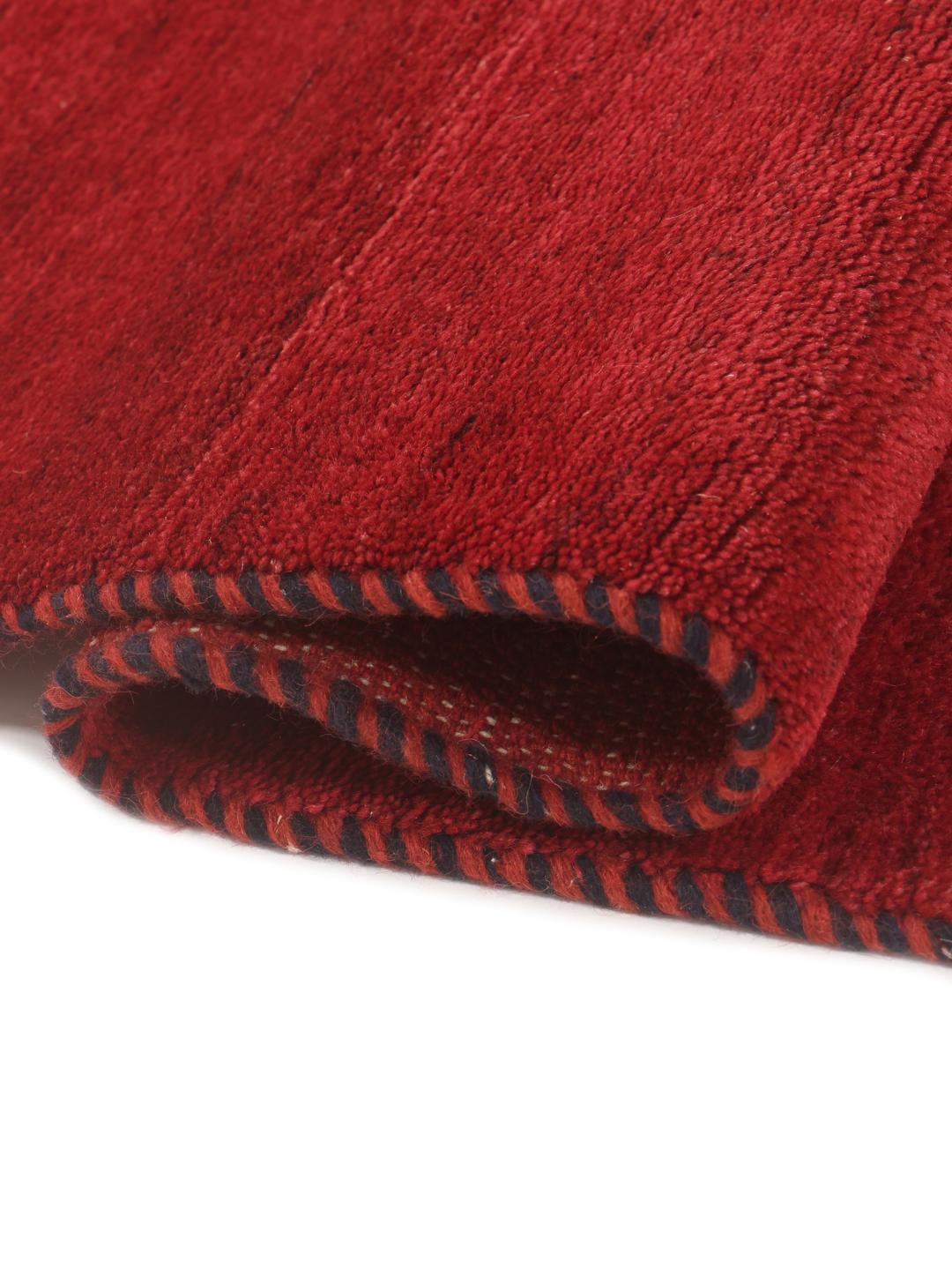
The term 'Gabbeh' often refers to a primitive or 'raw' style, but over generations, this has evolved into a sophisticated craft. The 'Fine' classification indicates a higher level of precision compared to traditional tribal variants, resulting in a tighter, more uniform finish that retains the rustic charm while offering a smoother, more refined appearance.
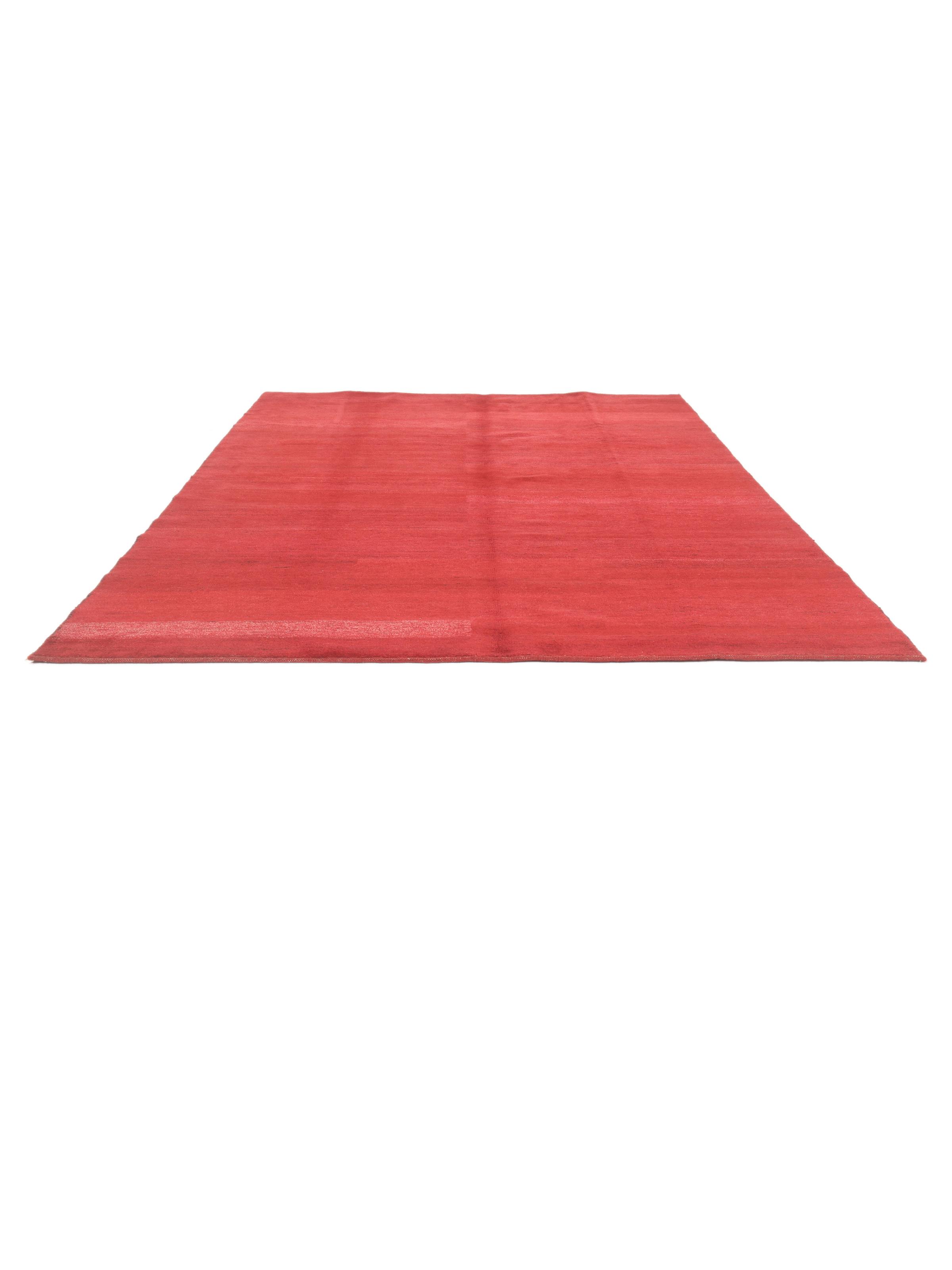
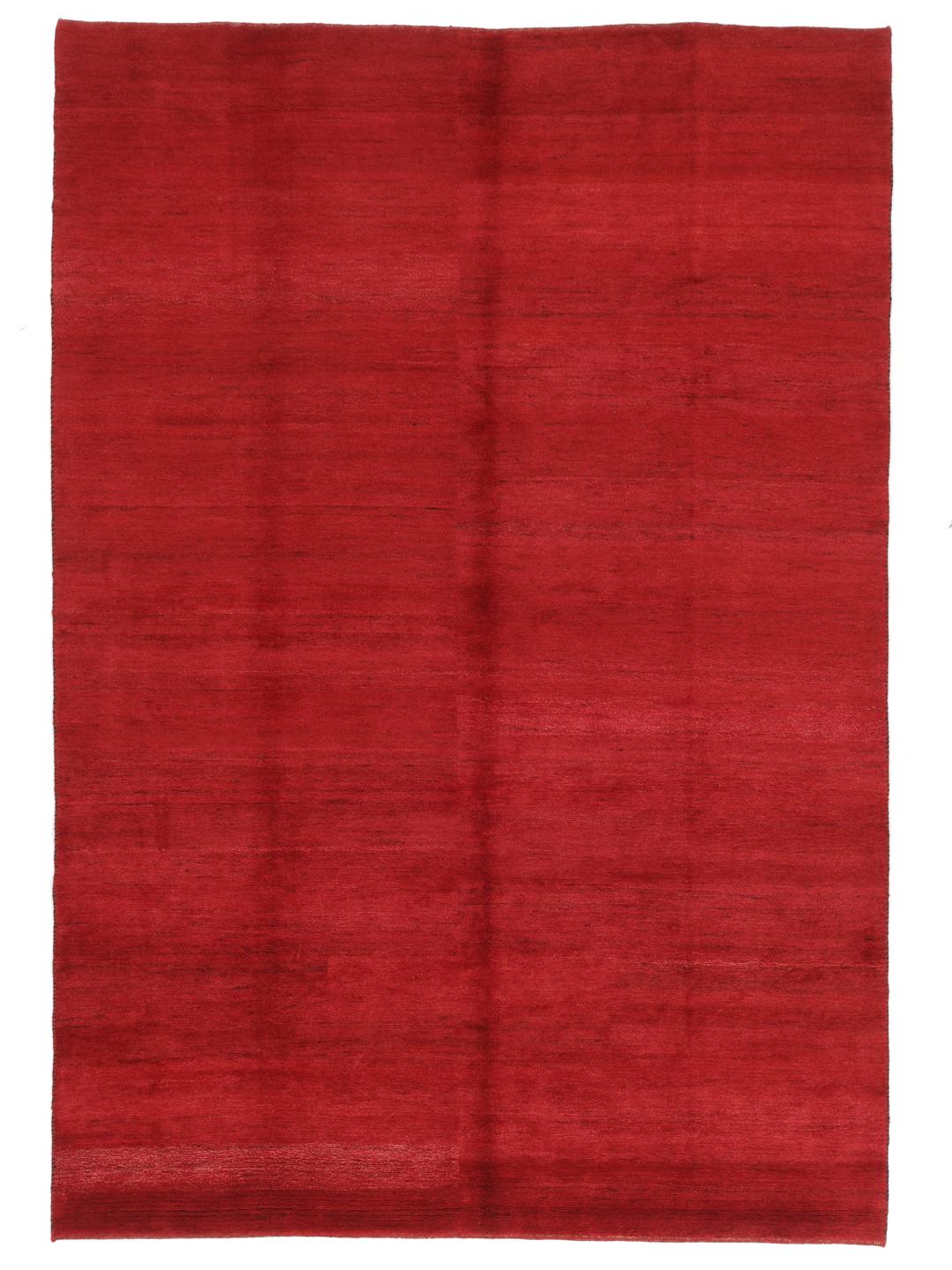
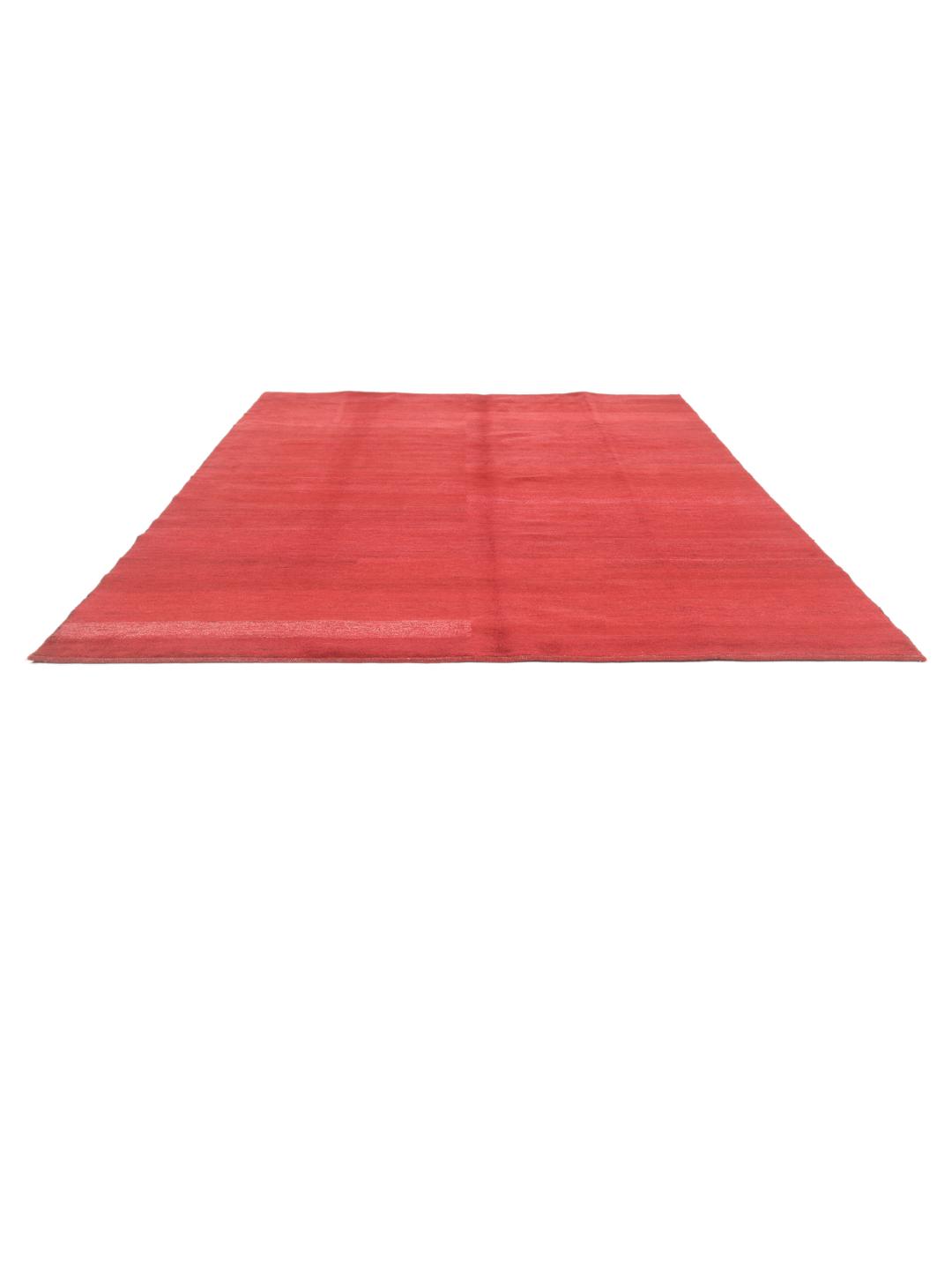
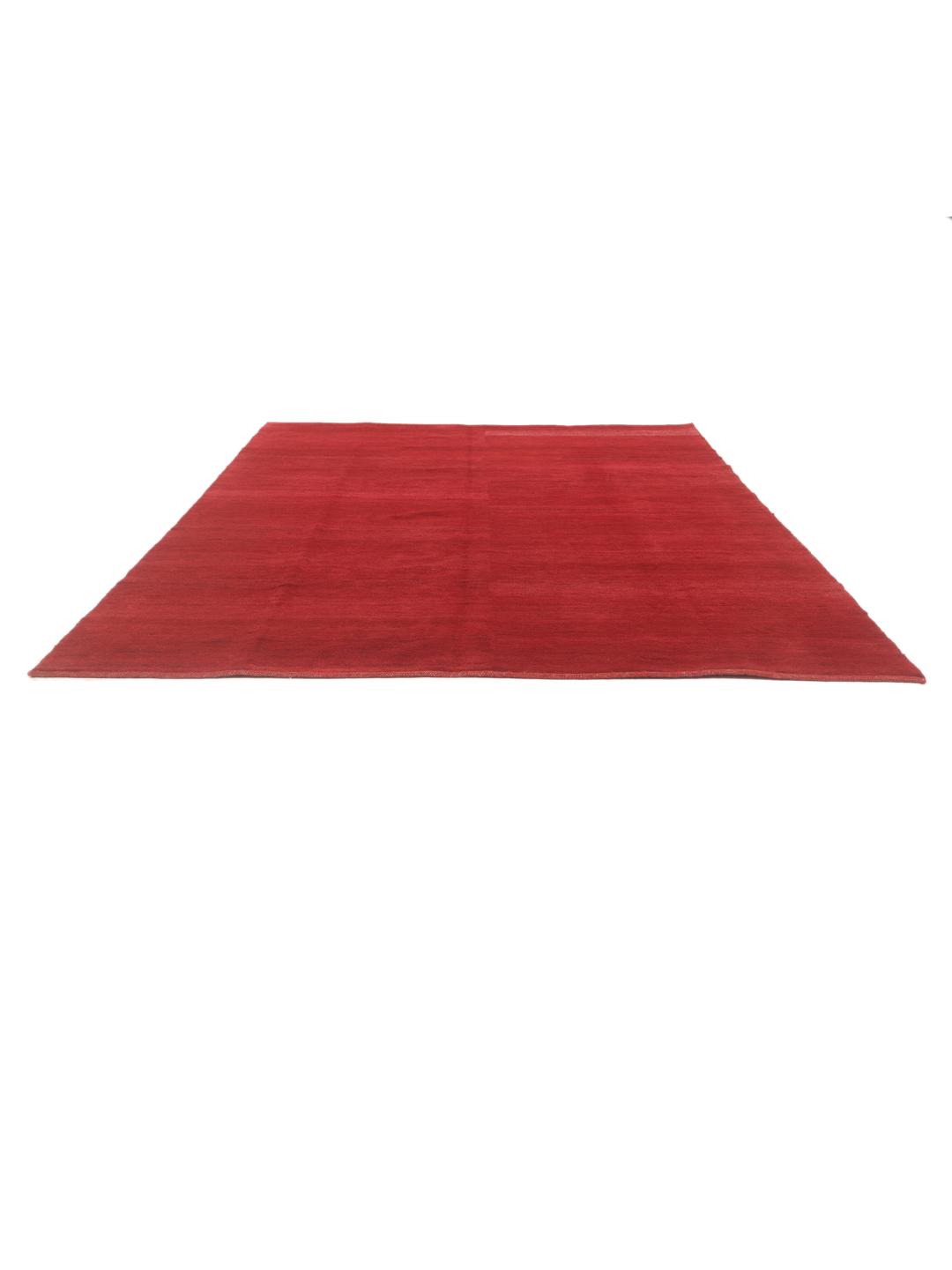
Design-wise, Gabbeh rugs are celebrated for their open, monochromatic fields or simple geometric motifs. The use of natural dyes often leads to subtle colour shifts known as abrash, where the tone varies slightly throughout the rug. This specific example, with its bold red field, showcases the classic preference for earthy, saturated pigments derived from local plants and minerals.
Collectors value these rugs for their authenticity and the direct link they provide to a nomadic heritage. Owning a Gabbeh is not just about the floor covering itself, but about preserving a legacy of craft where the weaver's personal expression is woven directly into the wool, ensuring that every piece tells a unique story.