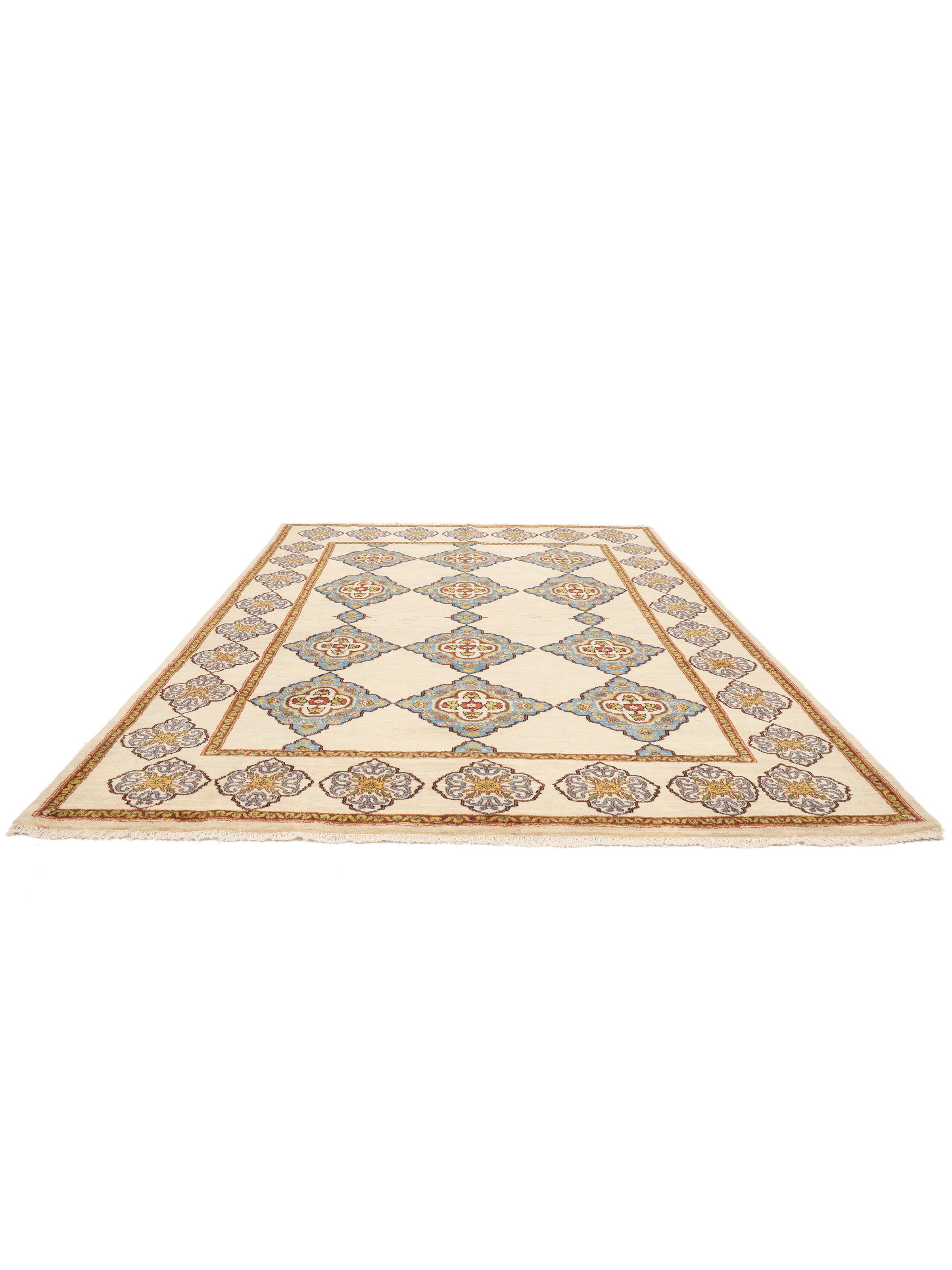
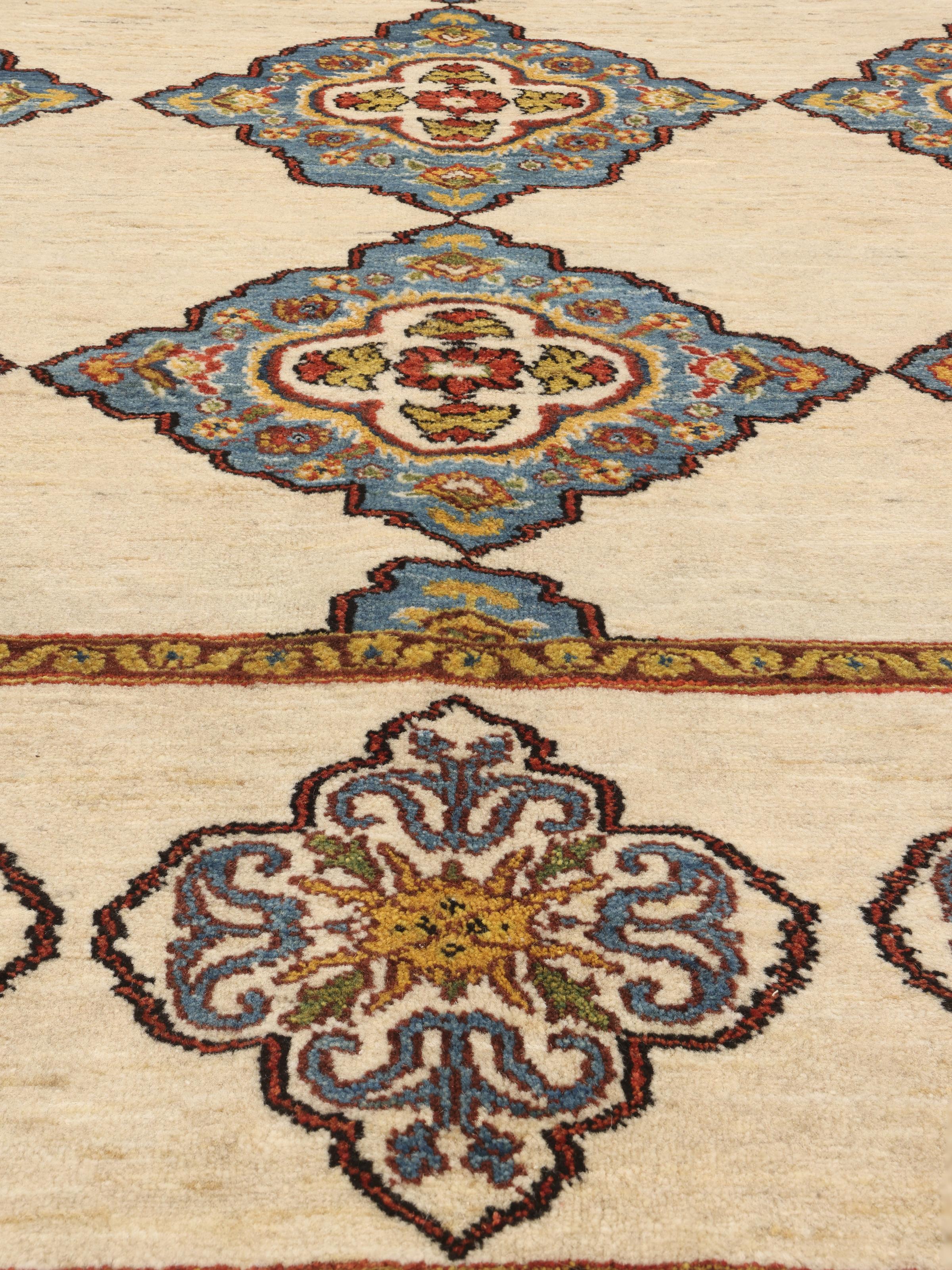
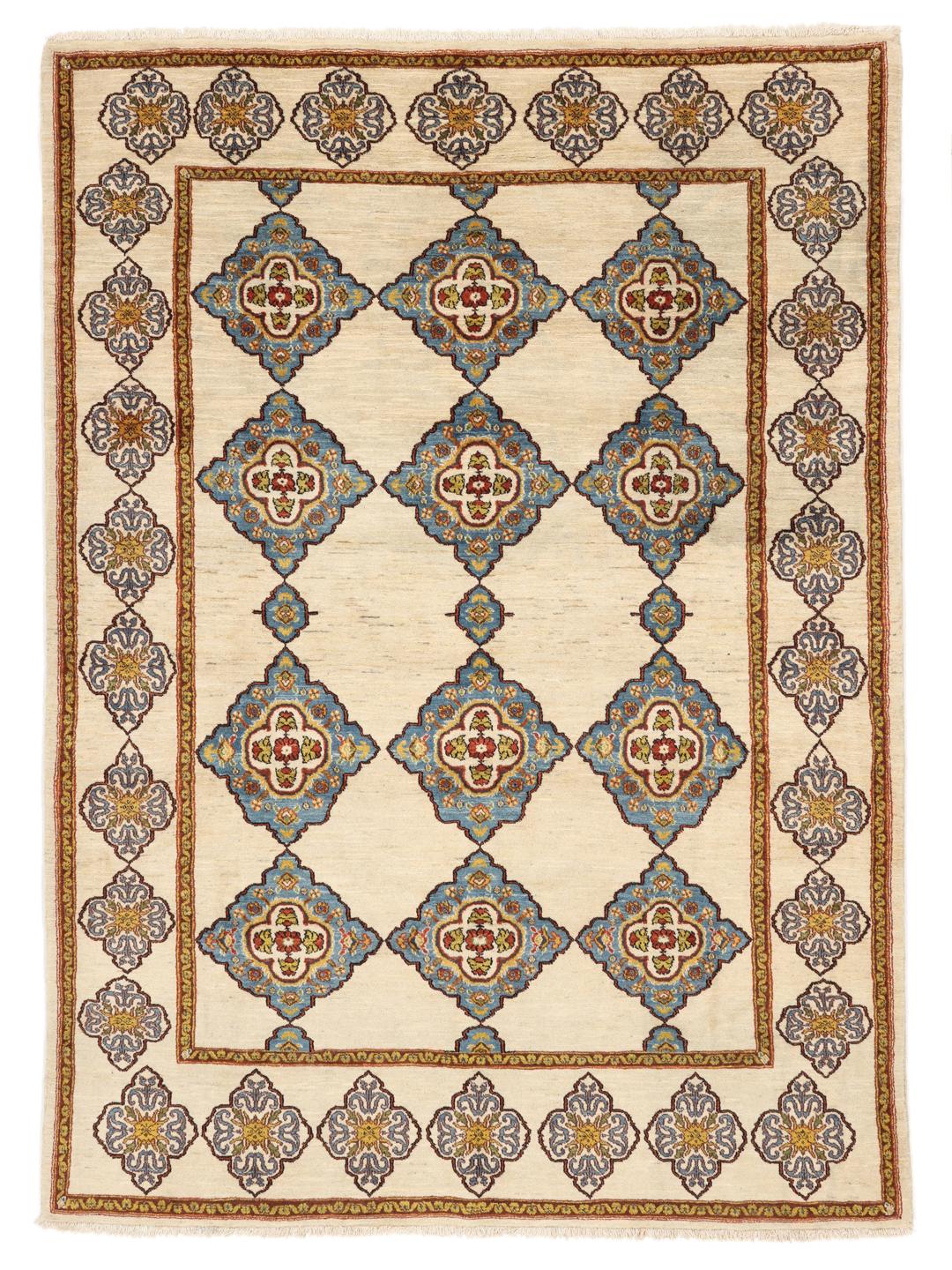
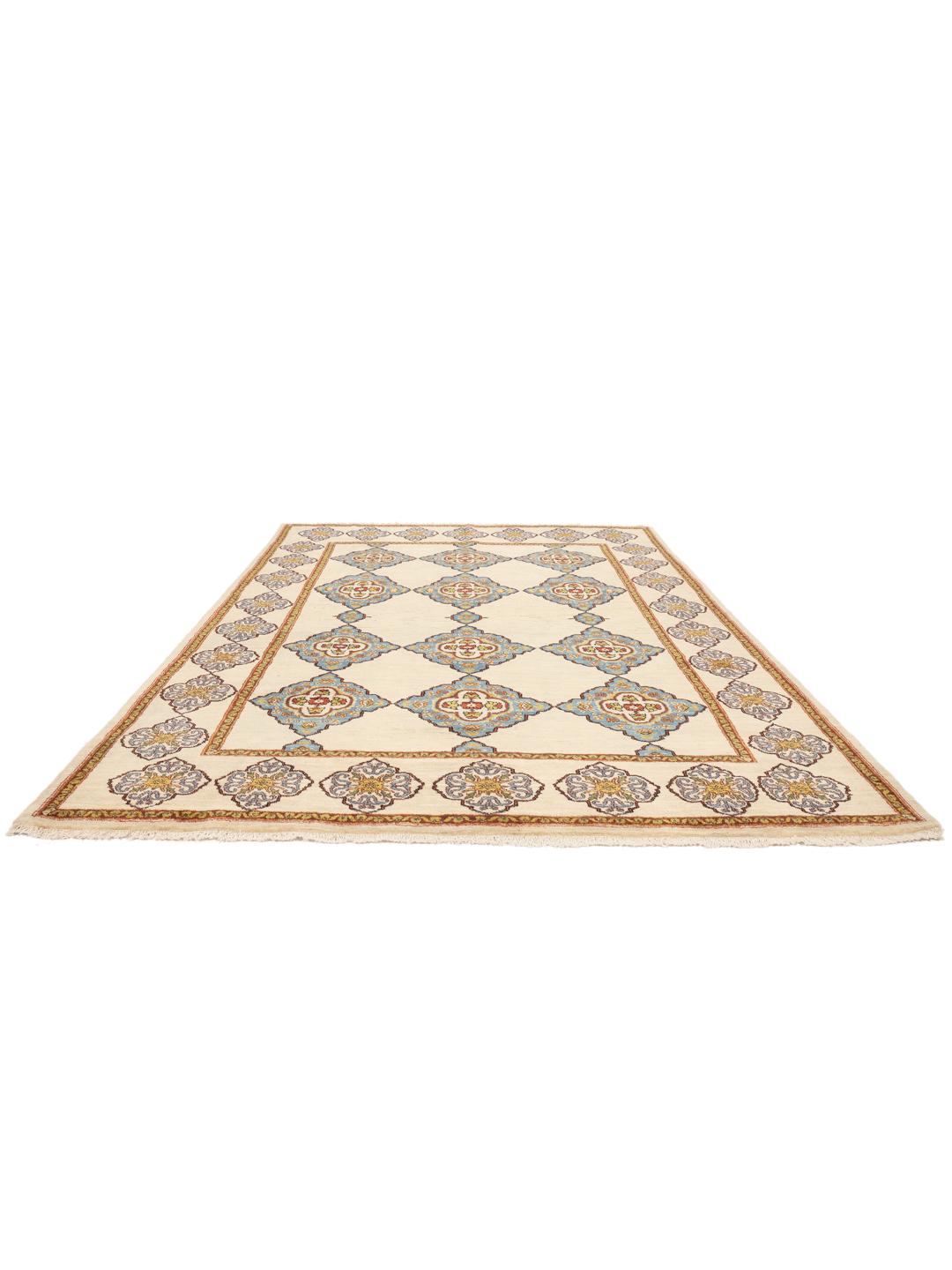
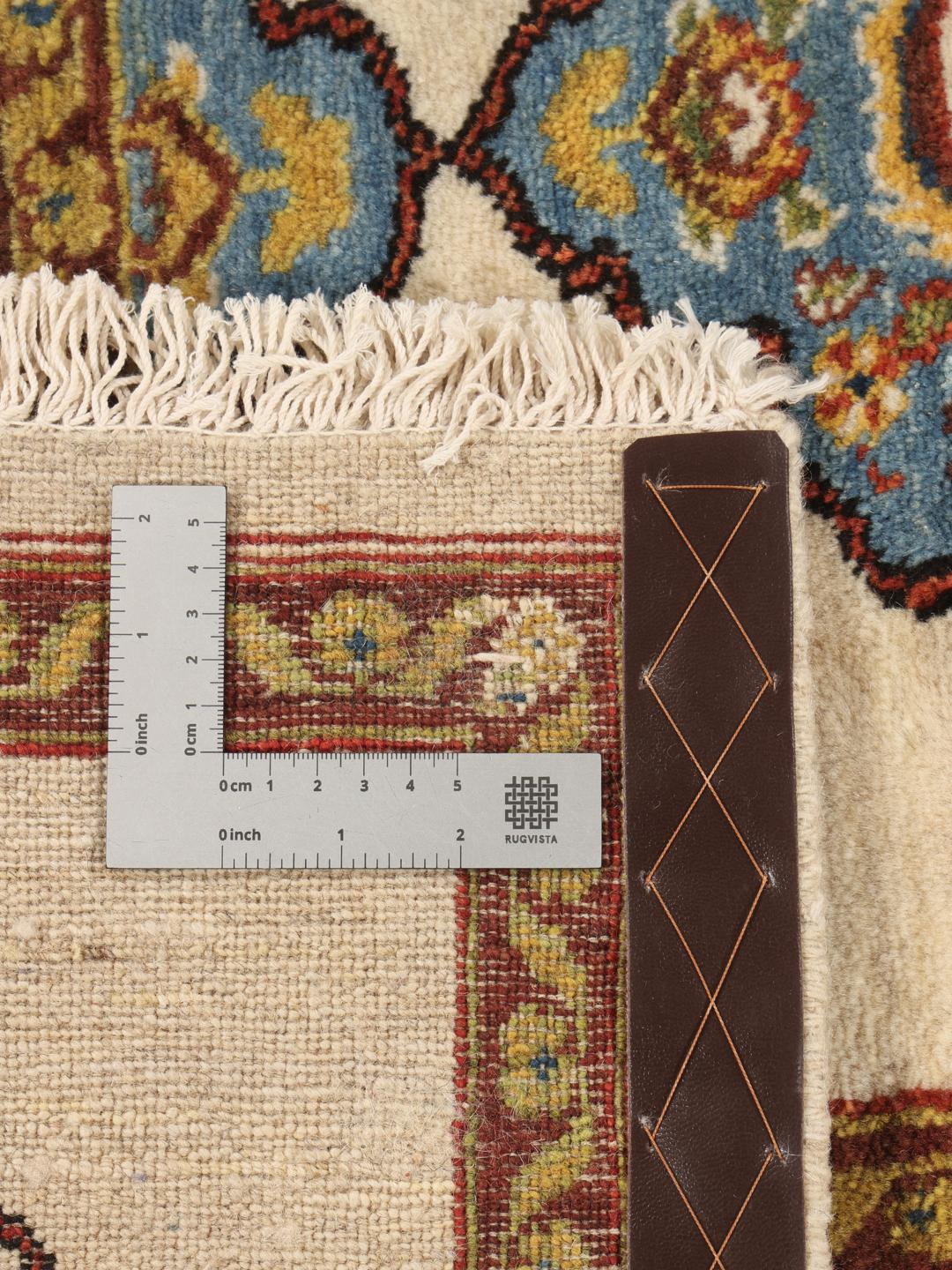
The story of these rugs is deeply rooted in the nomadic traditions of the Middle East. Originally created by tribal weavers for personal use, these pieces were designed to be both functional and expressive, serving as warmth-providing floor coverings that also told stories of the weaver’s environment through colour and shape.
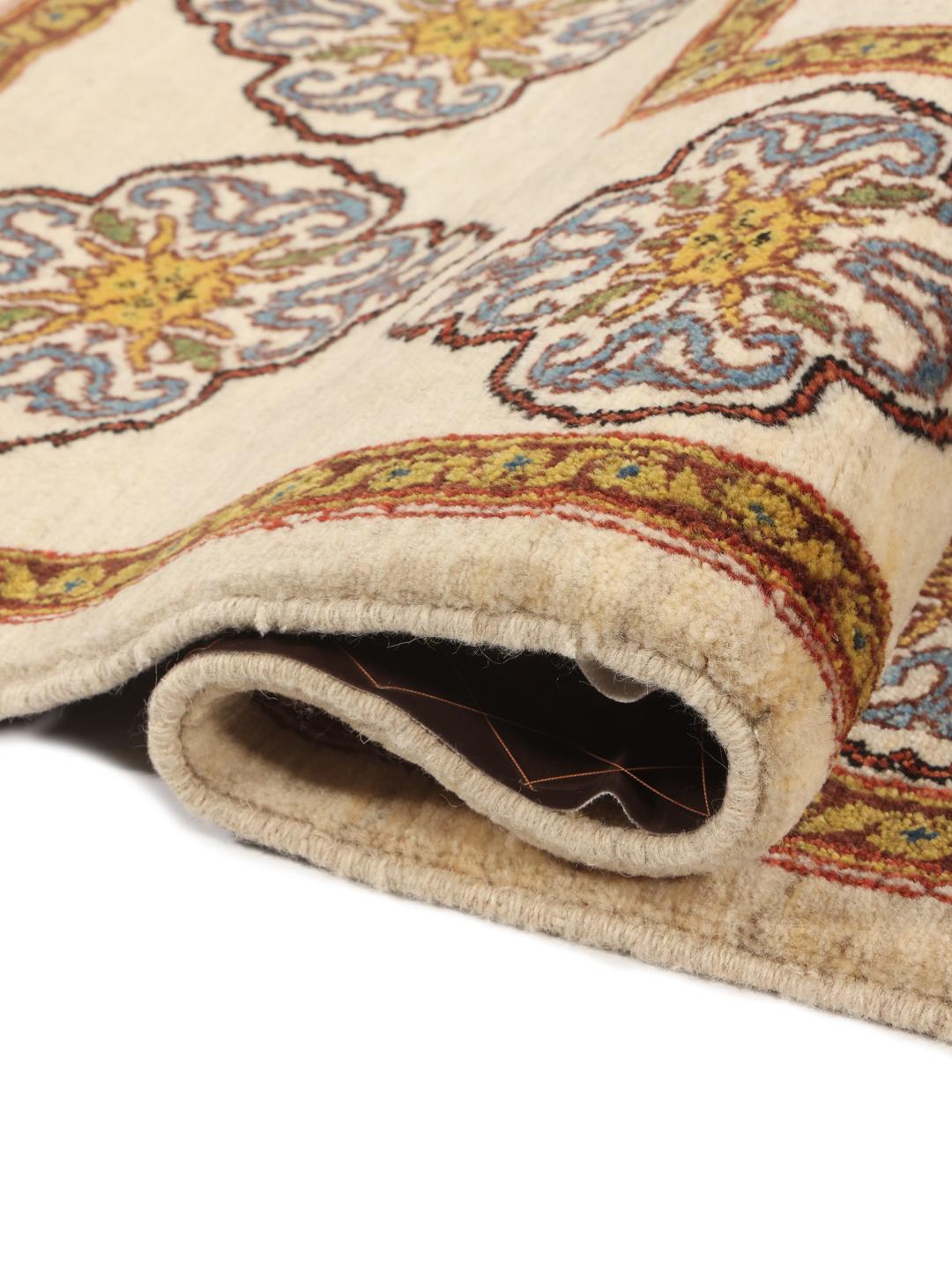
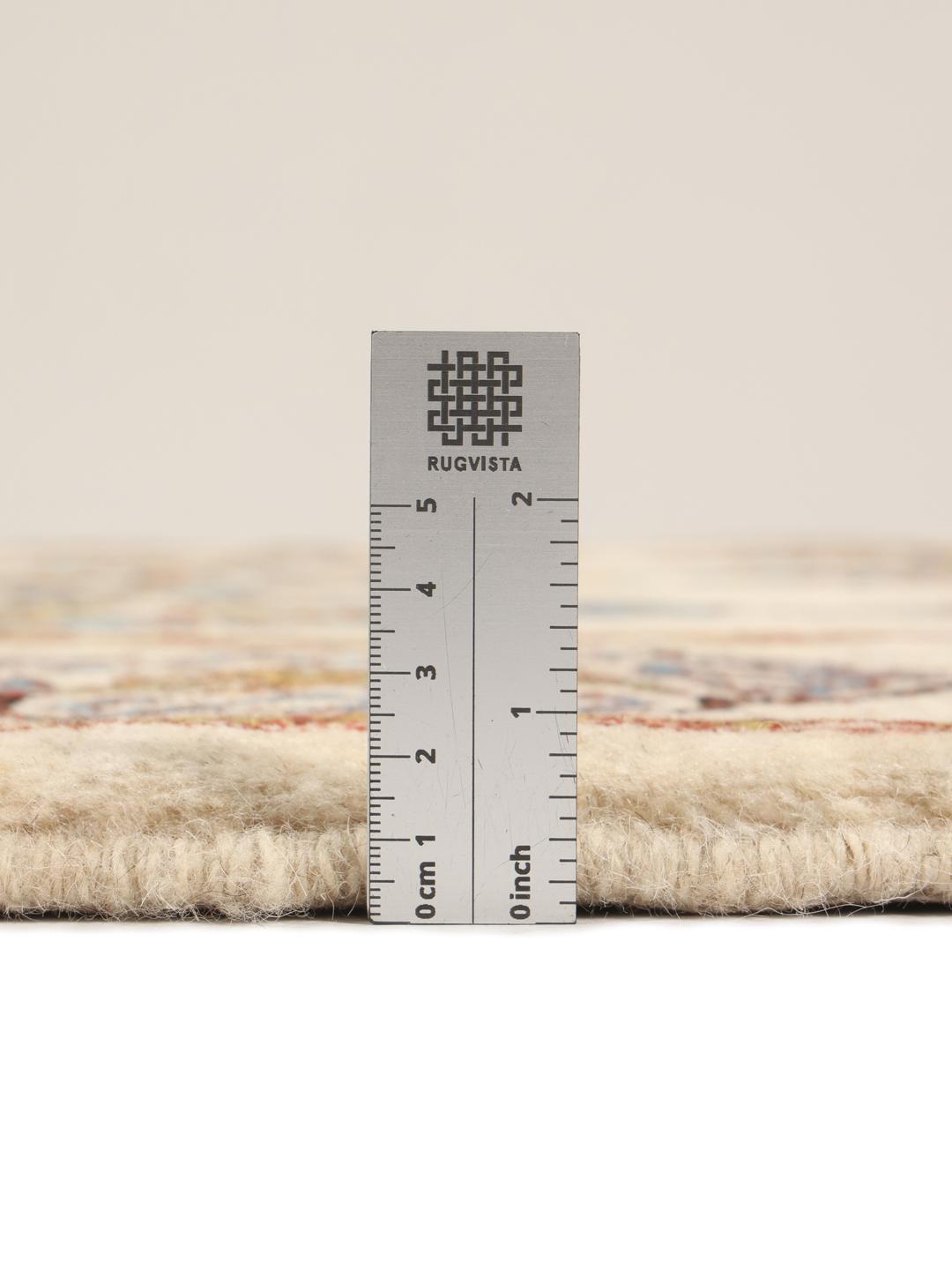
The term for this category, Shabargan, refers to a specific regional style that has evolved over centuries. These rugs are known for their thicker, more substantial pile, which was developed to provide insulation against the harsh conditions of the mountainous regions where these traditions were born.
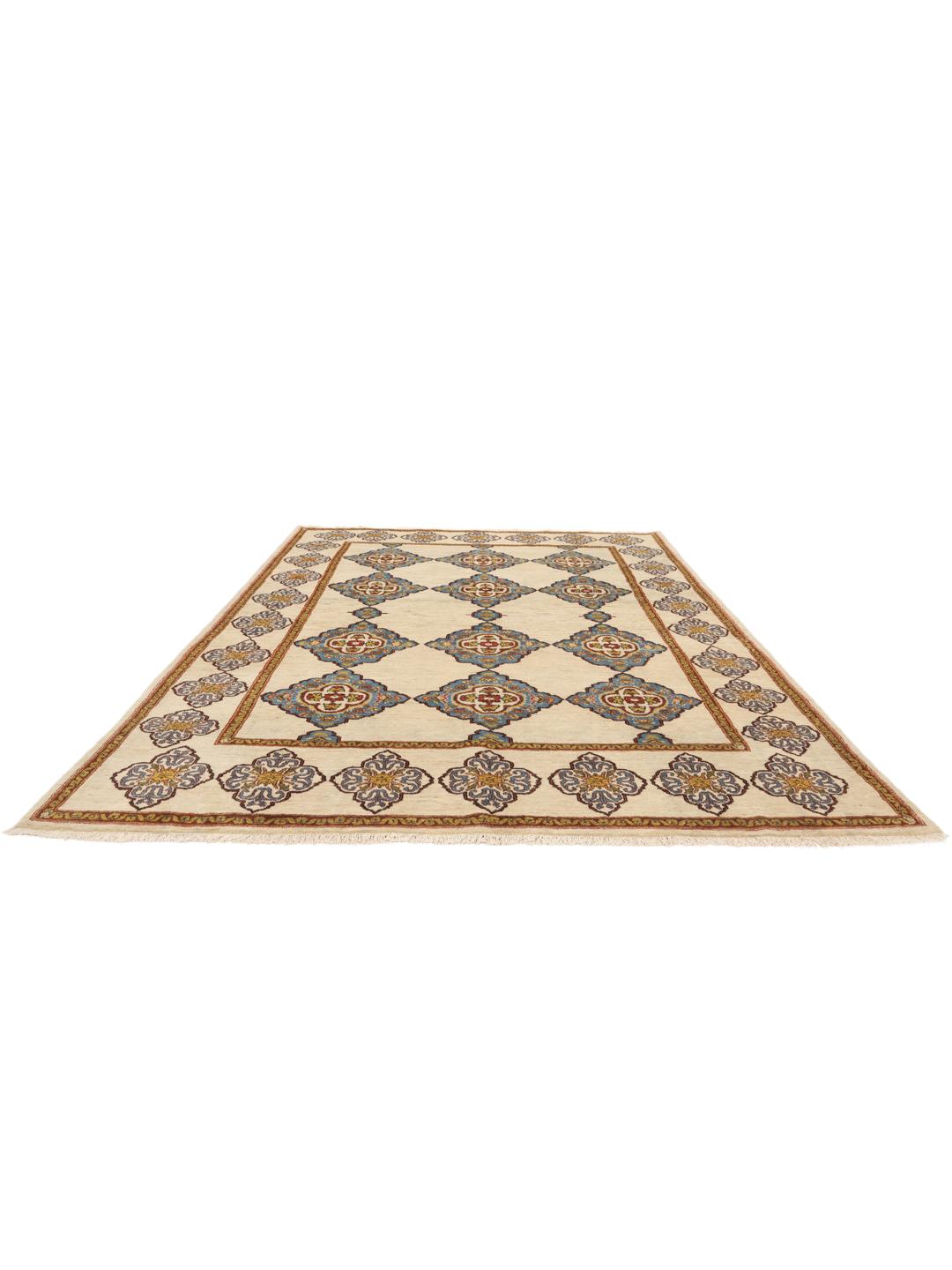
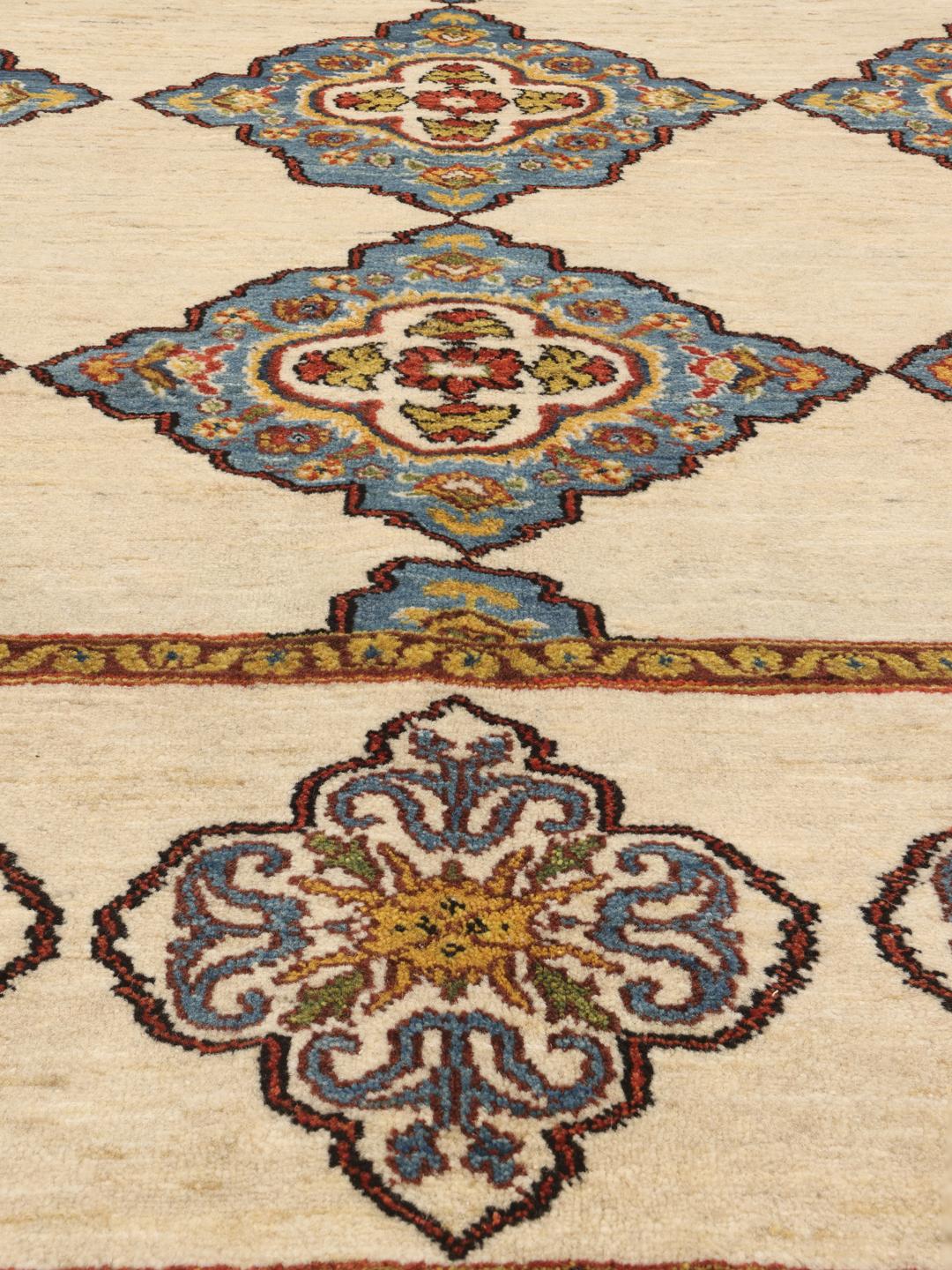
Visually, these rugs often feature bold, stylised motifs that lean into geometric simplification. While traditional designs are often abstract, the inclusion of repeating floral or medallion-like elements reflects a sophisticated evolution of tribal artistry, blending ancient symbolic meanings with a more decorative approach to layout.
Today, these rugs are highly sought after by collectors who value the human touch. Owning one is an investment in cultural heritage, representing a bridge between the ancient nomadic lifestyle and the modern home, where the skill of the weaver remains the most important element of the final product.