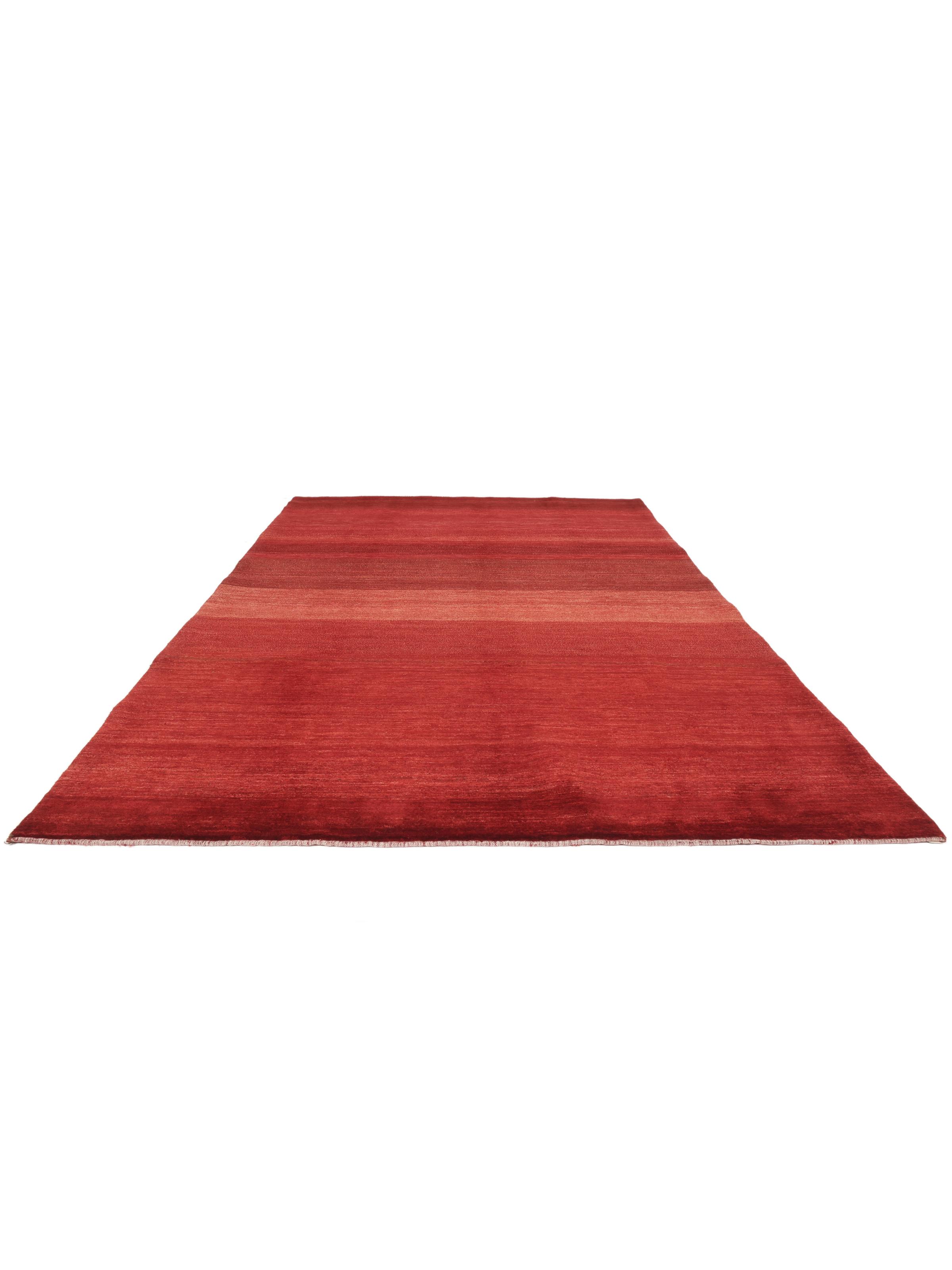
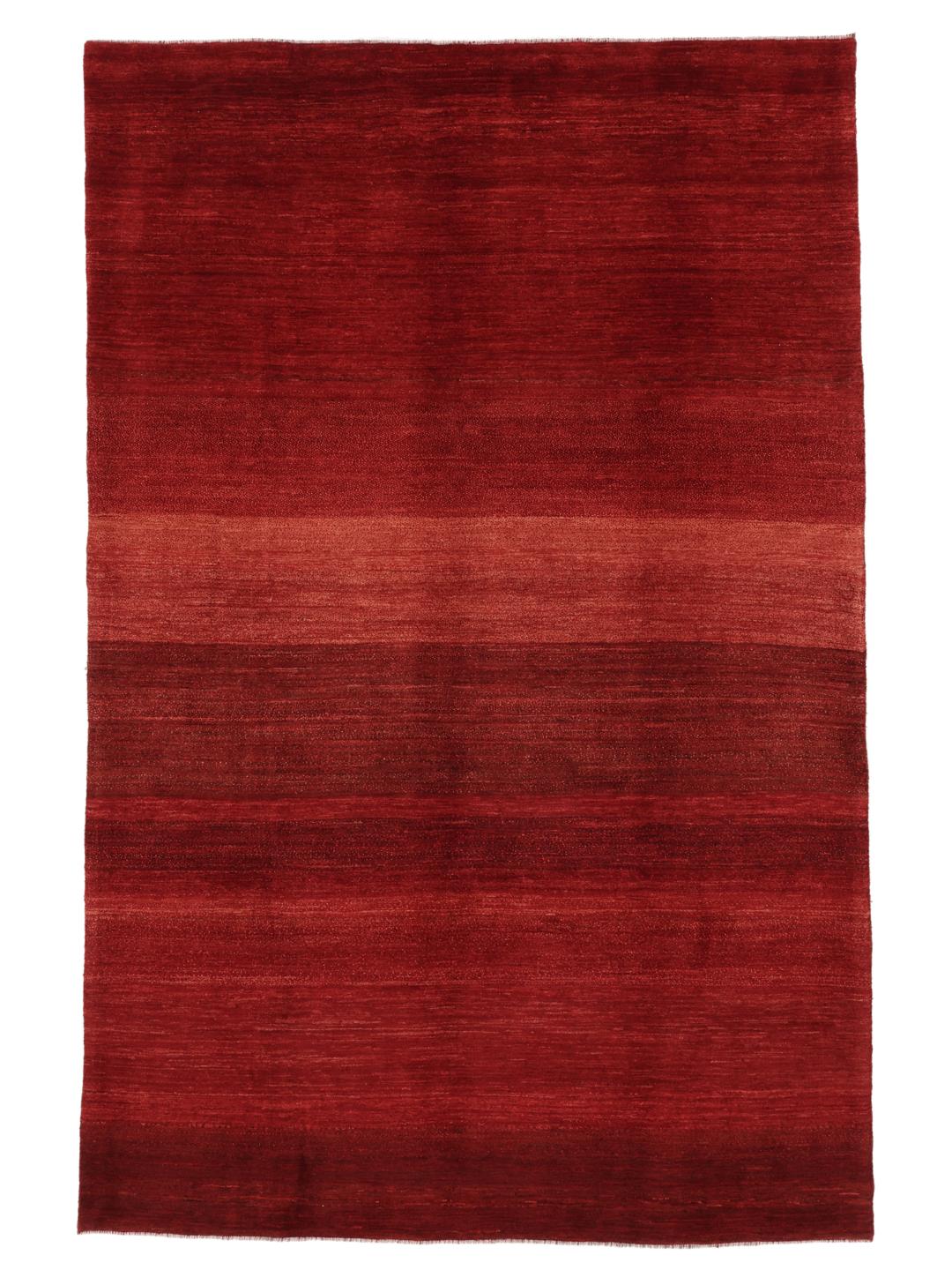
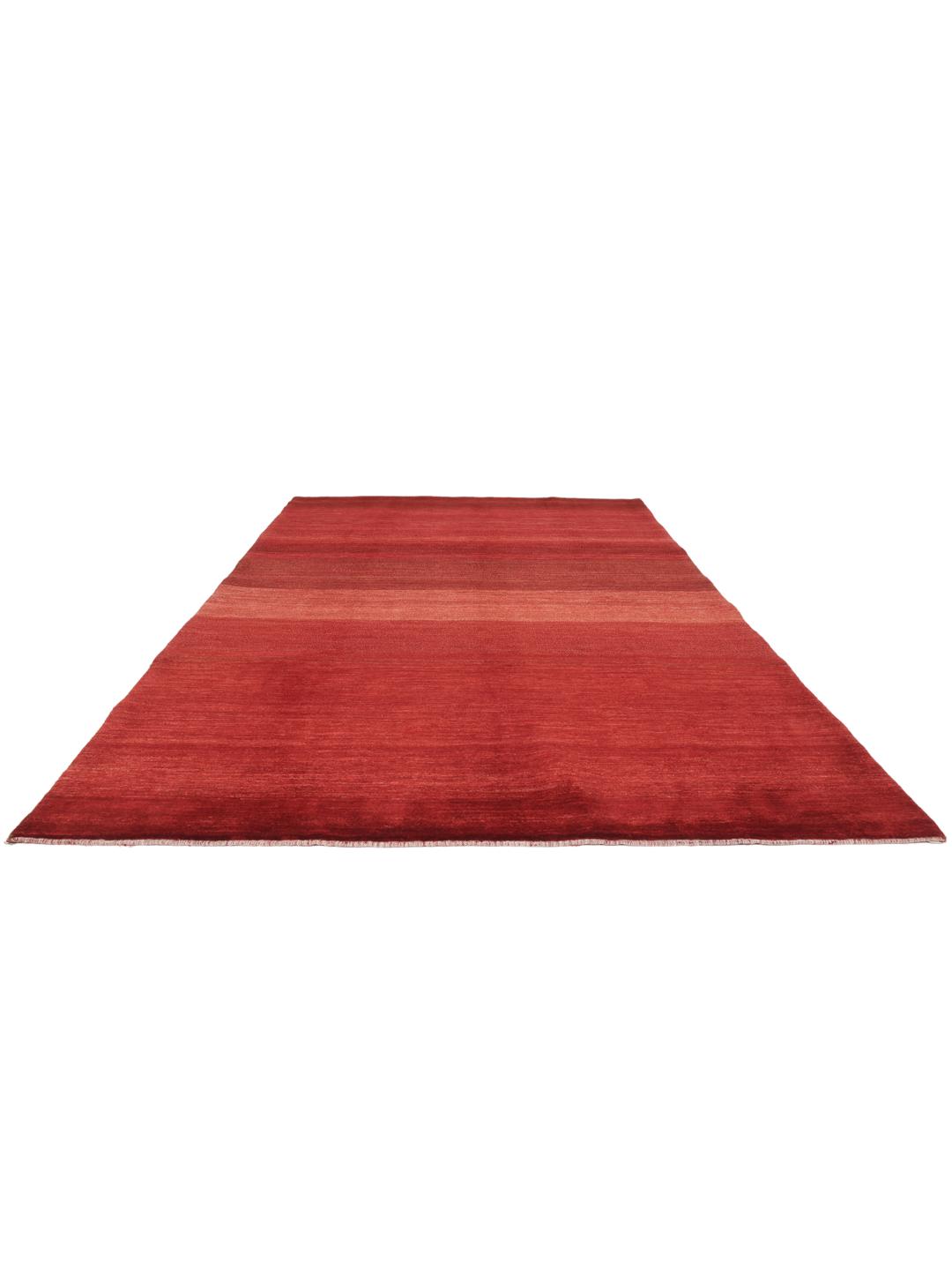
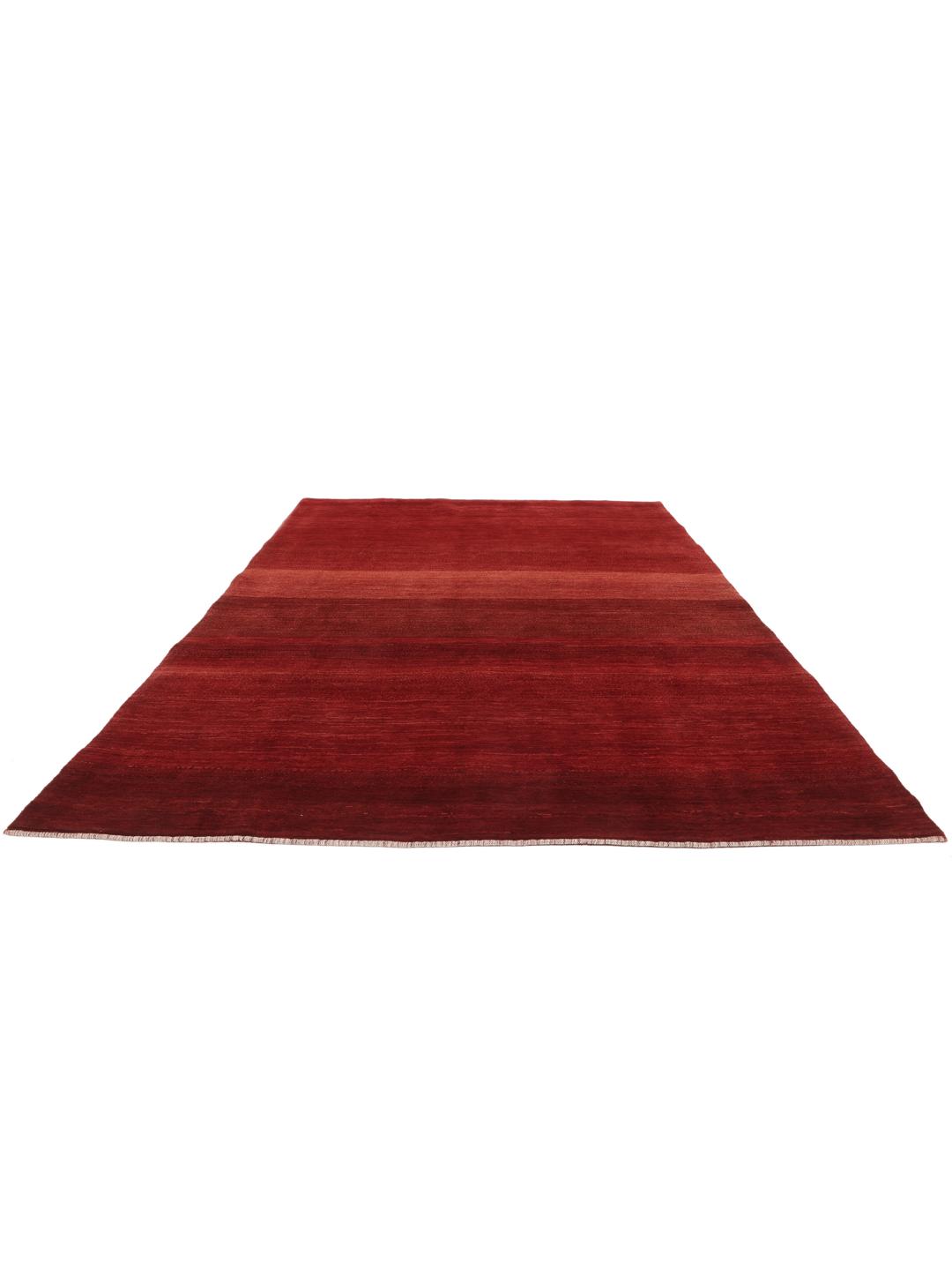
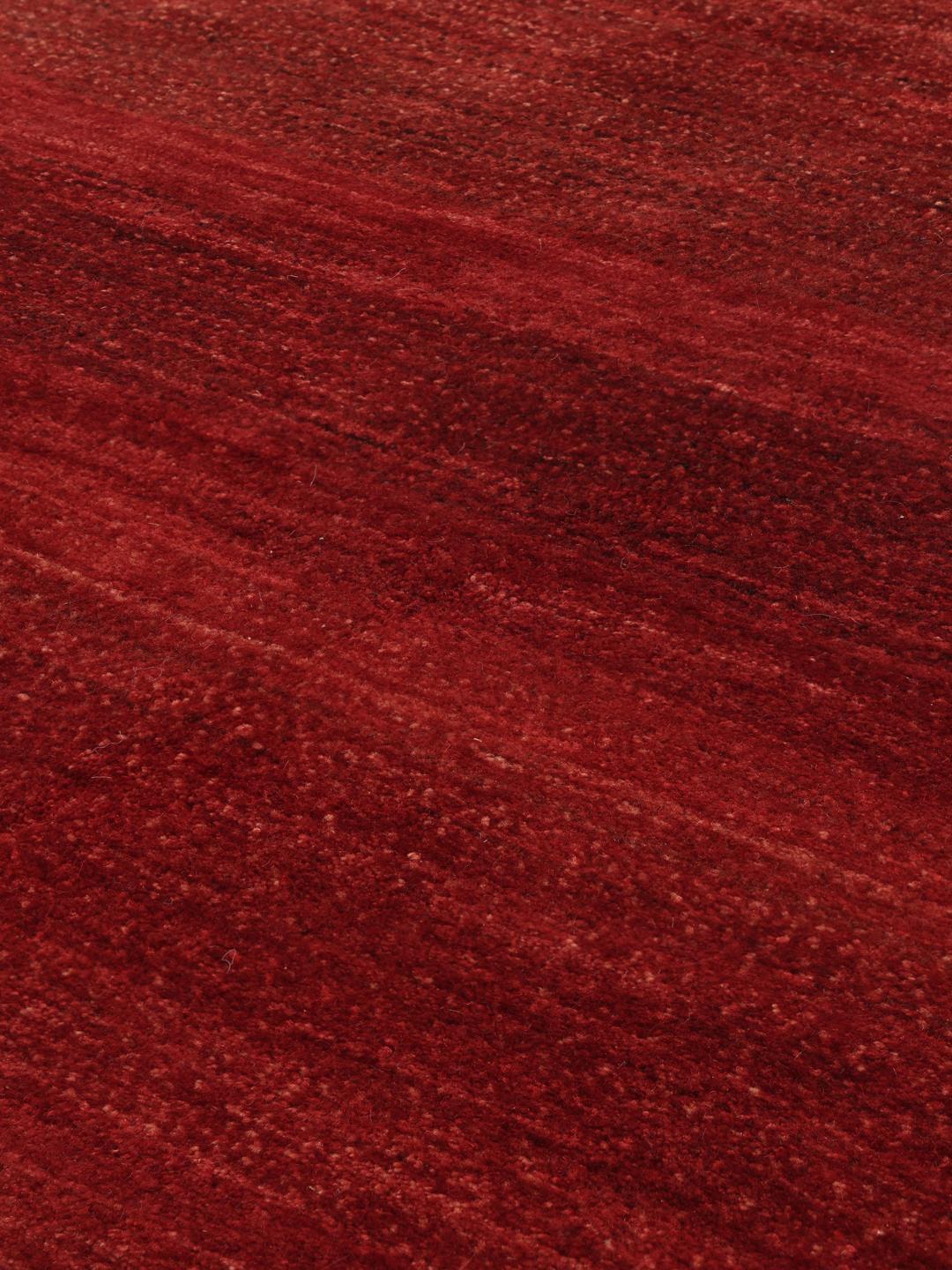
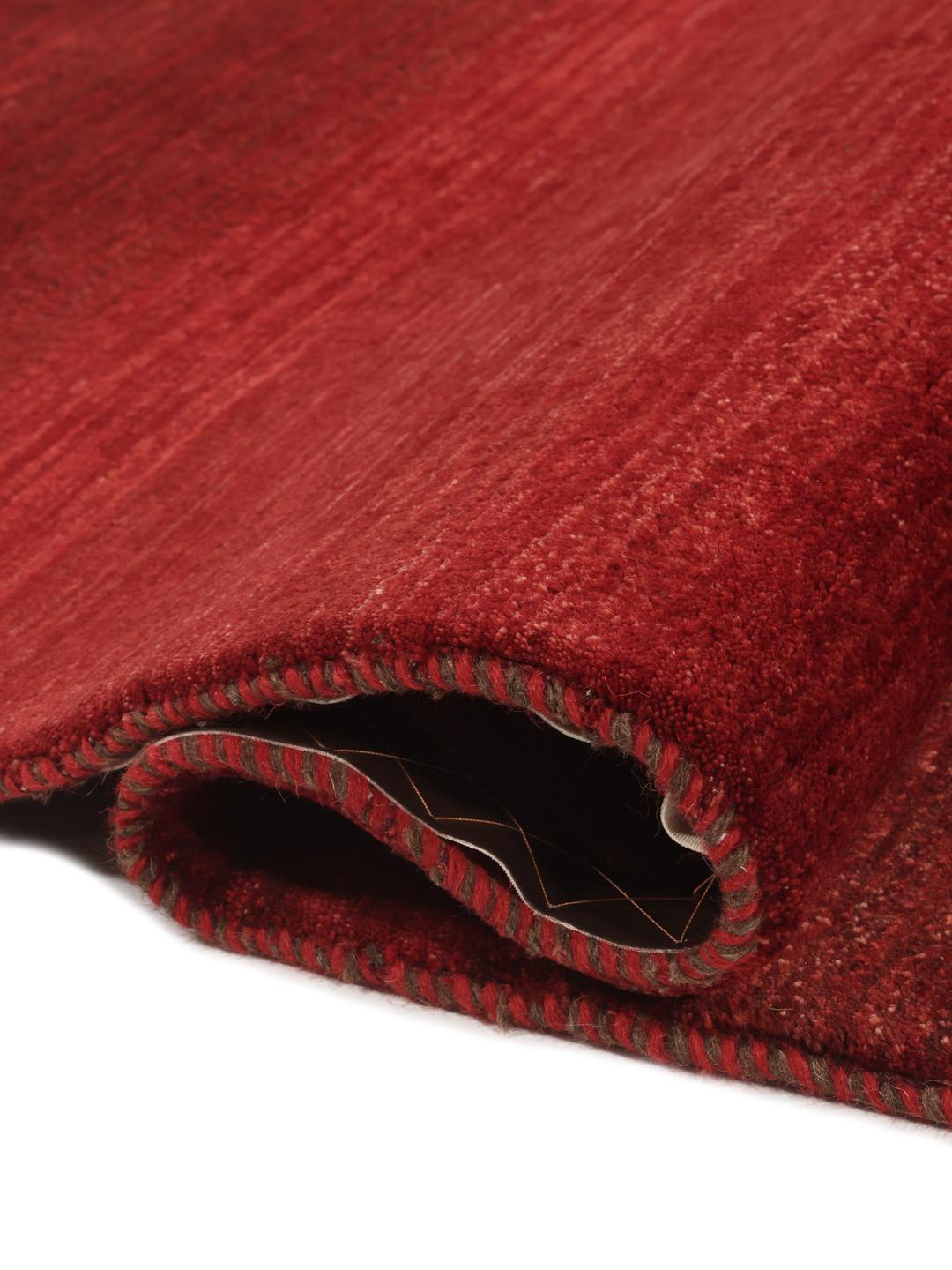
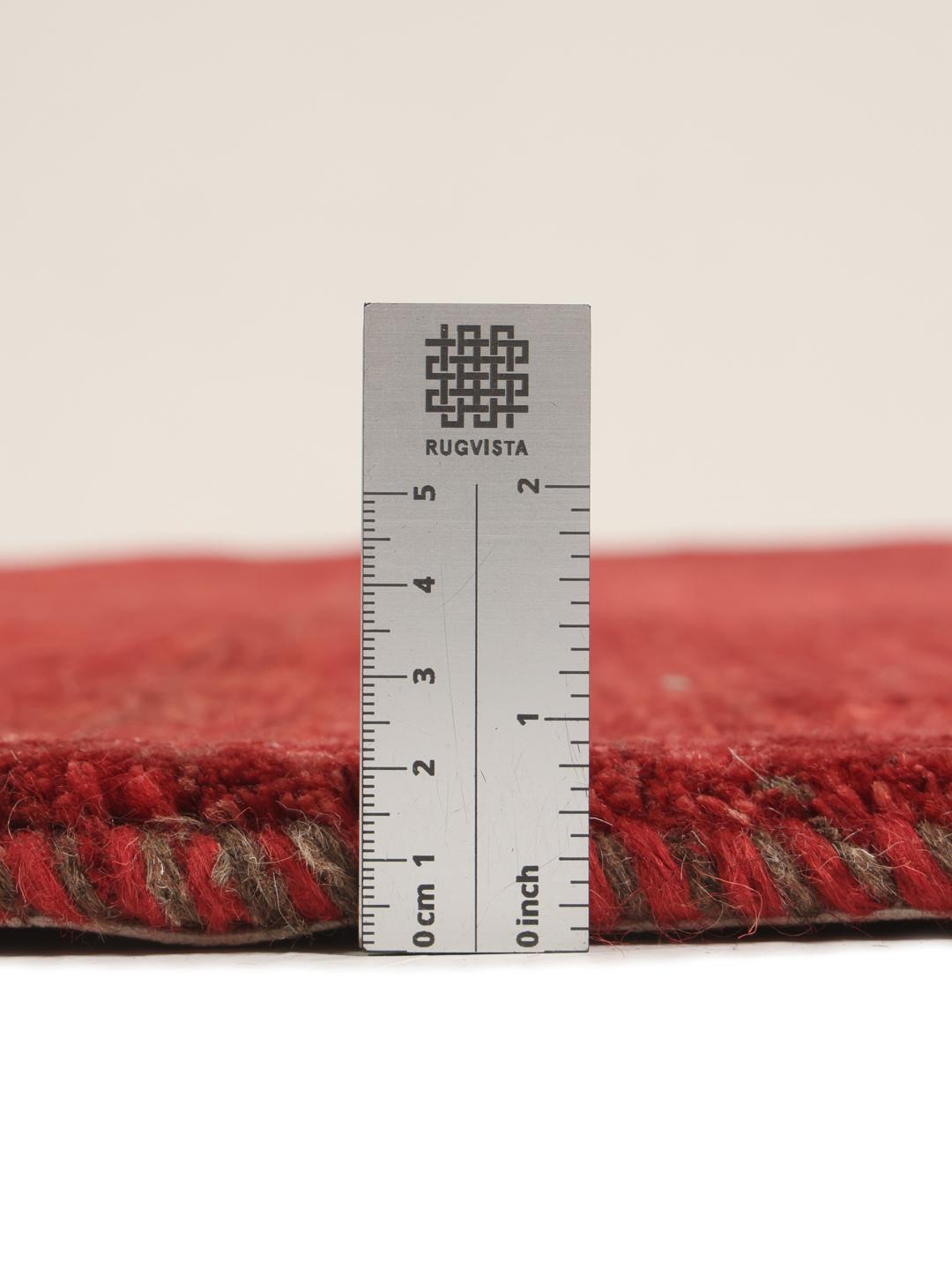
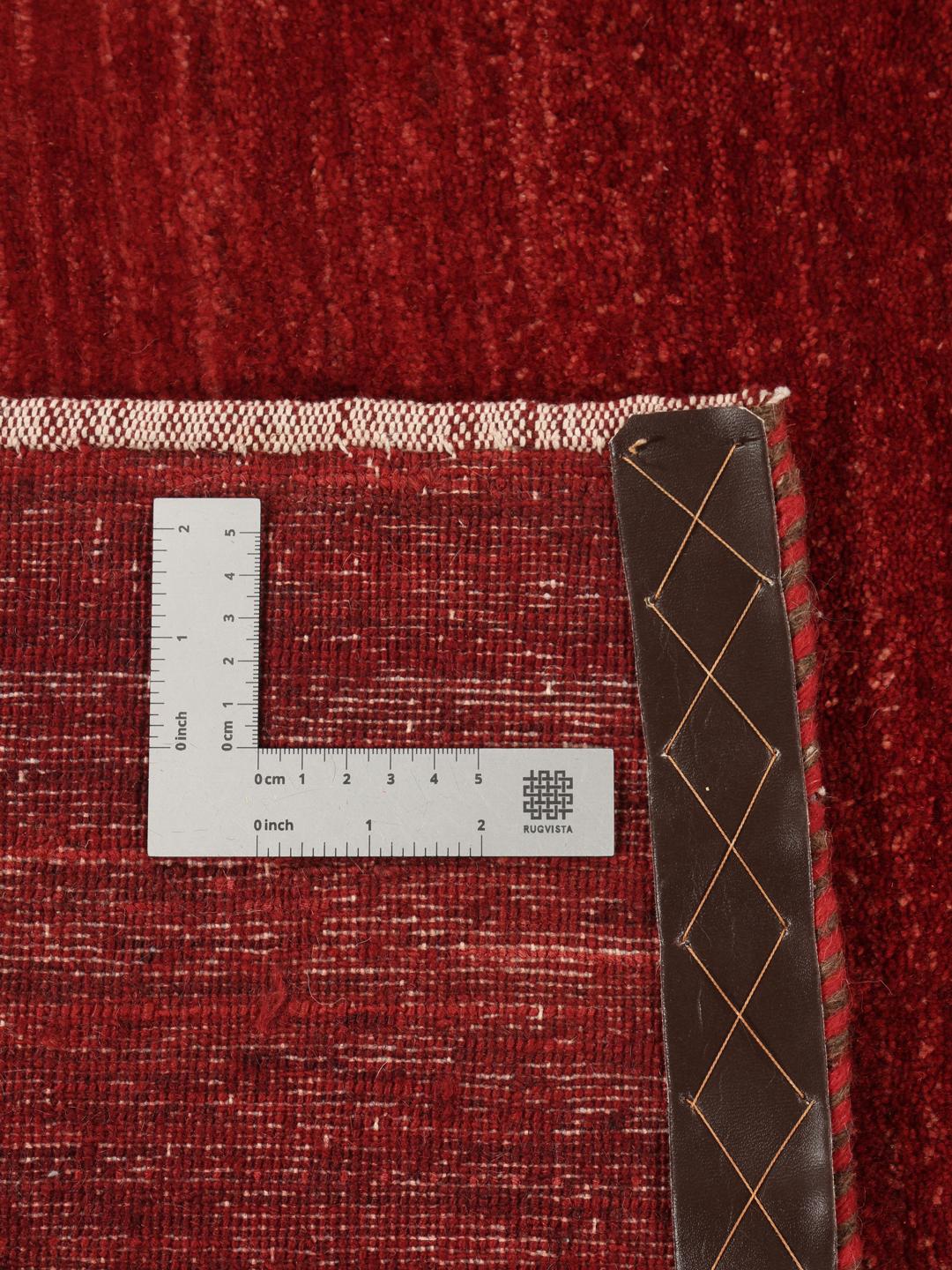
The Gabbeh tradition originates from the nomadic tribes of the Middle East, who wove these rugs primarily for their own use rather than for trade. Unlike formal, city-made rugs, Gabbeh rugs were designed to provide warmth and comfort in harsh, mountainous environments. This heritage of utility is why they are celebrated today for their thick, soft pile and unpretentious, honest character.
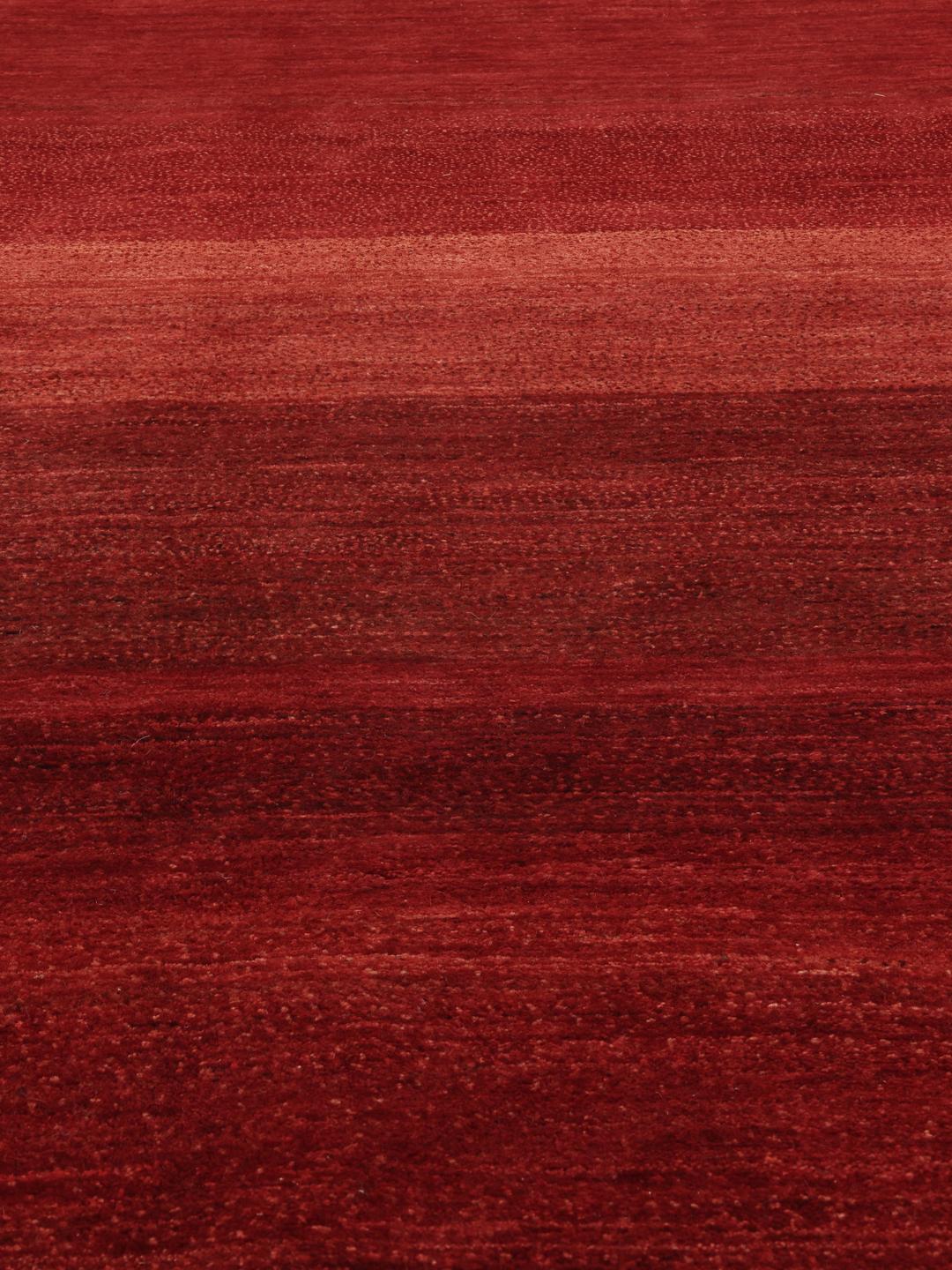
The term Gabbeh itself means raw, natural, or unclipped in the local language, which perfectly describes the aesthetic of these pieces. They are traditionally defined by their simplicity, focusing on bold fields of colour and abstract, minimalist motifs. By prioritising the quality of the Wool and the depth of the colour over complex, rigid patterns, these rugs showcase the natural properties of the material in their most authentic form.
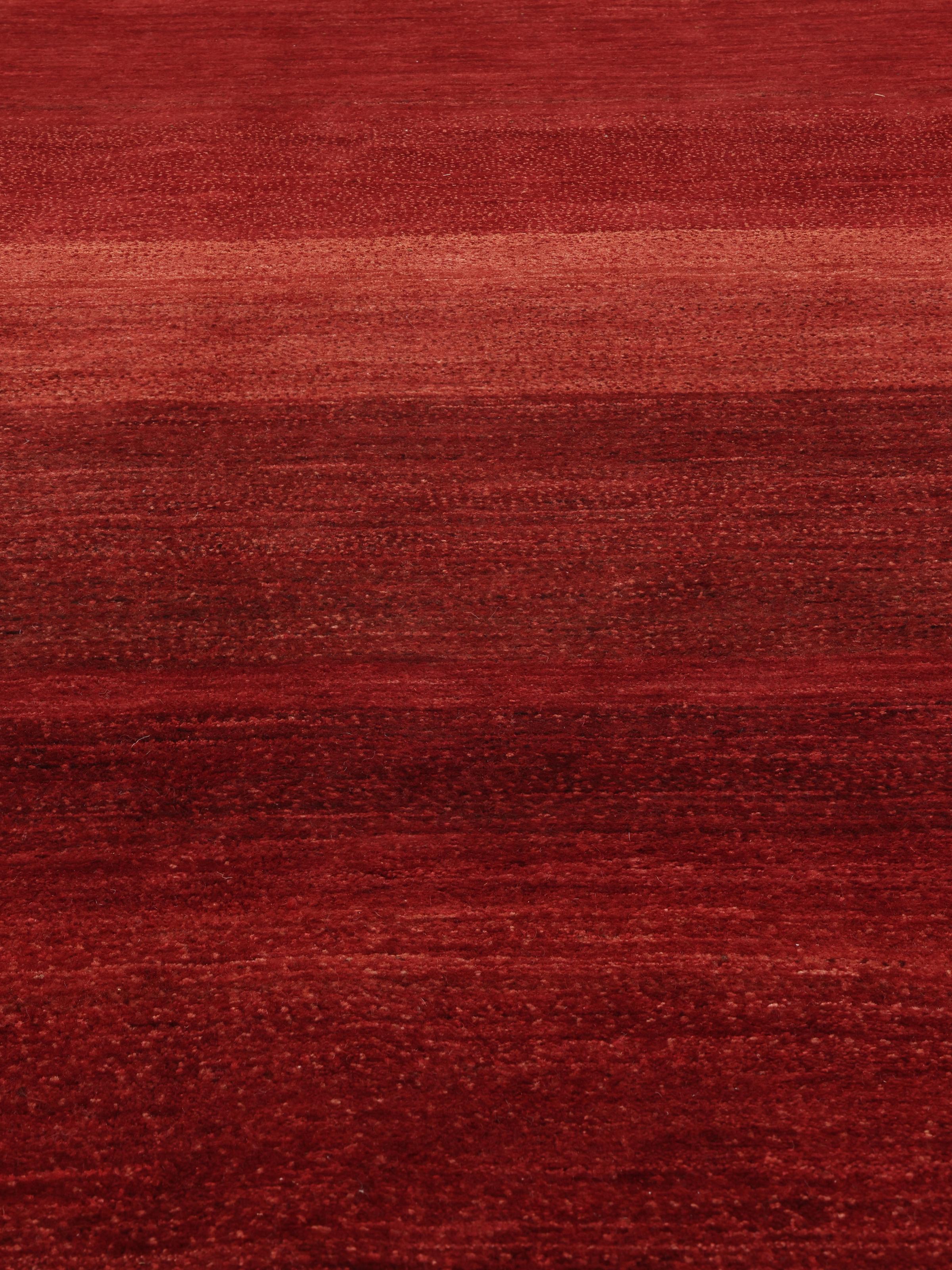
Visually, Gabbeh rugs are renowned for their use of rich, saturated dyes often derived from natural sources like roots and plants. The variations in colour, known as abrash, occur when different dye batches are used, creating natural, flowing shifts across the surface of the rug. This characteristic is highly prized by collectors as it proves the authentic, manual nature of the dyeing process.
Today, these rugs are collected for their ability to bring a sense of history and human touch into modern homes. Owning a Gabbeh is a way to connect with a long-standing nomadic tradition of textile craft. It represents a commitment to enduring quality and the appreciation of a simple, beautiful object that has been shaped by the hands of an artisan rather than a machine.