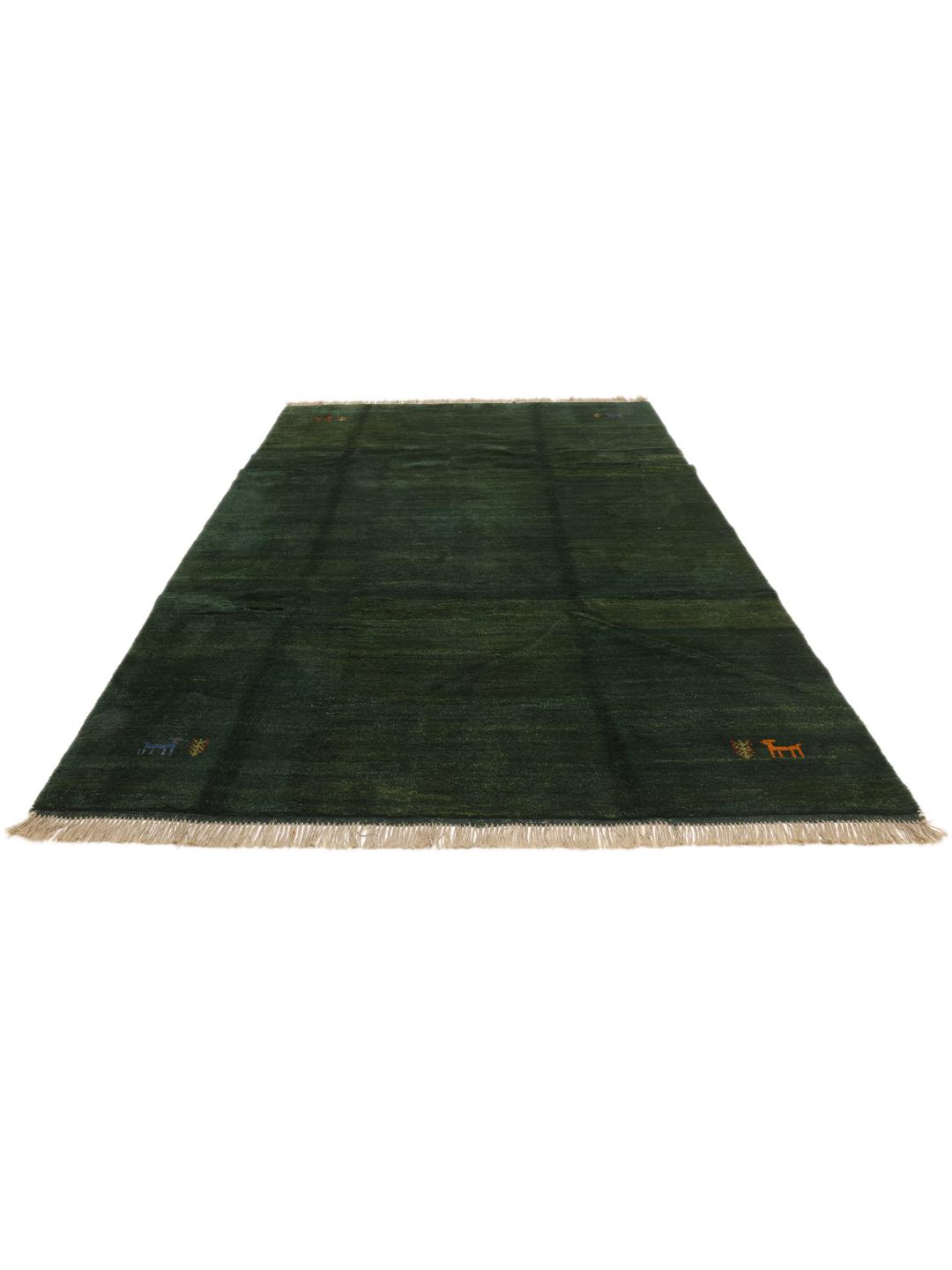
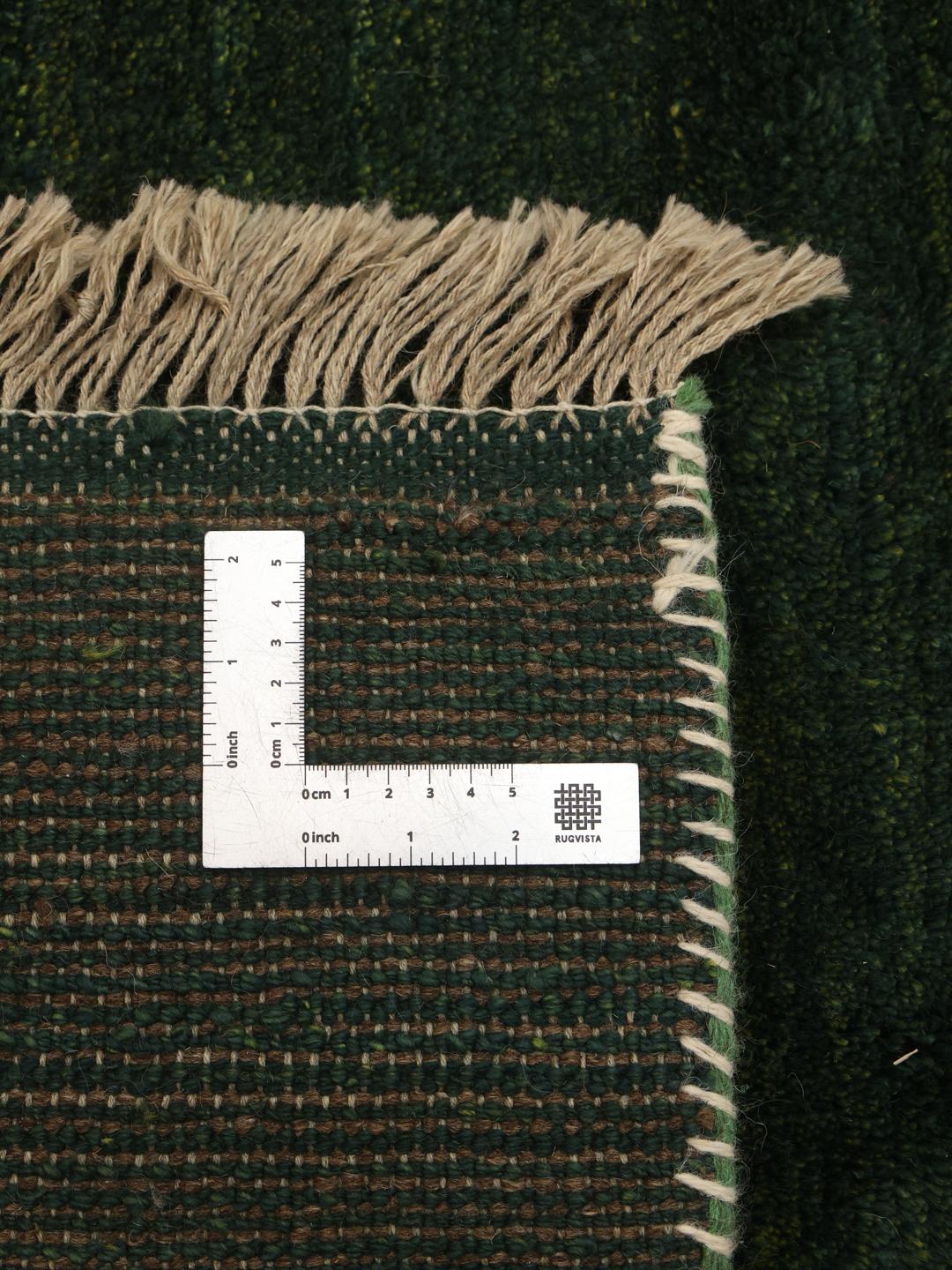
Gabbeh rugs have long been celebrated for their artistic freedom and connection to the nomadic traditions of the Middle East. Unlike more formal, structured carpets, these rugs were historically created by tribal weavers who drew inspiration from their immediate environment, personal memories, and the natural world. This tradition has evolved from purely functional, rustic floor coverings into highly coveted pieces that are admired for their bold, artistic simplicity.
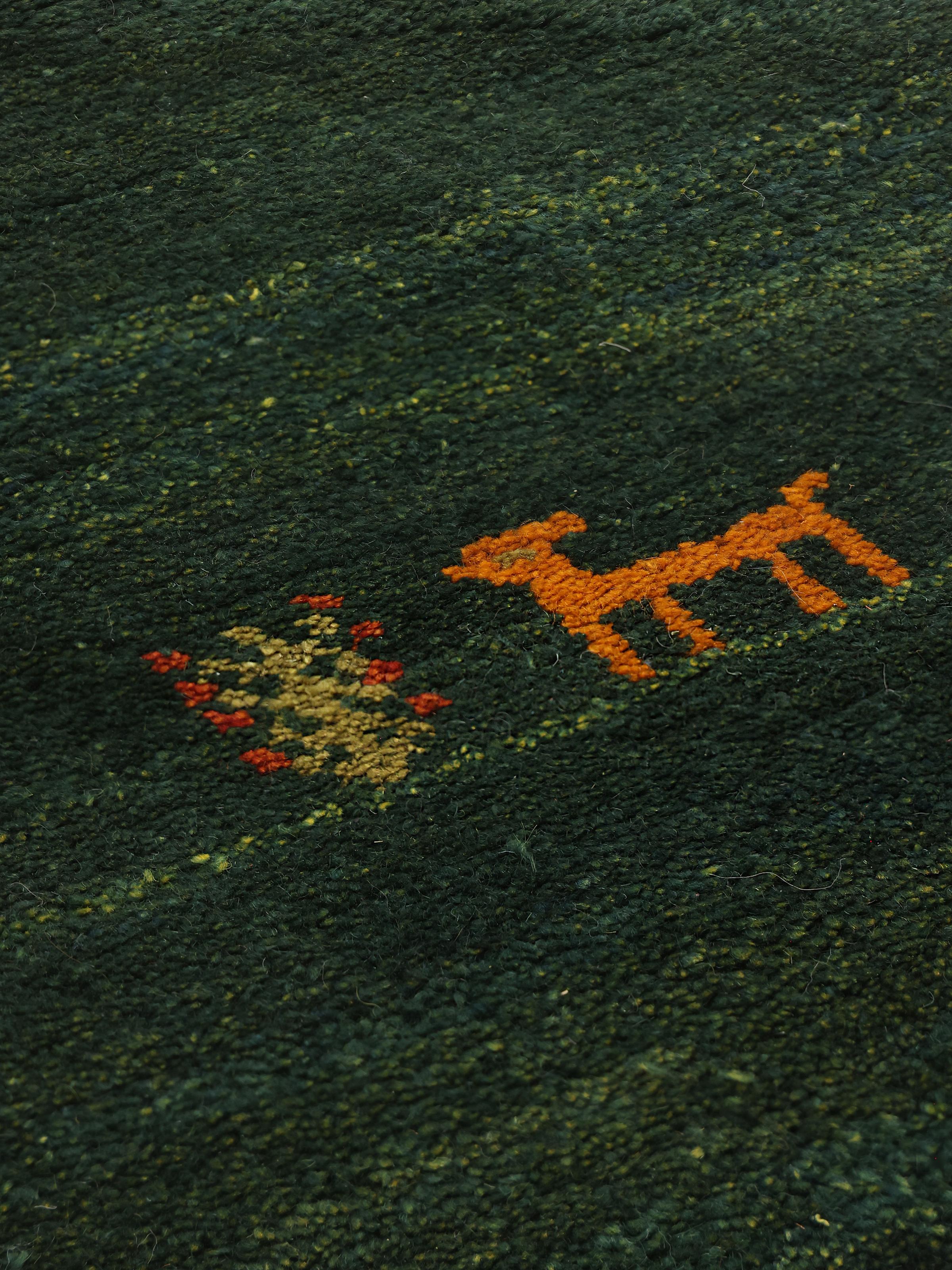
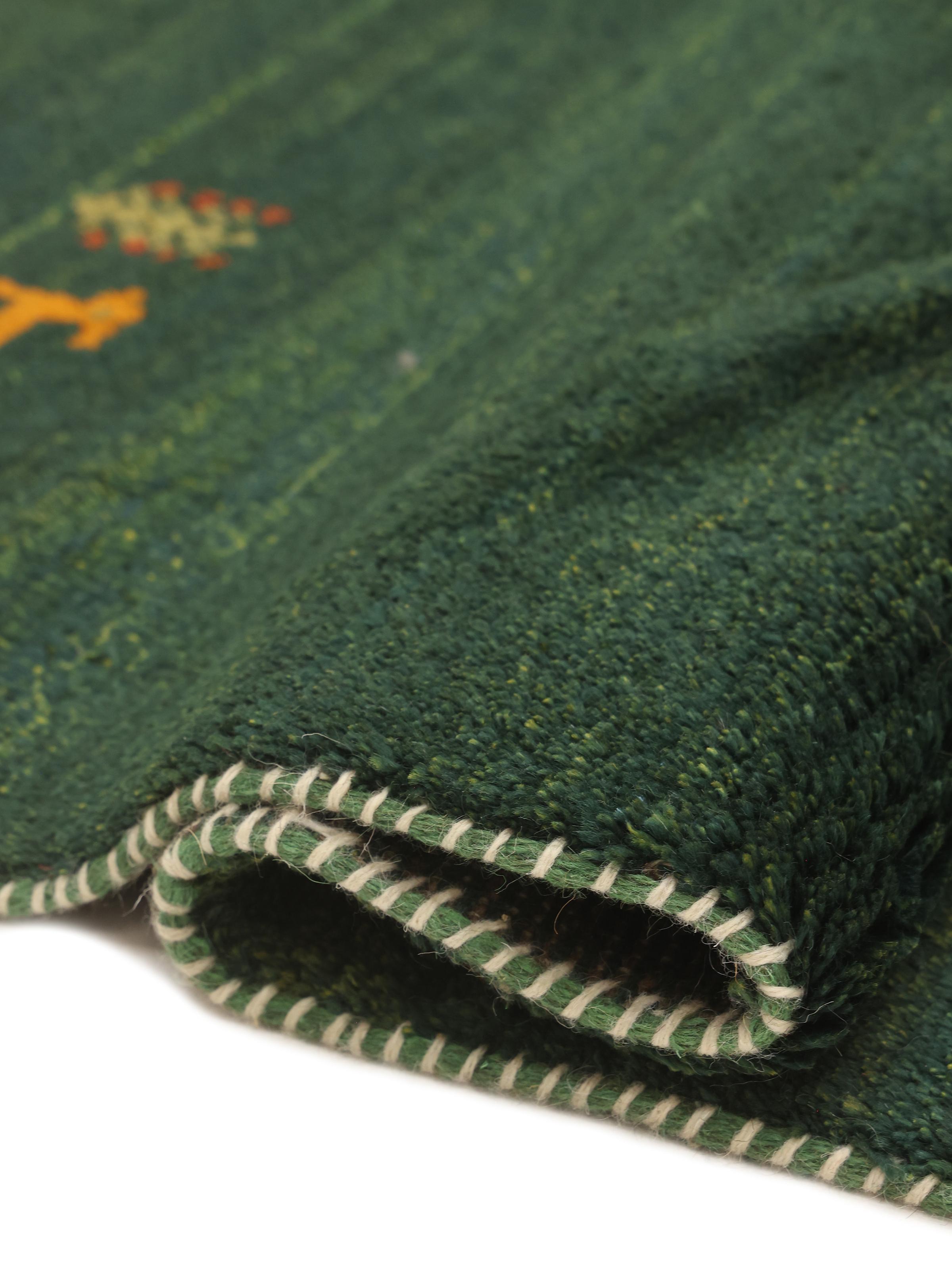
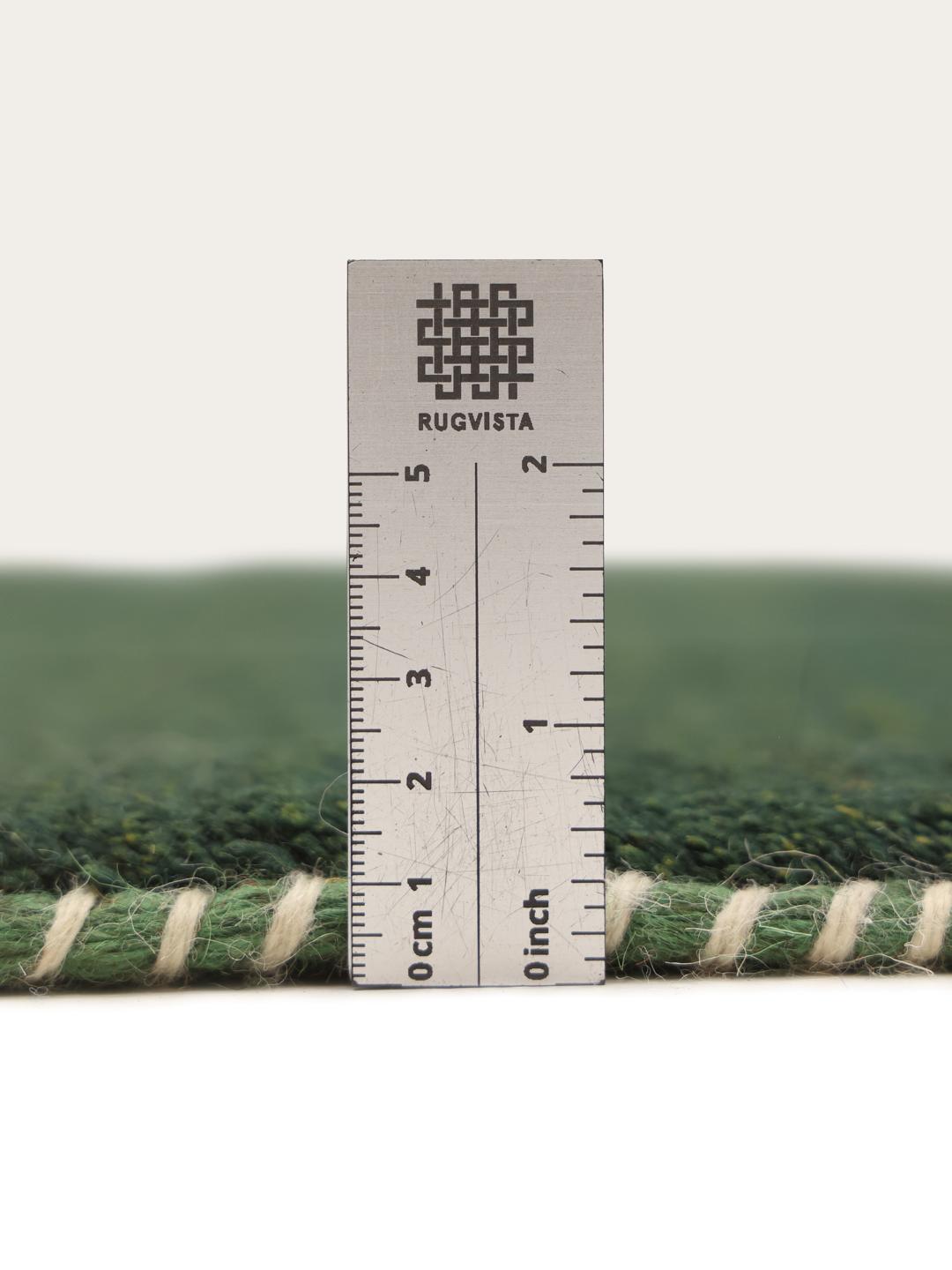
The term 'Gabbeh' itself refers to the raw, natural, and unclipped nature of the wool. Historically, these rugs were kept thick and coarse to provide warmth in cold mountain climates. Today, the term has expanded to include finer, more refined versions like this one, which maintain the iconic, plush pile while offering a more sophisticated finish. This evolution honours the original nomadic spirit while adapting the craft for the modern home.
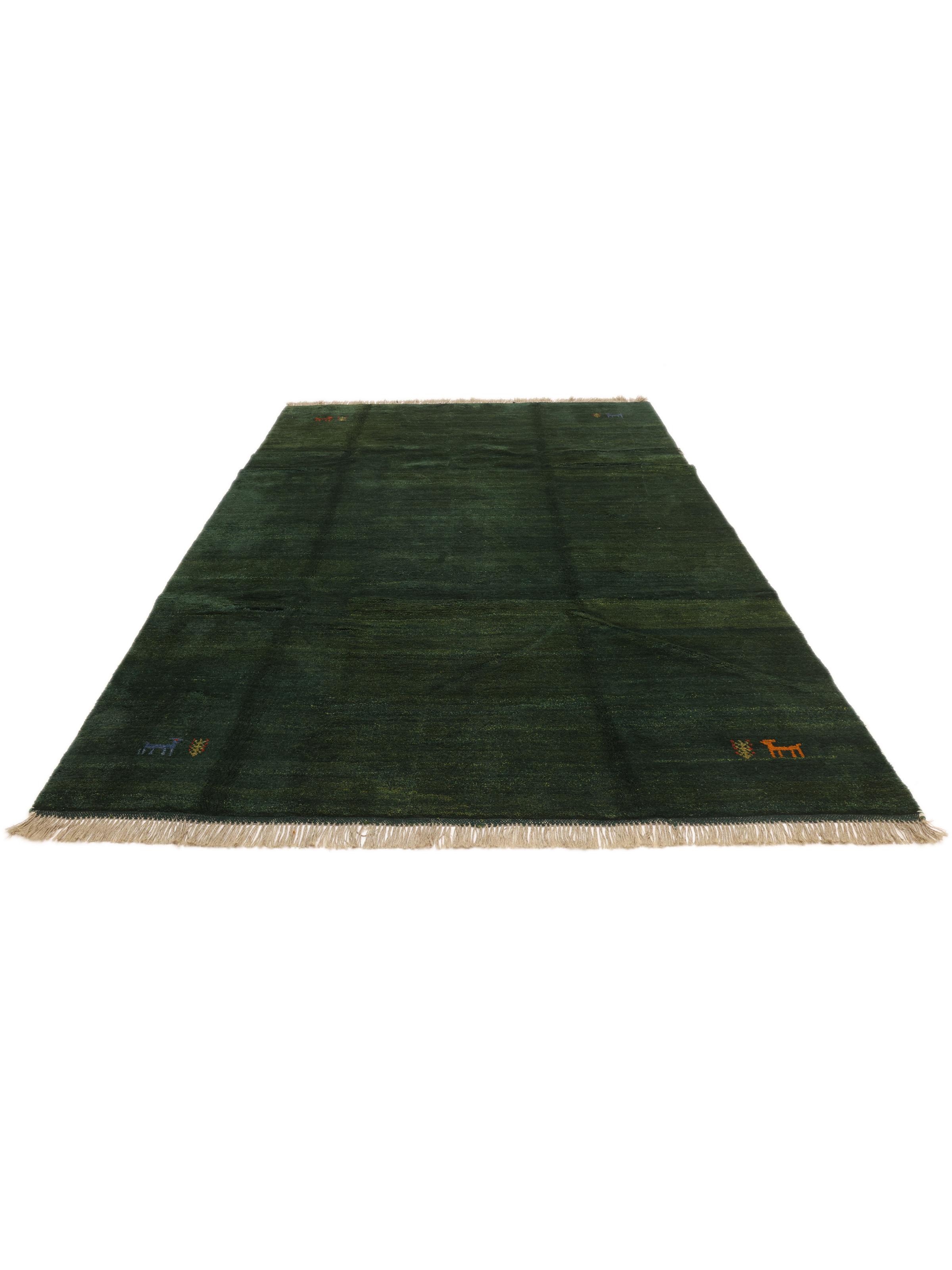
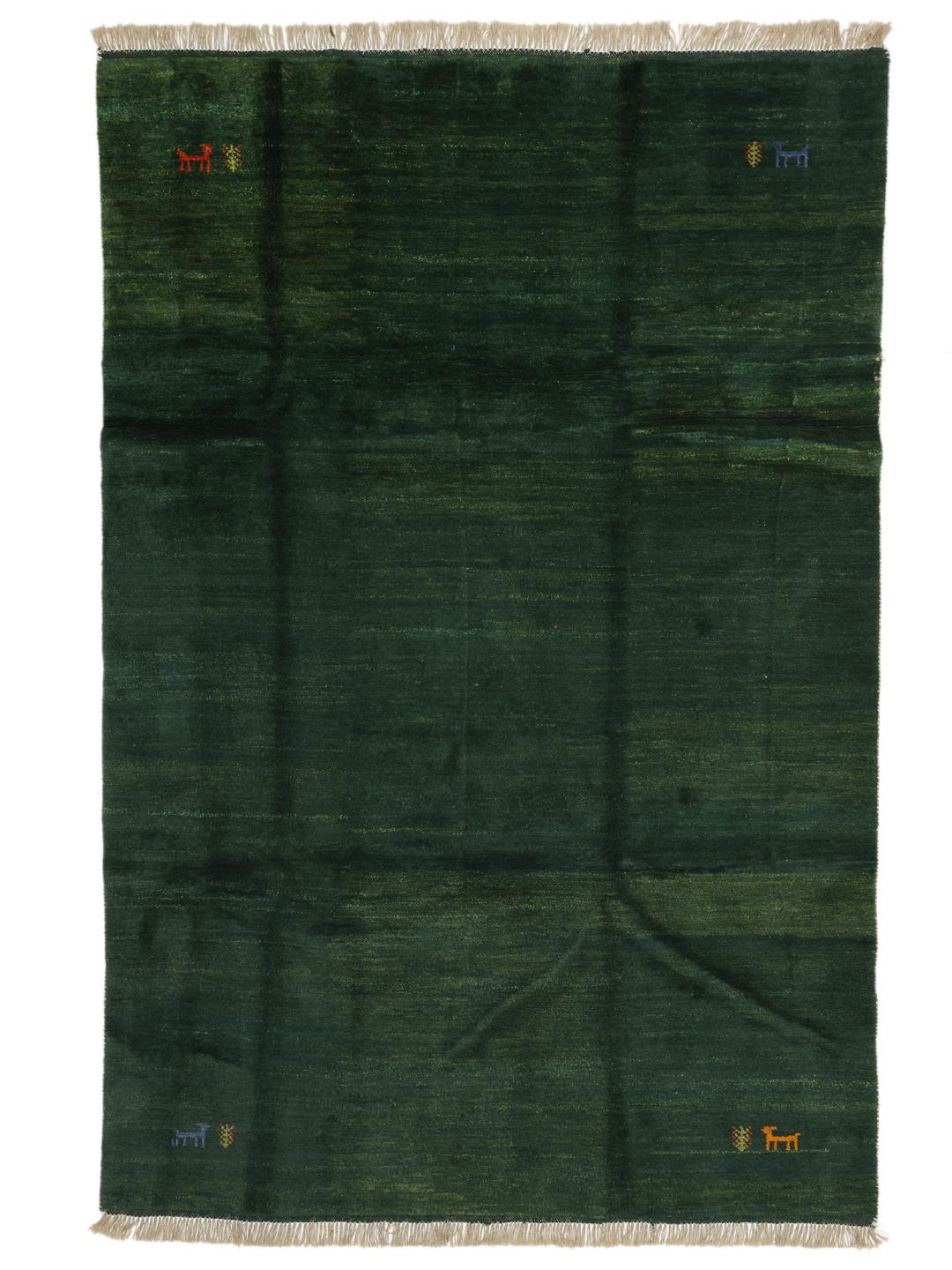
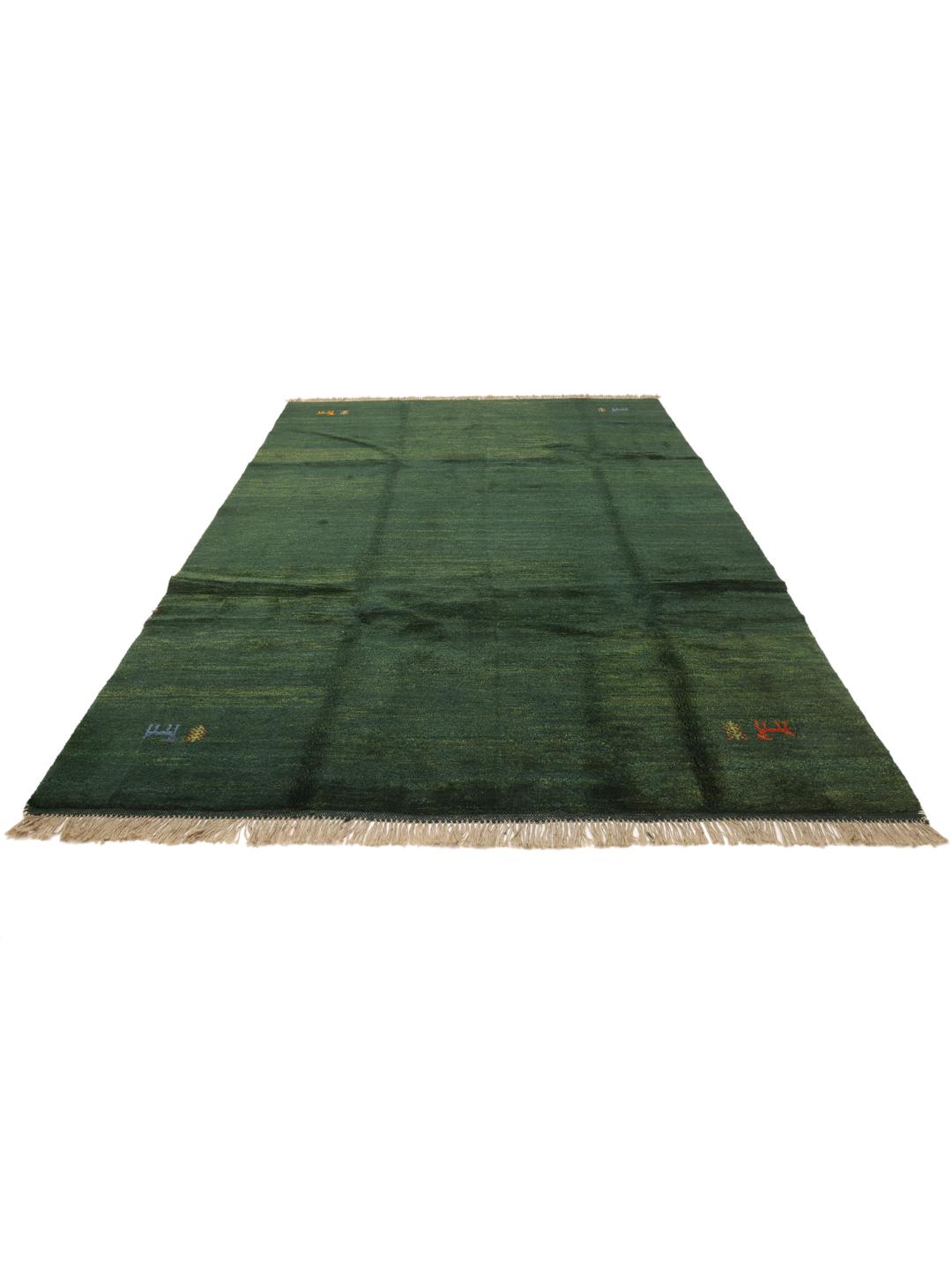
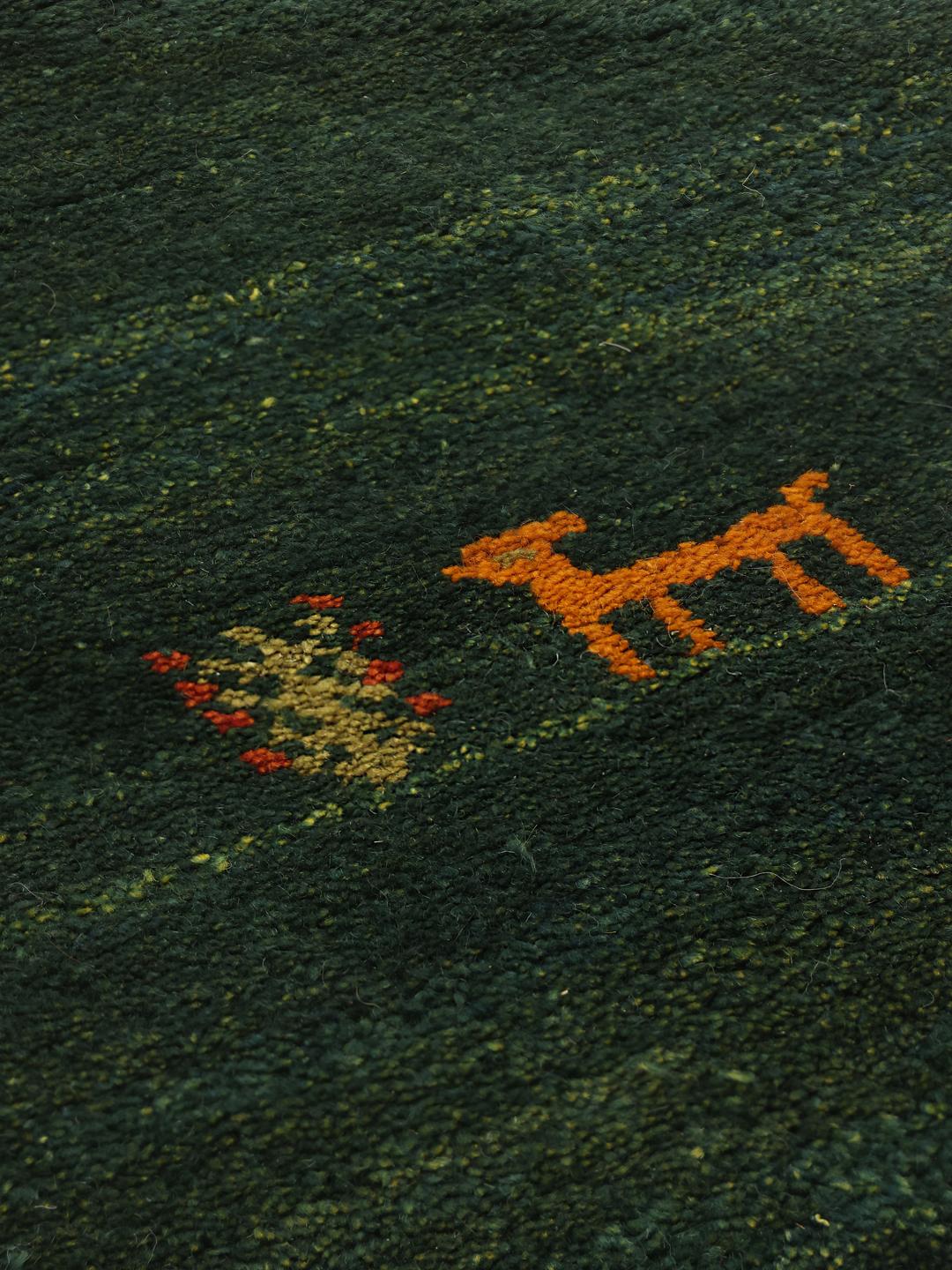
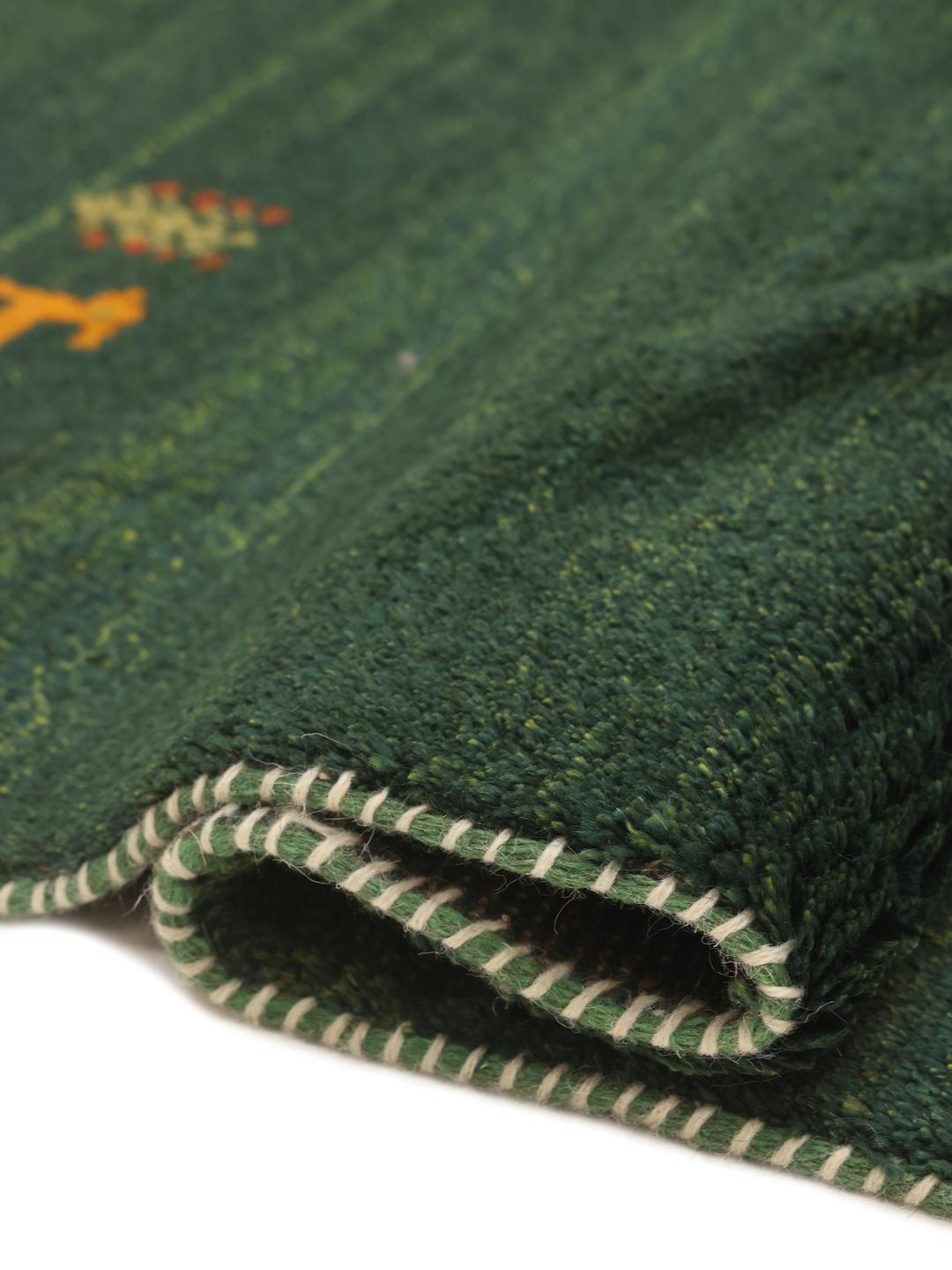
Visually, these rugs are known for their expansive fields of solid or subtly variegated colour, often punctuated by minimal geometric or pictorial motifs. The deep, rich greens seen here are achieved through traditional dyeing techniques that emphasise colour depth and natural beauty. These rugs rarely follow rigid patterns, allowing the weaver to express themselves through small, whimsical details that make every piece a personal narrative.
Owning a piece from this tradition is an act of preserving a unique cultural legacy. These rugs are highly valued by collectors not for perfect symmetry, but for the human touch, the variations in the wool, and the clear evidence of the weaver's hand. When you bring this rug into your home, you are acquiring a piece of history that reflects a deep, enduring commitment to craft and the beauty of the handmade.