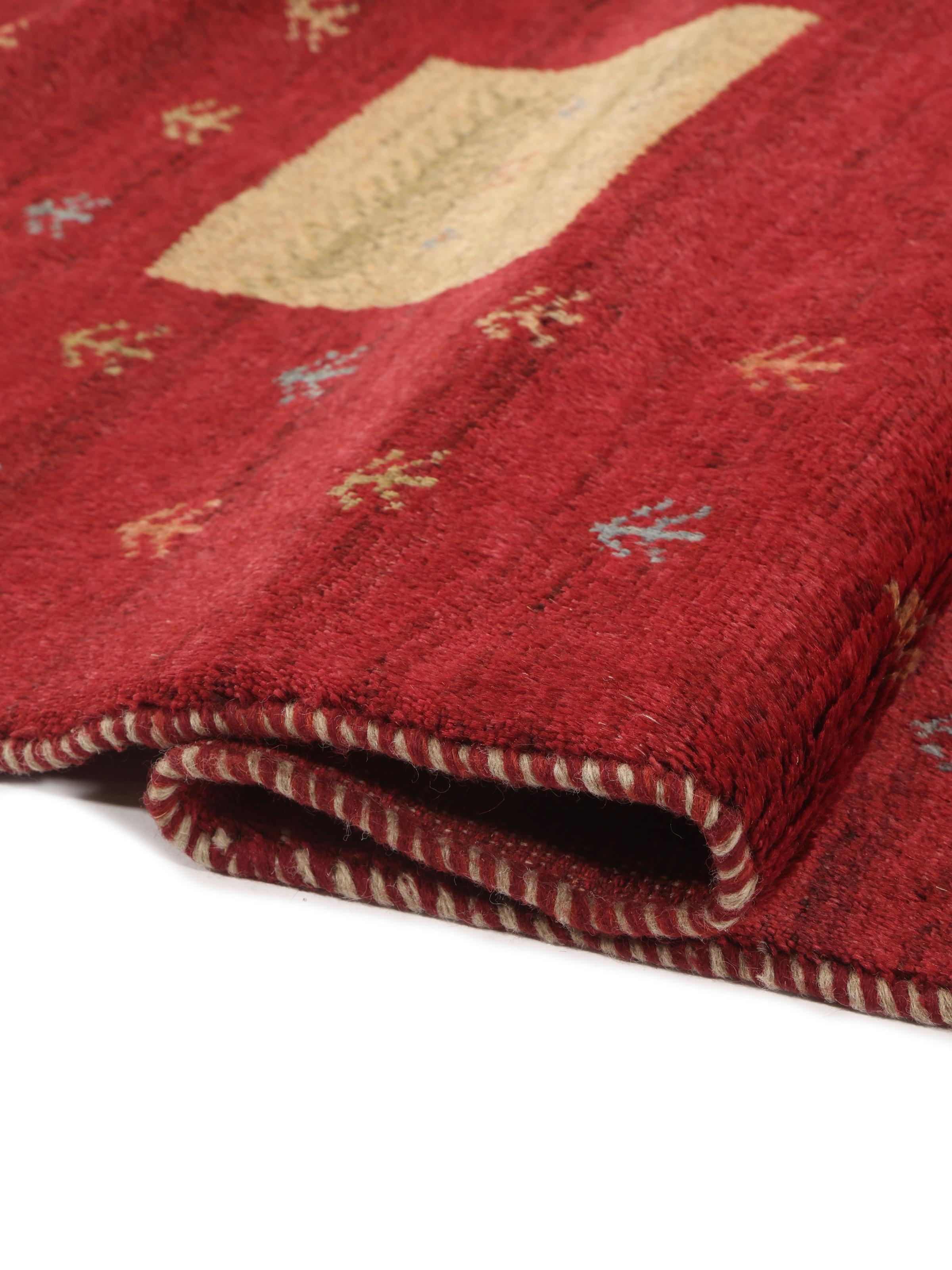
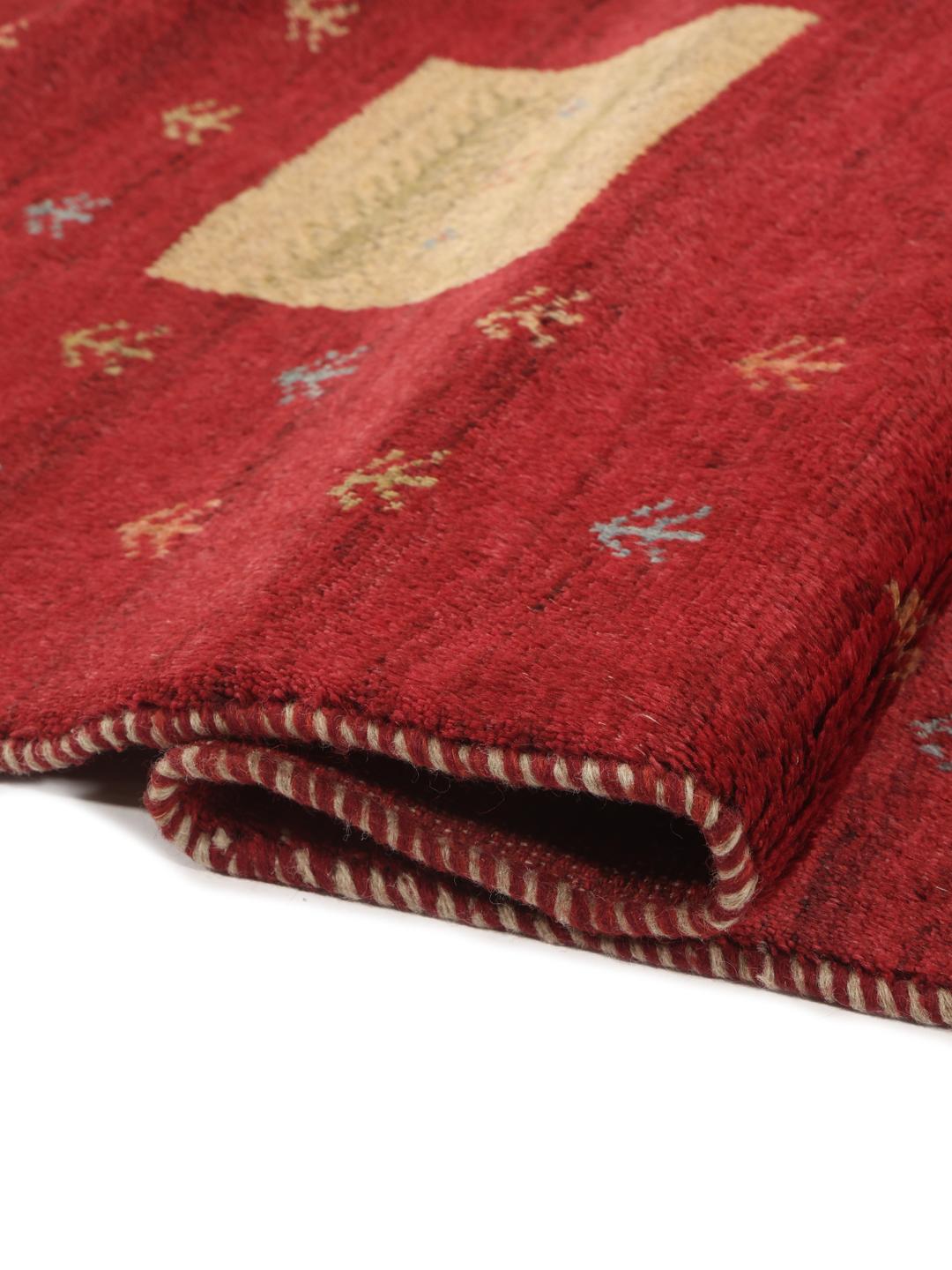
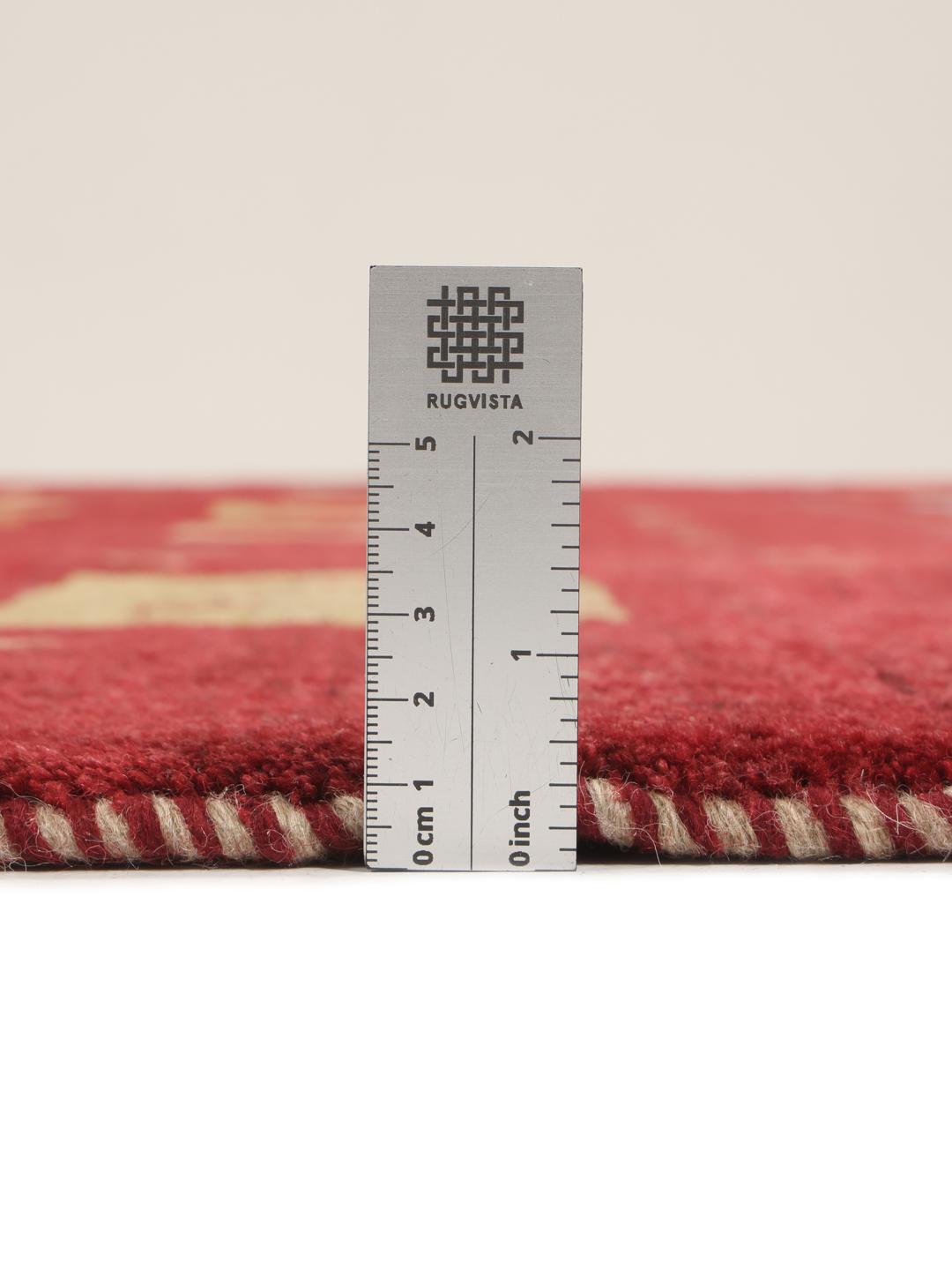
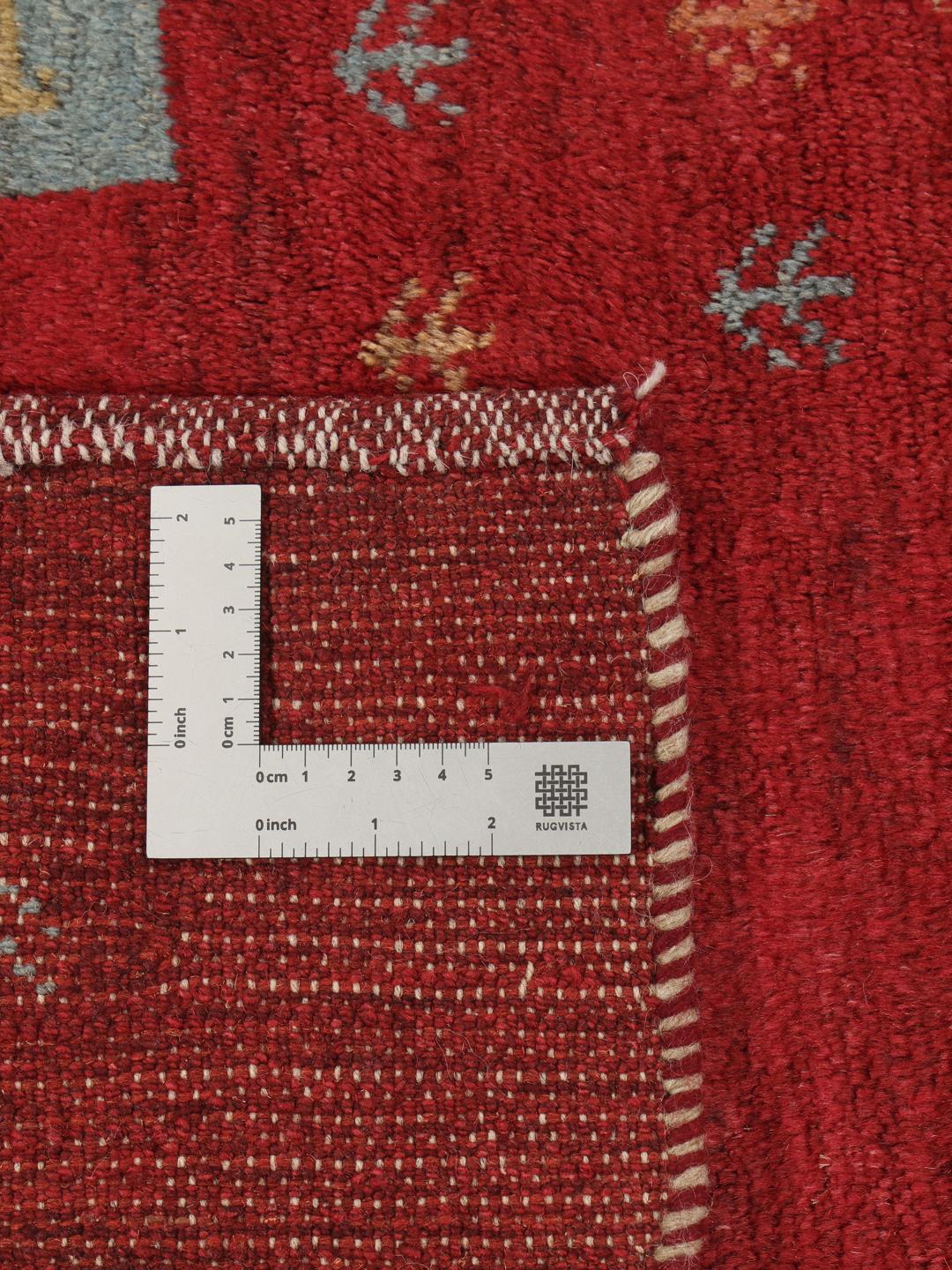
Gabbeh rugs trace their origins to the nomadic tribes of the Middle East, where they were originally woven for personal use rather than for trade. These rugs were designed to provide warmth and comfort in harsh environments, often serving as bedding or floor coverings within tents, which explains their naturally thick and protective pile.
The term 'Gabbeh' itself translates to 'raw' or 'natural', reflecting the straightforward, unpretentious nature of these pieces. Unlike formal city rugs that follow strict, symmetrical patterns, the Gabbeh tradition encourages weavers to express their surroundings, emotions, and local folklore through spontaneous, open-field compositions.
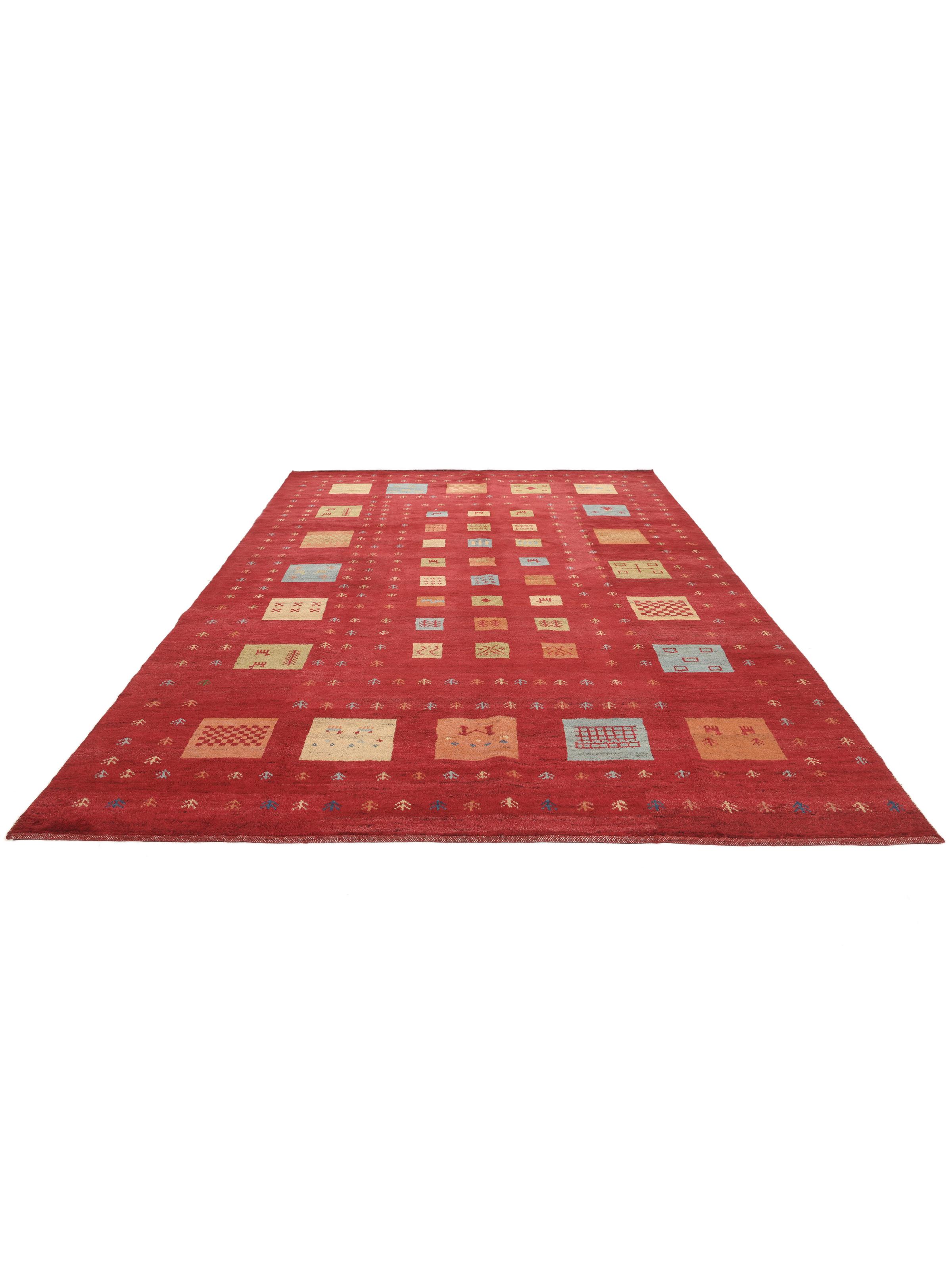
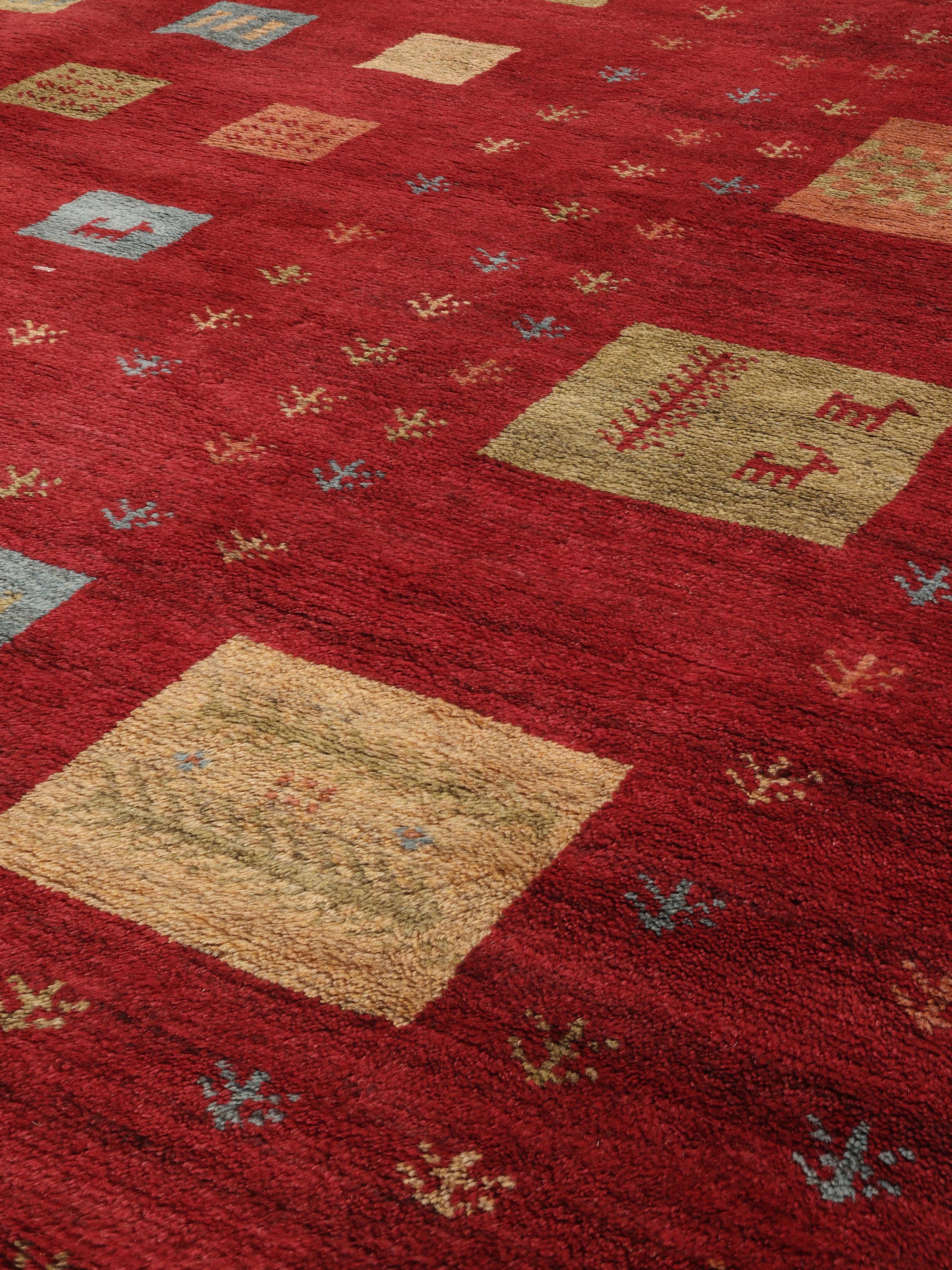
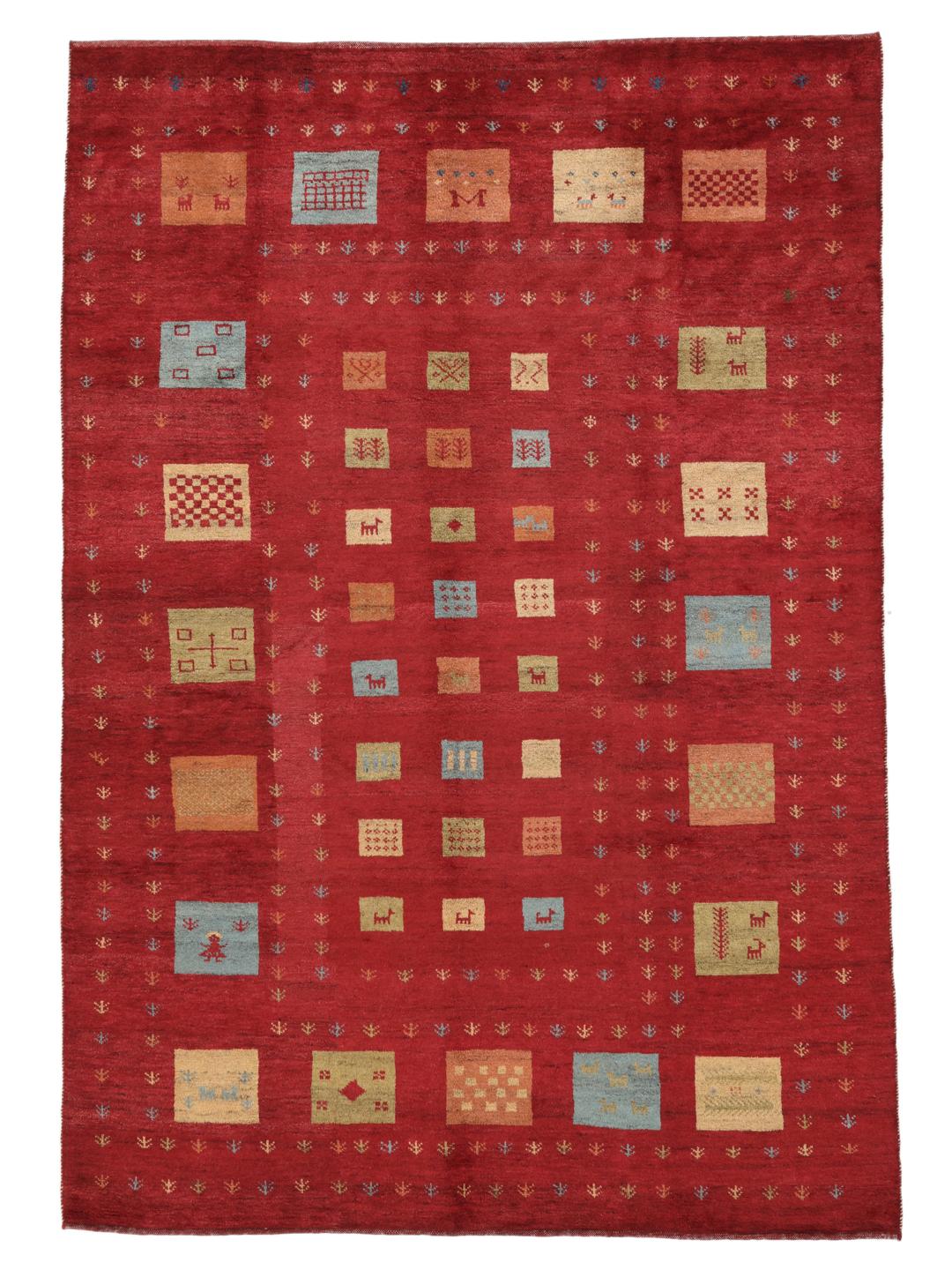
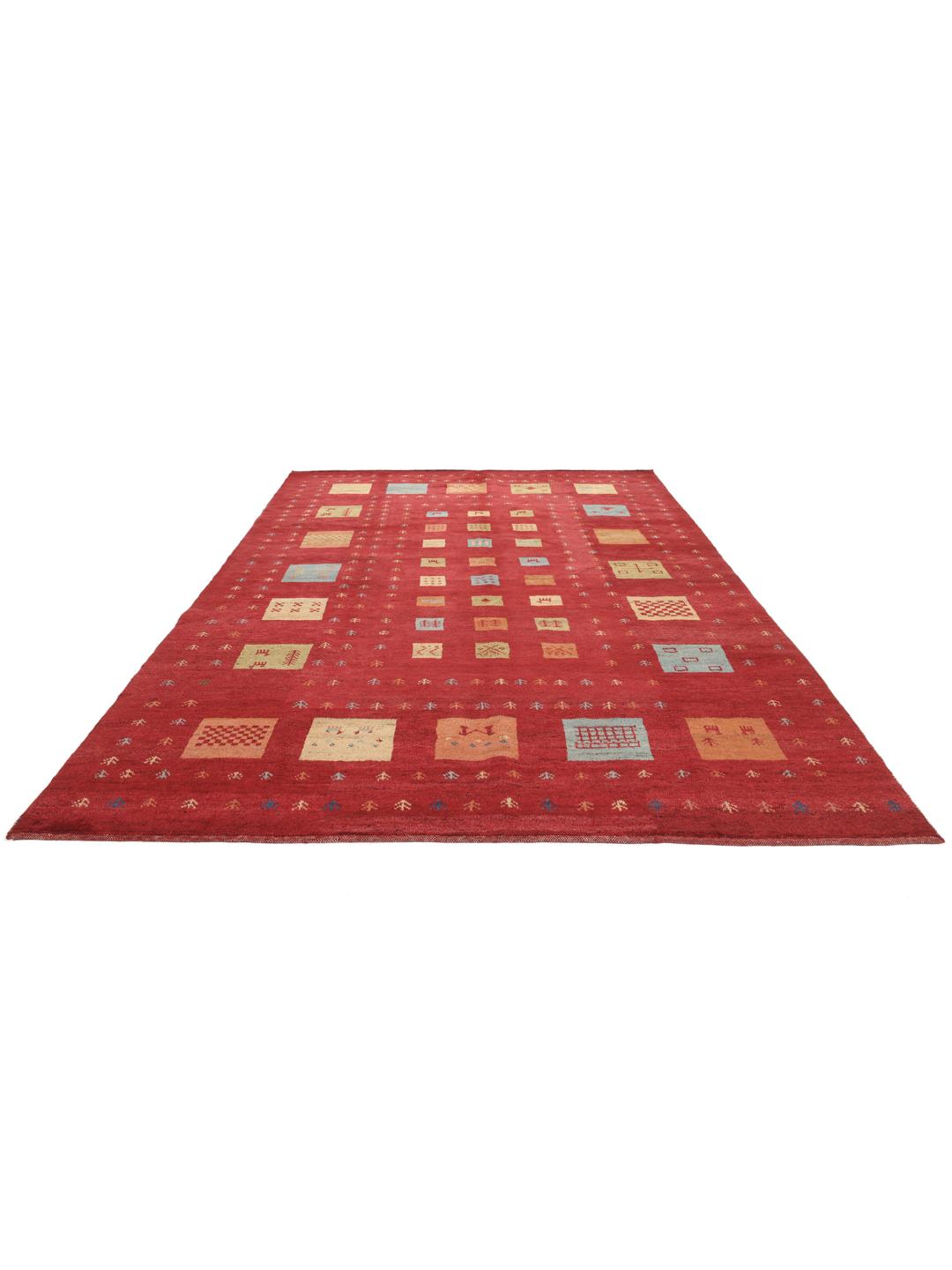
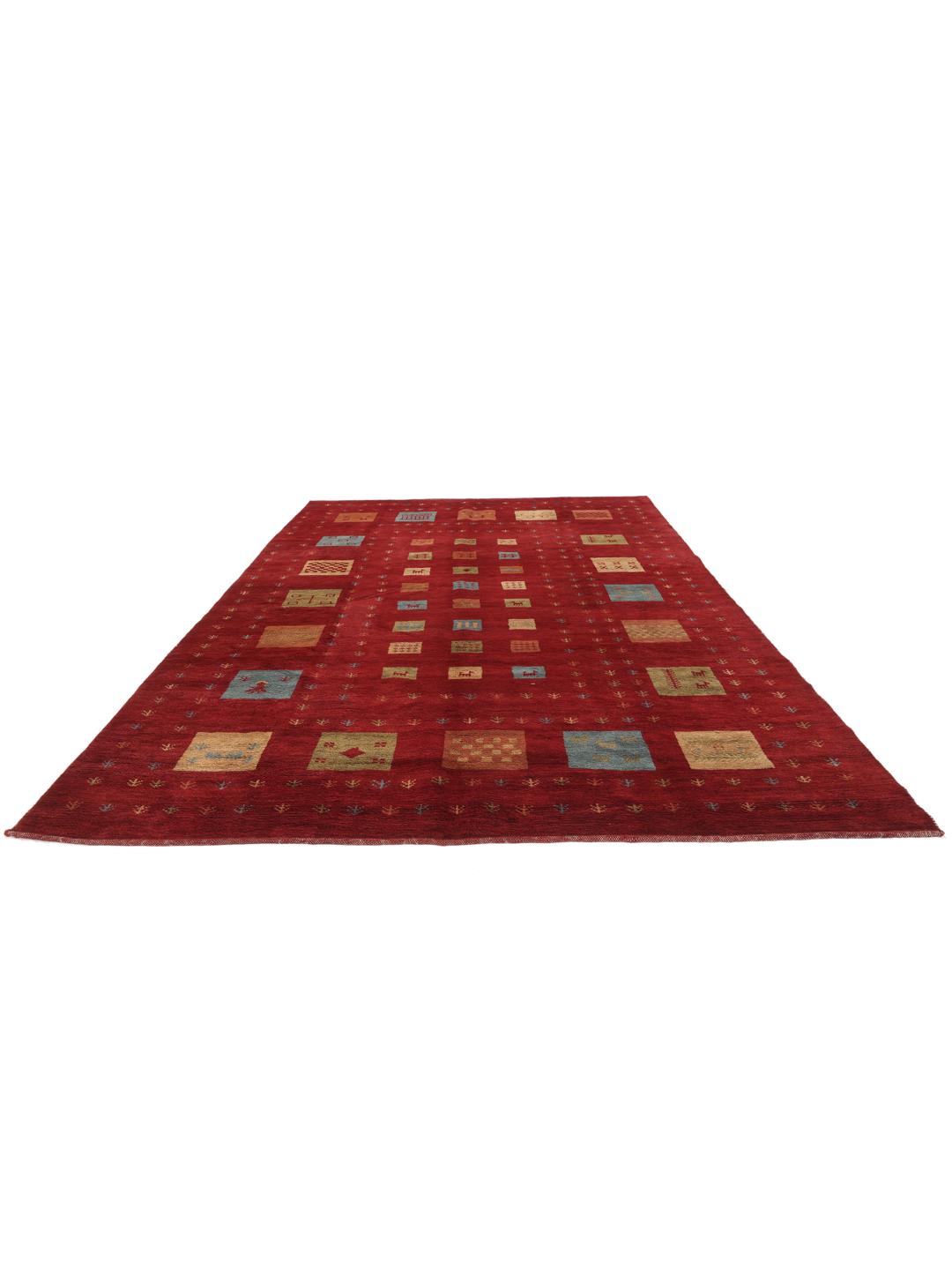
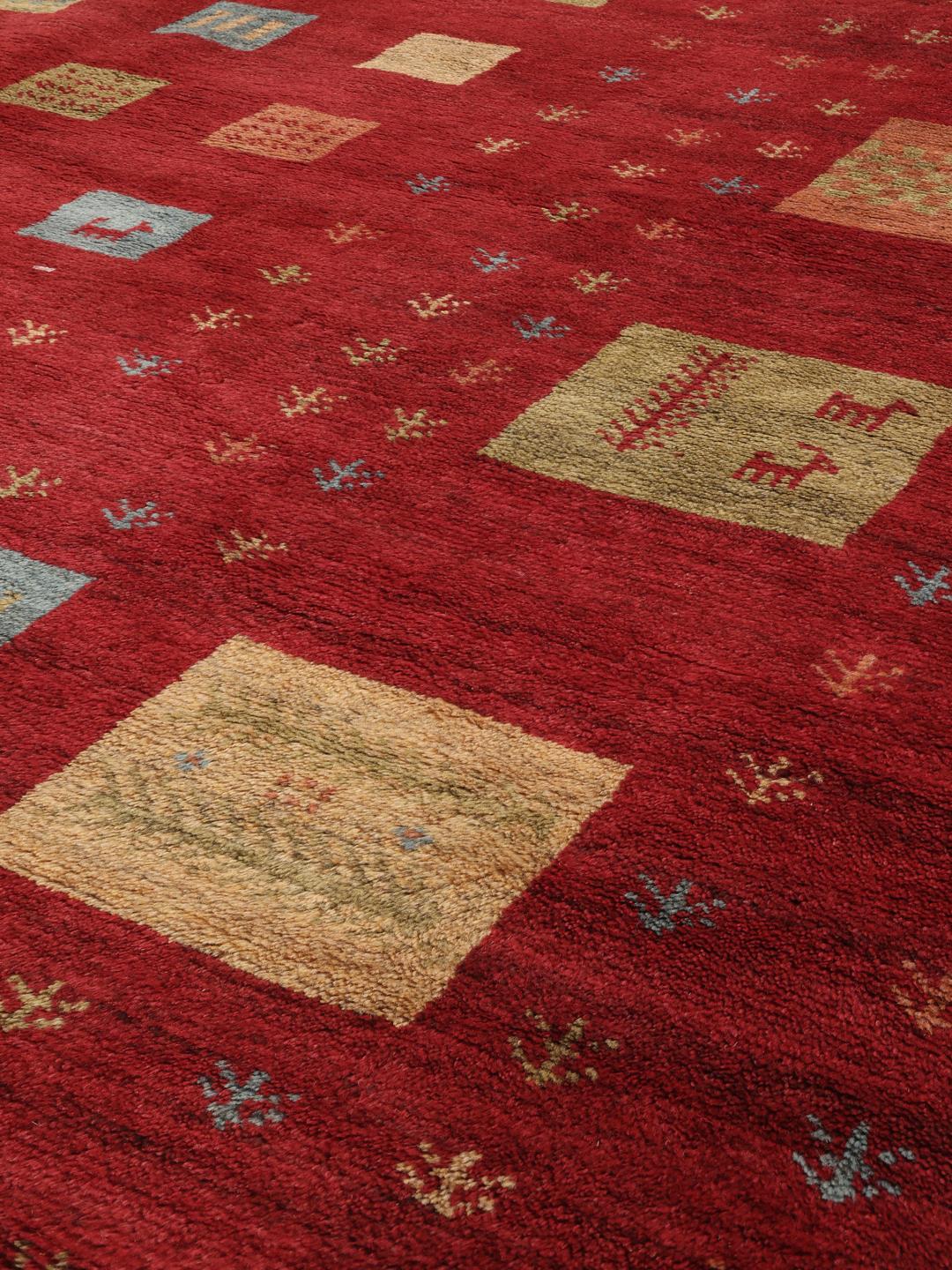
Visually, these rugs are defined by their bold use of colour and simplified, stylized motifs. While traditional examples often feature wide, open expanses of colour, the inclusion of pictorial elements like animals, plants, and geometric symbols creates a narrative quality that is highly prized by collectors. This specific piece continues that tradition with its charming, varied box motifs.
Today, these rugs are celebrated not only for their cultural heritage but for their ability to blend seamlessly into modern interiors. They represent a bridge between ancient nomadic traditions and contemporary design, offering a level of individuality and warmth that mass-produced items cannot replicate, making them a cornerstone for any thoughtful home collection.