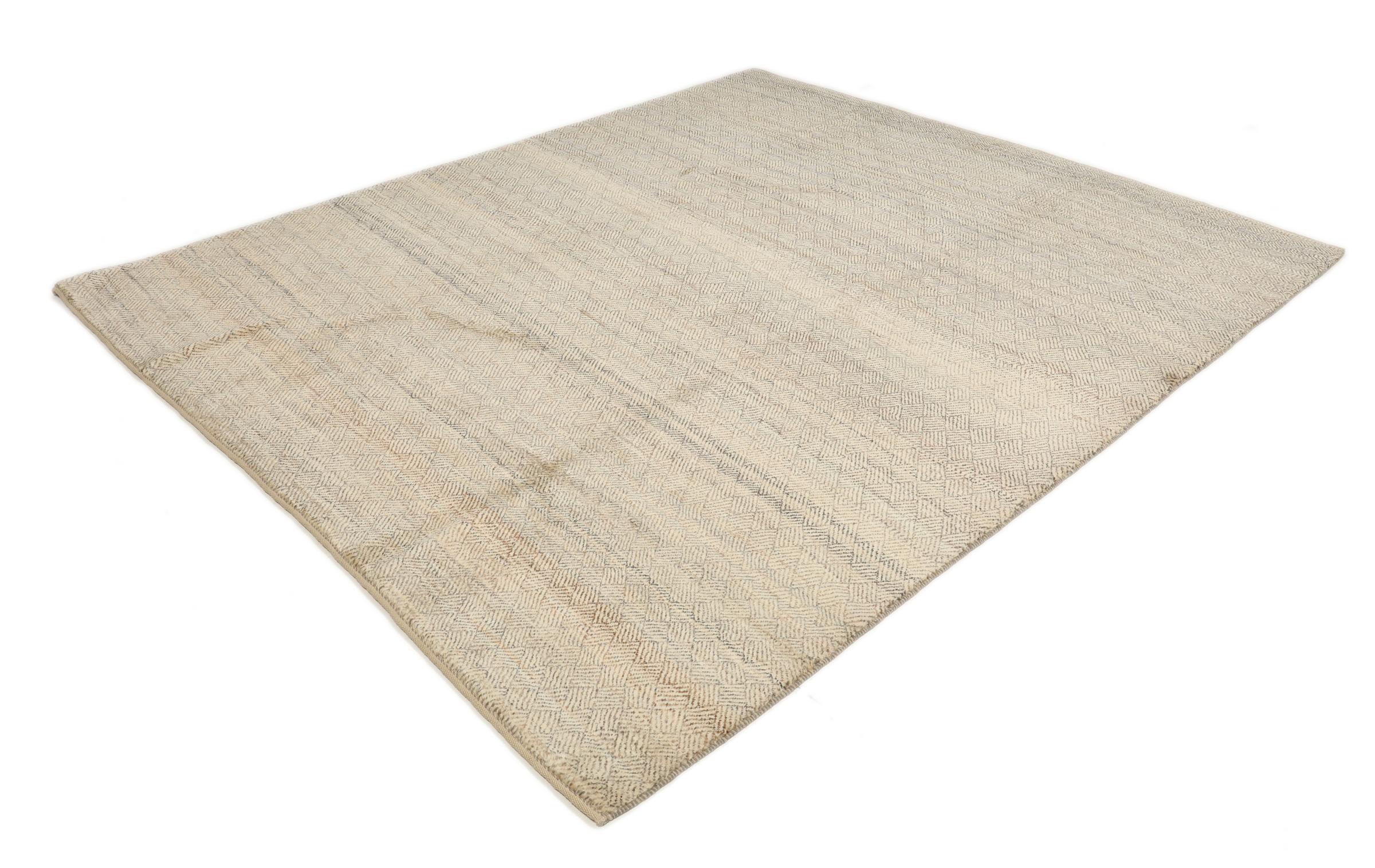
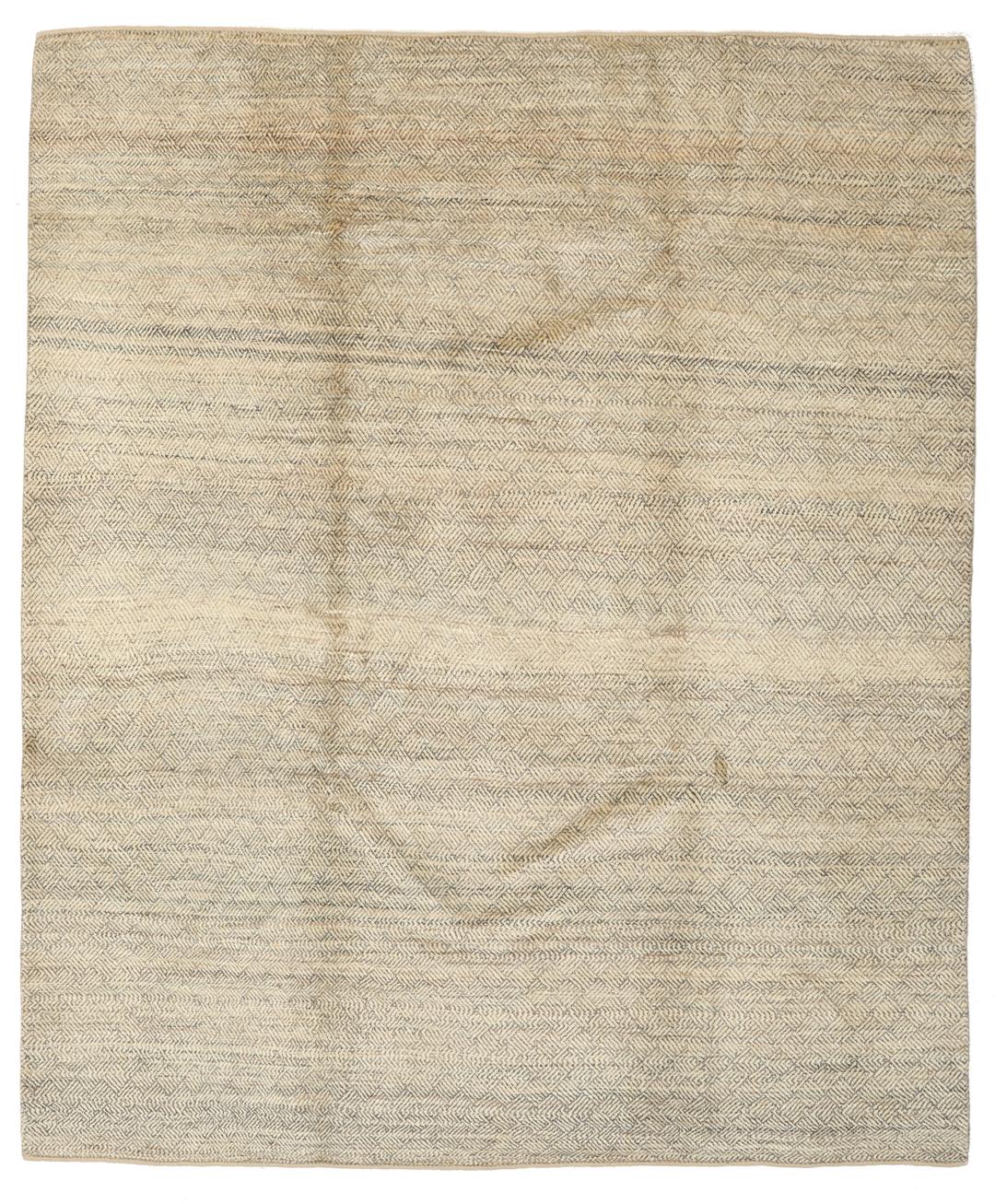
The Gabbeh tradition originates from the nomadic tribes of the Middle East, who developed these rugs as functional, heavy-duty floor coverings for their tents. Historically, these pieces were created for personal use rather than trade, which allowed the weavers to experiment with simpler, more abstract designs and a more expressive use of colour. Over time, the Gabbeh has evolved into a globally recognised style, prized for its raw, artistic honesty.
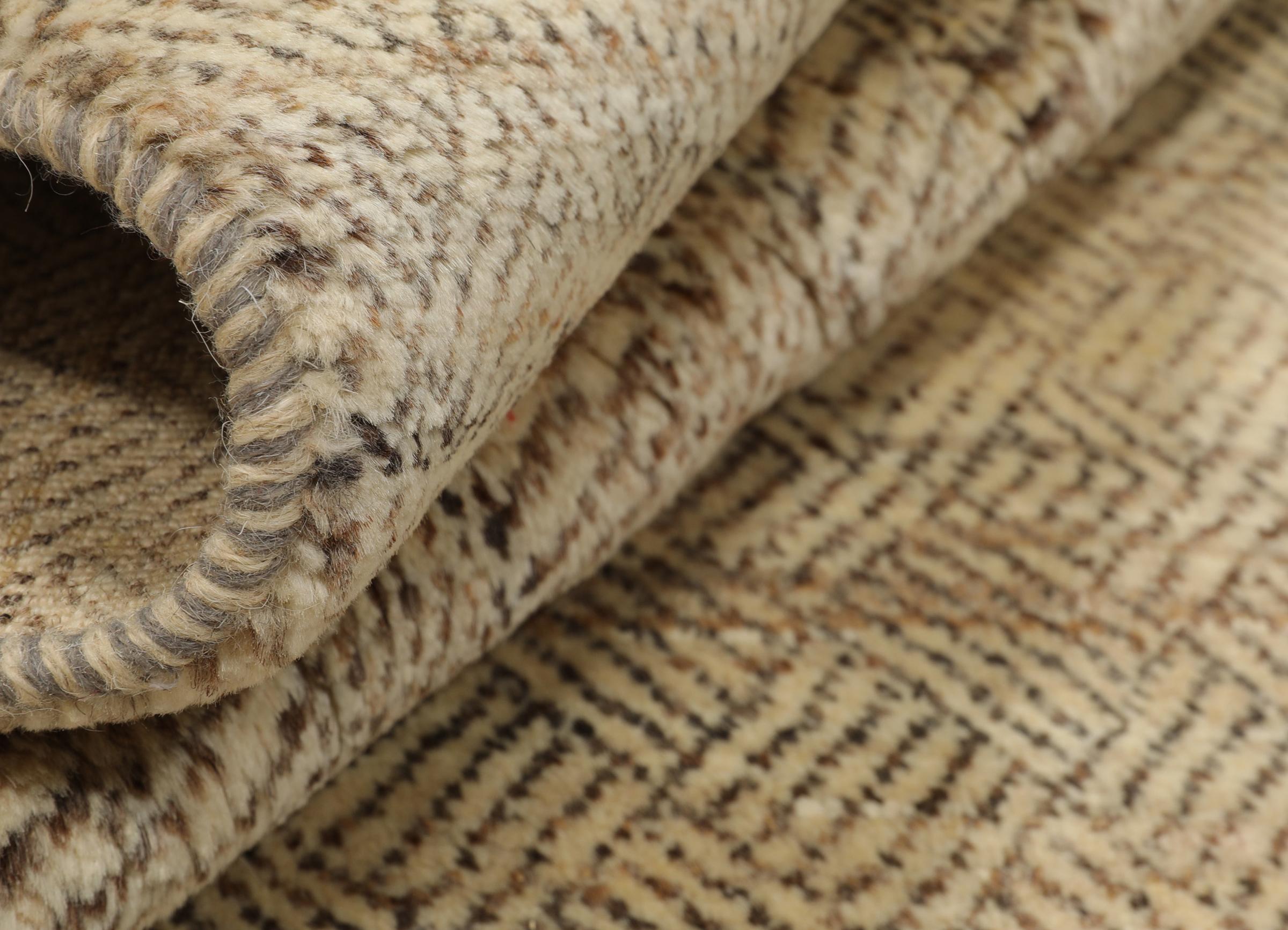
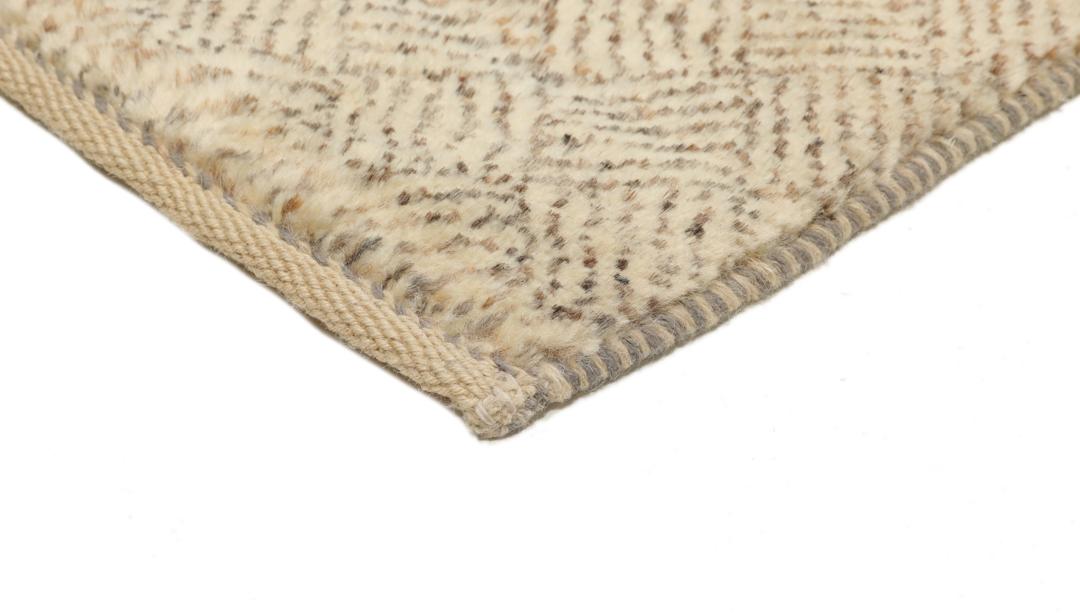
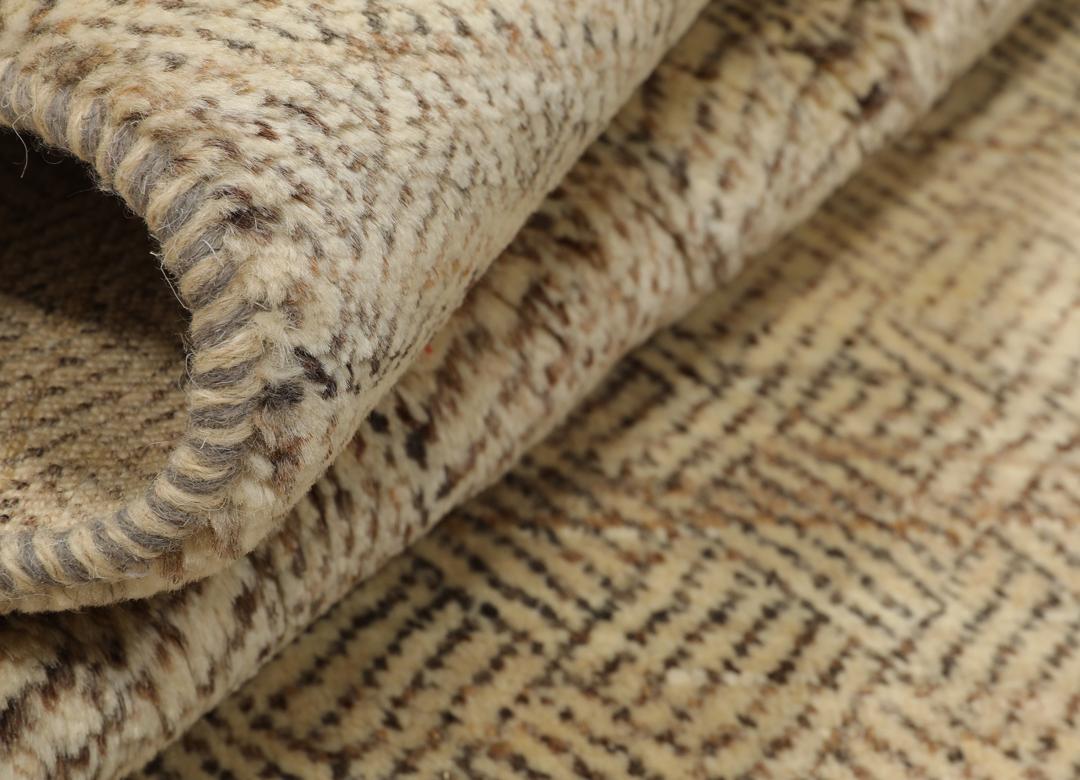
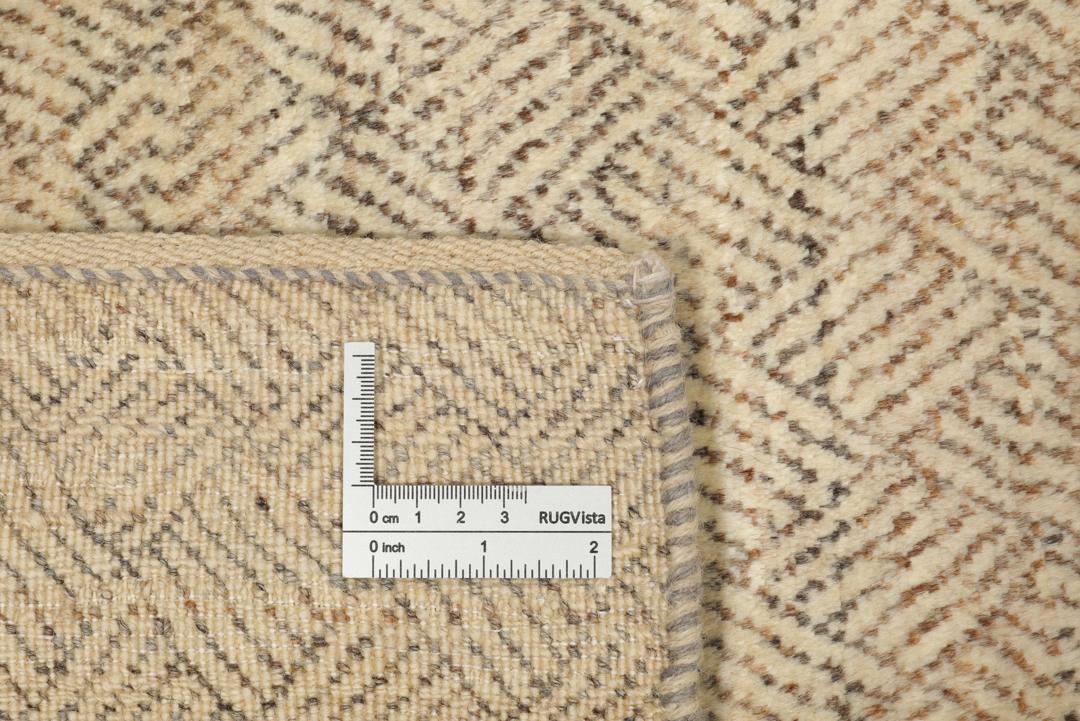
The term 'Gabbeh' refers to a specific style of hand-knotted rug that is traditionally characterised by a thicker, longer pile and a more relaxed, spontaneous design compared to formal city rugs. This construction method allows for a deeper, more cushioned feel. The terminology used in the craft often reflects the weaver's direct connection to the materials, focusing on the quality and natural properties of the wool used in the pile.
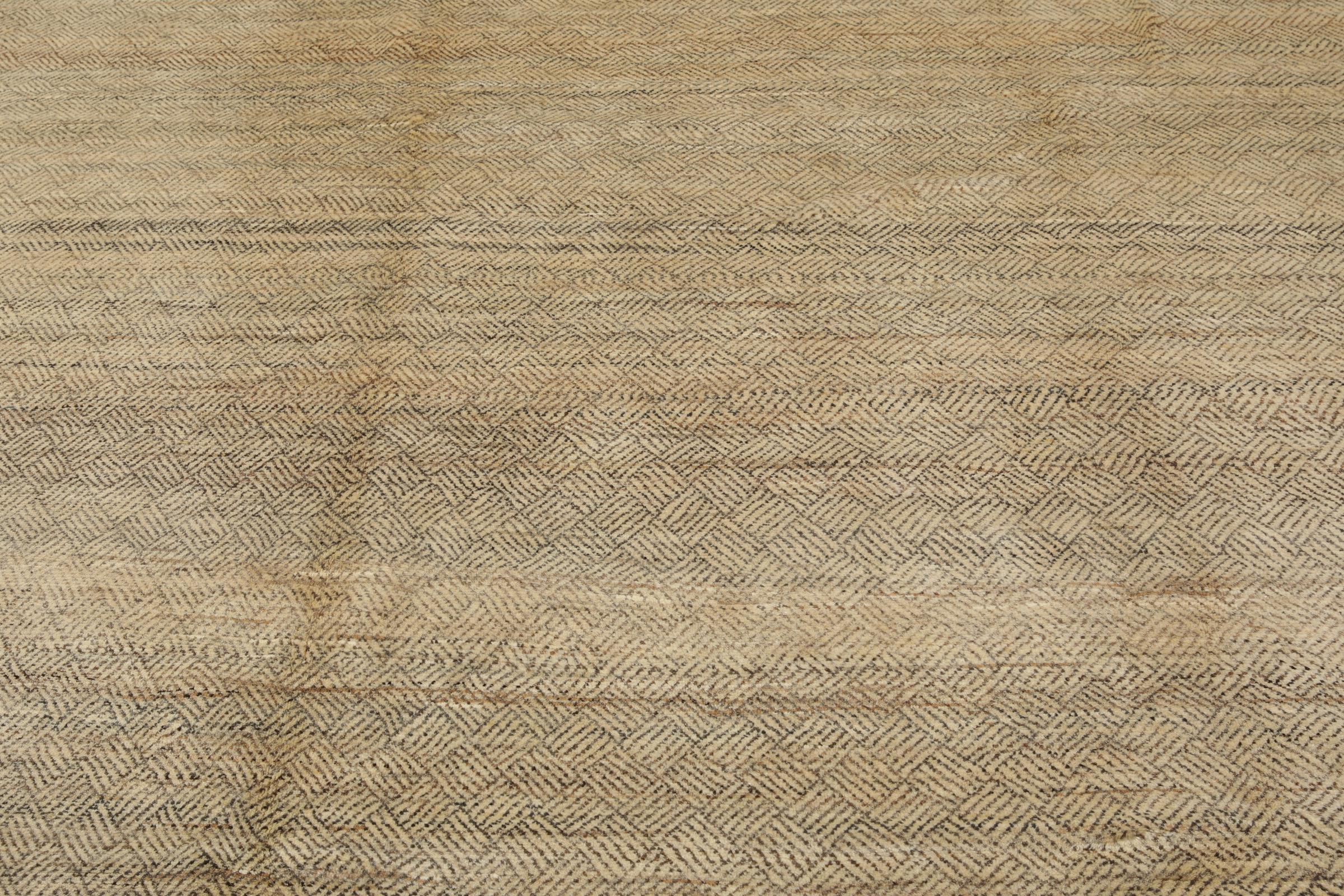
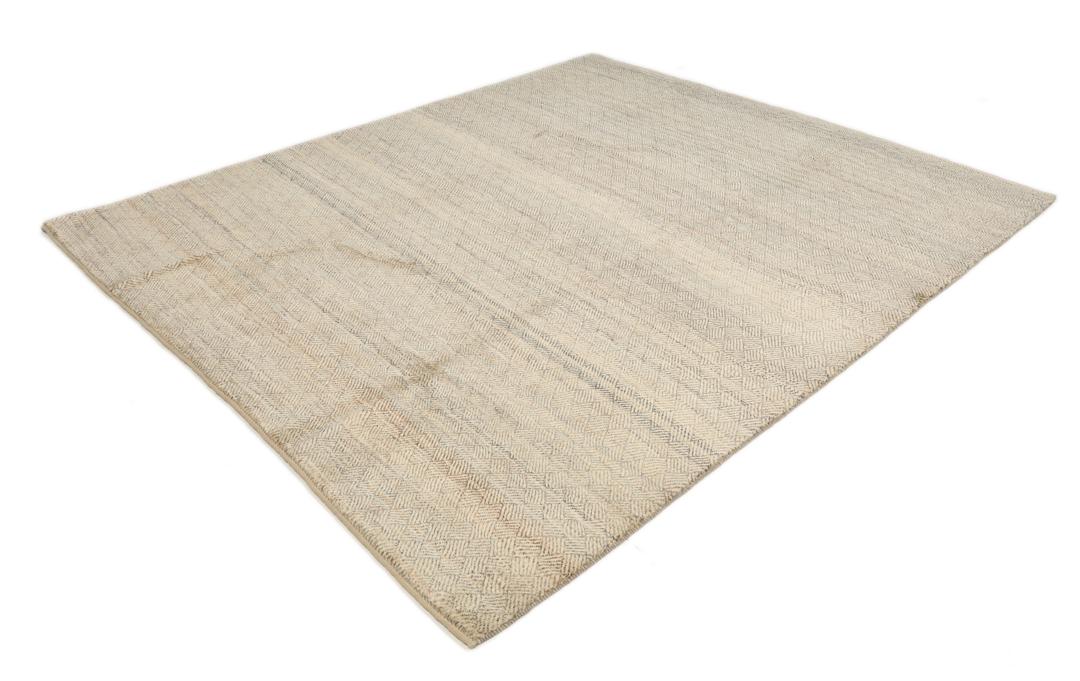
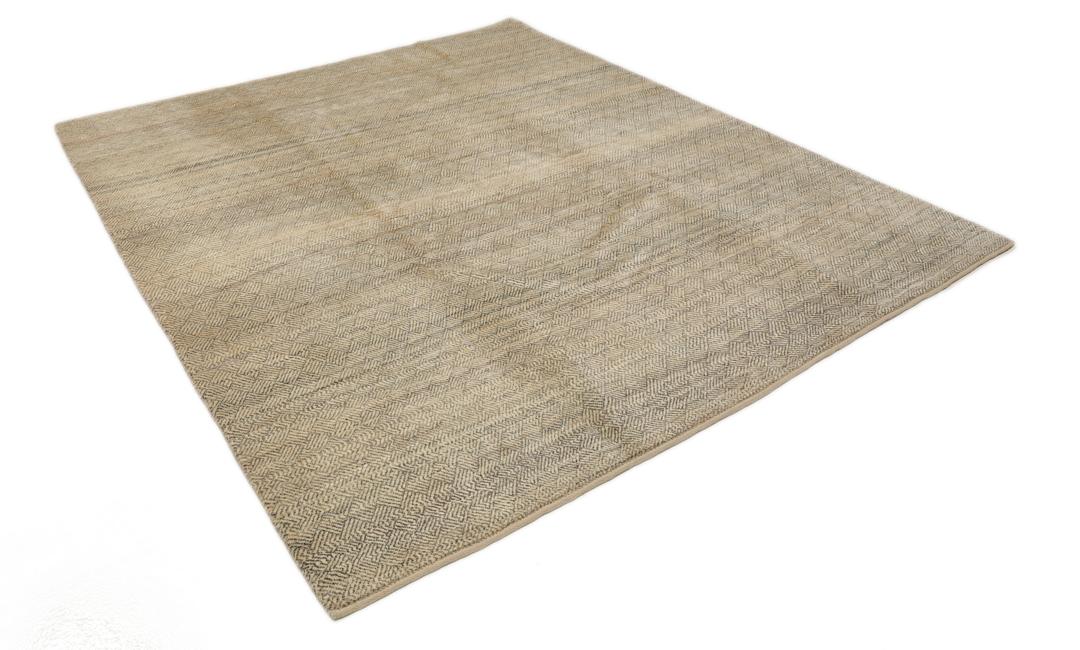
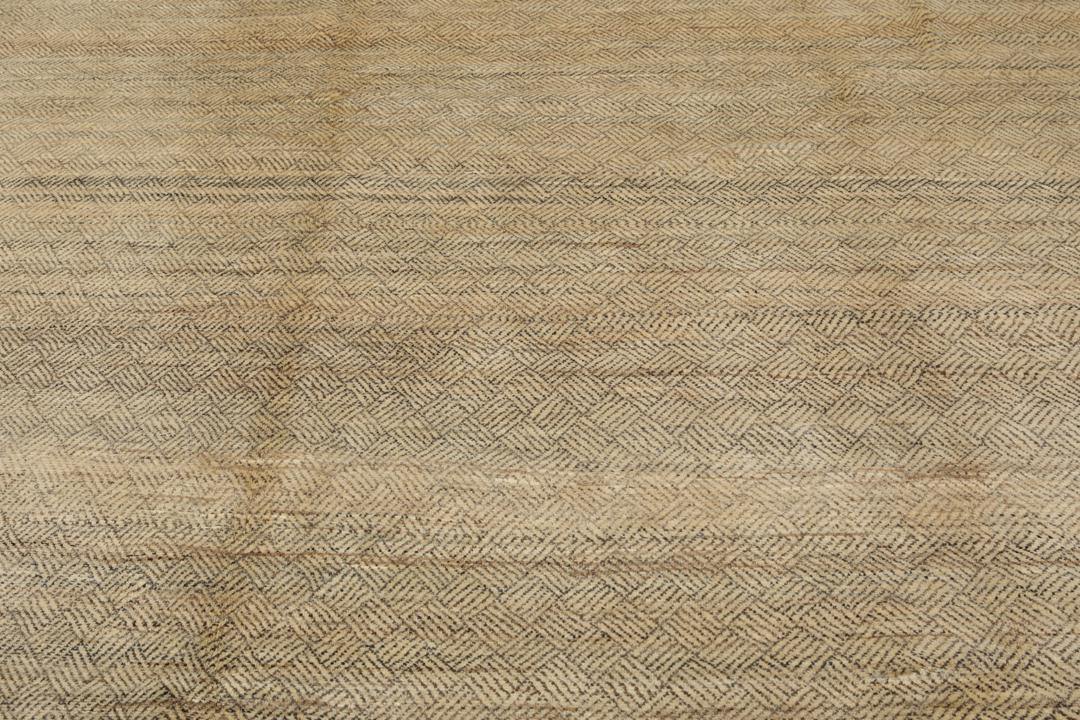
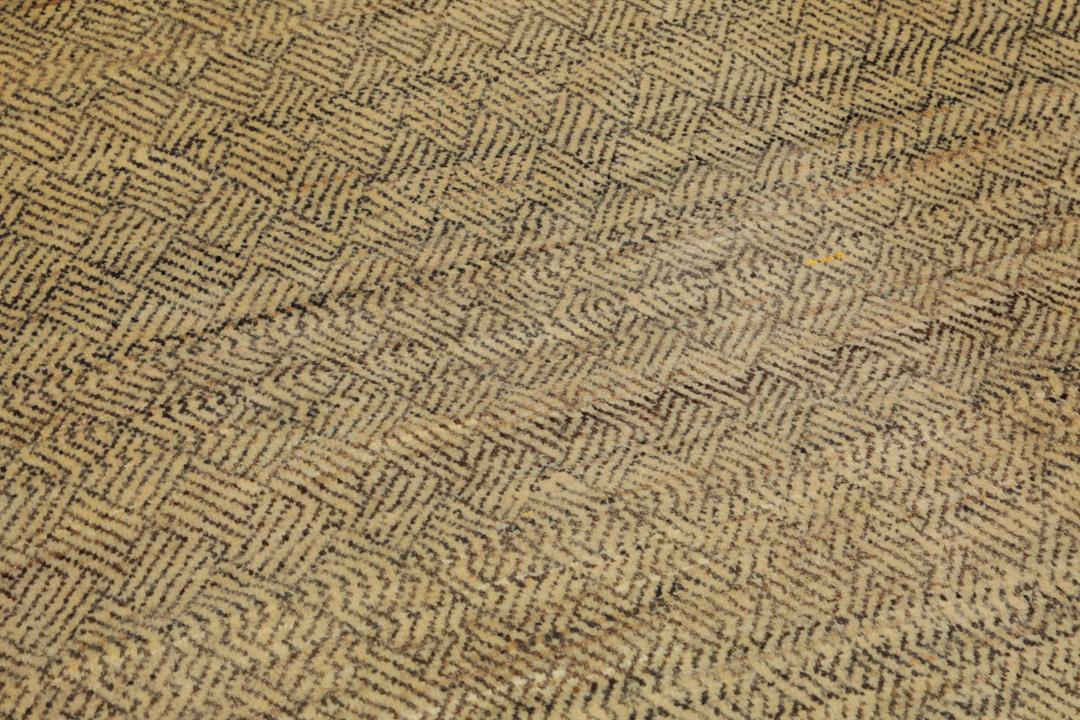
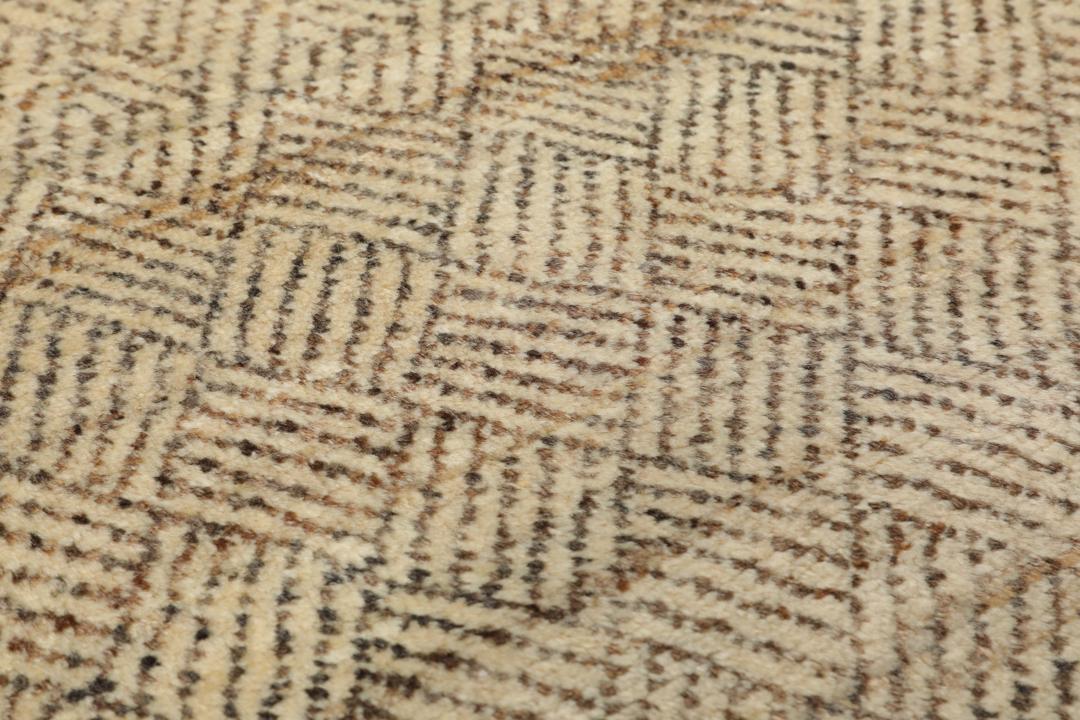
Visually, these rugs are defined by their minimalist and often geometric motifs. Unlike the intricate floral patterns of more formal traditions, Gabbeh rugs often celebrate open fields of colour and subtle, repeated shapes. This particular piece showcases a rhythmic, textured pattern that highlights the natural variations in tone, providing a sophisticated look that feels both ancient and contemporary.
Collecting a Gabbeh rug is an investment in cultural heritage and human skill. Because they are often woven by nomadic or semi-nomadic artisans, every rug acts as a visual diary of the weaver's environment and creative instinct. Owning one is a way to bring a piece of this storied craft into your home, ensuring that these traditions are preserved and celebrated for future generations.