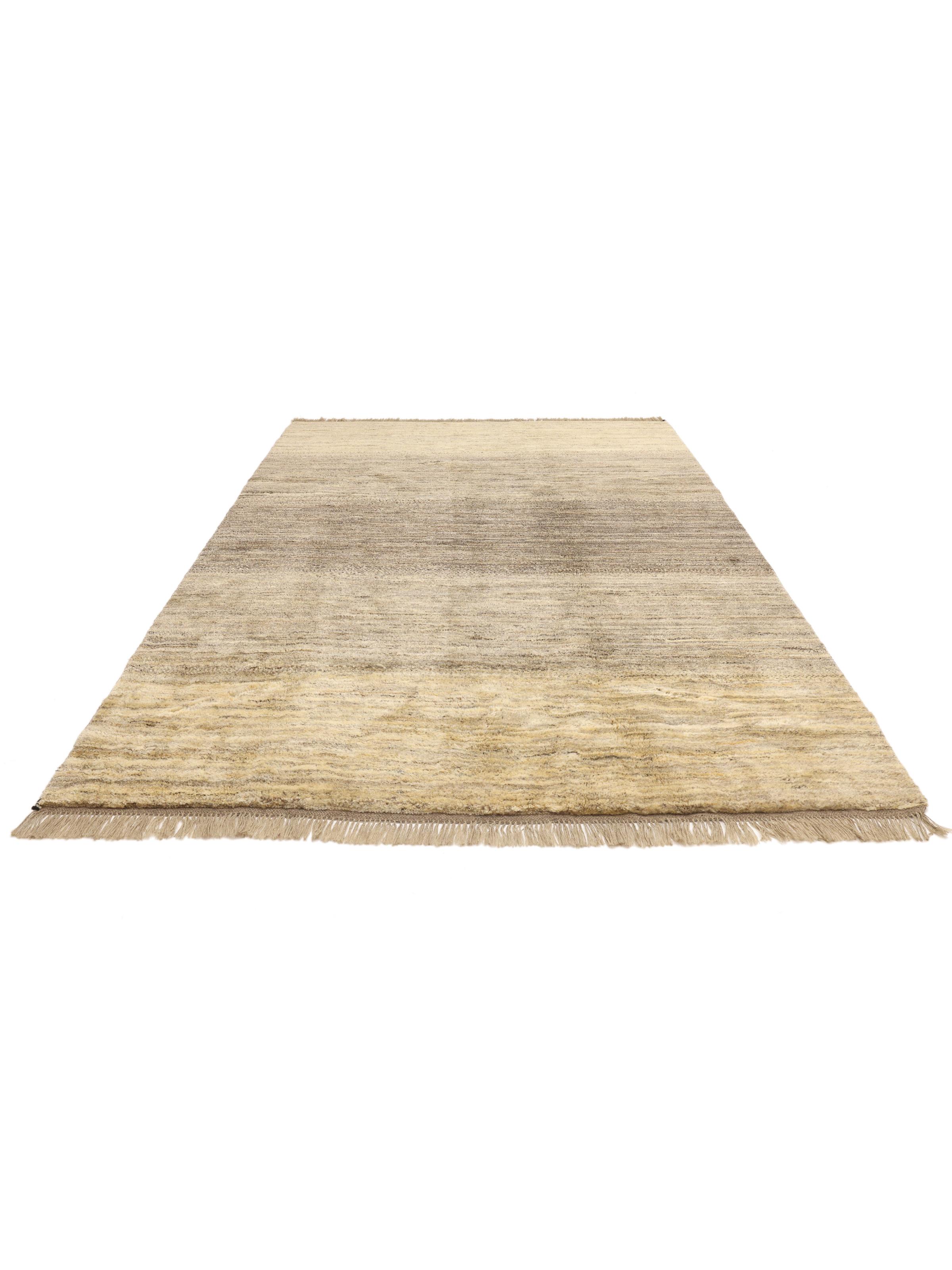
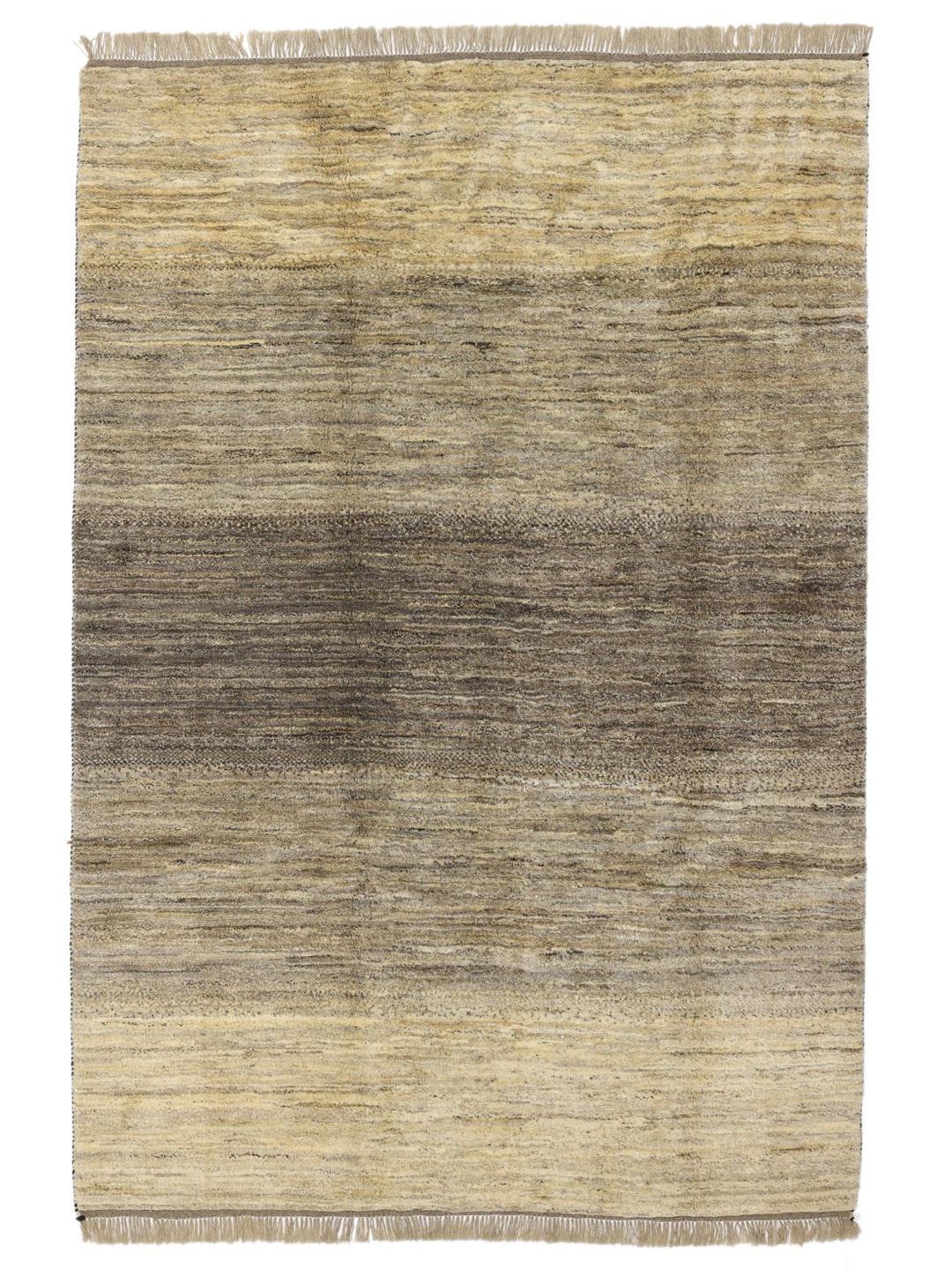
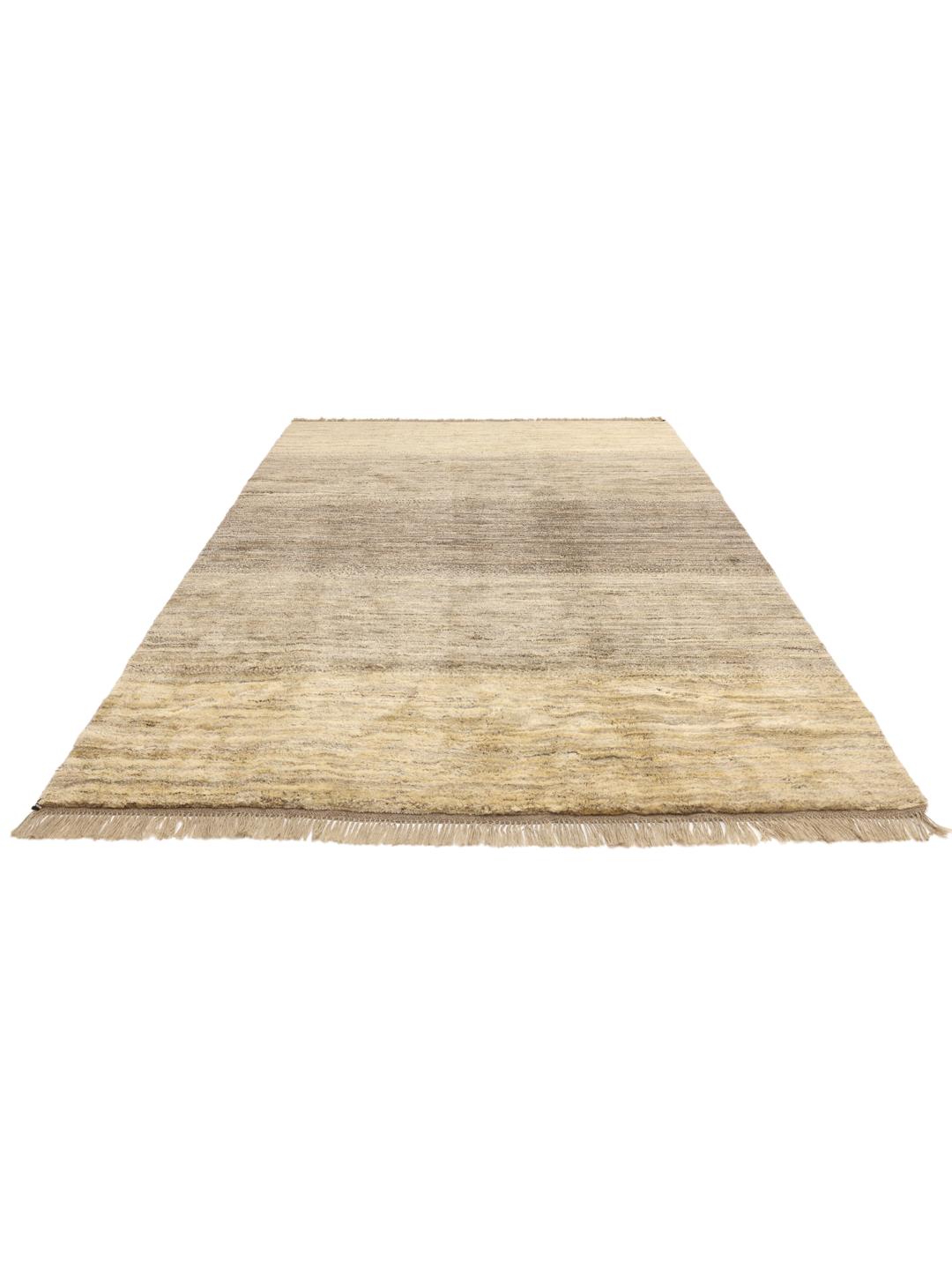
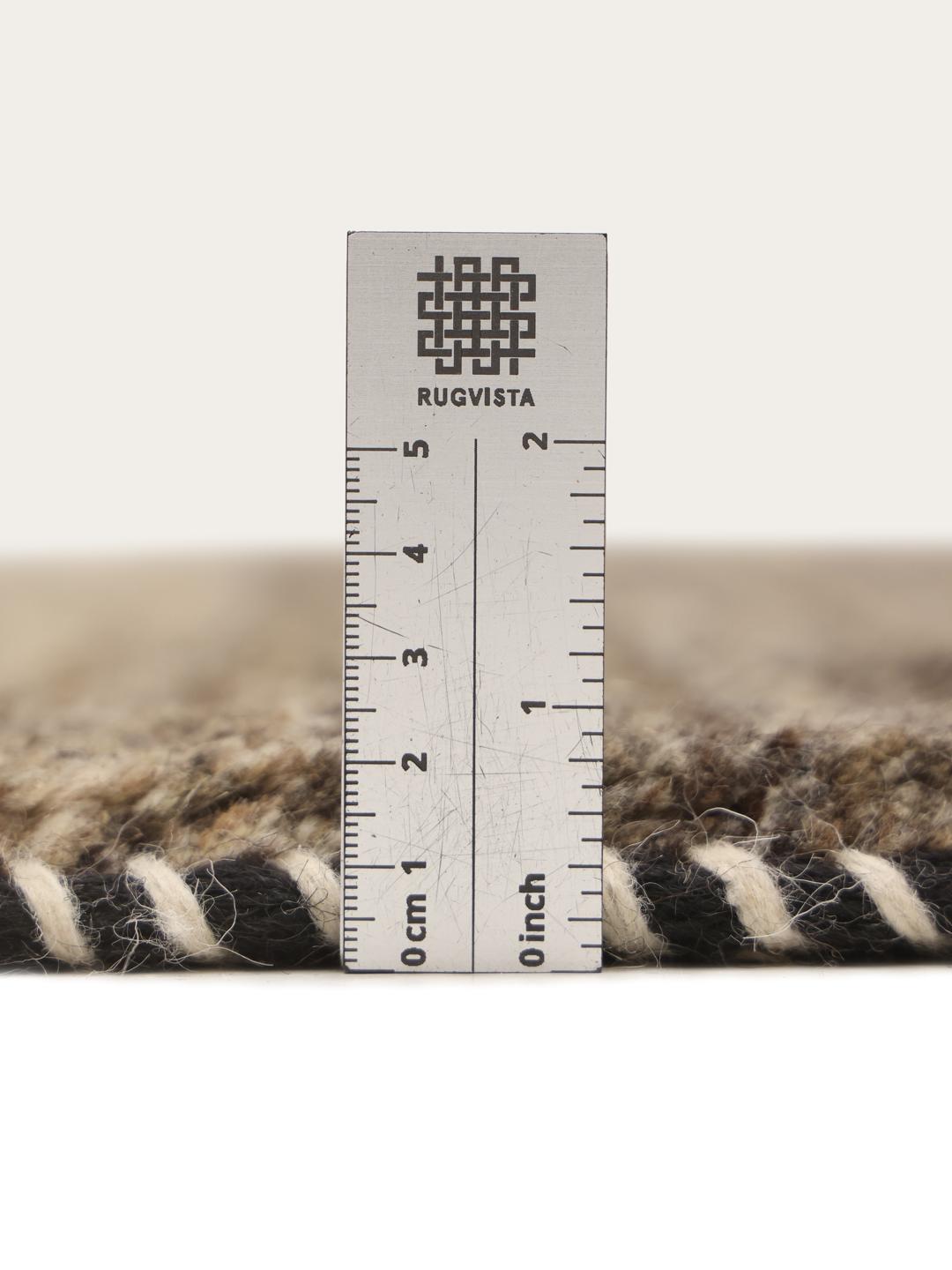
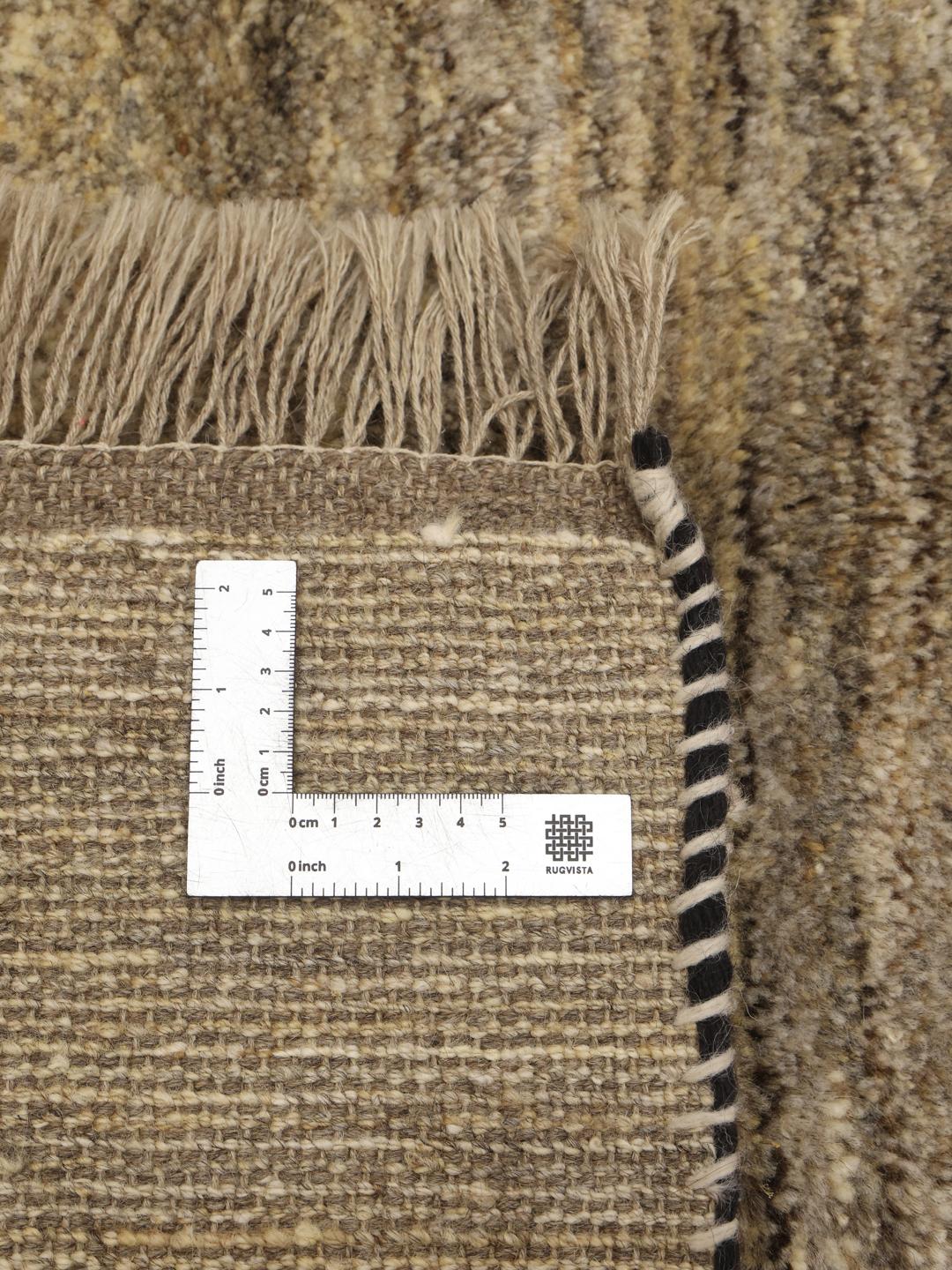
The Gabbeh rug tradition originates from the tribal weavers of the Middle East, who historically created these pieces for personal use rather than for trade. Unlike formal rugs with intricate geometric or floral patterns, the Gabbeh was designed as a heavy, long-piled cushion intended for comfort and warmth in a rugged landscape. This tradition of weaving for the home rather than the market gave weavers the freedom to express their creativity through spontaneous, abstract designs.
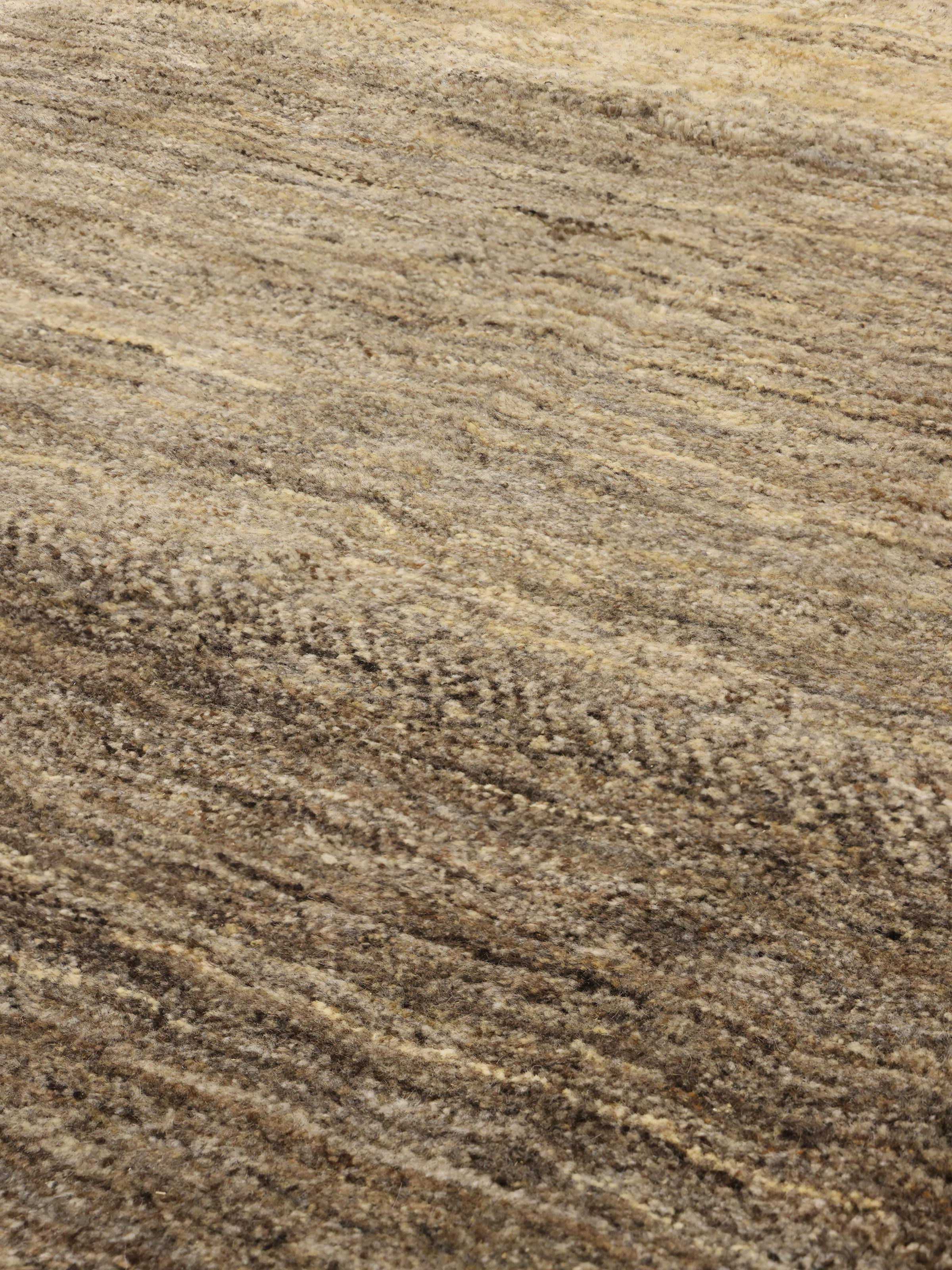
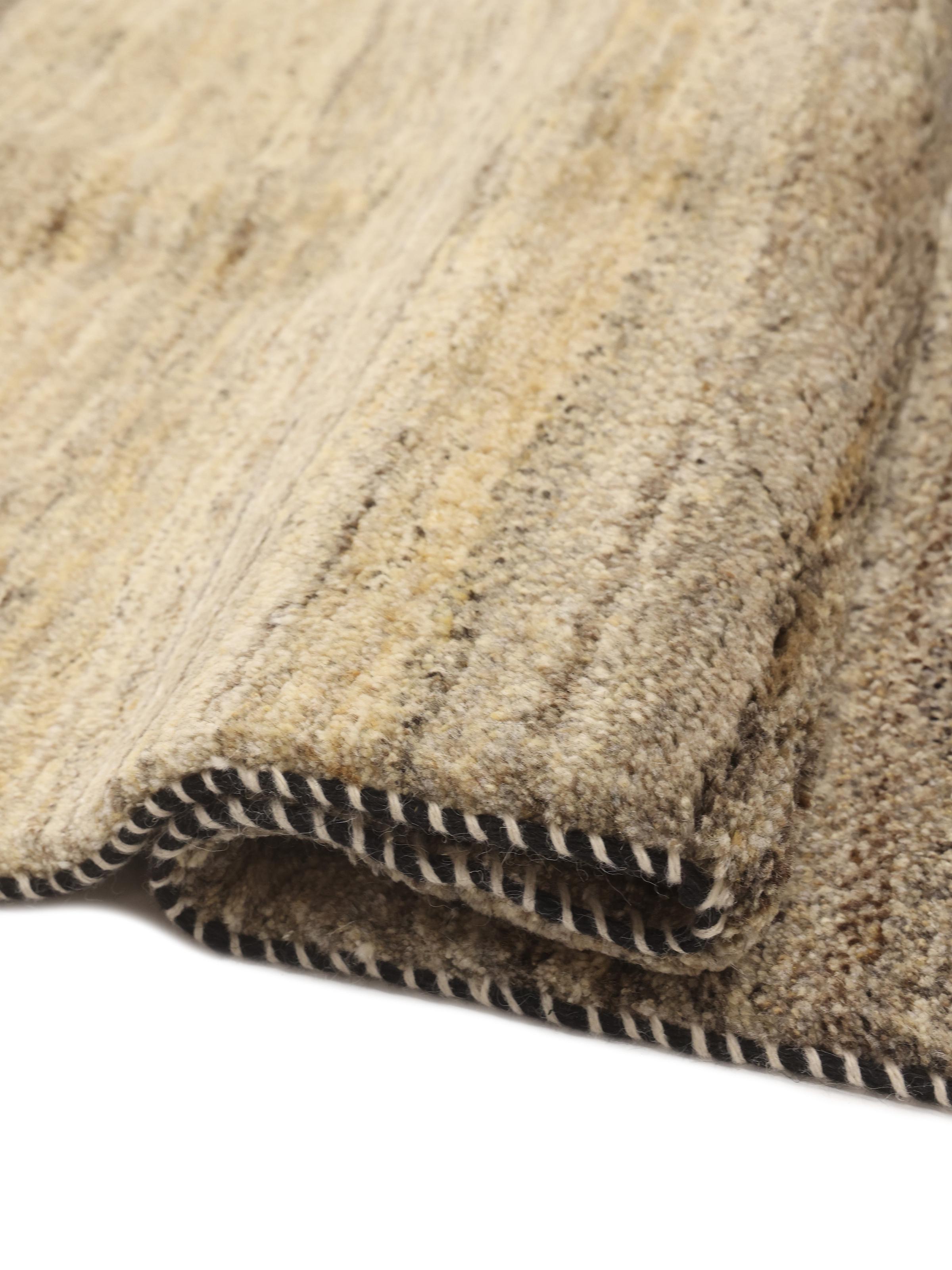
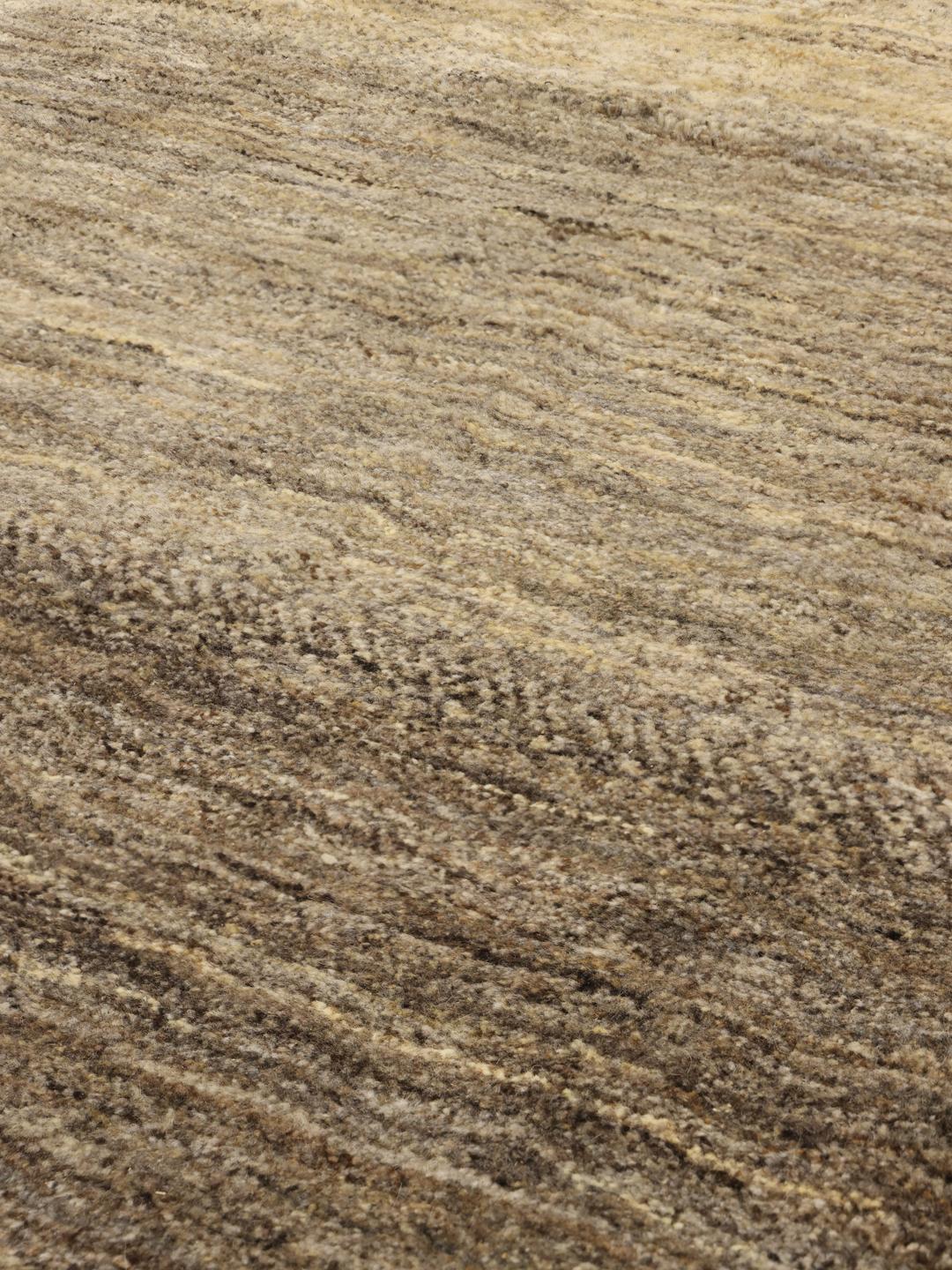
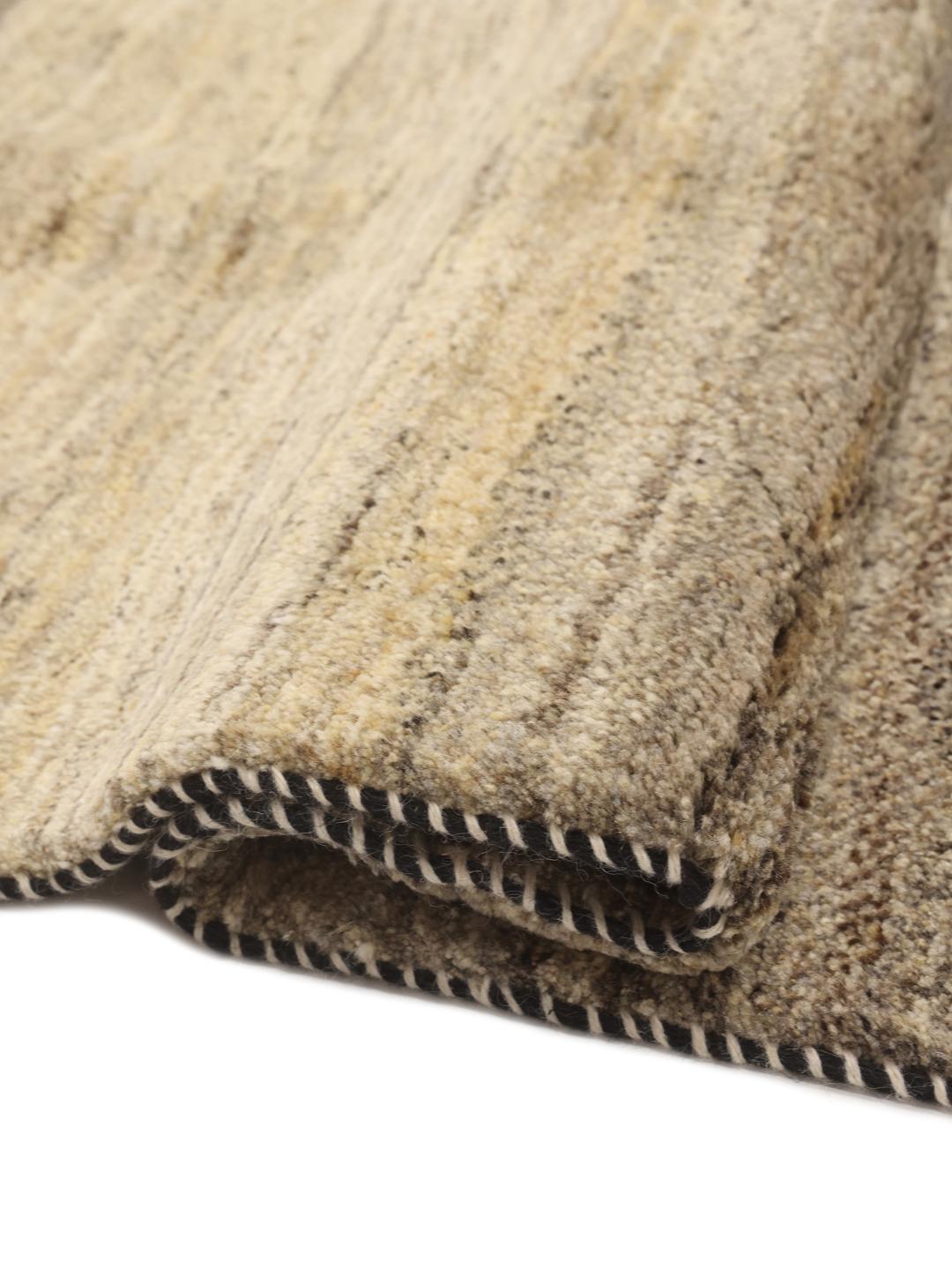
The term 'Gabbeh' itself translates to 'raw' or 'natural' in the local dialect, referring to the unrefined, authentic nature of the wool and the weaving style. These rugs are traditionally made using hand-spun wool that retains much of its natural lanolin, resulting in a pile that is incredibly soft, water-resistant, and durable. The use of natural, vegetable-based dyes further enhances the aesthetic, giving the rugs an earthy, organic look that matures beautifully over time.
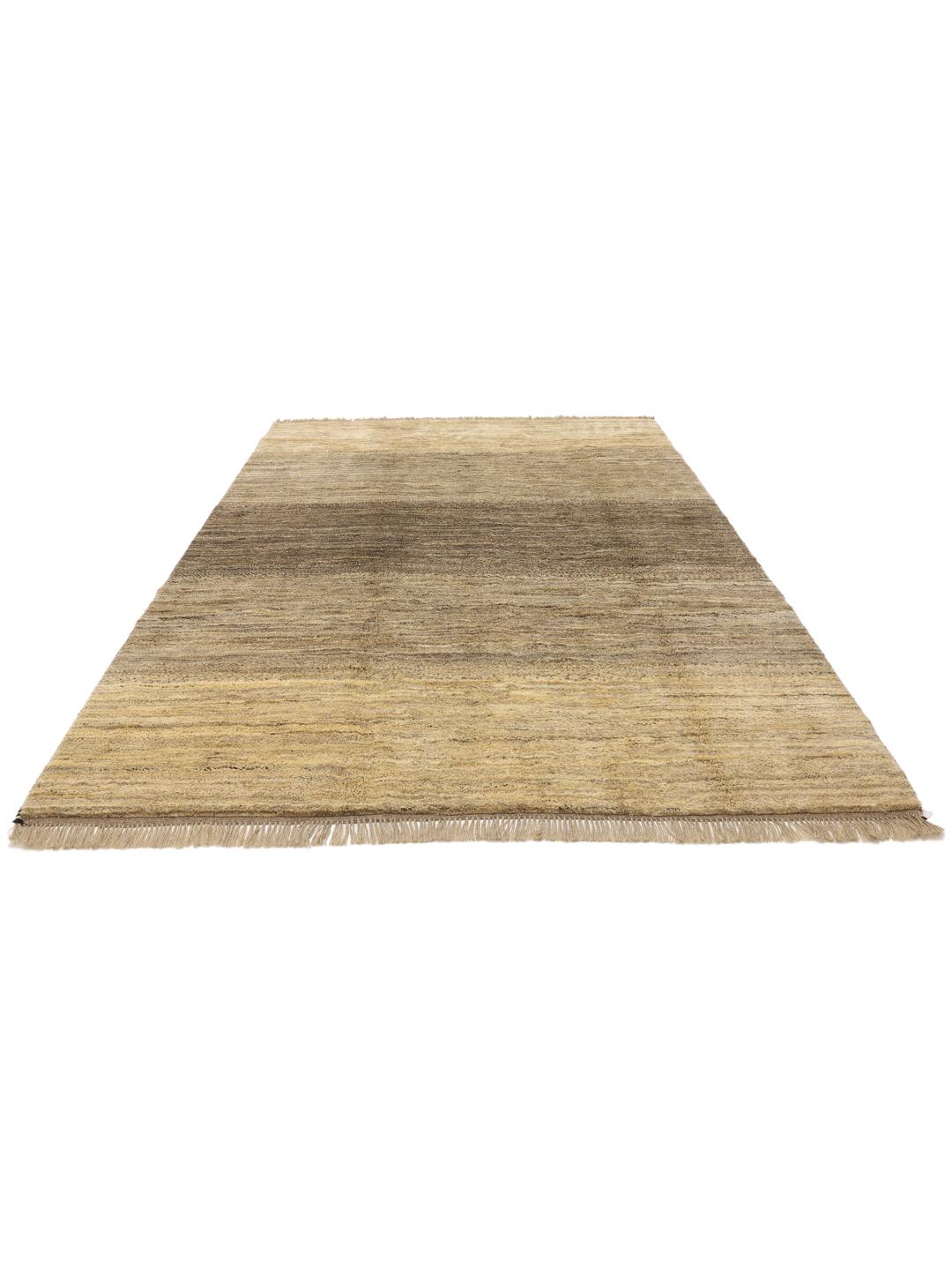
Signature design elements of the Gabbeh include its minimalist, often abstract, aesthetic. While some feature simple geometric motifs or animal figures, many rely entirely on the subtle interplay of colour blocks or horizontal bands to create visual interest. The beauty of these rugs lies in their imperfection; the slight irregularities in weave and the gentle variations in colour are not flaws, but rather the hallmarks of a piece created by hand in a nomadic tradition.
Today, these rugs are highly valued by collectors and interior designers alike for their artistic integrity and cultural significance. Owning a Gabbeh is not just about acquiring a floor covering, but about celebrating a living heritage of craftsmanship. These rugs bring a sense of history and human connection to a space, serving as a testament to the skill of the weavers who have kept this ancient, artistic practice alive through the centuries.