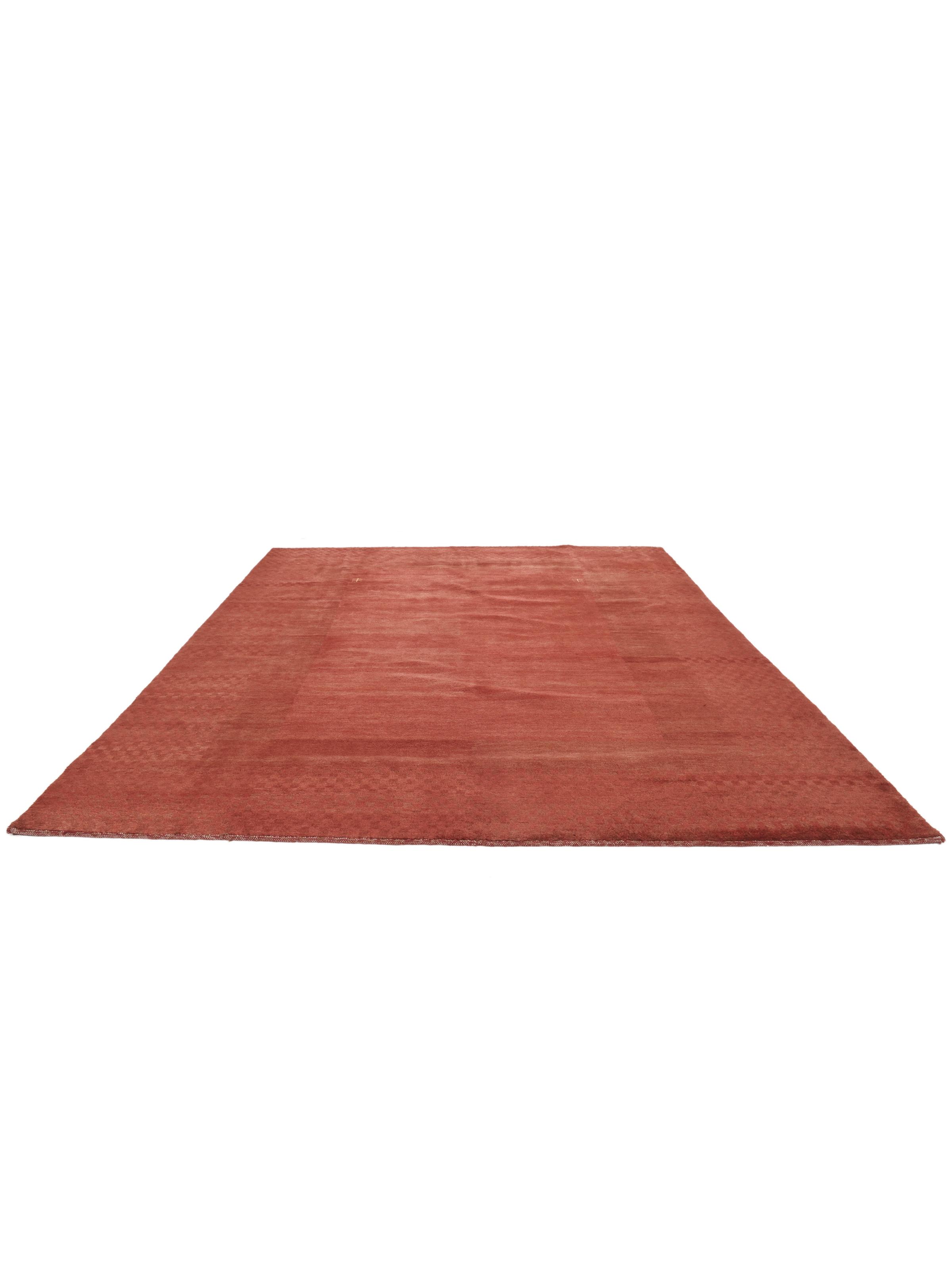
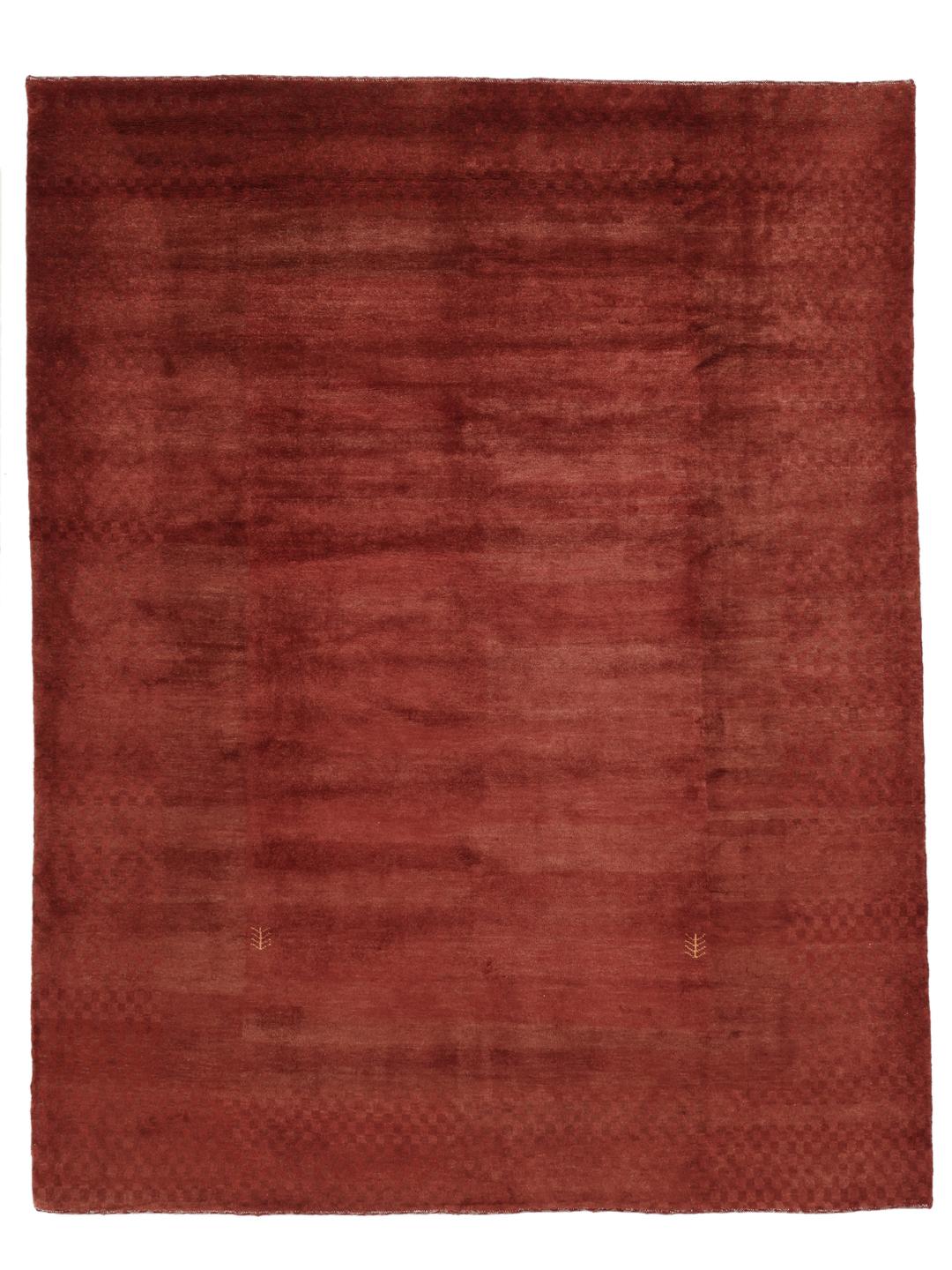
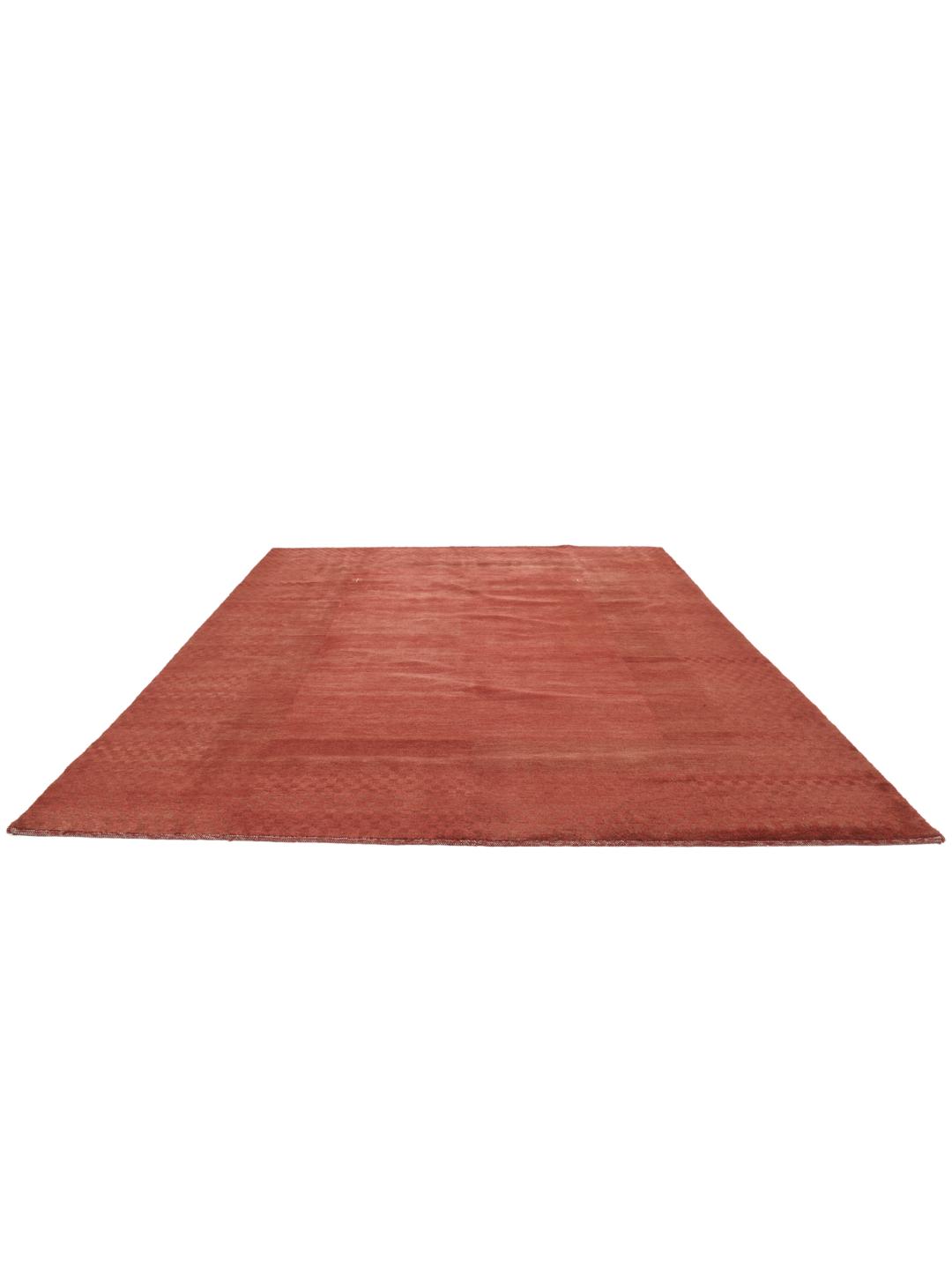
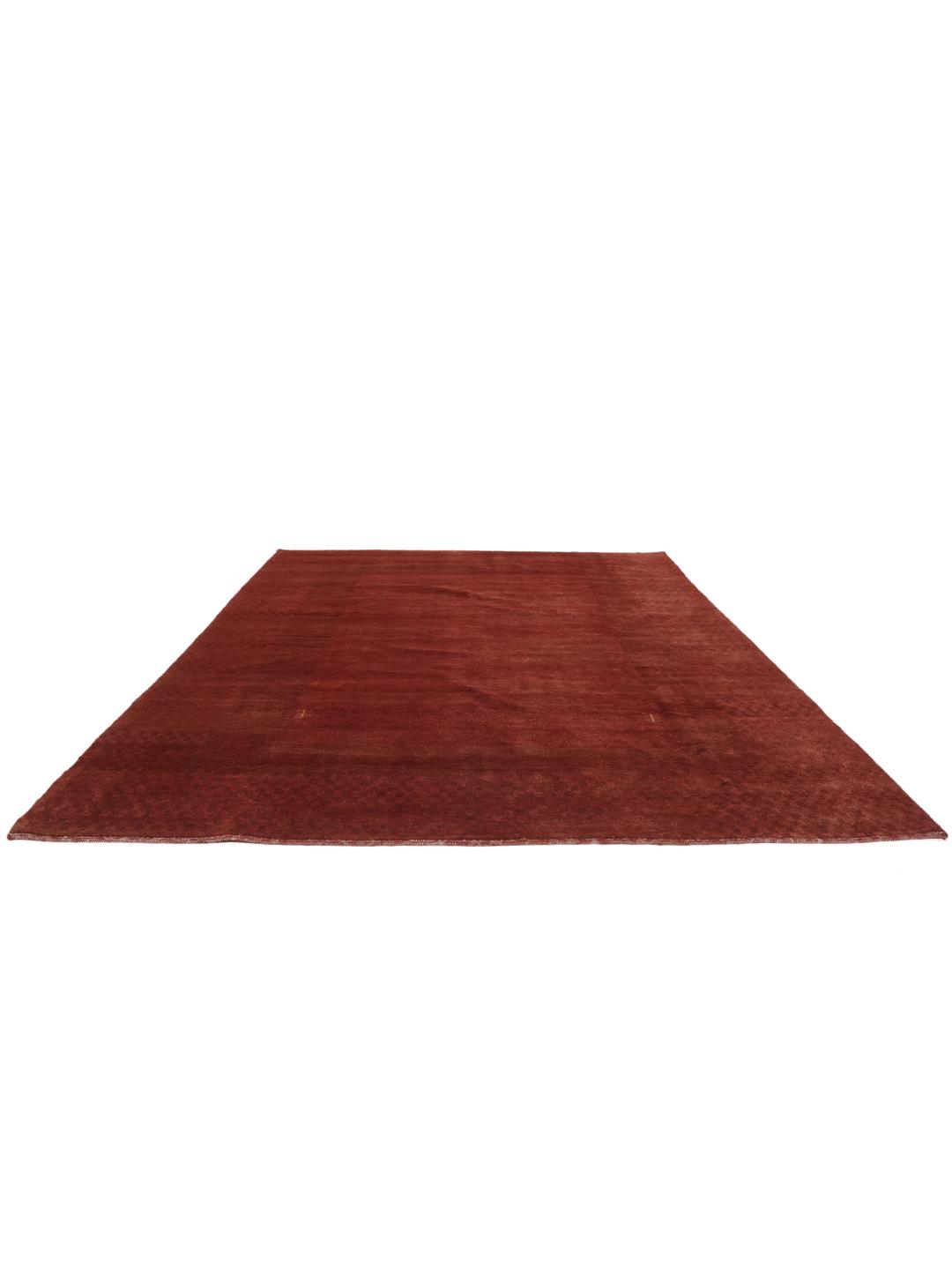
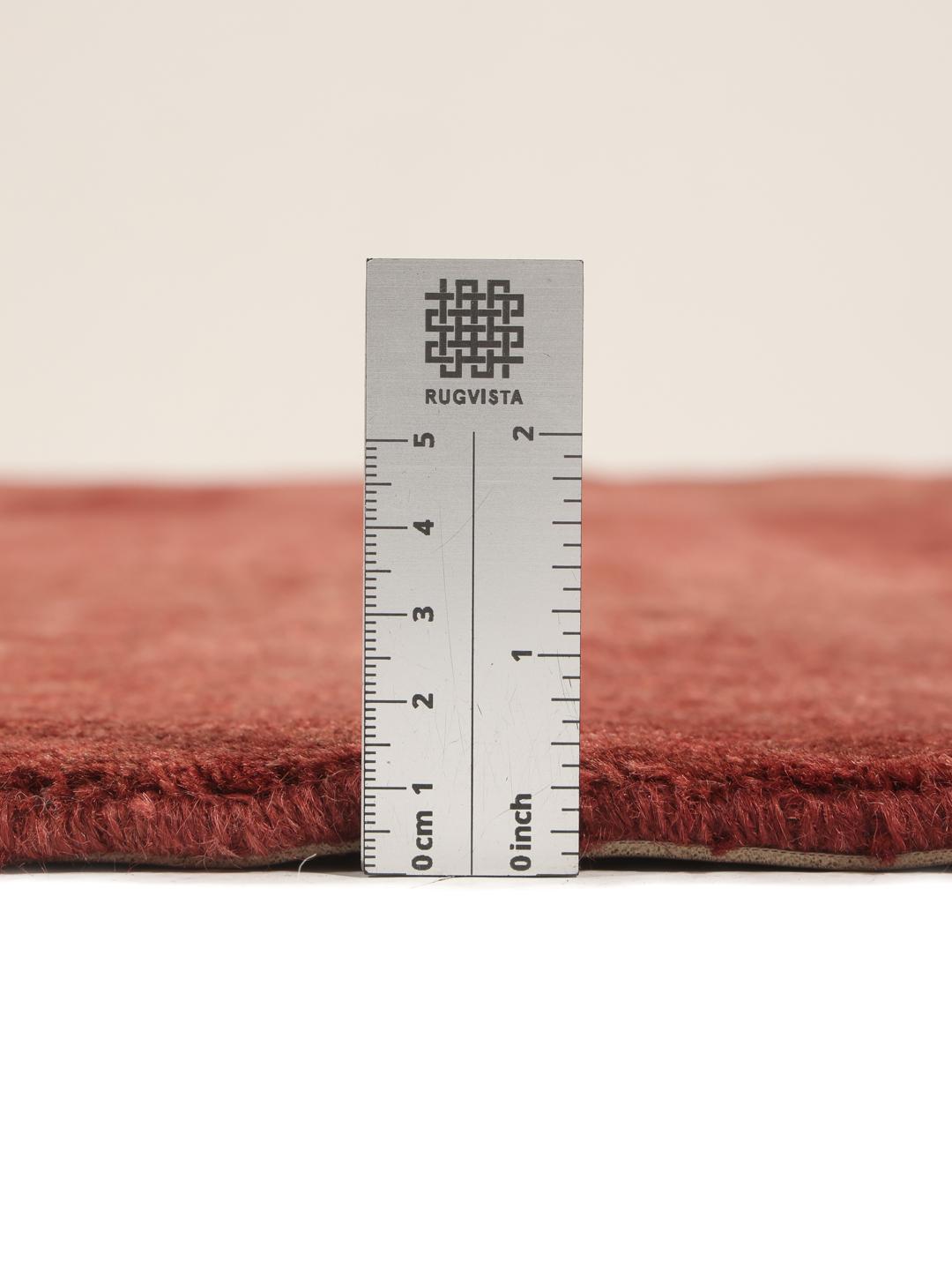
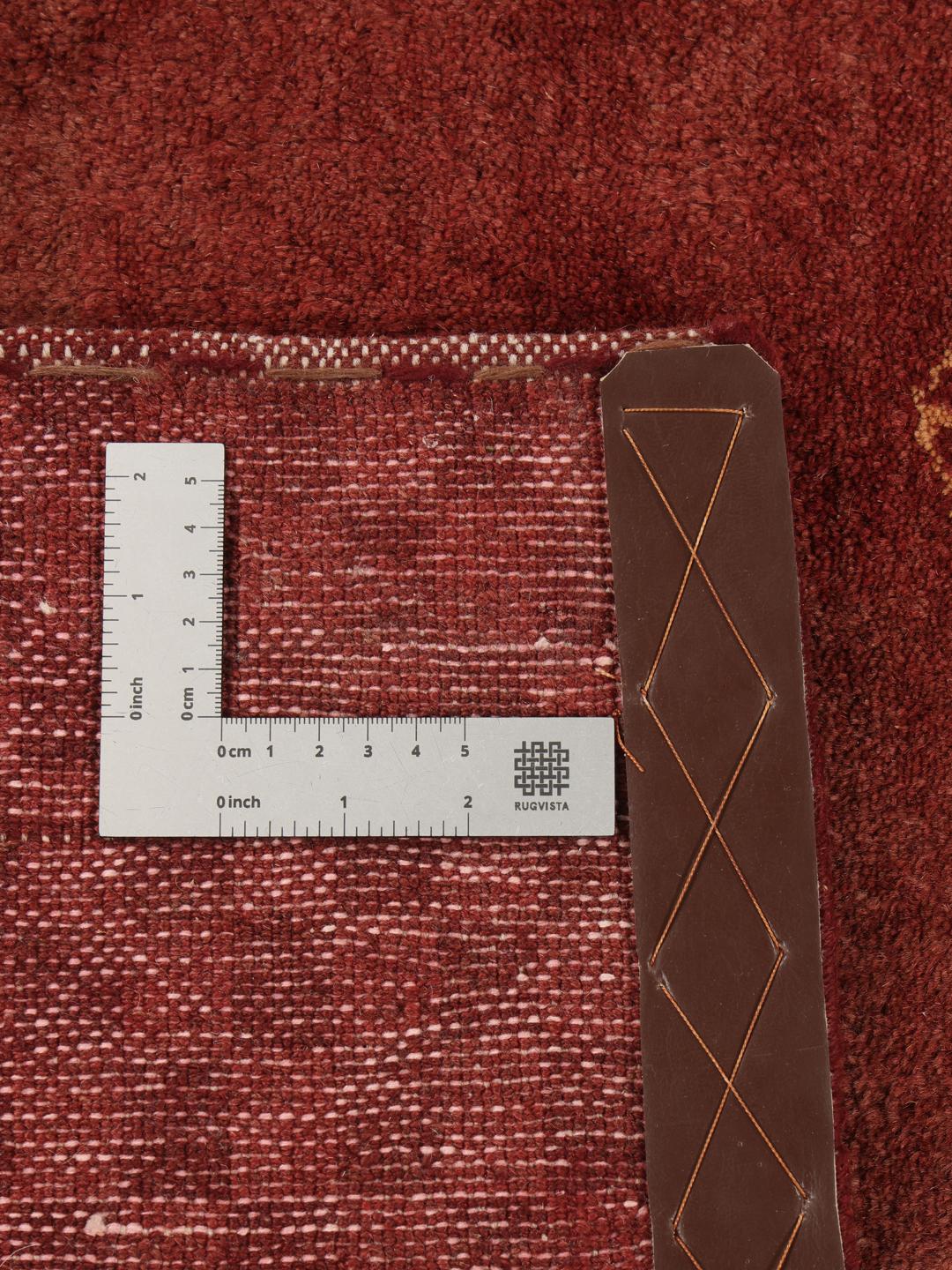
The Gabbeh tradition finds its roots in the nomadic cultures of the Middle East, where weavers created these rugs primarily for their own domestic use. Historically, these were thick, coarse, and highly functional floor coverings, designed to provide insulation from the cold ground in mountainous regions. Over time, the style evolved from simple, utilitarian mats into the highly sought-after, artistic pieces known as Gabbeh Fine.
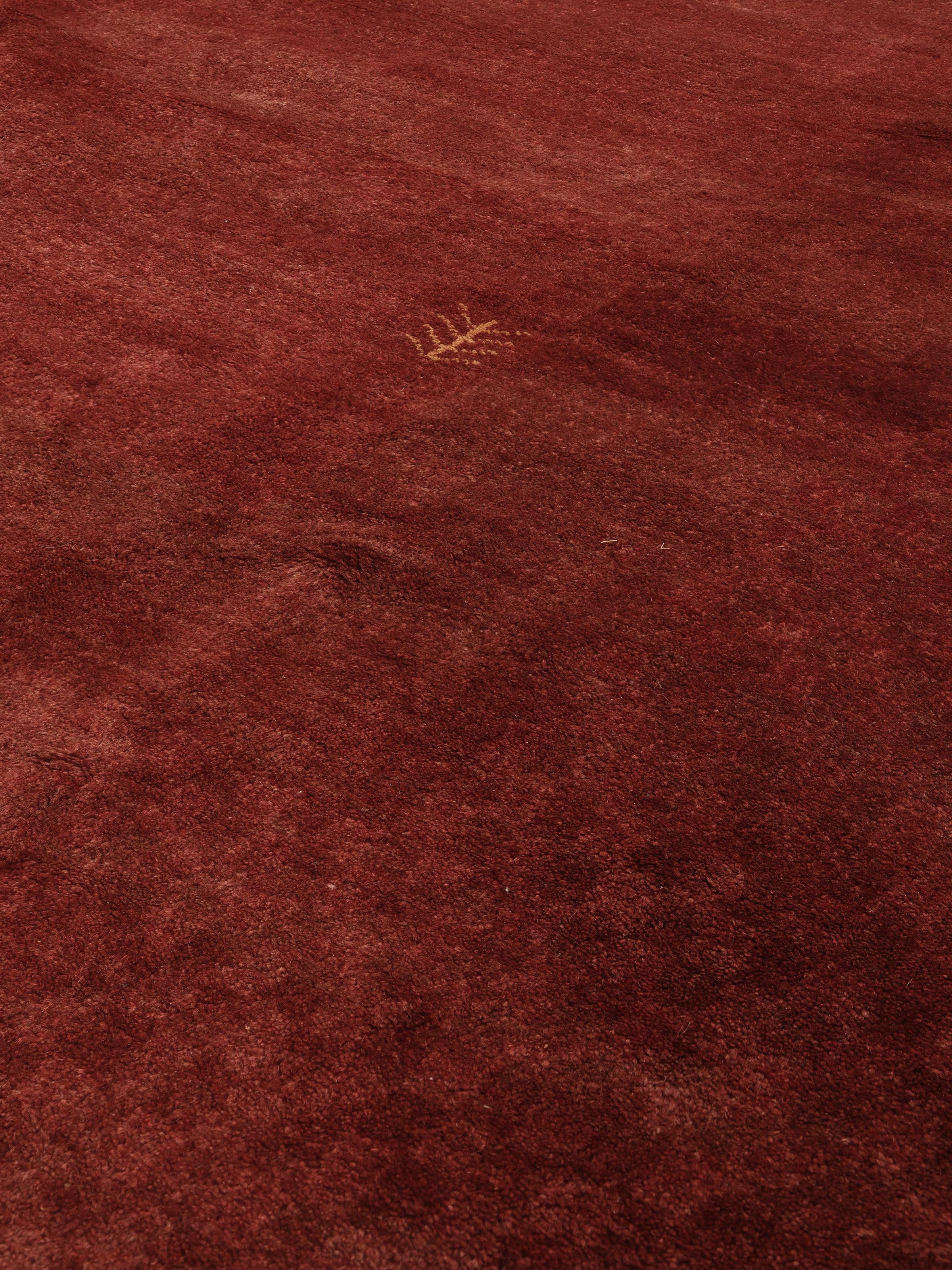
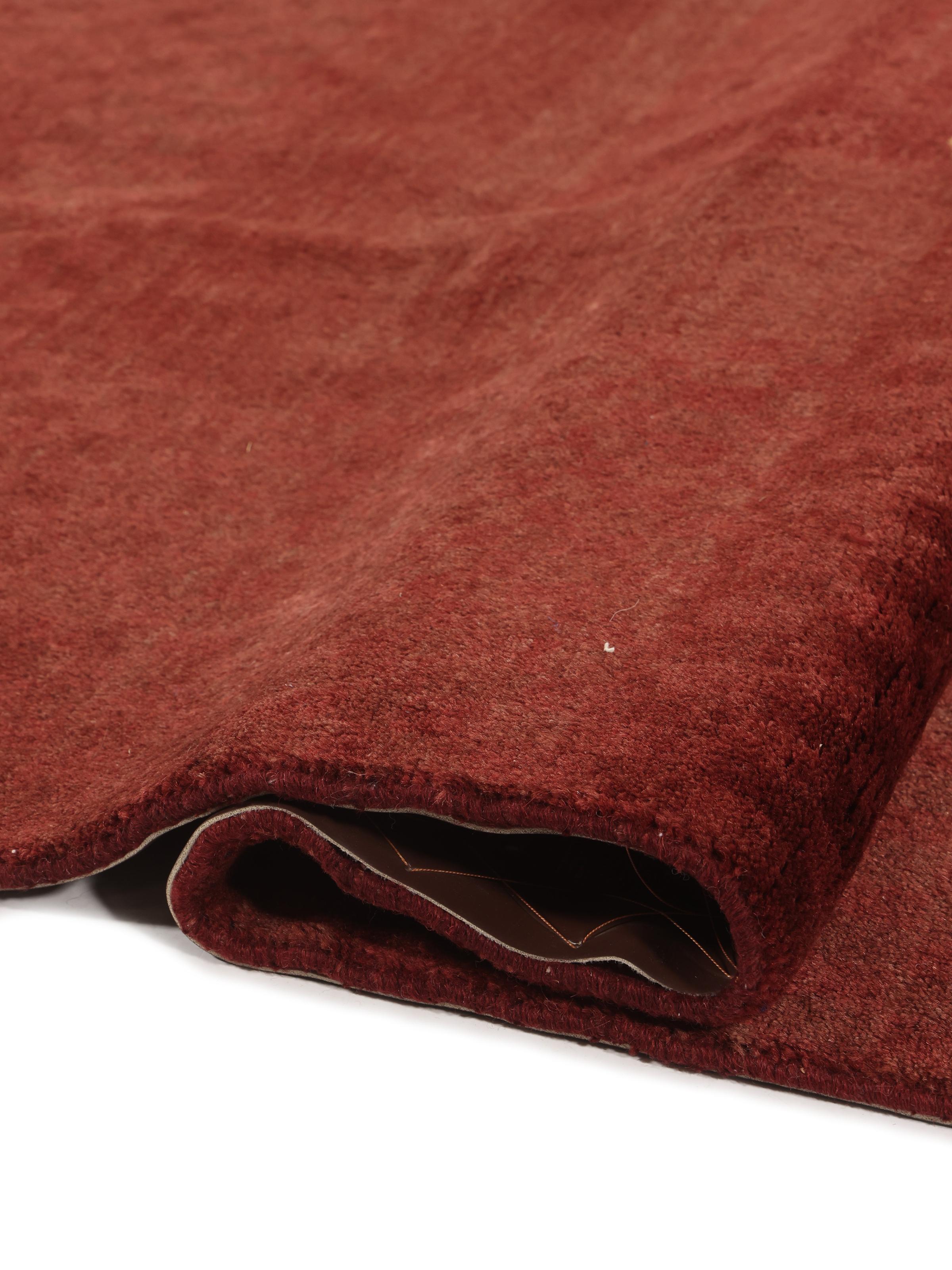
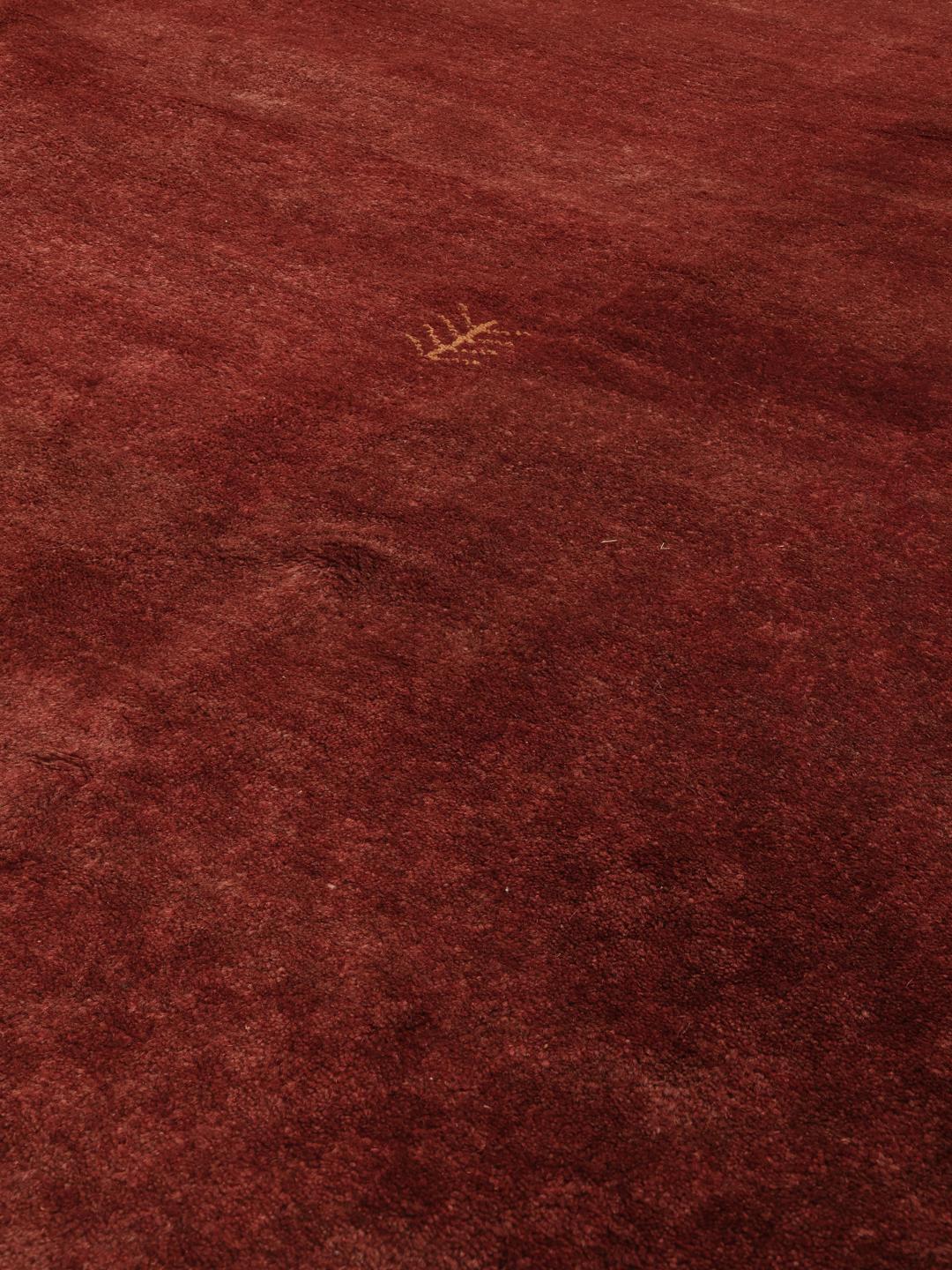
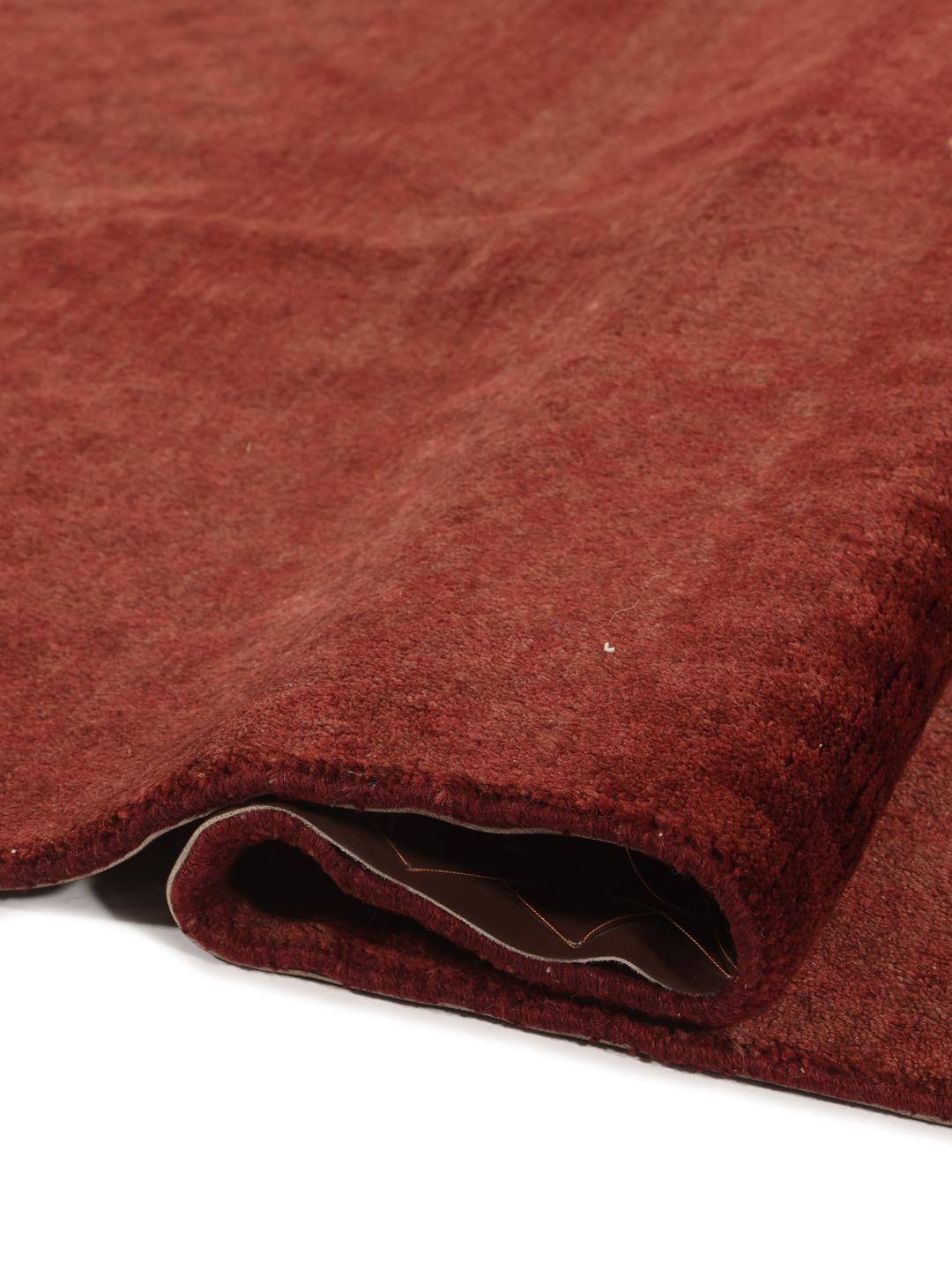
The term 'Fine' in this context refers to a more refined weaving technique compared to traditional nomadic versions. While classic Gabbeh rugs are known for their thicker, looser weave, the Gabbeh Fine variation utilises a more precise knotting density. This refinement results in a more uniform pile and a smoother surface texture, which allows the rich, saturated colours to stand out with greater clarity and depth.
Visually, these rugs are celebrated for their embrace of open space and solid fields of colour. Unlike more intricate, medallion-heavy designs, the Gabbeh Fine often features a minimalist aesthetic, sometimes accented by subtle geometric motifs or small, symbolic figures. This restrained approach to design highlights the quality of the wool and the depth of the natural dyes, making them incredibly versatile for modern interiors.
Collecting a rug from this tradition is a way to honour a legacy of skilled craftsmanship that has been passed down through generations. These rugs are valued not only for their aesthetic warmth but also for their authenticity and the human connection they represent. Owning a piece of this history means welcoming a durable, storied work of art into your home that will continue to provide comfort for years to come.