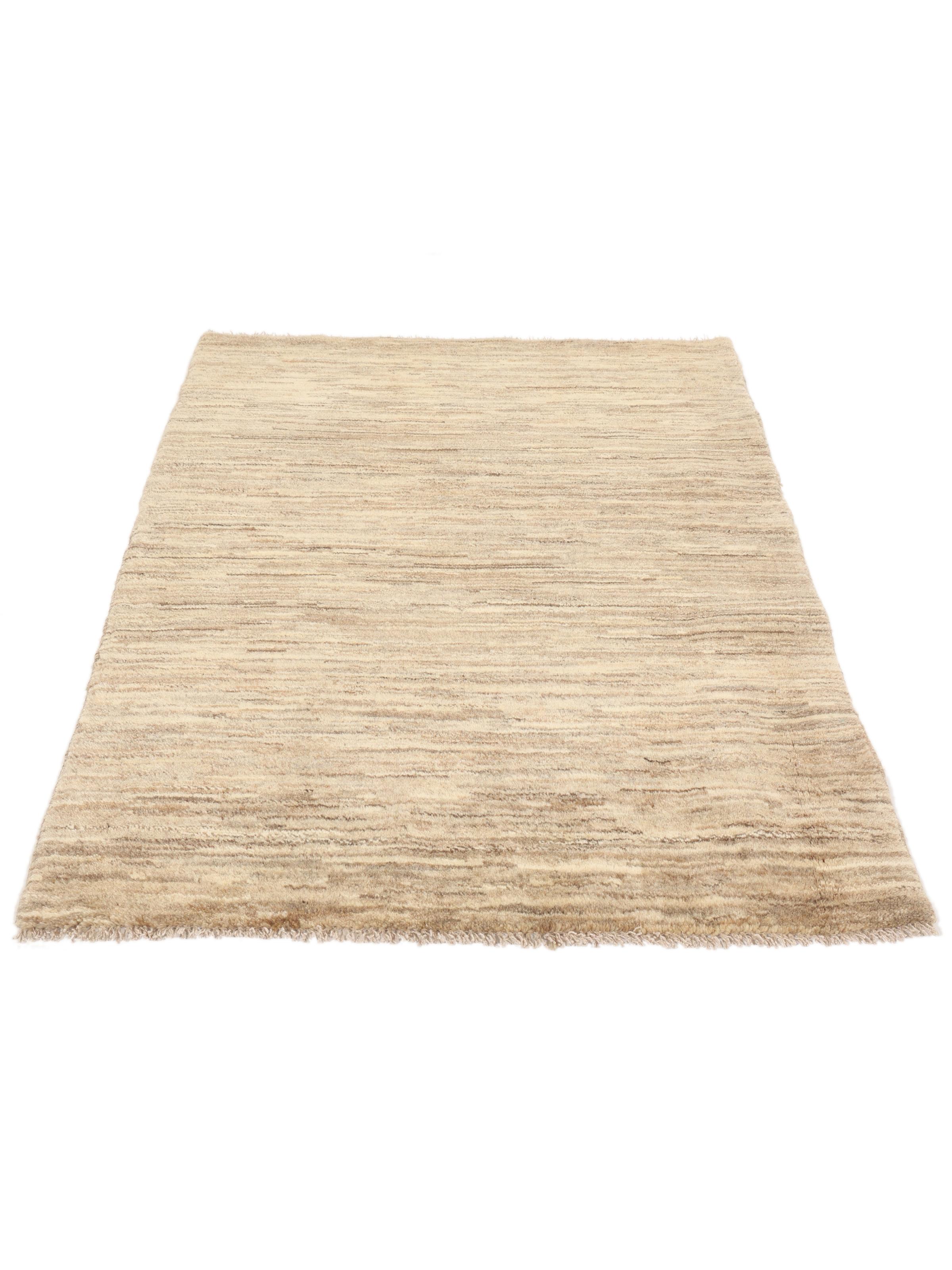
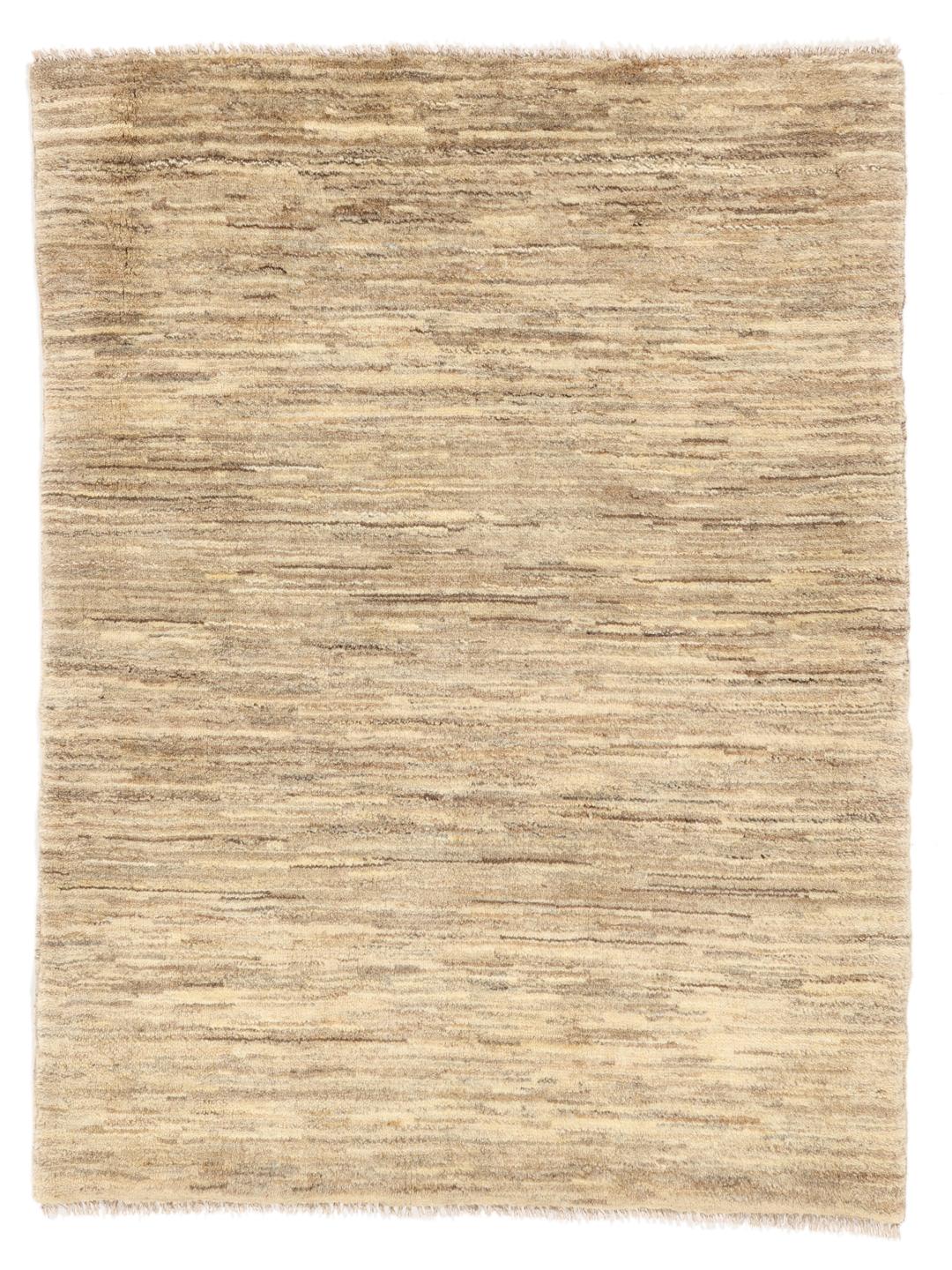
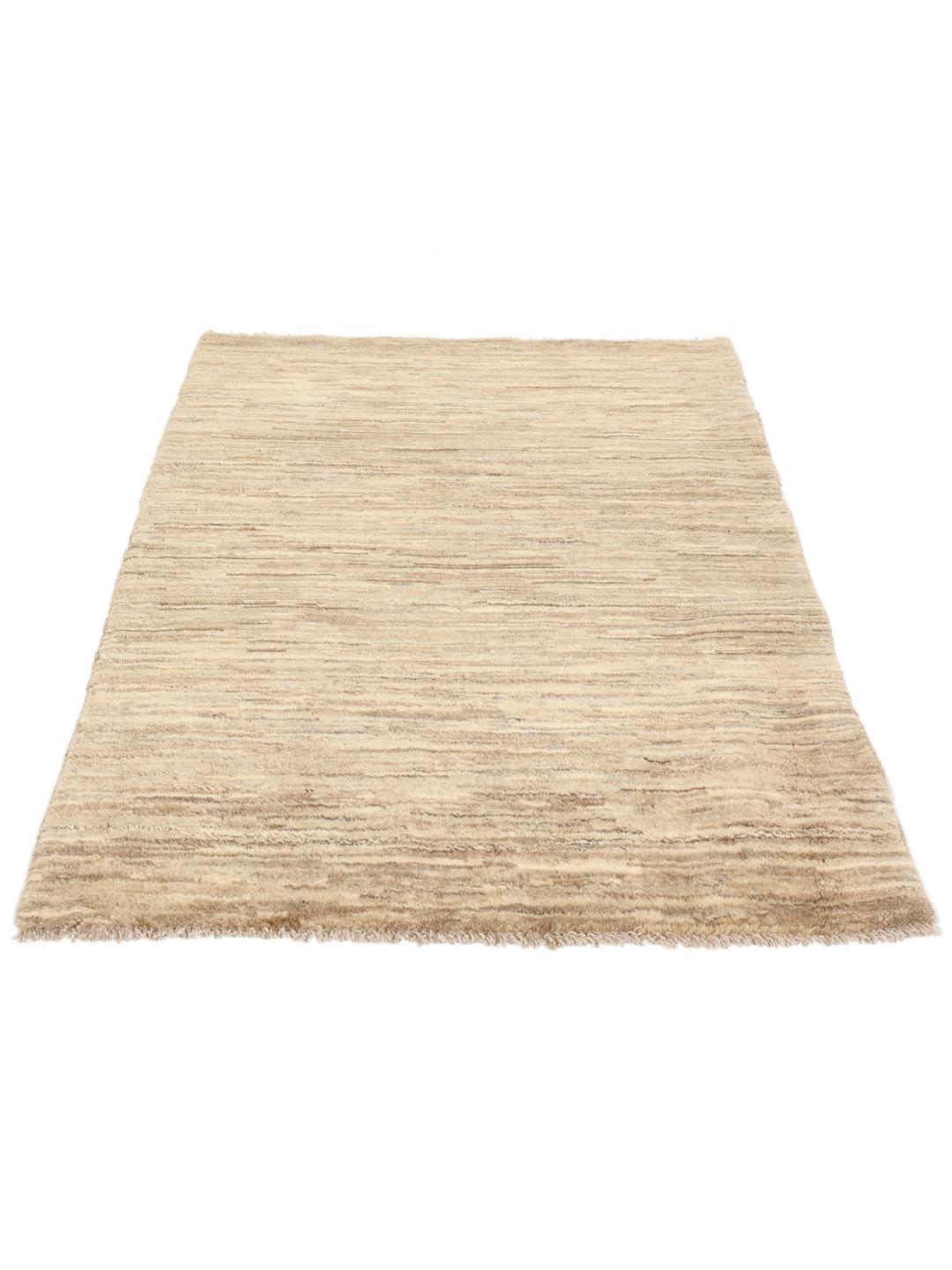
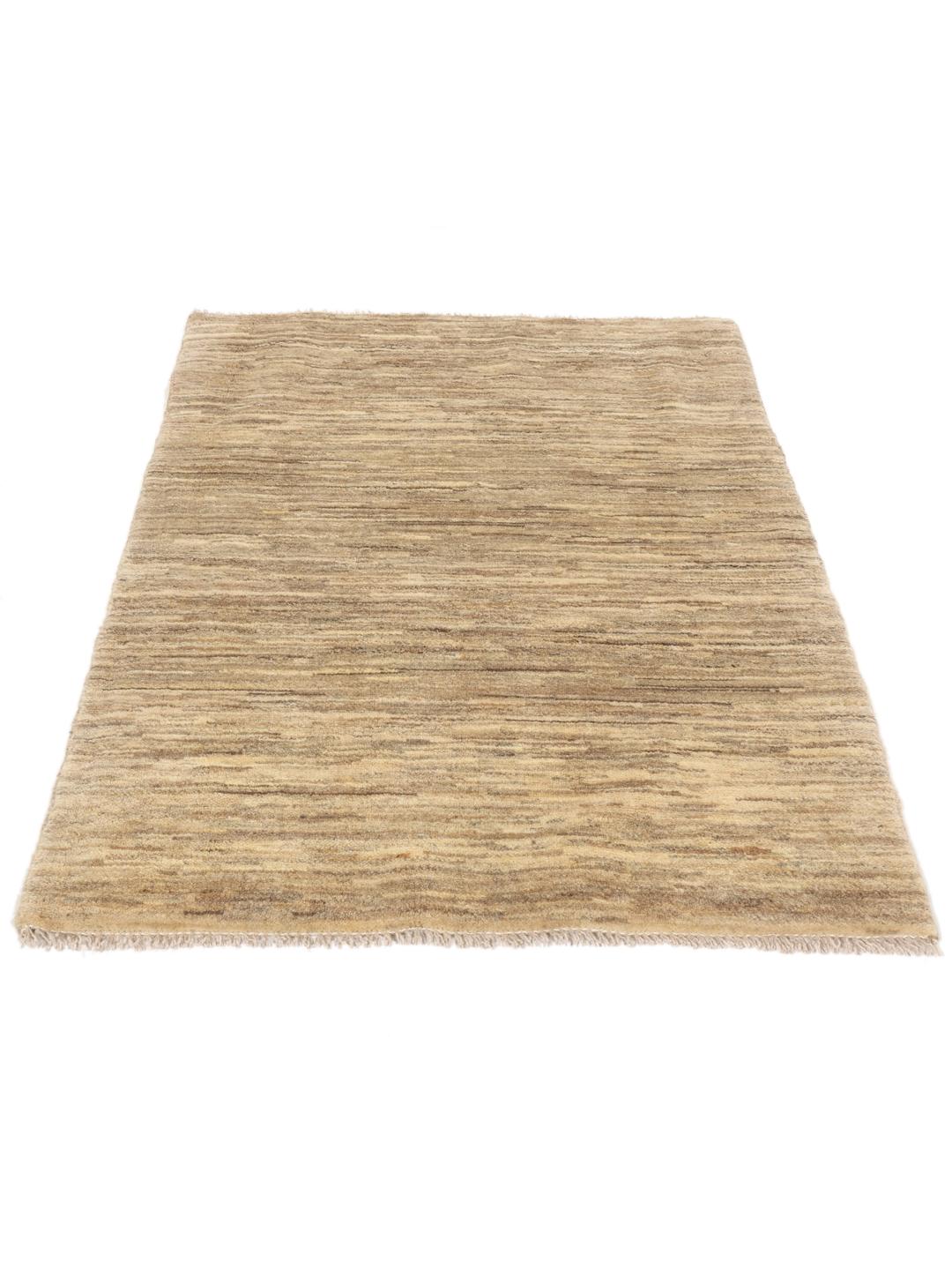
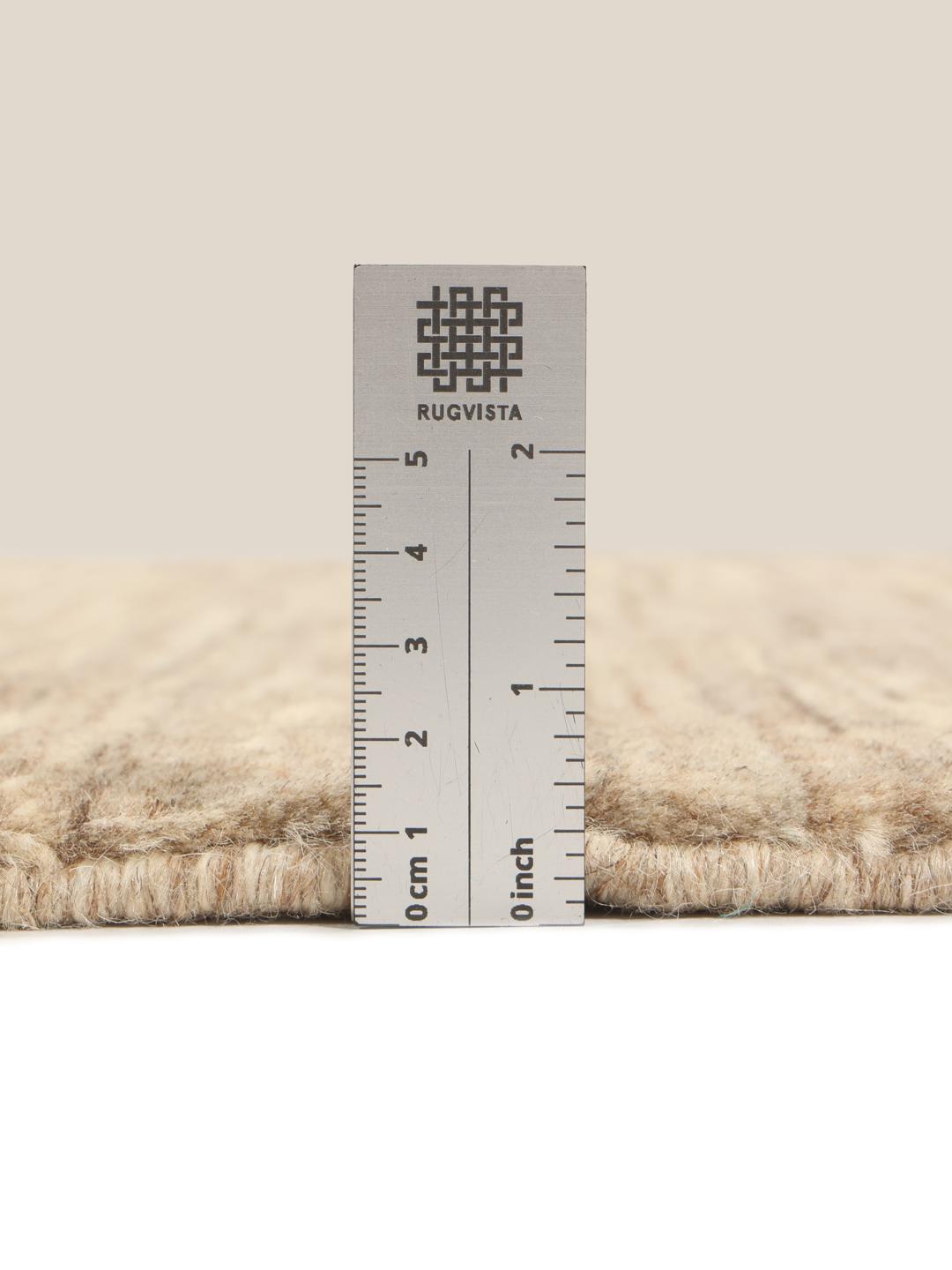
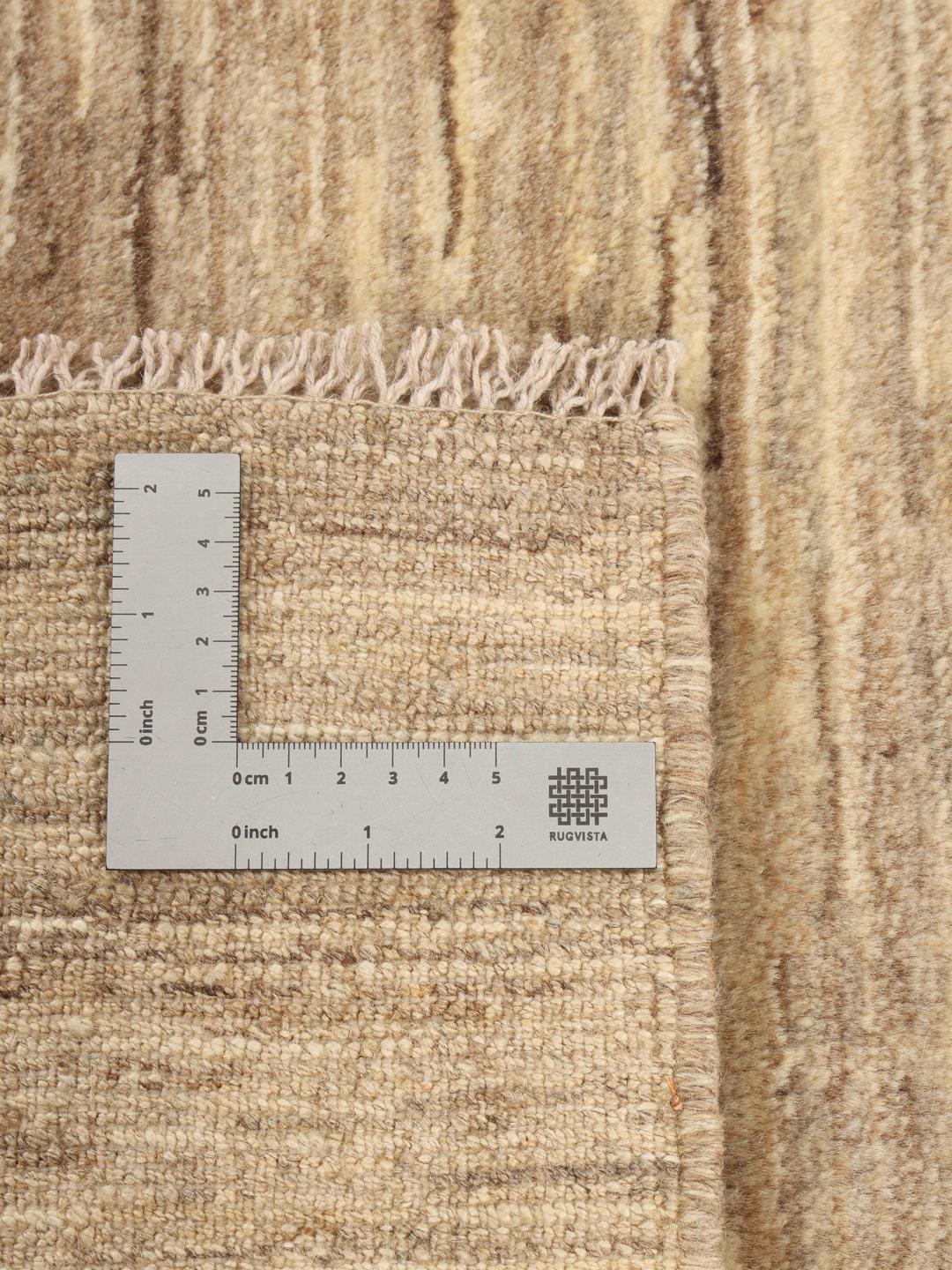
The Gabbeh tradition is deeply rooted in the nomadic heritage of the Middle East. Historically, these rugs were woven by tribal women for personal use, serving as thick, protective floor coverings for tents. Unlike more formal urban rugs, Gabbehs are defined by their freedom of expression, often featuring simple, abstract designs that mirror the natural landscape and the weaver's own experiences.
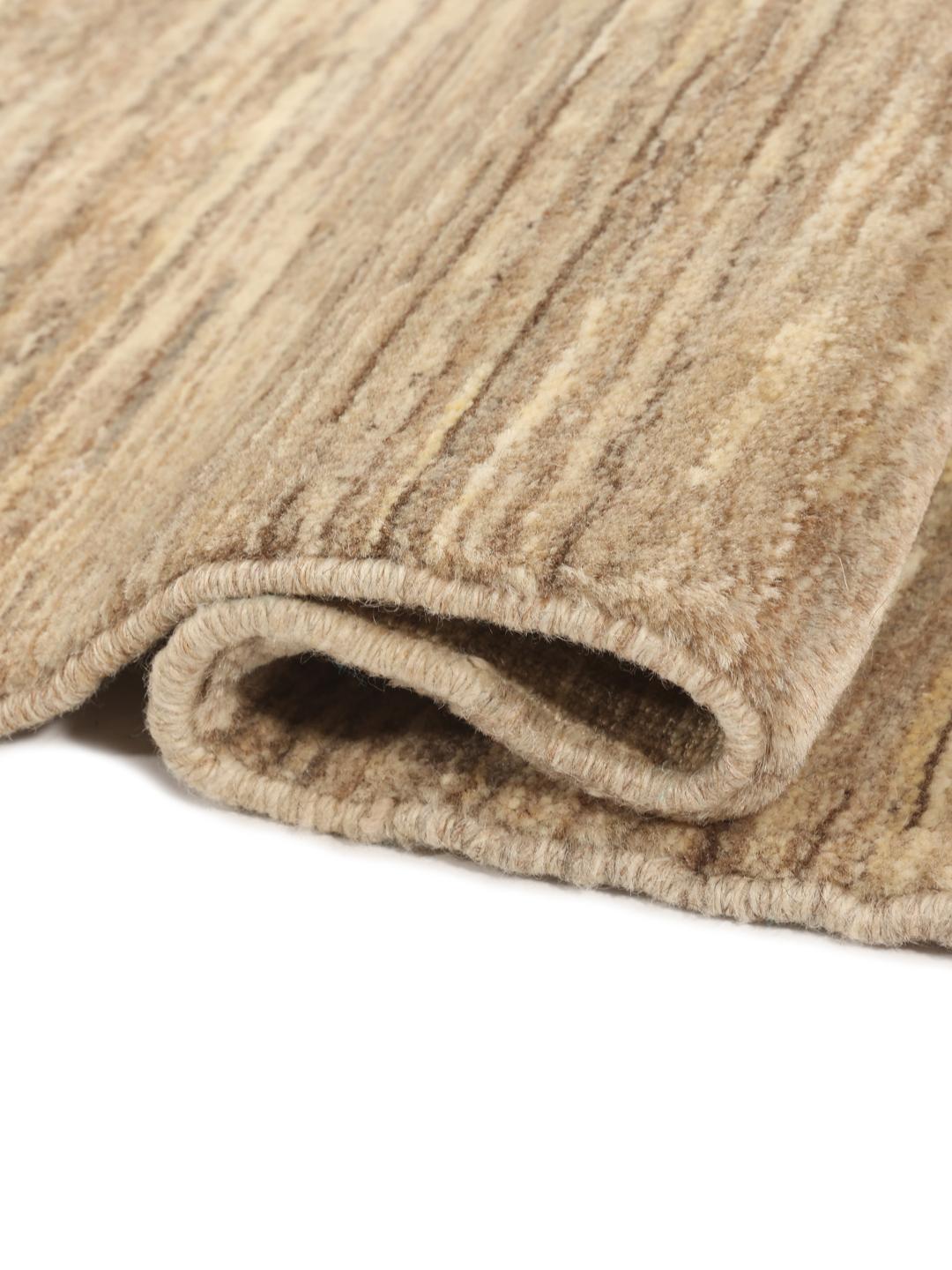
The term 'Fine' in the name signifies a higher level of precision and refinement compared to standard tribal rugs. This evolution from a rustic, utilitarian nomadic mat to a sophisticated, finely woven piece reflects the growing appreciation for these rugs as works of art. The focus on quality materials and tighter knotting techniques allows for a more polished look while retaining the soulful, organic spirit of the original tribal traditions.
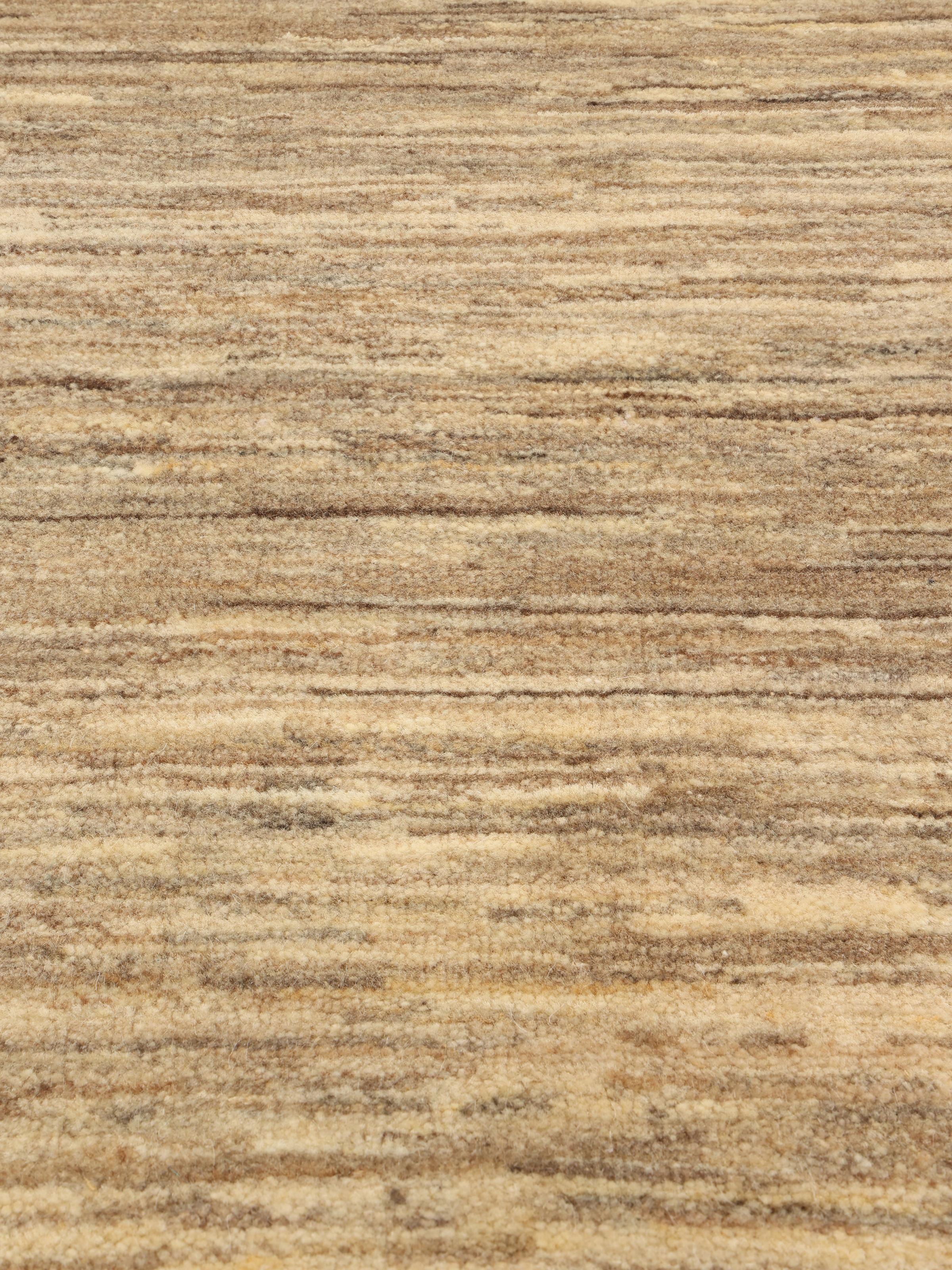
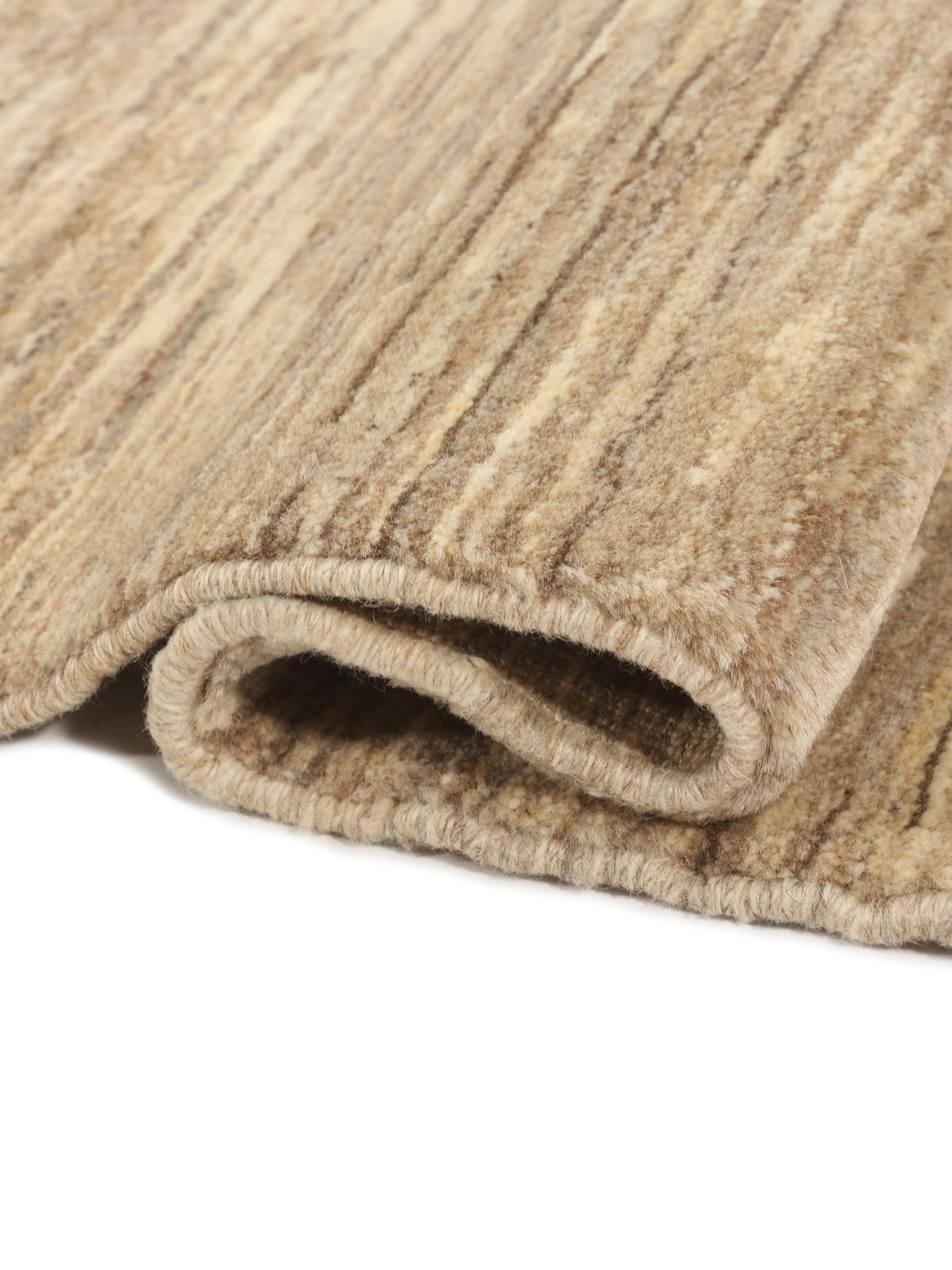
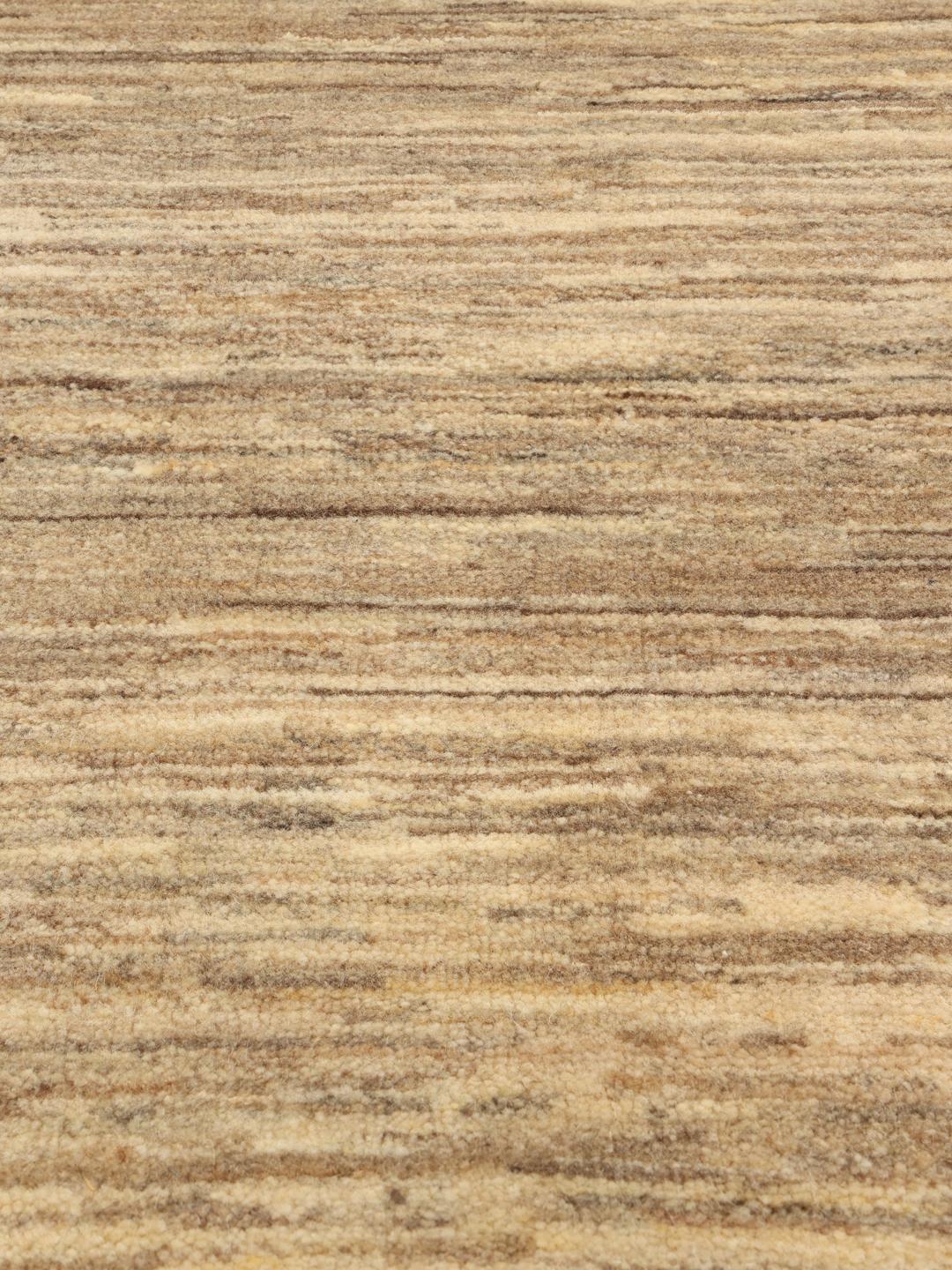
Visually, these rugs are celebrated for their open fields and minimalist approach. While many traditional rugs are packed with complex, repeating medallions, the Gabbeh prefers a more contemplative style. The use of natural, undyed wool often results in a beautiful, earthy palette that highlights the texture and quality of the fibre itself, making it a versatile choice for contemporary homes that favour a natural aesthetic.
Today, owning a Gabbeh Fine is about connecting with a legacy of craftsmanship that has been passed down through generations. These rugs are highly valued by collectors and design enthusiasts alike, not just for their beauty, but for the human story woven into every thread. By choosing a piece like this, you are preserving an ancient art form and bringing a sense of cultural depth and grounded history into your own living space.