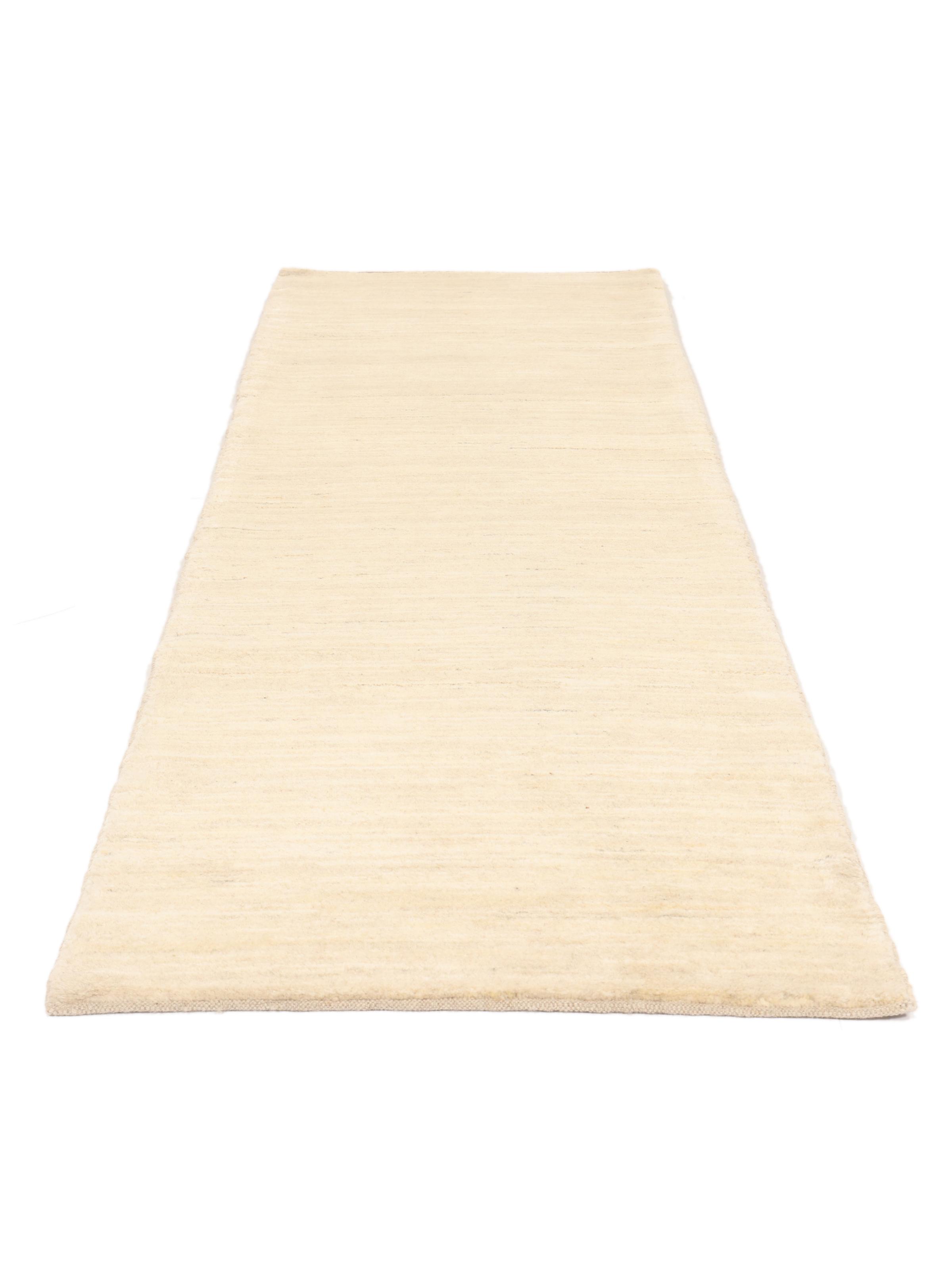
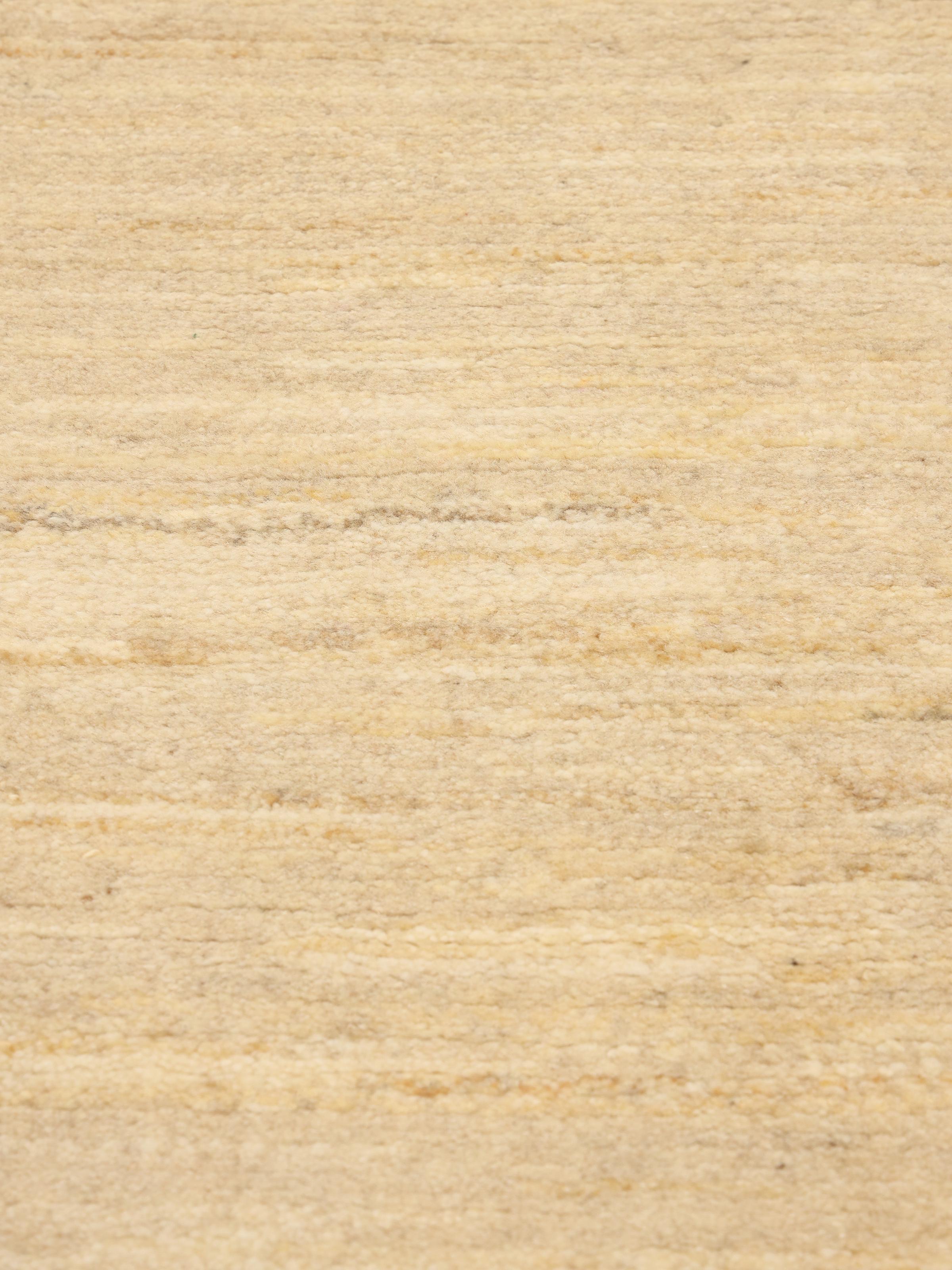
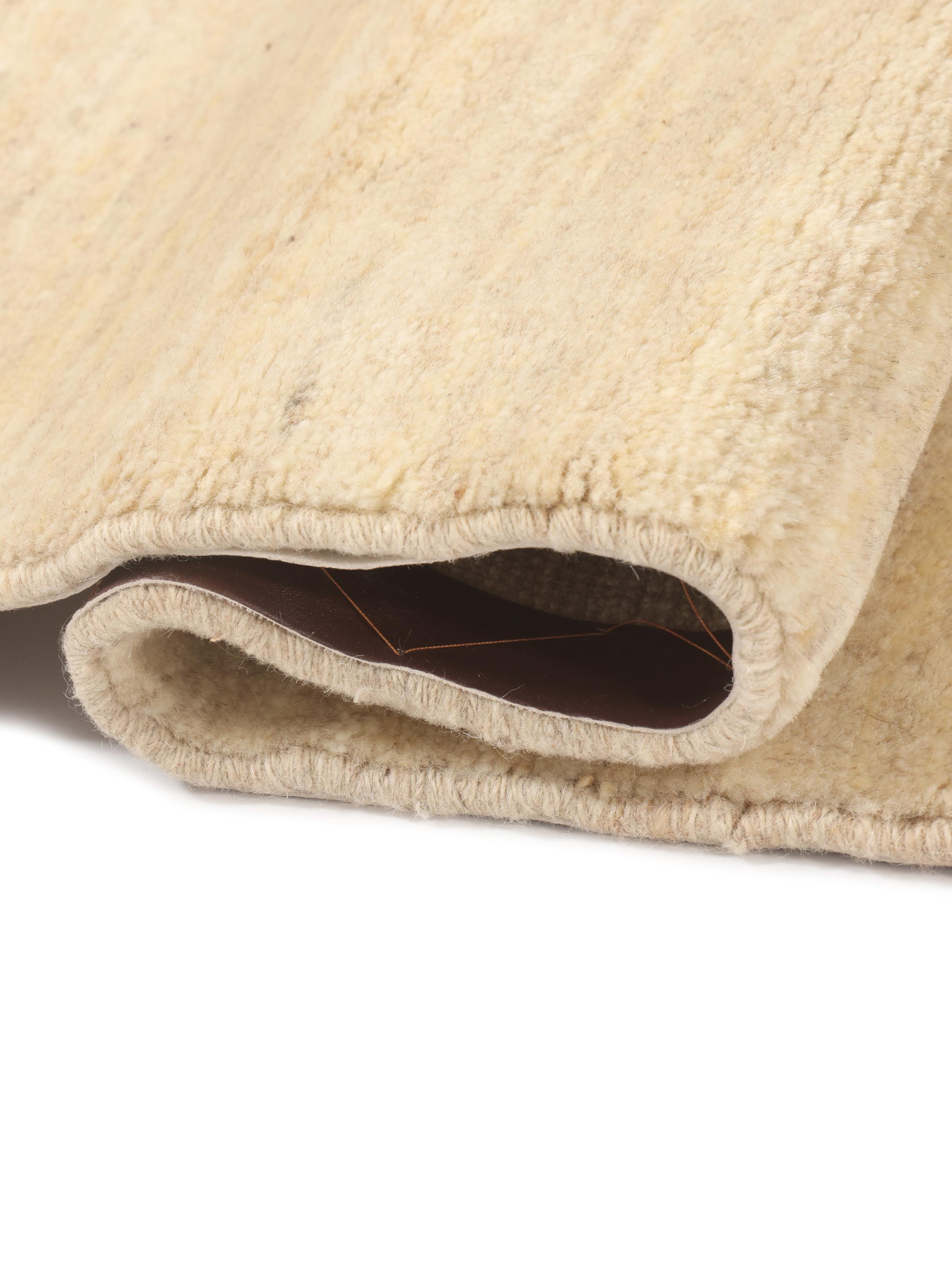
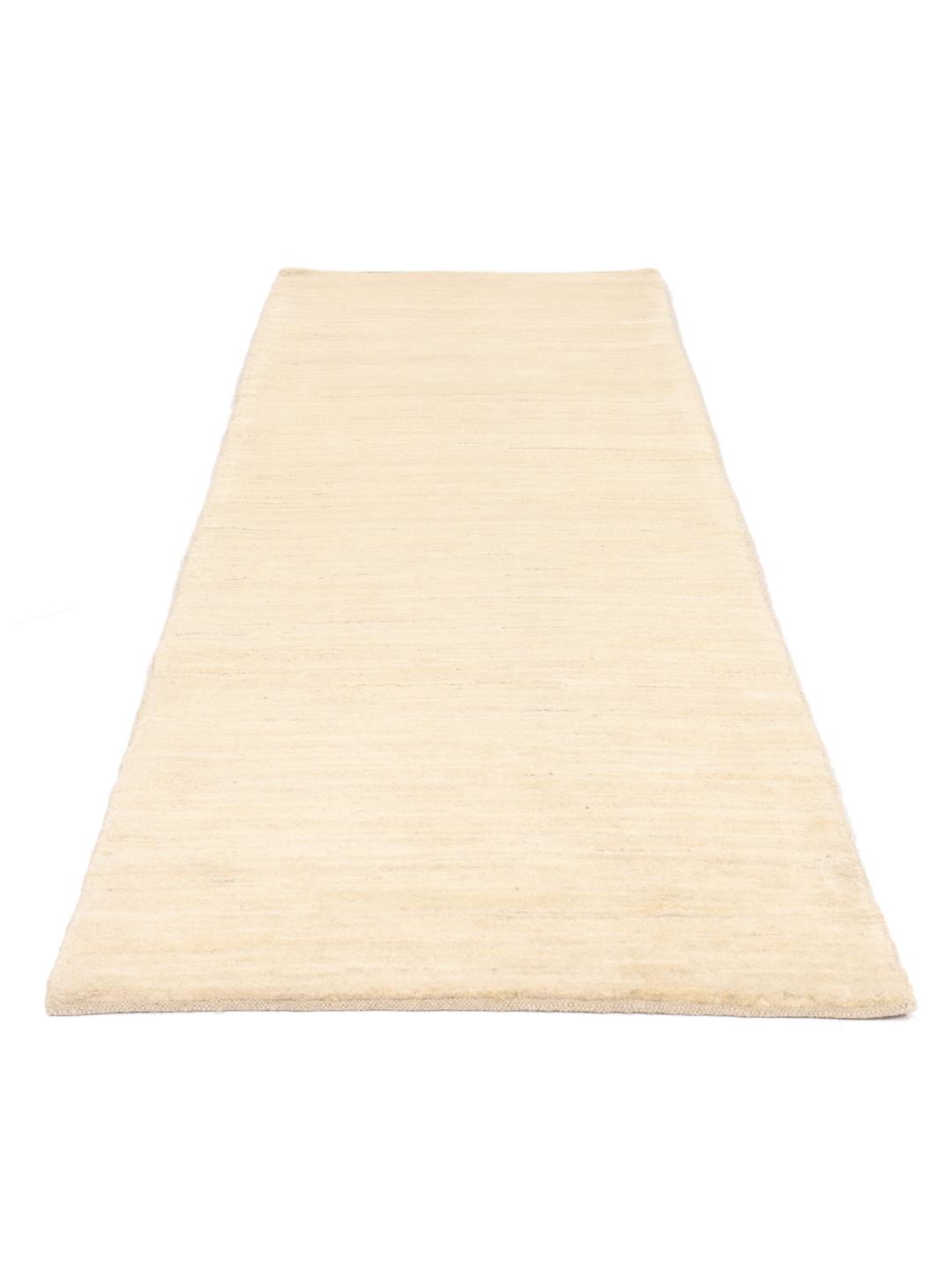
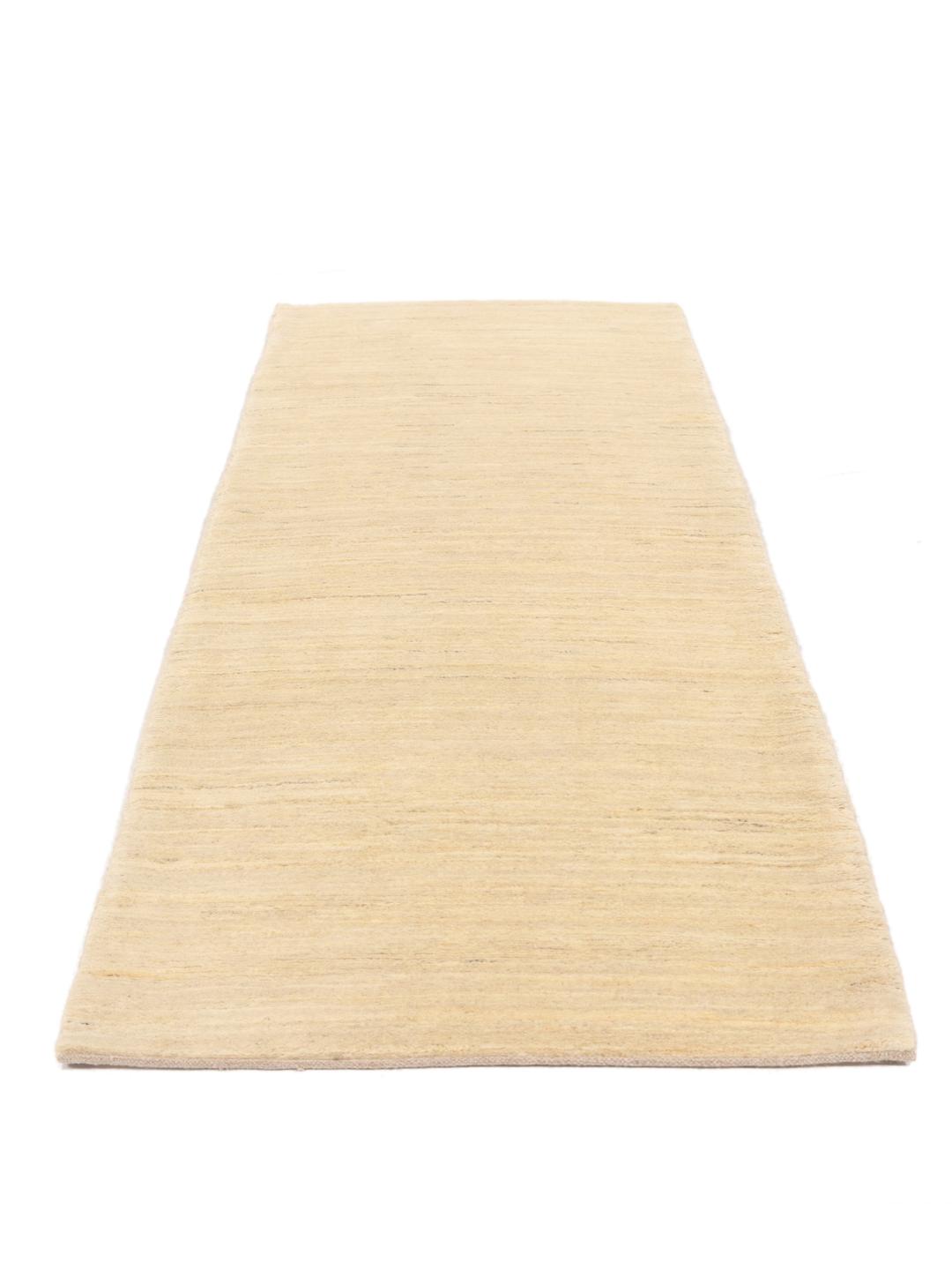
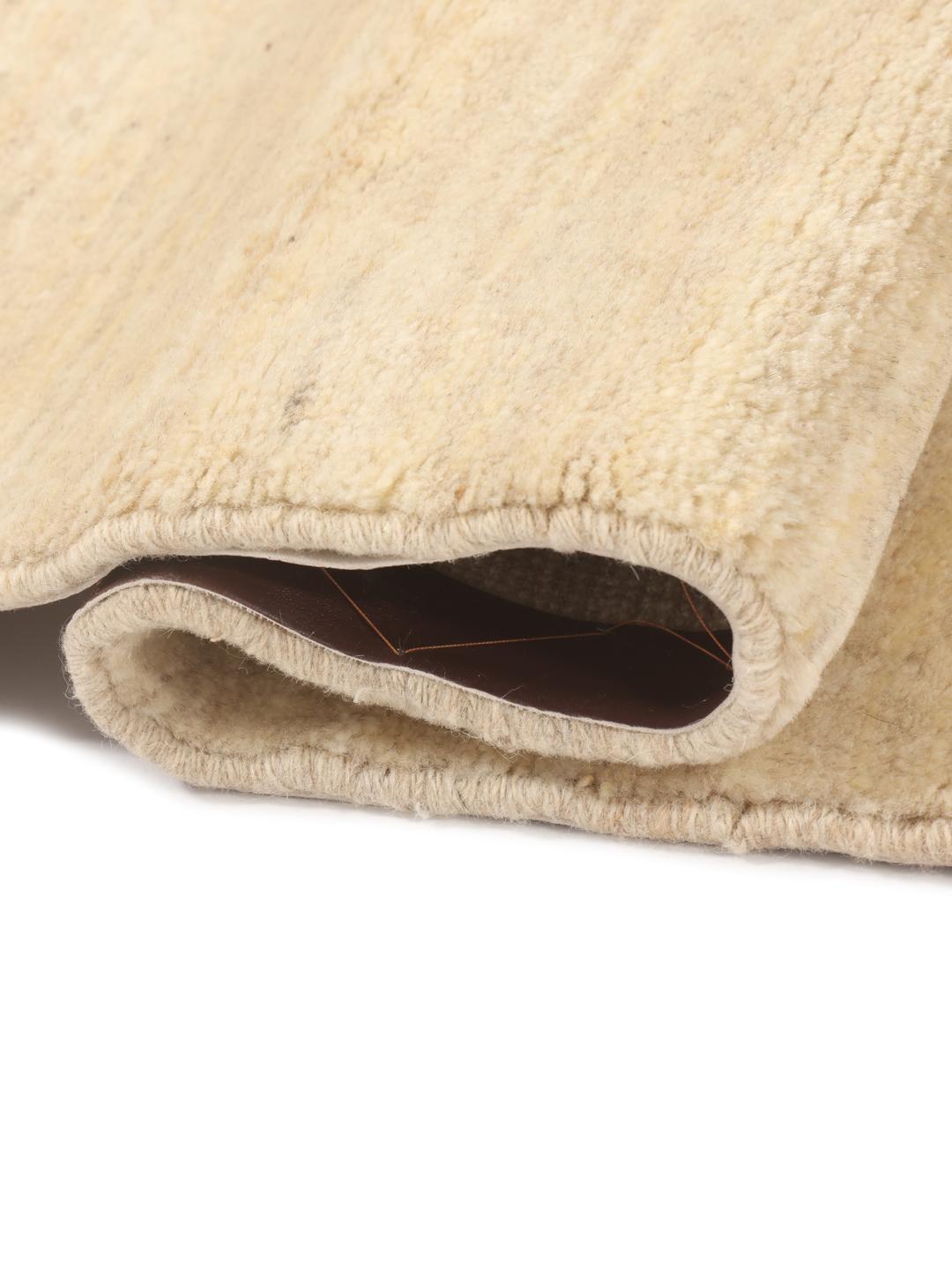
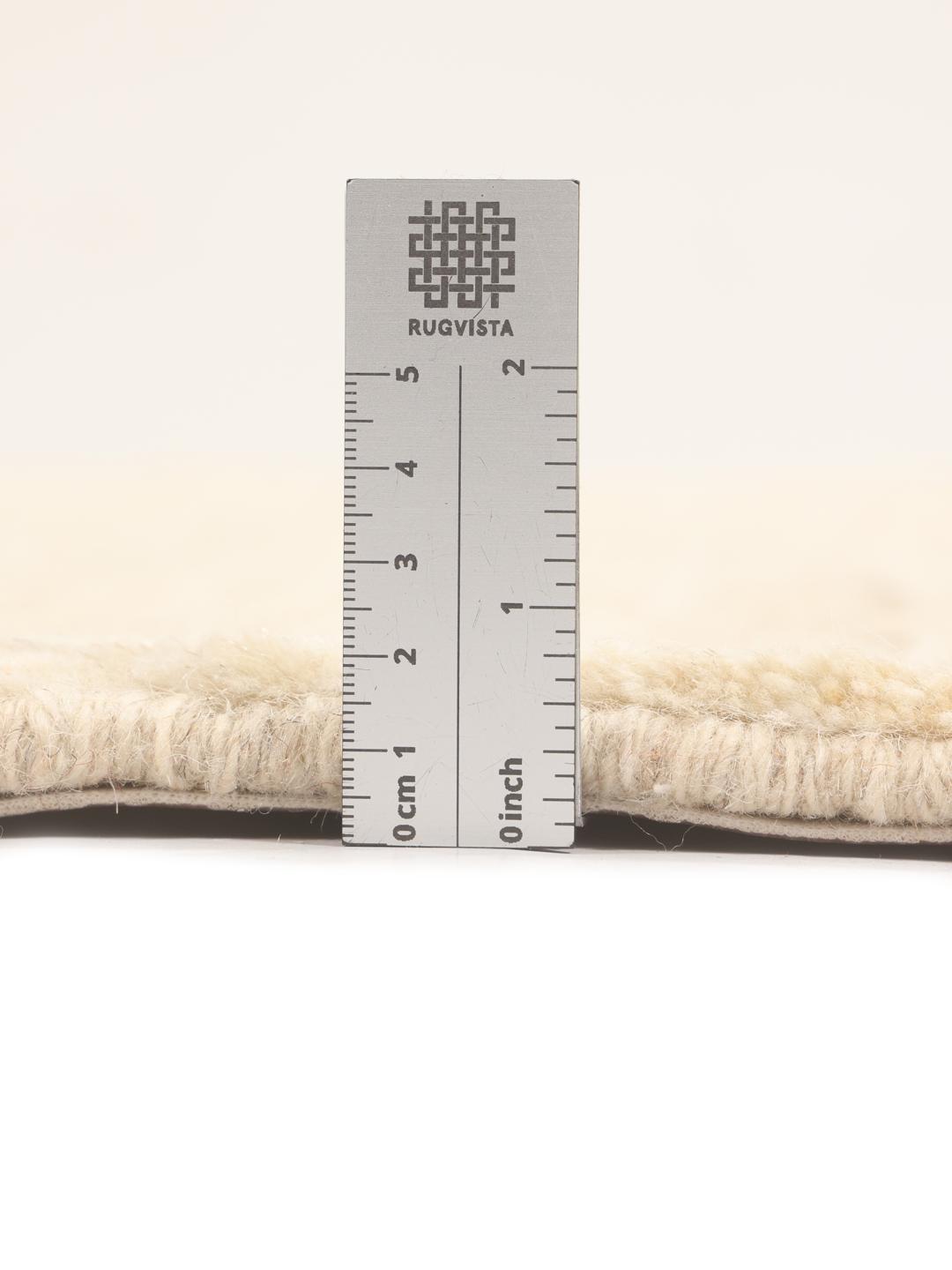
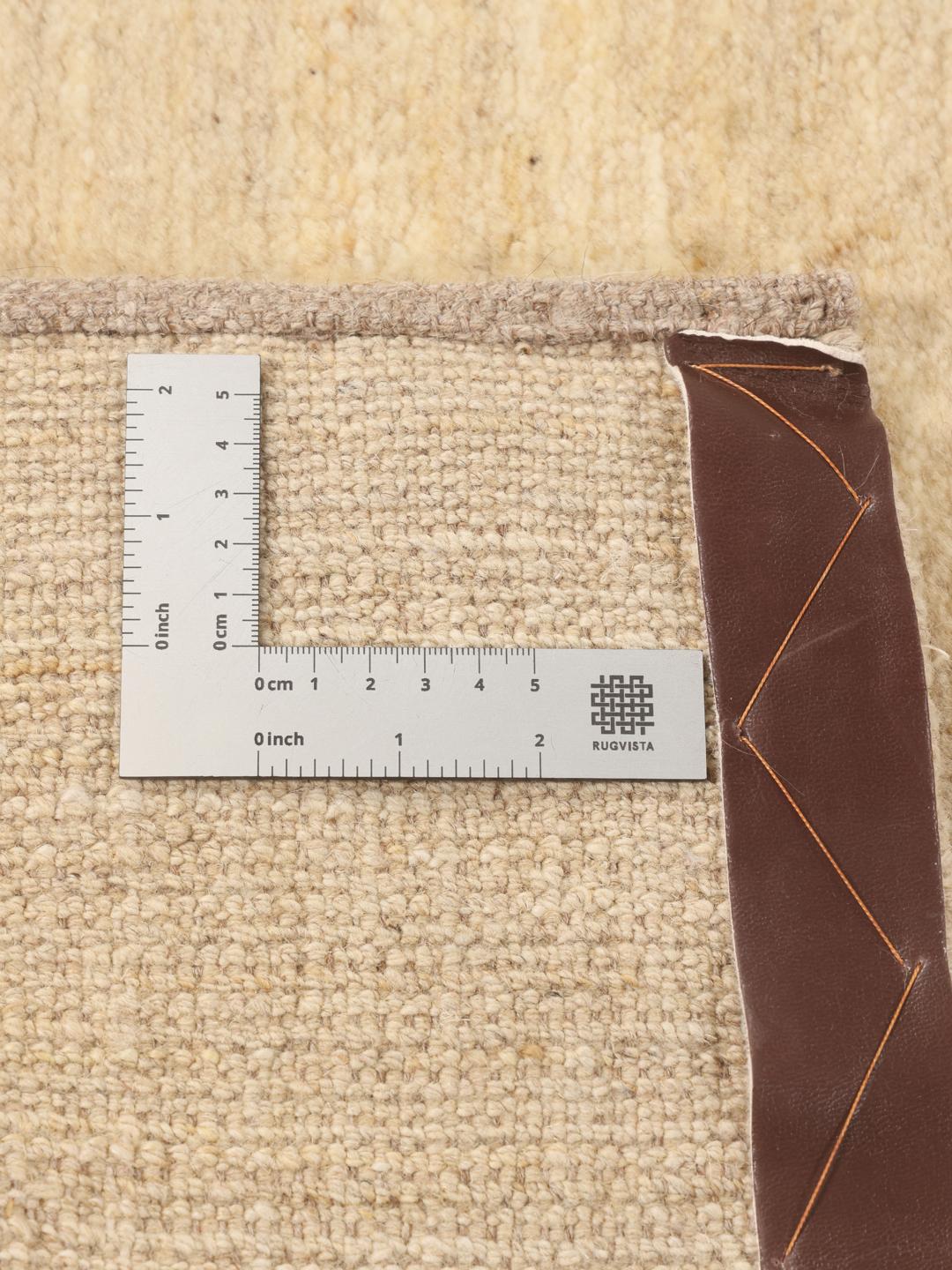
Gabbeh rugs have a long history as functional, artistic expressions from nomadic tribes in the Middle East. Originally, these rugs were woven for personal use within the home, intended to provide warmth and comfort on cold floors, which is why they are celebrated for their thick, soft pile.
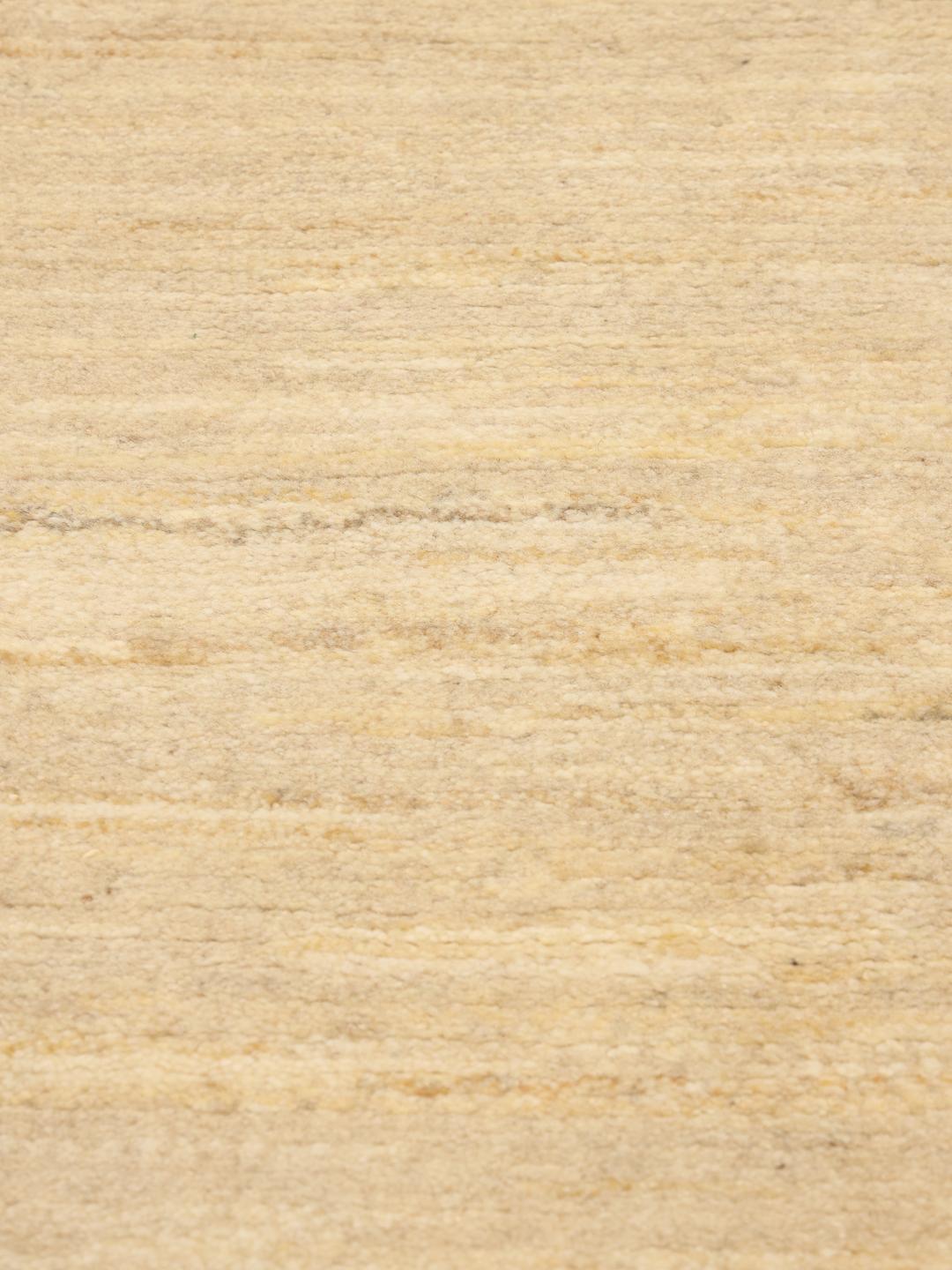
The name itself, Gabbeh, often refers to a style that is 'raw' or 'natural' in its design. Unlike more formal, intricate carpets, these pieces rely on open fields and simple, unadorned surfaces to highlight the quality of the raw wool. This simplicity is a hallmark of the tradition, focusing on the essence of the material rather than complex decorative motifs.
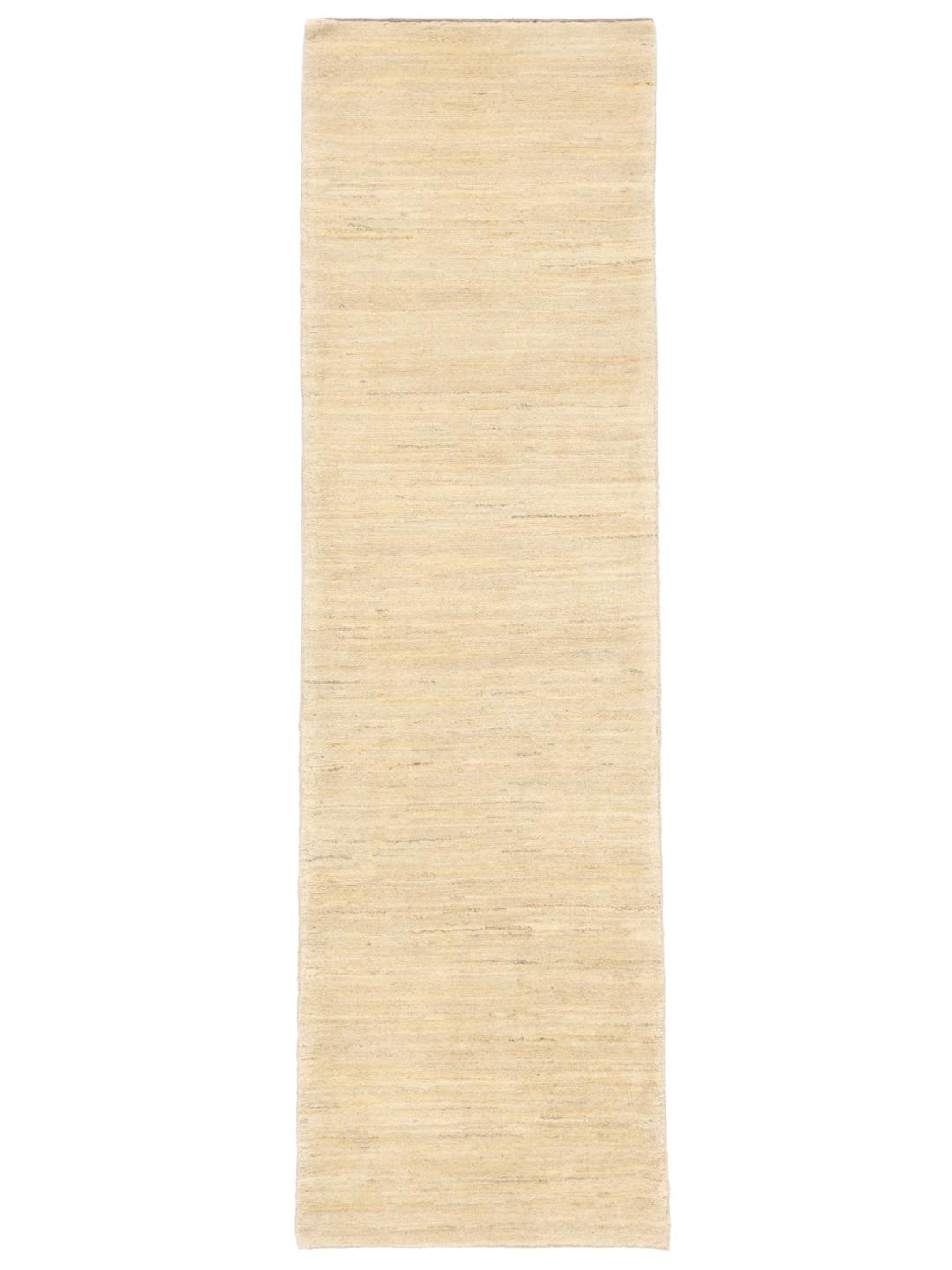
Shabargan pieces are particularly noted for their connection to these ancient regional weaving traditions. These rugs often feature a monochromatic or lightly varied palette, celebrating the natural colours of the wool. By keeping the design minimal, the weaver allows the focus to remain entirely on the texture and the honest, hand-crafted nature of the finished piece.
Owning a piece like this is a way to connect with a rich heritage of craft. These rugs are valued by collectors not just for their aesthetic, but for the skill required to maintain such a consistent look across a large runner. It is a testament to the weaver's ability to balance tradition with a clean, modern sensibility.