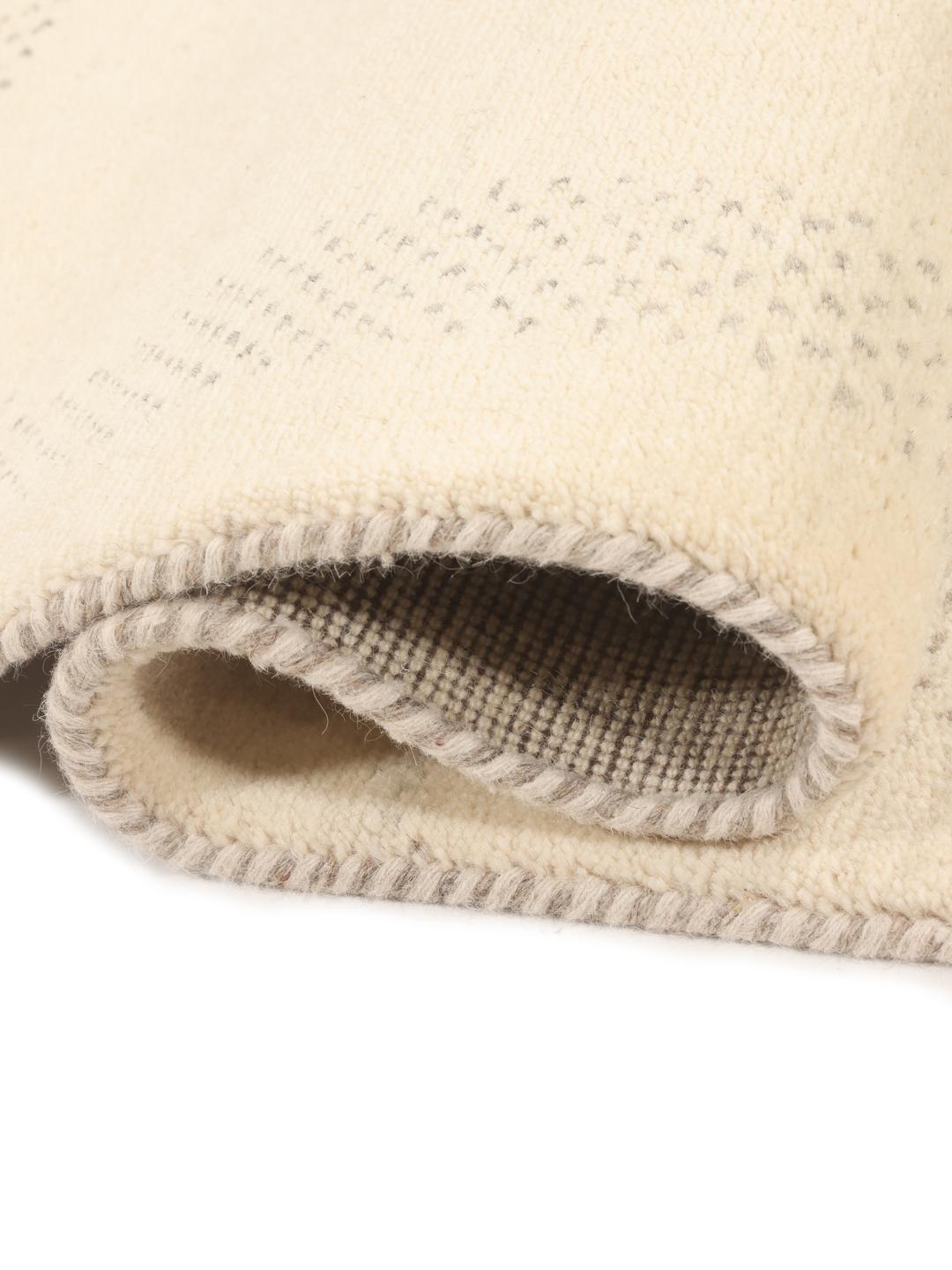
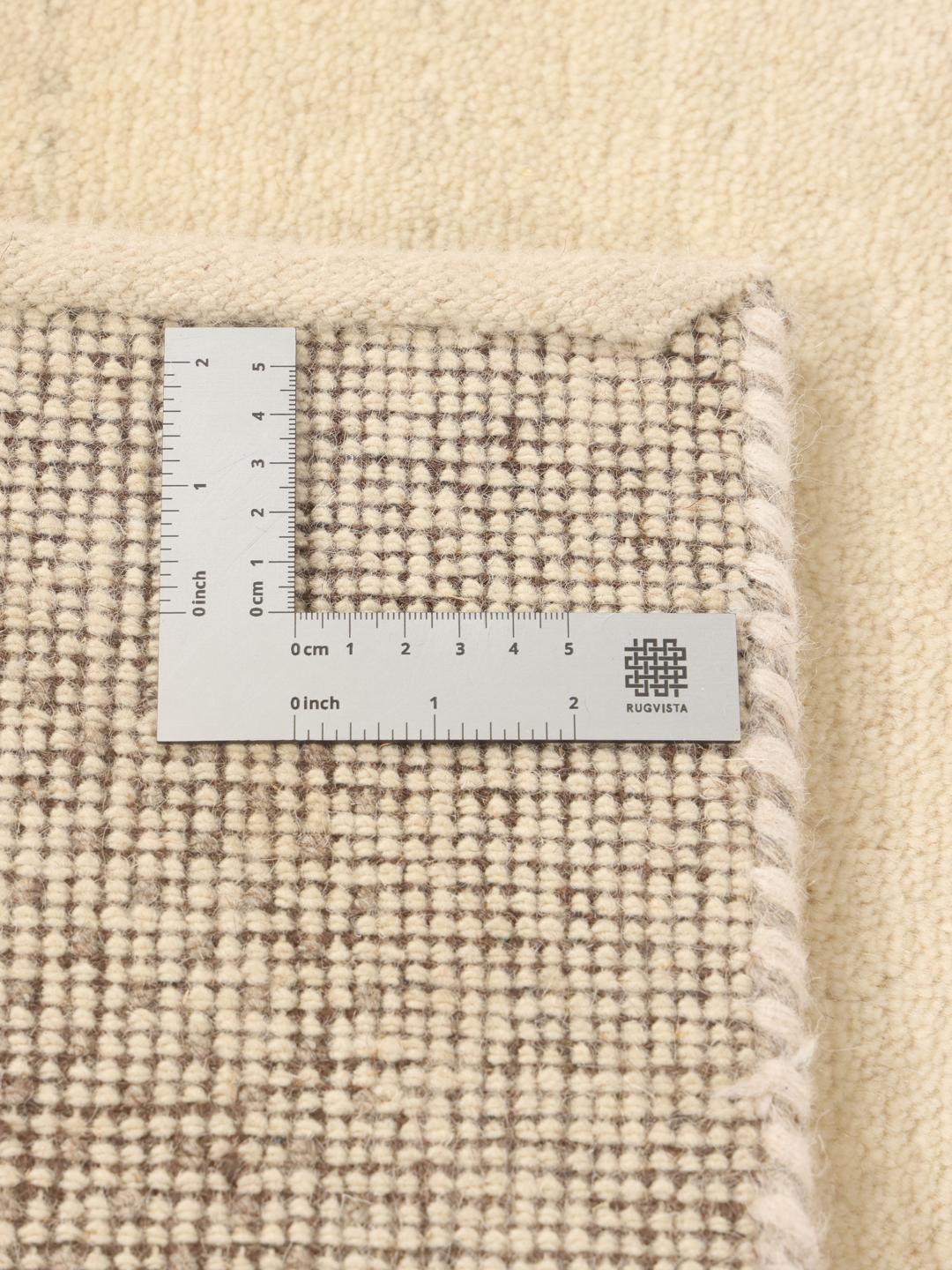
Gabbeh rugs have a rich history rooted in the nomadic traditions of the Middle East, where they were originally woven for personal use rather than for trade. These rugs were prized by tribal families for their thick, protective pile, which provided essential insulation against the cold ground of tents and dwellings.
The term Gabbeh itself refers to a style that is raw, natural, and unpretentious. Historically, these rugs were characterised by their simplistic, often abstract designs and the use of undyed, natural wool colours, reflecting the environment and the creative spirit of the weaver. Today, the tradition continues in India, where weavers adapt these techniques to suit contemporary homes.
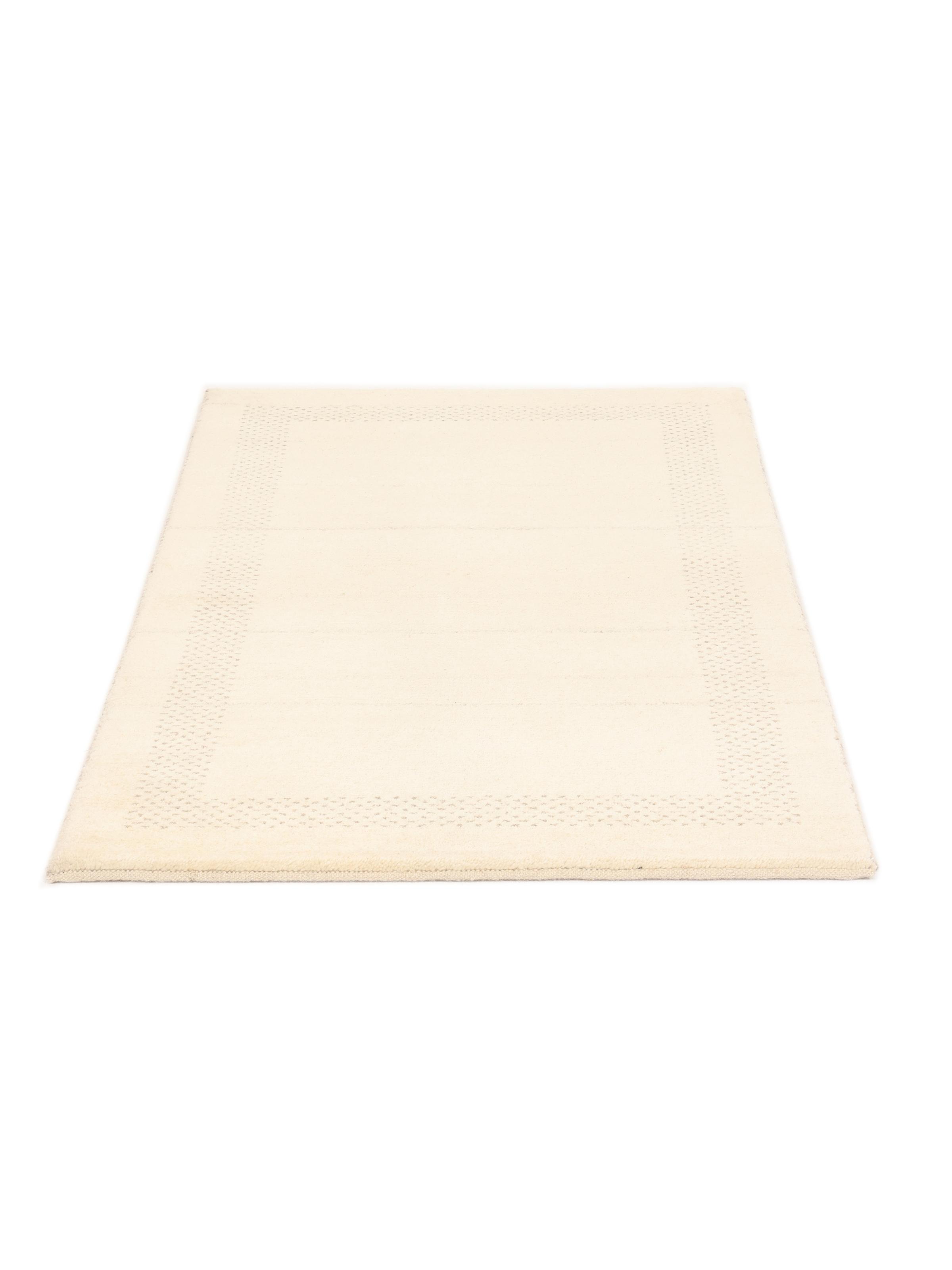
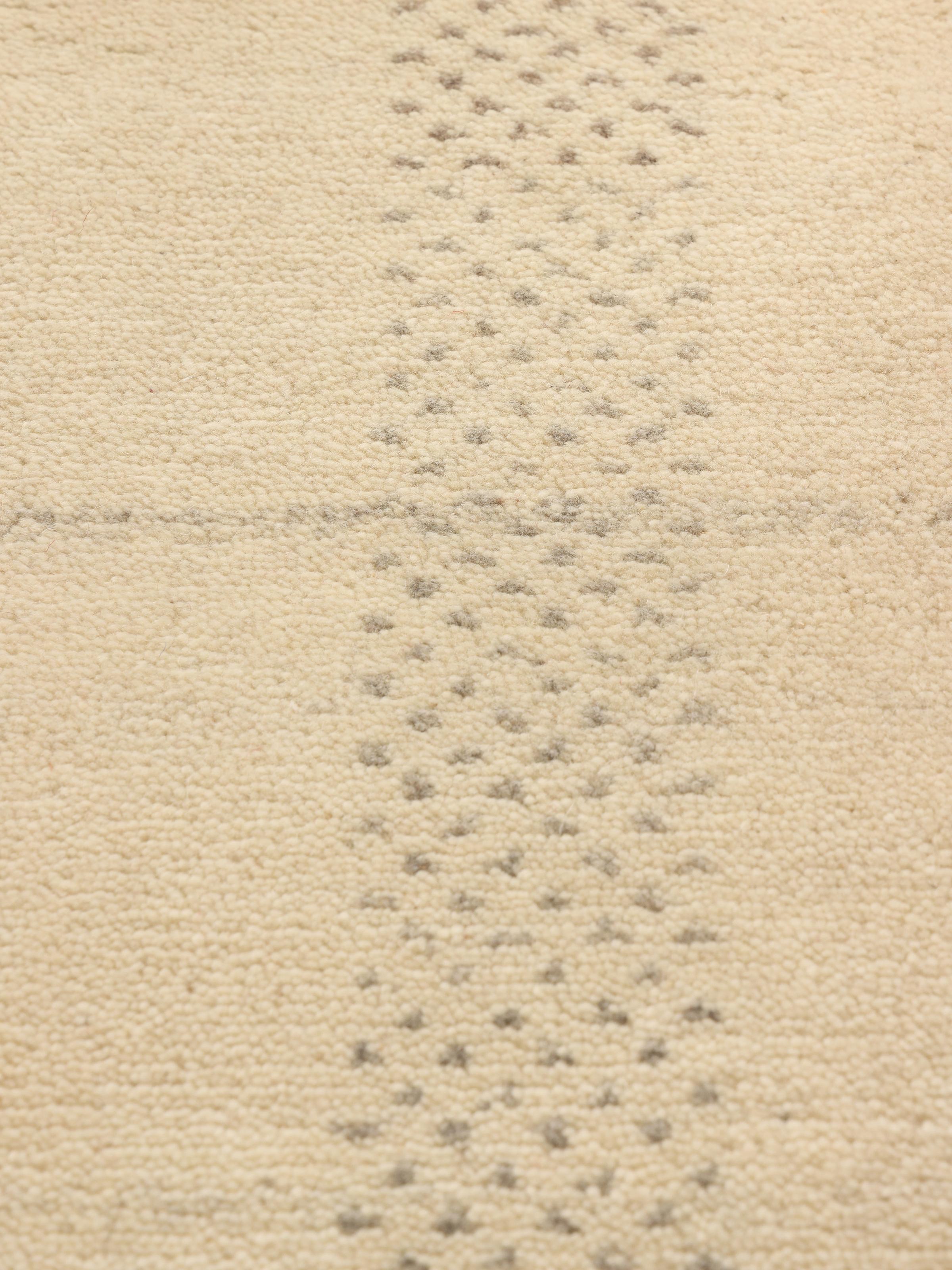
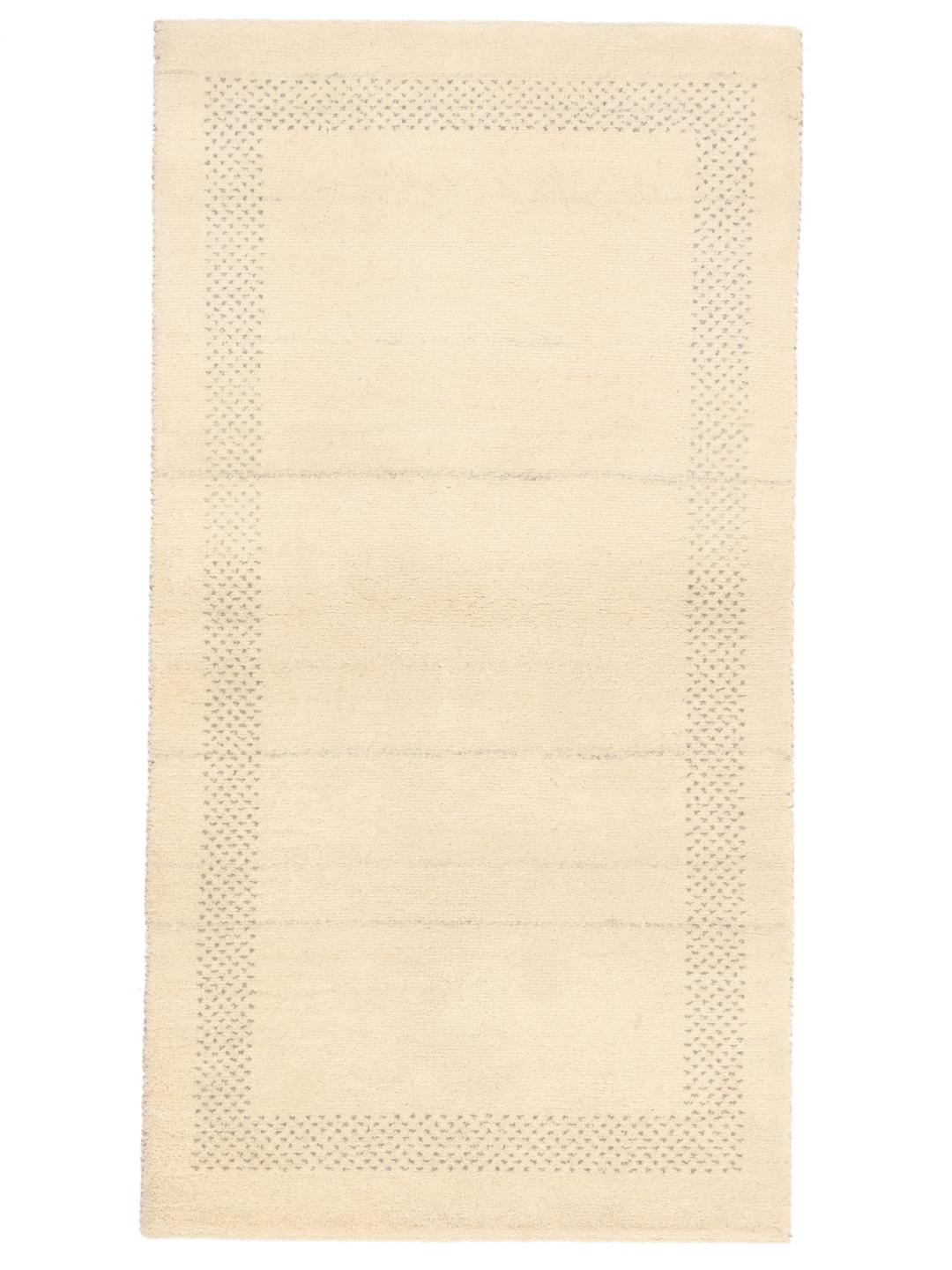
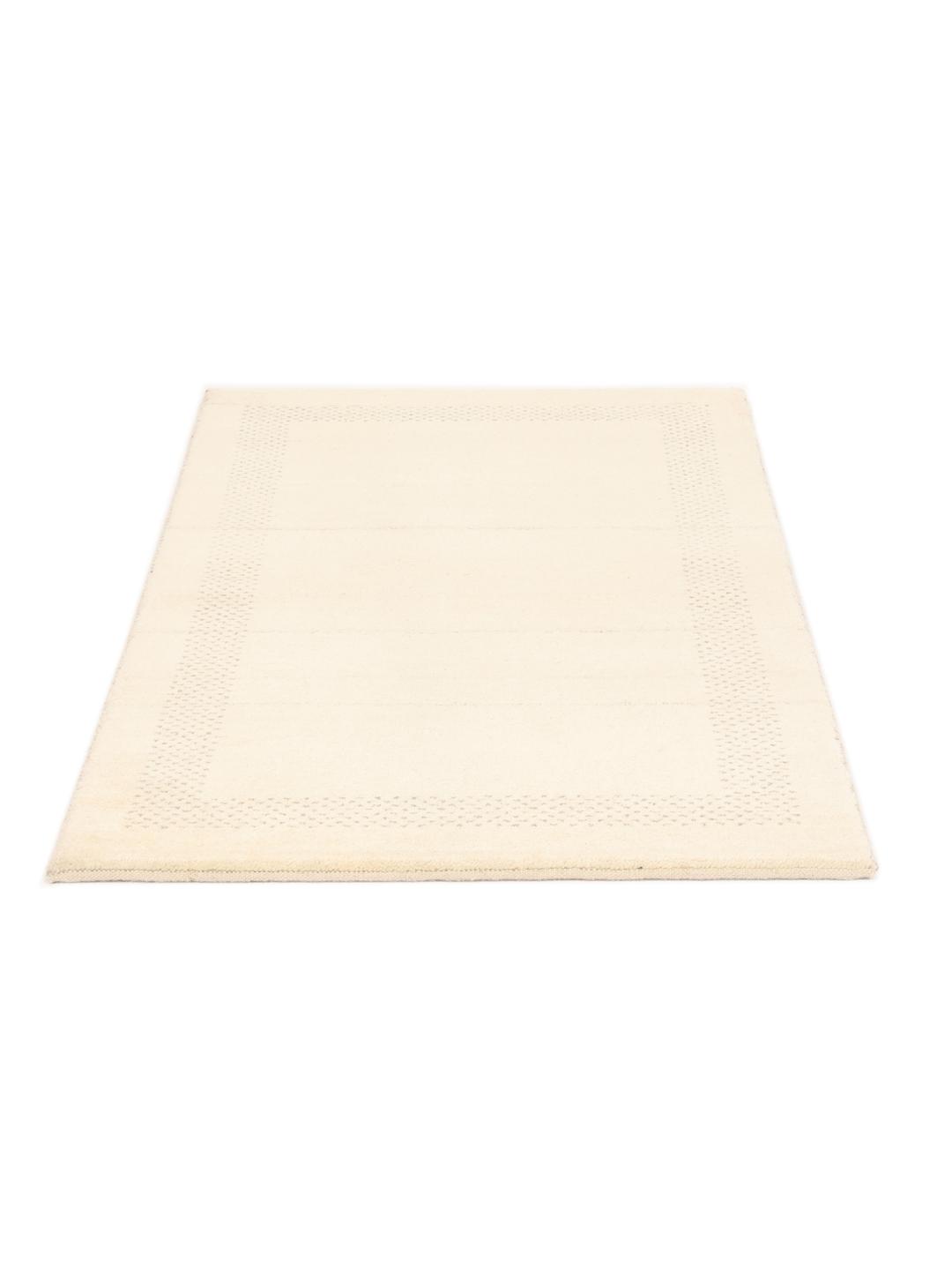
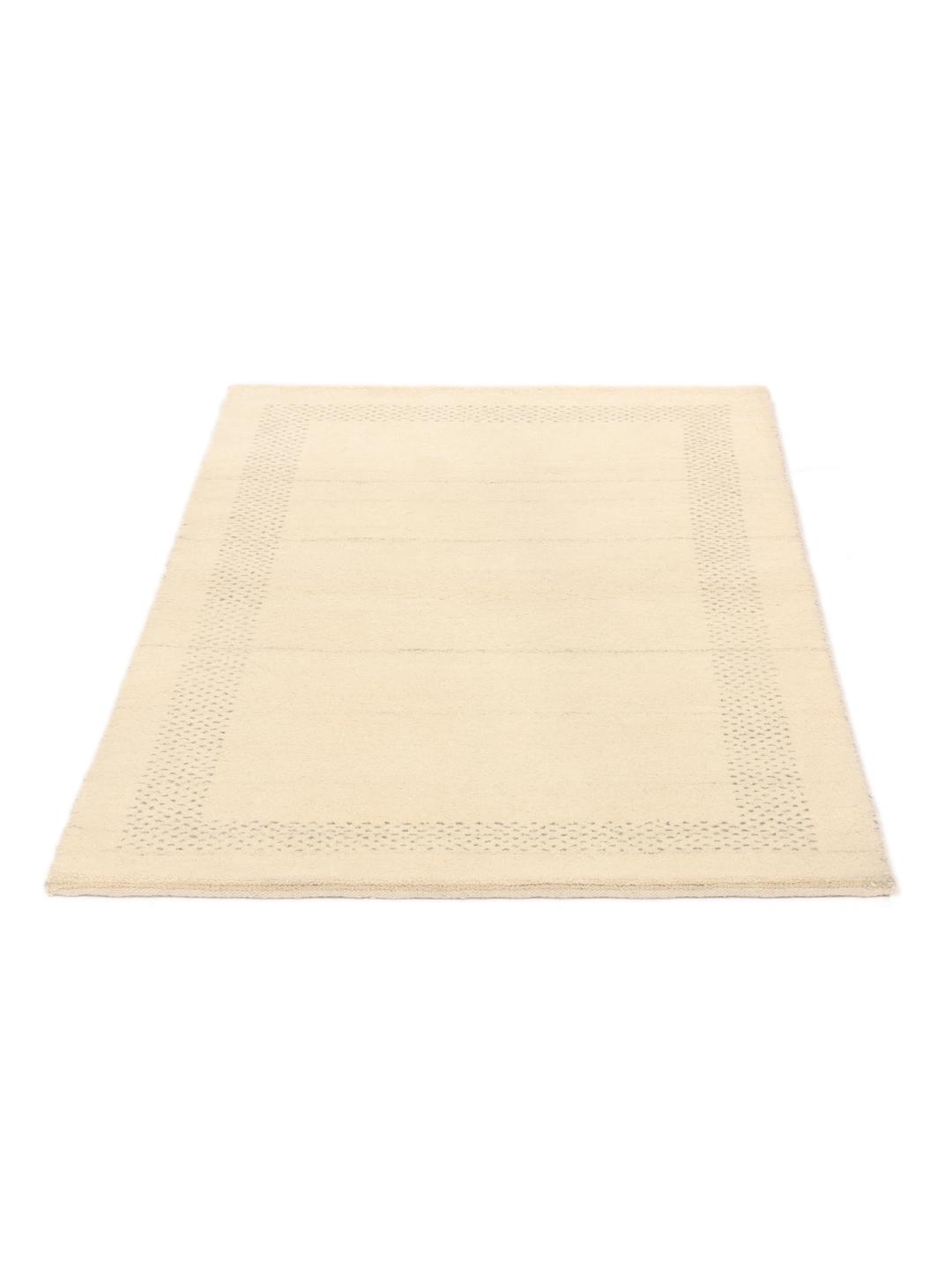
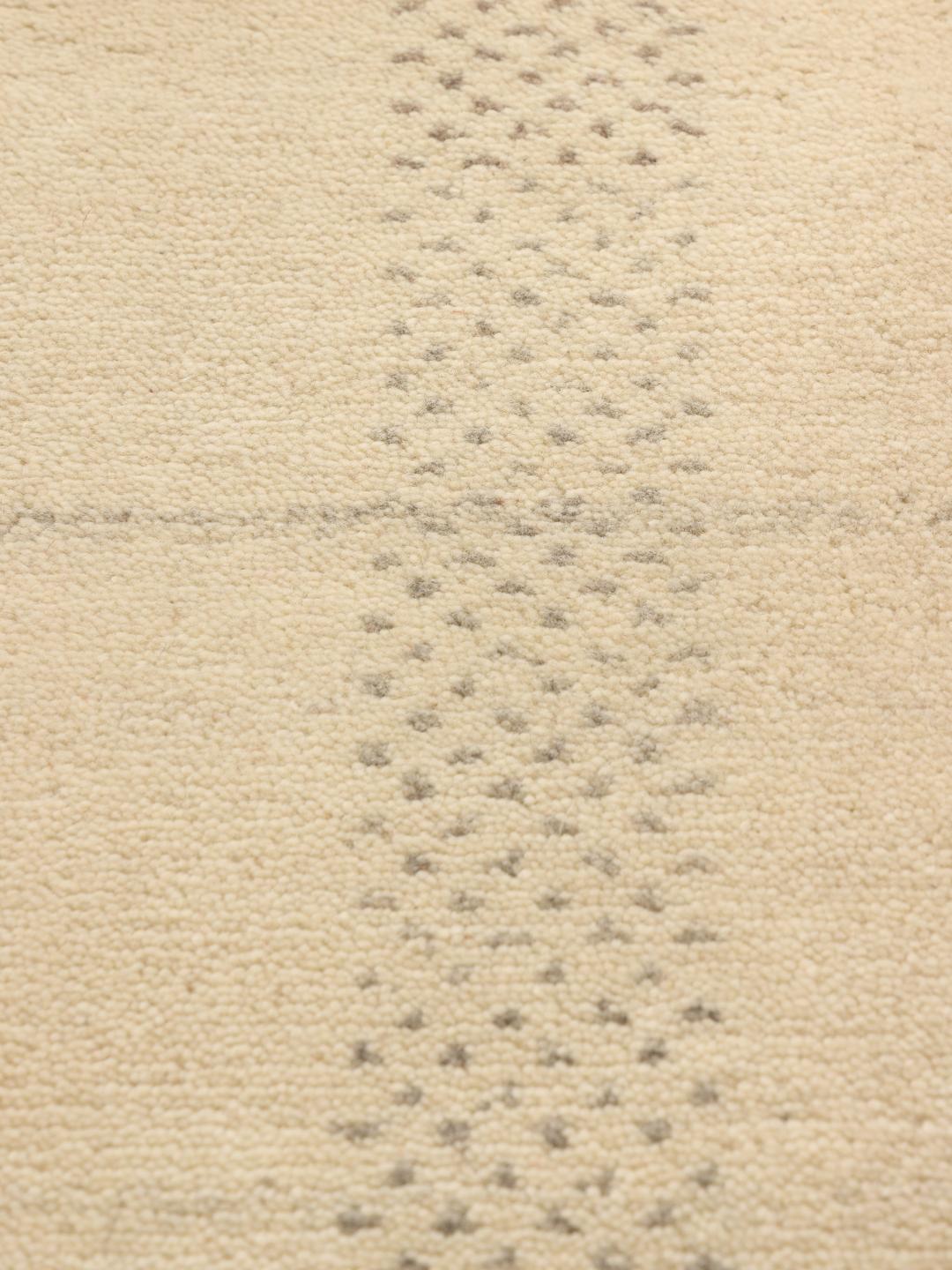
The signature design elements of a Gabbeh often involve wide, open fields of solid colour, occasionally accented by simple geometric motifs or delicate borders. This particular piece honours that tradition with its clean, monochromatic field and subtle detailing, emphasising the beauty of the material itself over complex, intricate patterns.
Owning a hand-knotted Gabbeh is an invitation to connect with a long-standing craft heritage. These rugs are valued not just for their utility, but for the human story behind every knot. They represent a bridge between ancient nomadic artistry and modern interior design, making them a meaningful addition to any collection.