Gabbeh rugs have a storied history rooted in the nomadic traditions of the Middle East, though today some of the finest examples are crafted in India. Originally, these rugs were produced by tribal weavers for personal use, serving as warm bedding or floor coverings in harsh environments. Over time, these functional pieces evolved into a distinct style defined by their simplicity and raw, unrefined beauty.
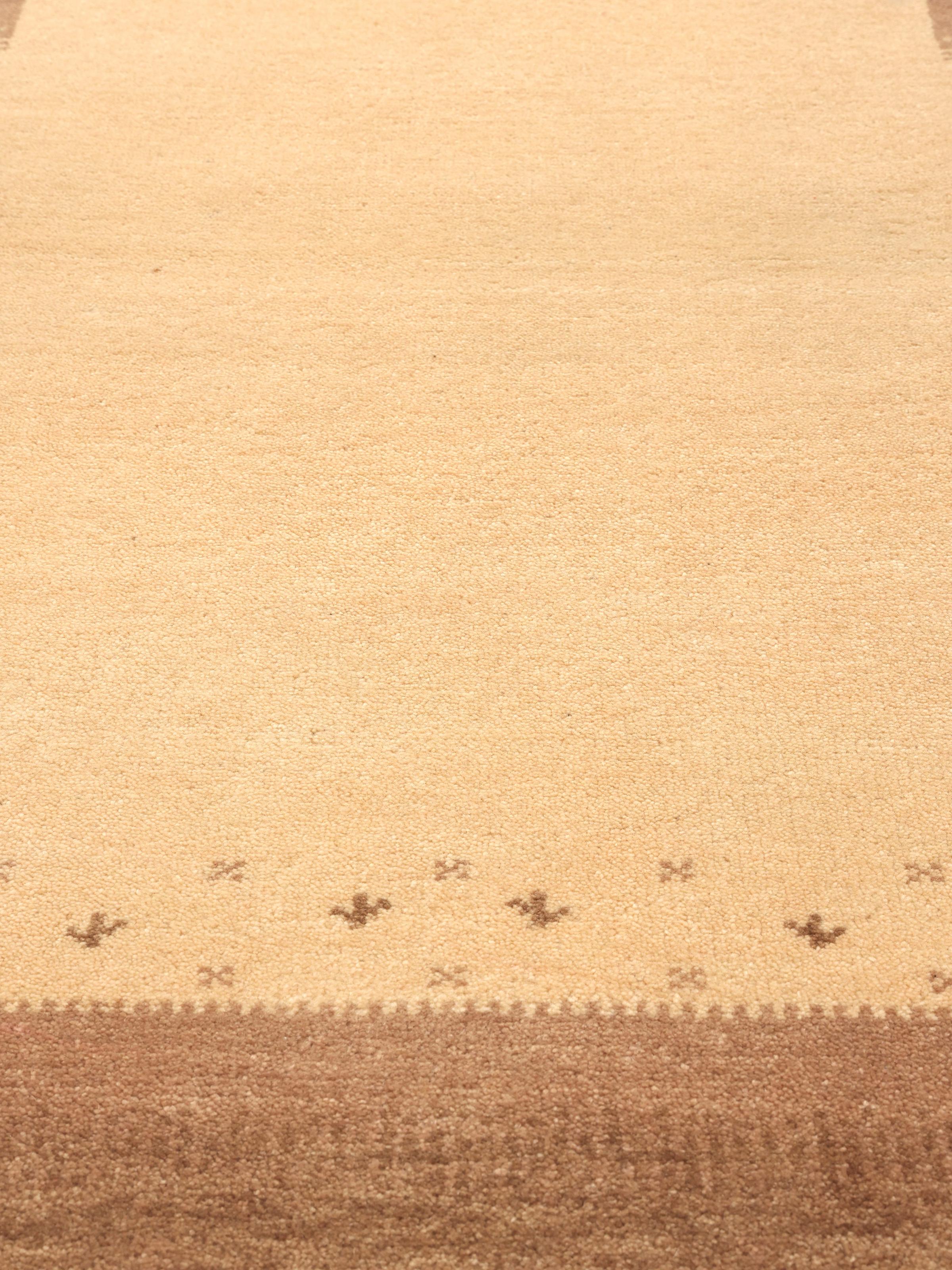
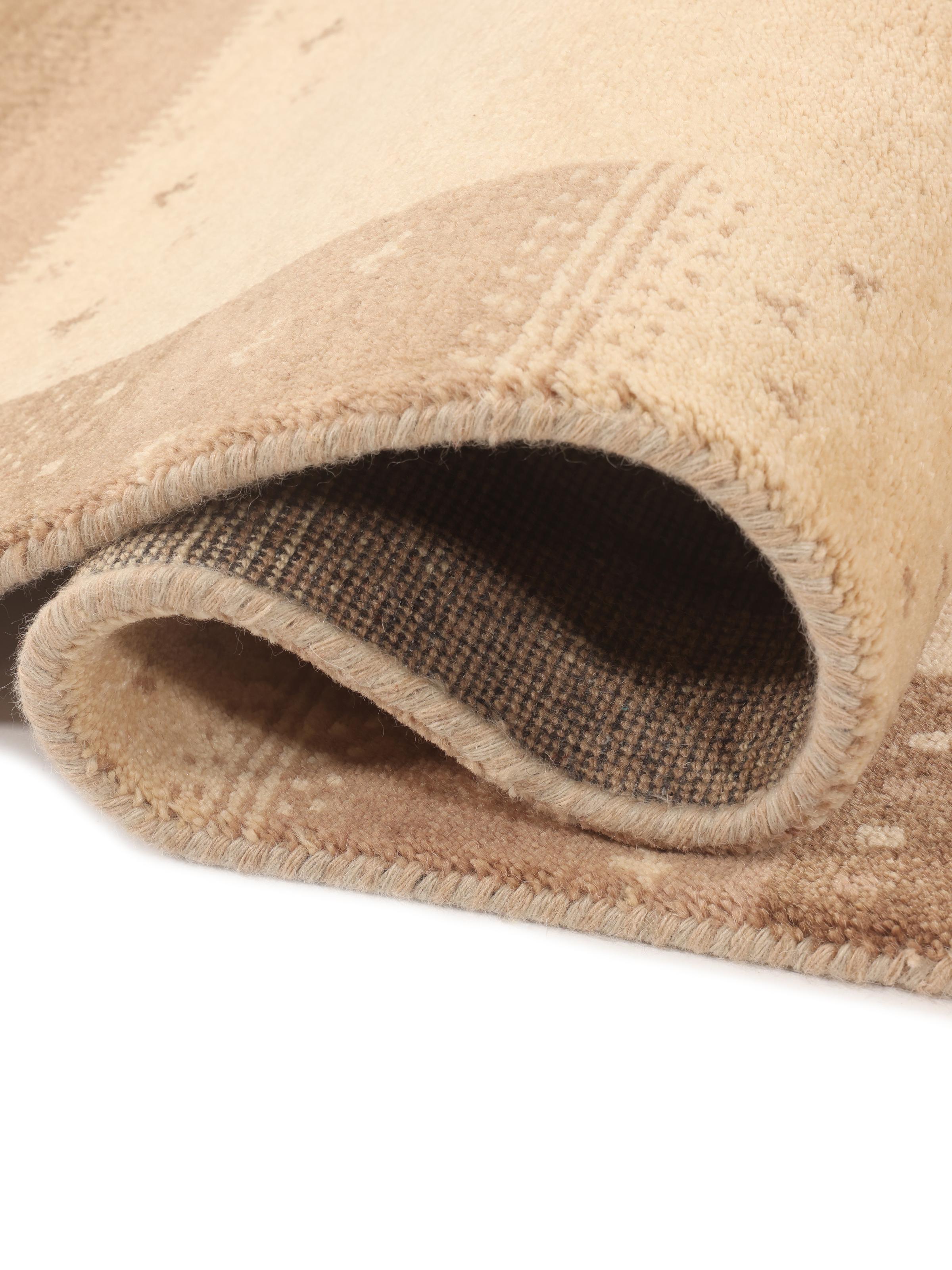
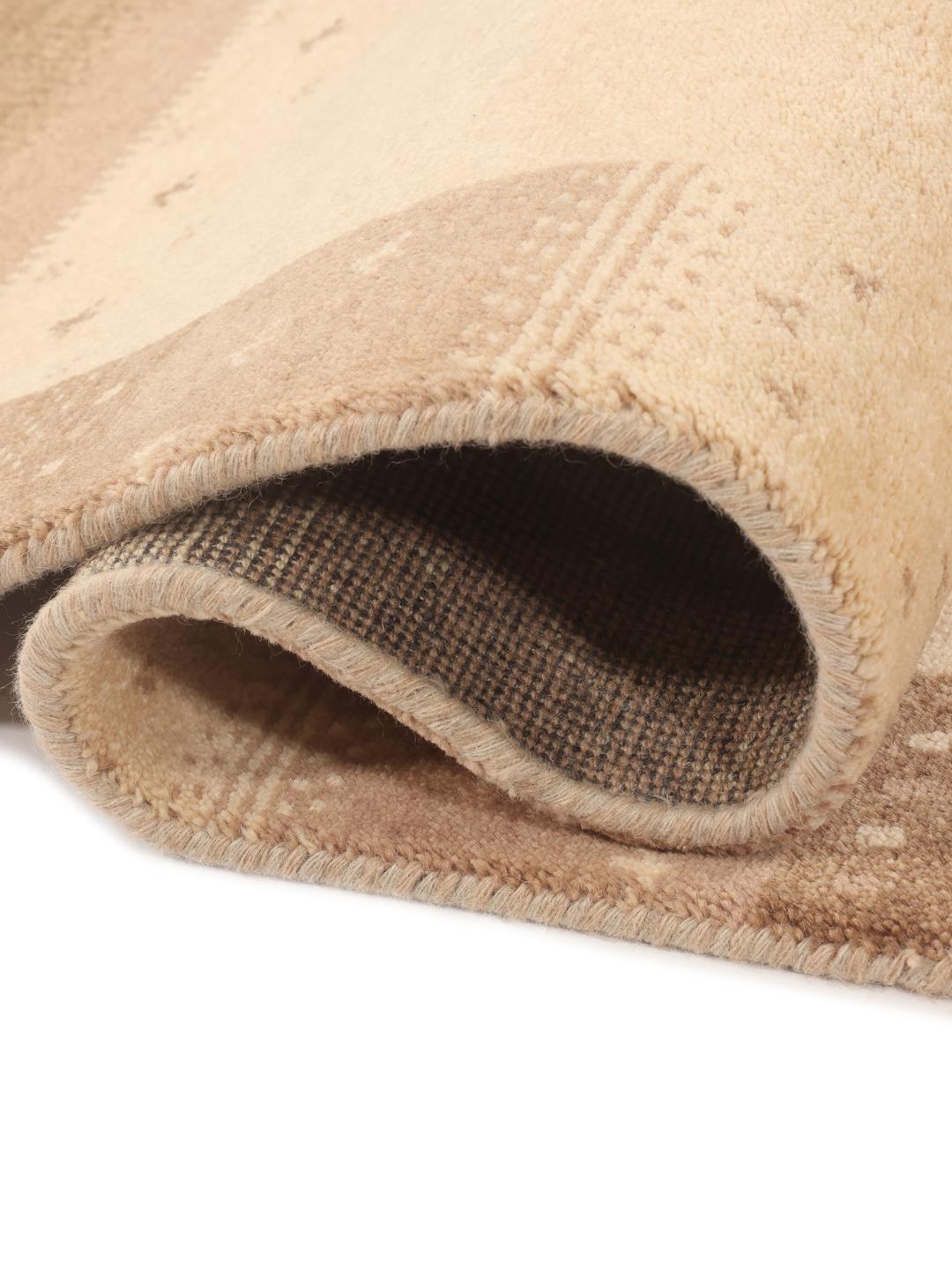
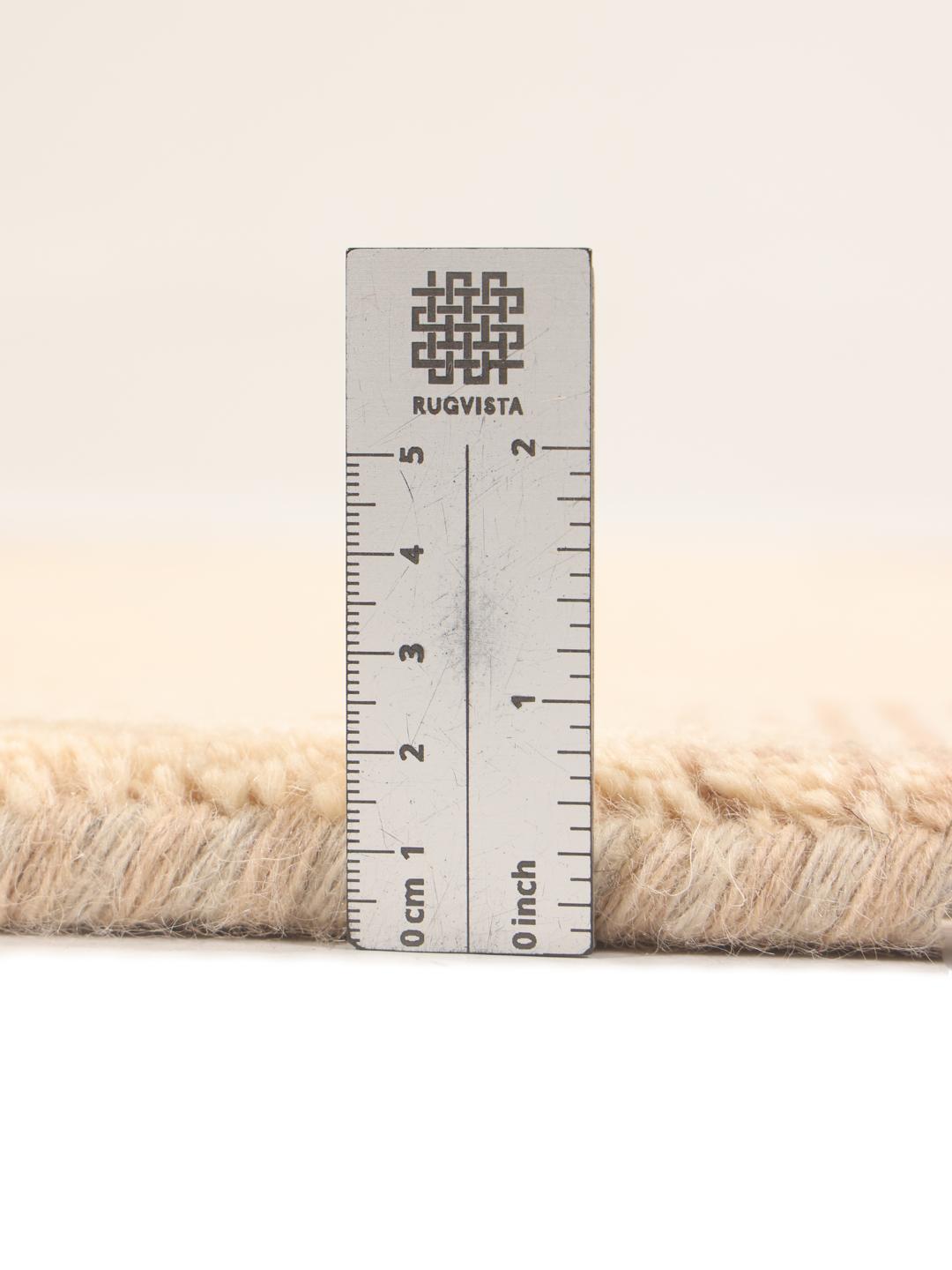
The term 'Gabbeh' comes from a word meaning 'raw' or 'natural,' which perfectly describes the aesthetic of these rugs. Historically, they were known for their thick, long pile and minimal use of complex patterns, allowing the natural properties of the wool to take centre stage. This focus on texture over intricate detail remains a hallmark of the style, making them a favourite for those who appreciate a more understated approach to interior design.
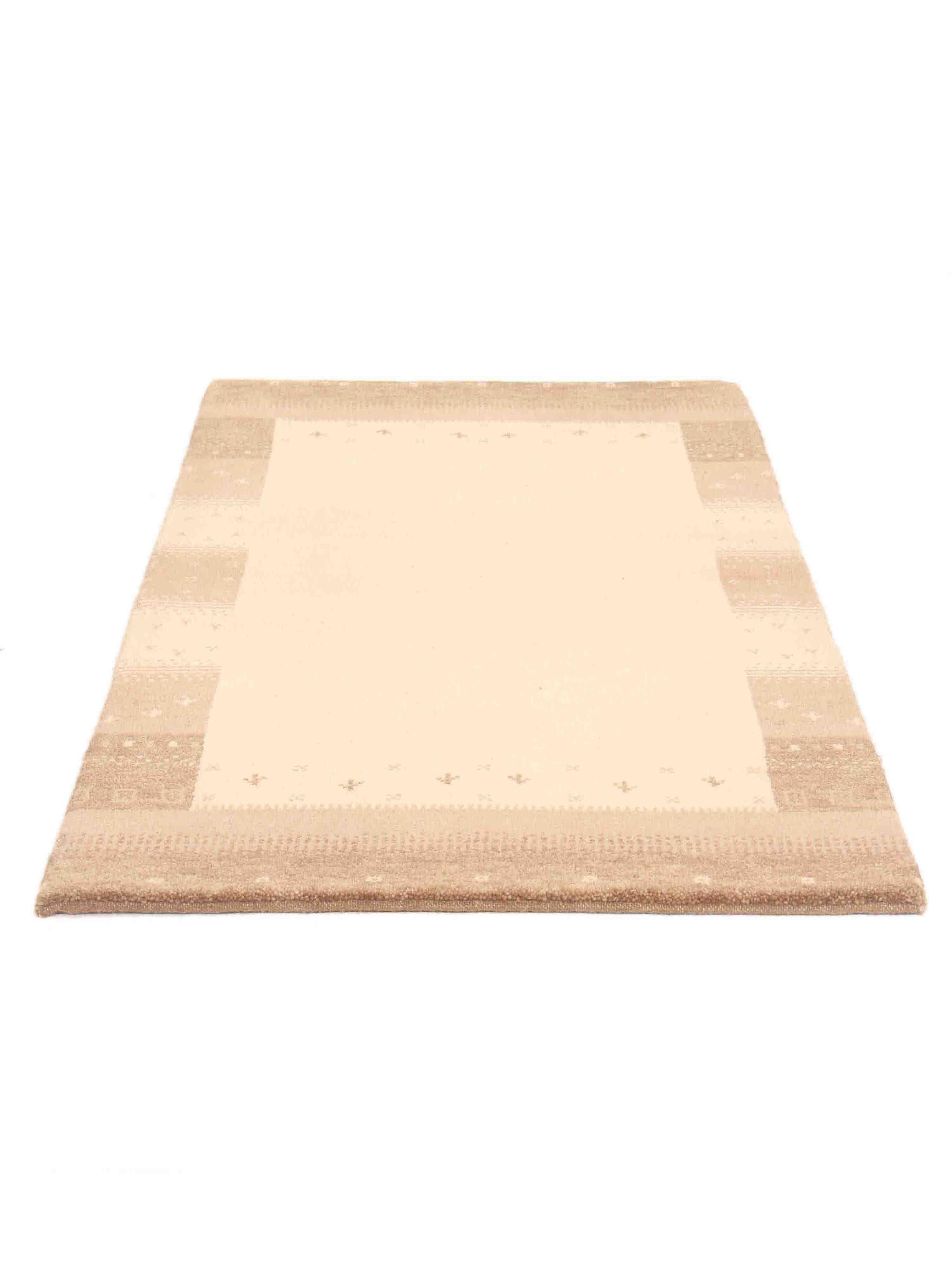
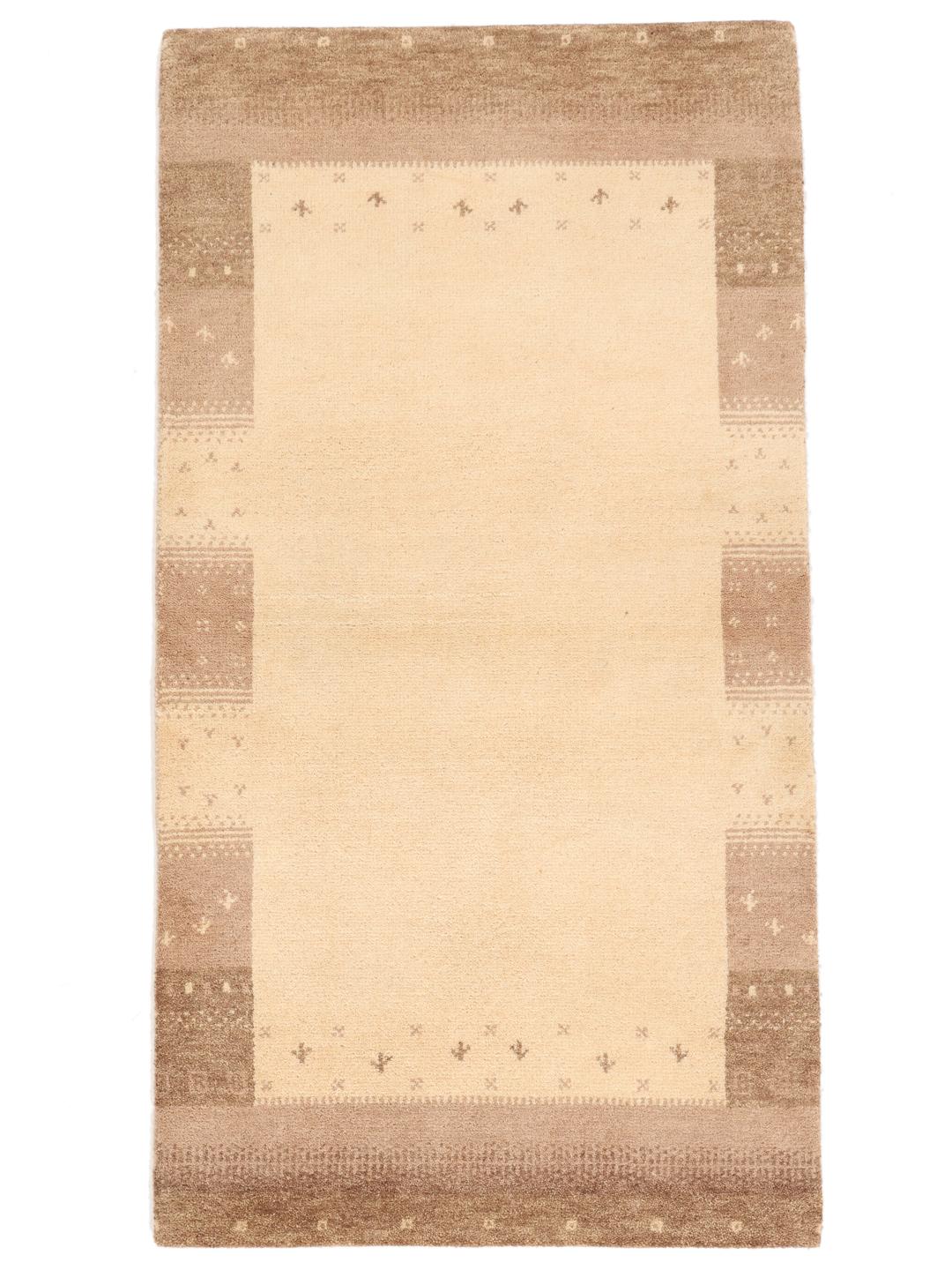
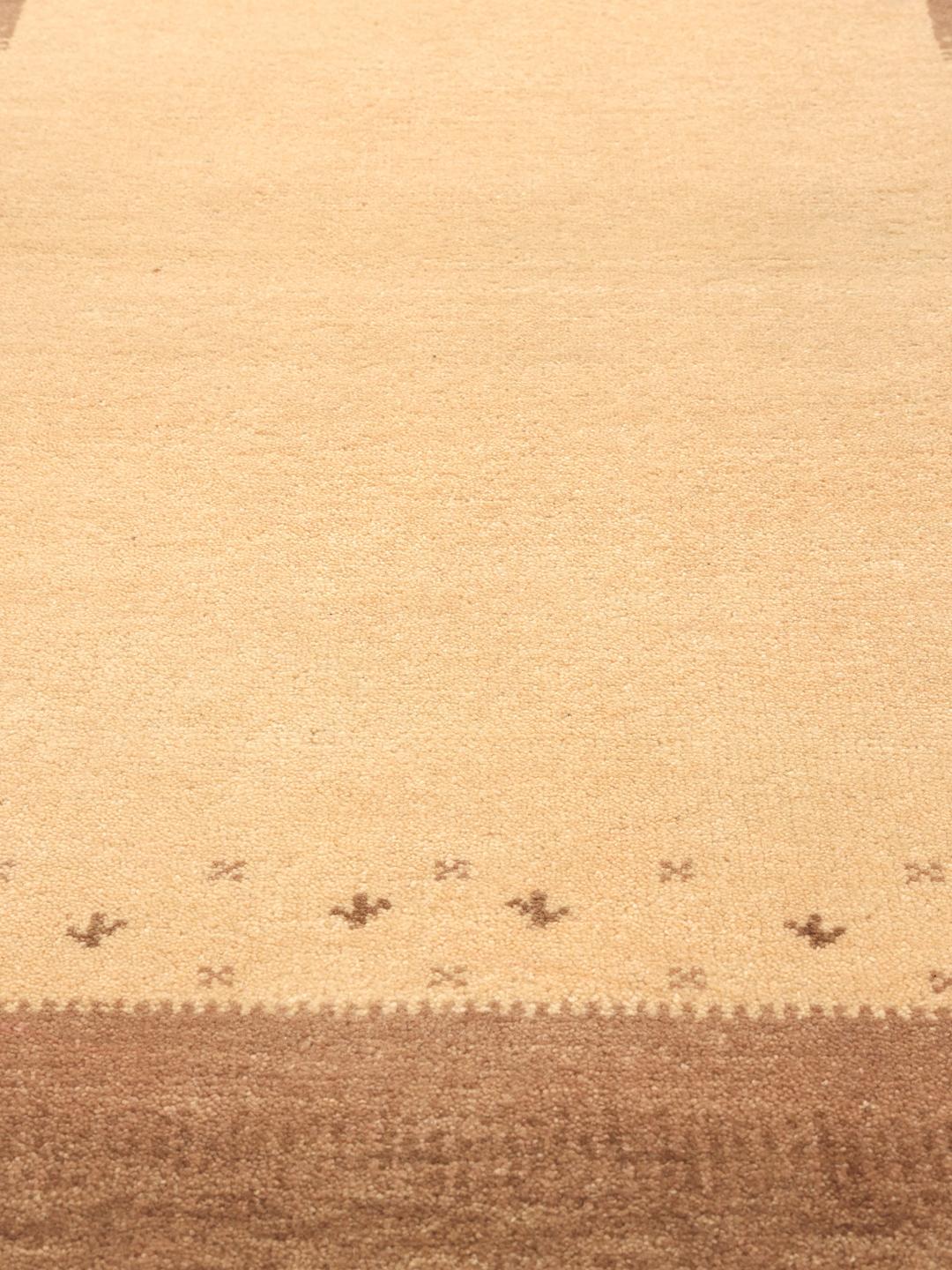
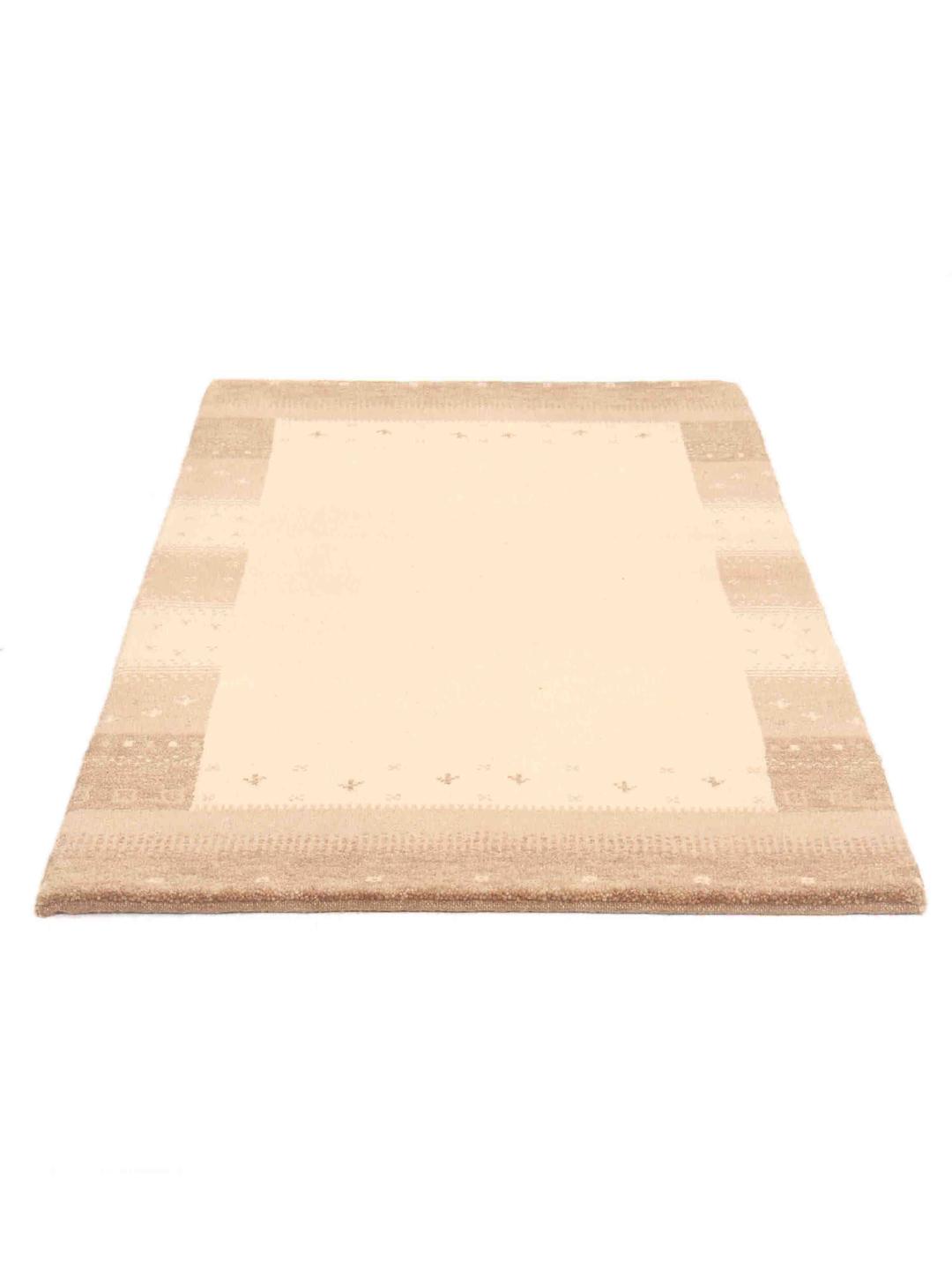
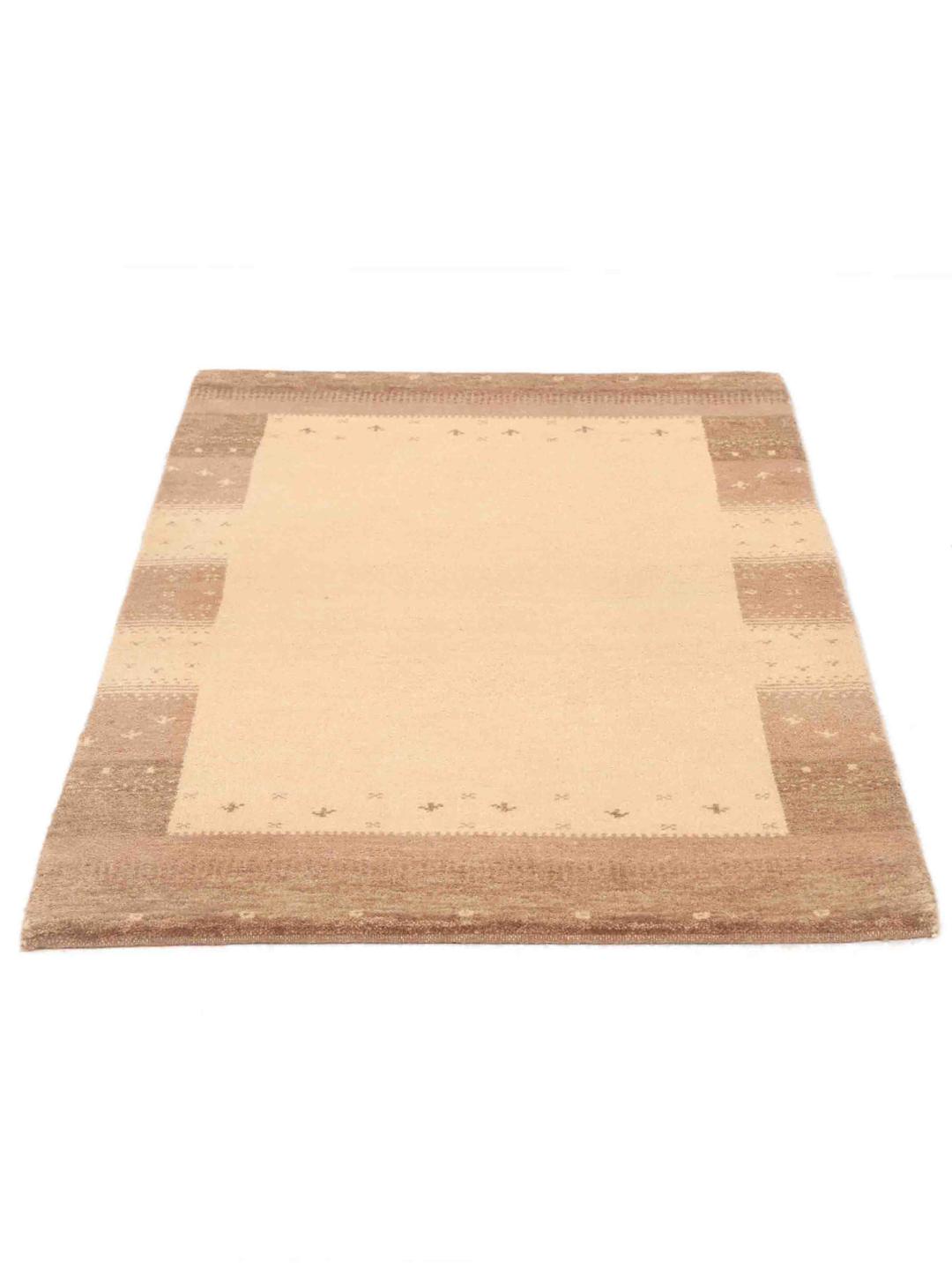
Visually, these rugs often feature open fields of colour, sometimes accented by small, symbolic motifs that hold cultural significance to the weaver. The colour palette typically draws from natural dyes, reflecting the landscapes from which the traditions emerged. In this specific piece, the use of neutral tones creates a sense of serenity, highlighting the beauty of the wool’s natural colour and the subtle, decorative border patterns.
Today, owning a piece from this tradition is an act of preserving a long-standing craft. These rugs are highly valued for their honest, handmade quality and the individuality that each piece possesses. By choosing a rug with such deep roots, you are acquiring more than just a floor covering; you are bringing a piece of cultural history into your home that celebrates the skill and patience of the artisan.