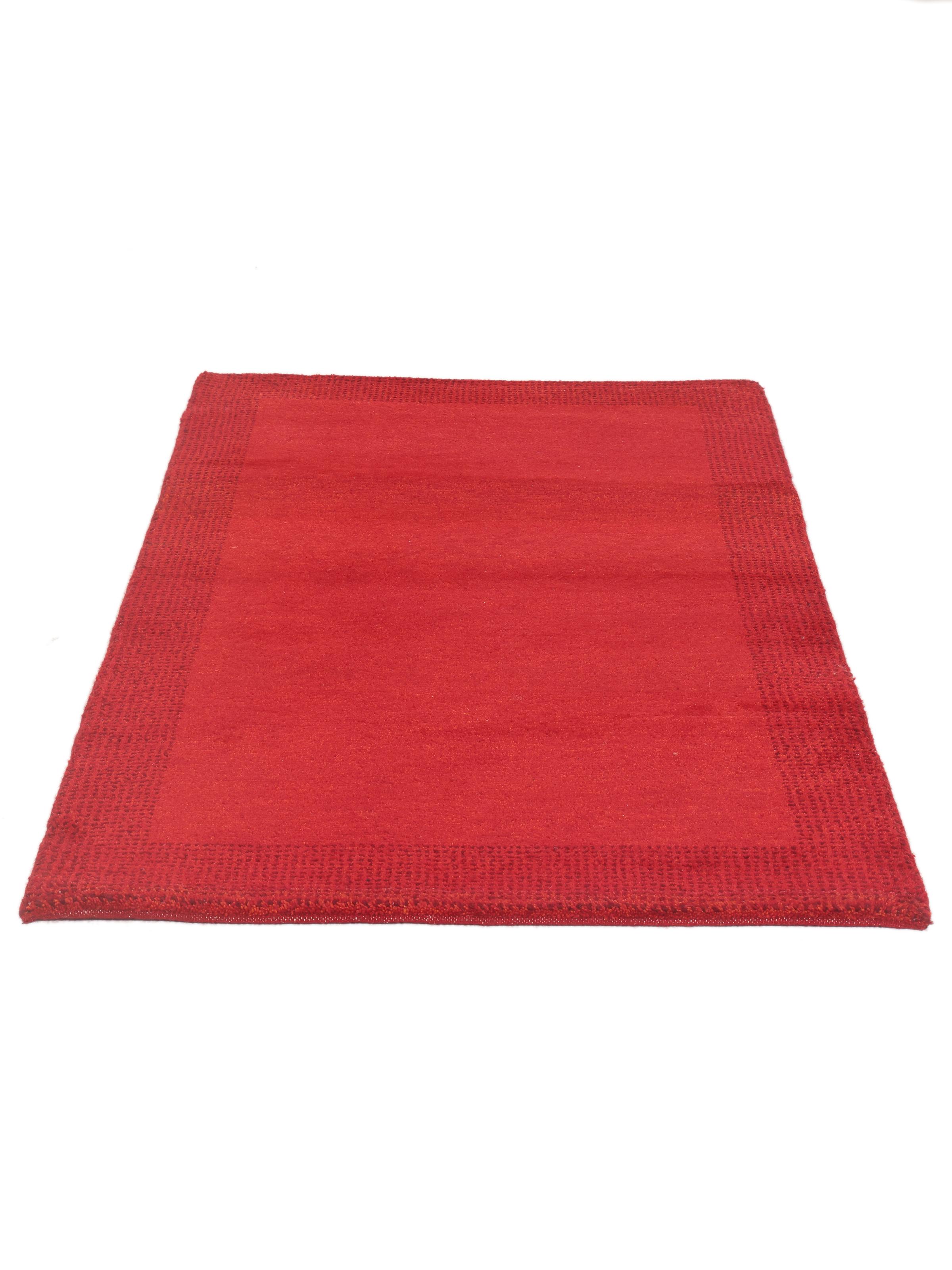
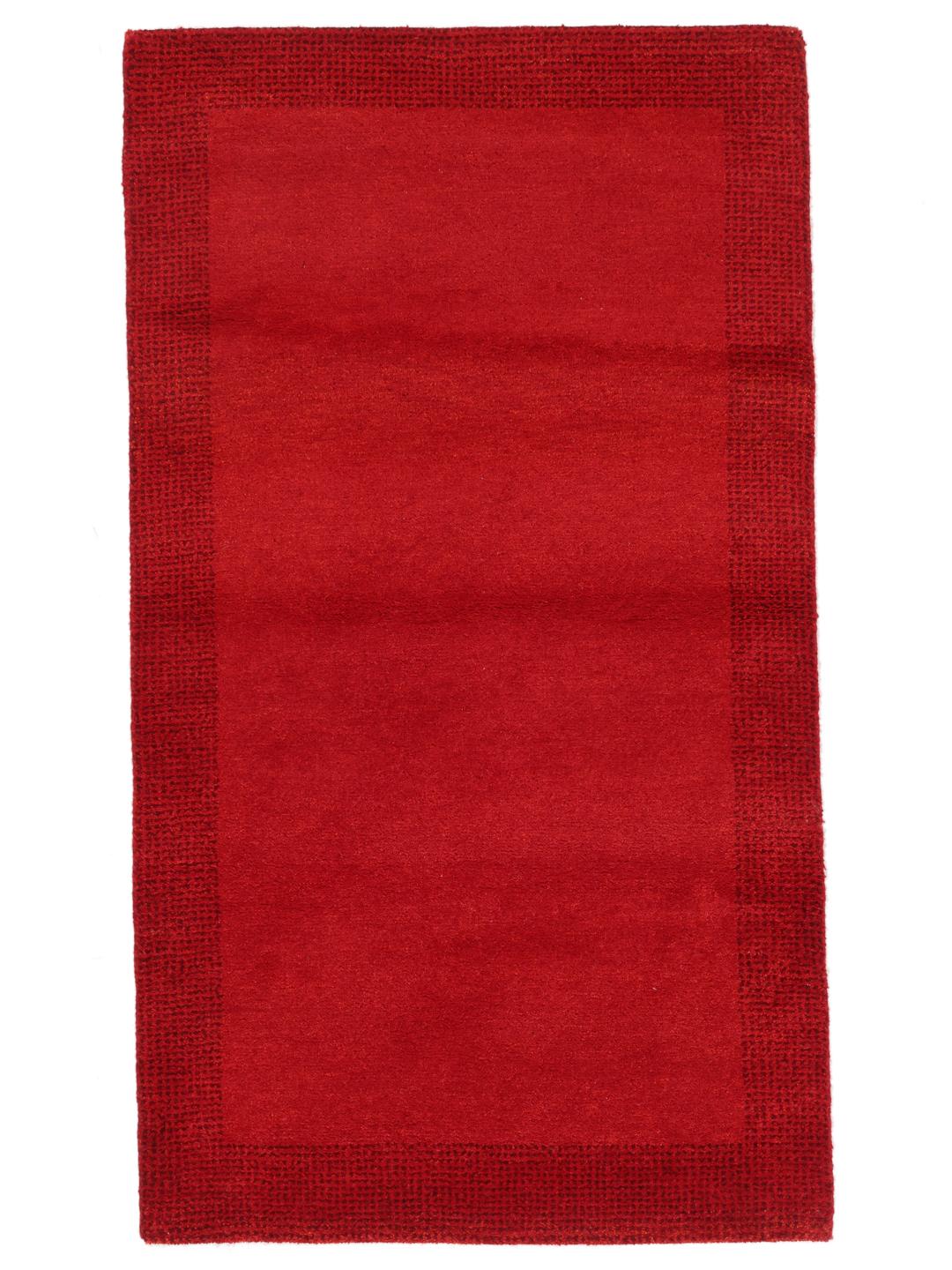
Gabbeh rugs have a long and storied history, originally emerging from the nomadic tribes of the Middle East. These rugs were traditionally woven by women for domestic use, serving as warm bedding and floor coverings within their tents. Unlike more formal, city-made rugs, Gabbeh rugs were designed with a focus on freedom and personal expression, often incorporating simple, rustic designs that reflected the weaver's environment and daily life.
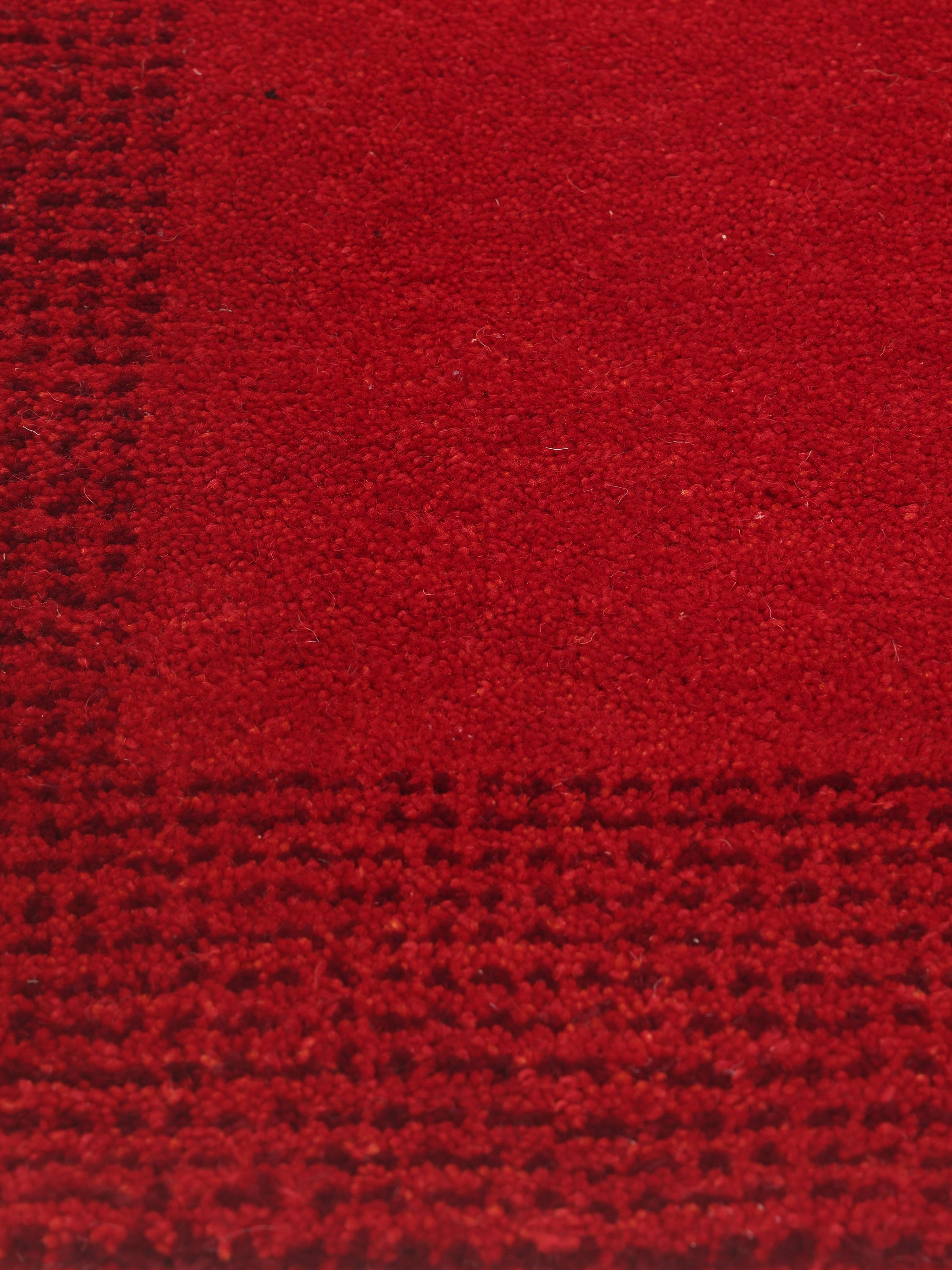
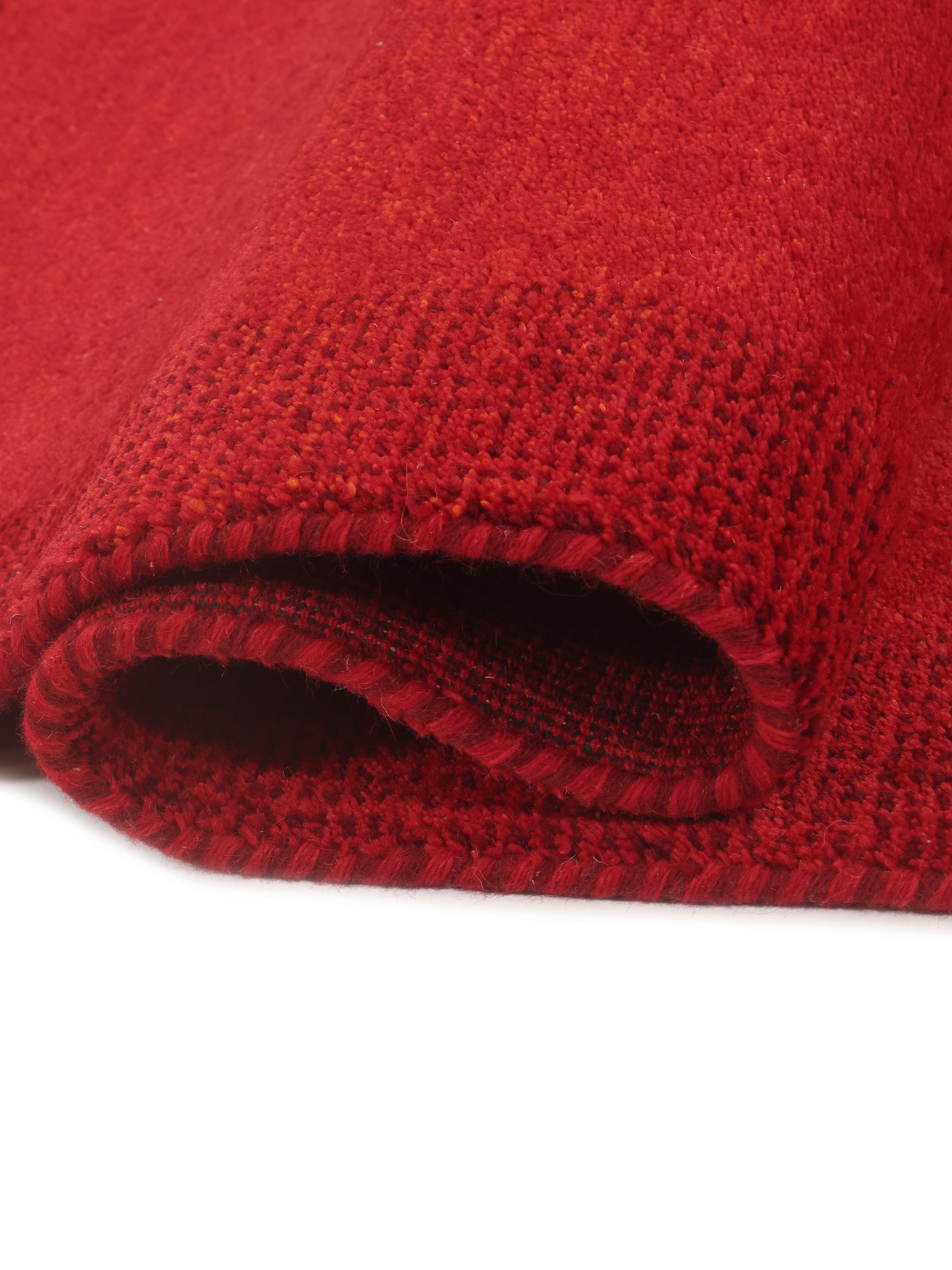
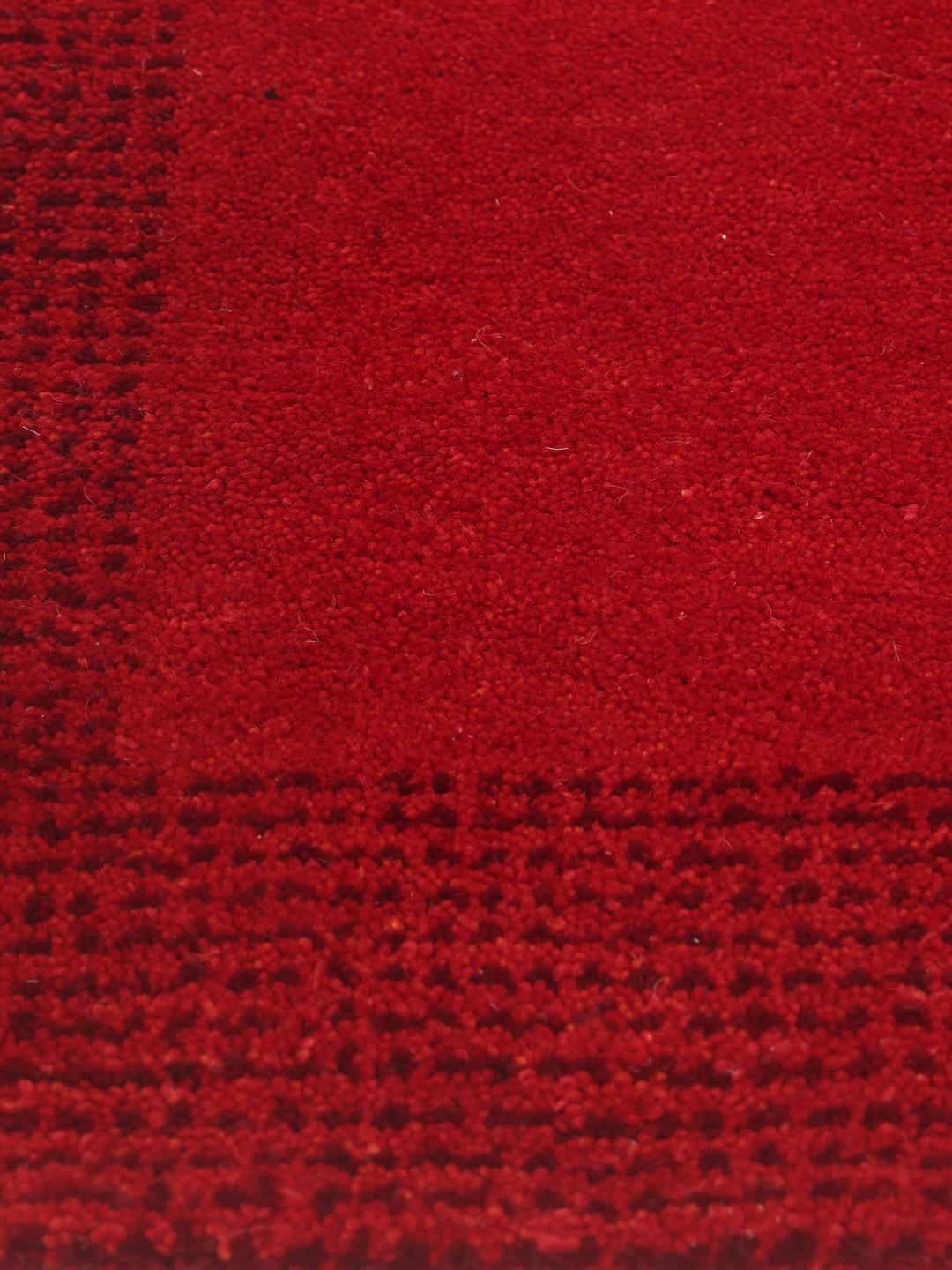
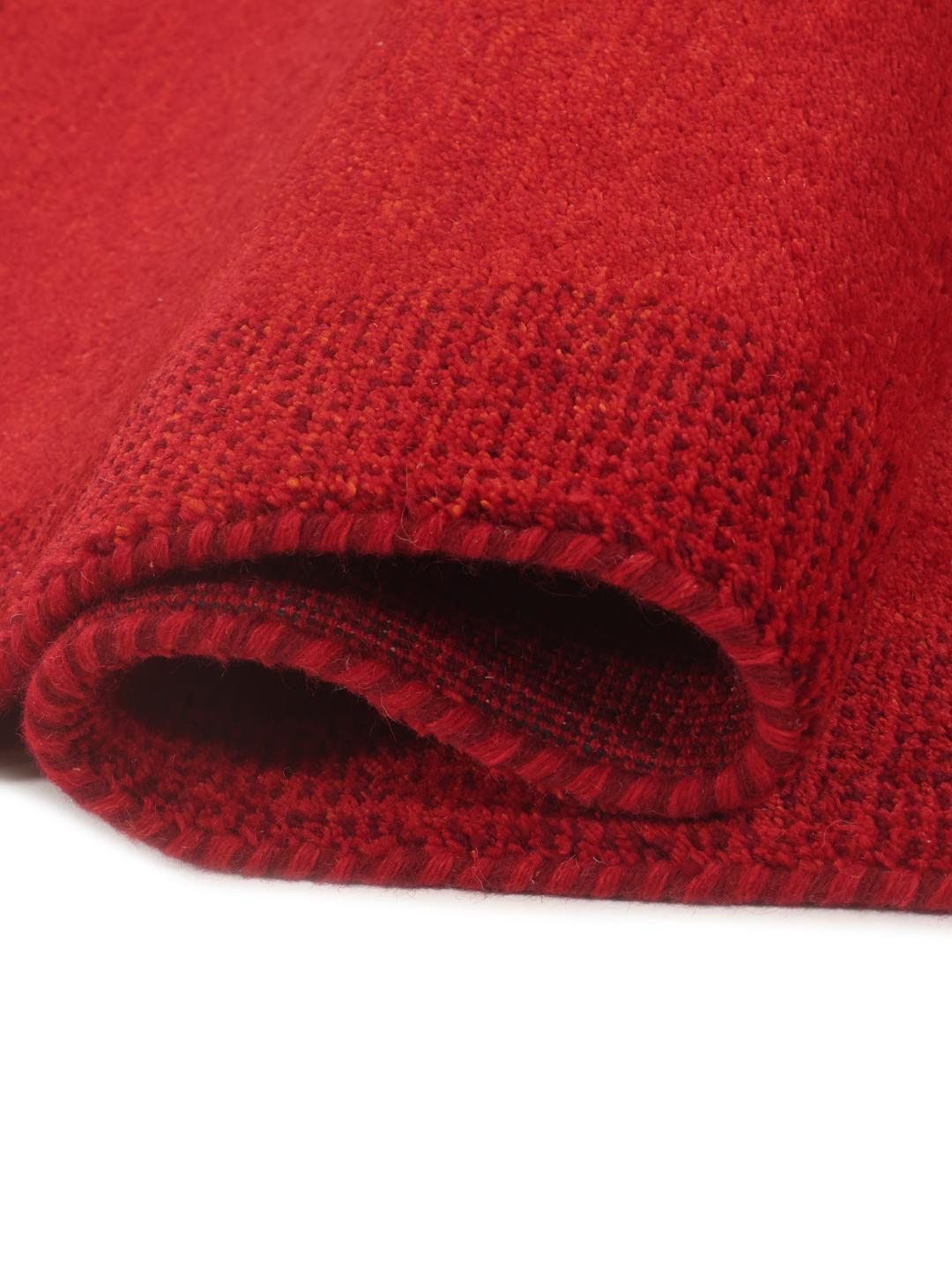
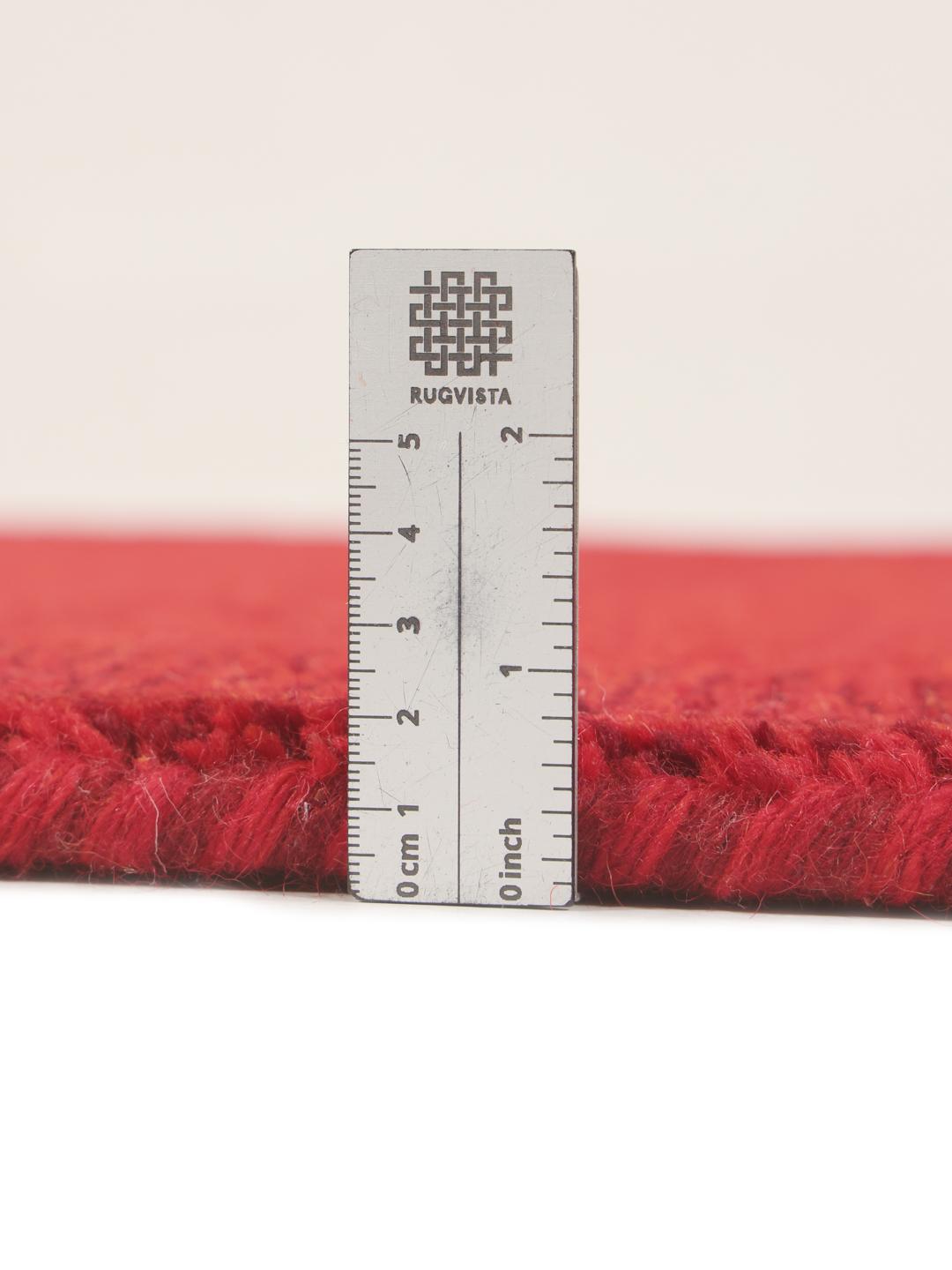
The term 'Gabbeh' itself translates to 'raw,' 'natural,' or 'unfinished,' which speaks to the aesthetic of these pieces. They are known for their thicker pile and broader, more simplified patterns compared to the intricate, floral designs of other regional traditions. This evolution toward a simpler style has made them highly sought after in modern interior design, as they offer a bridge between ancient craft and contemporary minimalism.
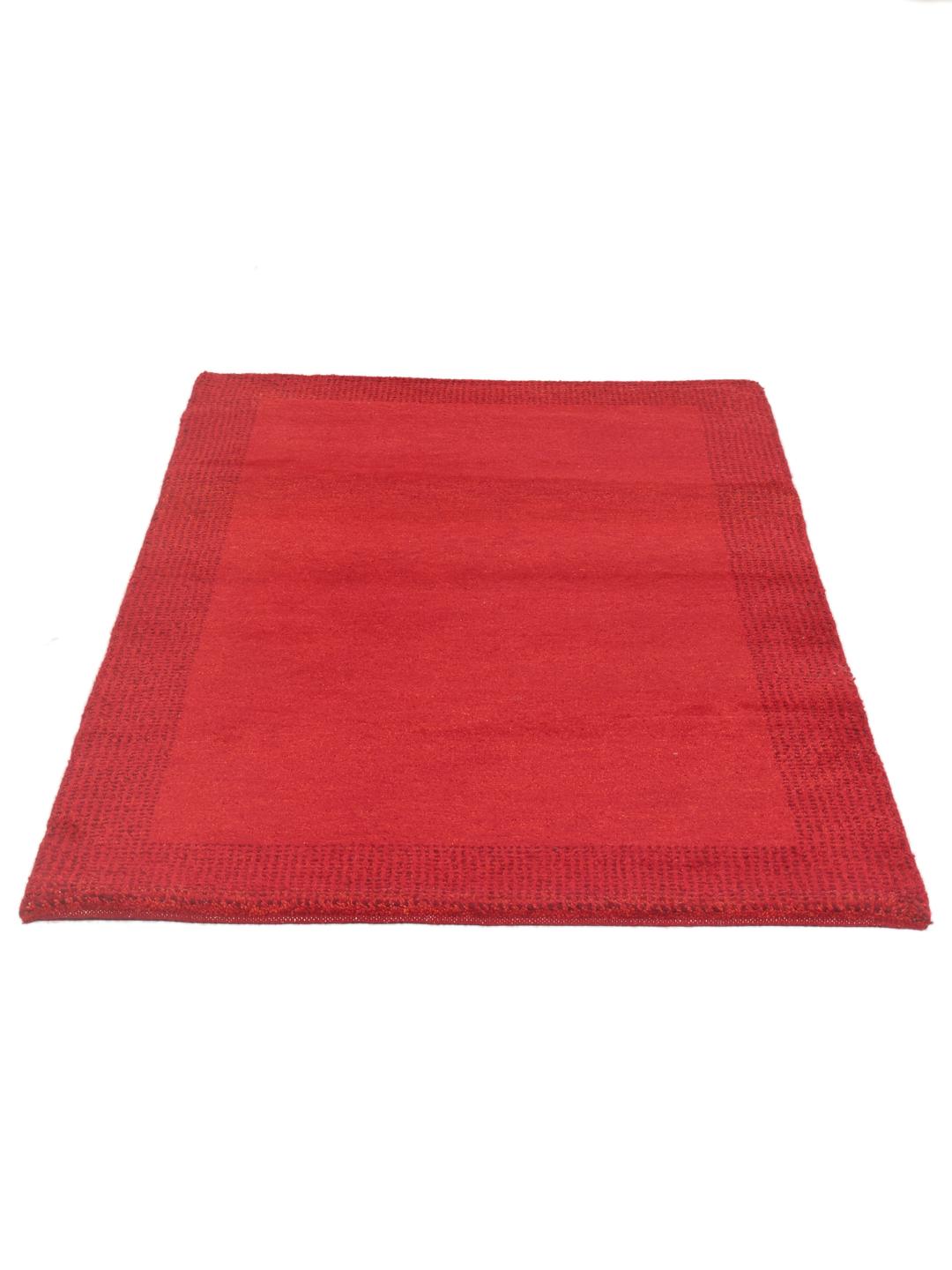
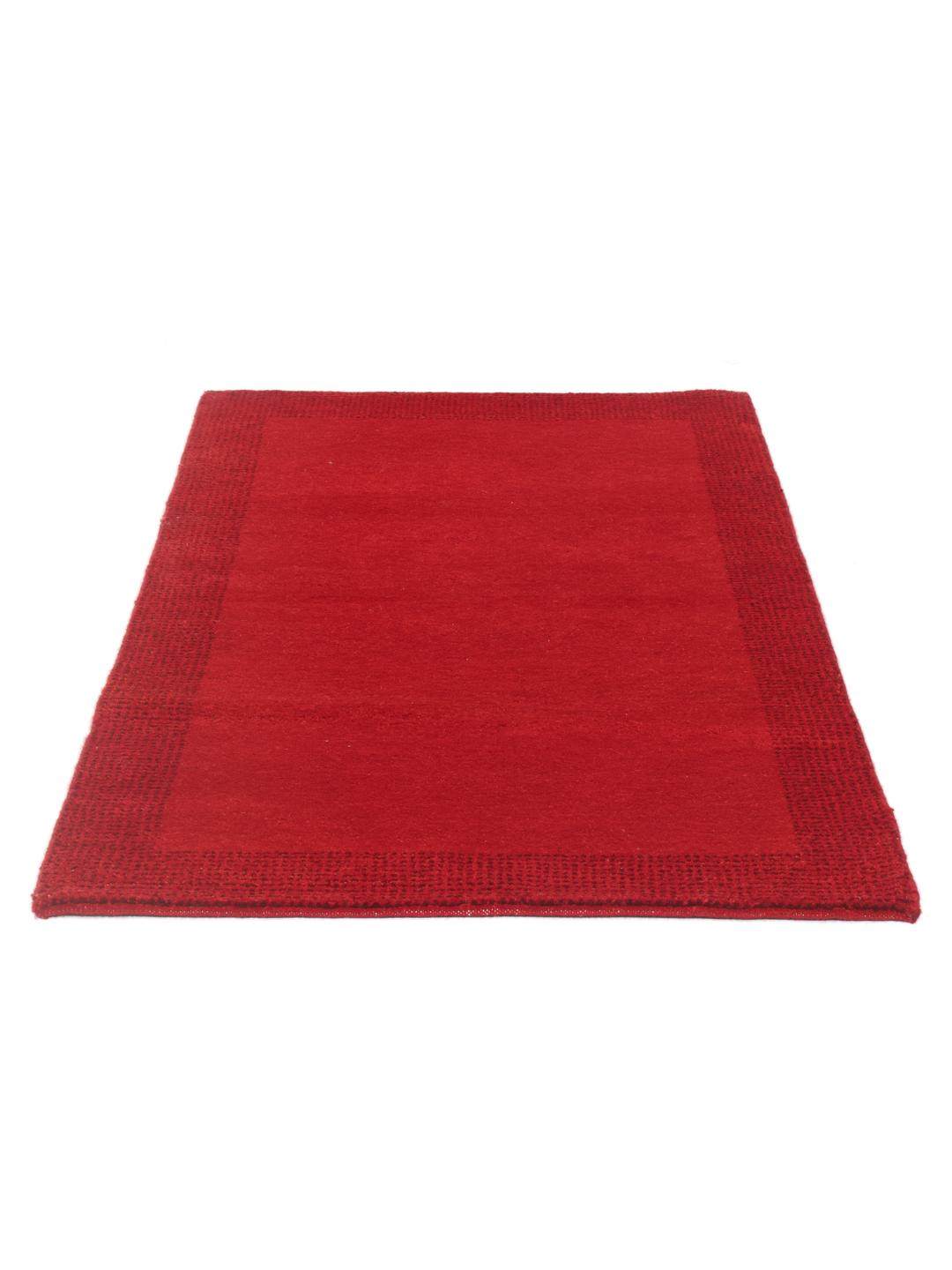
While the tradition has its roots in the Middle East, the craft has flourished in India, where artisans have adopted and refined these techniques. The Indian interpretation of the Gabbeh style often emphasises rich, solid colours and subtle textures, focusing on the quality of the wool and the depth of the dye. This migration of craft demonstrates how traditional weaving methods can adapt to new cultural contexts while maintaining their essential character.
Owning a Gabbeh rug is a way to connect with a centuries-old tradition of hand-weaving. These rugs are valued not just for their utility, but for the human story embedded in every knot. They are considered collector's items because they represent a departure from the mass-produced, mirroring the skill and patience of the artisan. To own one is to appreciate a piece of cultural heritage that brings a sense of authenticity to any modern home.