Gabbeh rugs have a rich heritage rooted in the nomadic traditions of the Middle East, though today they are celebrated for their evolution into modern, minimalist designs. Historically, these rugs were woven by tribal women who used hand-spun wool and natural dyes to create thick, functional floor coverings for their tents. Over time, the style migrated to India, where artisans adopted these traditional techniques to create the refined, high-quality pieces we see today.
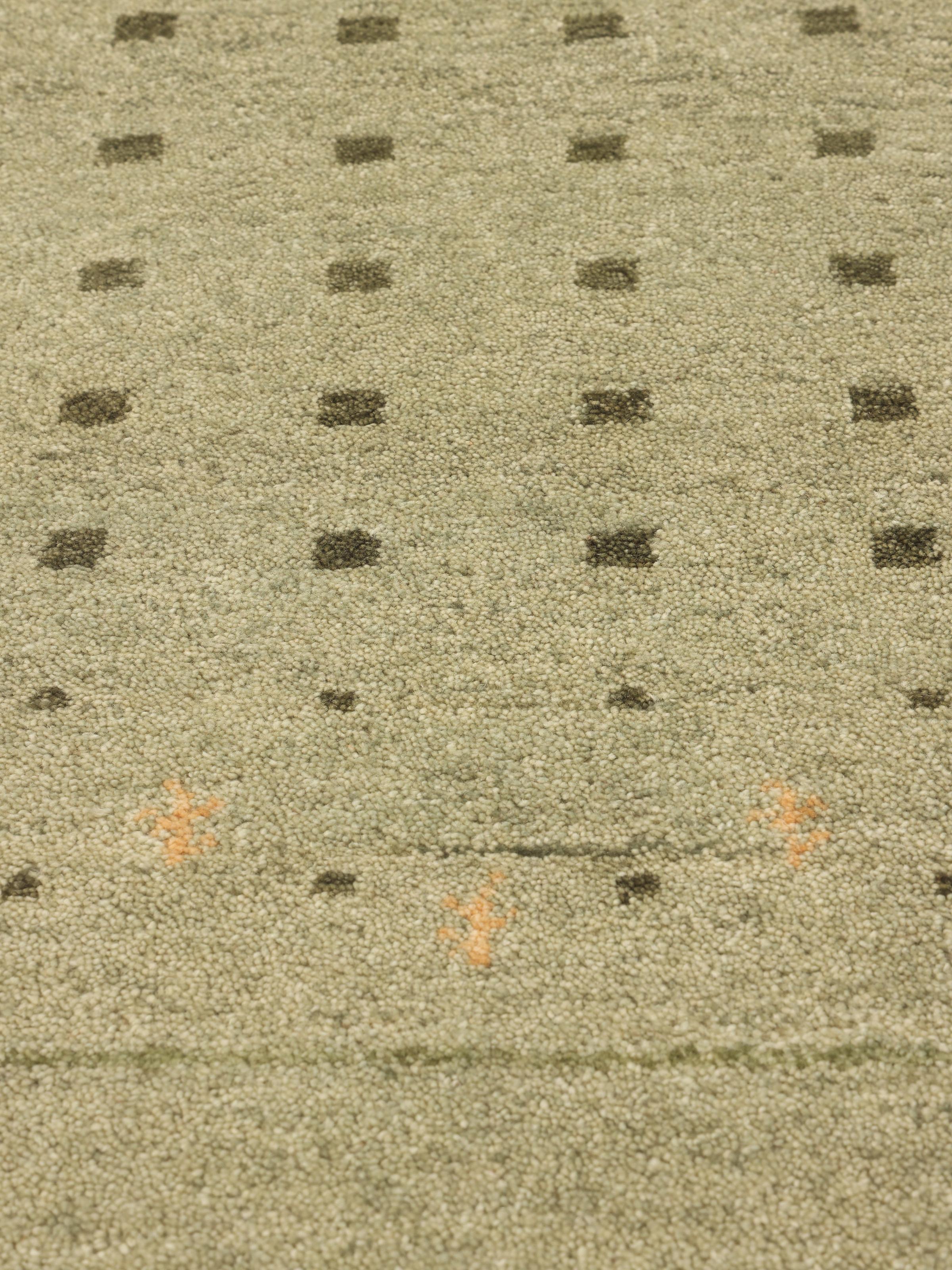
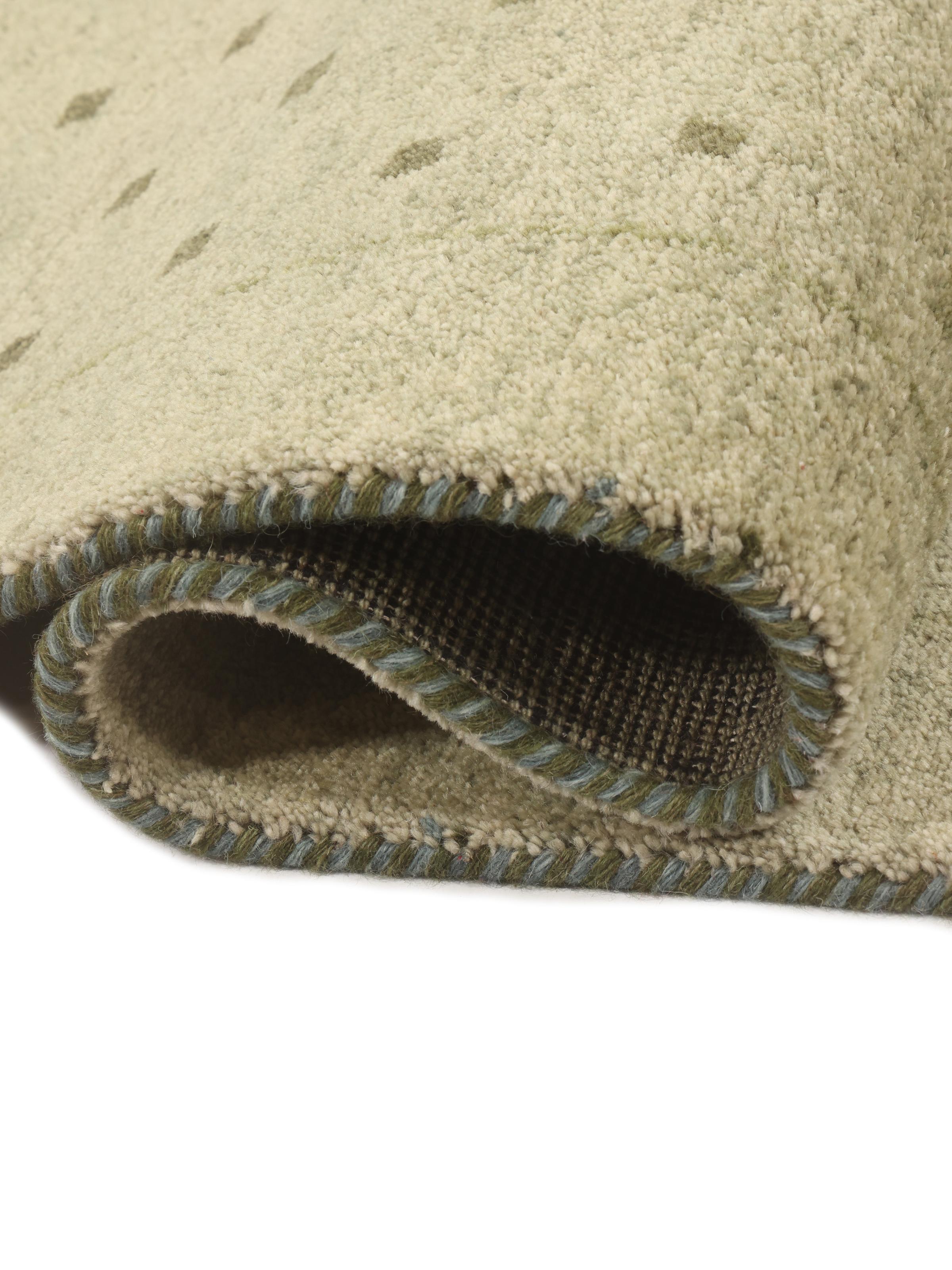
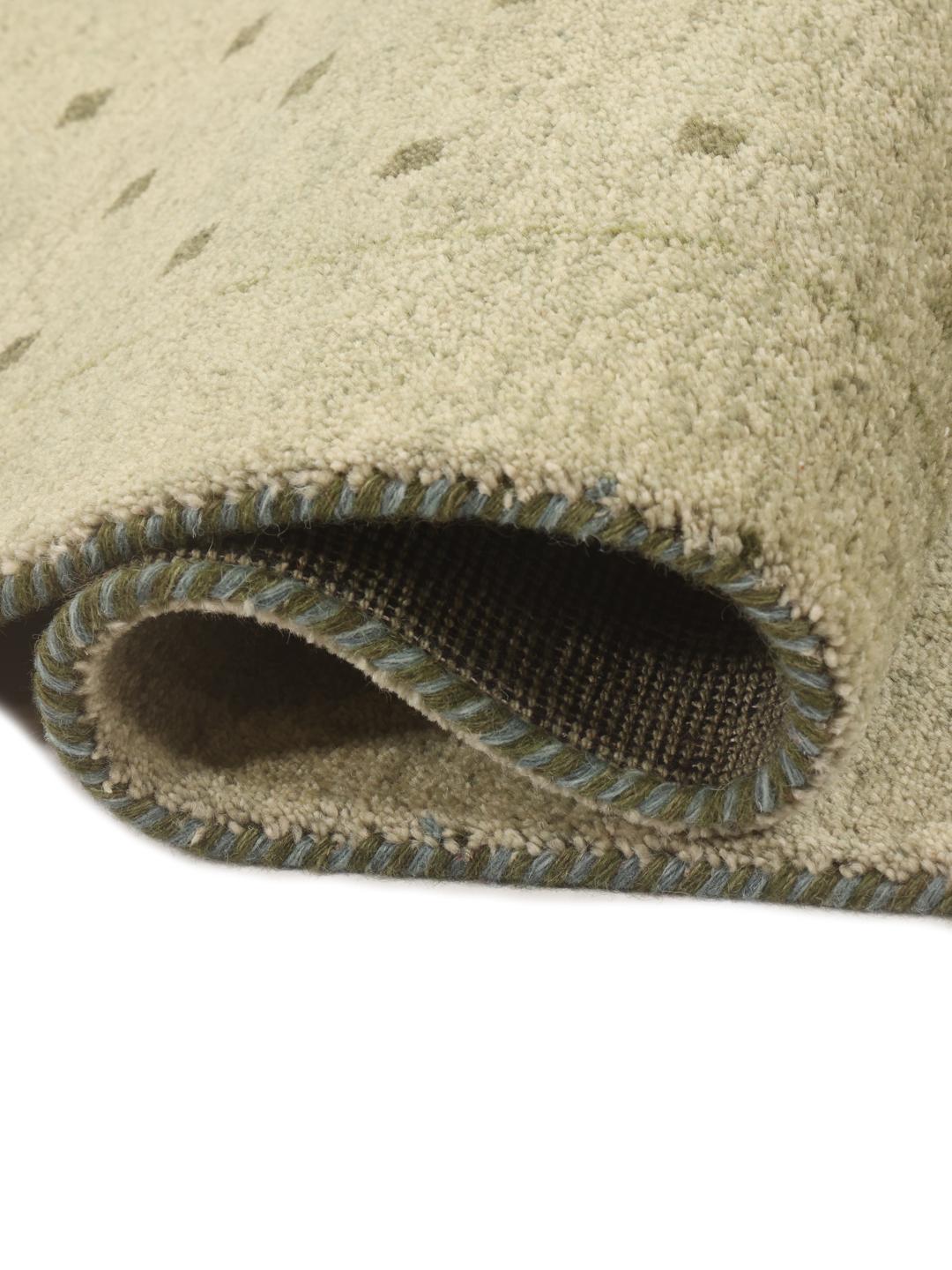
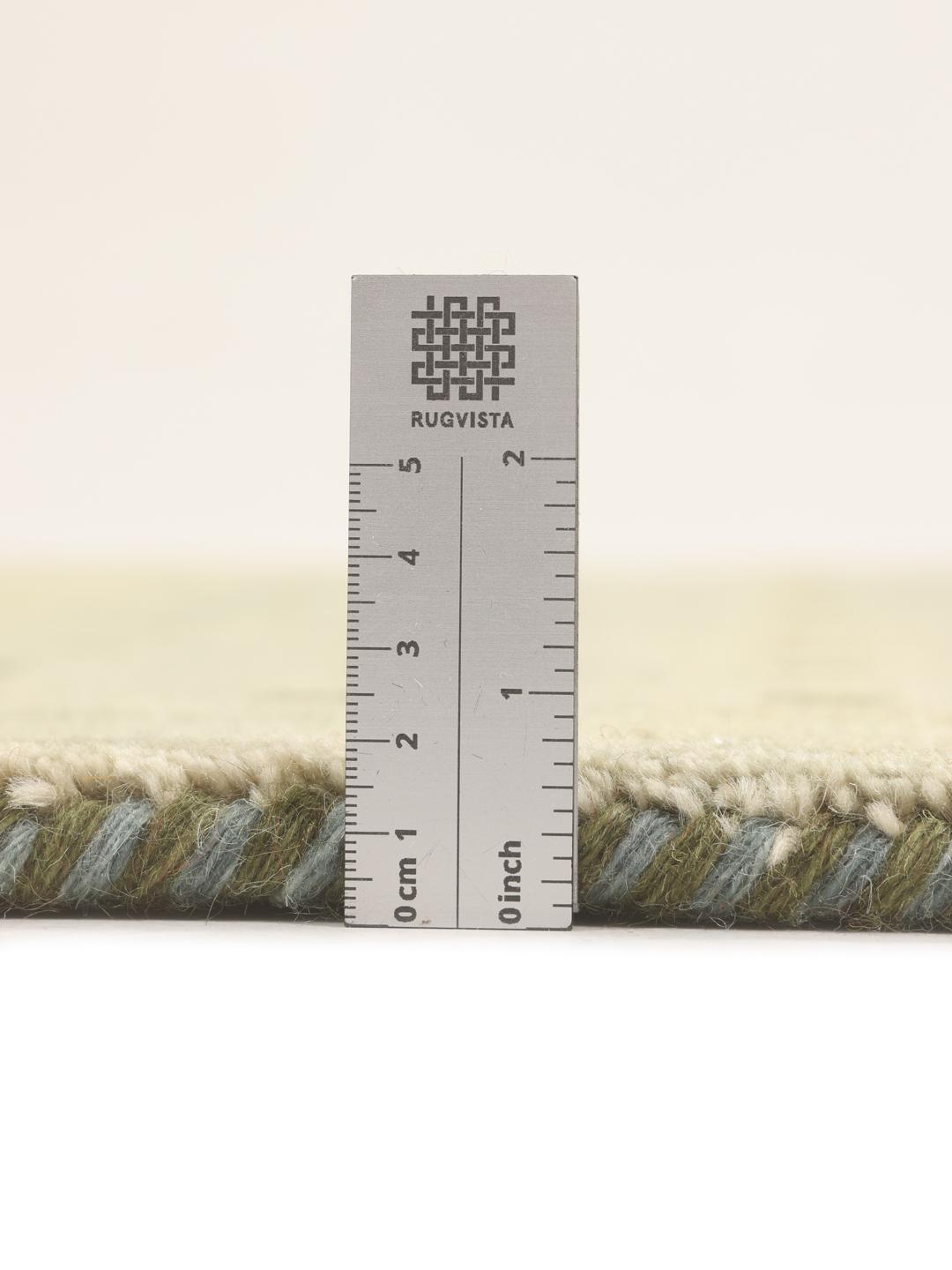
The term 'Gabbeh' itself refers to a rug that is 'raw' or 'natural' in spirit, often characterised by a thicker pile and simpler, more abstract designs compared to formal, city-made rugs. This simplicity is intentional, focusing on the beauty of the material and the character of the weaver's hand. The 18 mm pile depth is a signature of this style, providing the characteristic cushioning and warmth that makes these rugs so beloved in contemporary homes.
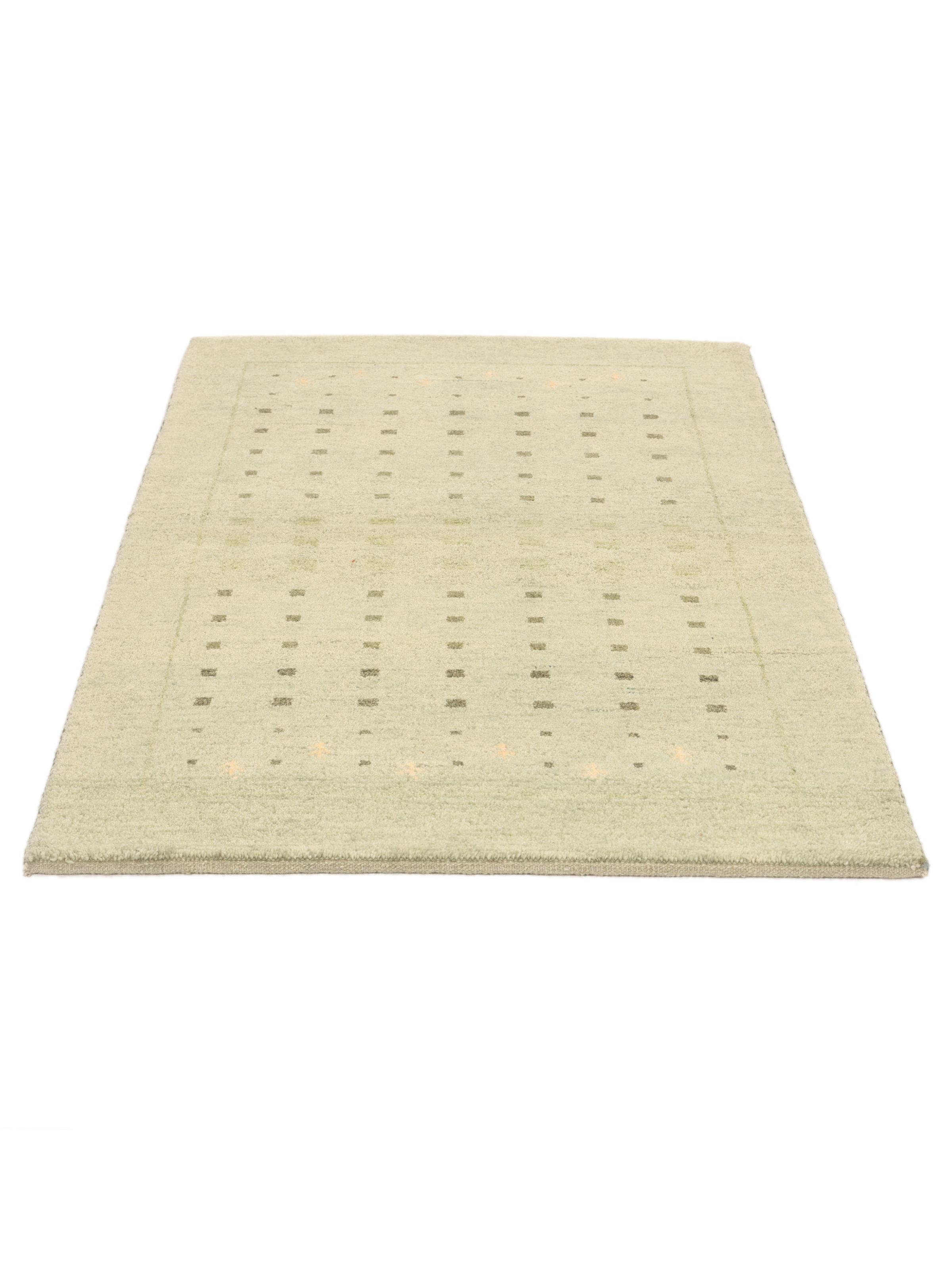
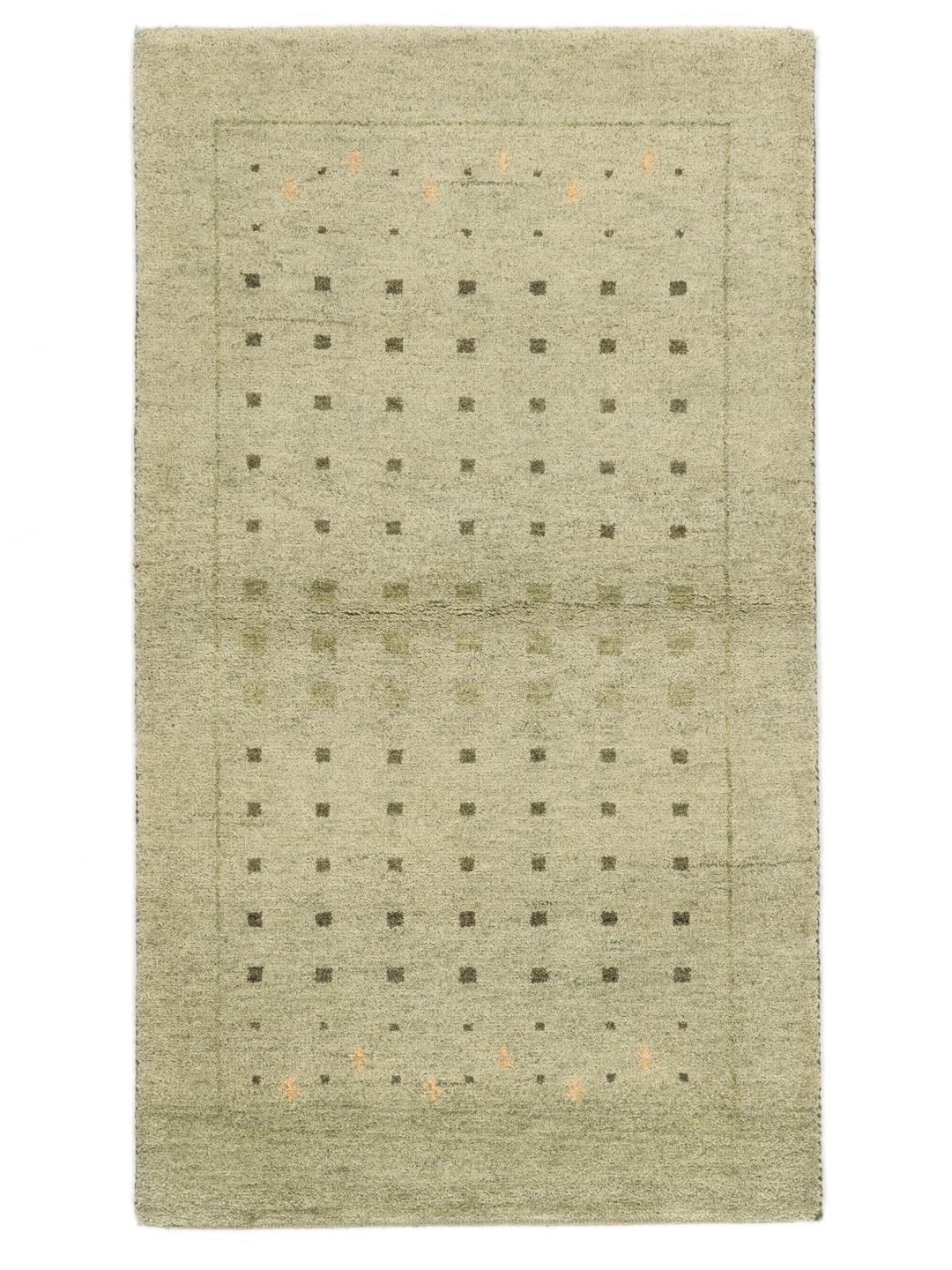
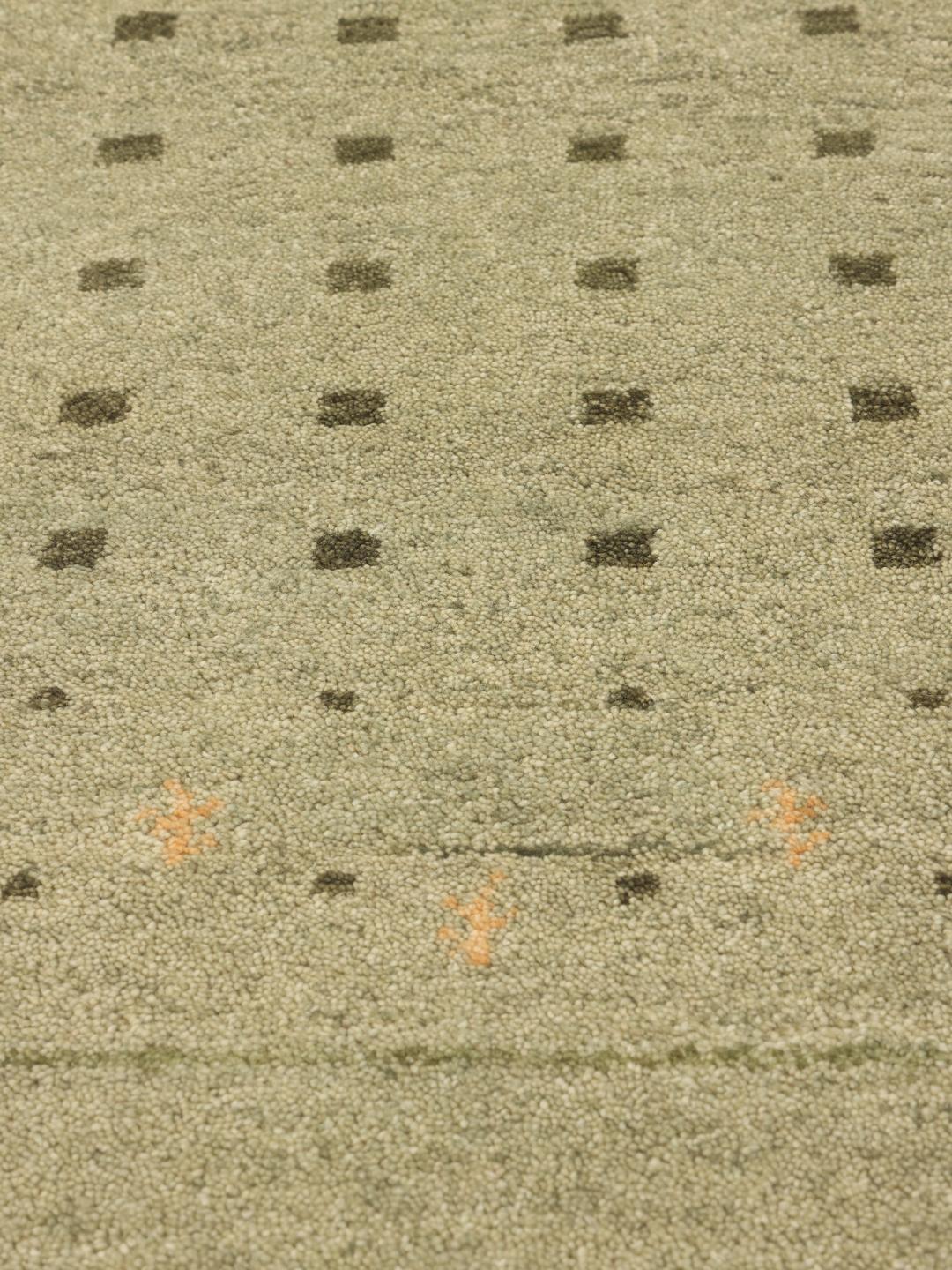
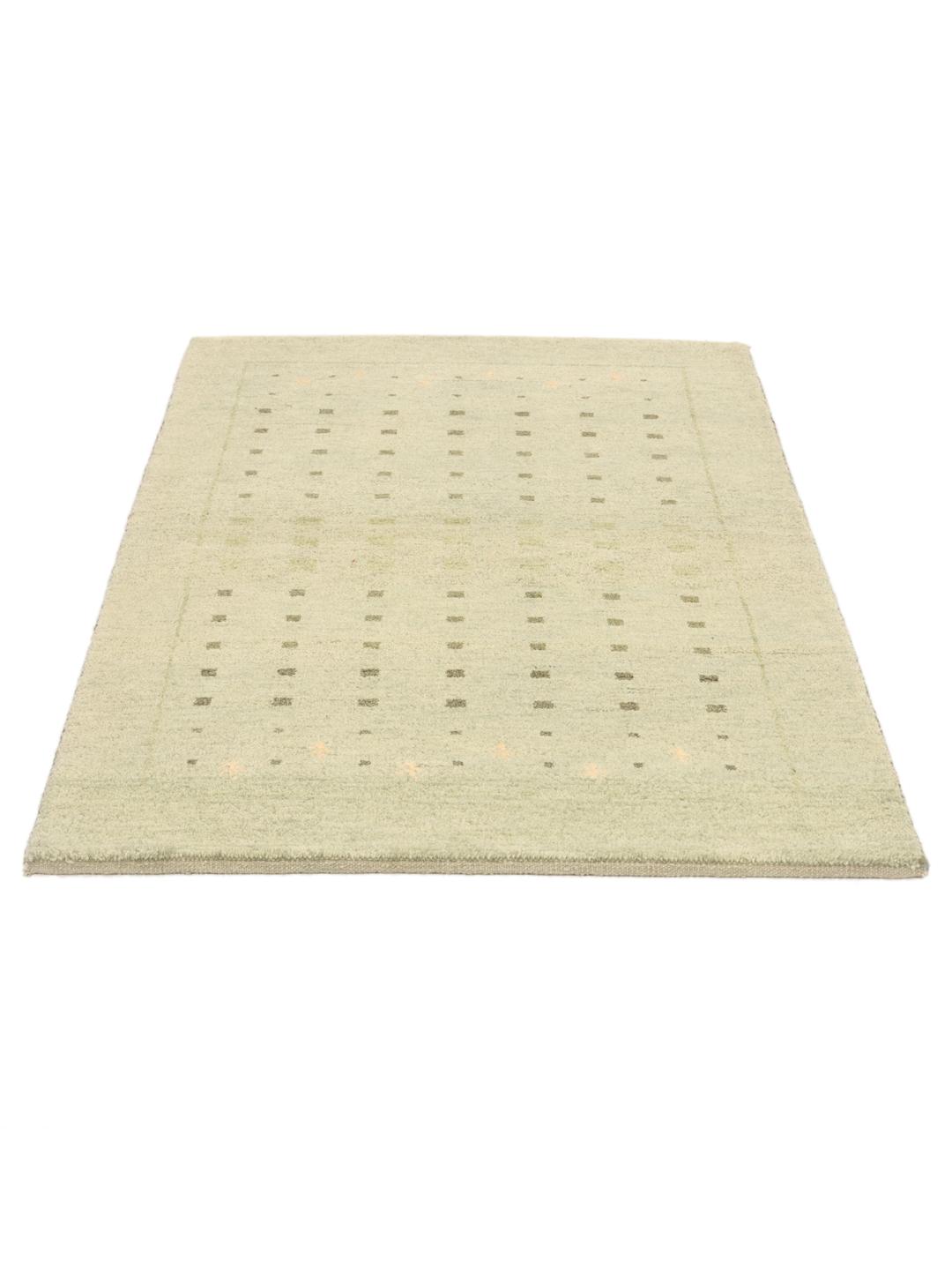
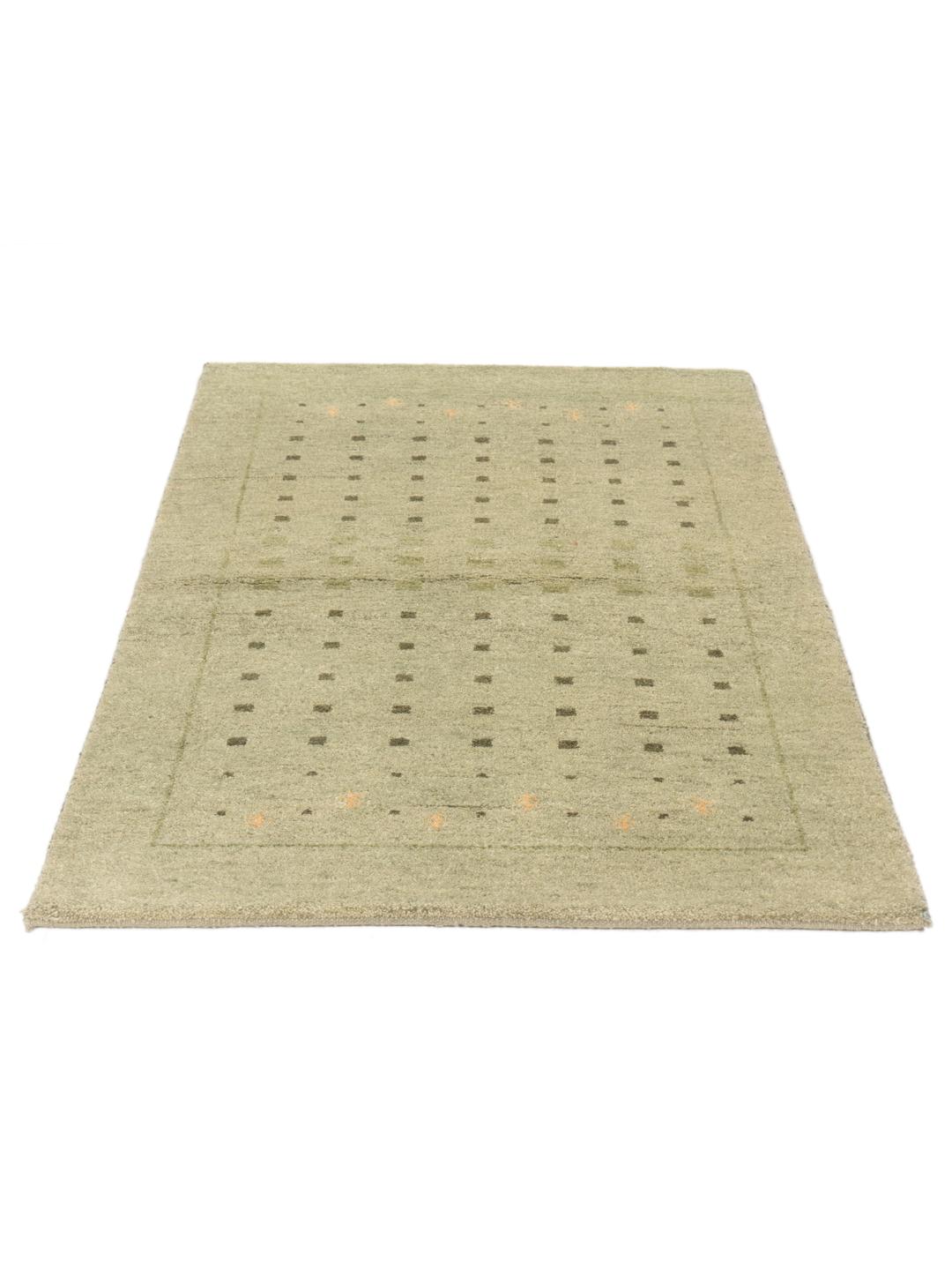
The design of this specific rug features a rhythmic arrangement of dots, a motif that speaks to the Gabbeh tradition of using negative space to create balance. While many traditional rugs are filled with complex, dense patterns, the Gabbeh tradition often embraces a more open field. This minimalist approach allows the natural variations in the wool and the soft green tones to shine, highlighting the rug's organic beauty.
Collecting a Gabbeh rug is an investment in a living tradition. These pieces are valued for their ability to bridge the gap between ancient craft and modern interior design. By bringing a piece like this into your home, you are not just acquiring a rug, but a connection to a long history of human skill and creativity. It is a choice that celebrates the beauty of imperfection and the enduring value of handmade objects.