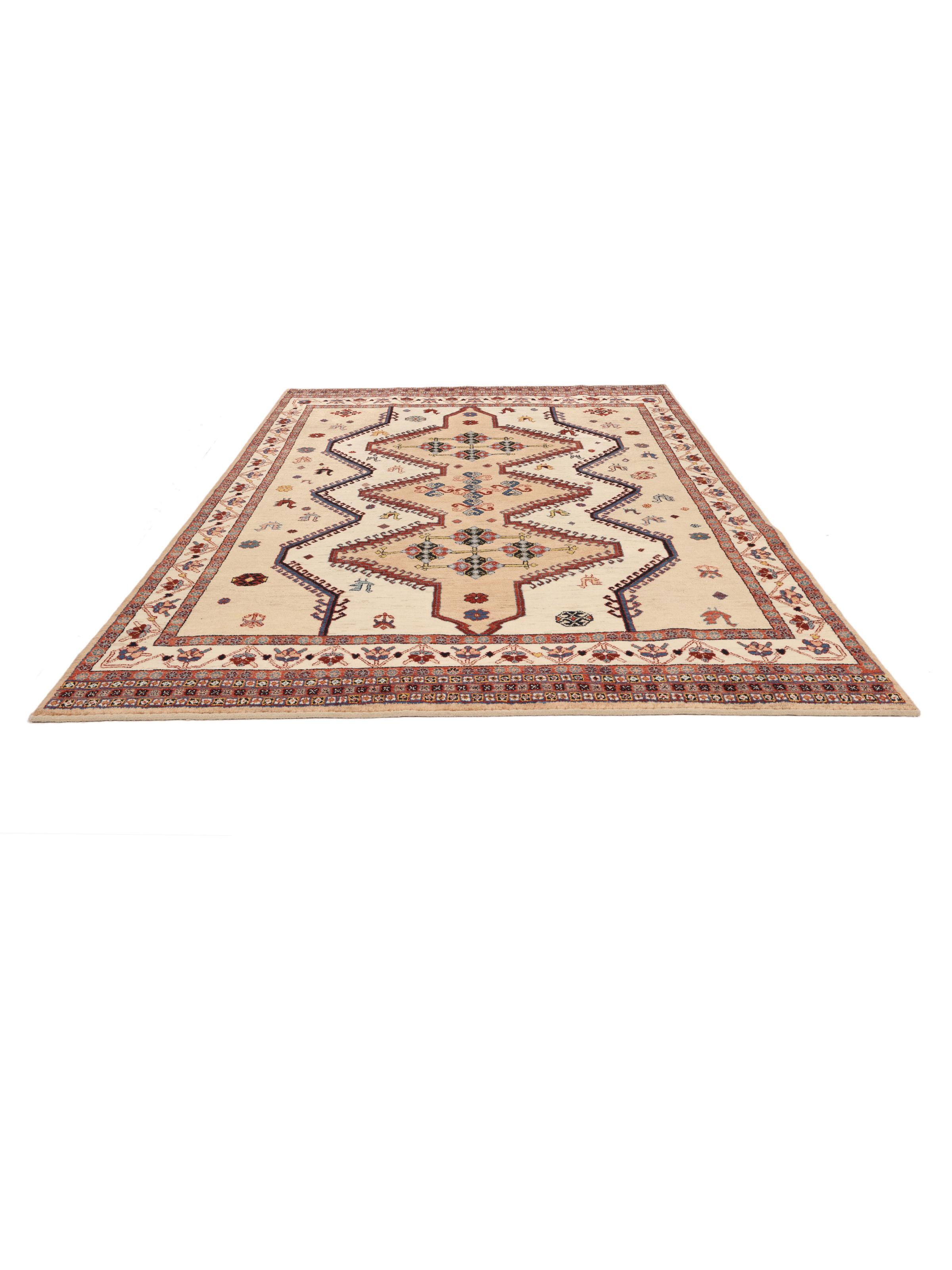
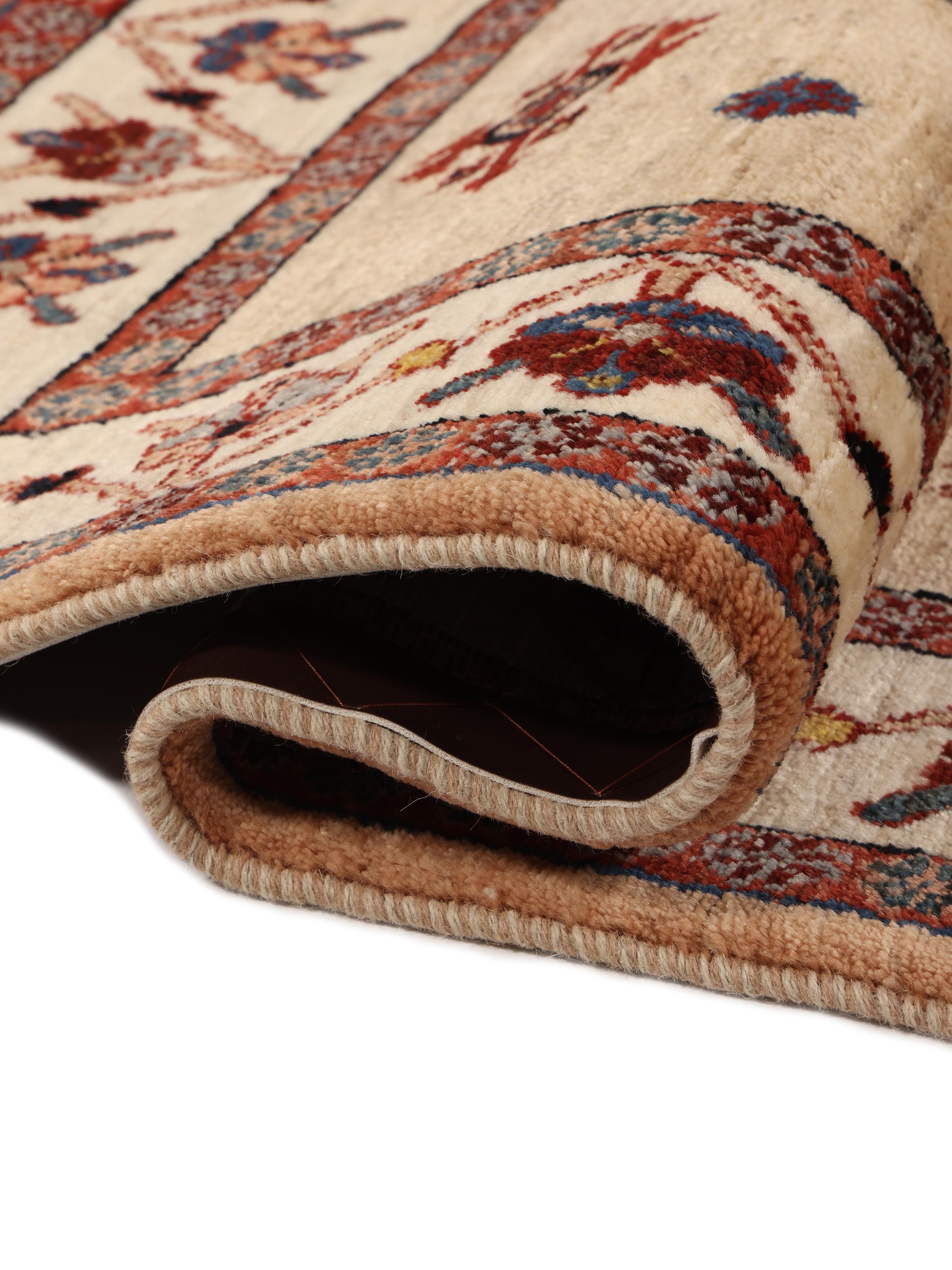
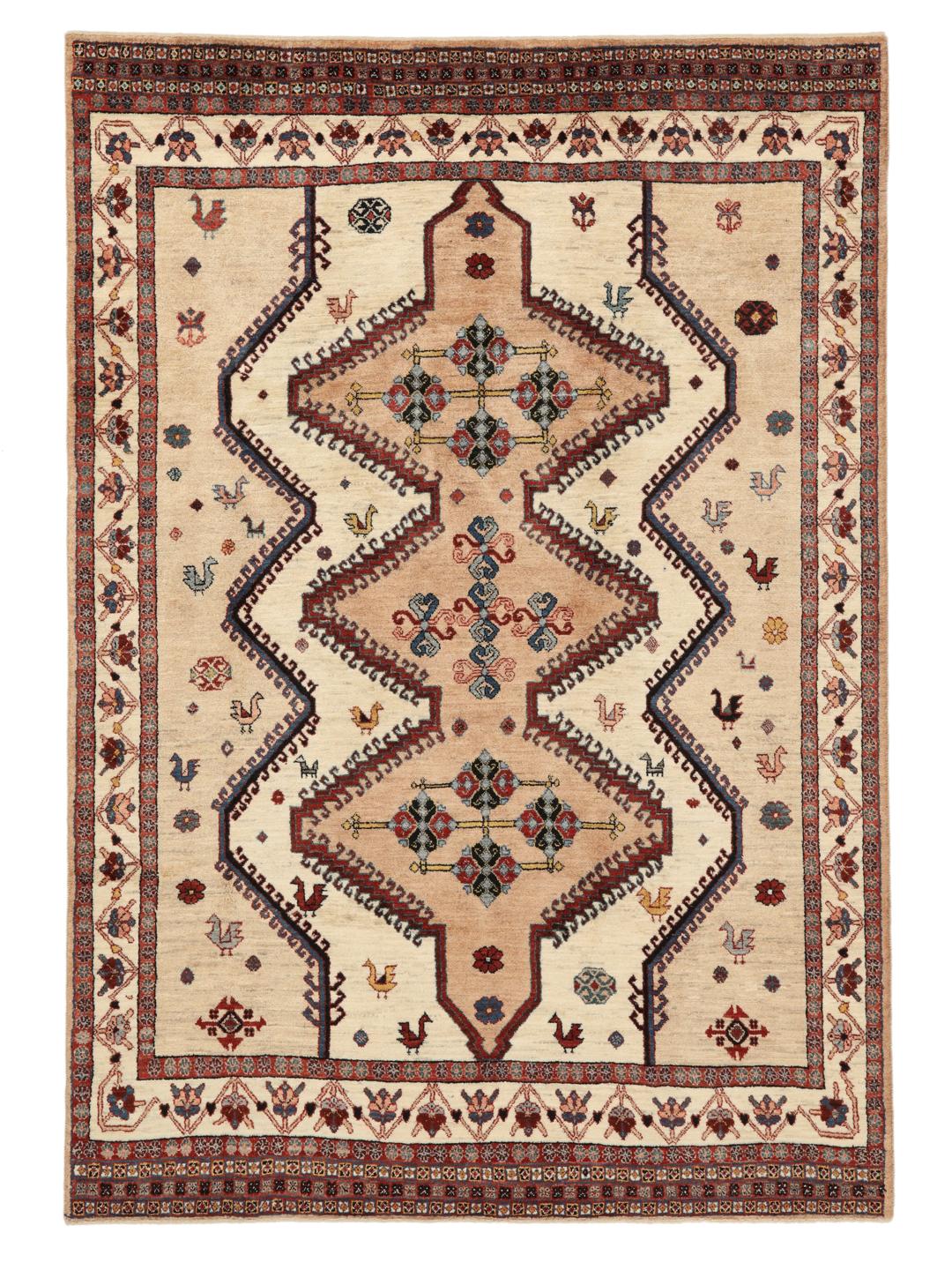
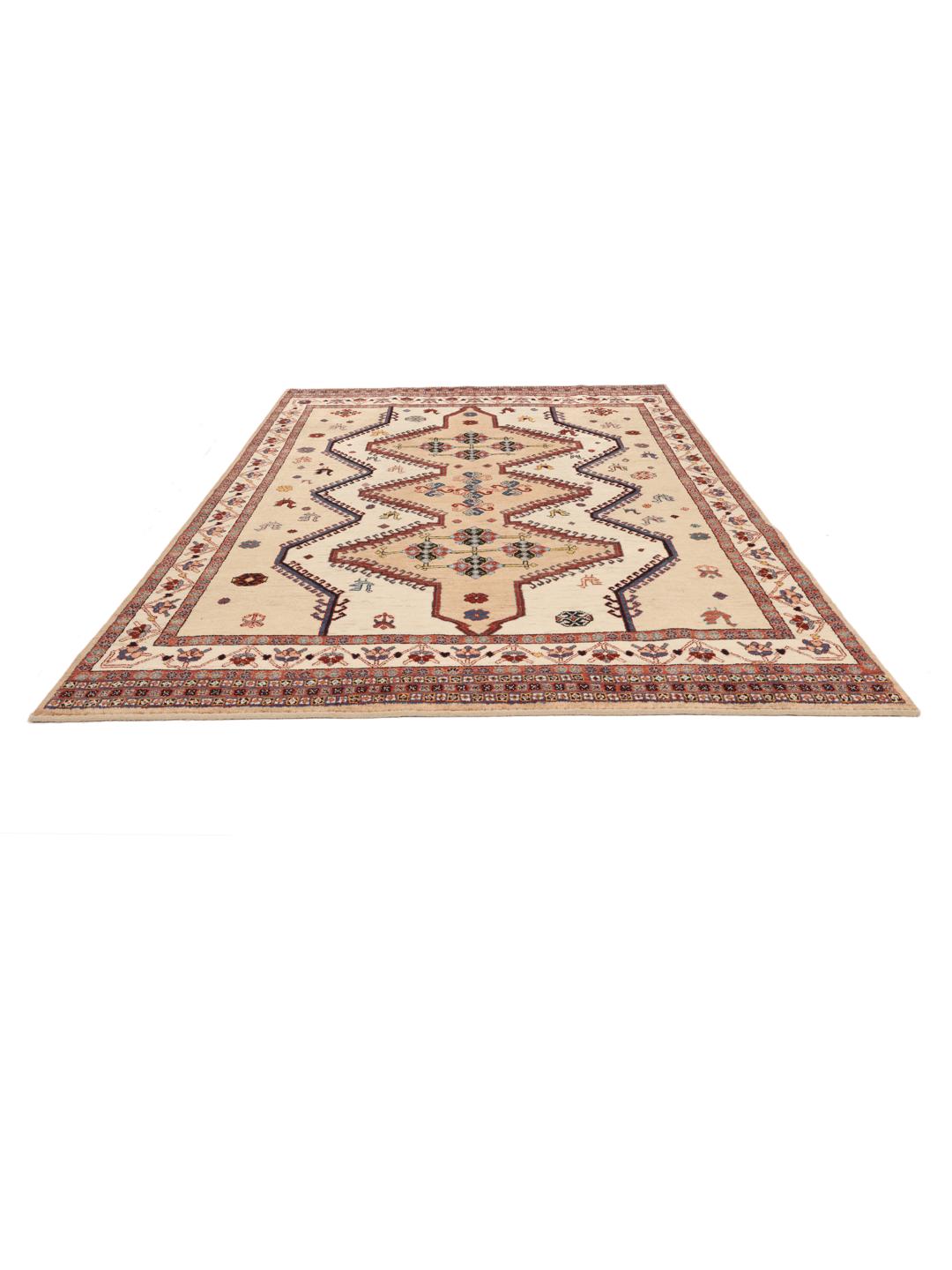
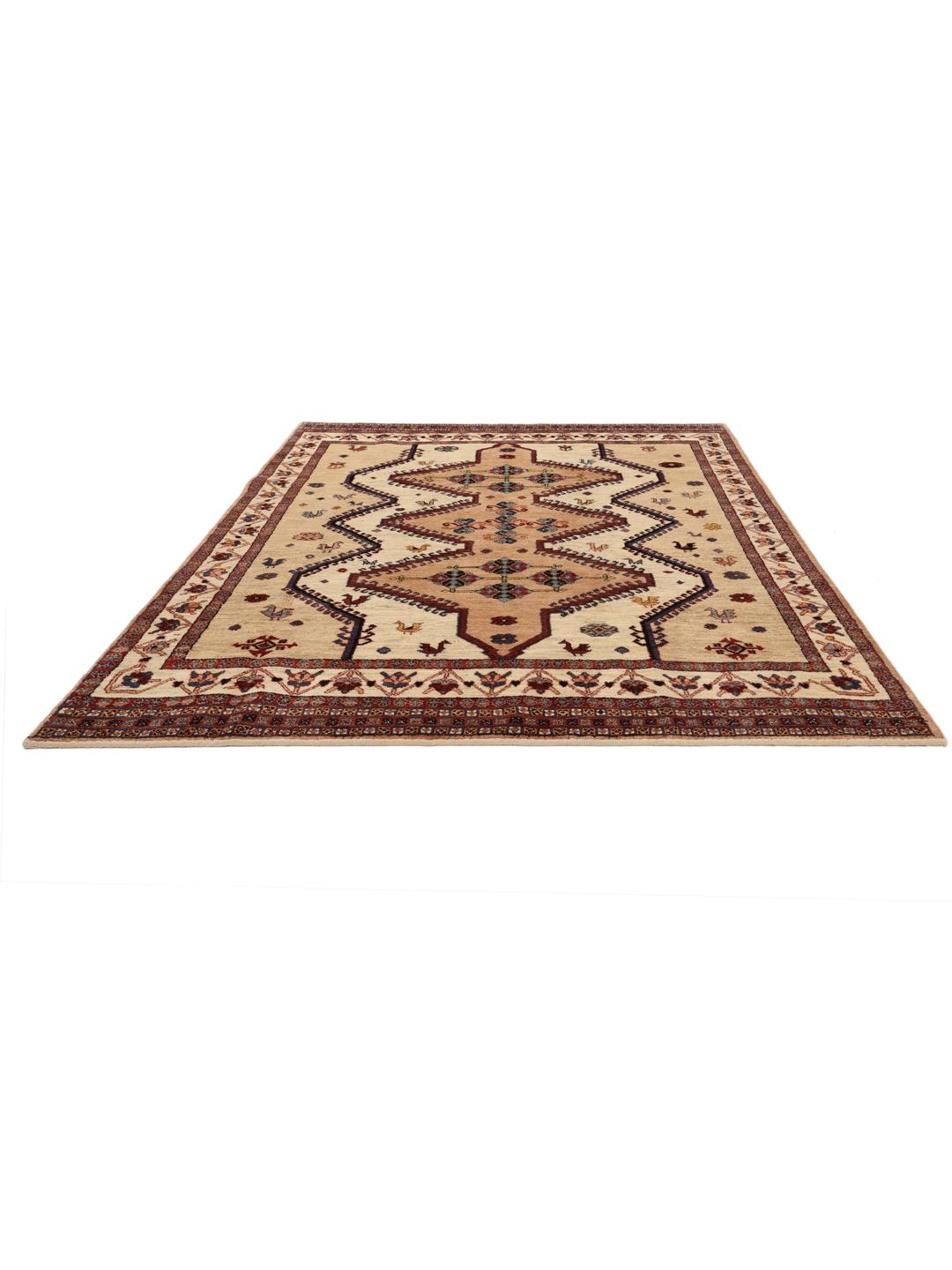
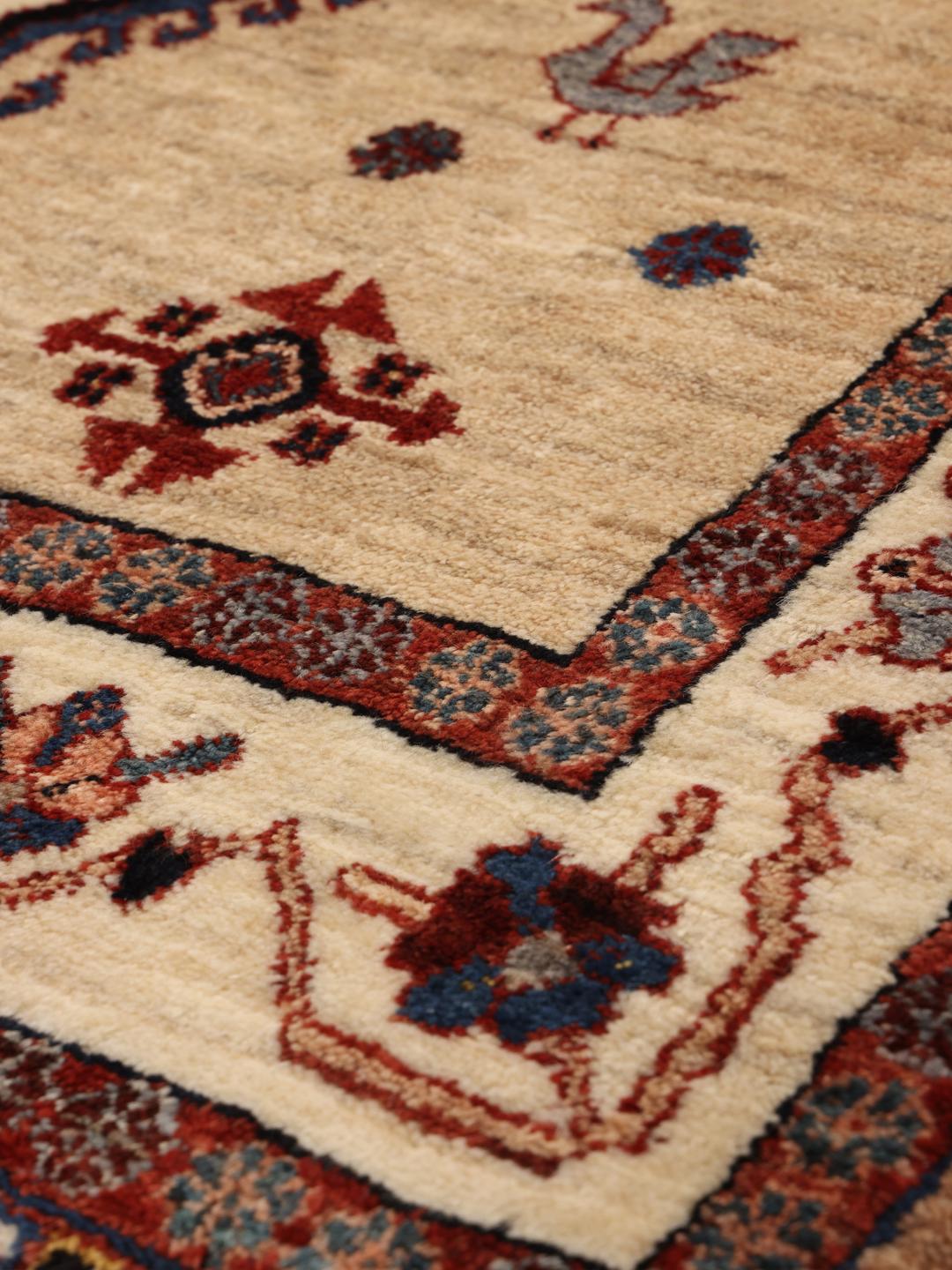
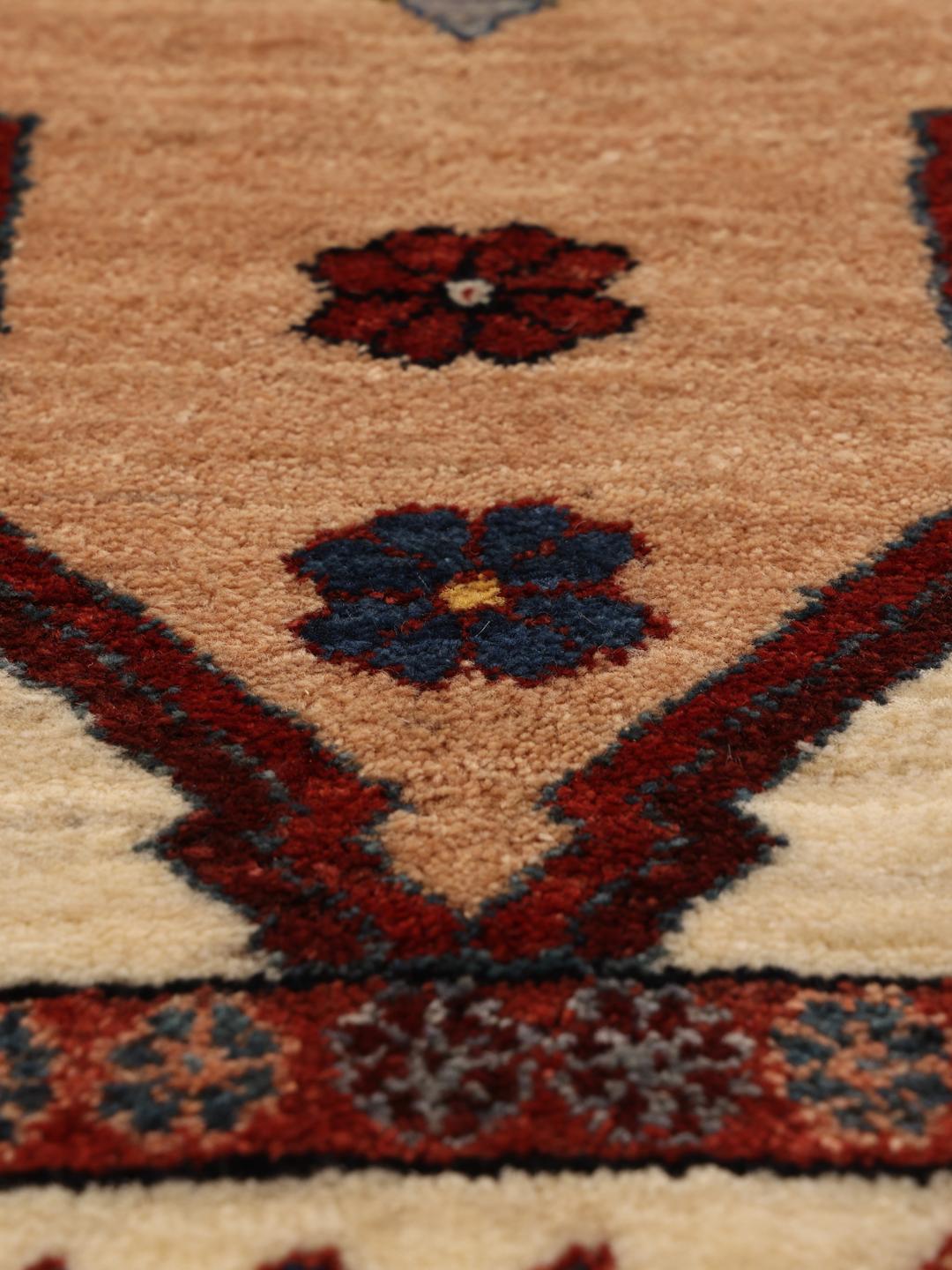
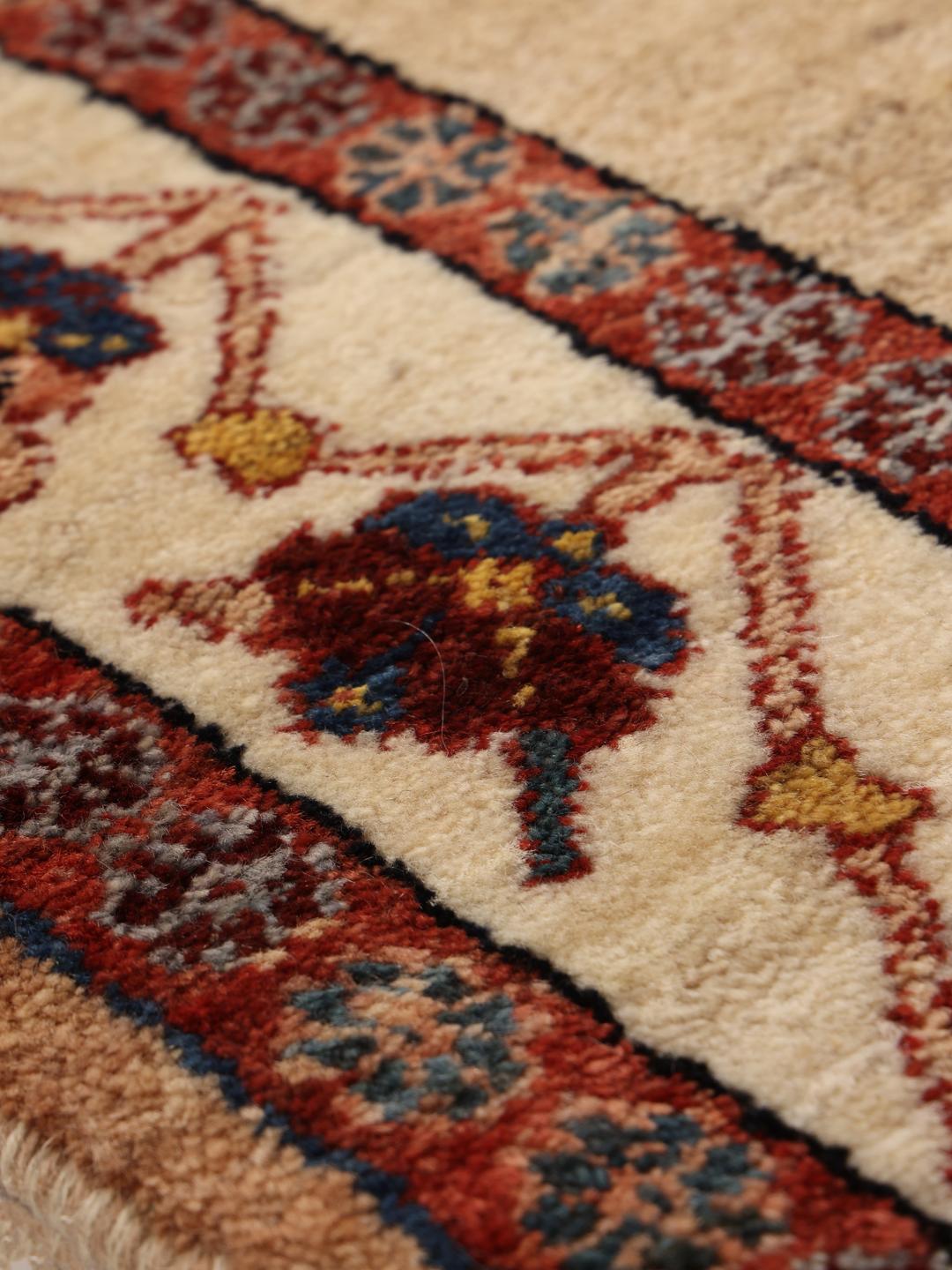
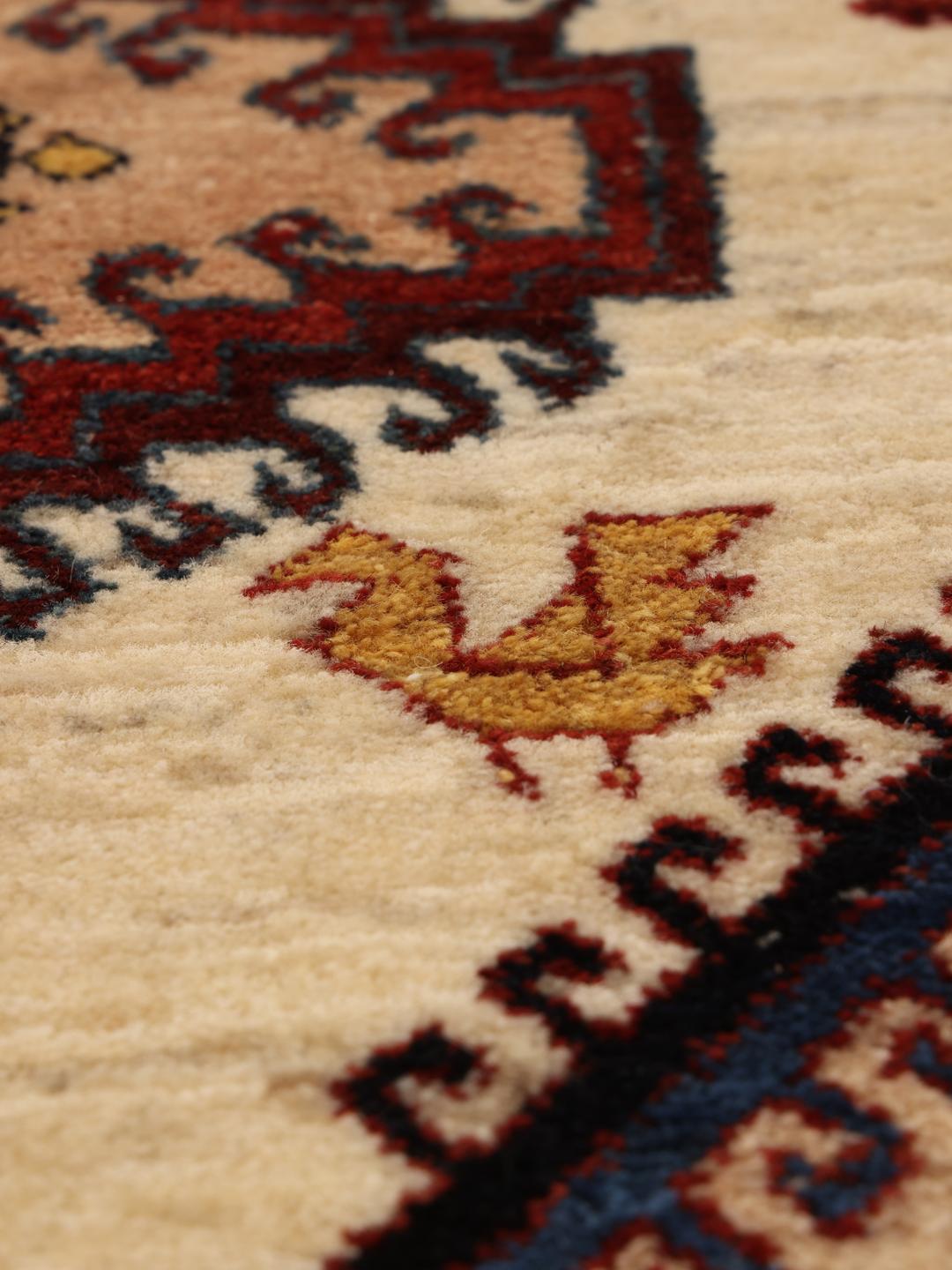
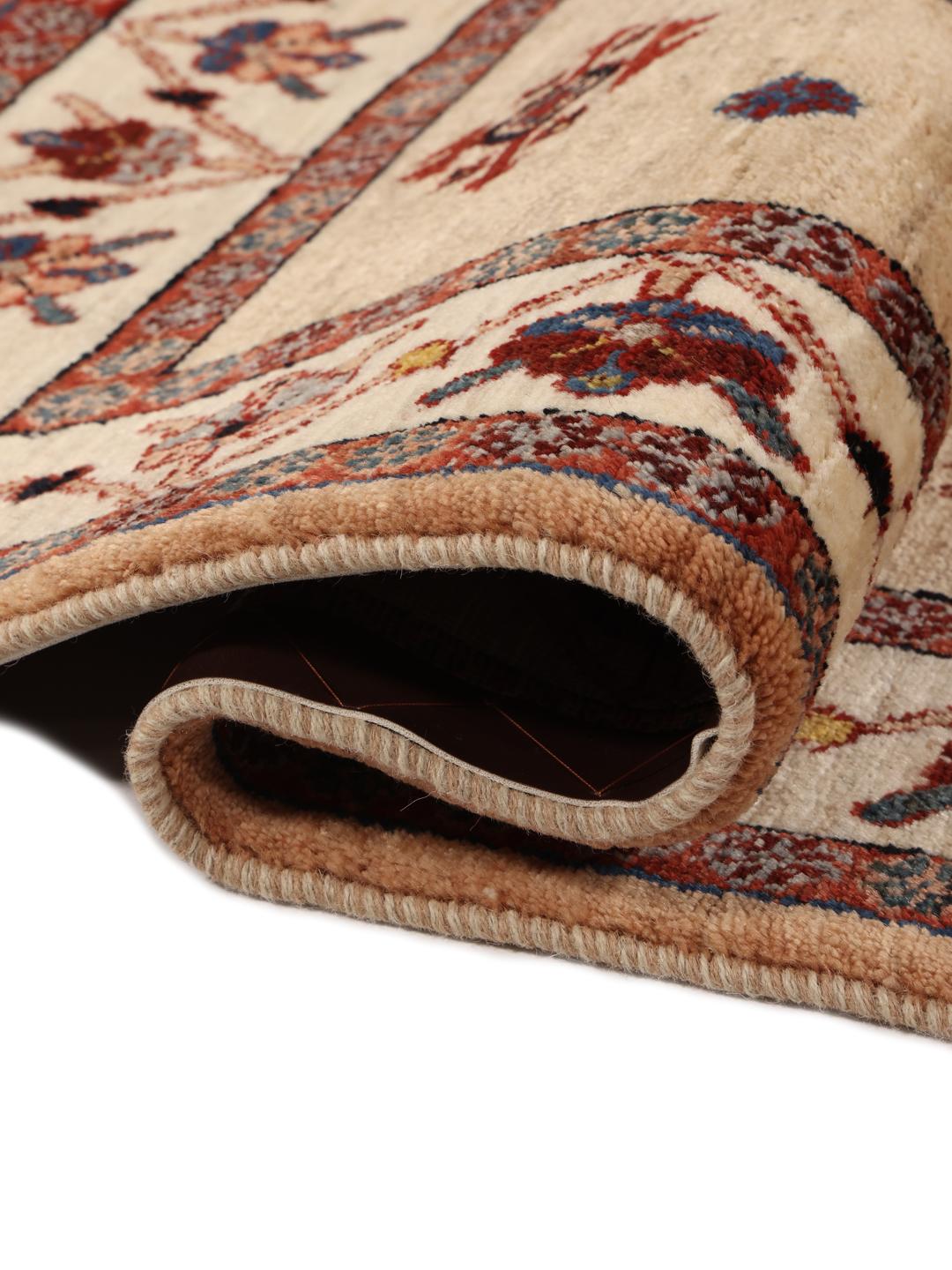
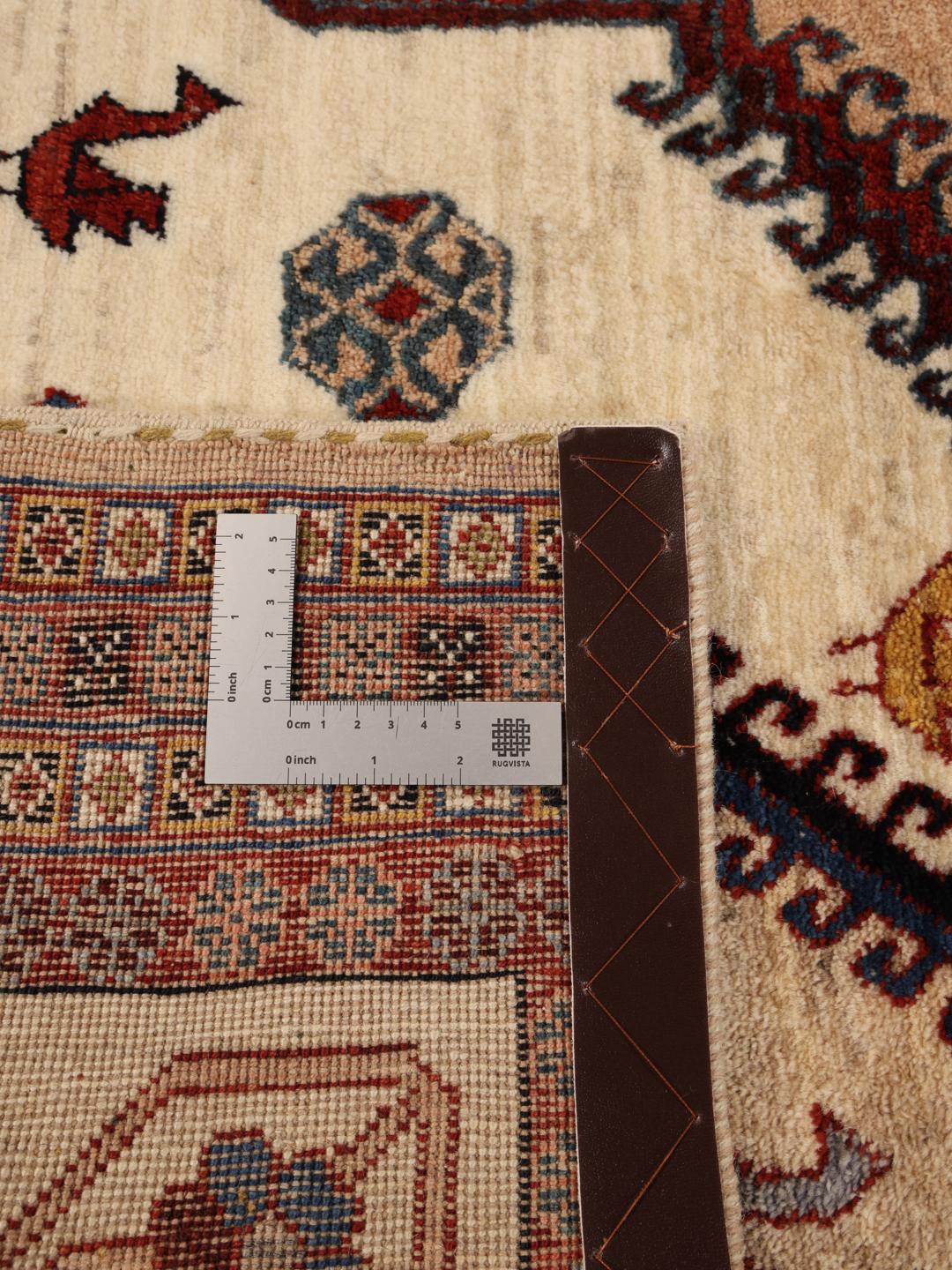
Gabbeh rugs have long been celebrated for their raw, honest beauty and connection to the nomadic traditions of the Middle East. Originally woven for personal use by tribal families, these rugs were designed to provide warmth and comfort in harsh environments, often using the wool from the family's own flocks.
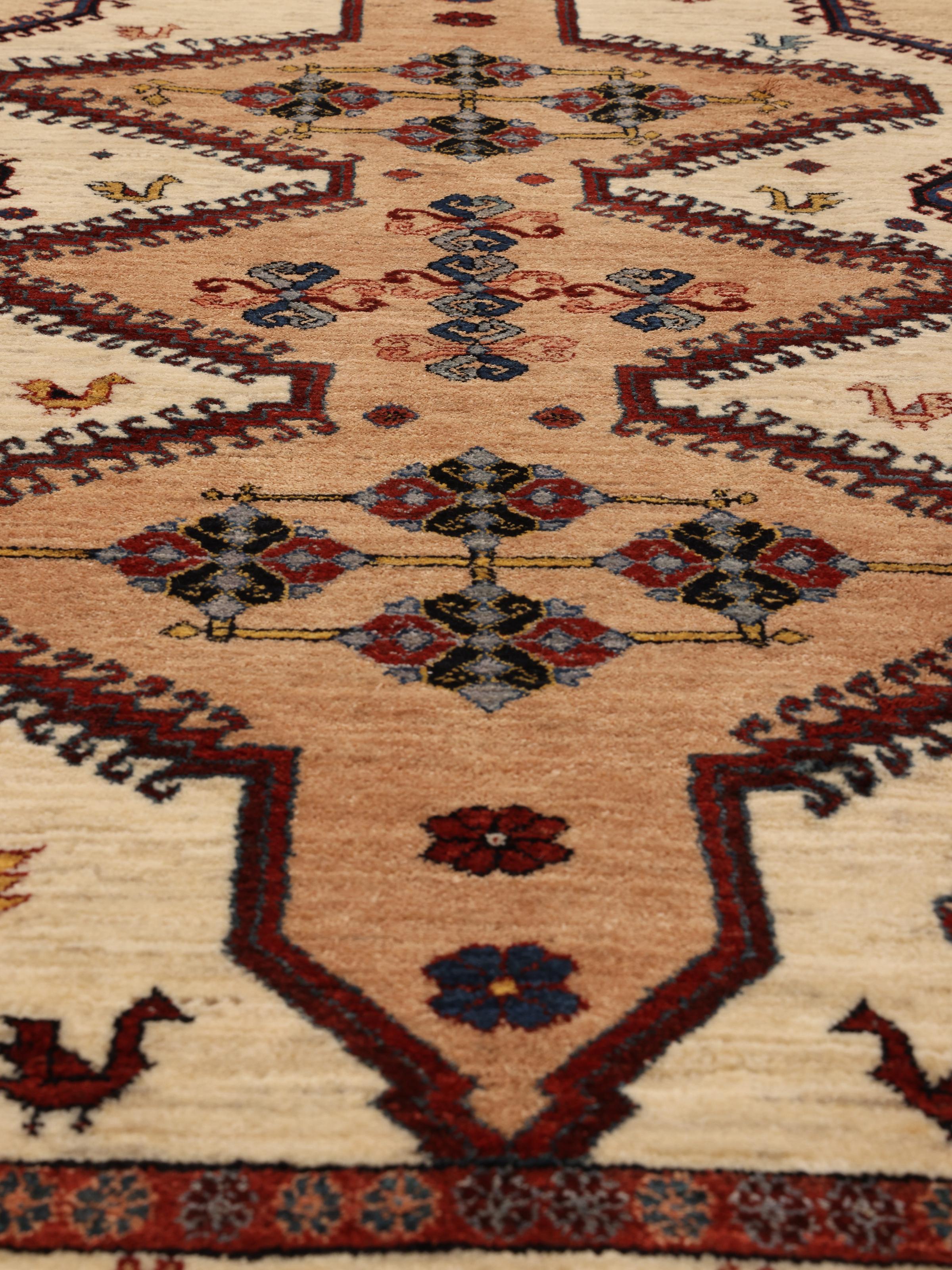
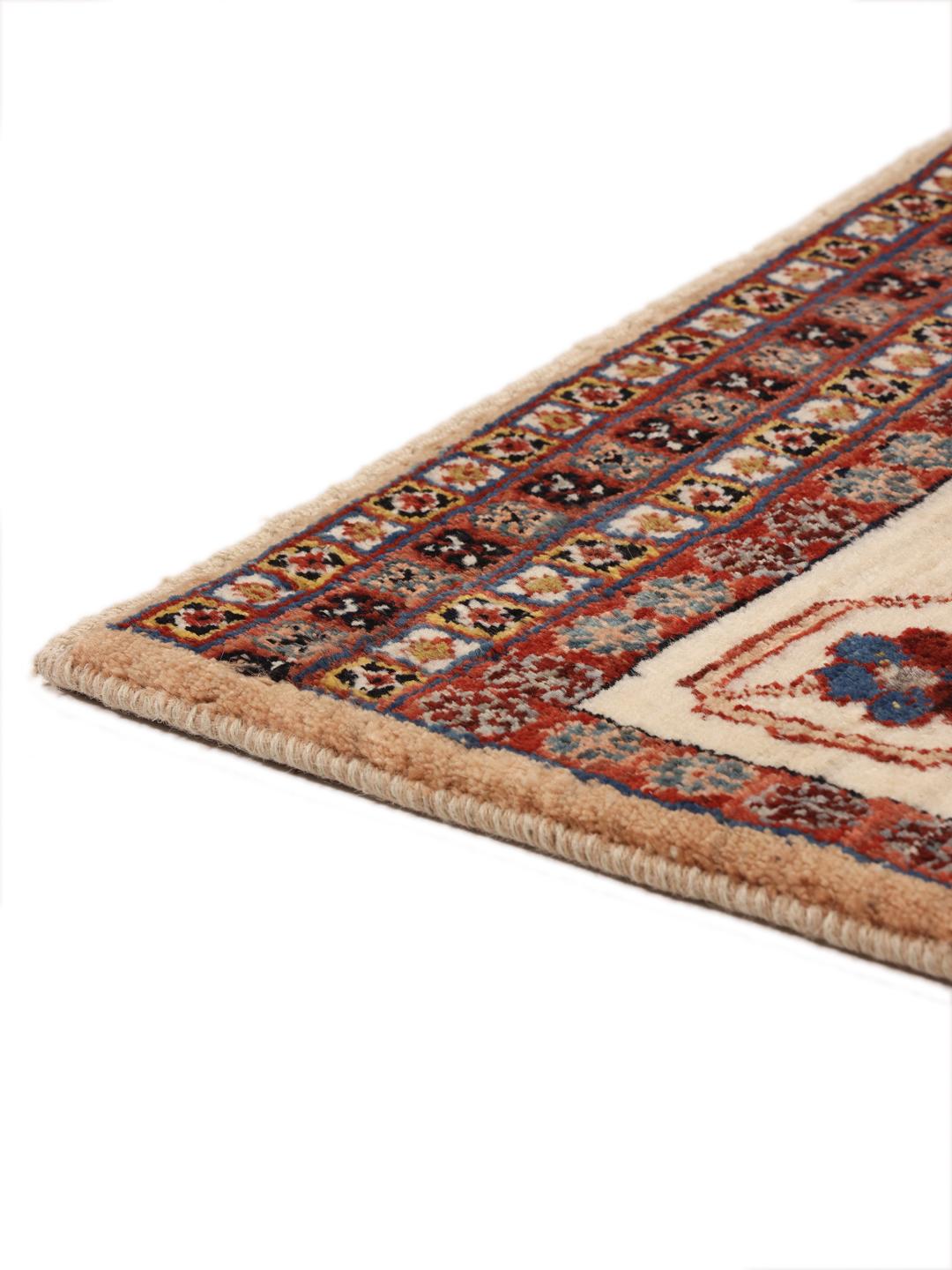
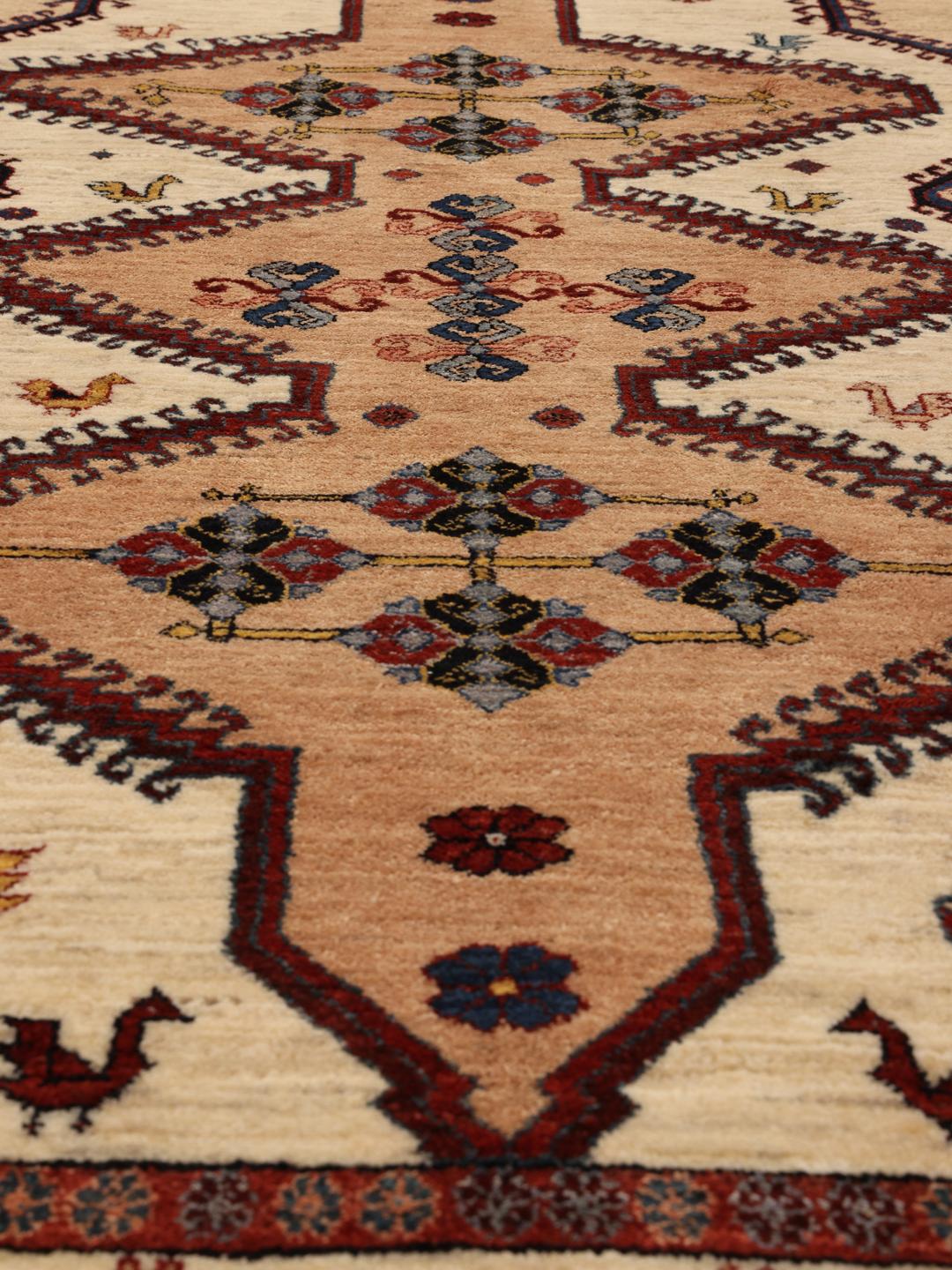
The term 'Kashkooli' refers to a specific, more refined style within the broader Gabbeh tradition. While traditional Gabbehs are known for their bold, minimalist aesthetic, Kashkooli pieces often incorporate more intricate, smaller-scale patterns and a higher level of detail, bridging the gap between rustic tribal art and more formal, complex designs.
The visual language of this rug is deeply rooted in storytelling. The various pictorial motifs, such as the animals and stylized figures scattered across the field, represent elements of the weaver's daily life, their surroundings, and their cultural heritage. These patterns are not merely decorative but are symbolic expressions of the weaver's environment.
Today, these rugs are highly valued by collectors and interior enthusiasts alike for their spontaneity and the human touch present in every weave. By choosing a Gabbeh Kashkooli, you are acquiring a piece of living history that reflects a centuries-old commitment to craft, individuality, and the celebration of traditional artistic expression.