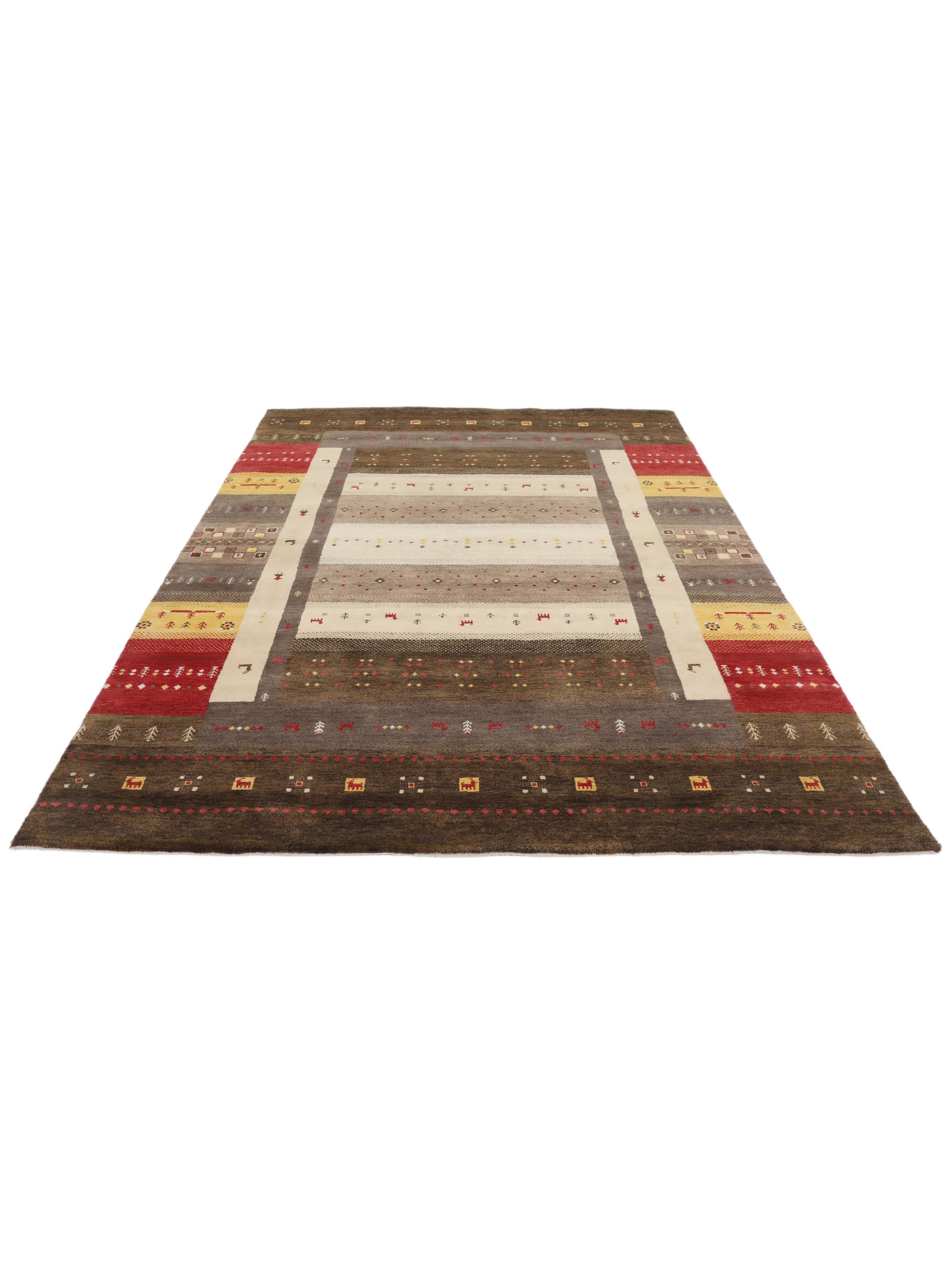
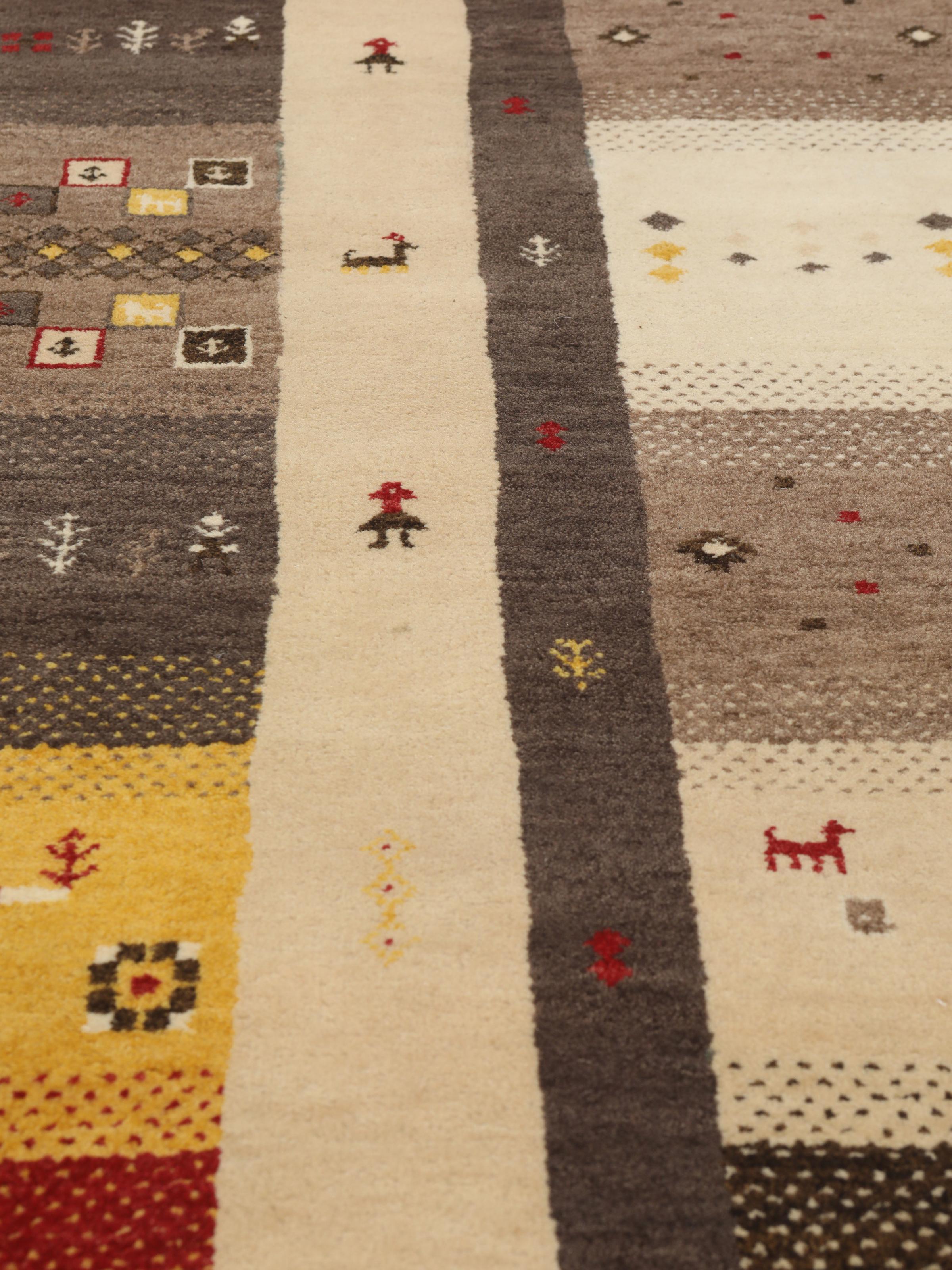
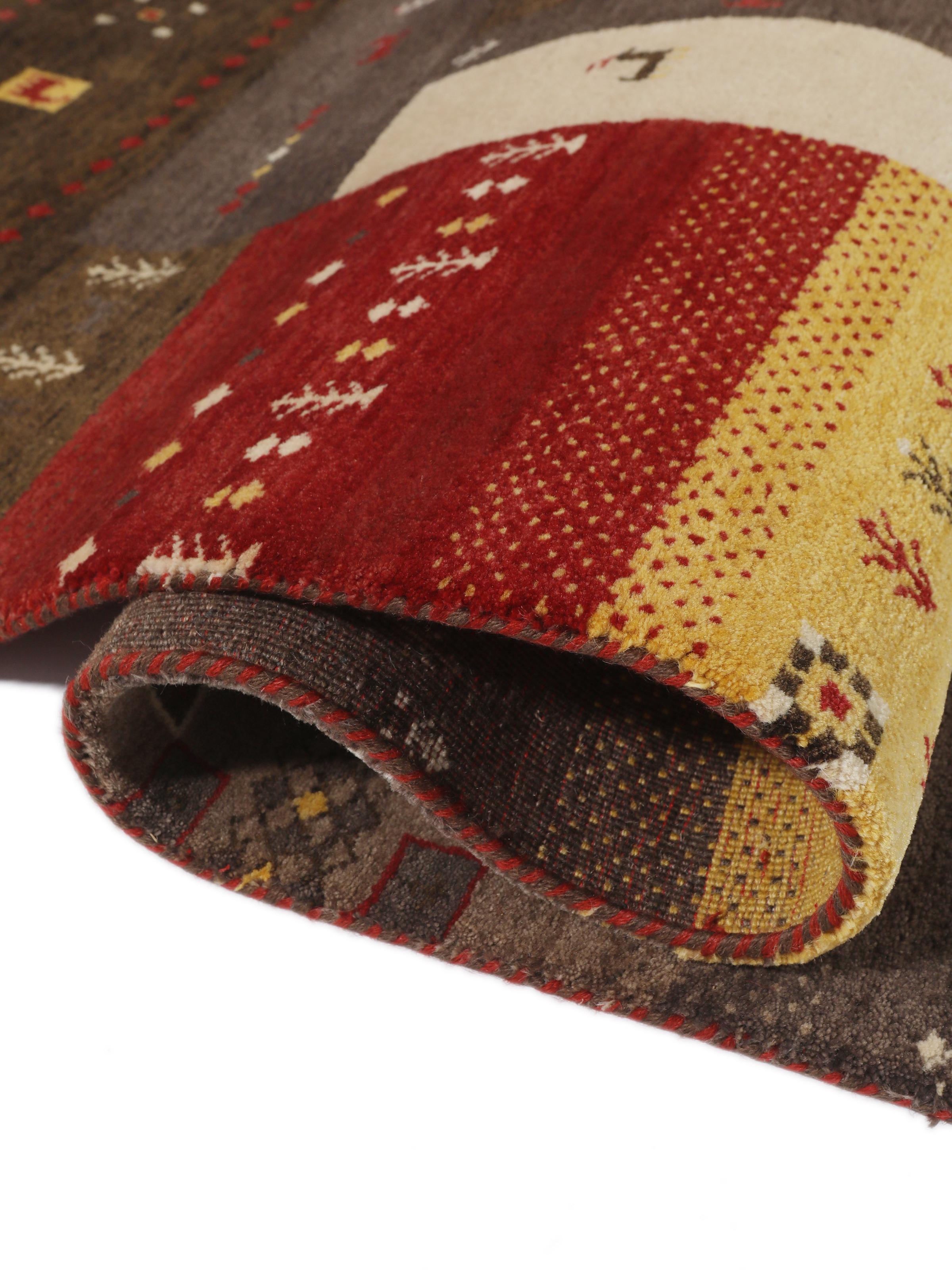
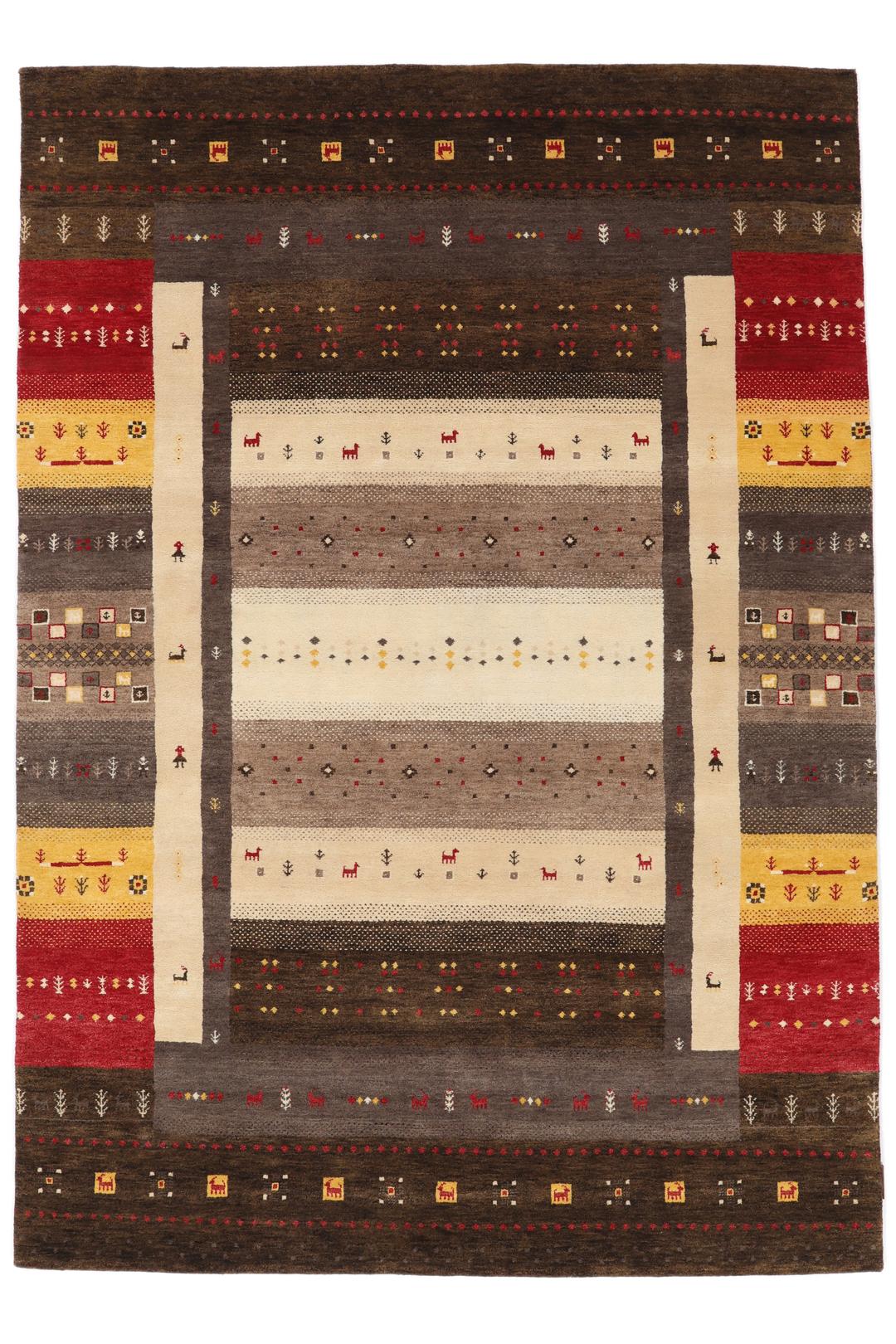
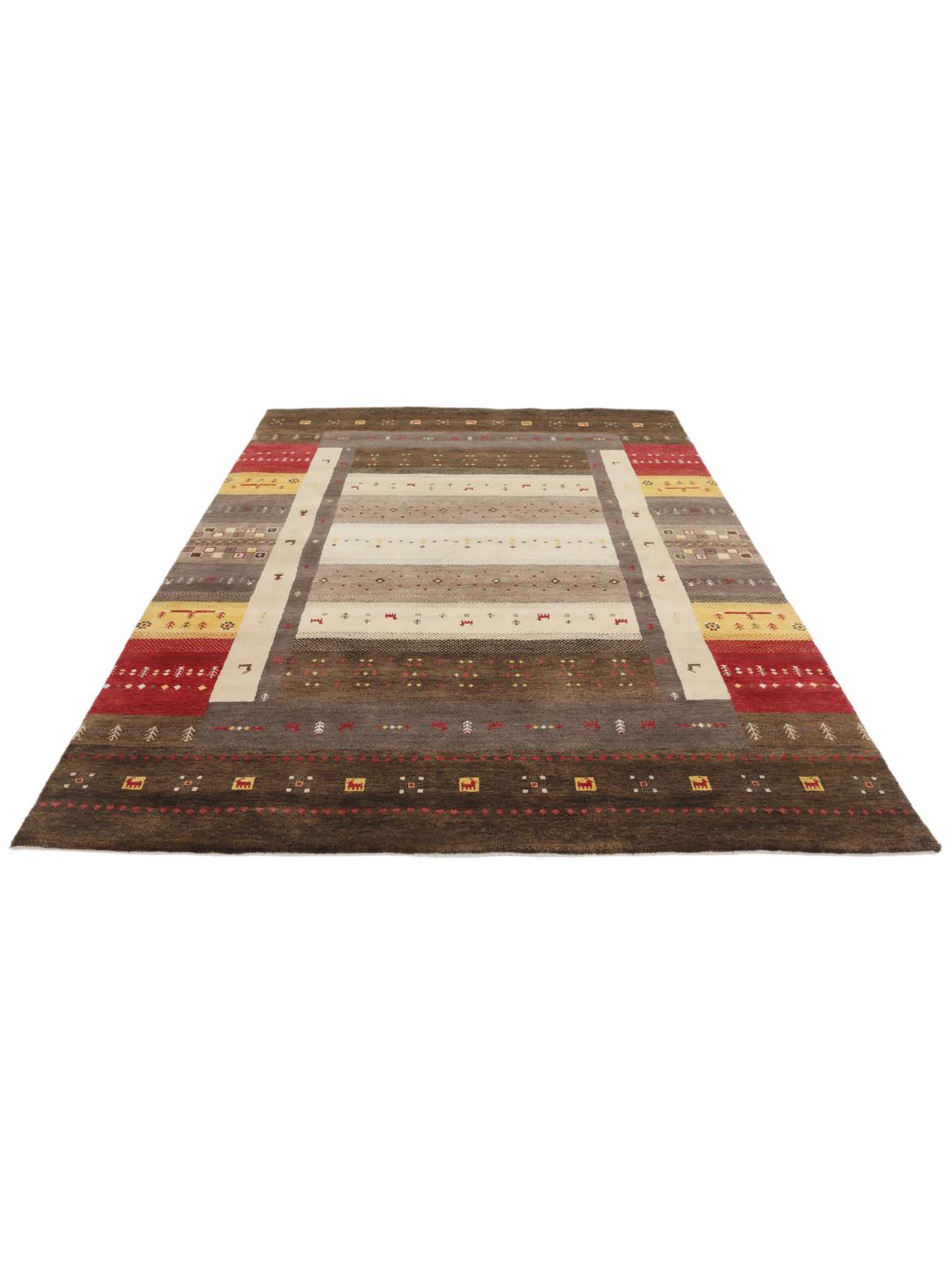
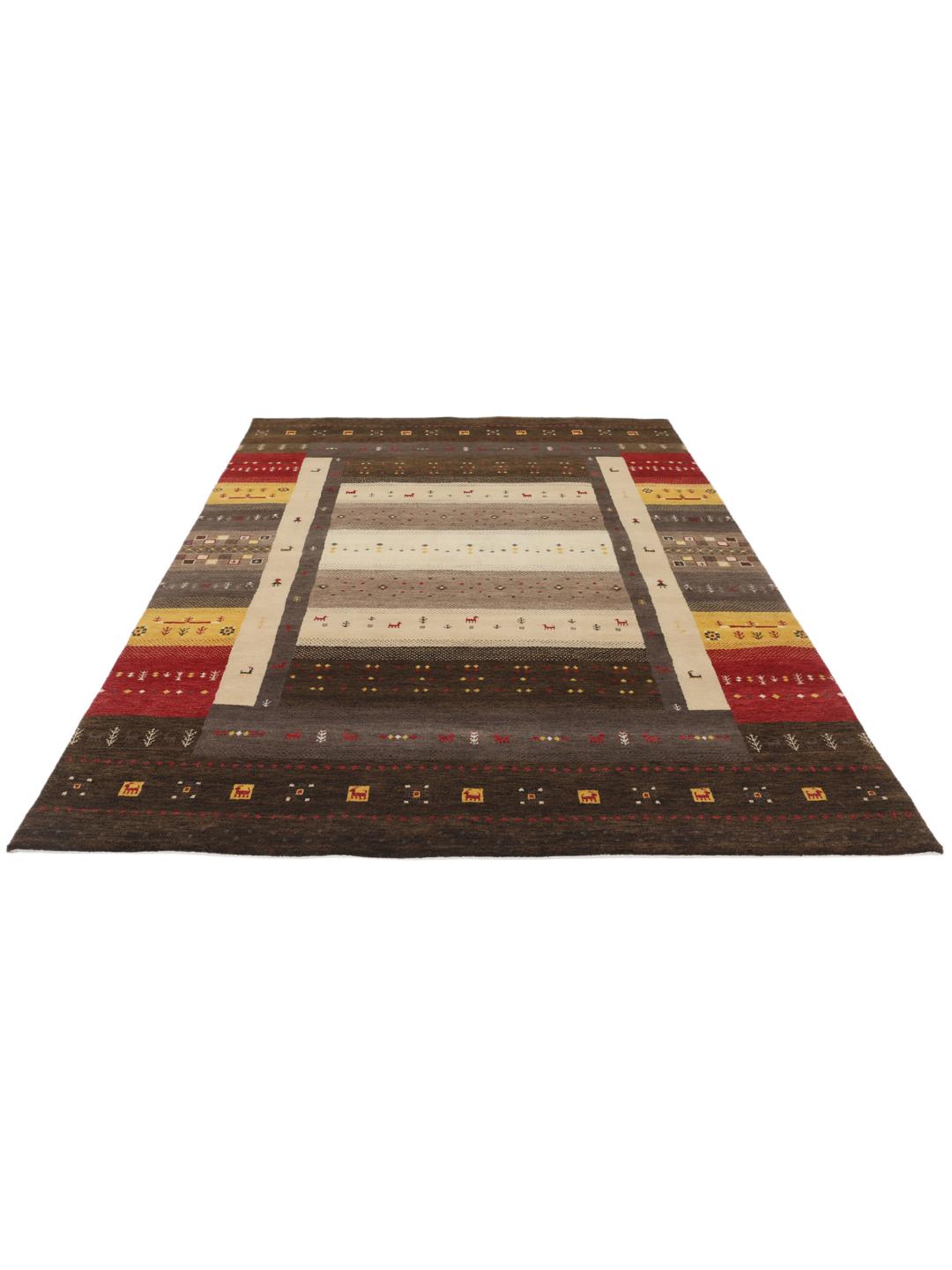
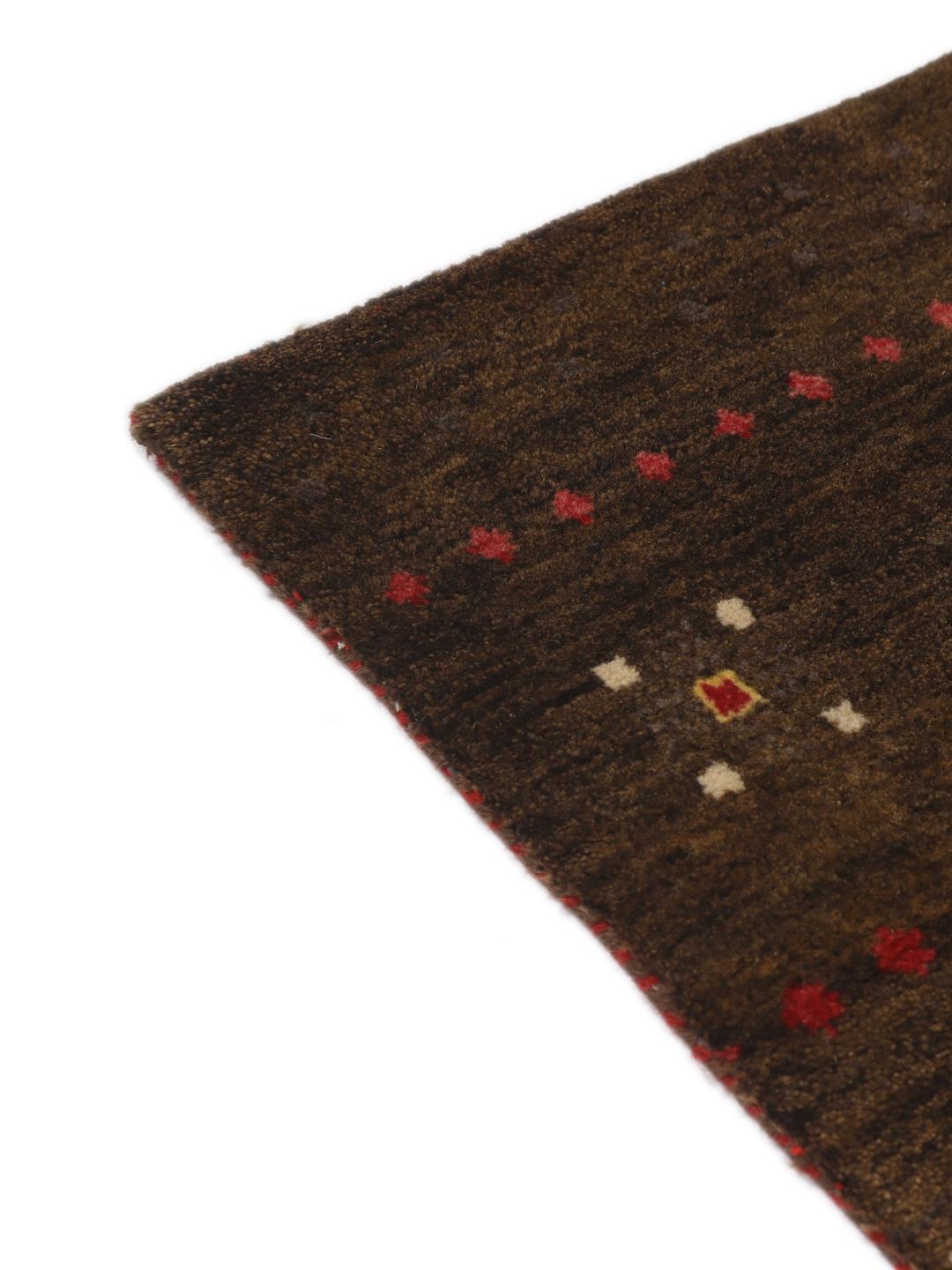
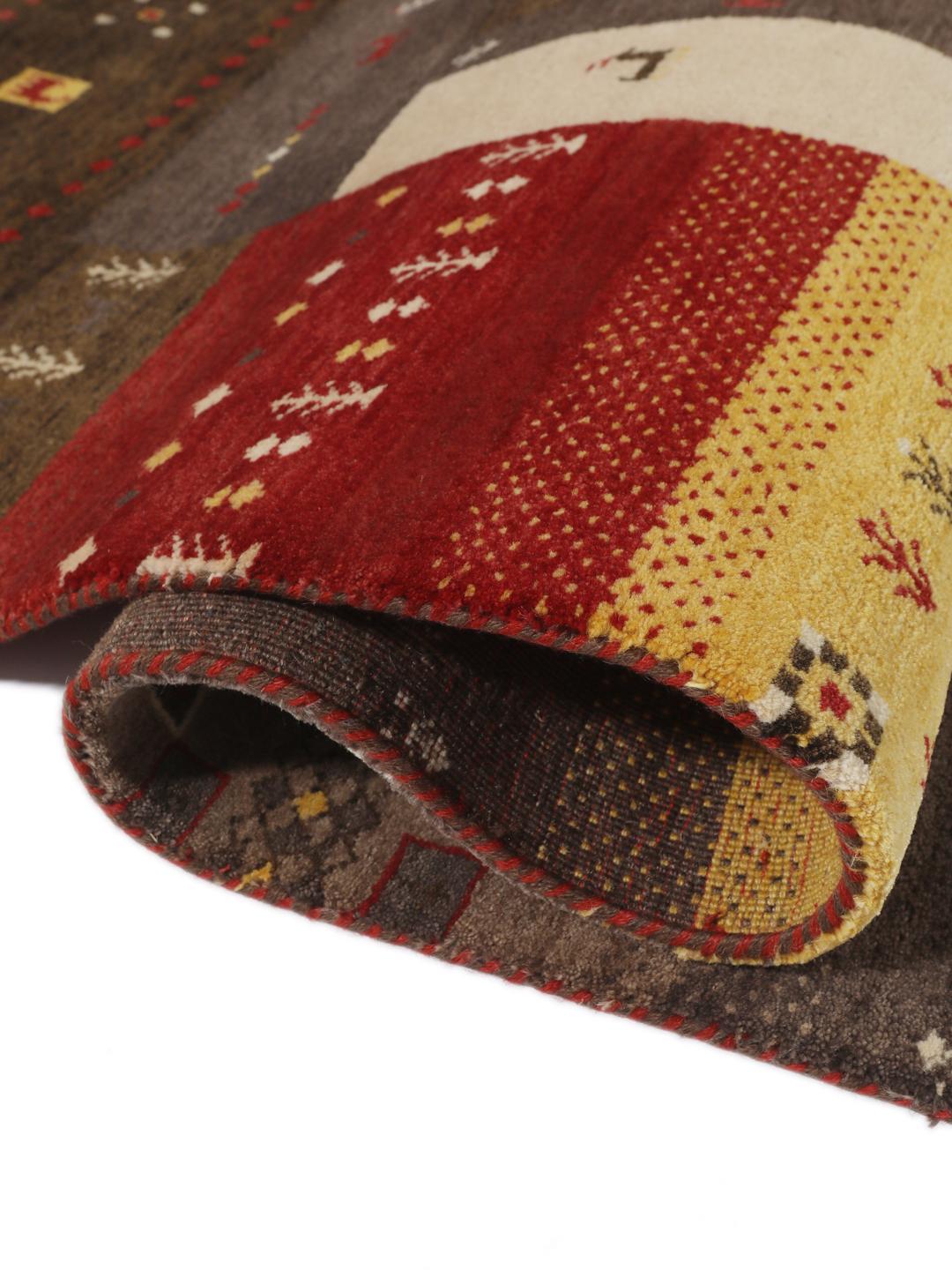
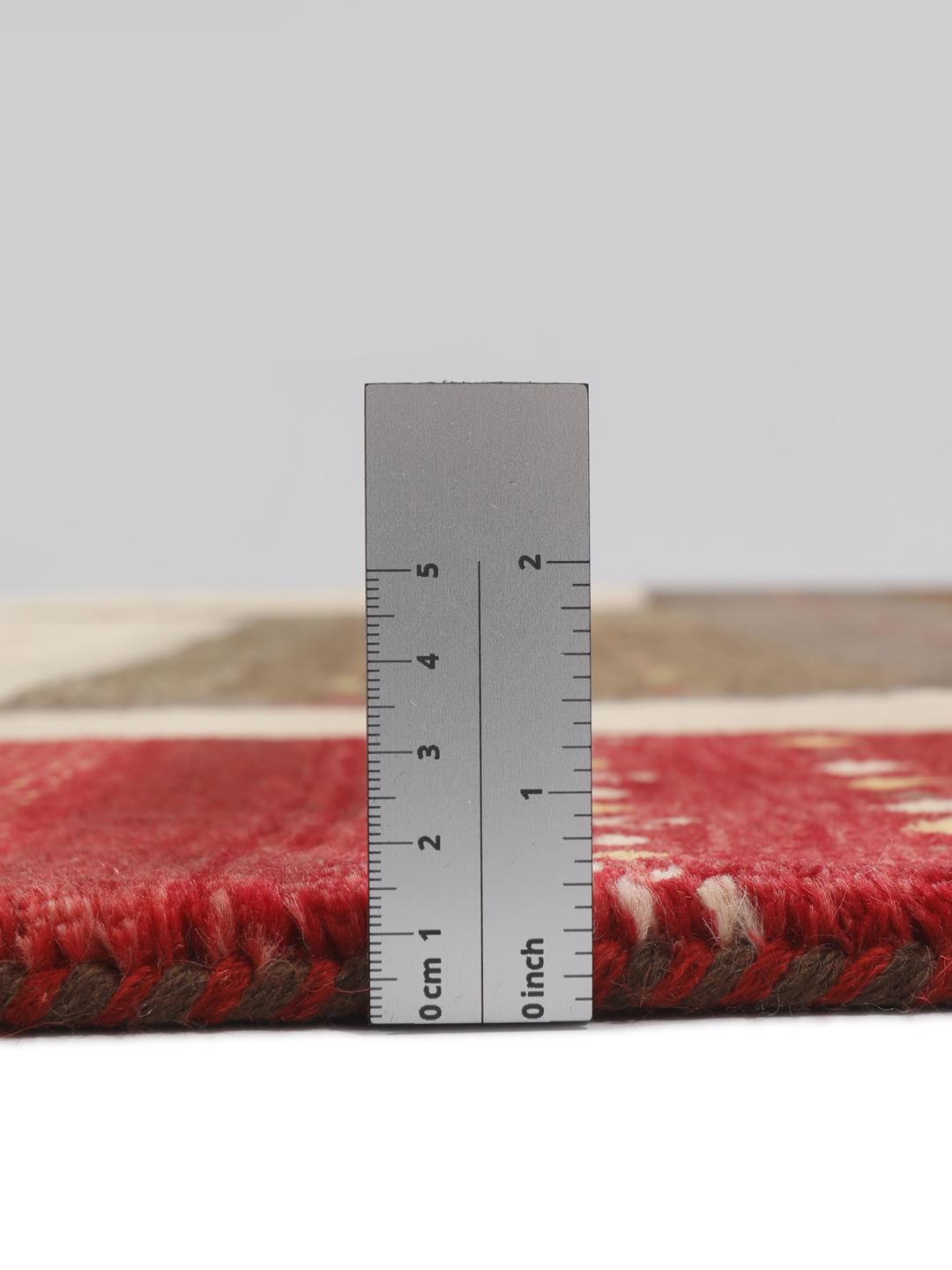
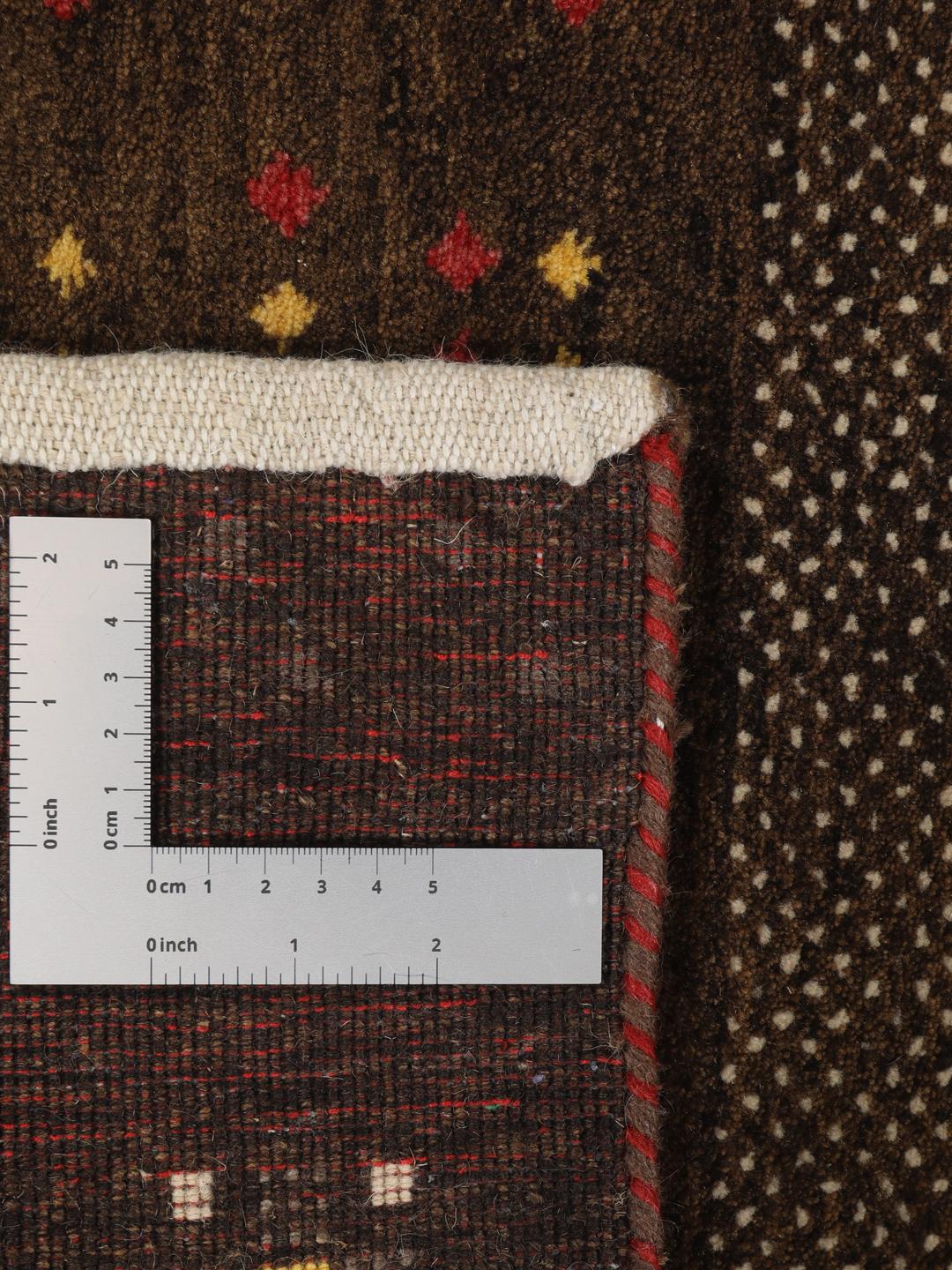
The Gabbeh tradition finds its roots in the nomadic cultures of the Middle East, where weavers historically created these rugs for their own personal use rather than for trade. The term Gabbeh, which means raw or natural, reflects the unrefined and expressive nature of these pieces, often characterised by their thick pile and bold, simplified designs.
Over time, the art of the Gabbeh evolved, leading to the development of the Loribaft style. These rugs are known for their finer weave and more sophisticated patterns compared to traditional nomadic Gabbehs. The transition to finer production allows for more intricate storytelling within the rug, bridging the gap between rugged utility and refined artistry.
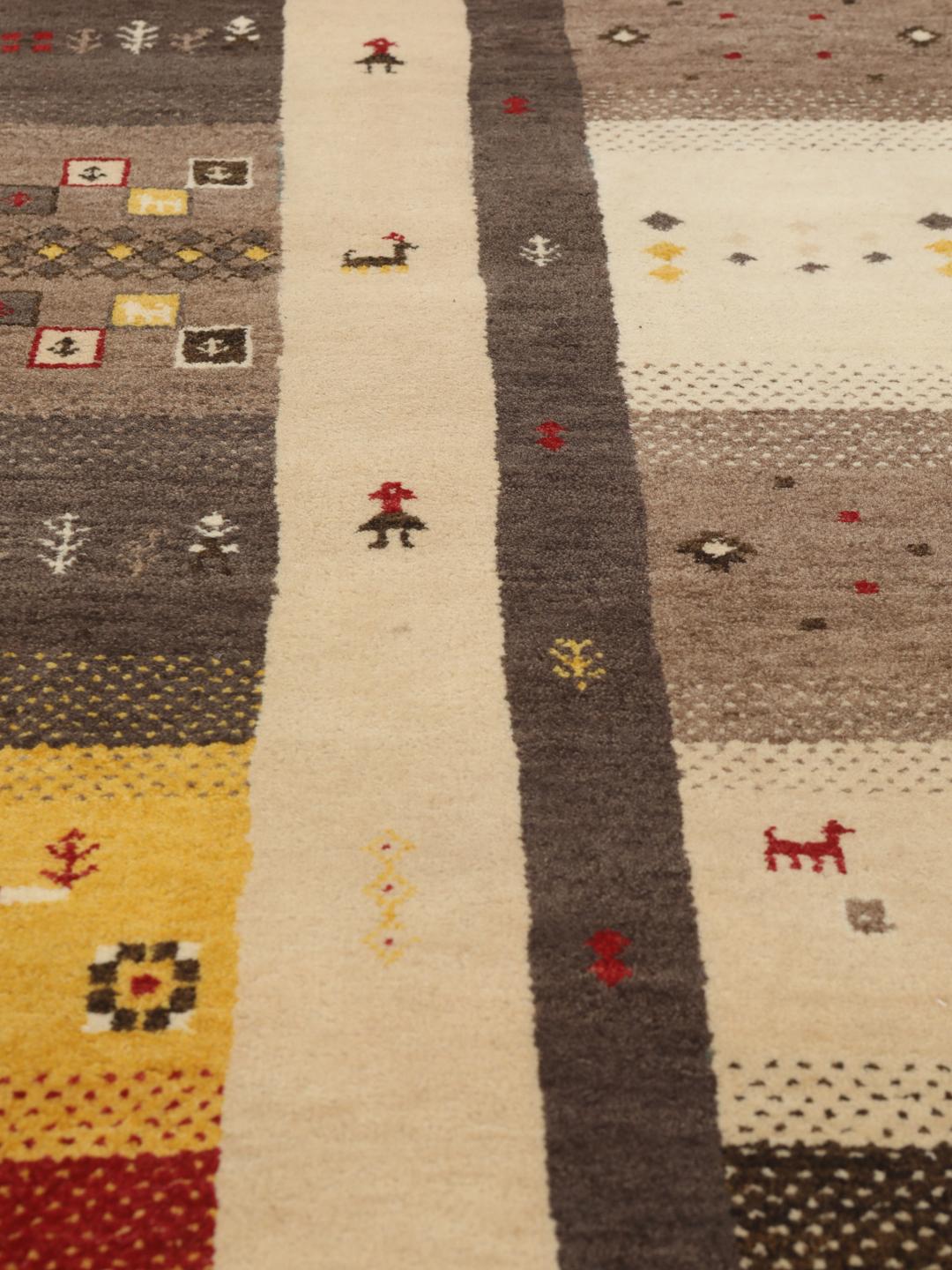
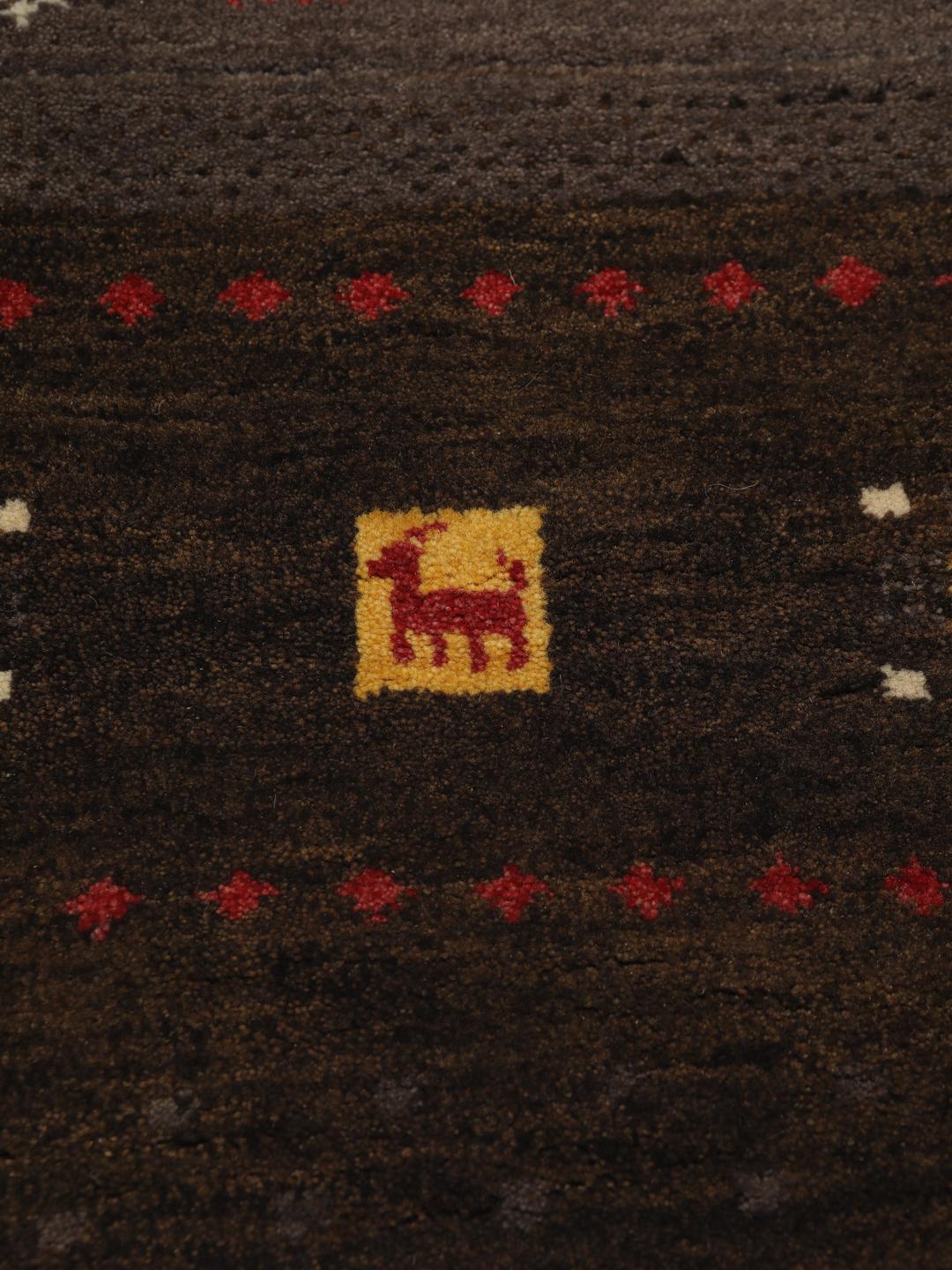
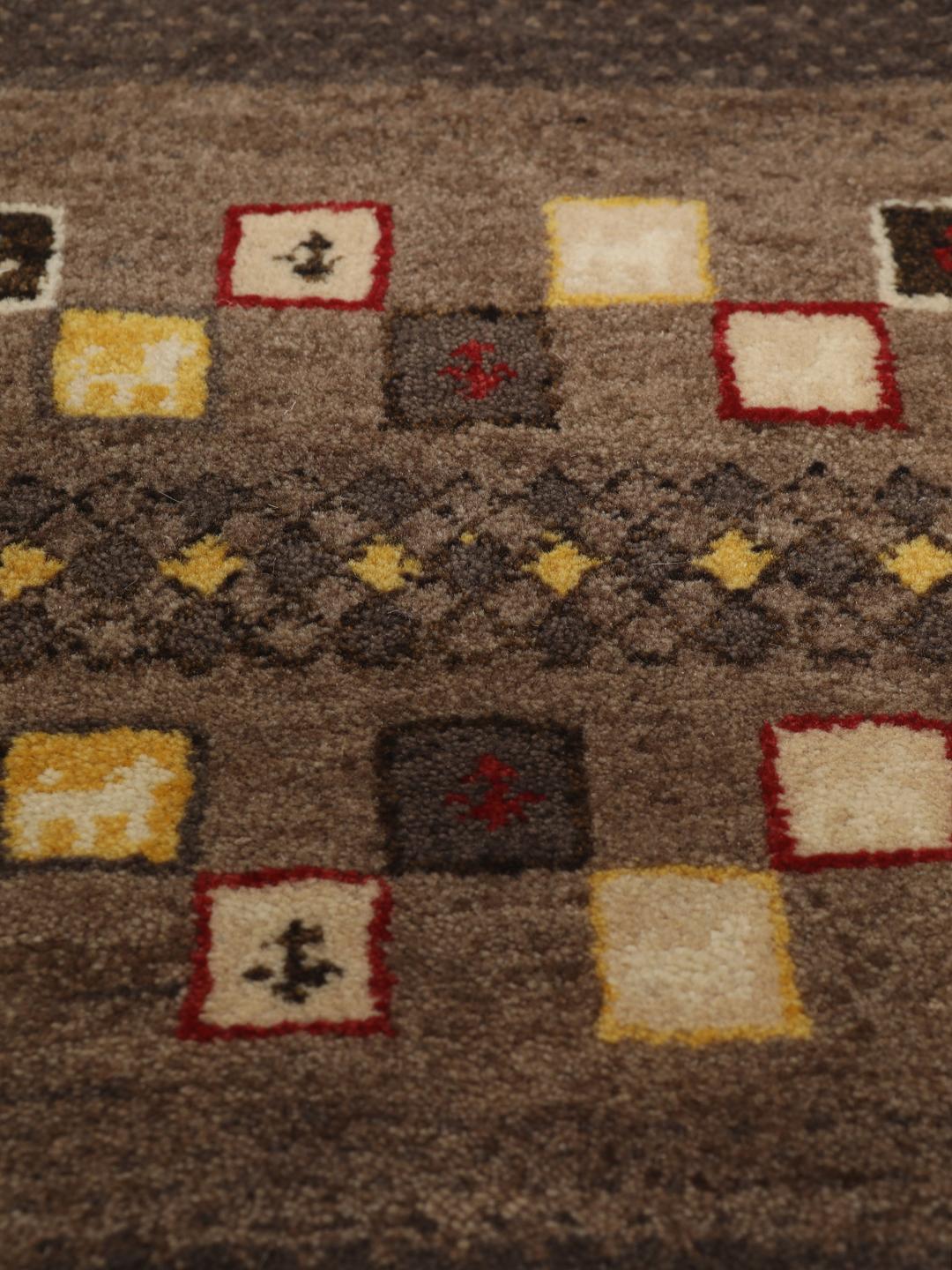
The visual language of a Loribaft rug often centres on geometric symbols, stylised animals, and abstract representations of nature. These motifs are not merely decorative but serve as a symbolic record of the weaver's environment and daily life. The use of vibrant, natural dyes creates a distinctive palette that feels both grounded and expressive, highlighting the cultural heritage inherent in every knot.
Owning a piece from this tradition is an act of preserving a dying craft. These rugs are highly valued by collectors for their authenticity and the human story woven into every thread. By choosing a Loribaft, you are bringing a piece of cultural history into your home, celebrating a tradition of craftsmanship that prioritises soul and substance over mass production.