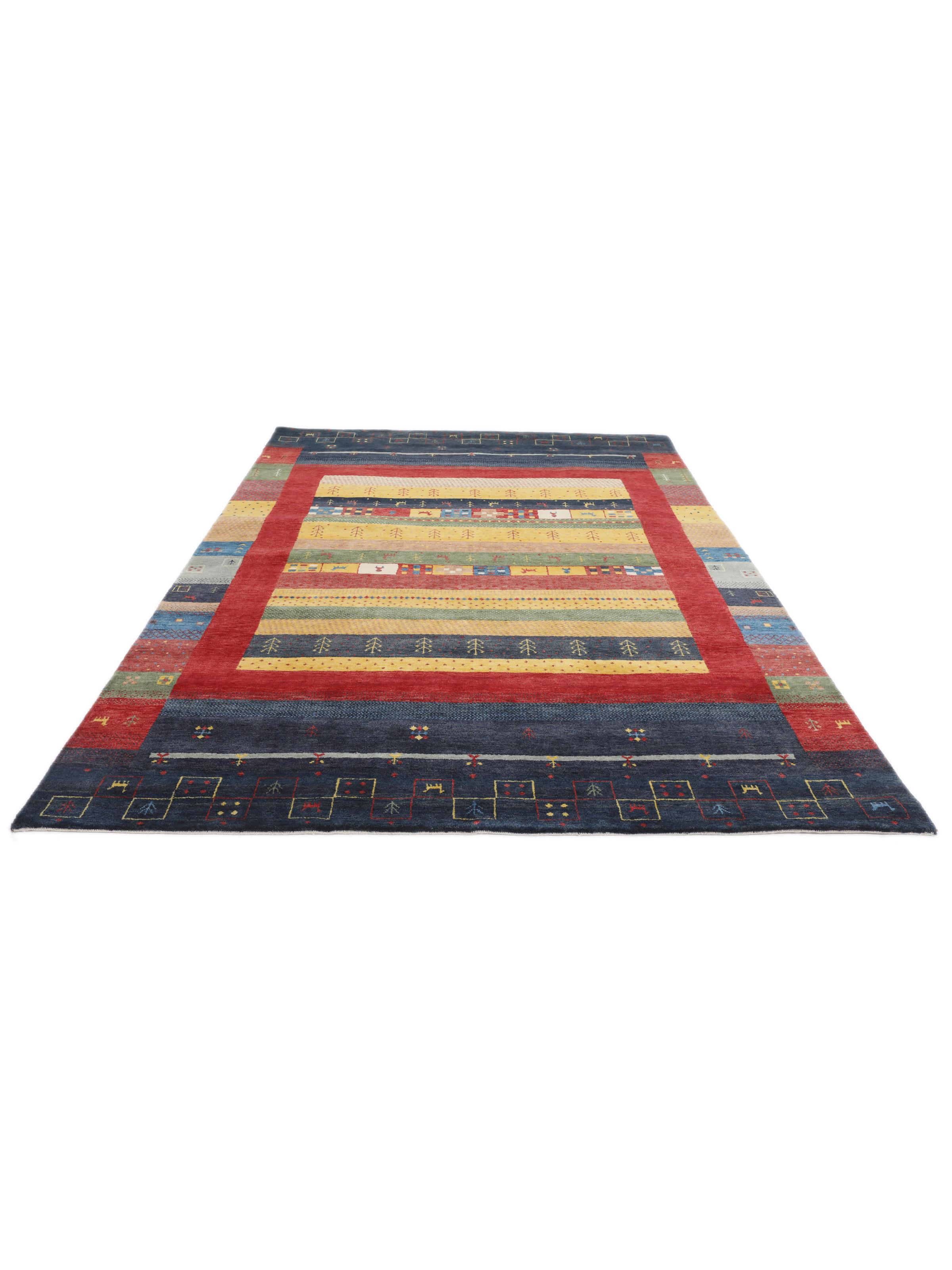
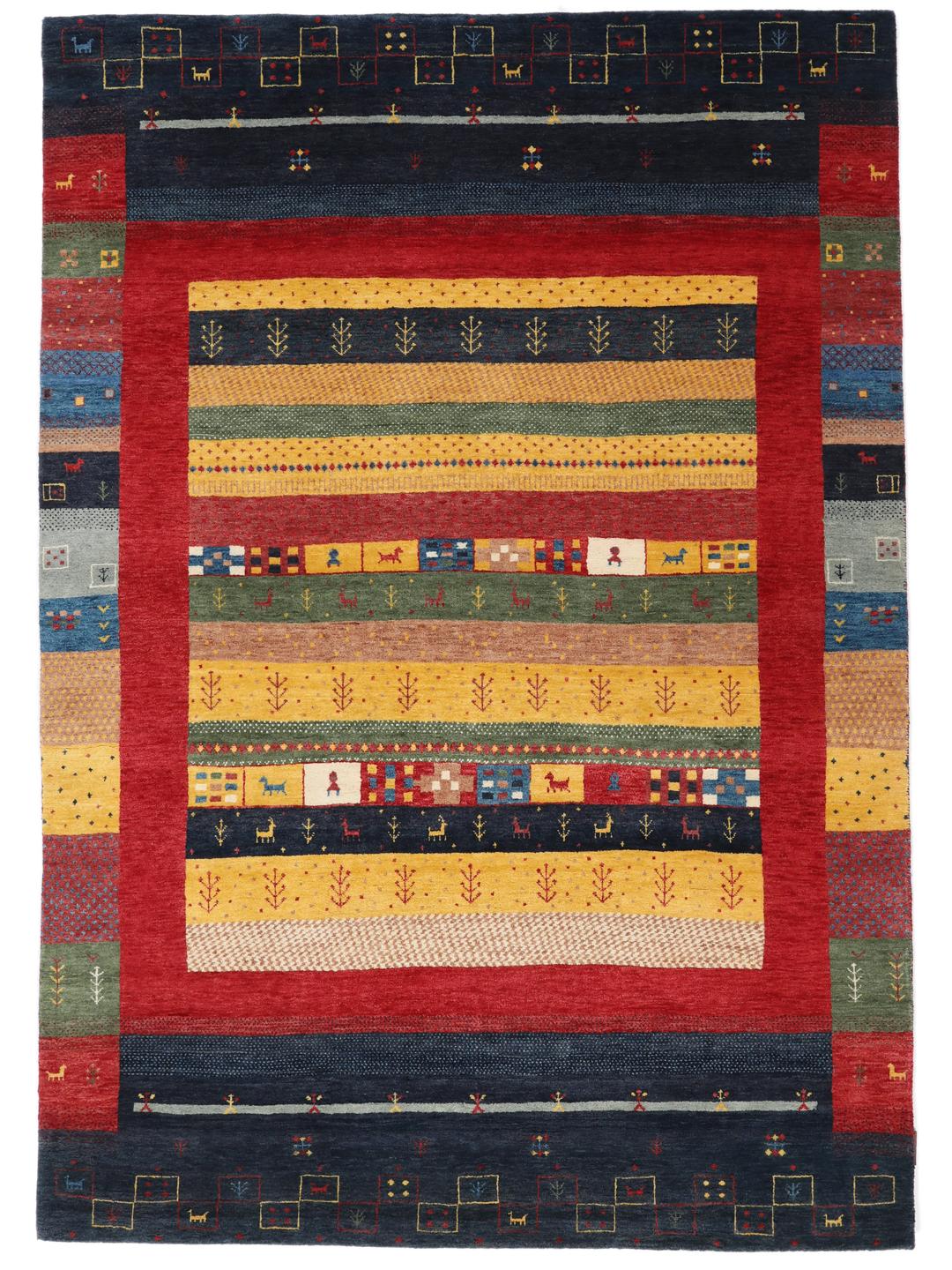
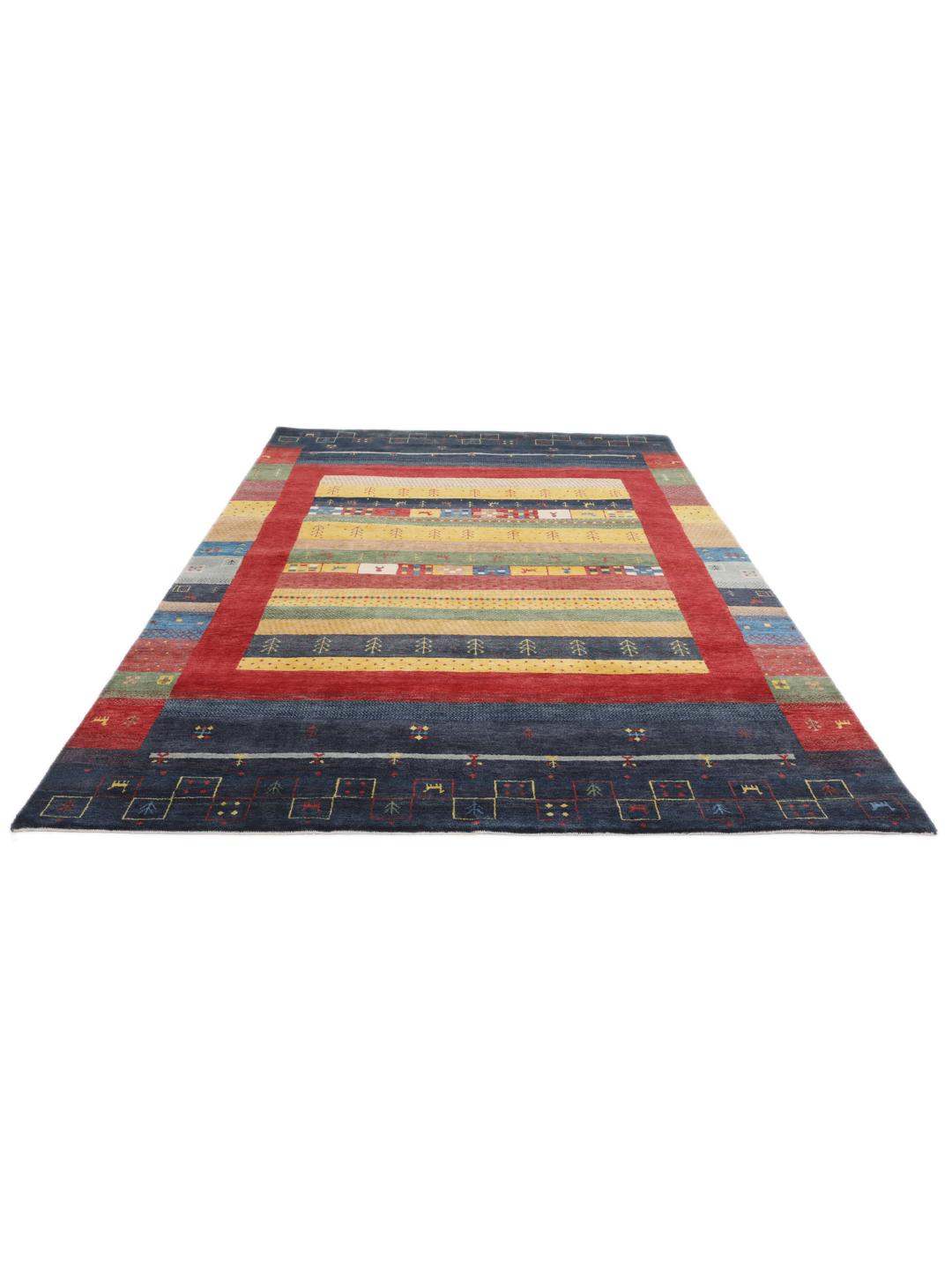
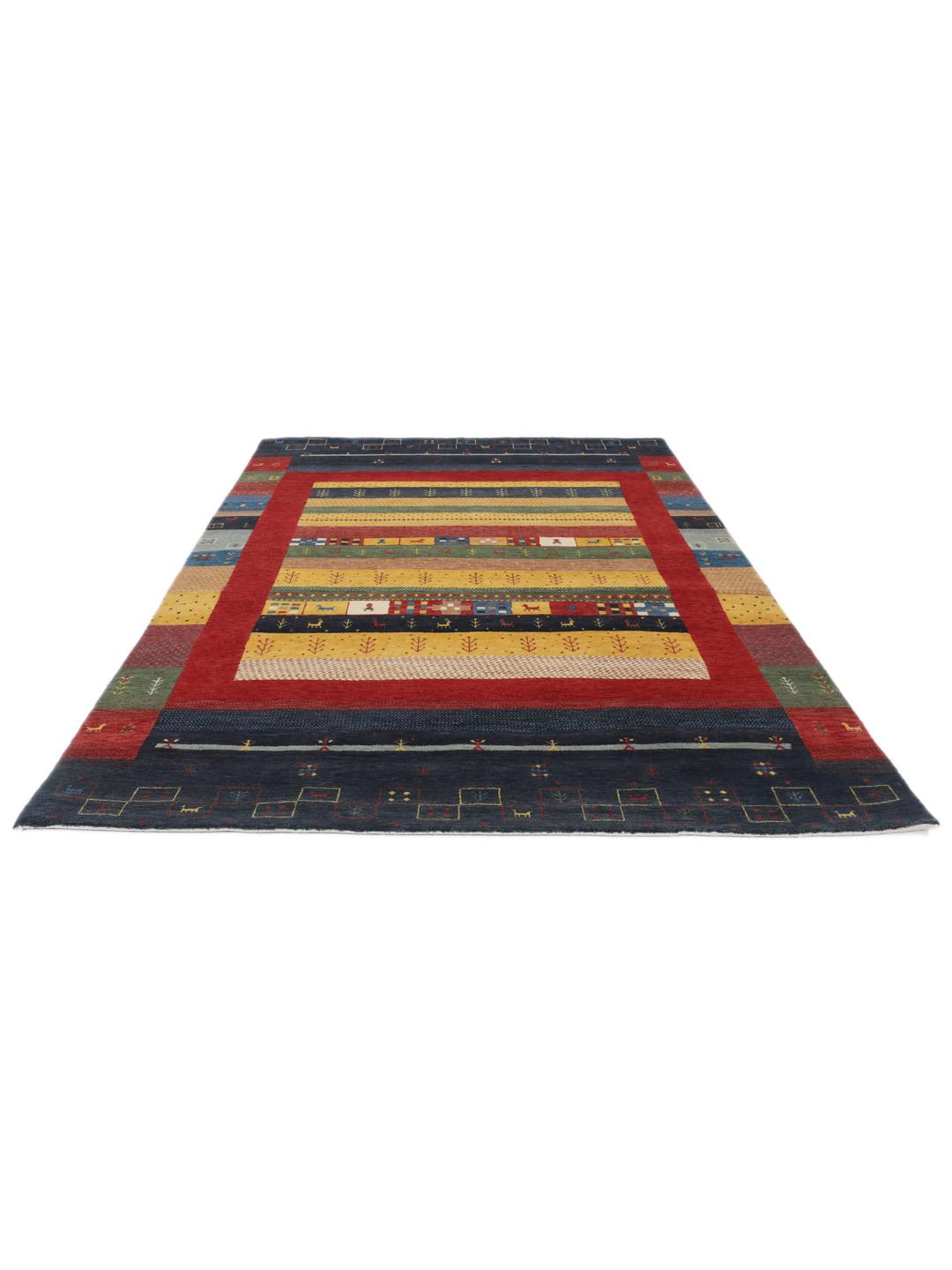
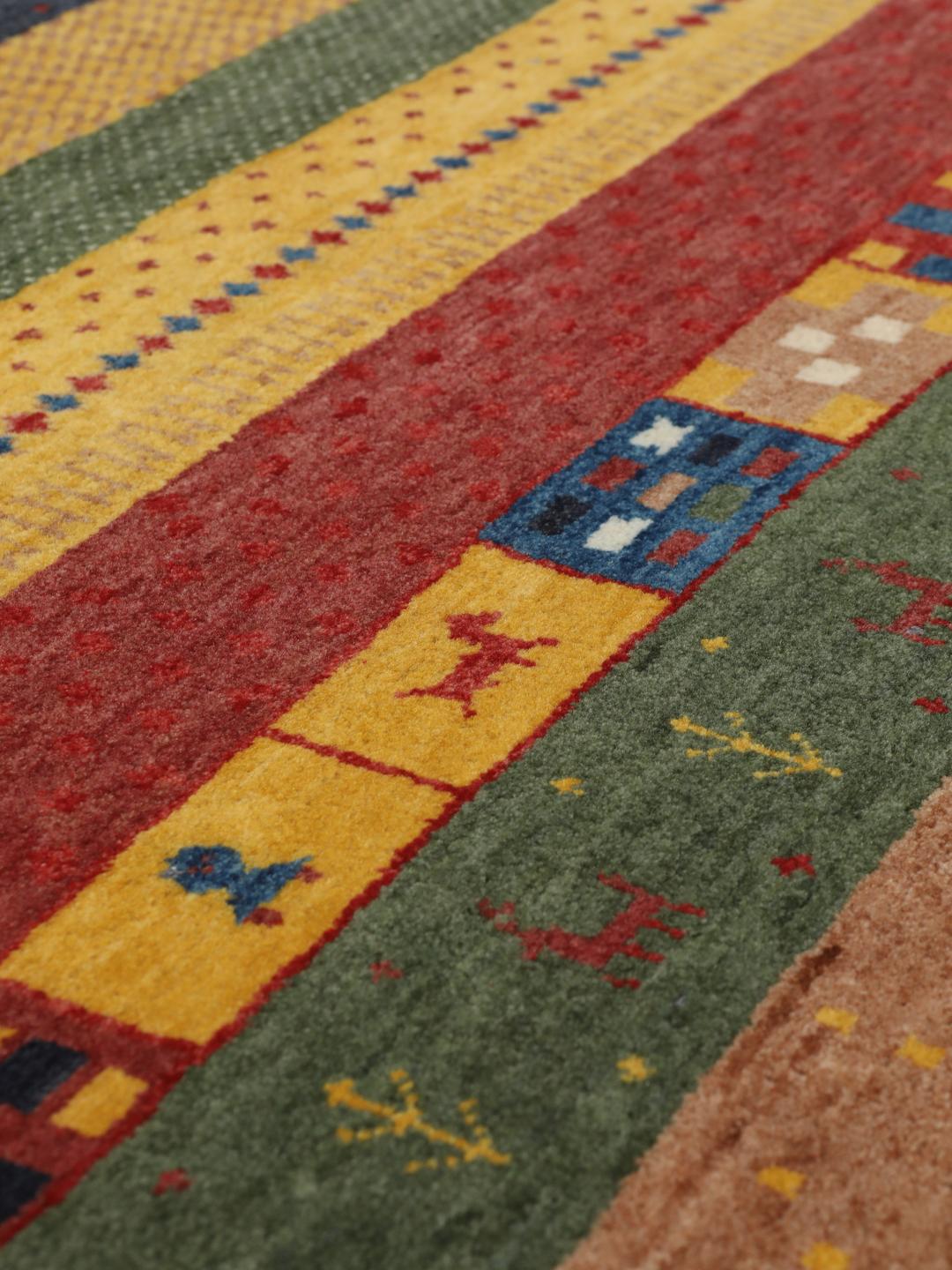
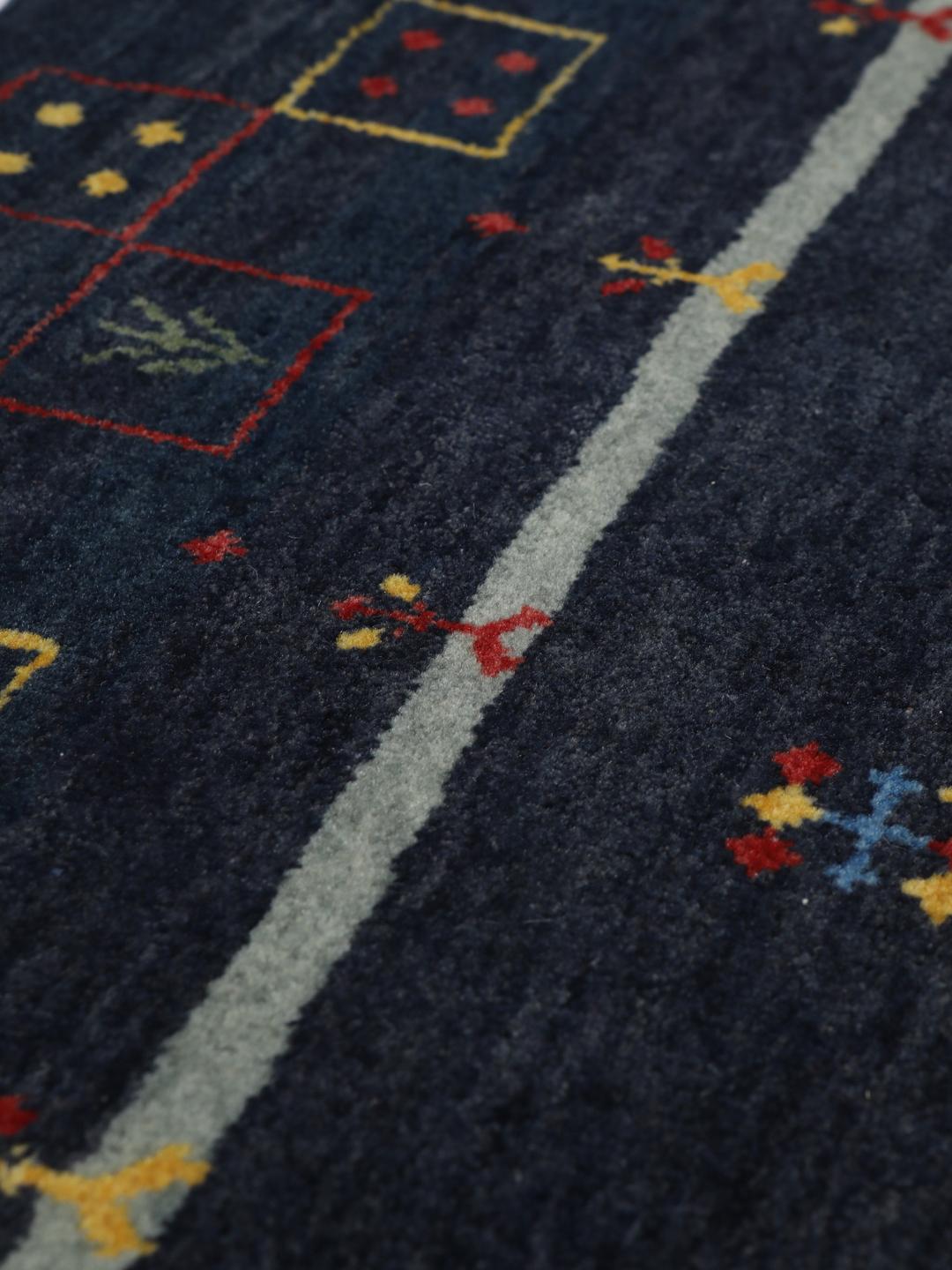
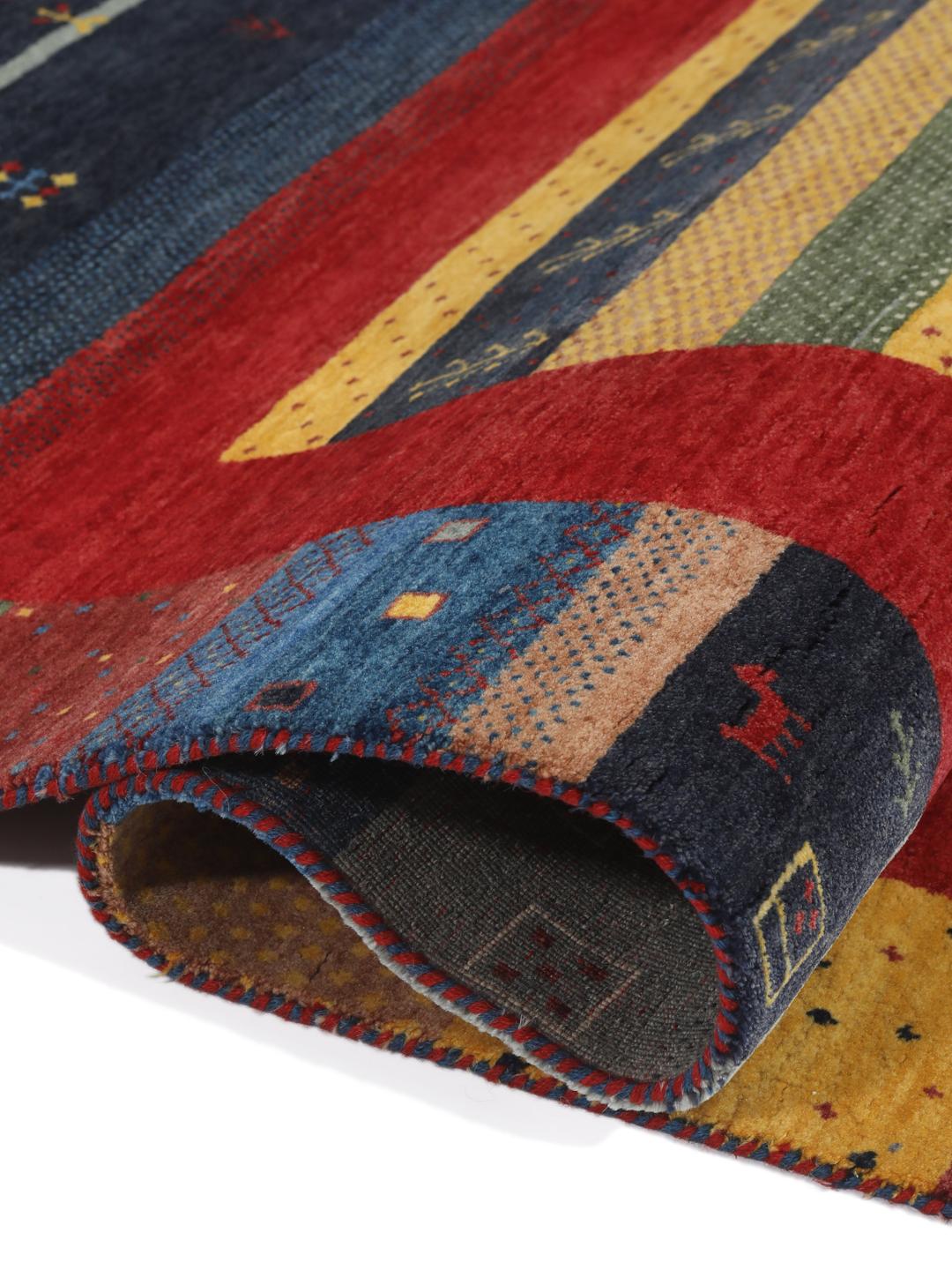
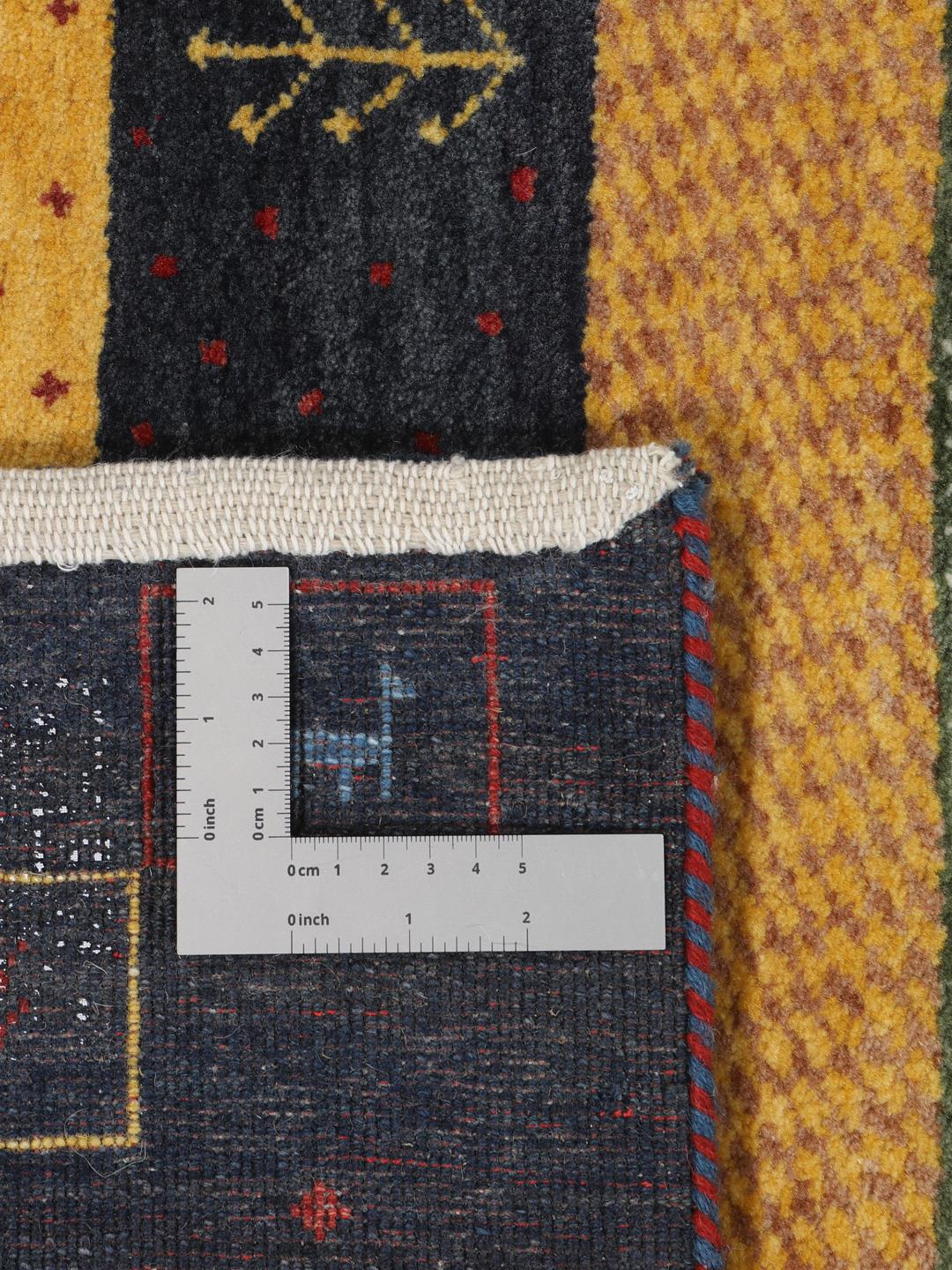
The Loribaft and Kashkooli traditions are deeply rooted in the nomadic heritage of the Middle East, specifically associated with the Luri and Qashqai tribes. These rugs were originally woven by nomadic groups who used their looms to document their environment, translating the landscapes, animals, and cultural symbols they encountered into bold, abstract designs. Today, this tradition has found a vibrant new home in India, where weavers continue to honour these ancient techniques.
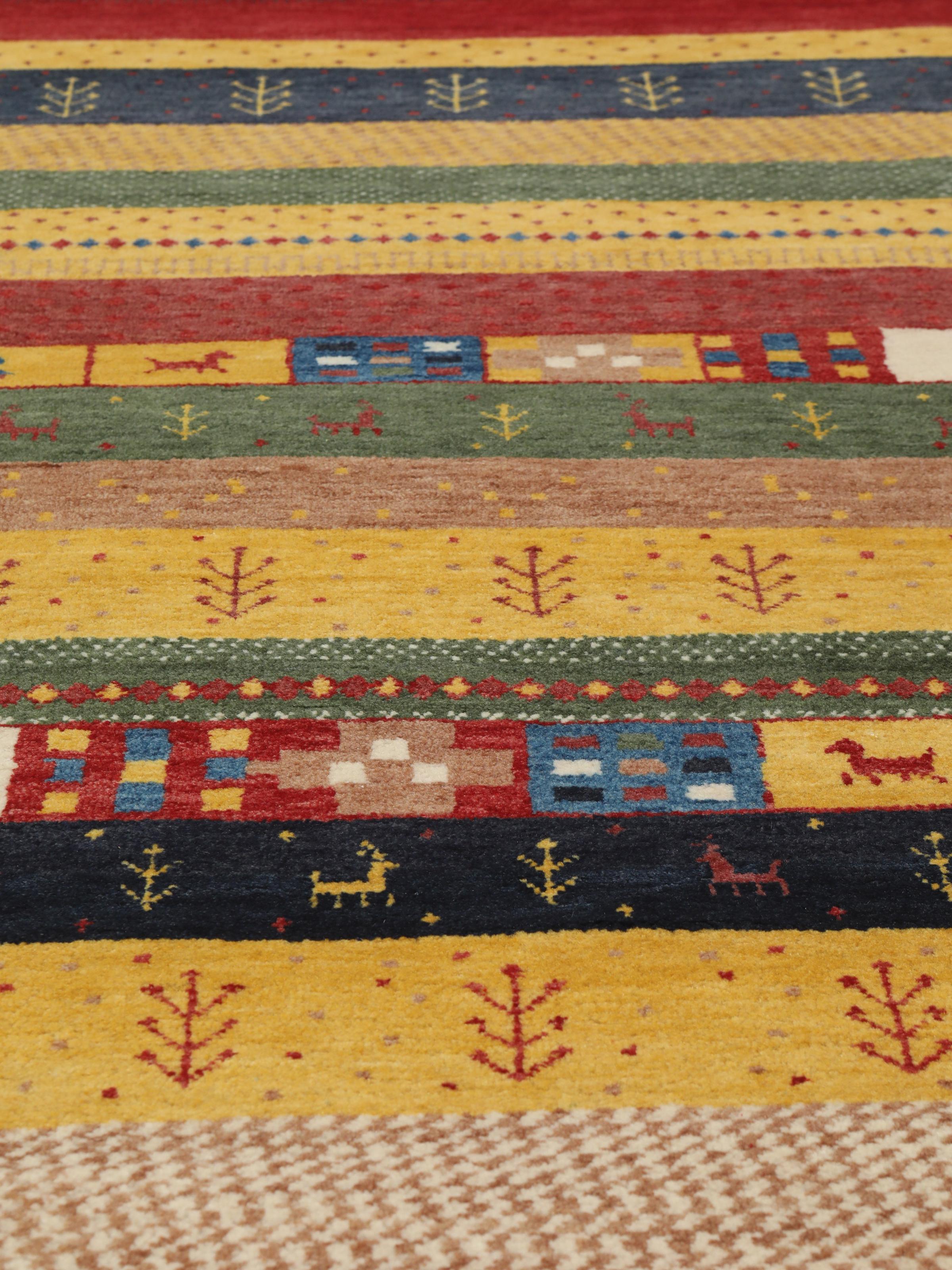
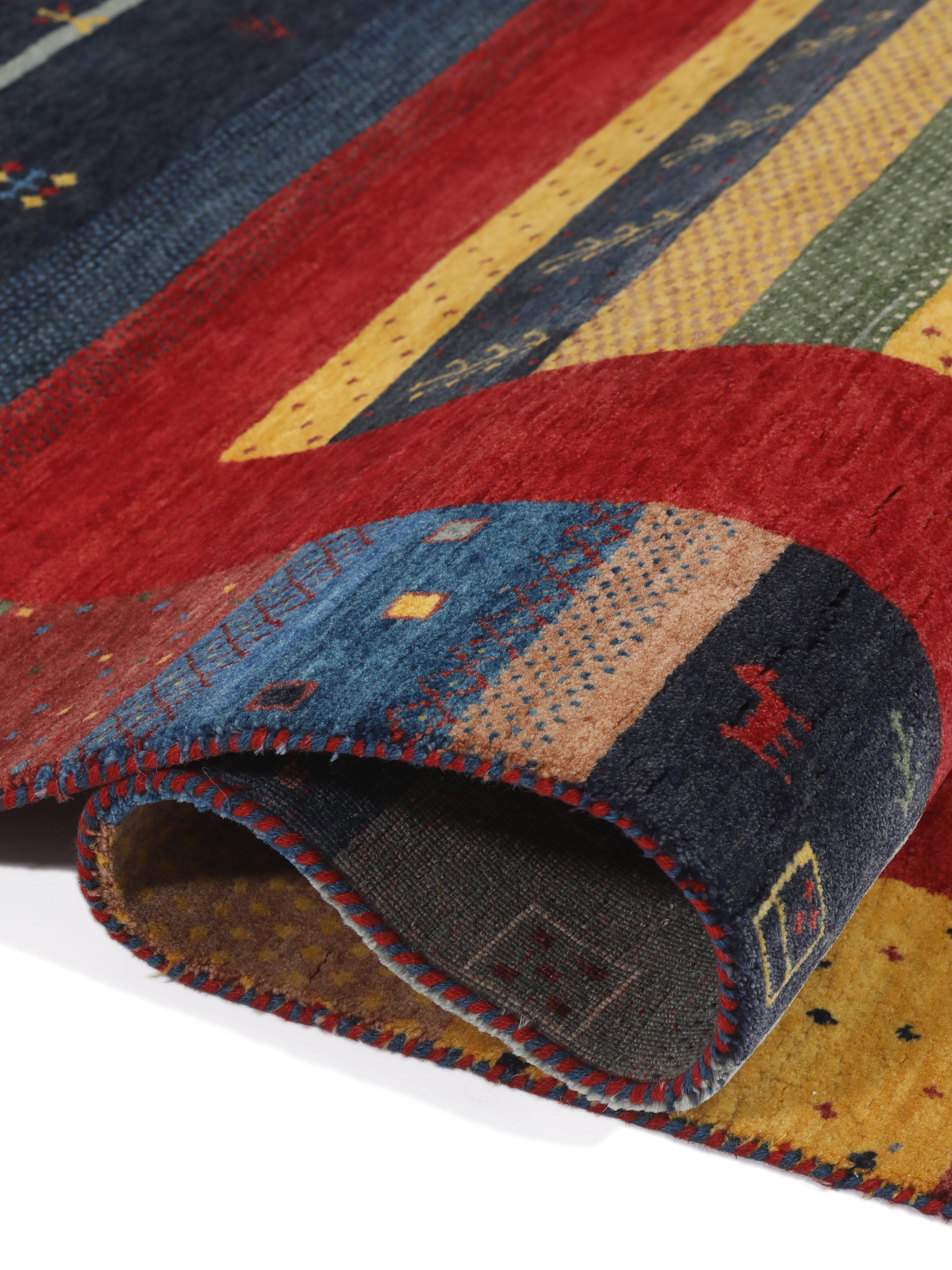
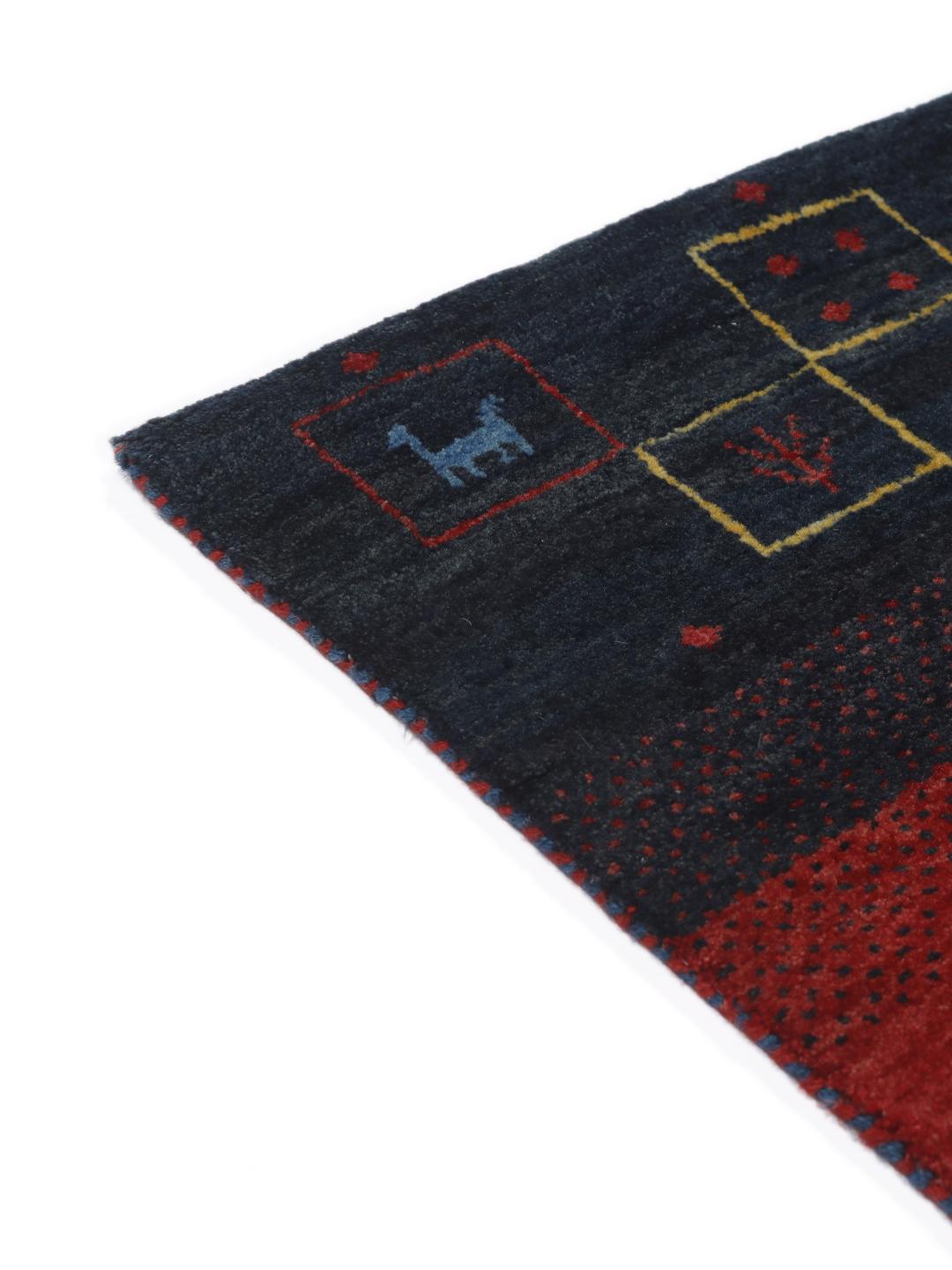
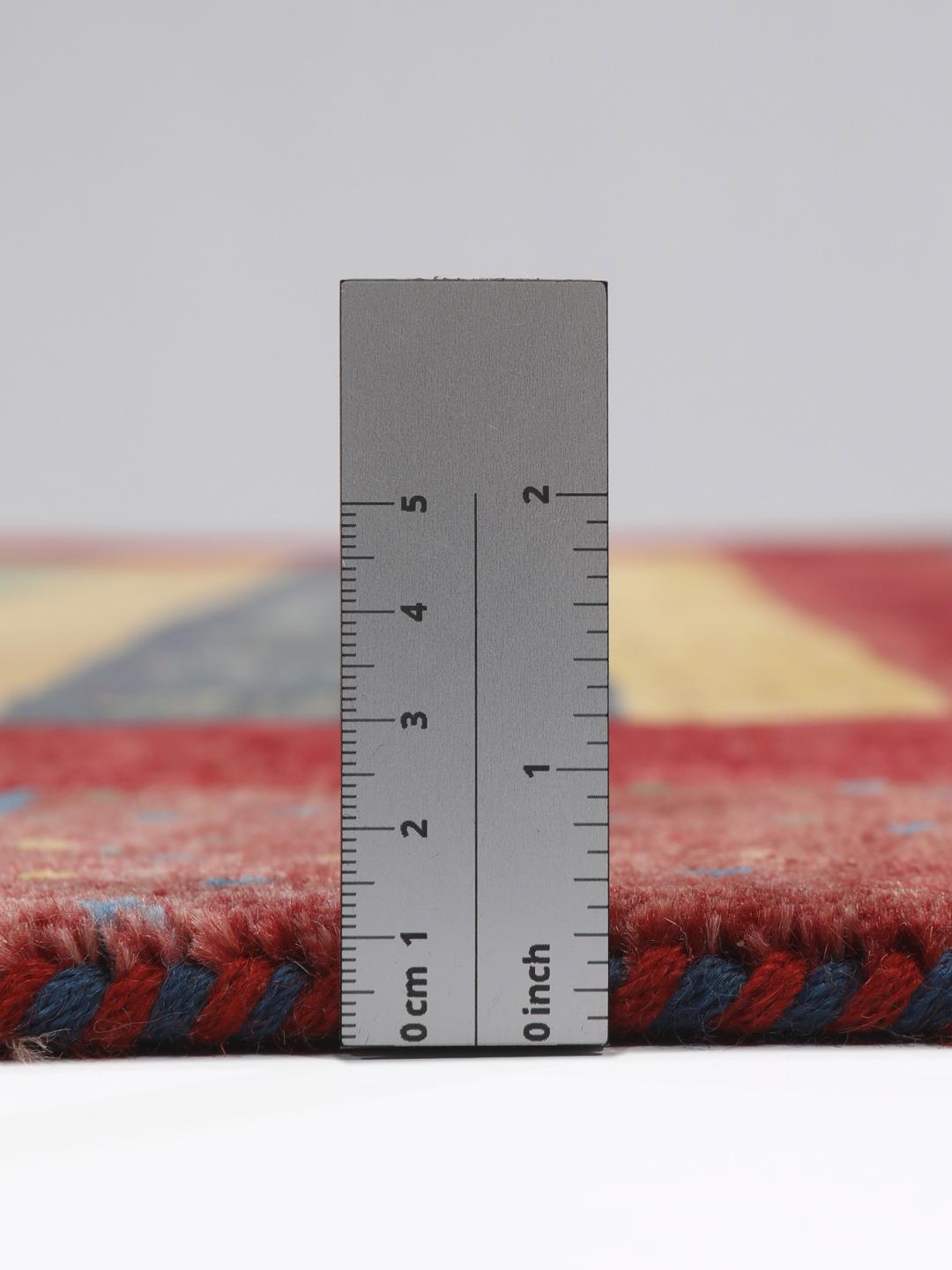
A defining feature of the Loribaft style is the use of high-quality wool, often characterised by a thicker, more generous pile that feels substantial and soft. Unlike more formal urban rugs that rely on precise, rigid symmetry, Loribaft rugs celebrate the 'imperfections' of the hand-made process. This technical approach results in a softer finish and a more luminous quality, as the wool fibres catch the light differently across the surface.
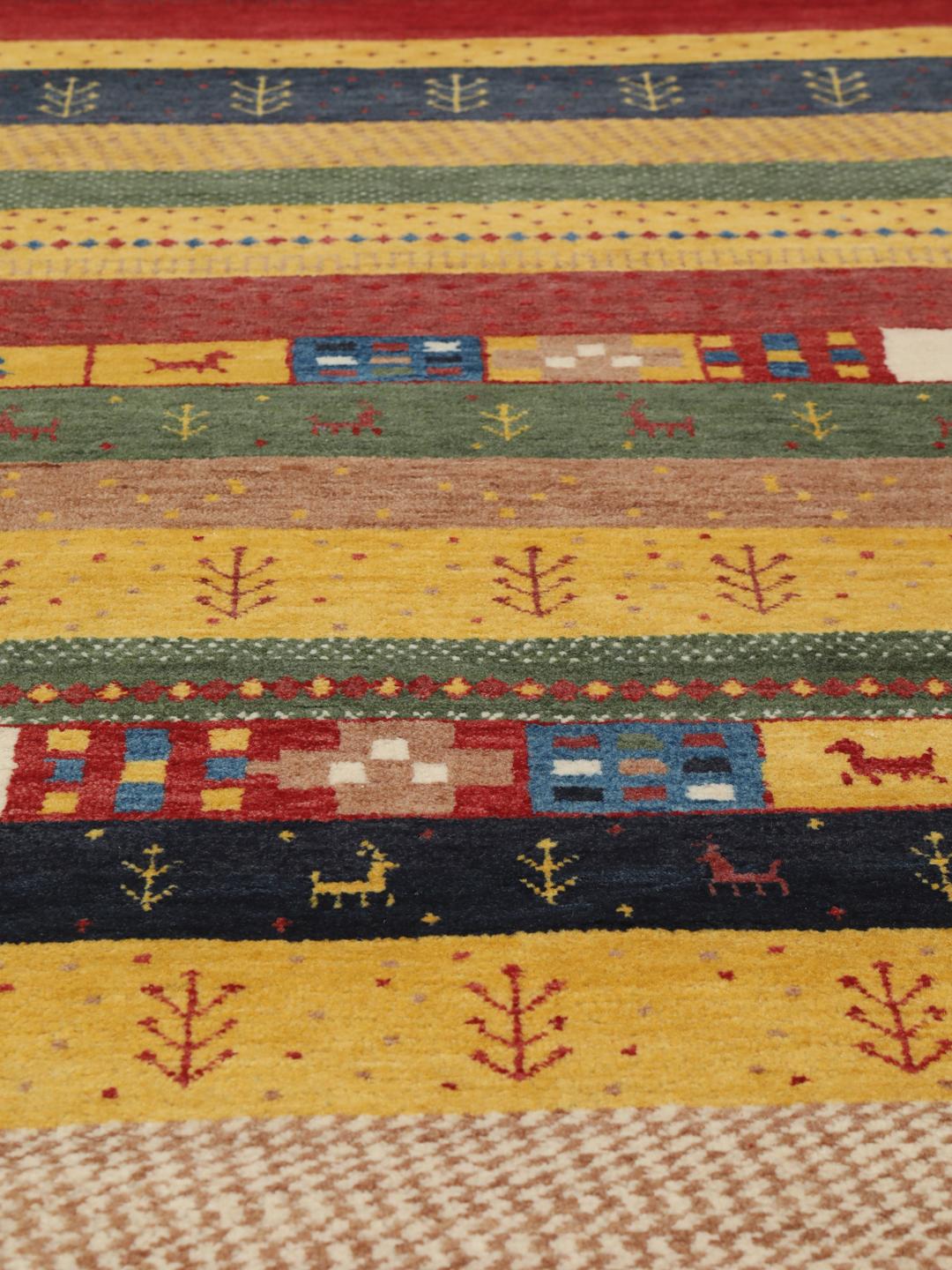
The design language of these rugs is inherently playful and narrative. You will frequently find 'guls' or tribal motifs, alongside stylised depictions of trees, camels, and other animals. These symbols were not merely decorative; they were often talismans or records of family history. The use of vibrant, saturated colours—often derived from natural dyes in traditional settings—gives these rugs their signature lively energy.
Collecting a Loribaft rug is an investment in cultural continuity. These pieces are valued for their raw, honest expression and their ability to bridge the gap between traditional craft and modern home aesthetics. By owning one, you are not just acquiring a rug; you are participating in a long-standing history of nomadic storytelling, kept alive by the hands of modern artisans.