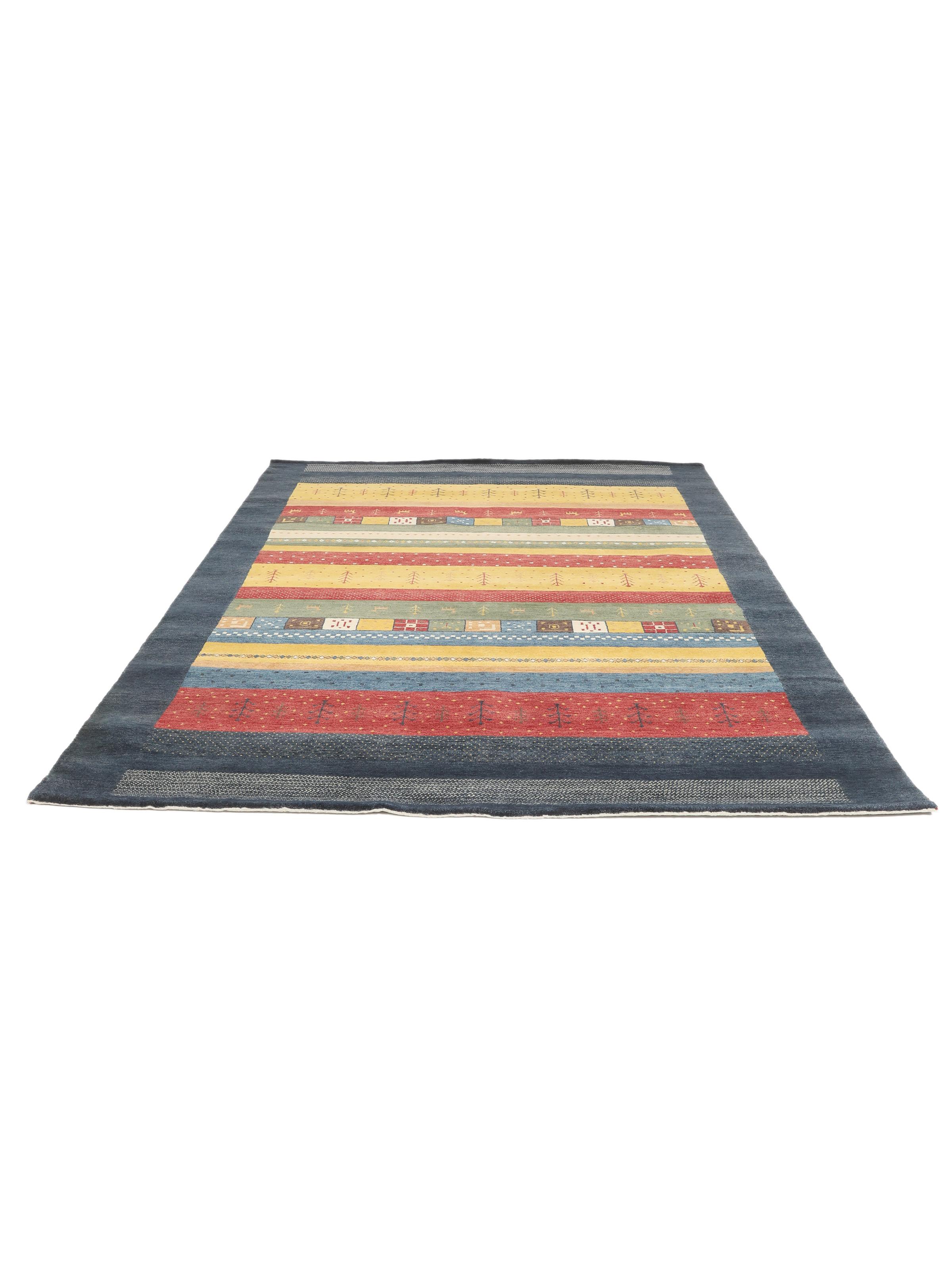
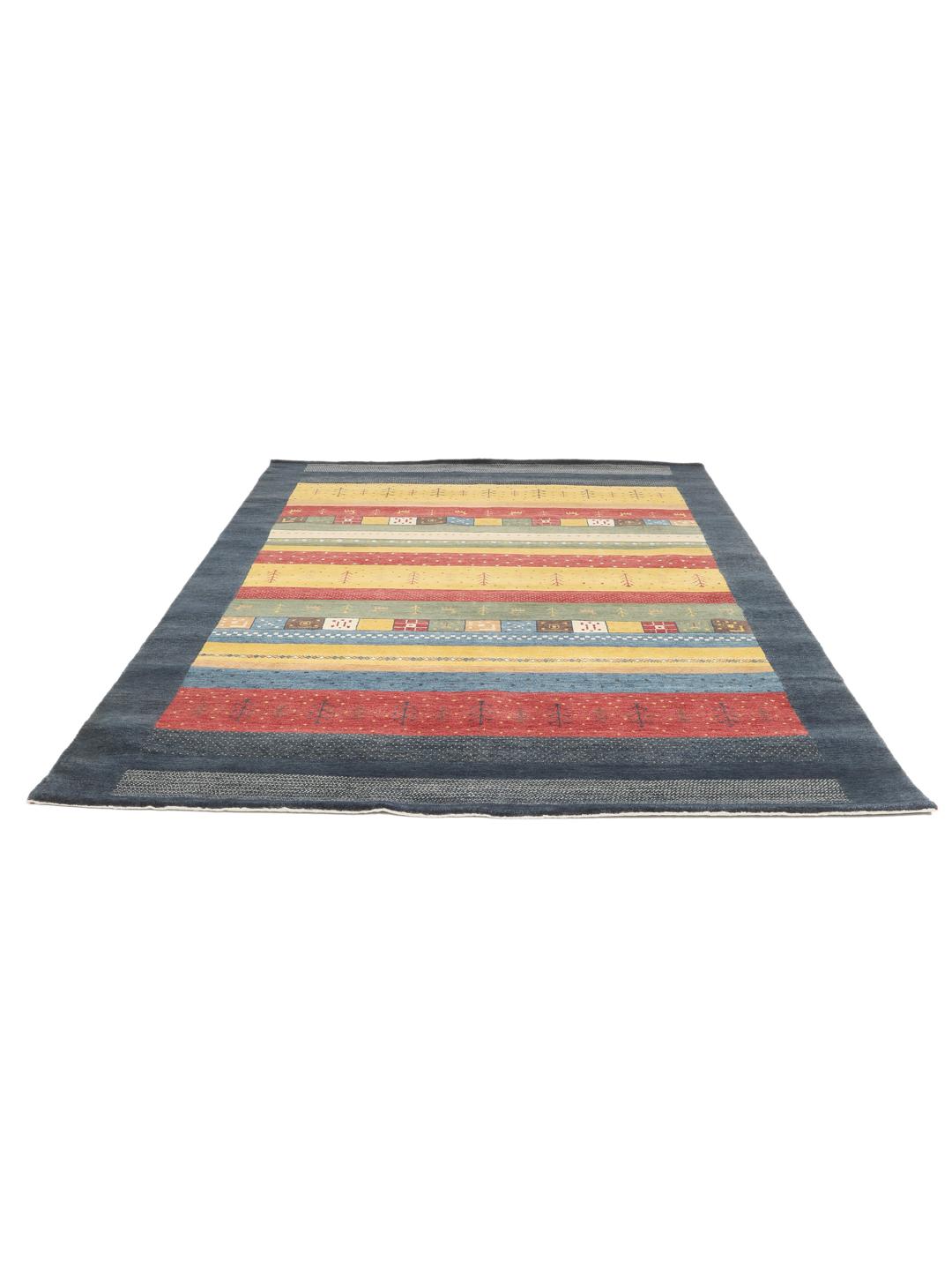
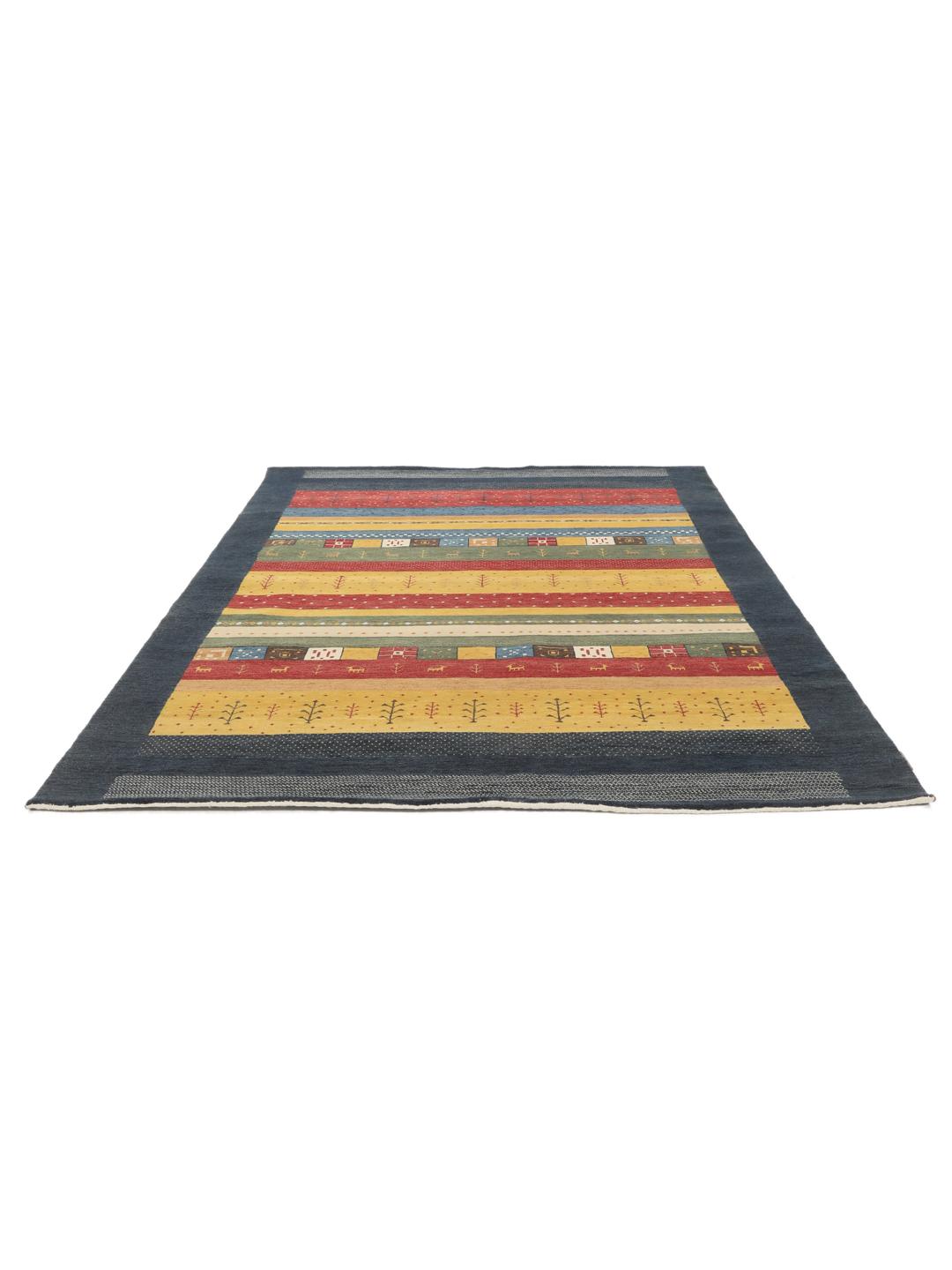
The Loribaft and Kashkooli traditions are deeply rooted in the weaving heritage of nomadic tribes, who historically created these rugs for their own daily use. While originally nomadic, these styles have evolved and found a modern home in the craft communities of India, where weavers maintain the traditional techniques while honouring the spontaneous, artistic spirit of the original tribal designs.
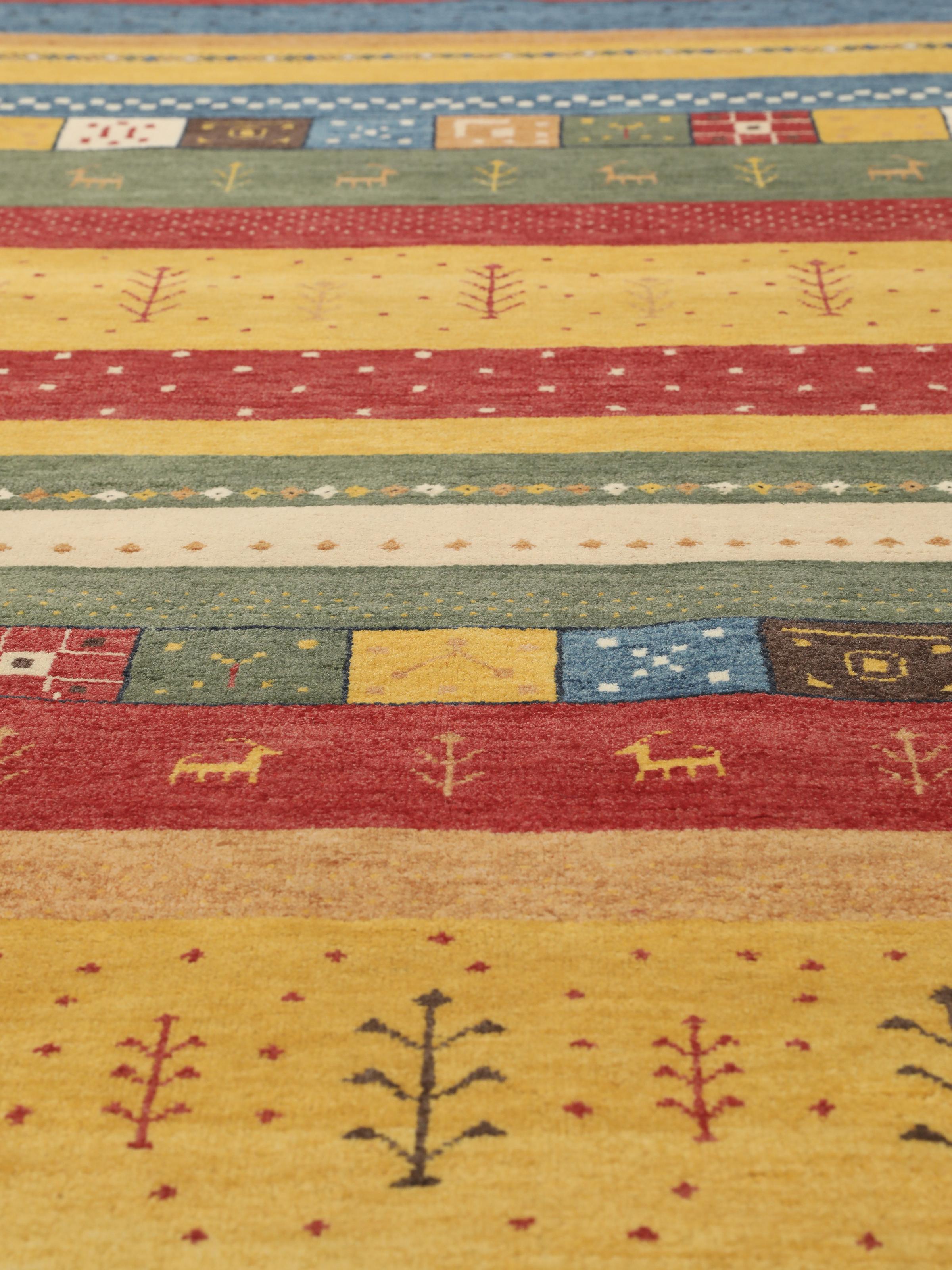
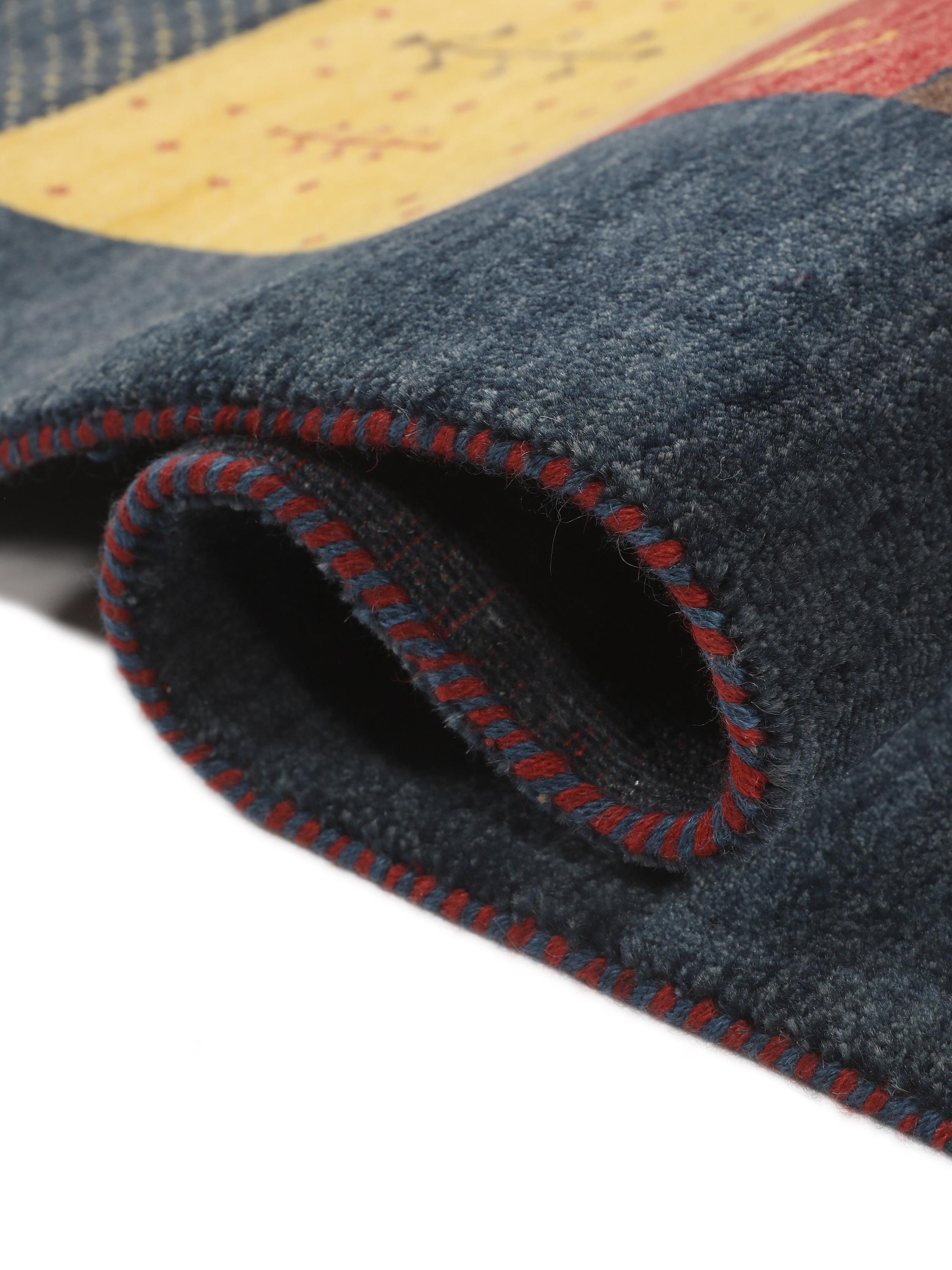
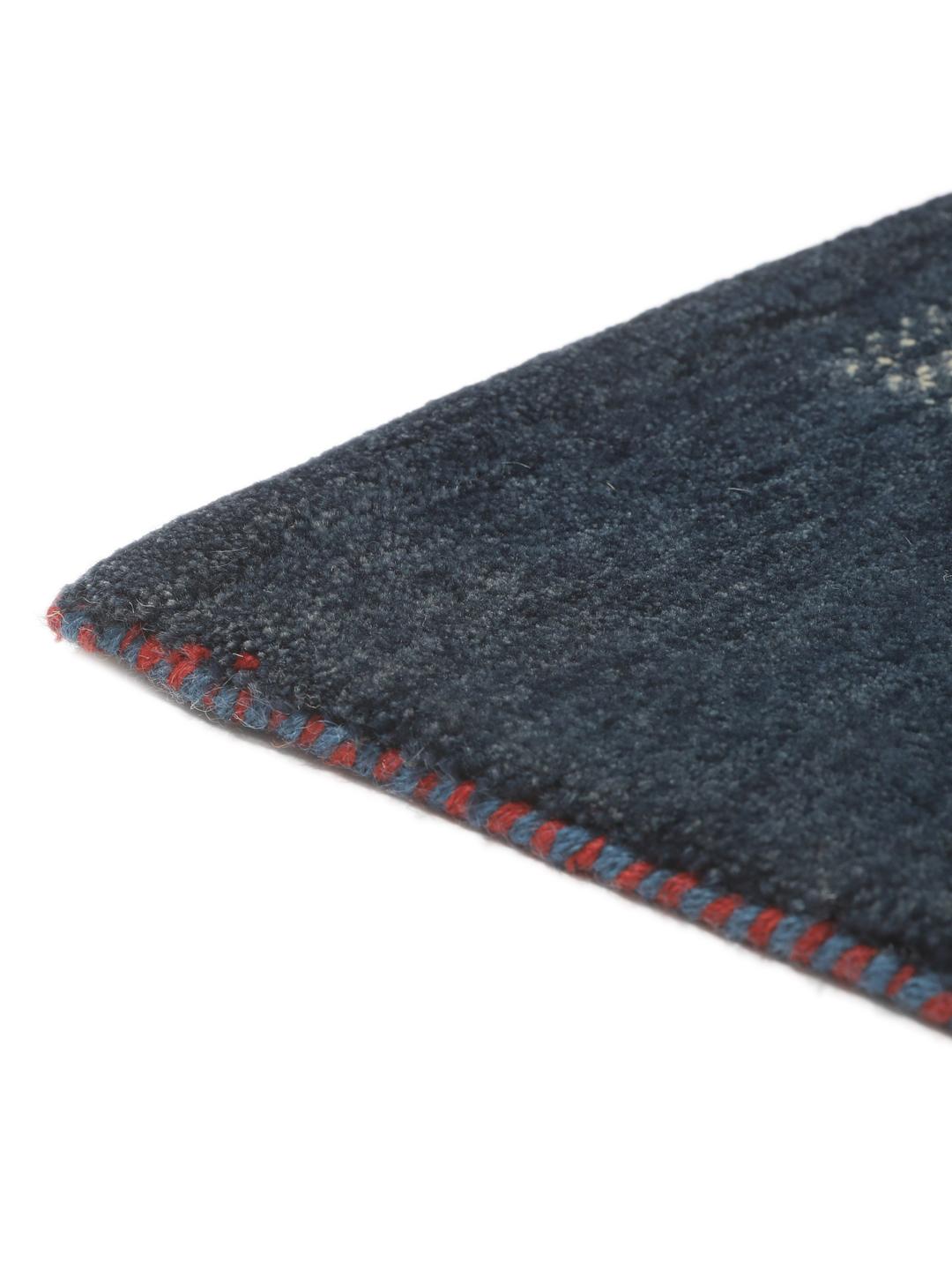
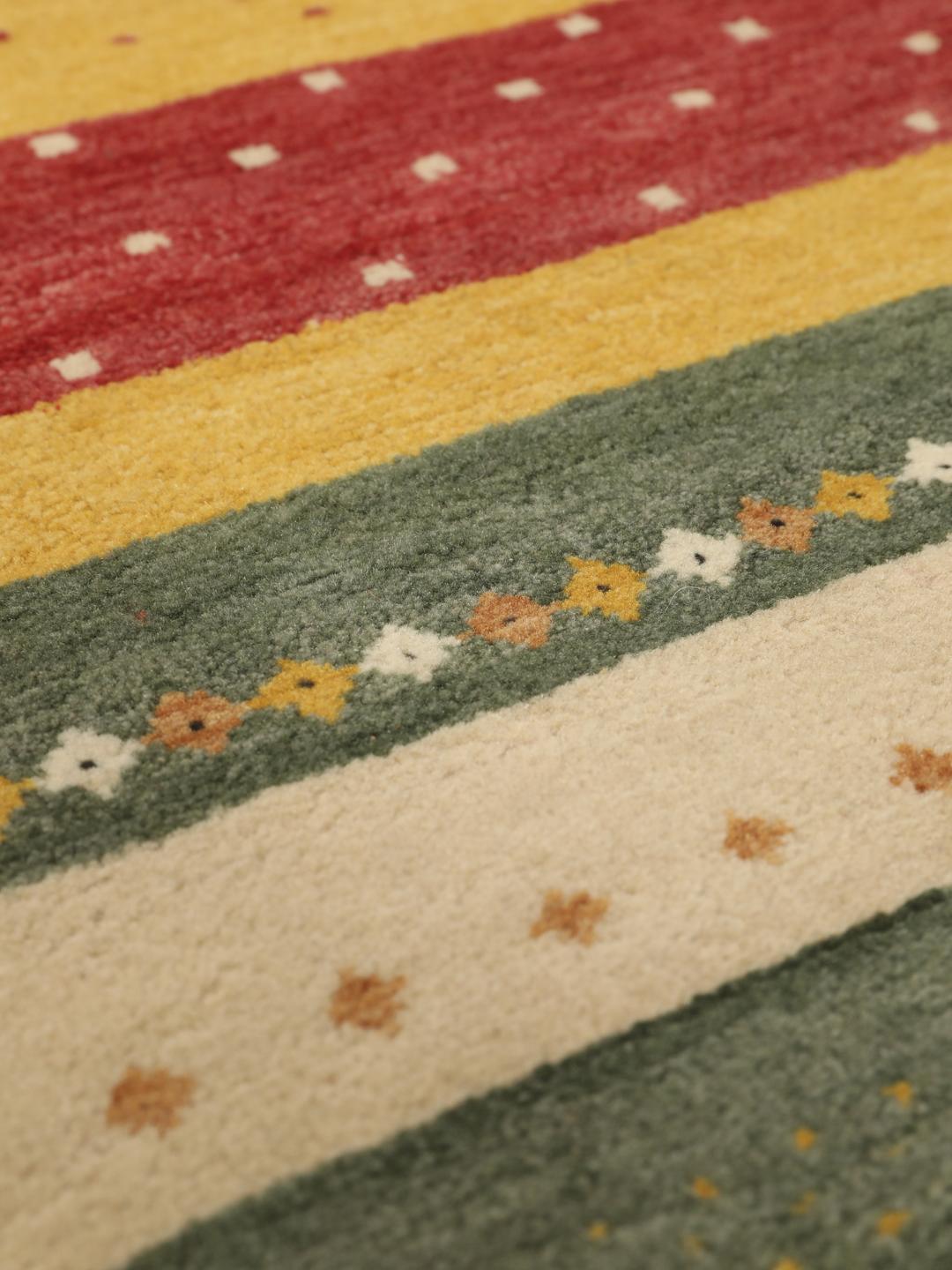
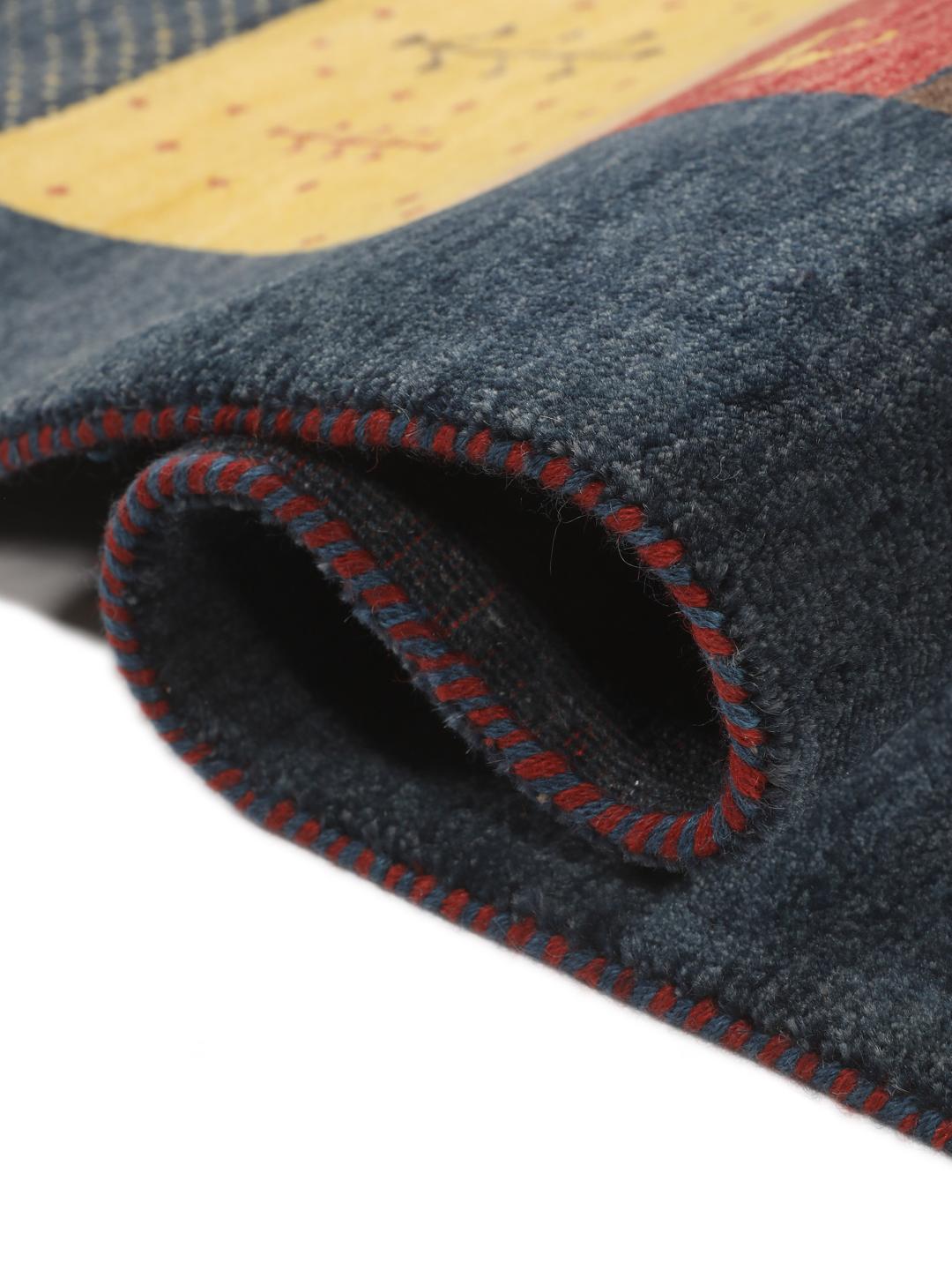
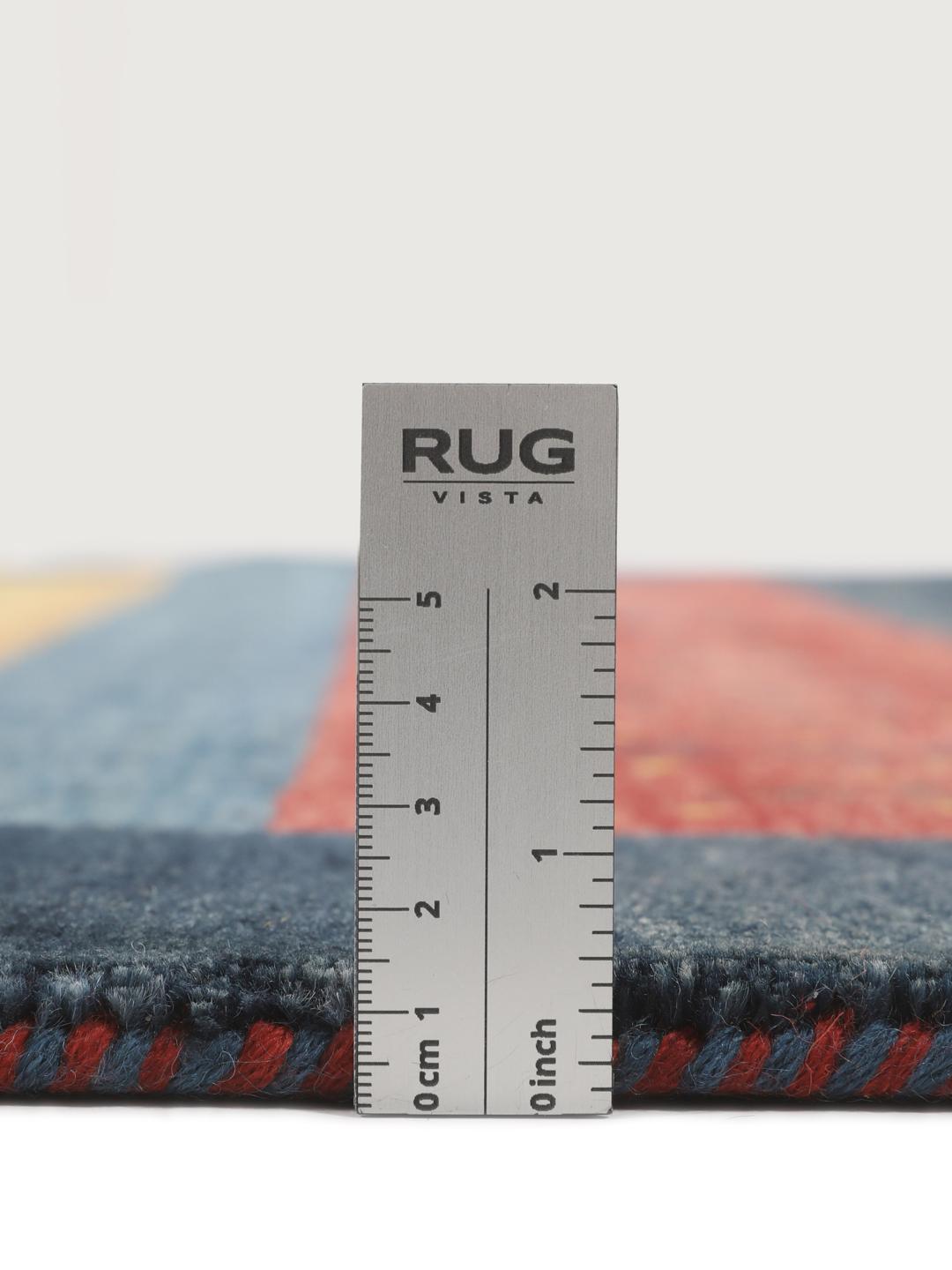
The term Loribaft refers to the unique, dense construction of the rug, often characterised by a thicker, softer pile compared to standard flat-woven rugs. This density is achieved through a specific knotting tension that creates a plush, velvet-like surface. It is a technique that prioritises comfort and resilience, ensuring the rug remains a durable, luxurious foundation for any room.
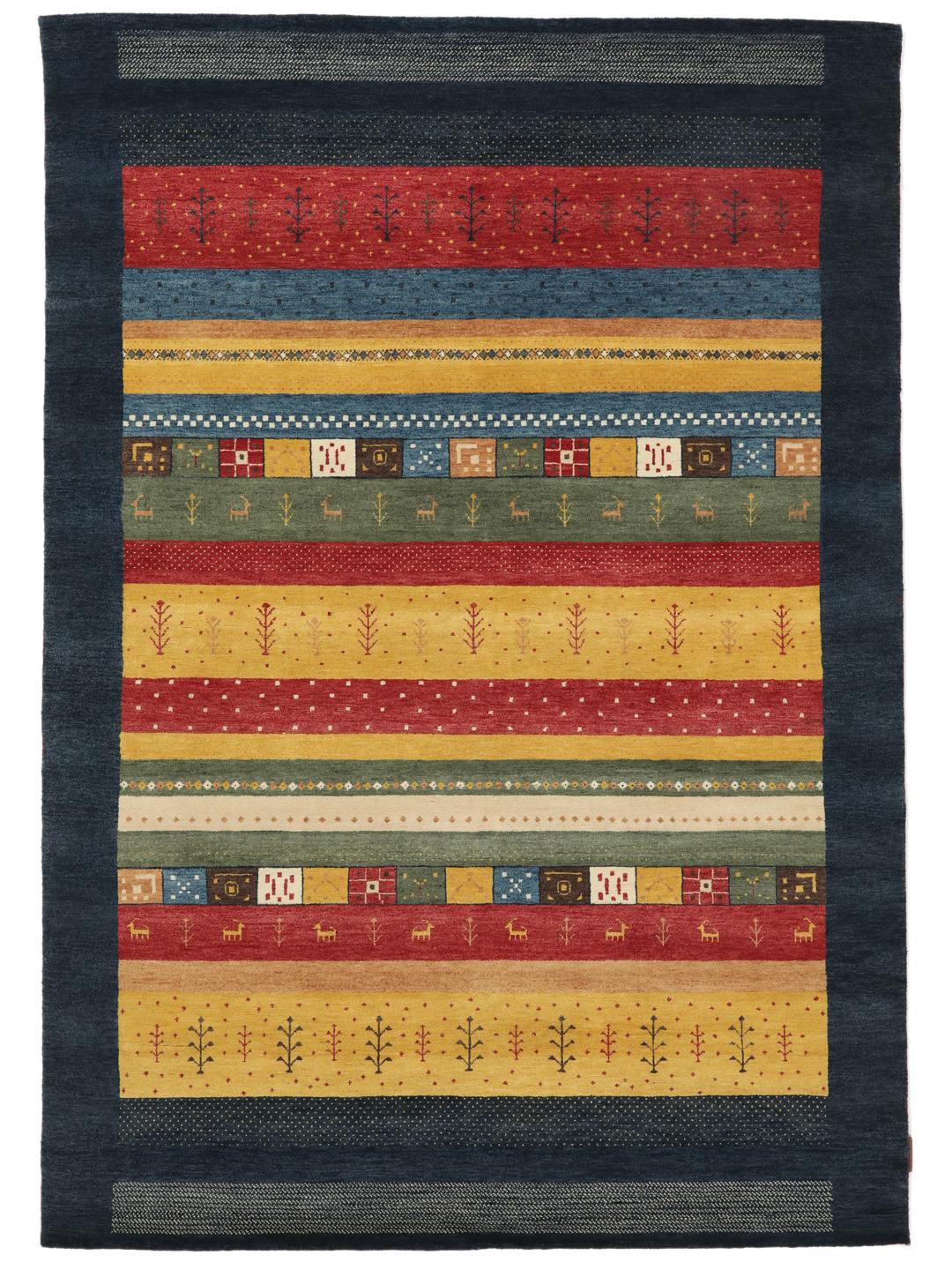
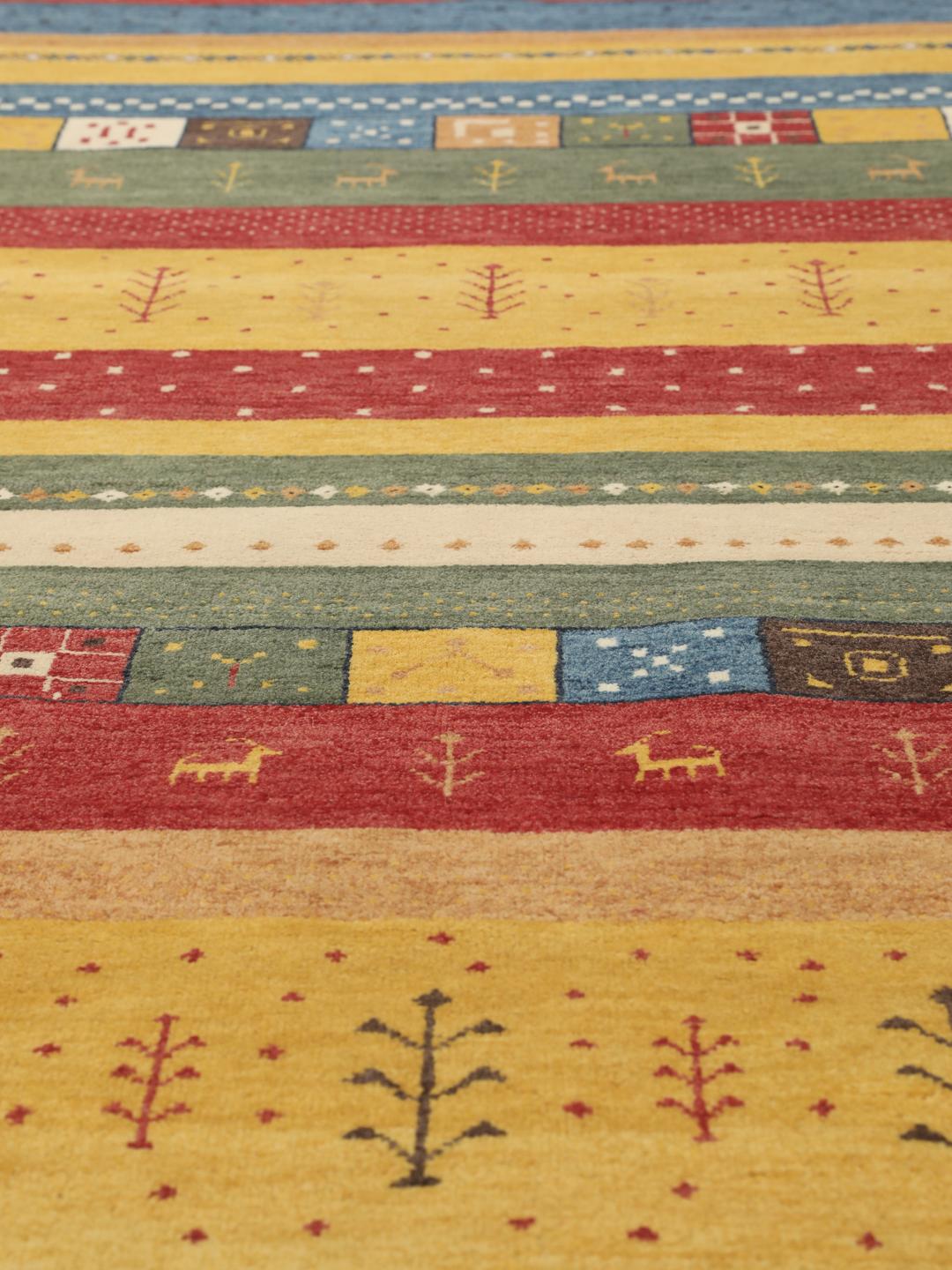
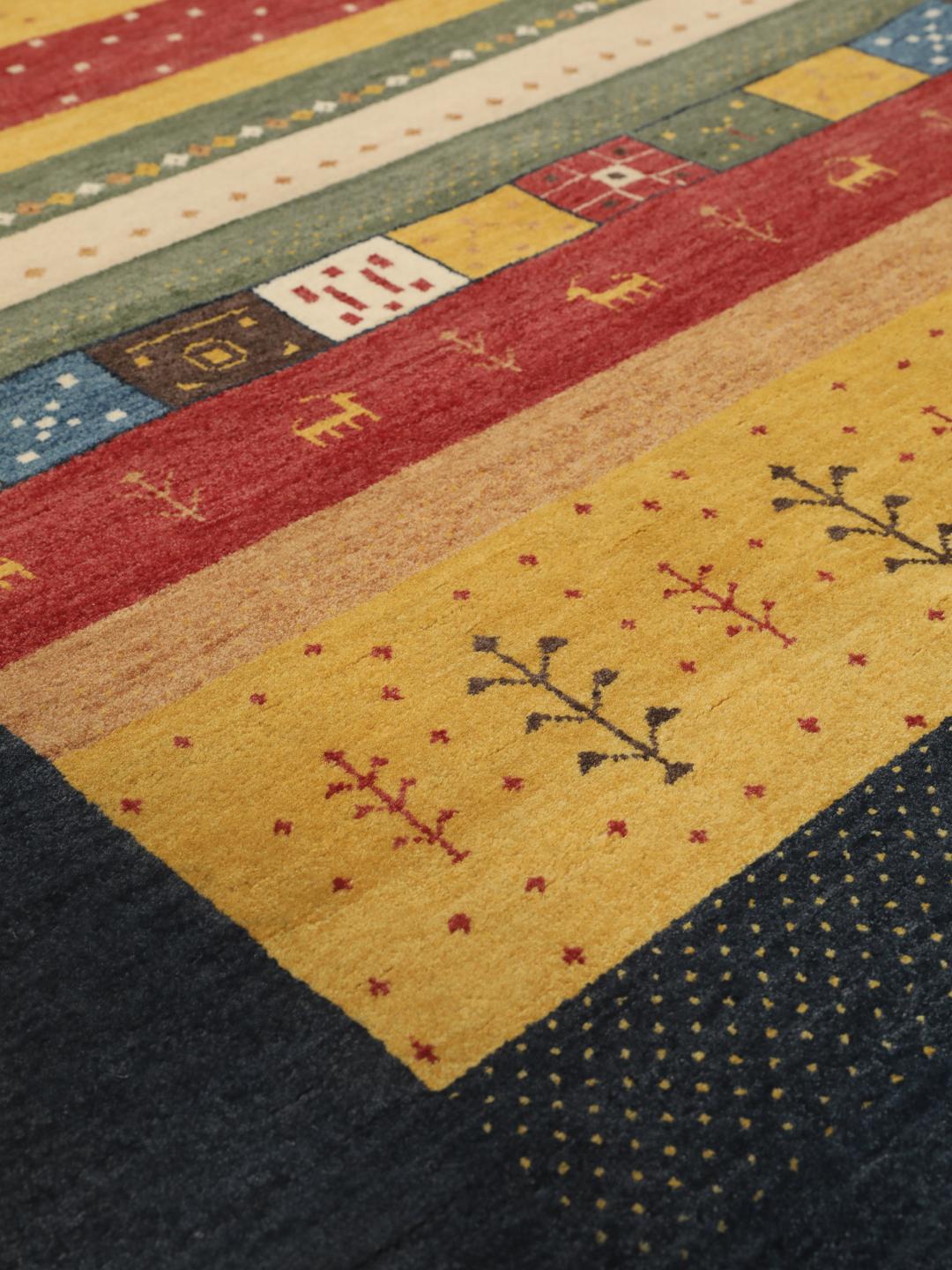
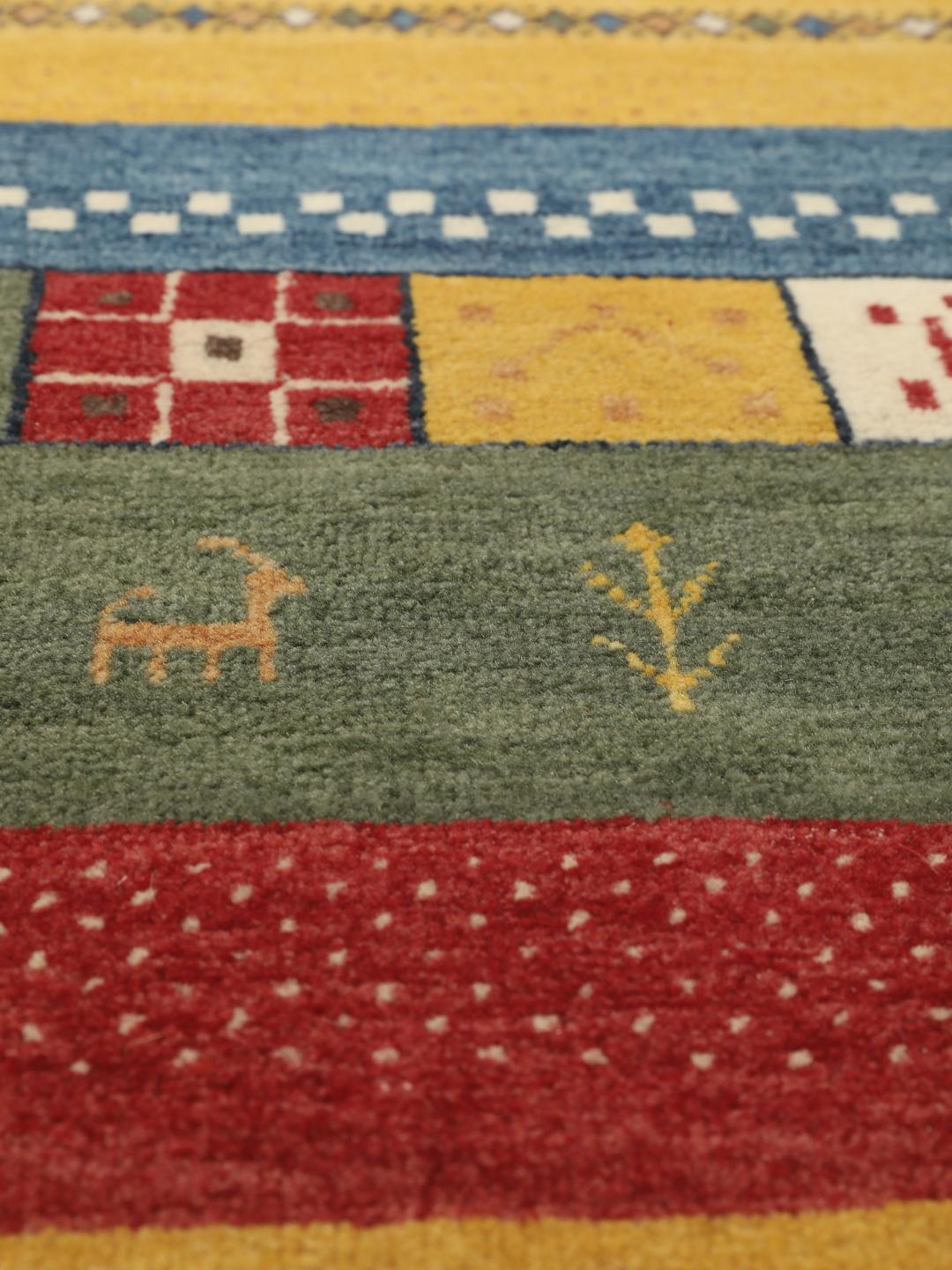
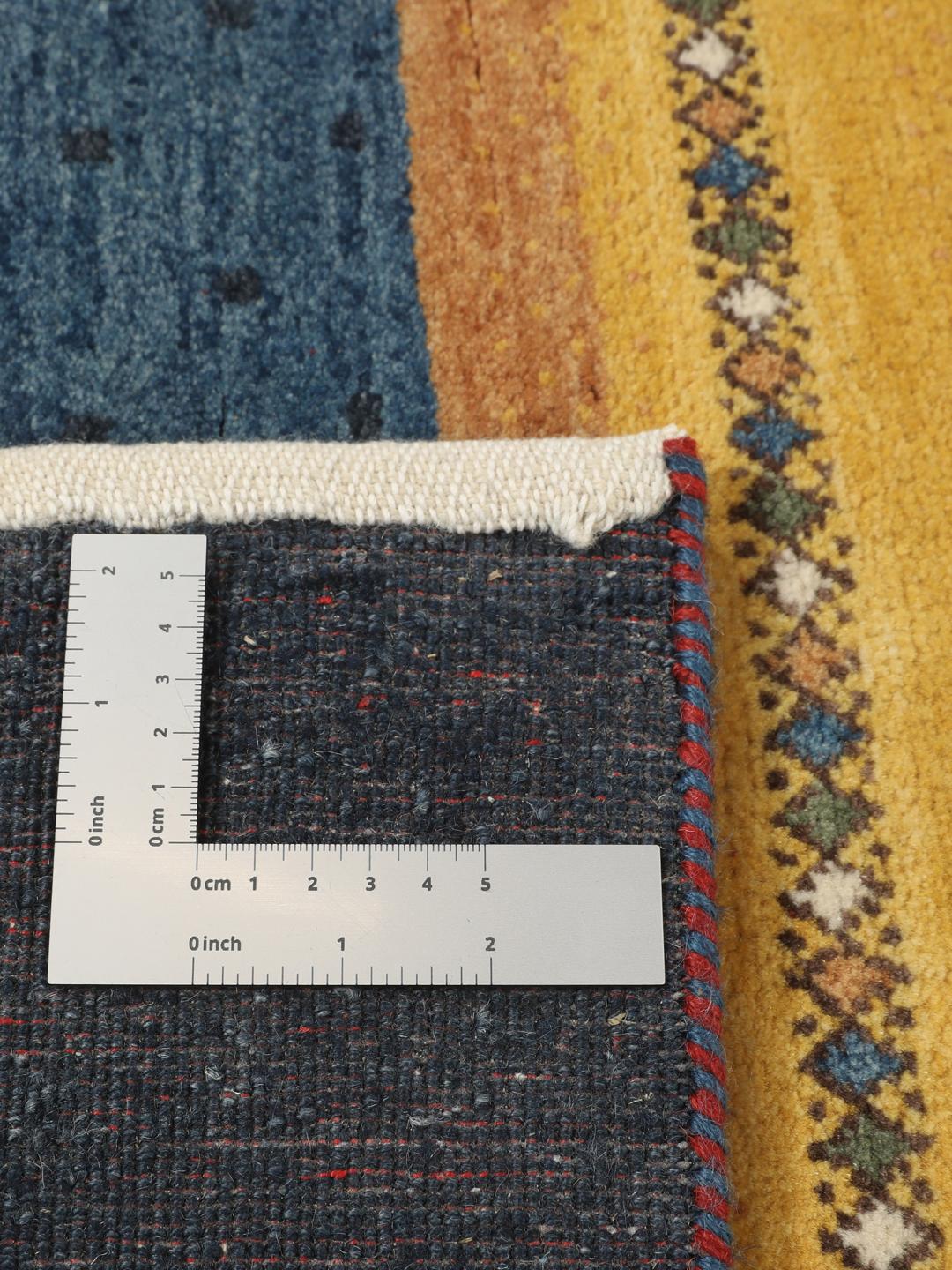
Visually, these rugs are known for their expressive use of colour and symbolic motifs. Often inspired by the natural landscape, these designs frequently incorporate stylised trees, animals, and geometric shapes that tell stories of the weaver’s environment. The horizontal banding seen in this piece is a hallmark of the style, creating a rhythmic and balanced aesthetic that draws the eye across the entire field.
Collecting a Loribaft rug is an opportunity to own a piece of living history. These rugs are highly valued for their authenticity and the human effort required to create such complex, harmonious patterns without the use of pre-set templates. By bringing one into your home, you are continuing a long tradition of appreciating handmade artistry and supporting a craft that values quality and individuality above all else.