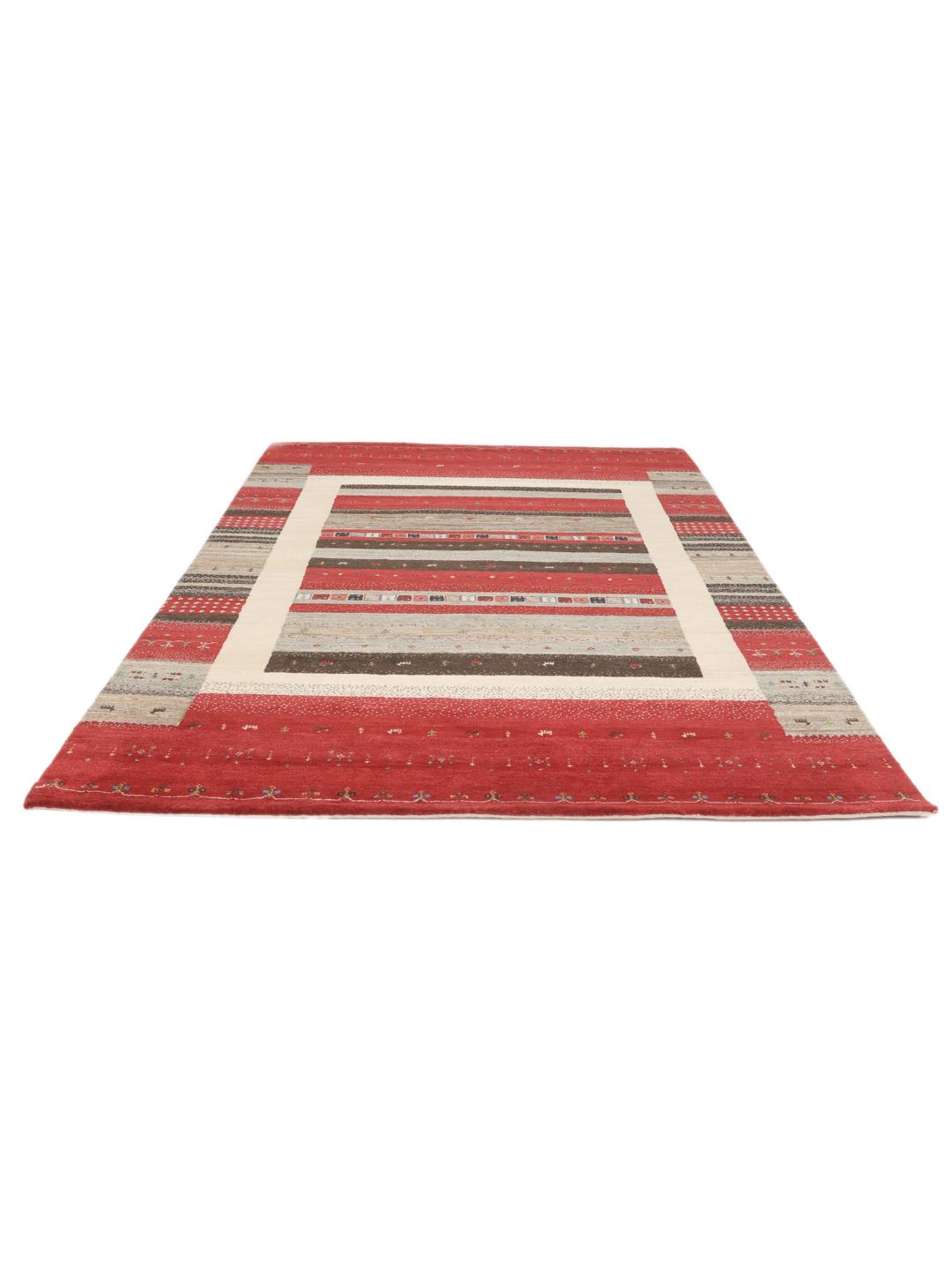
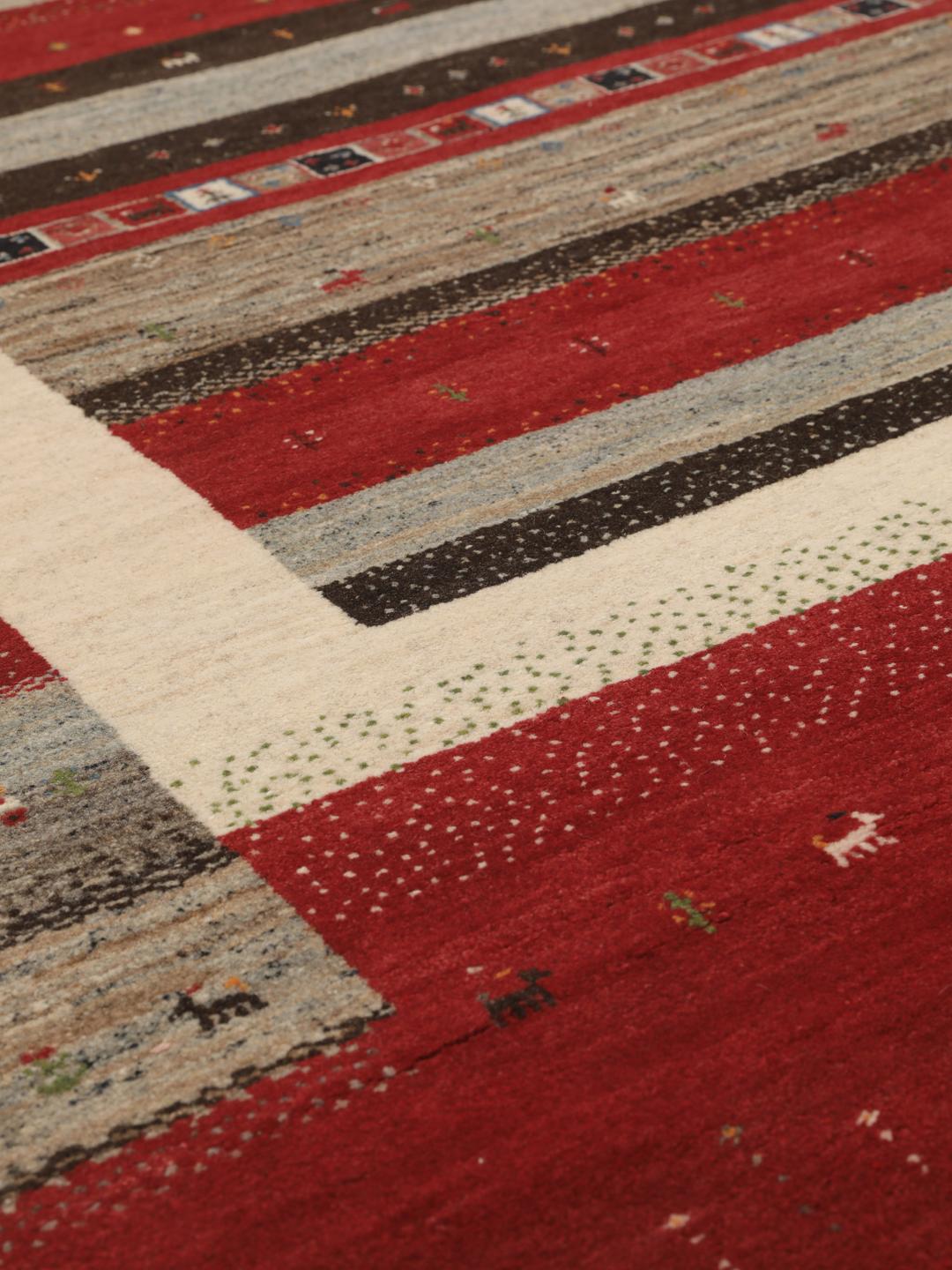
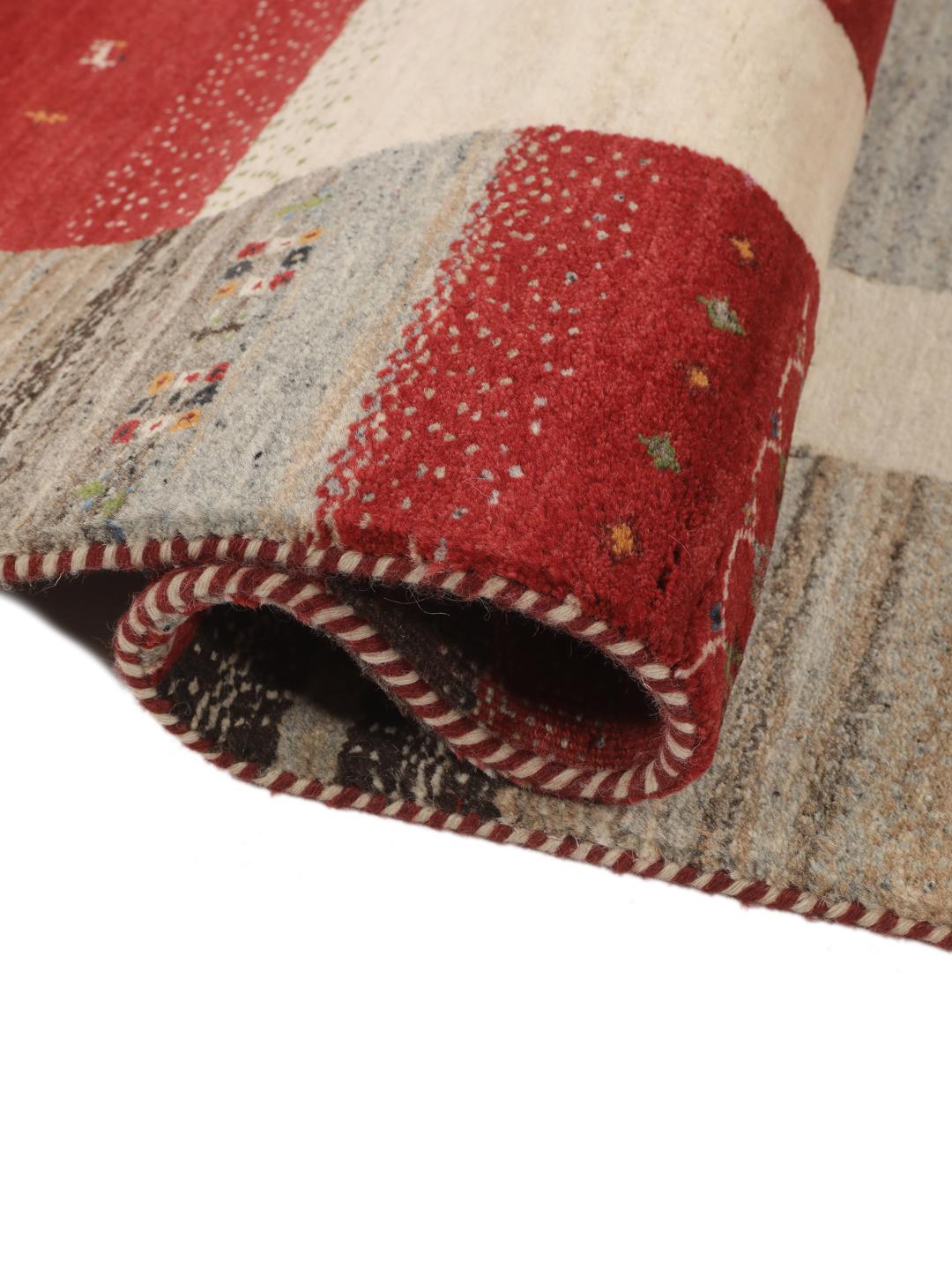
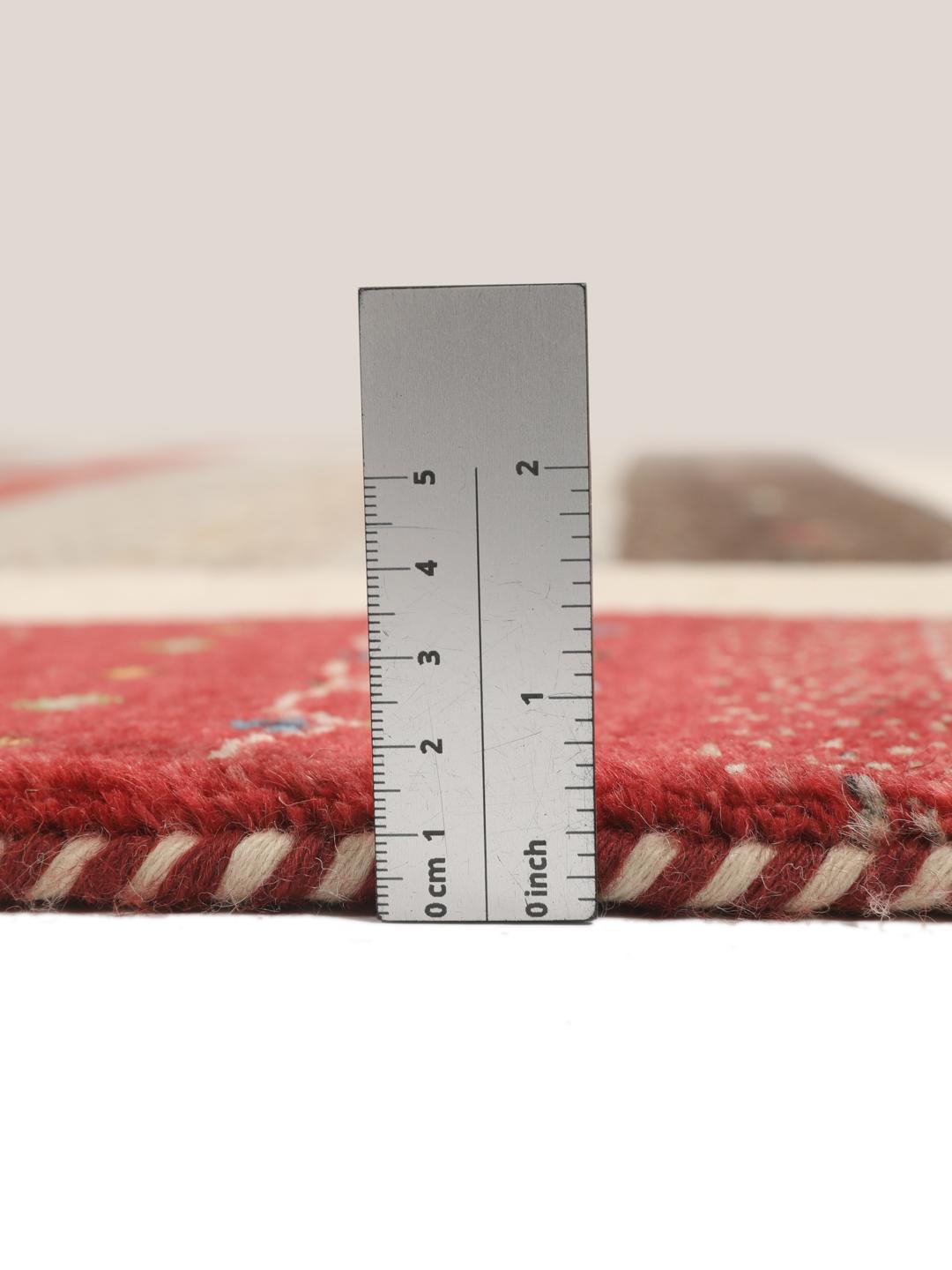
The Gabbeh Loribaft tradition finds its roots in the nomadic cultures of the Middle East, where weavers created these rugs for their own daily use rather than for sale. These pieces were historically designed to serve as warm, thick bedding and floor coverings inside nomadic tents, reflecting a lifestyle centred on simplicity, utility, and protection from the elements.
The term 'Loribaft' refers to a specific, elevated style of Gabbeh weaving, characterised by a higher knot density and a more sophisticated aesthetic compared to standard, coarser Gabbehs. This evolution represents a bridge between ancient tribal utility and the finer, more detailed decorative rugs that have become highly sought after by collectors worldwide.
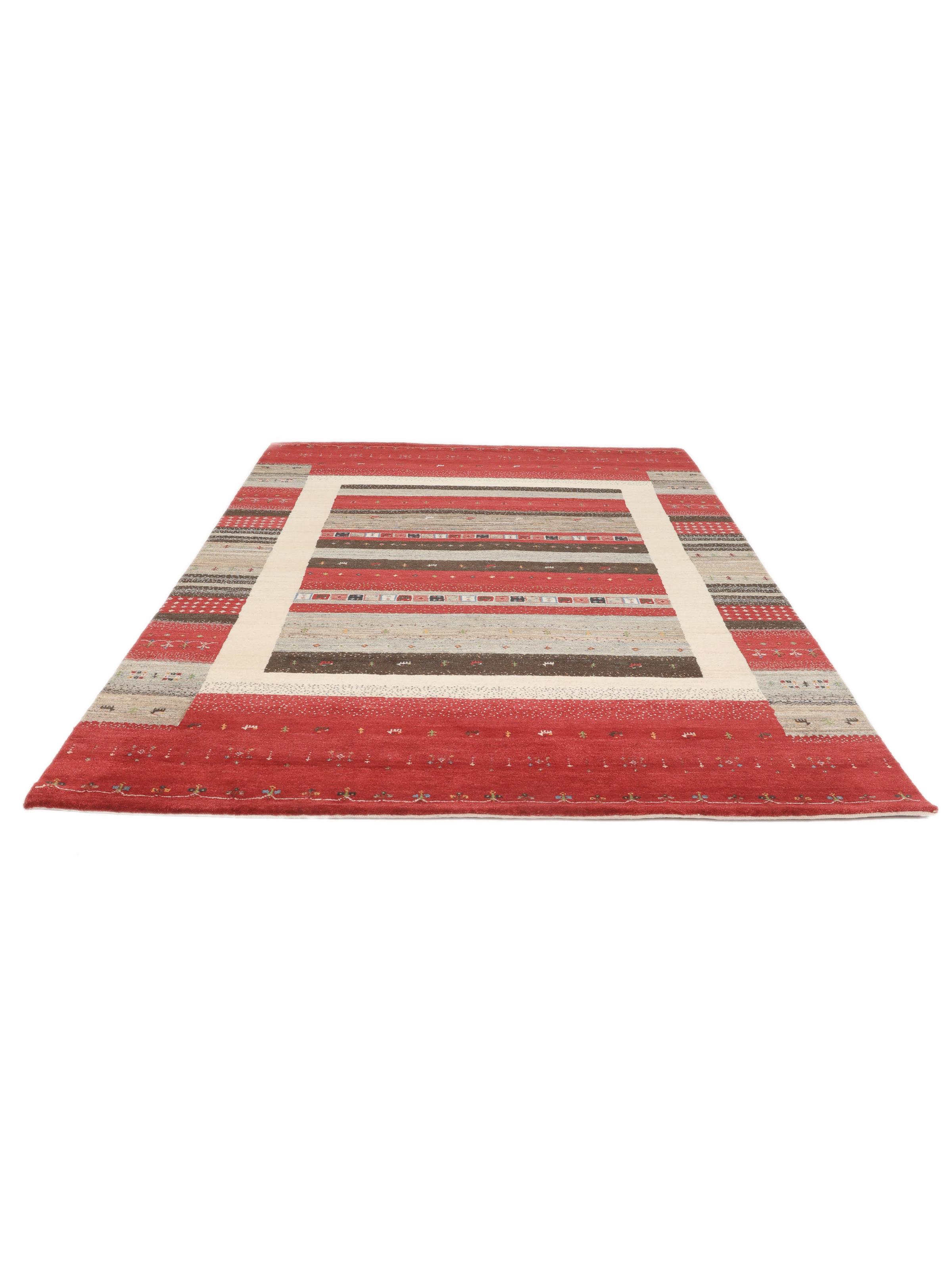
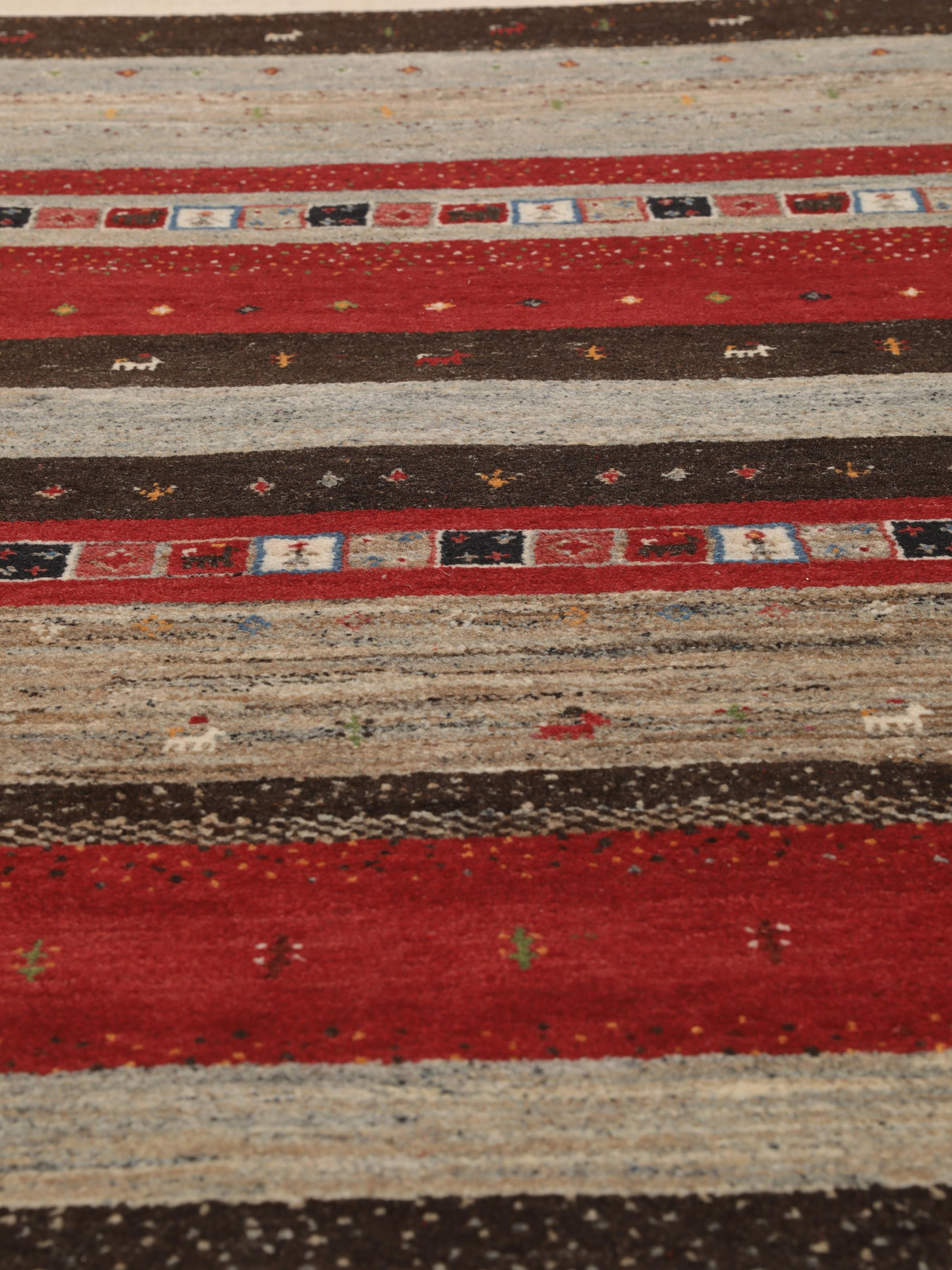
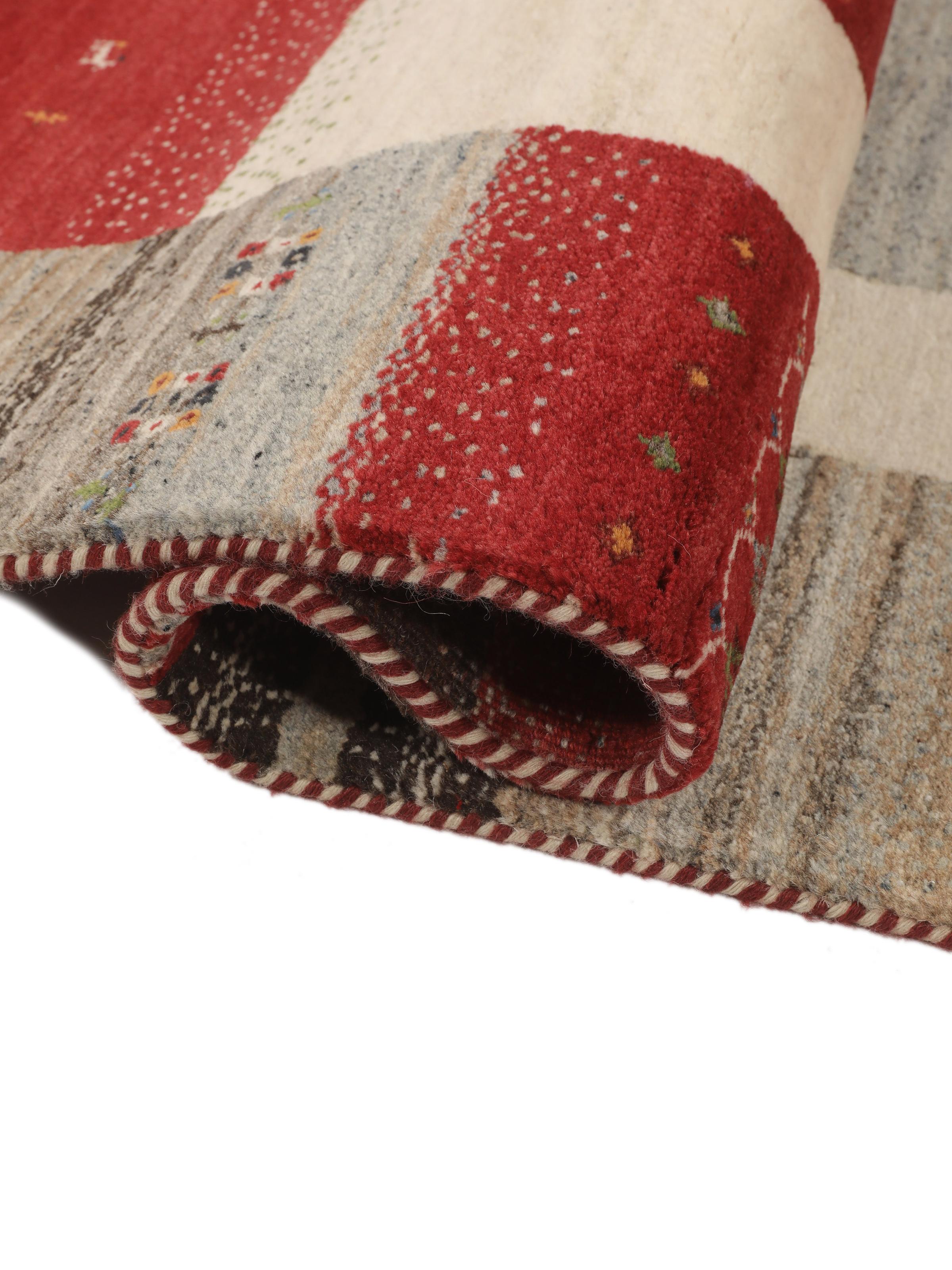
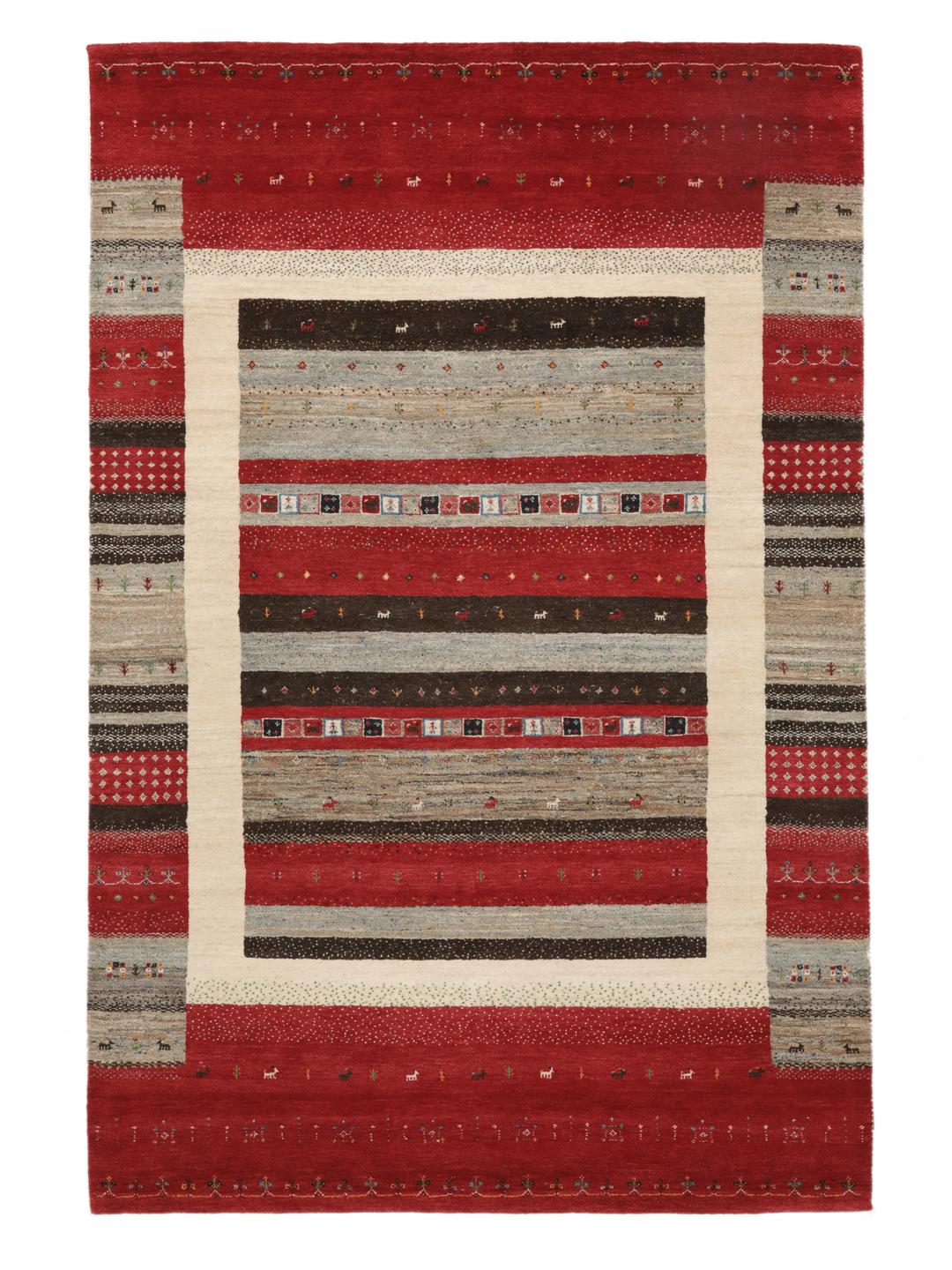
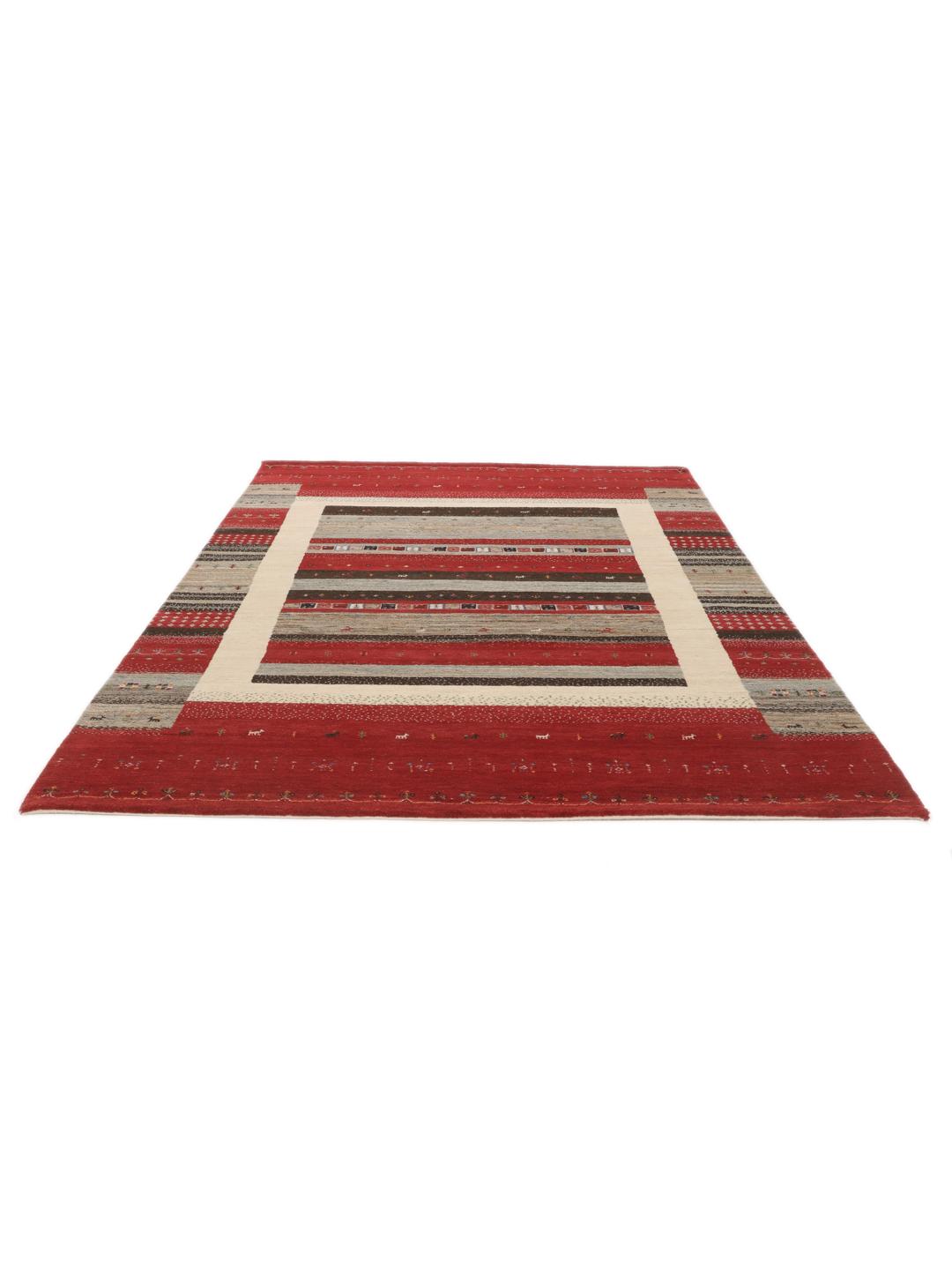
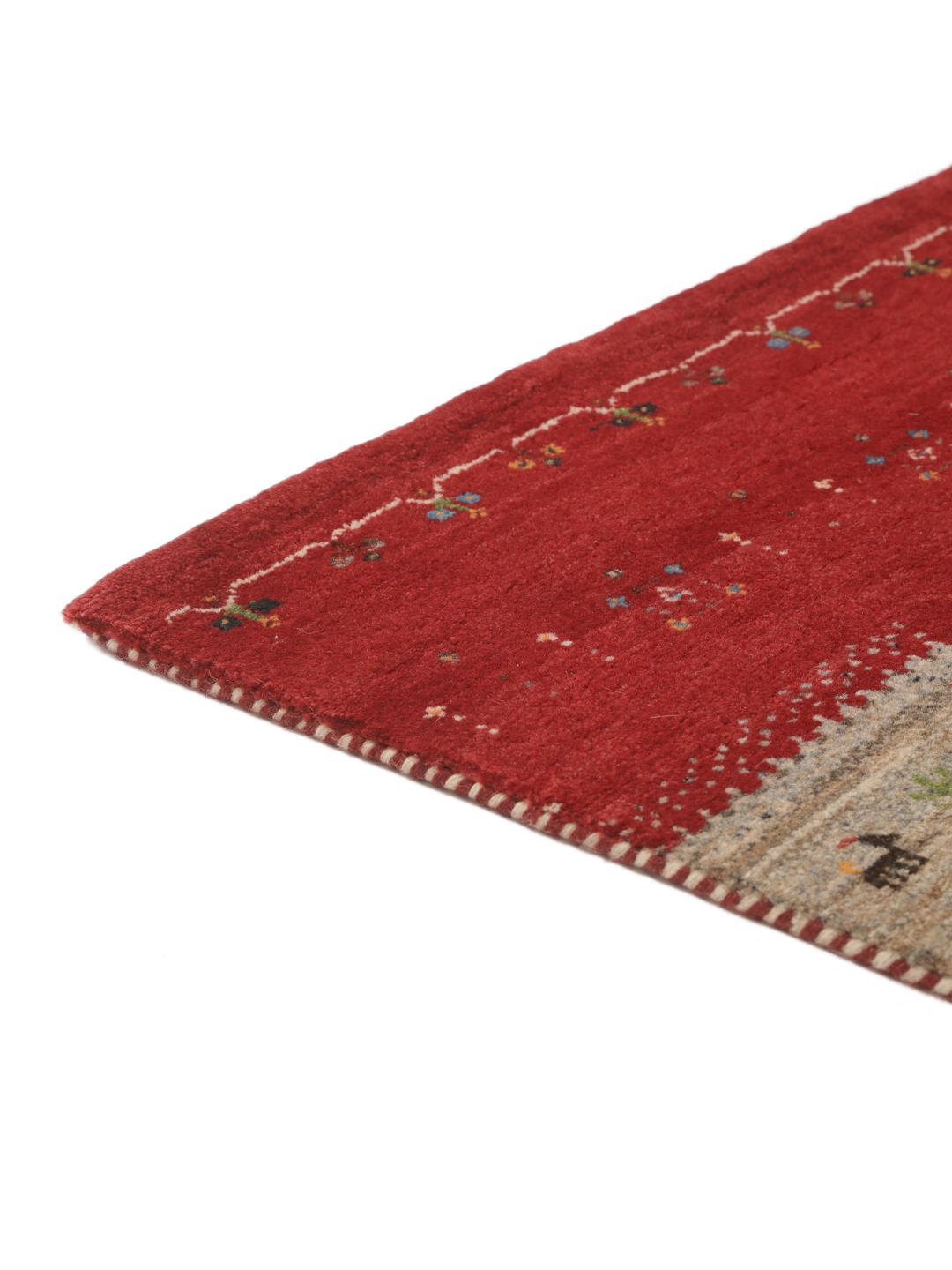
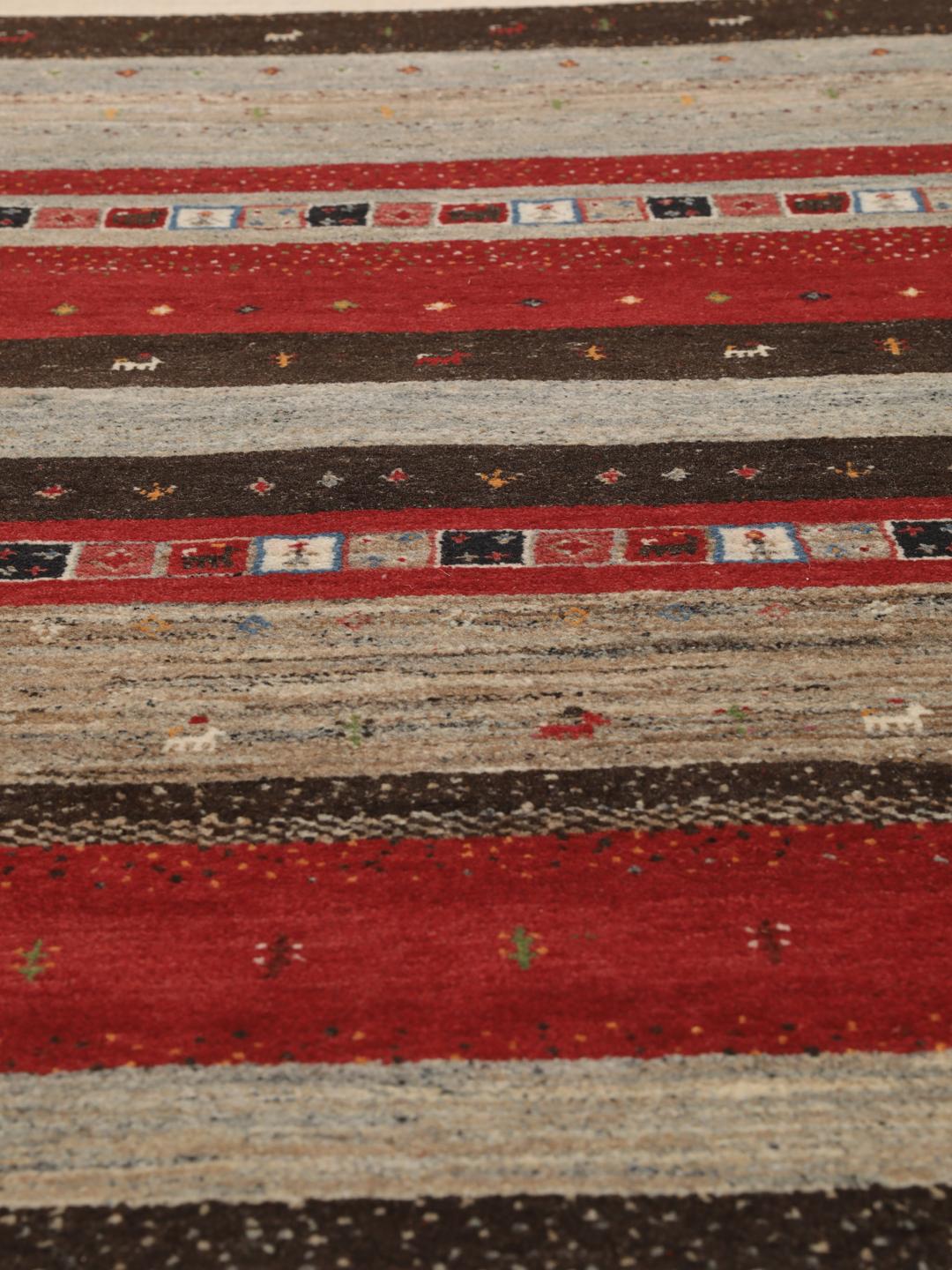
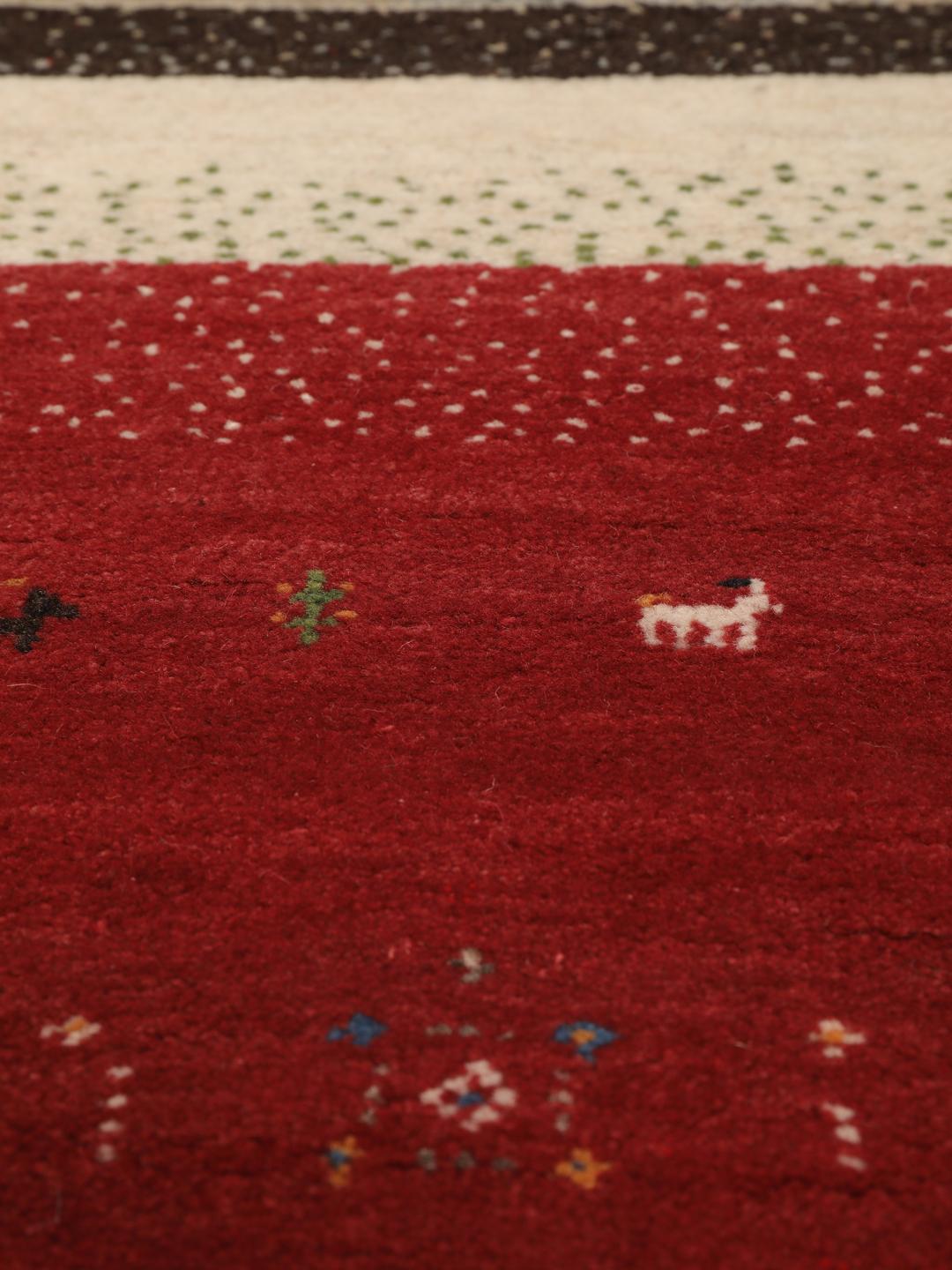
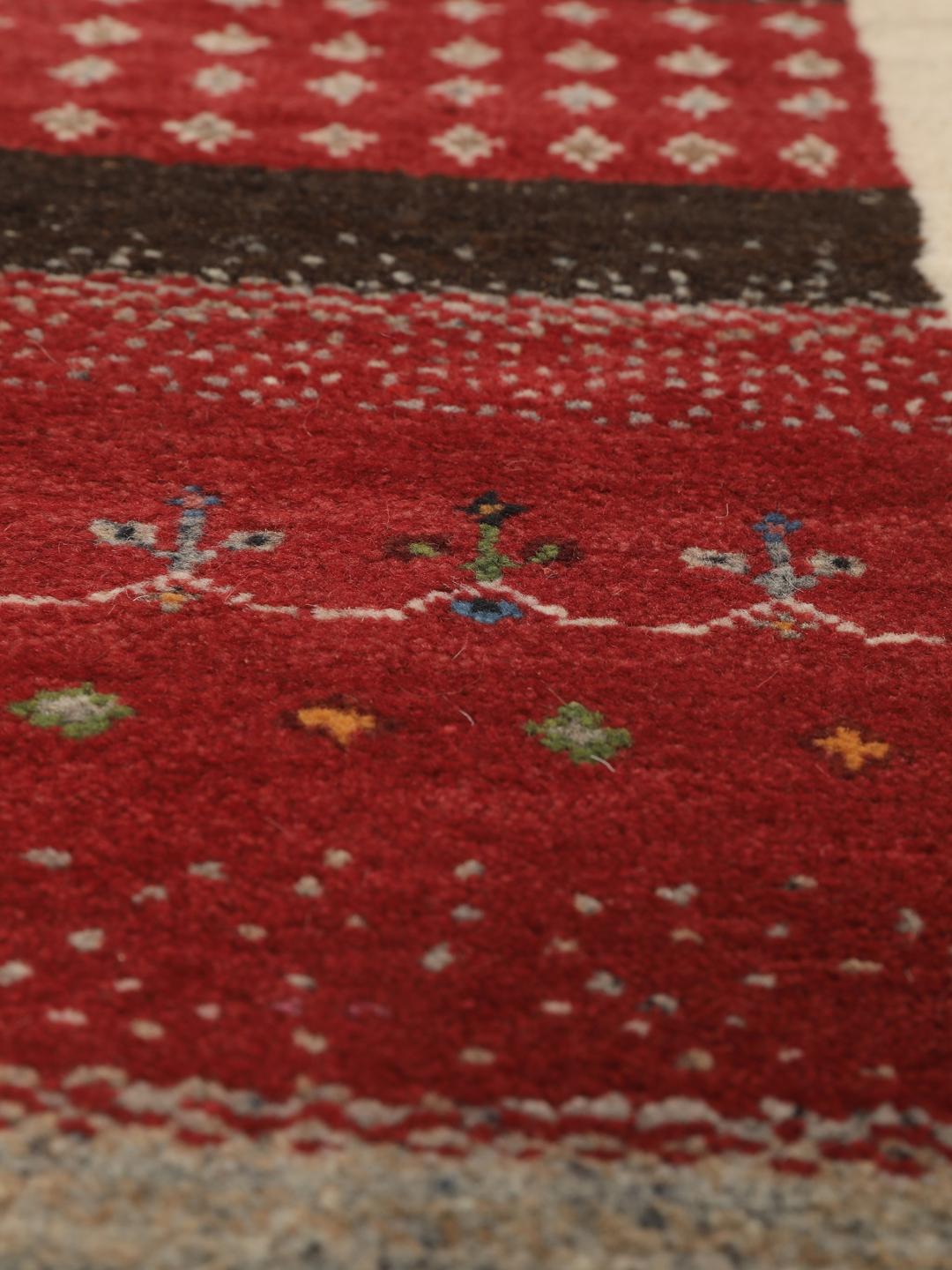
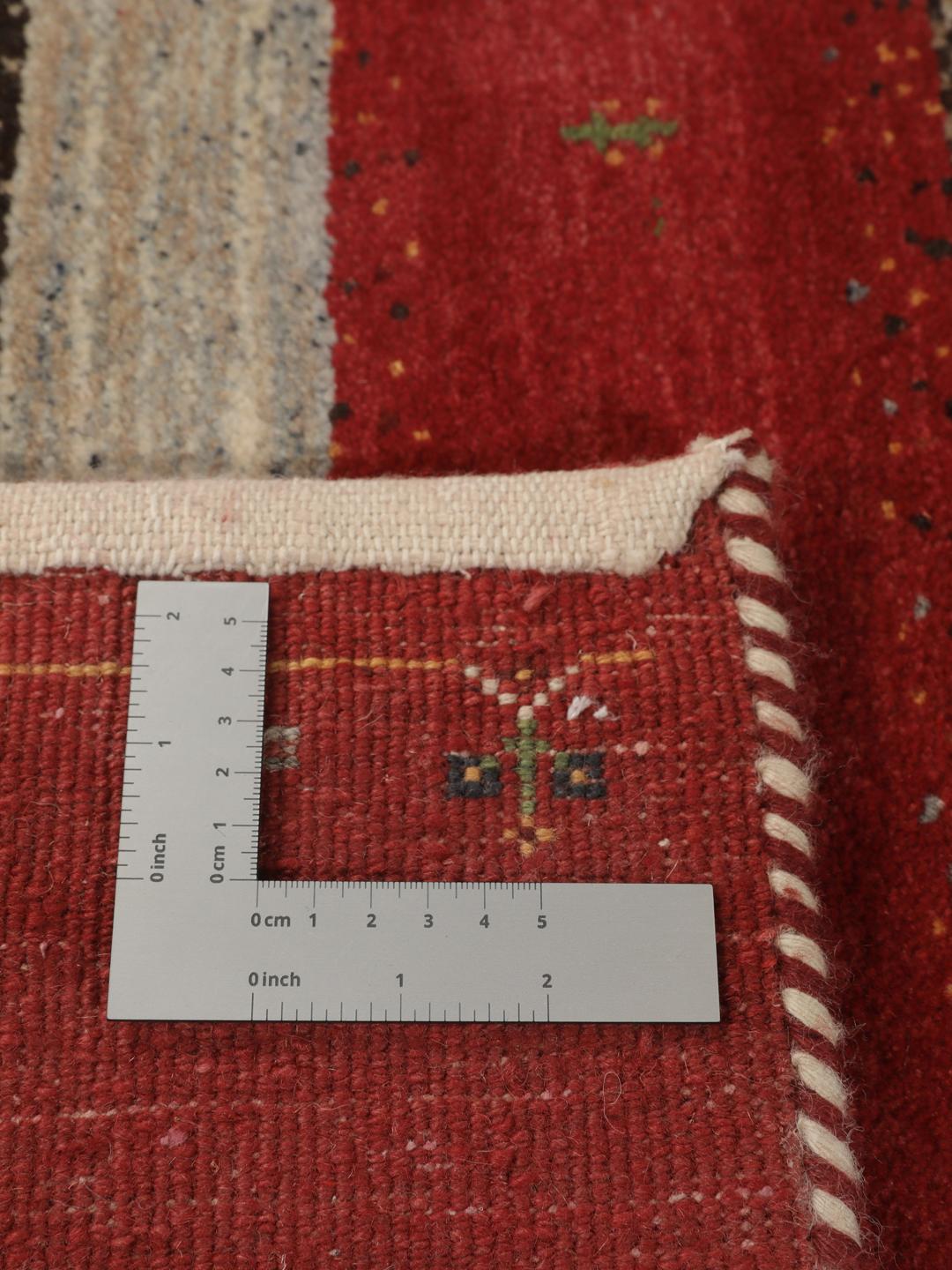
Visually, Loribaft rugs are celebrated for their use of negative space, bold geometric stripes, and small, whimsical pictorial motifs often depicting animals or plants. While traditional Gabbehs are often defined by their vibrant, solid-coloured fields, the Loribaft style introduces a more complex composition, often blending rich, natural dyes with intricate borders that frame the central design.
Today, these rugs are prized for their authentic connection to heritage and the incredible skill required to execute such precise patterns by hand. Collecting a Loribaft piece is an investment in cultural tradition, offering a tactile link to a centuries-old craft that continues to be refined by artisans who value the balance between artistic expression and structural durability.