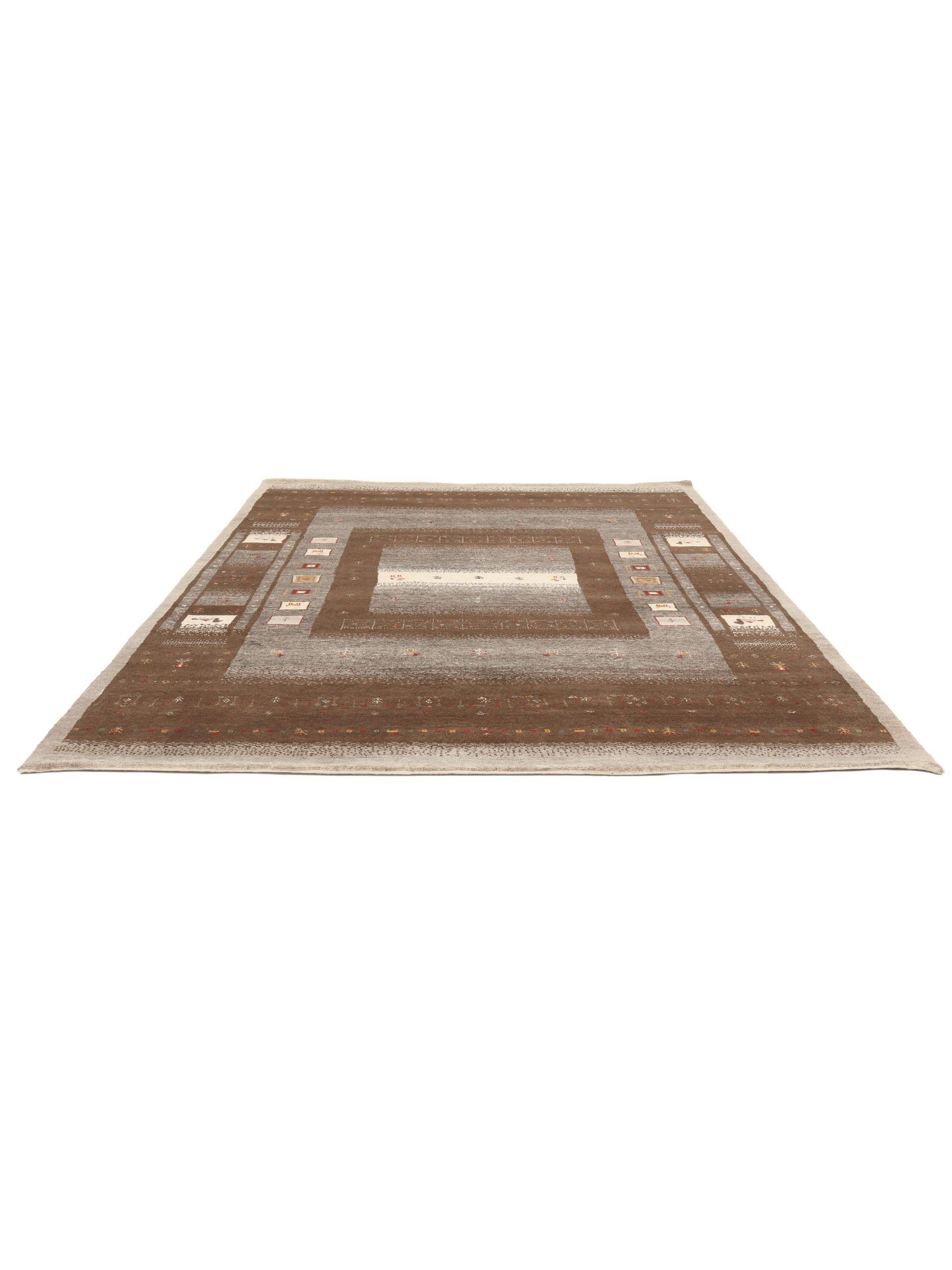
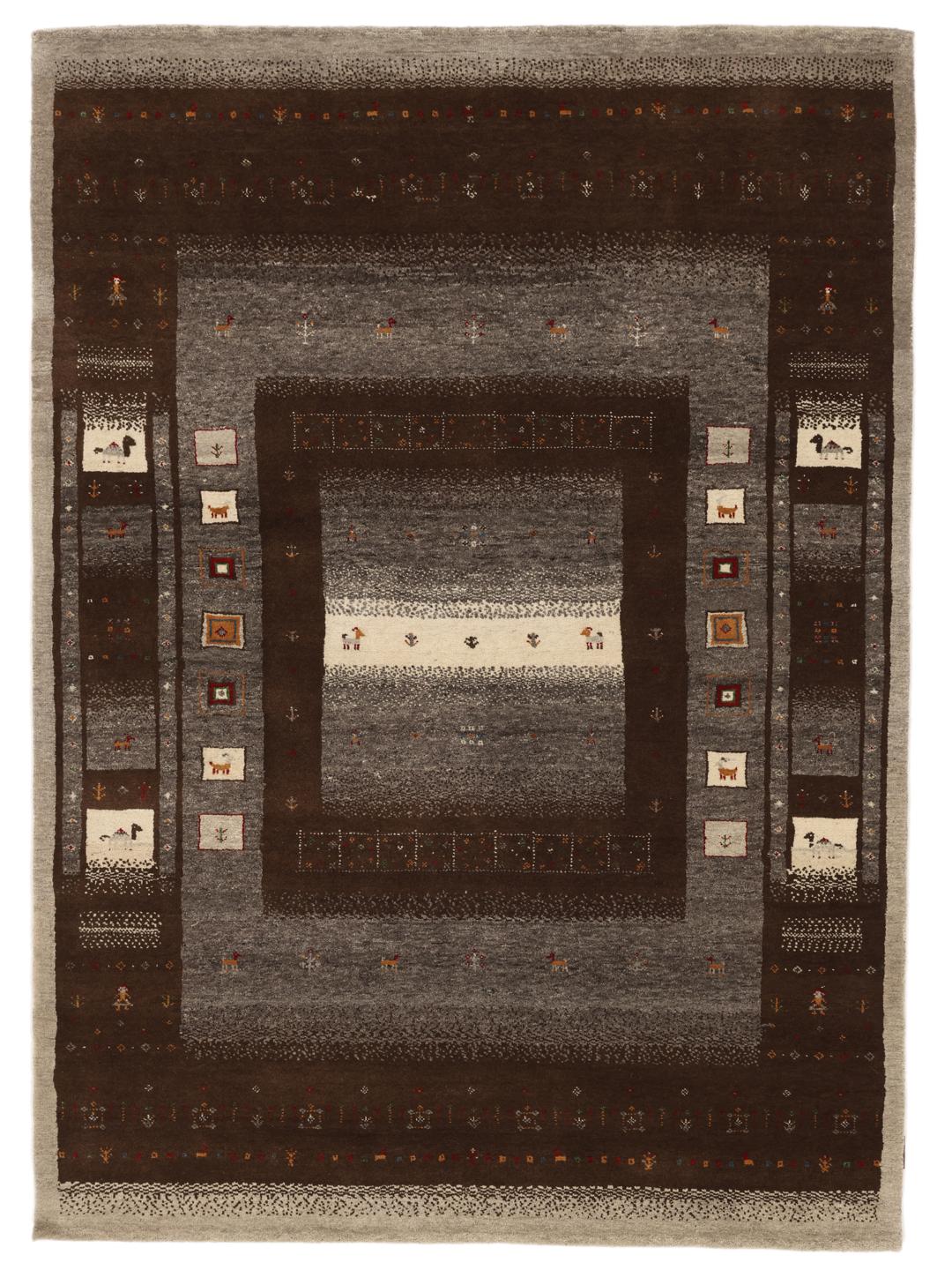
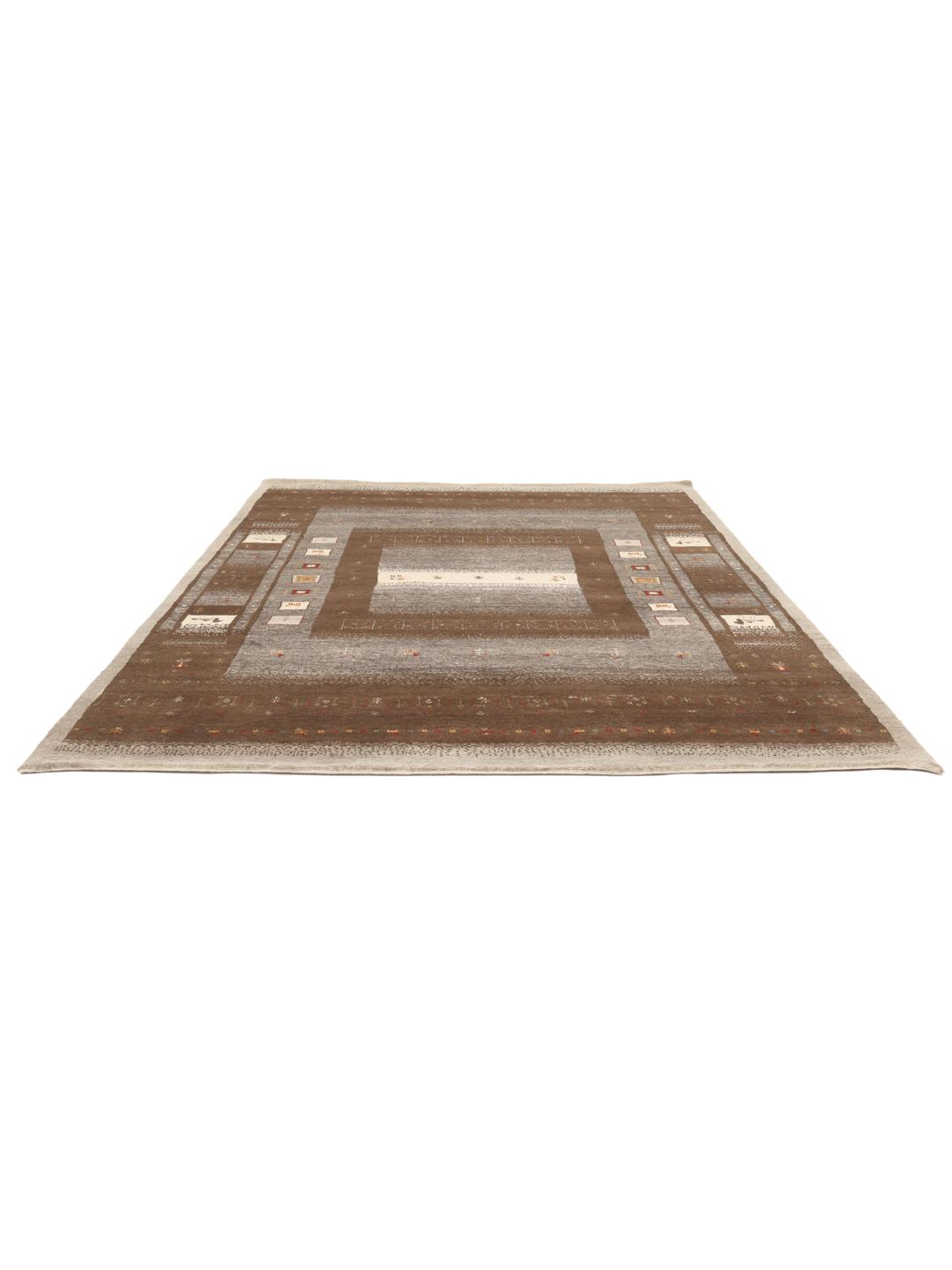
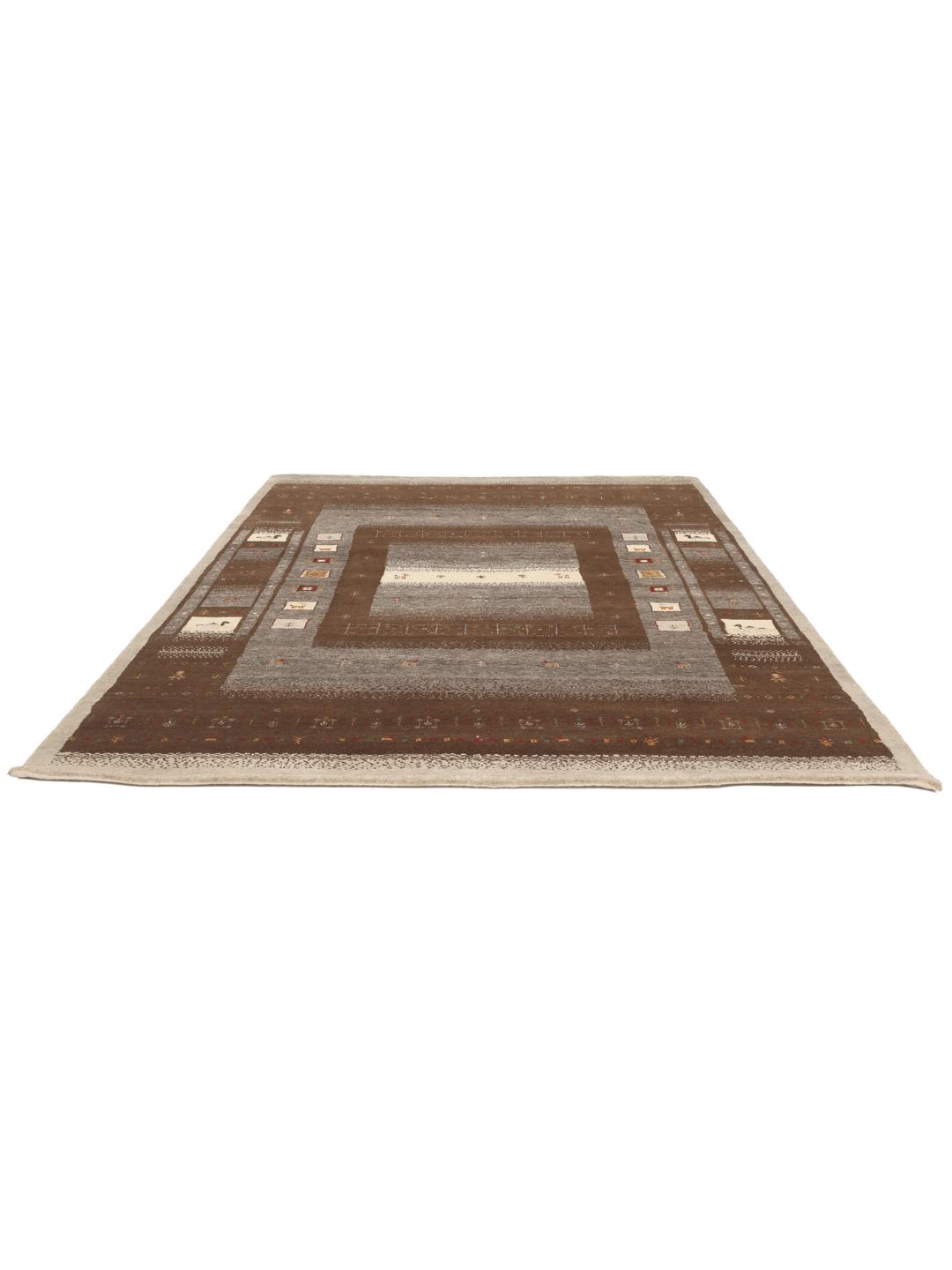
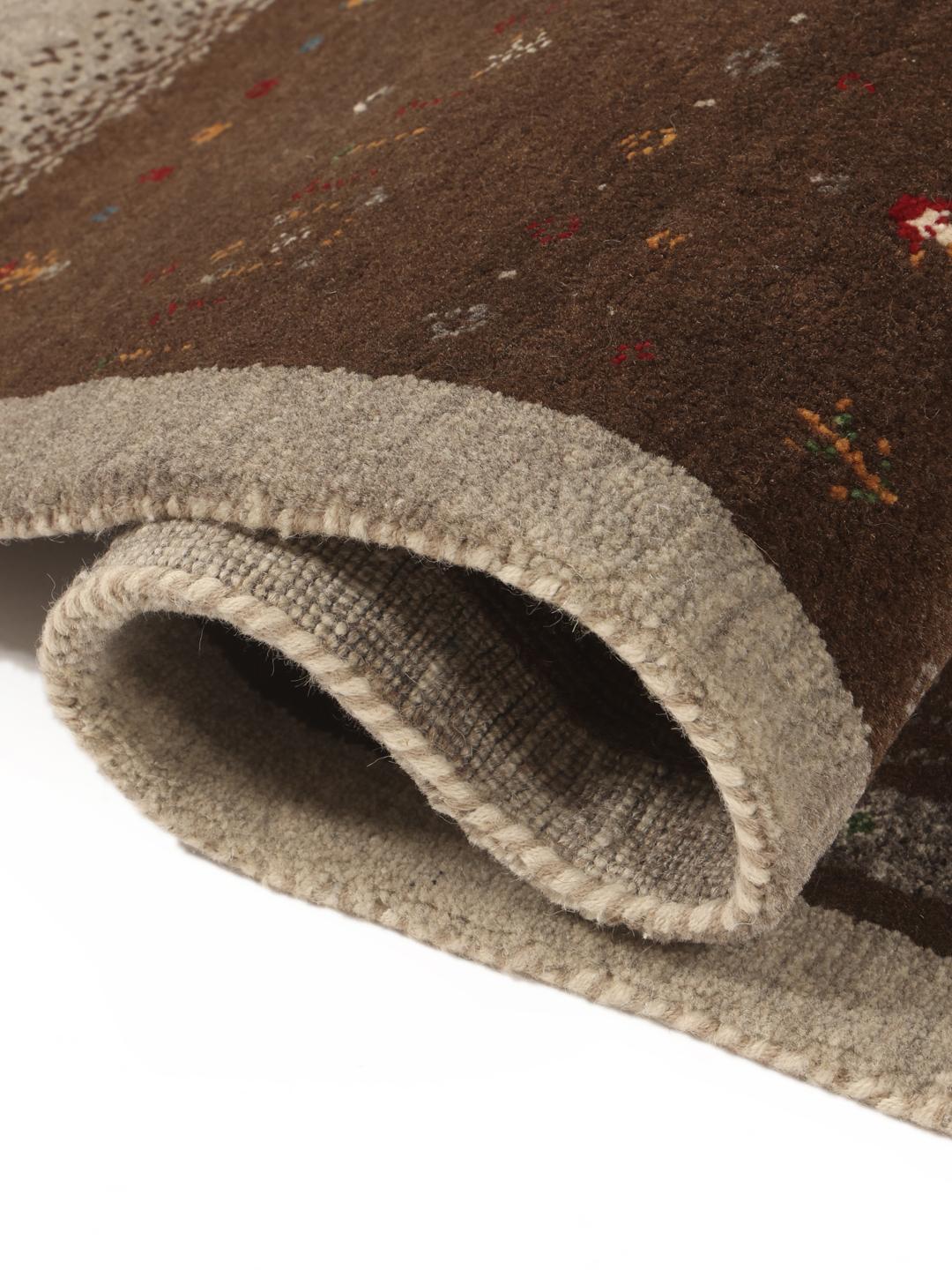
Gabbeh rugs are deeply rooted in the nomadic traditions of the Middle East, where they were originally woven for personal use rather than trade. These rugs are known for their thick, plush piles and simplified, often geometric designs that reflect the weaver's personal connection to their environment and surroundings.
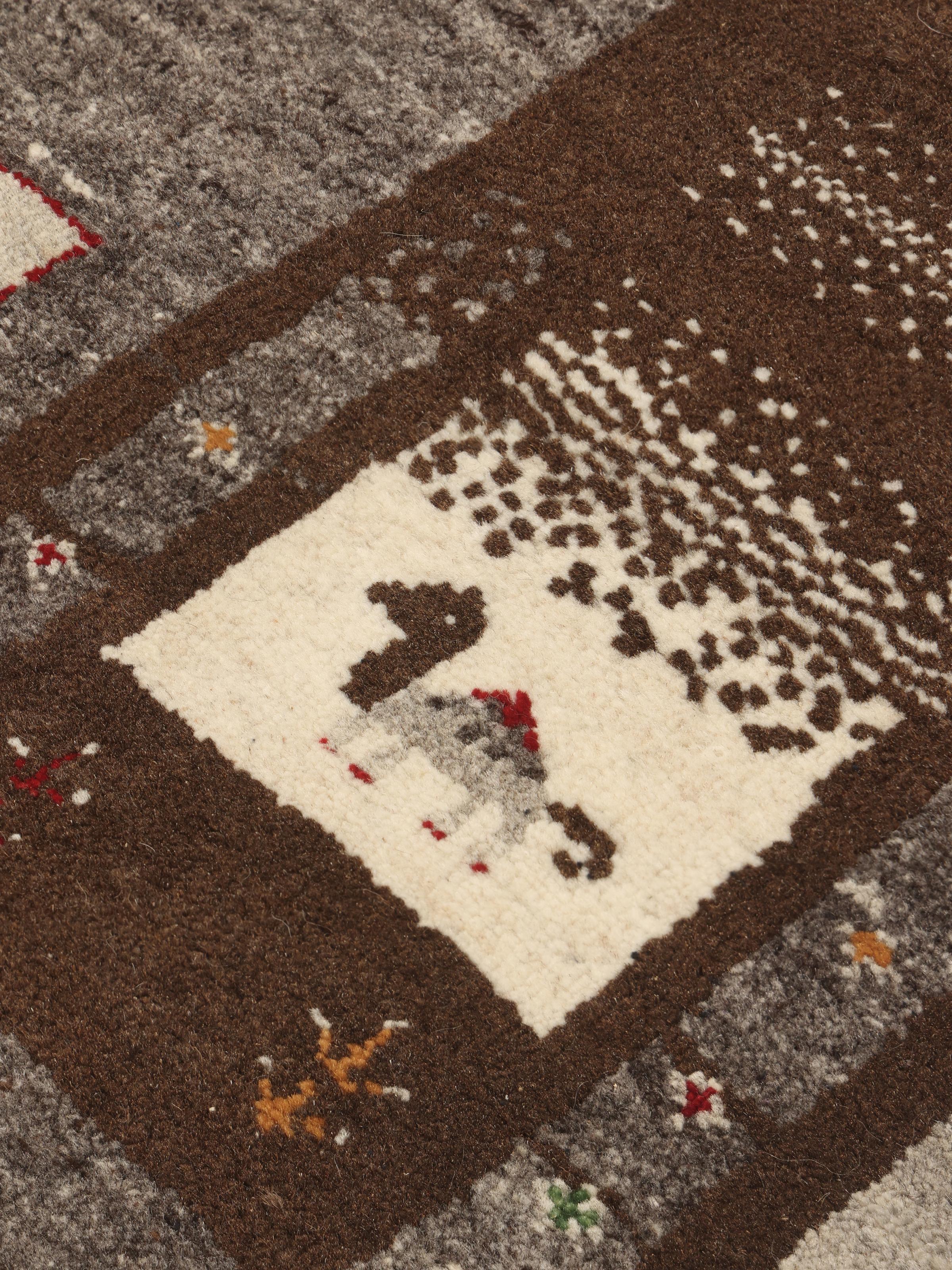
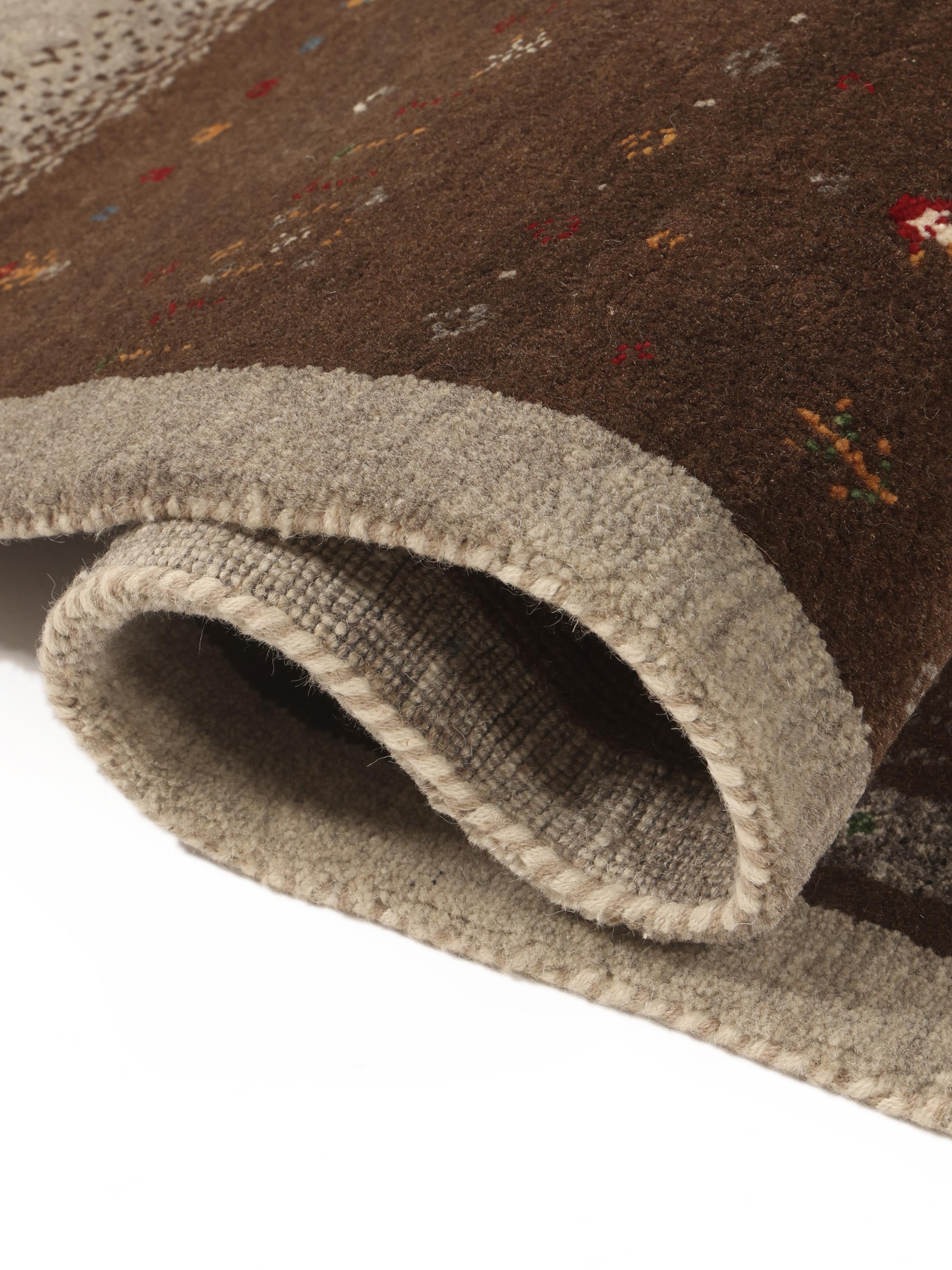
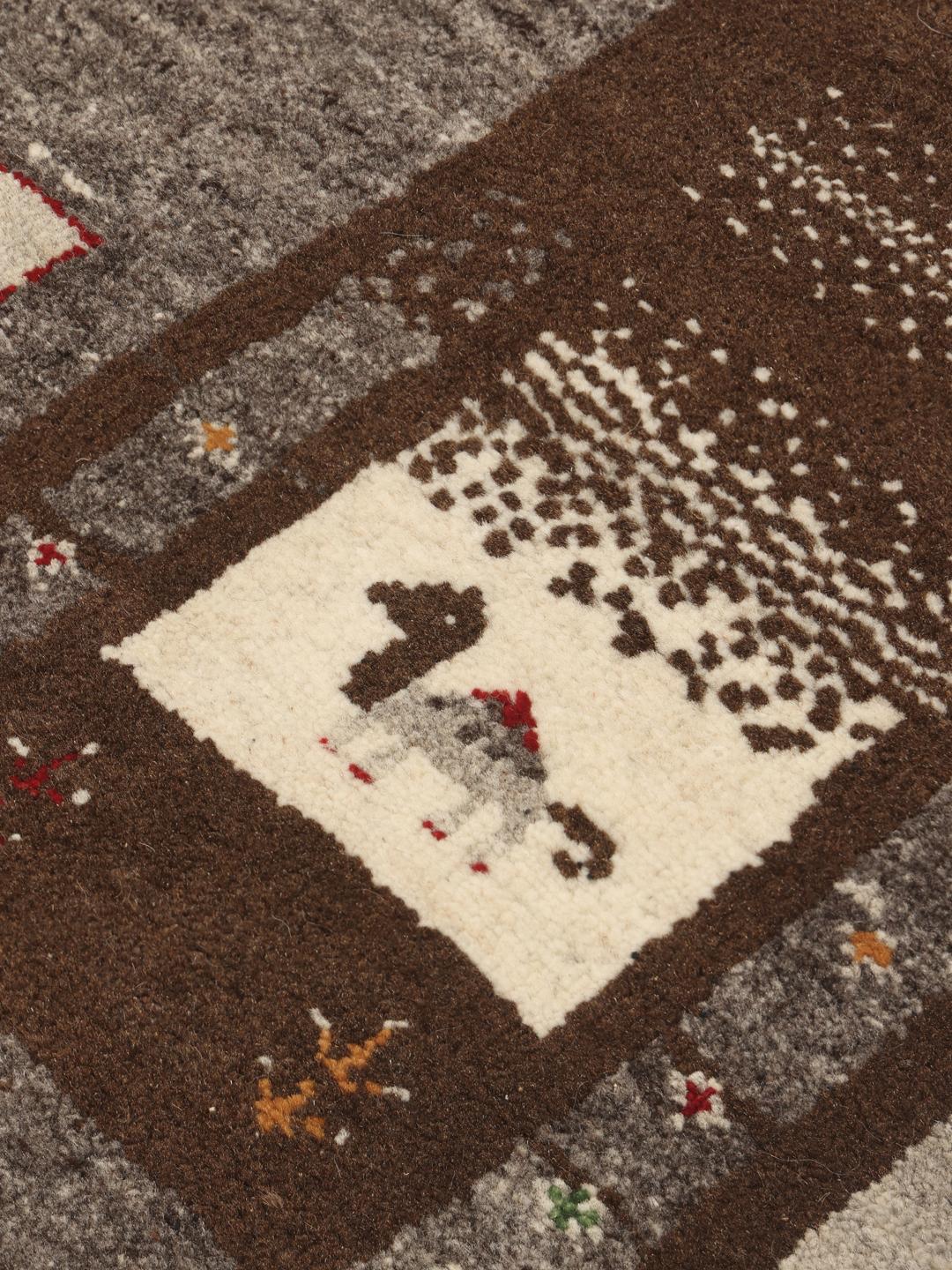
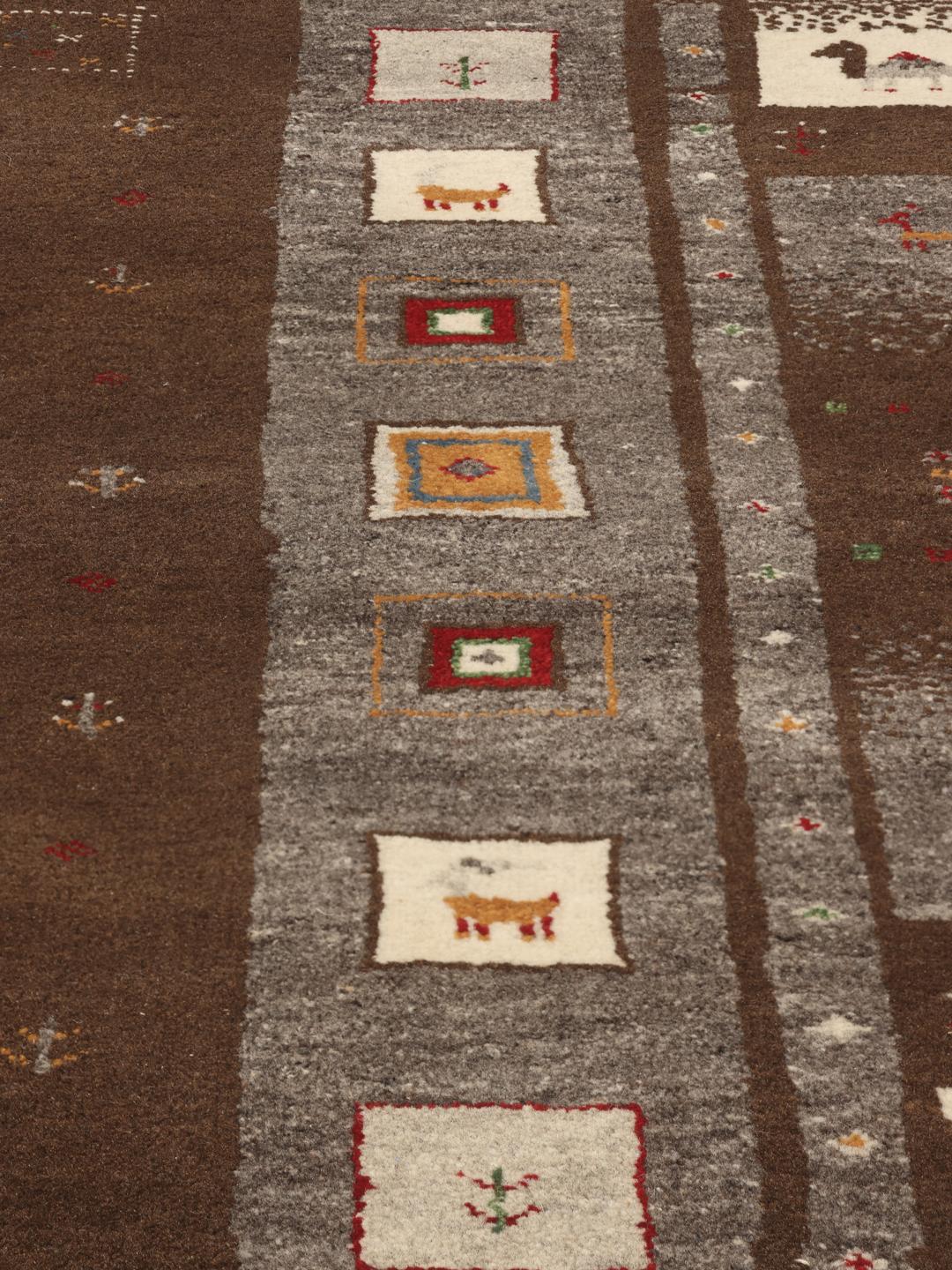
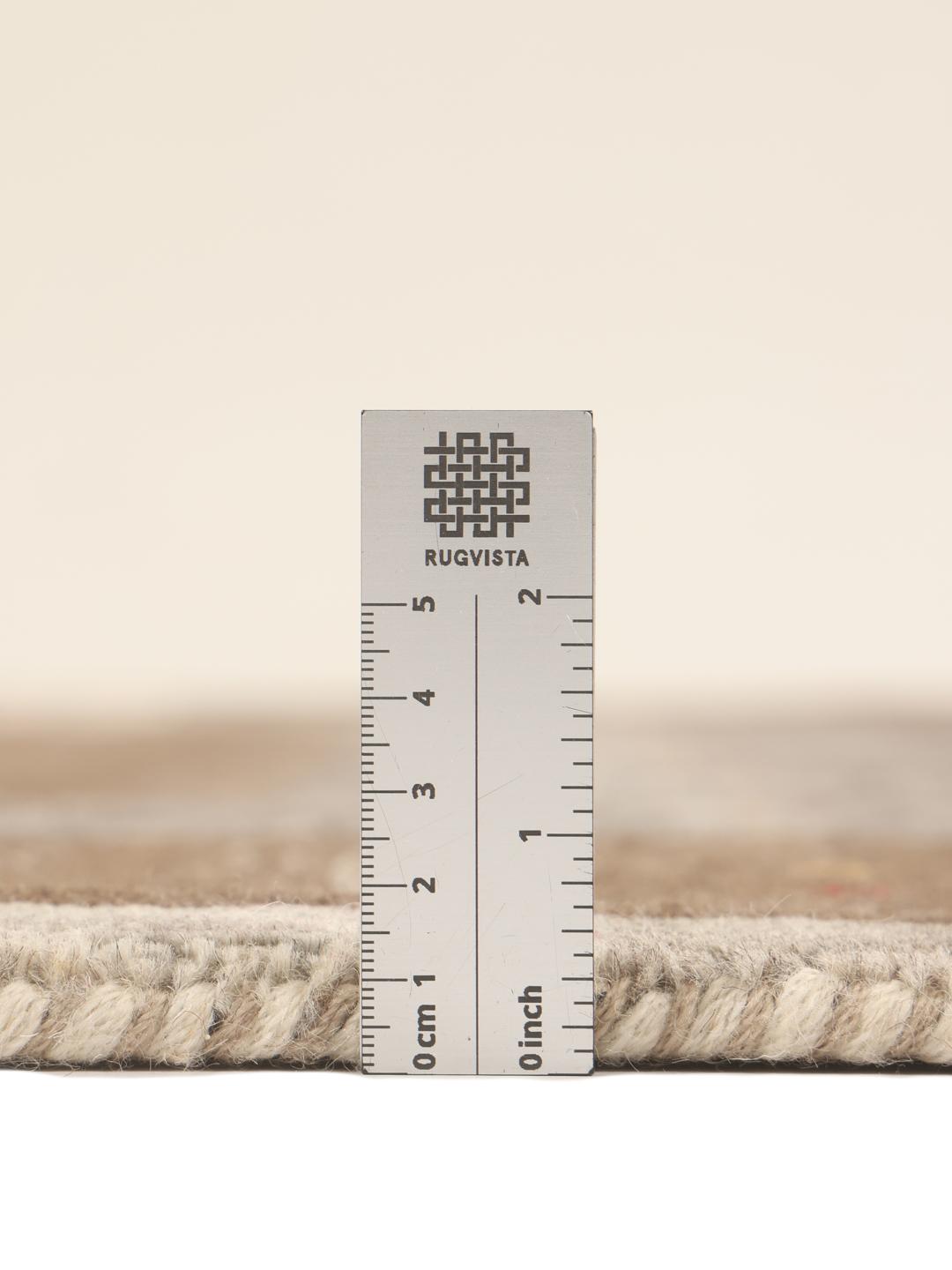
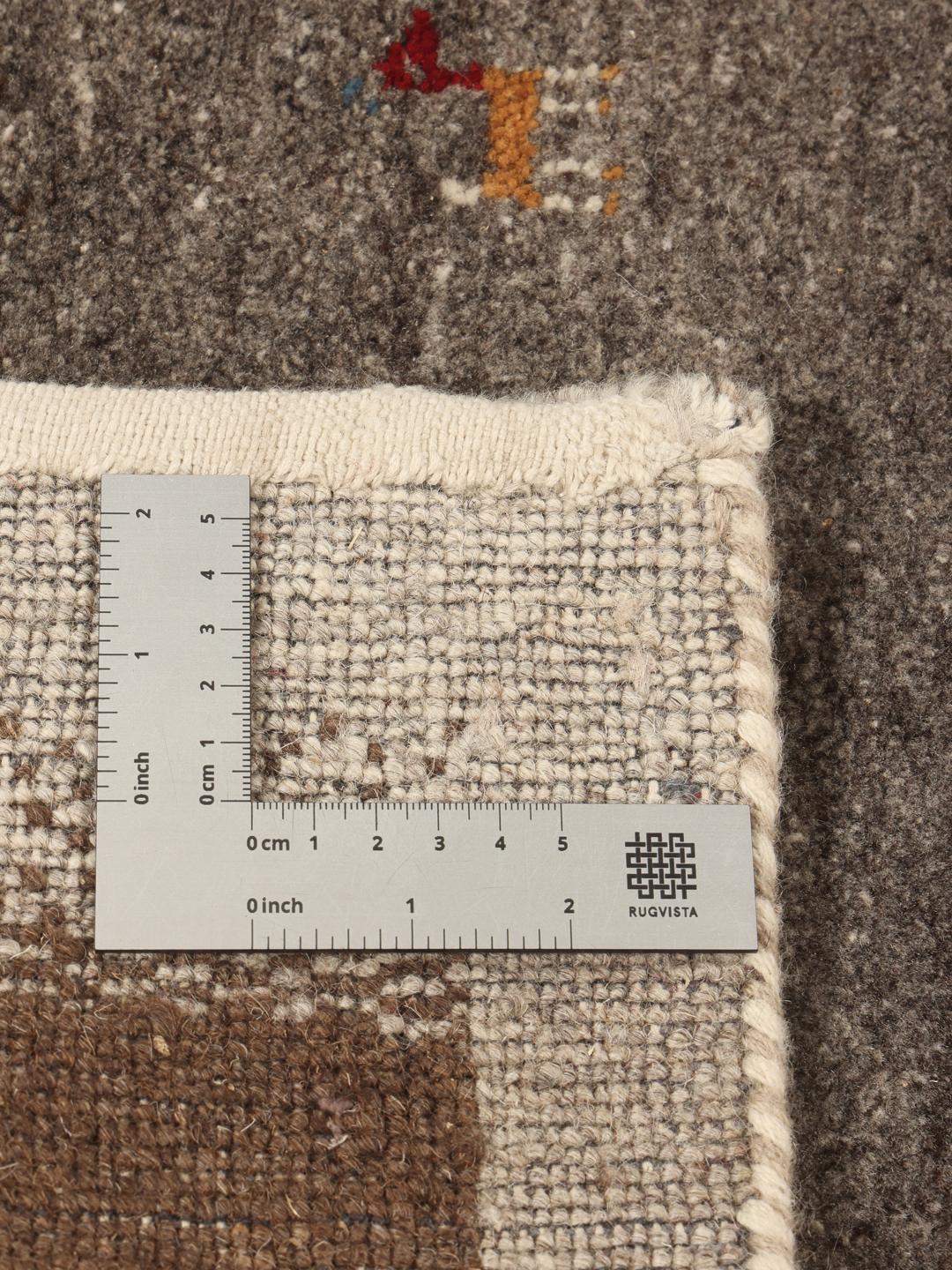
The term Loribaft refers to a specific, refined style of Gabbeh weaving. While traditional Gabbehs are often very coarse and simple, Loribaft rugs are distinguished by a much higher knot density and a more sophisticated use of wool. This evolution in the craft allows for more detailed patterns and a smoother, more lustrous surface that elevates the rug from a simple utility item to a work of art.
The visual language of the Loribaft often features subtle, open fields and whimsical, scattered motifs that tell stories of everyday life, such as animals, plants, or abstract shapes representing the desert landscape. These designs are rarely rigid, instead allowing for a spontaneous and organic arrangement that makes every rug feel alive and expressive.
Today, the tradition of weaving these rugs has expanded to regions like India, where artisans continue to honour the original techniques while bringing new life to the craft. Collectors value these pieces for their authenticity, the warmth of the wool, and the clear link they provide to a long, enduring history of human creativity and skill.