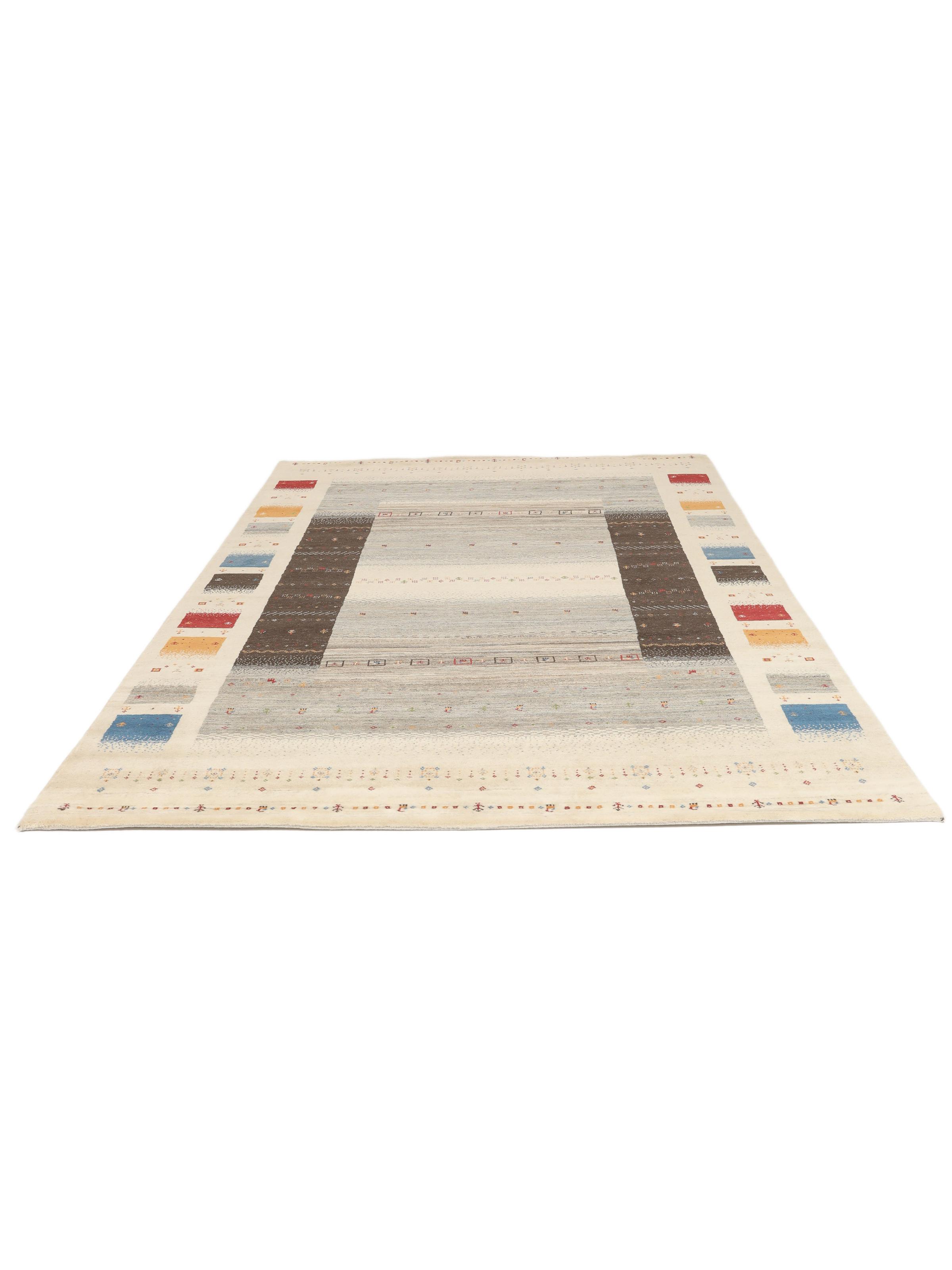
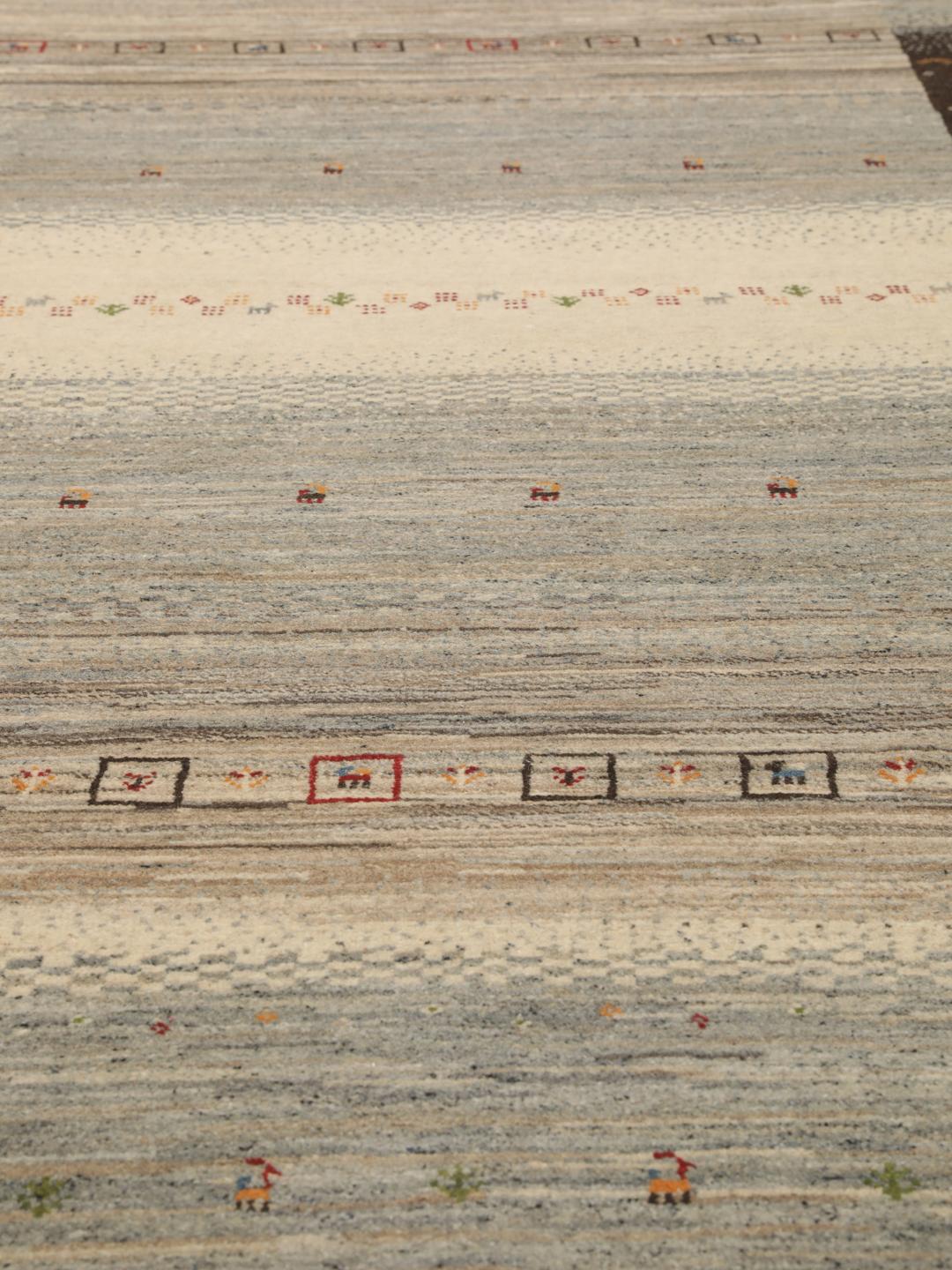
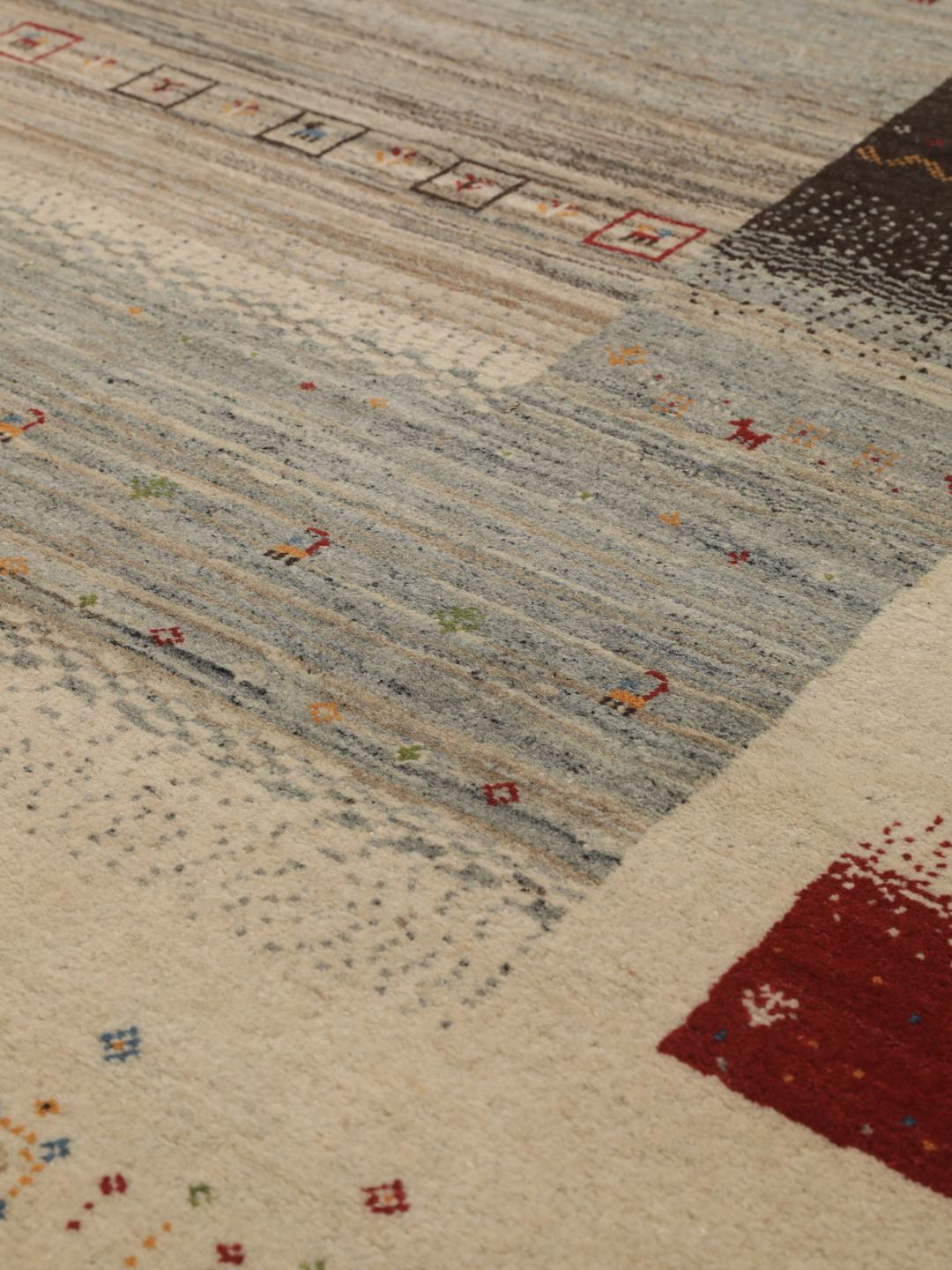
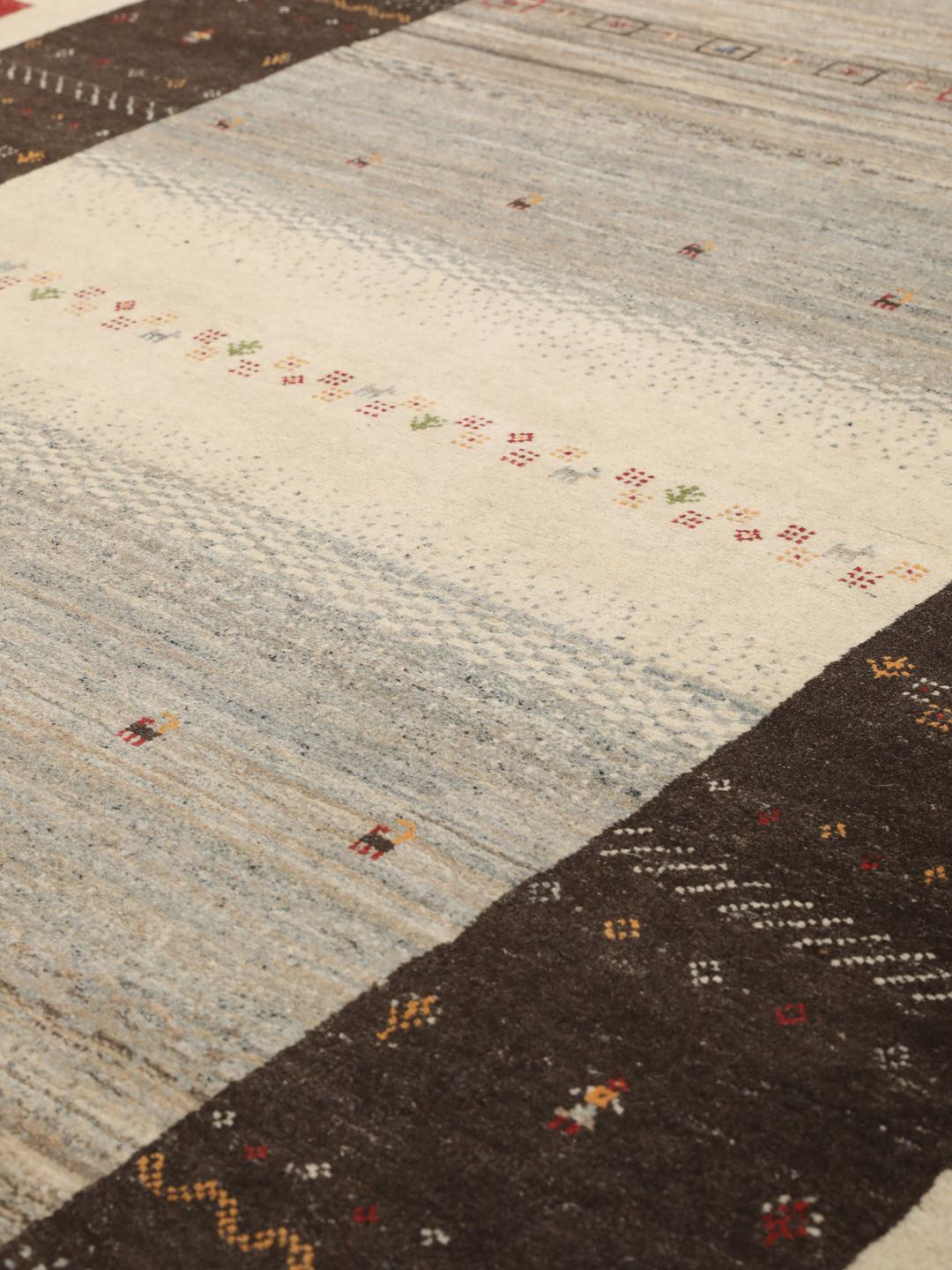
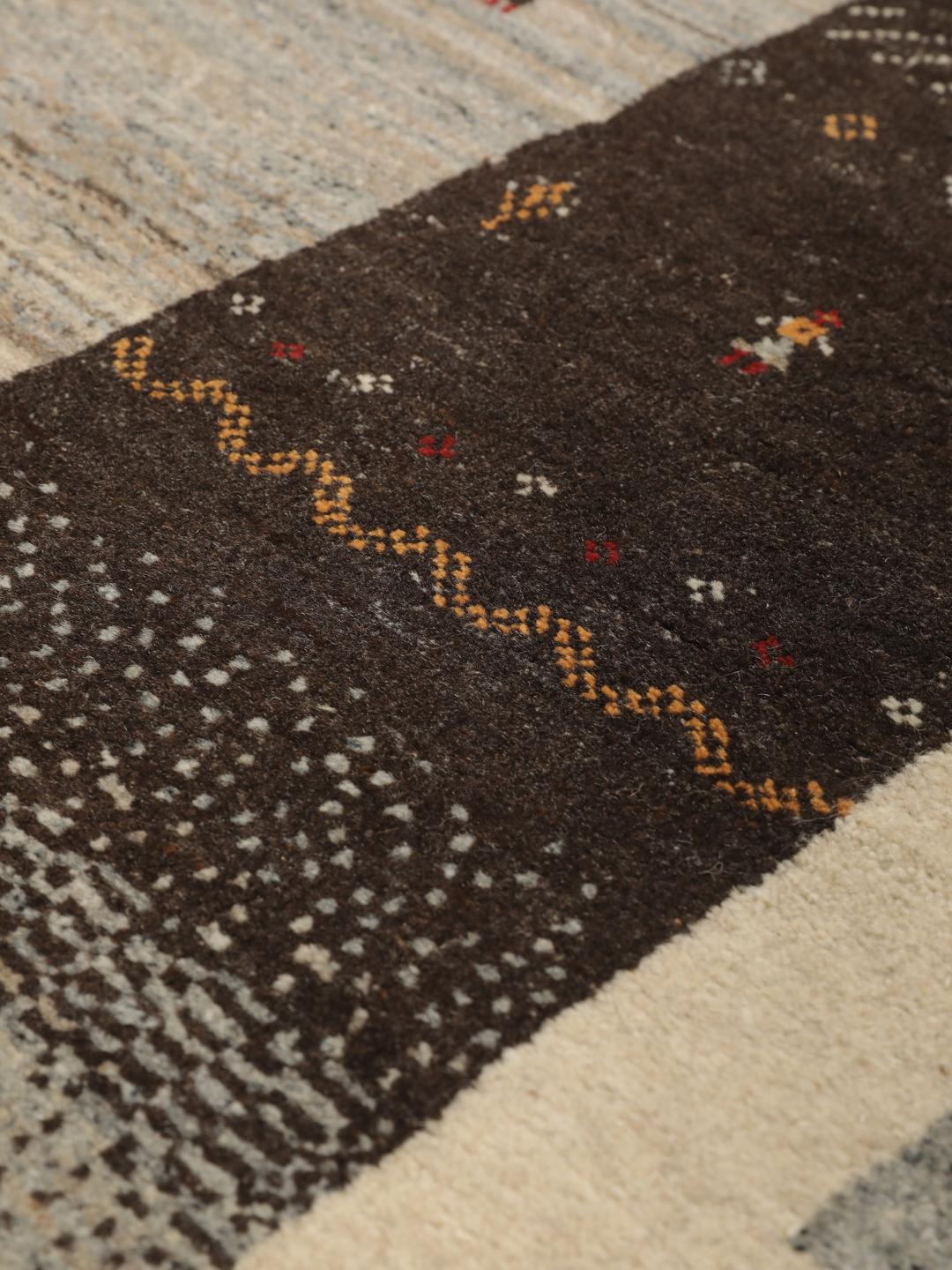
The Loribaft tradition is deeply rooted in the nomadic heritage of the Middle East, where weavers historically created rugs for personal use and protection against the elements. Over time, these traditions migrated and found a new home in India, where weavers have refined the style, blending ancient techniques with more precise, modern sensibilities while maintaining the soulful essence of the original designs.
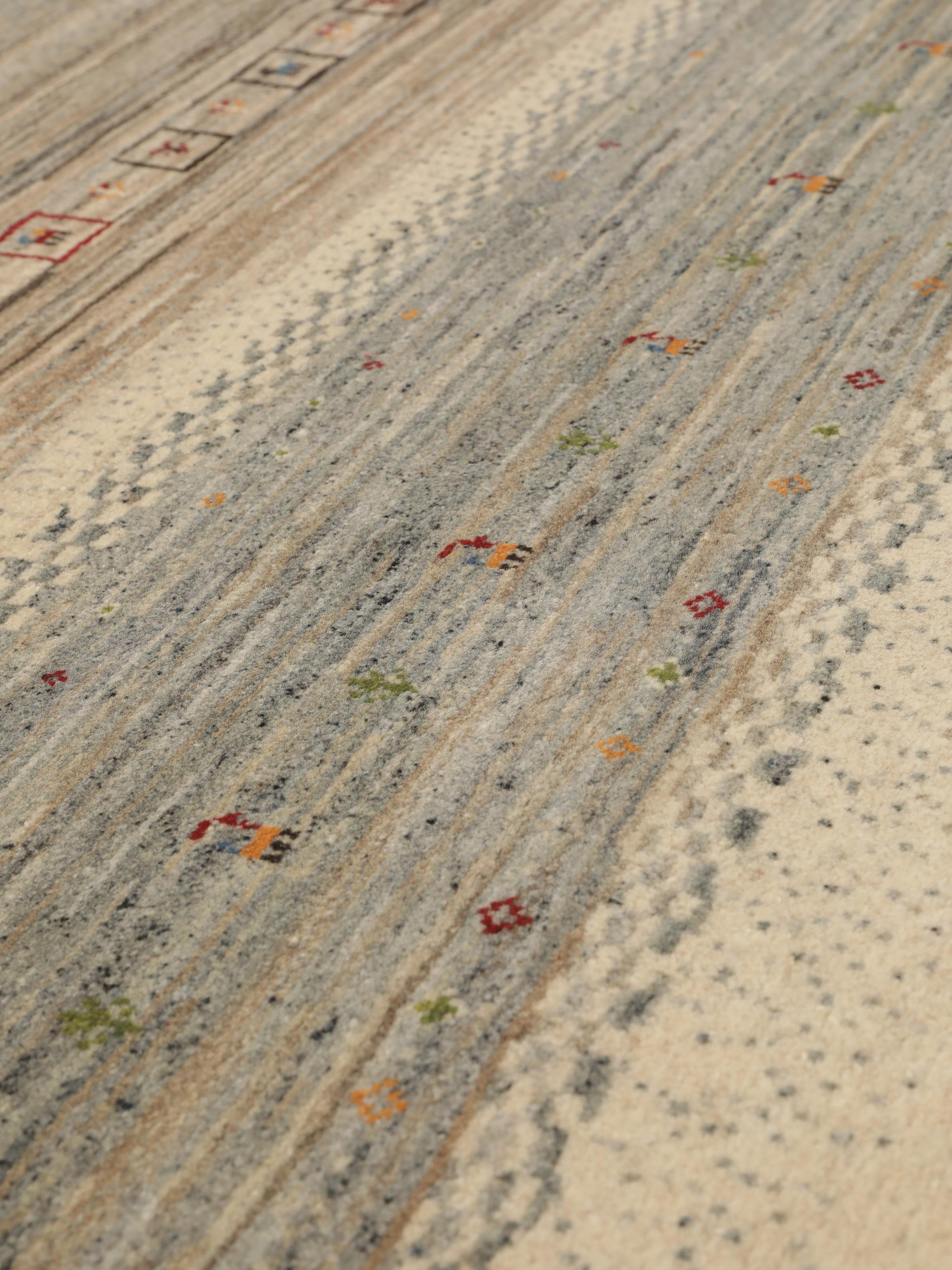
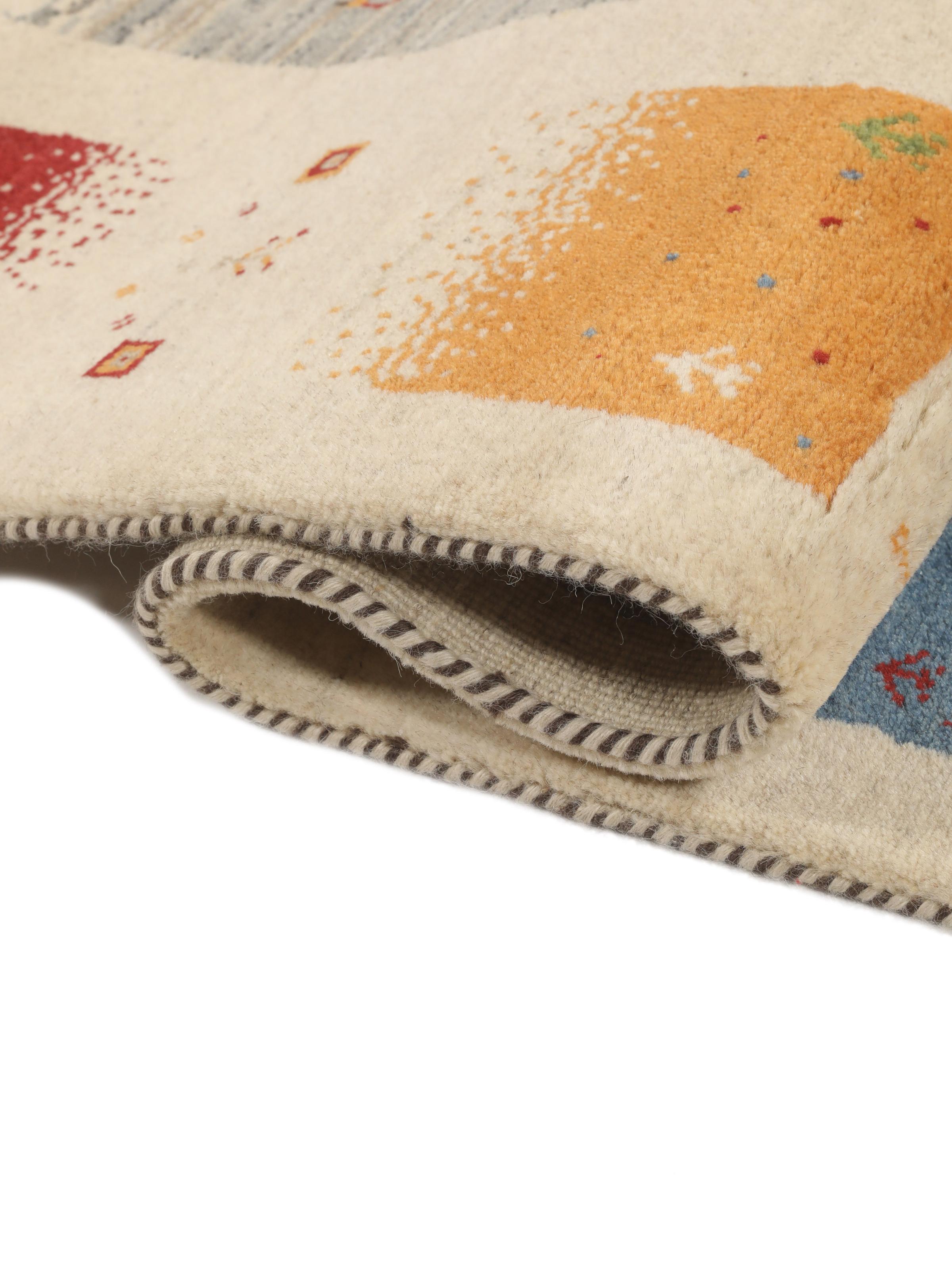
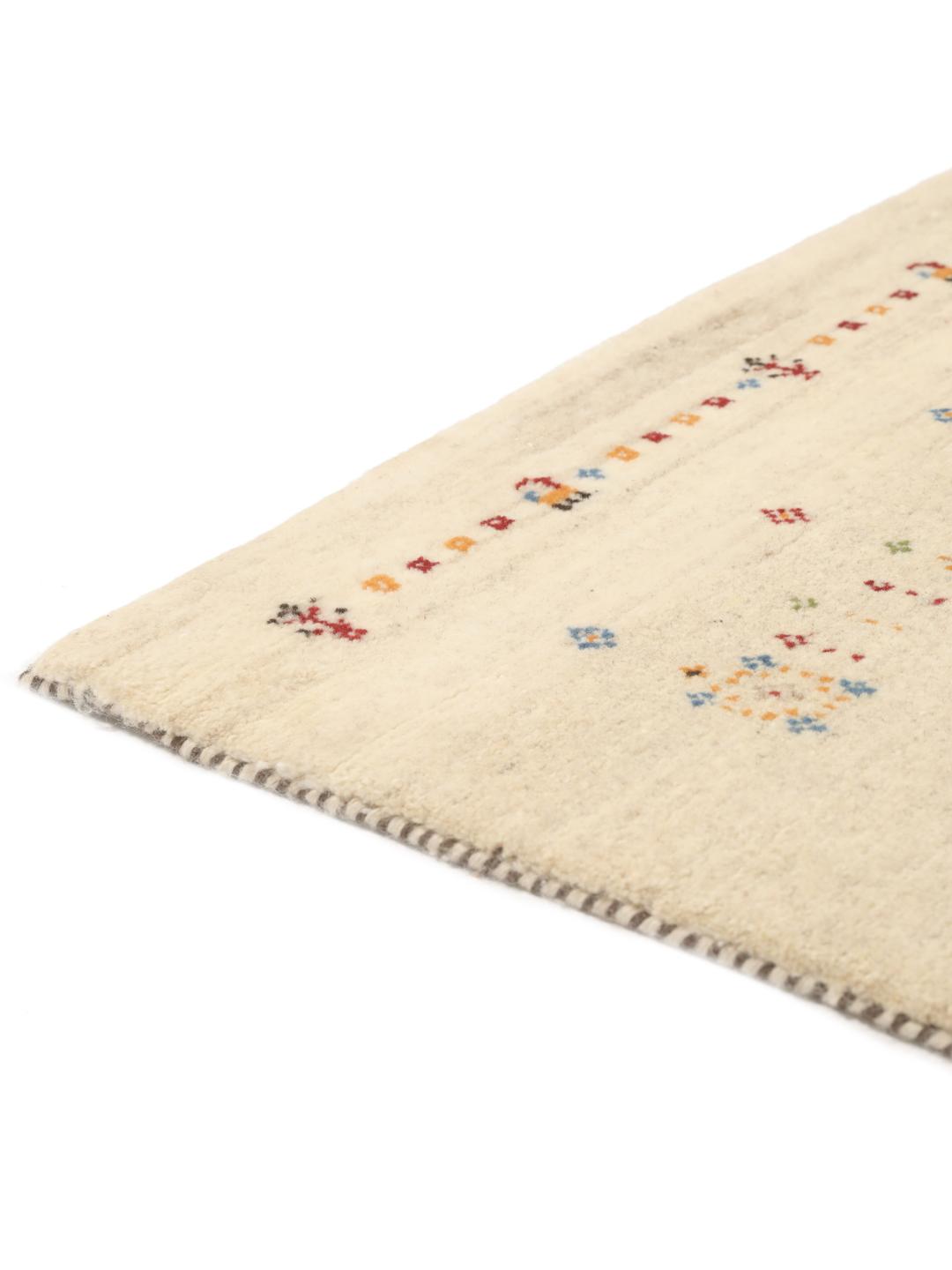
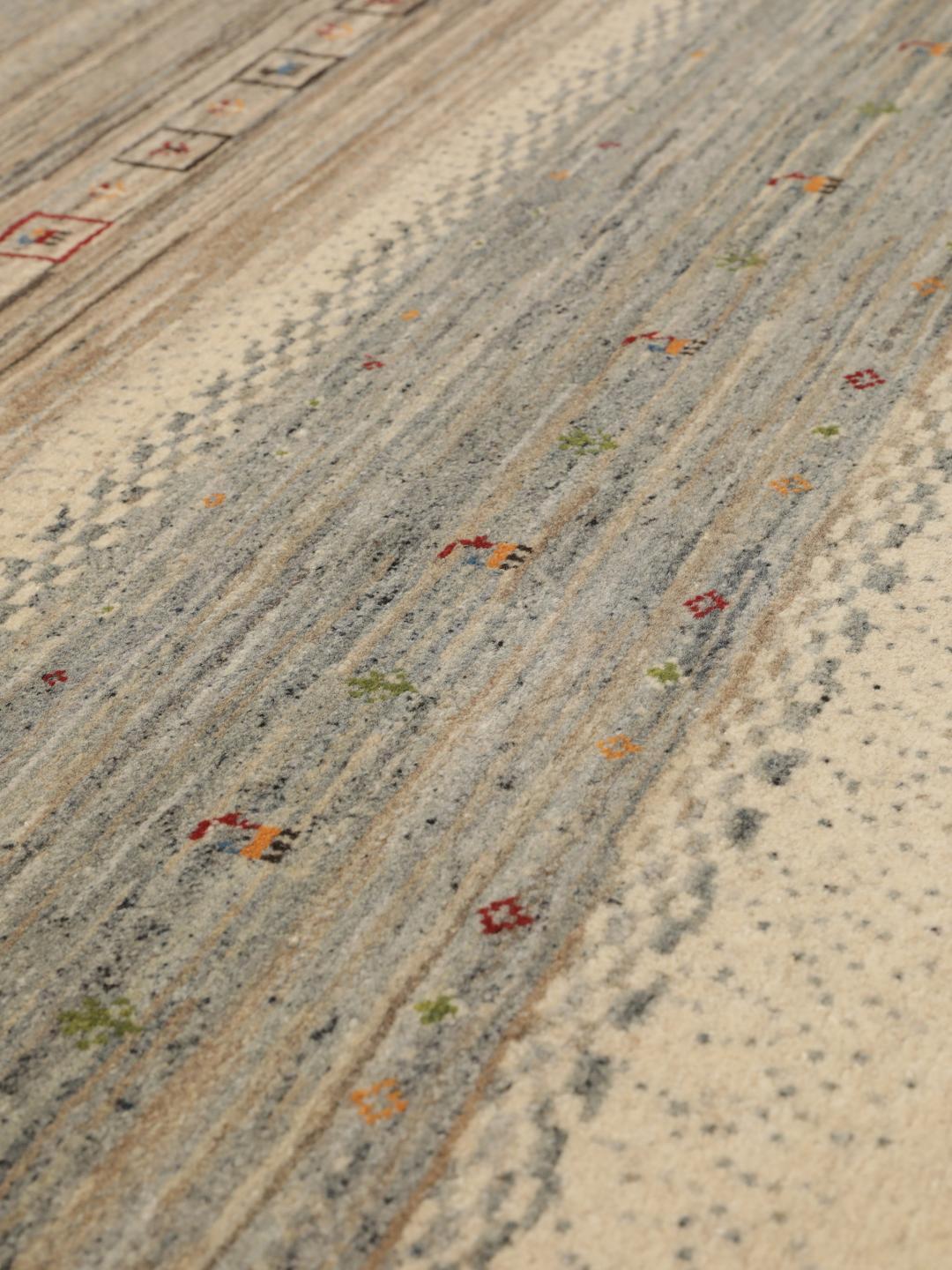
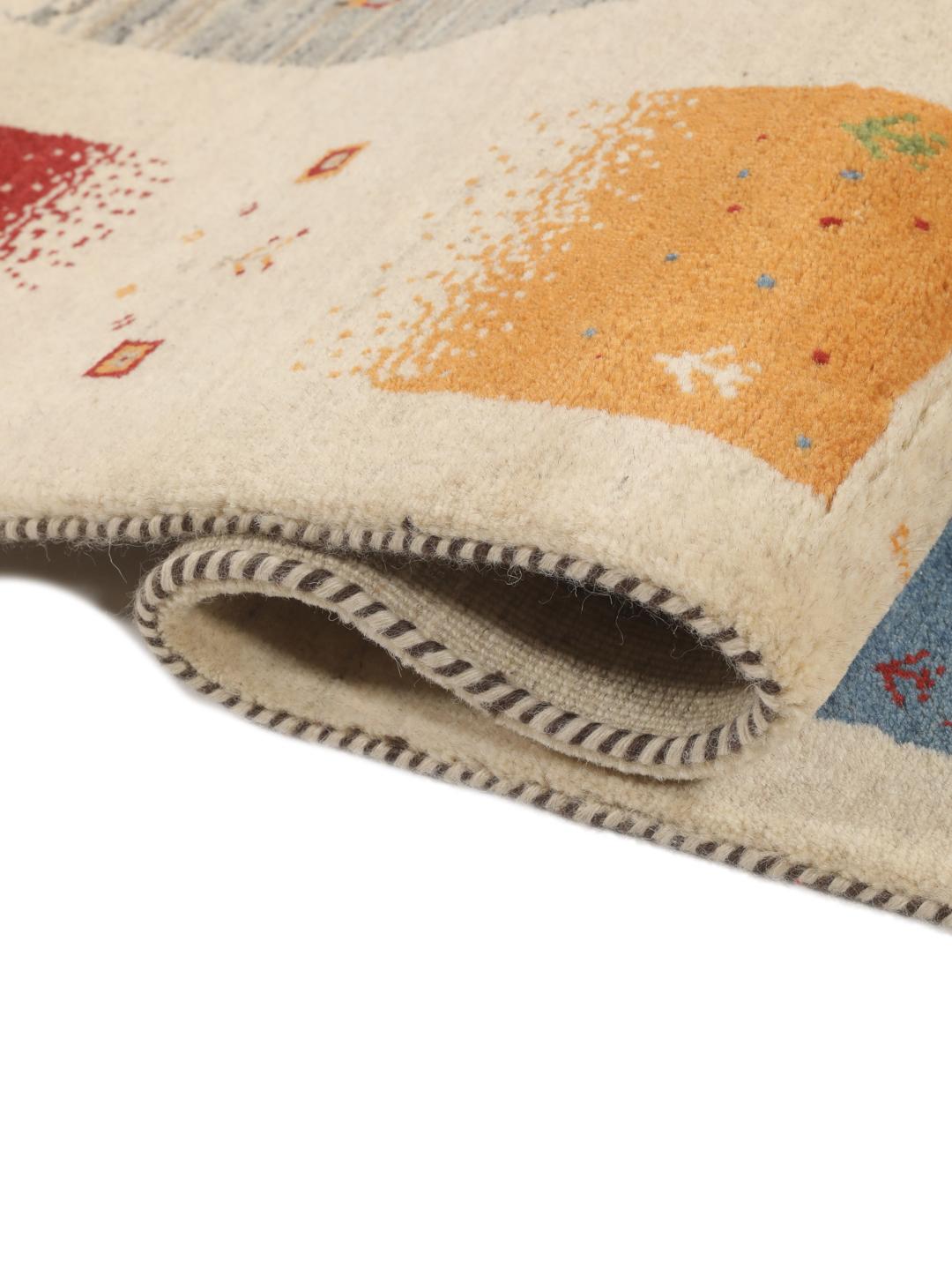
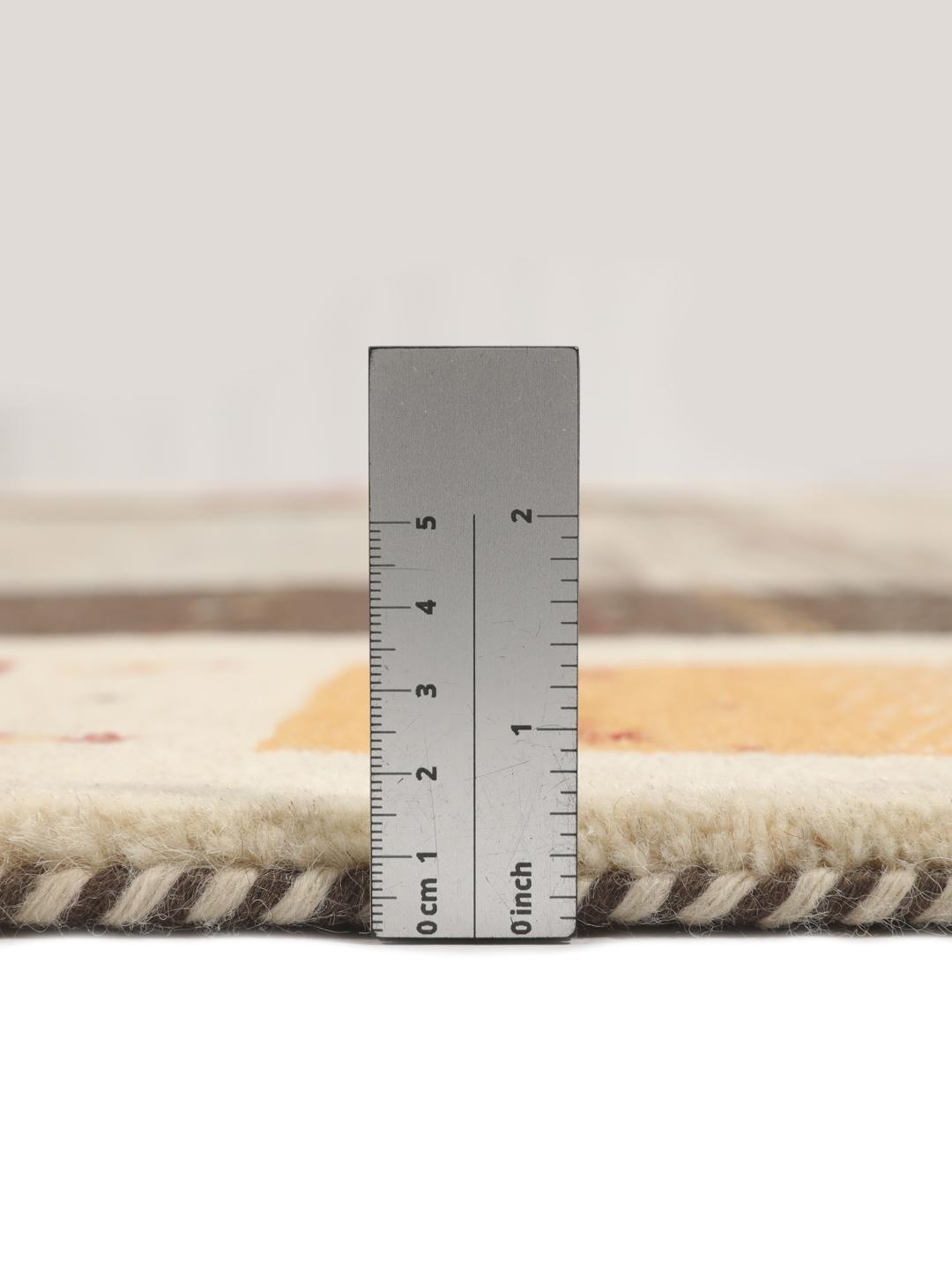
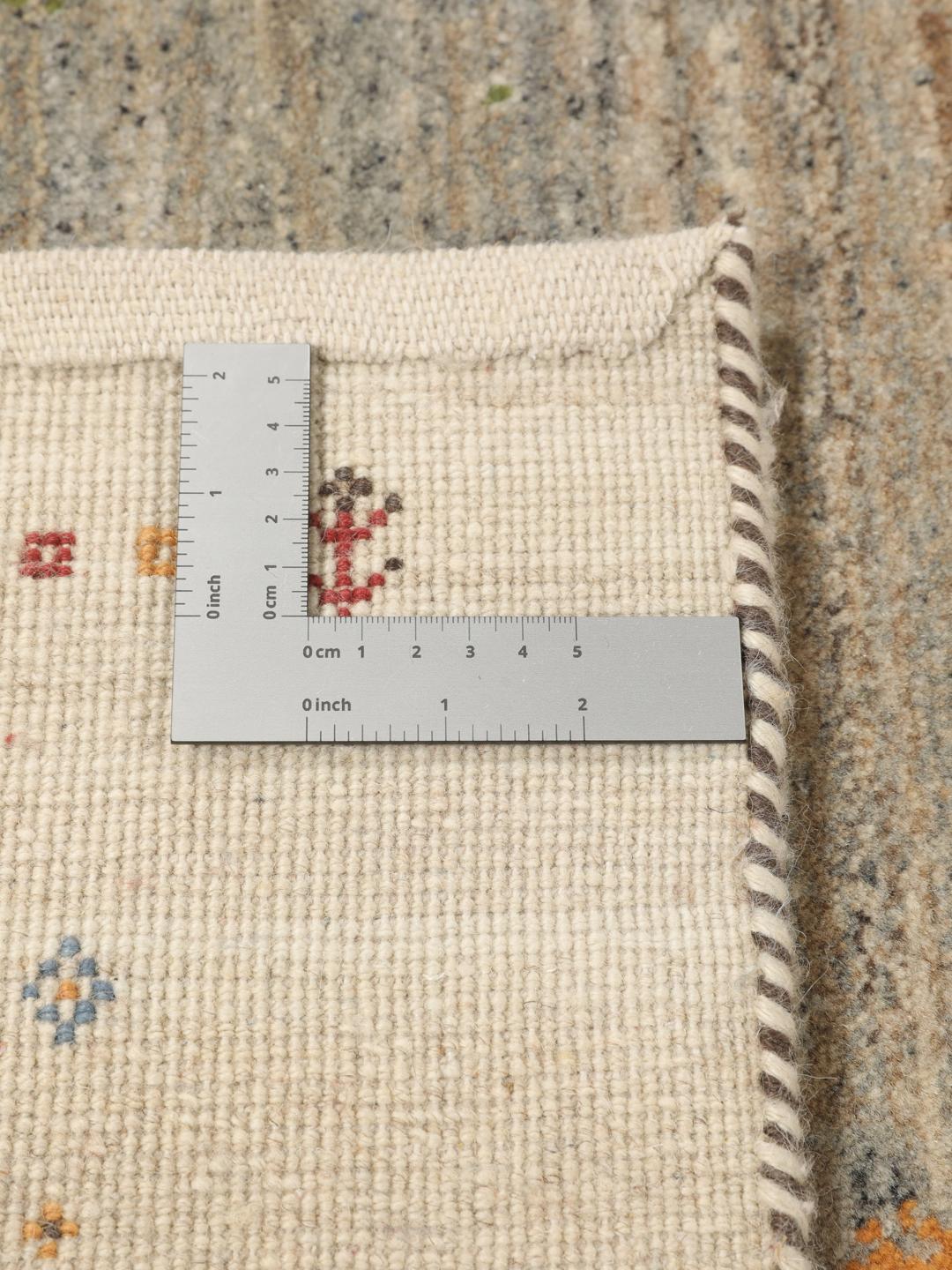
A Loribaft is distinguished by its exceptionally thick, soft pile and a more sophisticated, refined knotting technique compared to standard Gabbeh rugs. This construction method allows for a higher level of detail and a more luxurious feel underfoot, making it a prized choice for those who value both comfort and artistic expression.
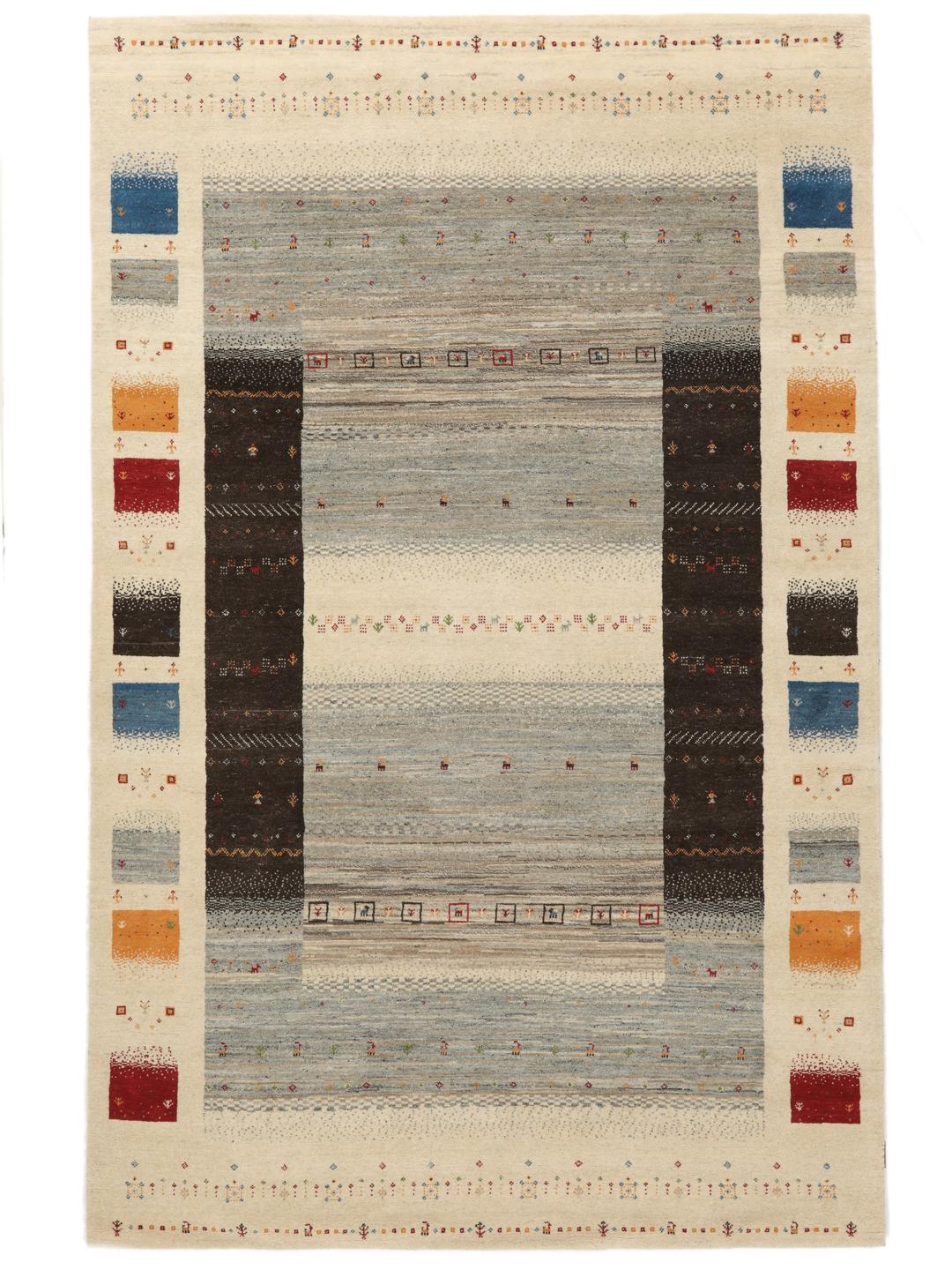
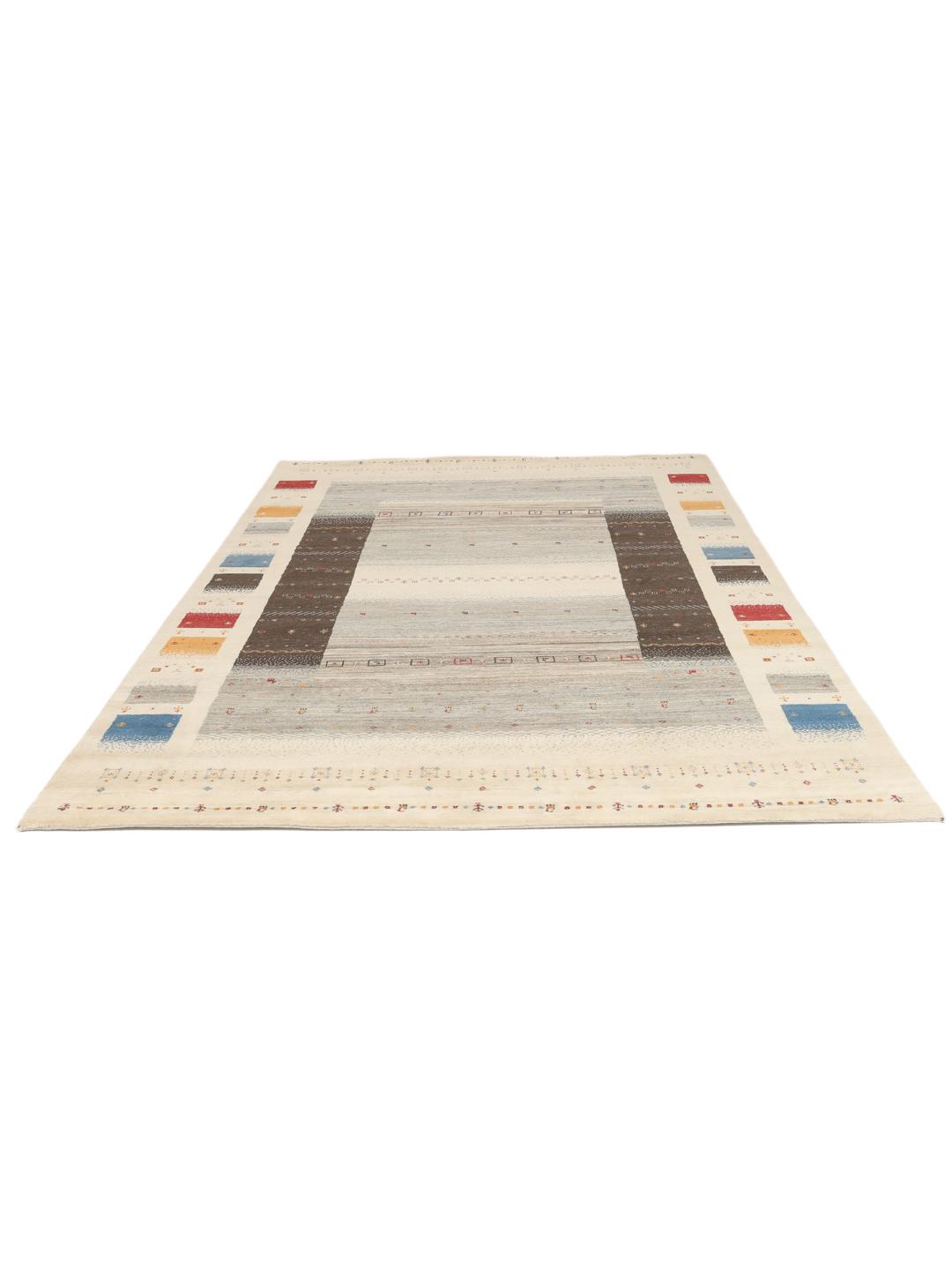
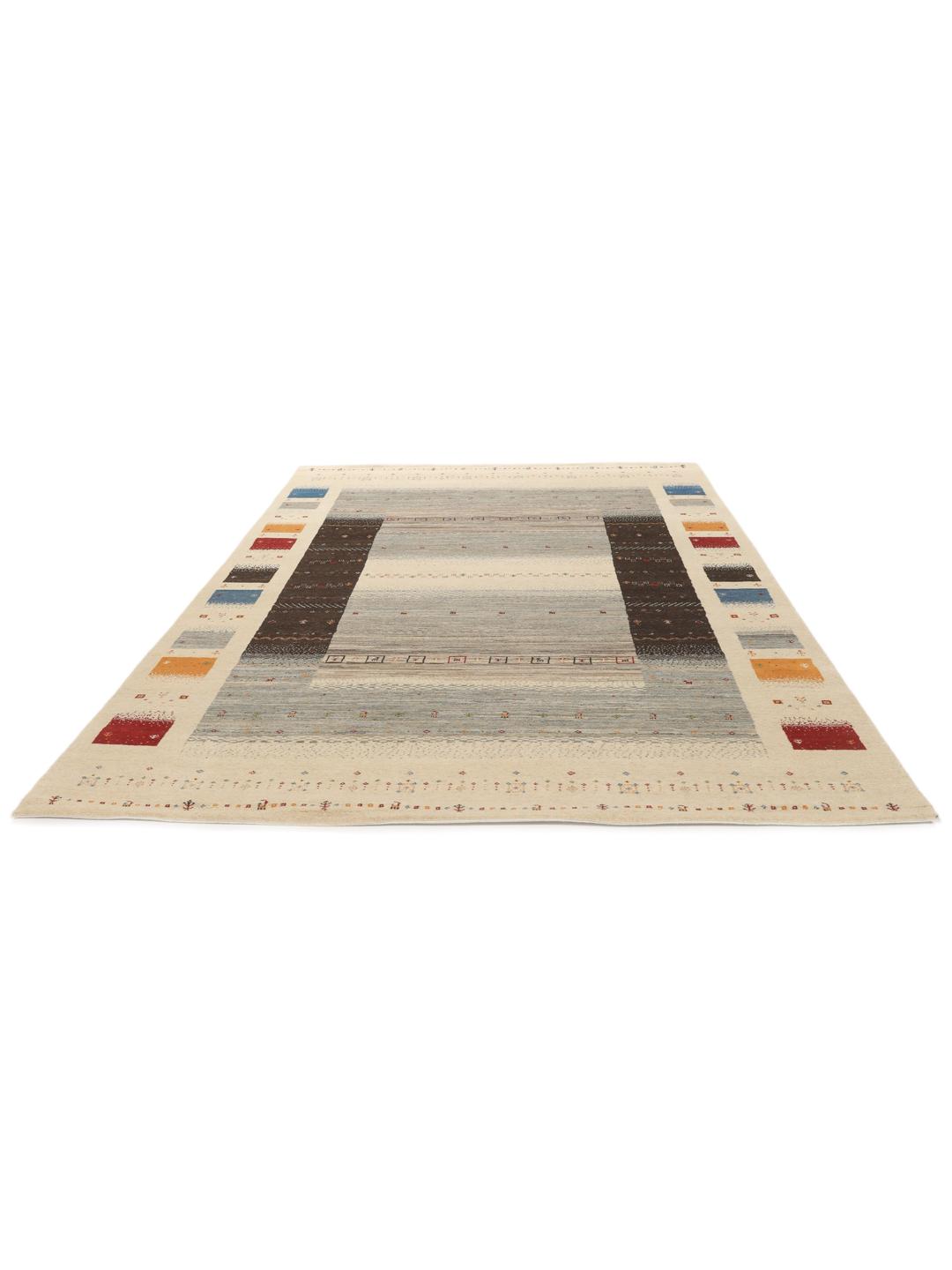
Visually, these rugs are celebrated for their use of negative space combined with minimalist, symbolic motifs. While traditional nomadic rugs often feature tribal symbols, the Loribaft often incorporates clean lines, geometric shapes, and vibrant colour blocks. This specific piece stands out for its balanced composition, where the interplay of colour and pattern creates a modern, almost pictorial landscape.
Collectors value Loribaft rugs for their ability to bridge the gap between ancient craft and modern interior aesthetics. Owning one is an investment in cultural heritage, representing a level of skill and artistic intent that is increasingly rare in today's fast-paced world. It serves as a reminder of the timeless human desire to create beauty that lasts.