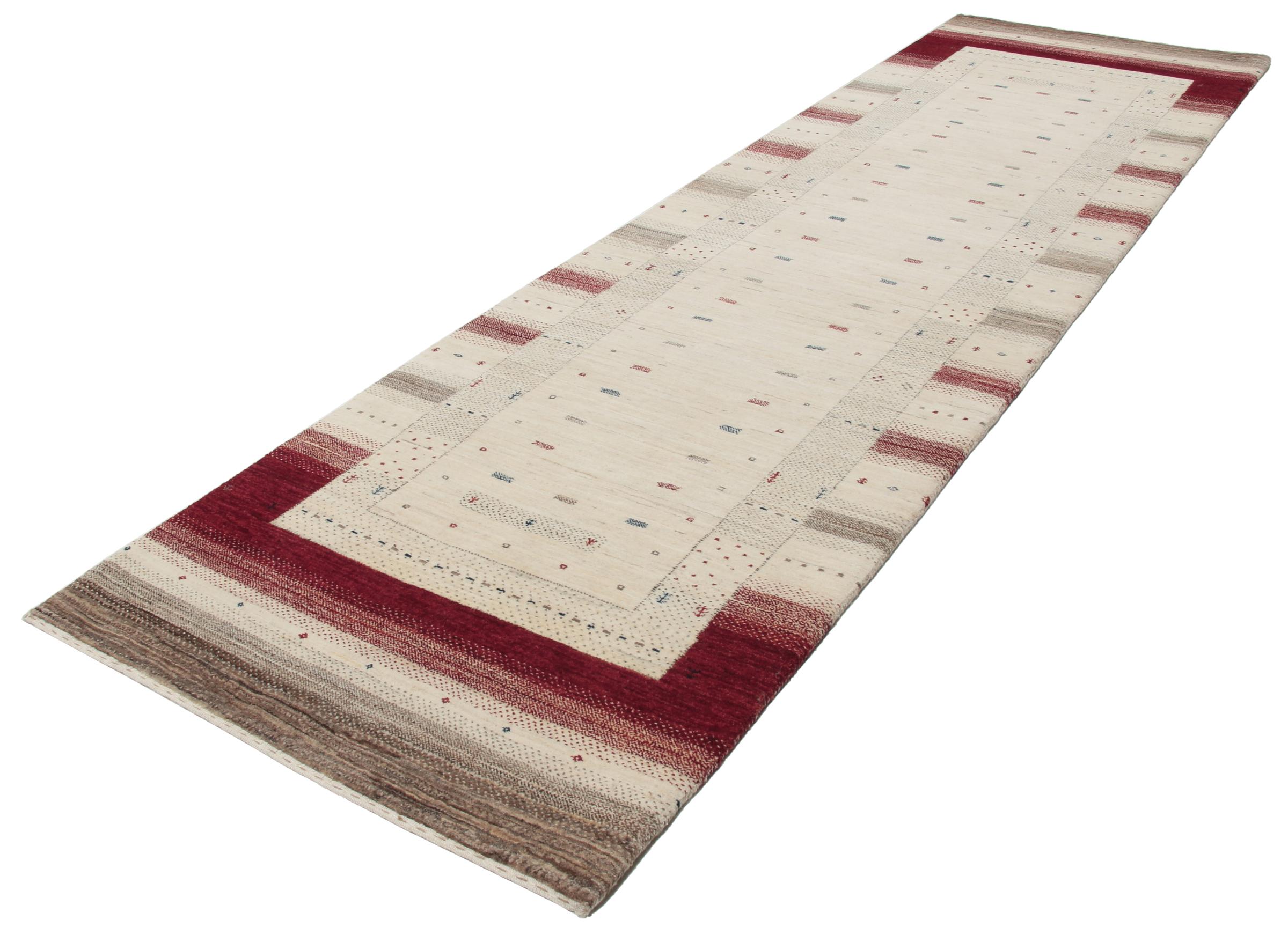
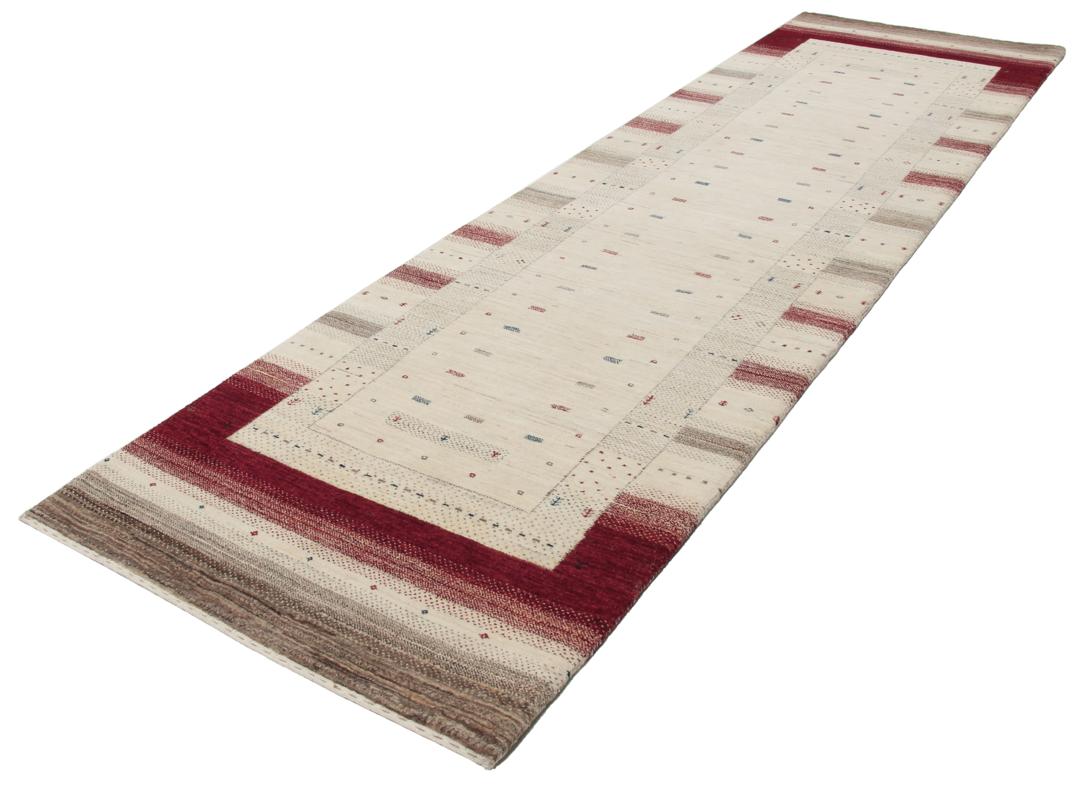
The Gabbeh and Loribaft traditions have their roots in the nomadic cultures of the Middle East, where weavers created these rugs primarily for their own domestic use. Historically, these pieces were known for their thick, coarse pile and simple, often abstract designs that reflected the weaver's personal expression and the natural world around them.
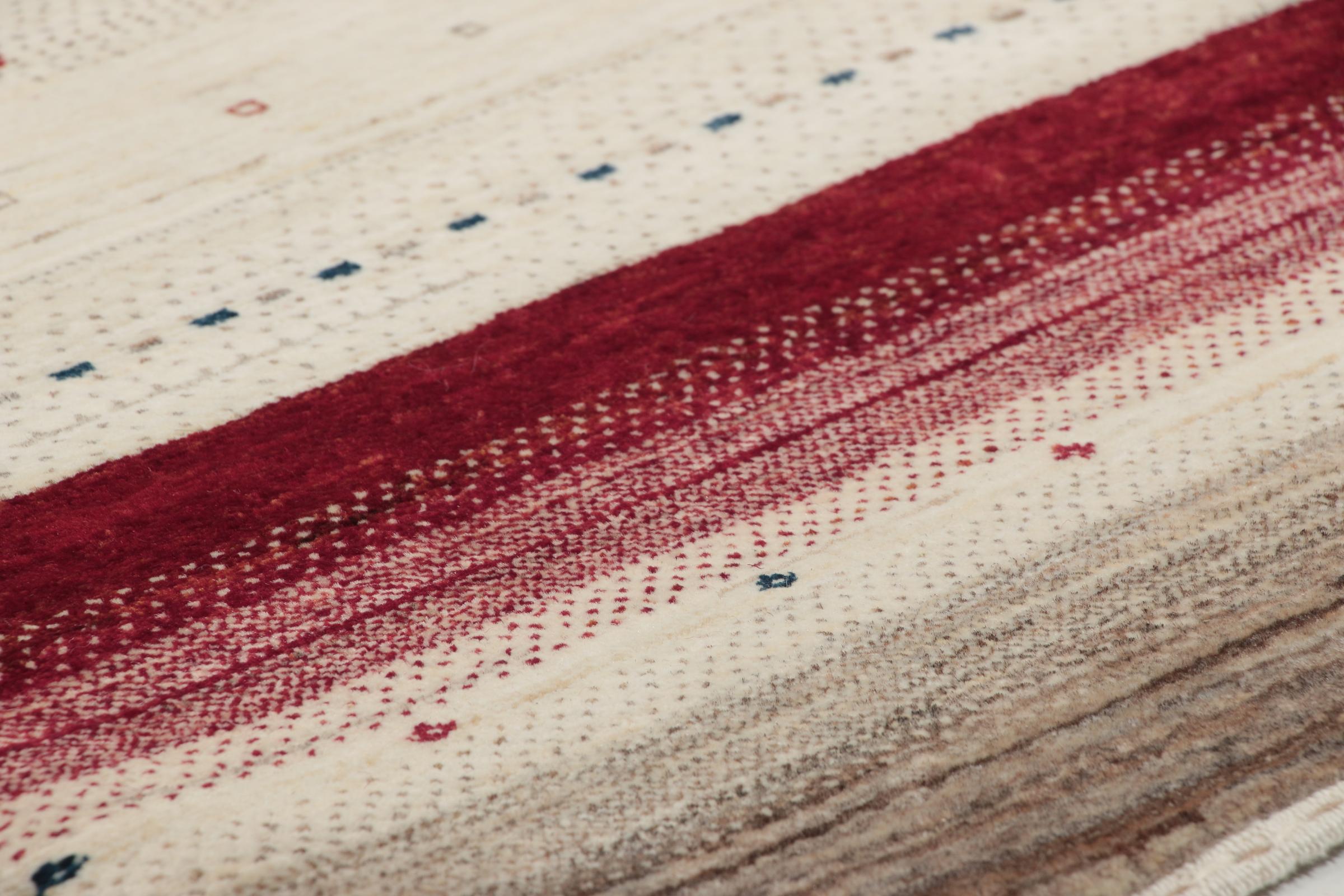
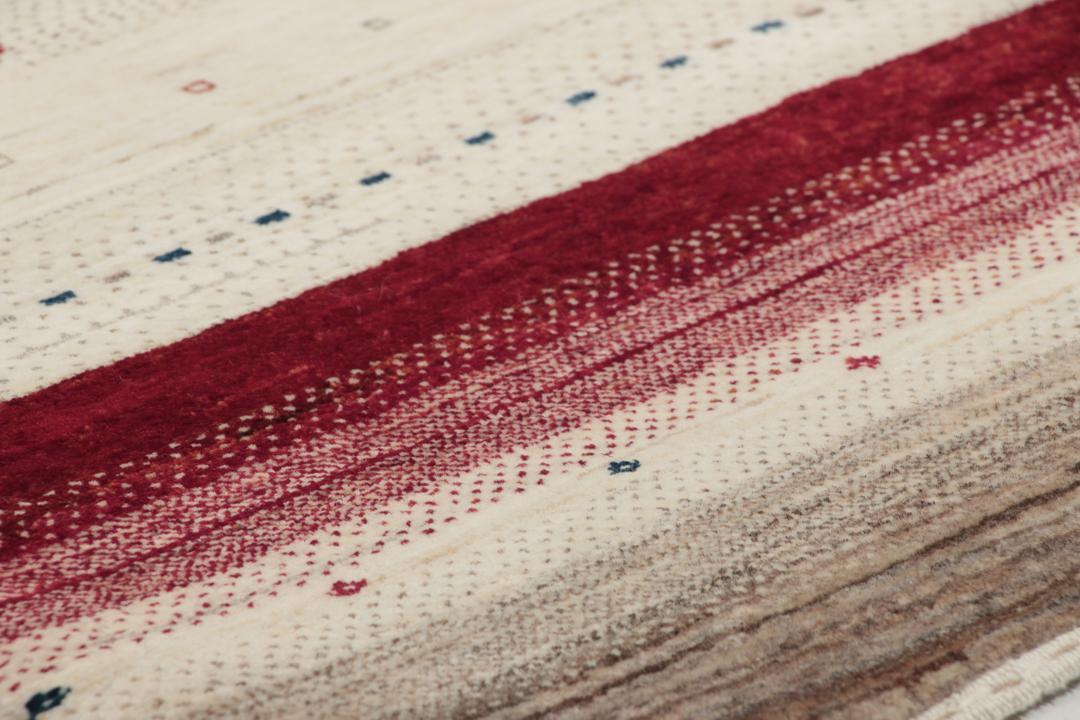
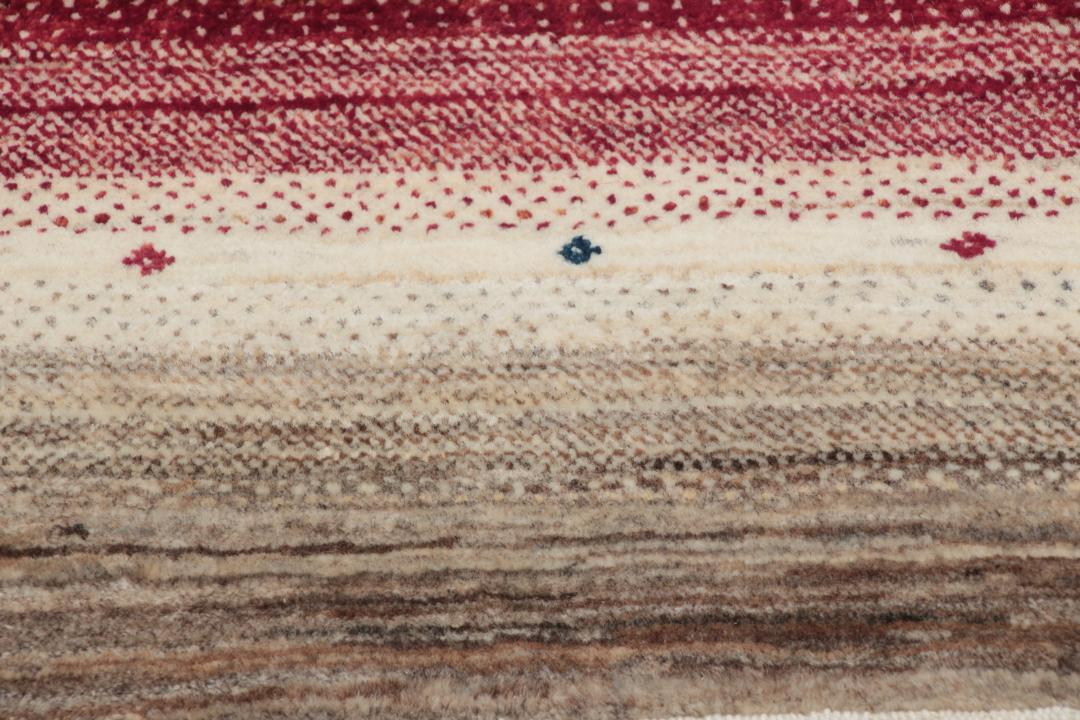
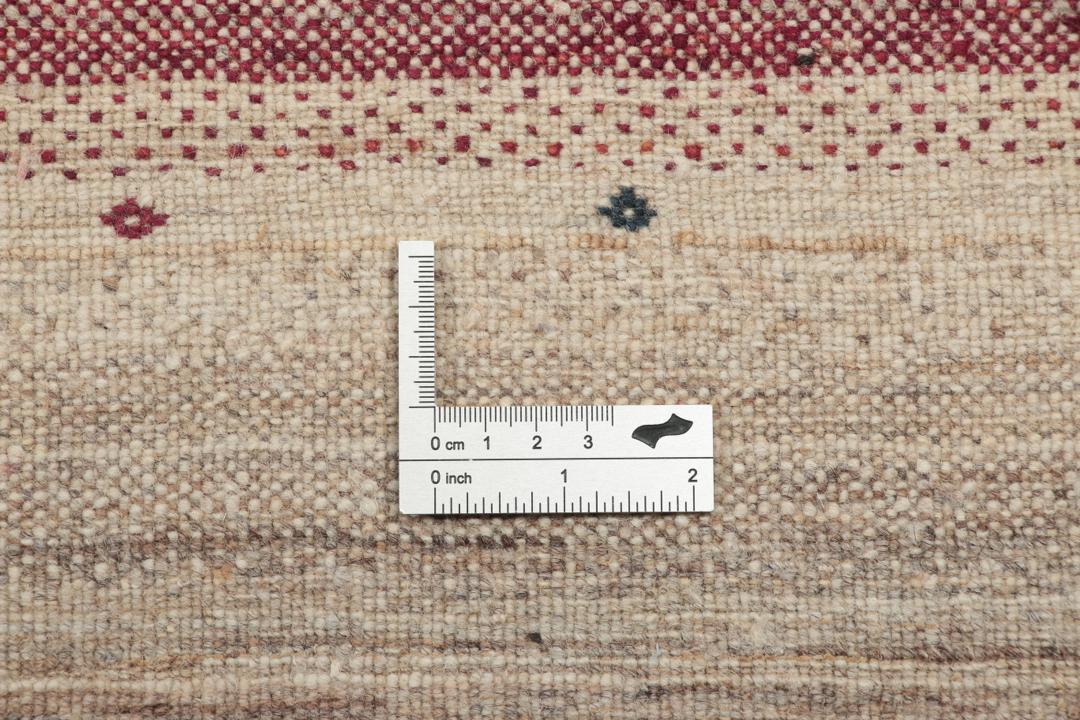
The term 'Loribaft' refers to a specific, more refined style of Gabbeh that emerged as these rugs gained appreciation beyond nomadic circles. By using a more tightly spun yarn and a higher knot density, weavers were able to create a smoother, more sophisticated finish while retaining the iconic, warm character of the original tradition. This evolution allowed for more intricate, albeit still minimalist, design work.
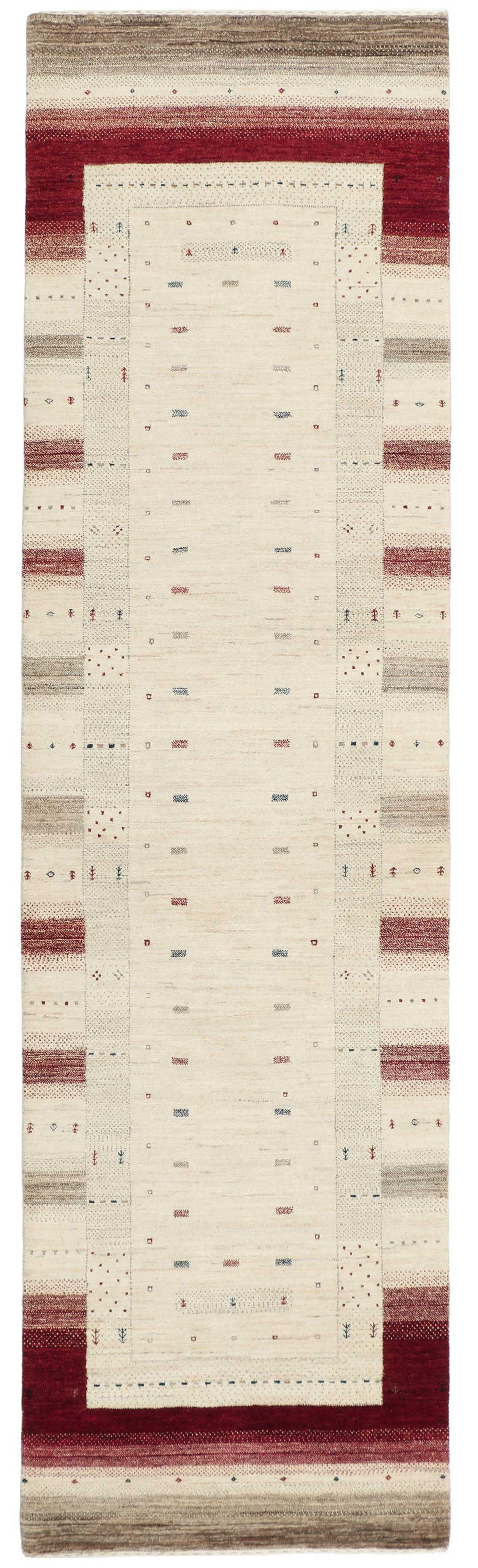
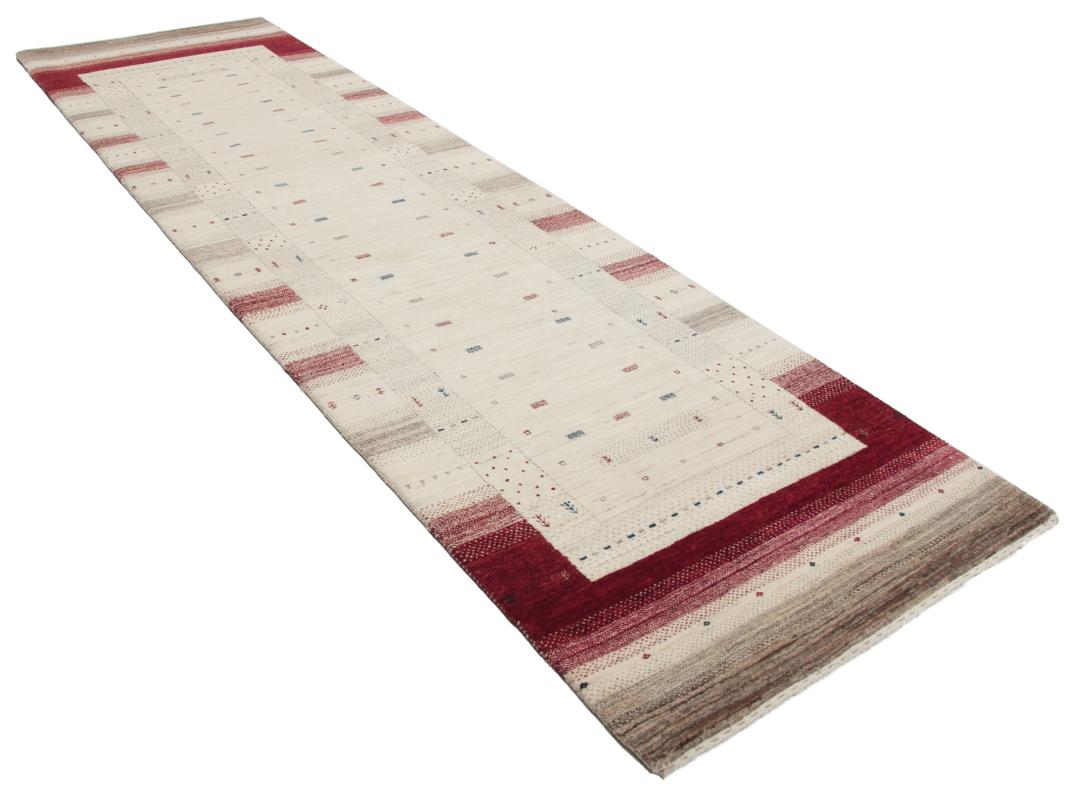
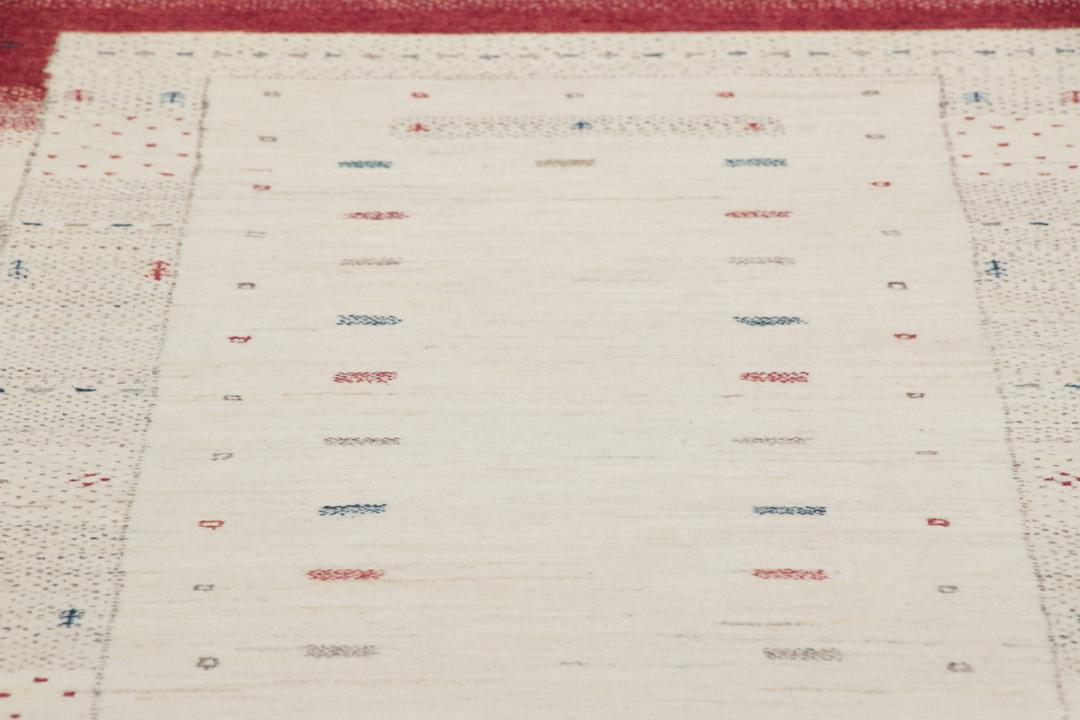
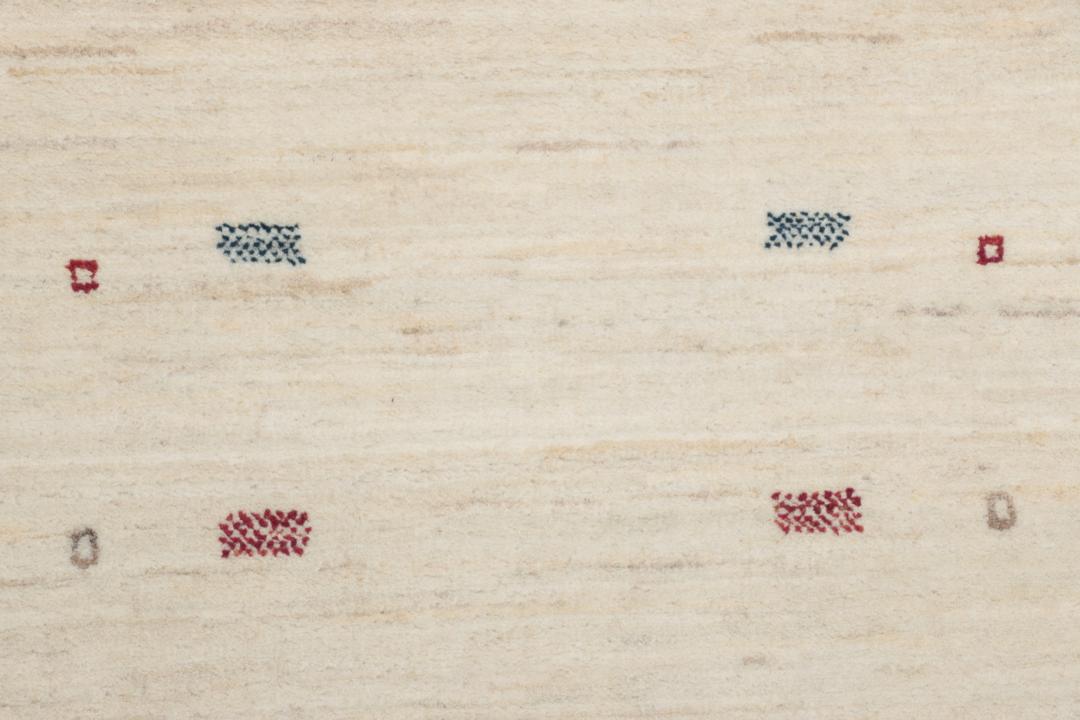
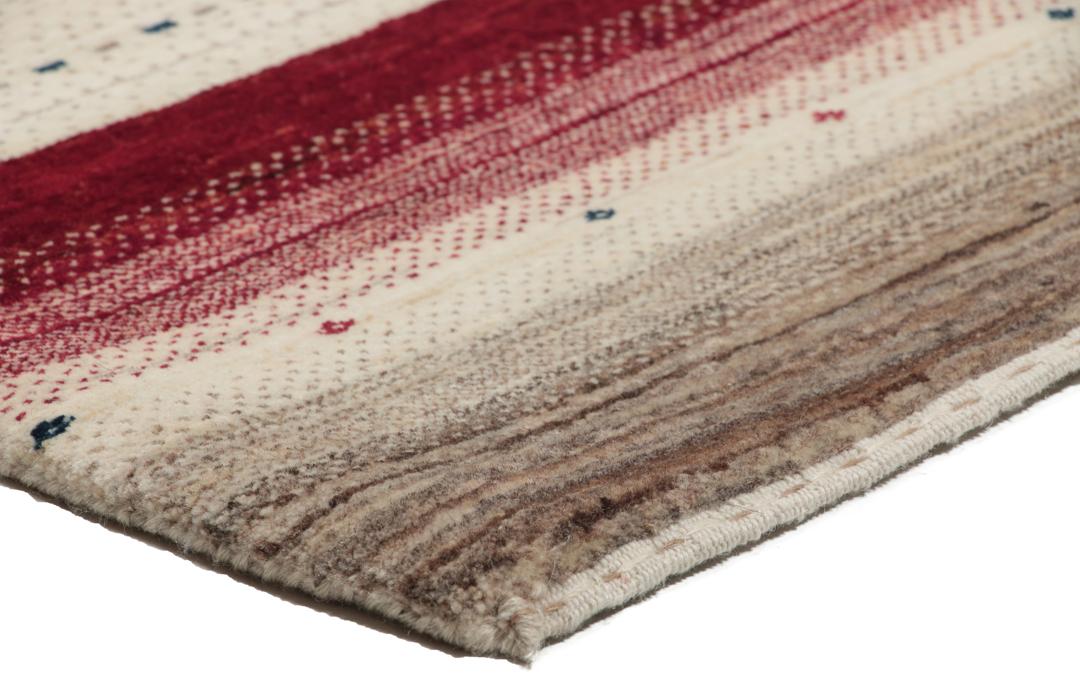
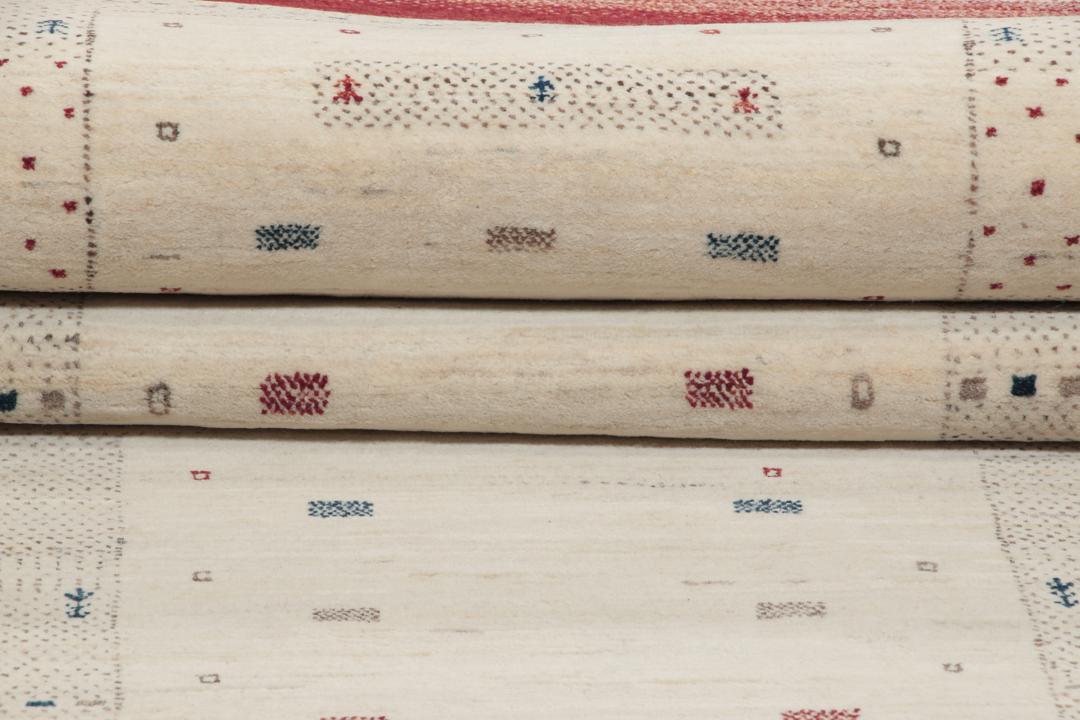
Visually, these rugs are celebrated for their use of negative space and sparse, symbolic motifs. While traditional nomadic rugs often relied on bold, tribal patterns, the Loribaft style leans into a more controlled, artistic composition. The borders are often subtle, framing the central field to create a sense of harmony and balance that makes them highly adaptable to various home styles.
Today, these rugs are highly sought after by collectors who value the intersection of ancient craft and modern design. Owning a piece from this tradition is a connection to a centuries-old way of life, representing a commitment to skill and heritage. It is a piece that carries the weight of history and the unique touch of the artisan who brought it to life.