Gabbeh rugs trace their origins to the nomadic tribal weavers of Persia, traditionally created for practical warmth and personal use rather than for trade.
Unlike formal court rugs with intricate floral layouts, these pieces were born from an intuitive tradition where weavers expressed their immediate surroundings, daily experiences, and connection to nature through simple, unpretentious designs.
The term Gabbeh translates roughly to raw, natural, or uncut, reflecting the rustic simplicity of the early pieces.
Over time, this nomadic craft evolved into a recognised art form, moving from tribal tents to contemporary homes while preserving the core techniques of hand-tied knotting and locally sourced natural materials.
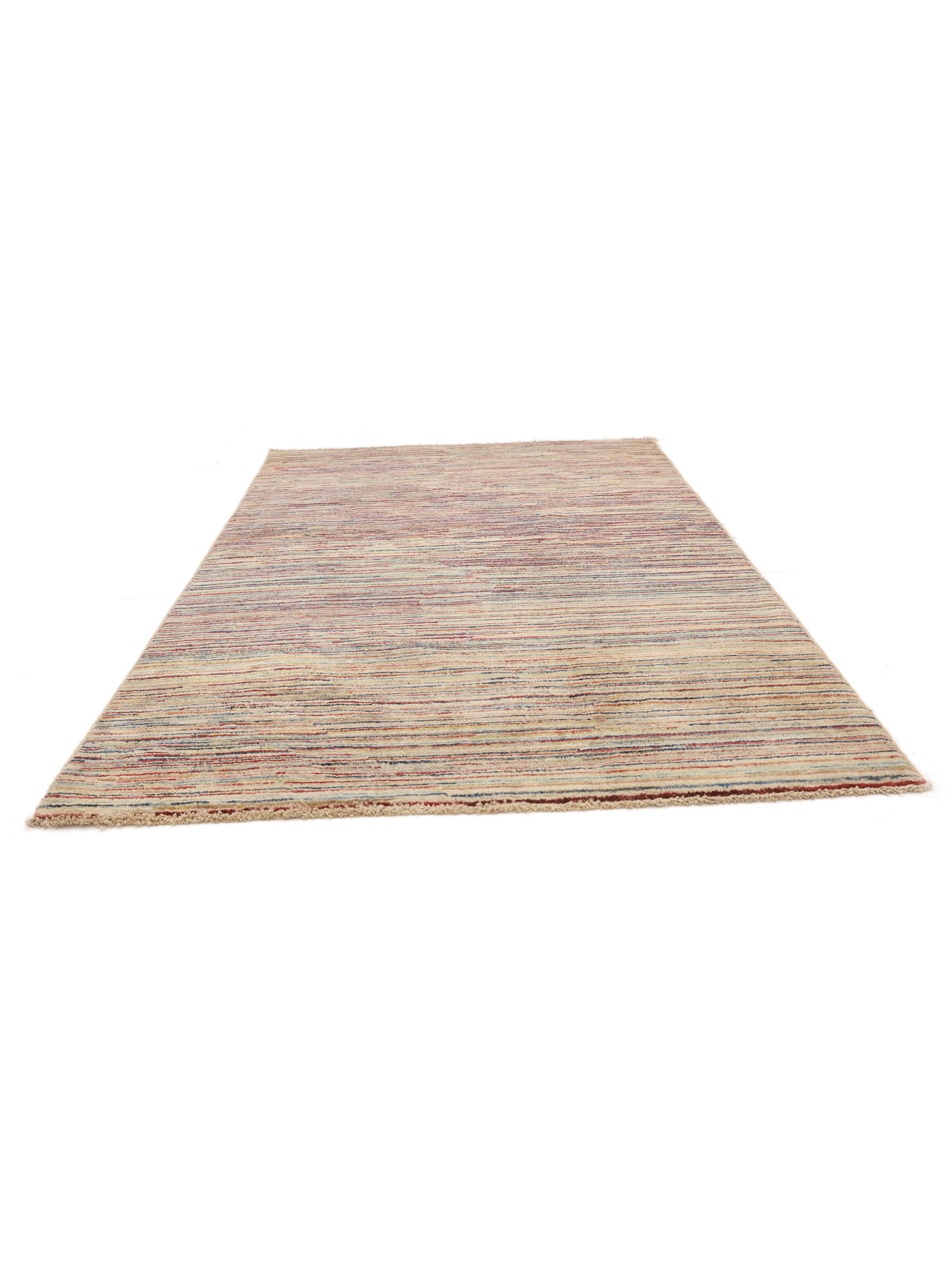
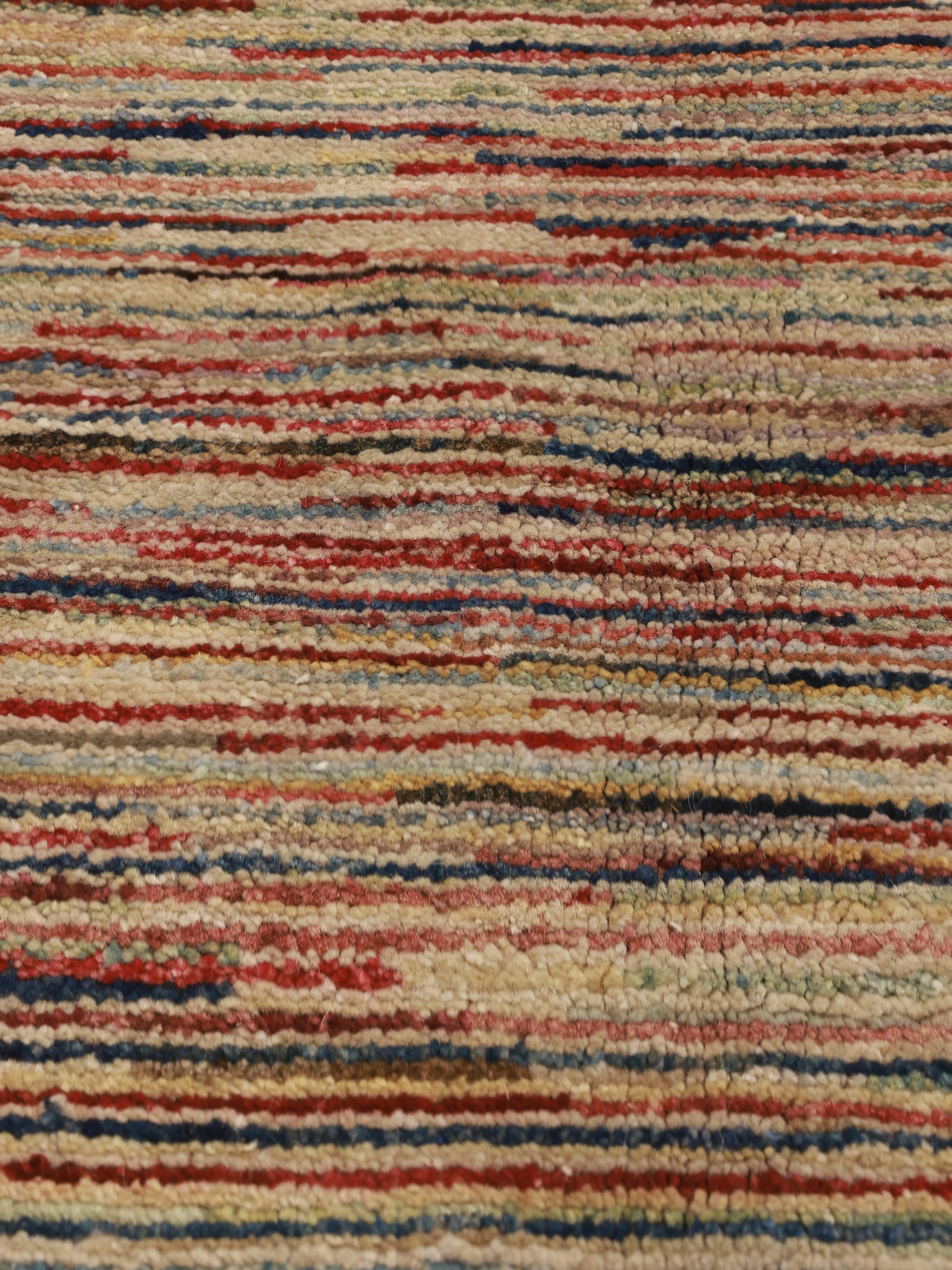
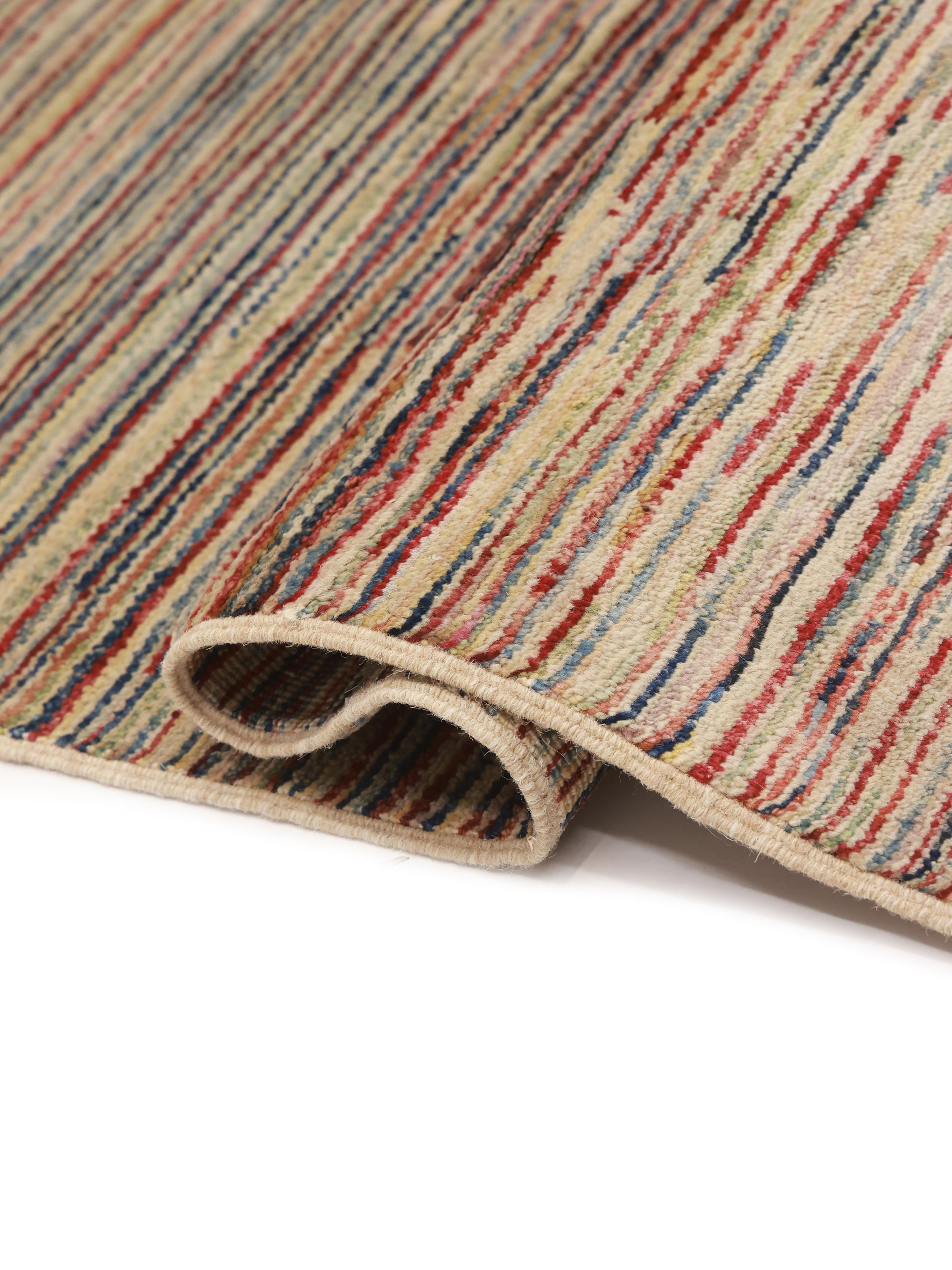
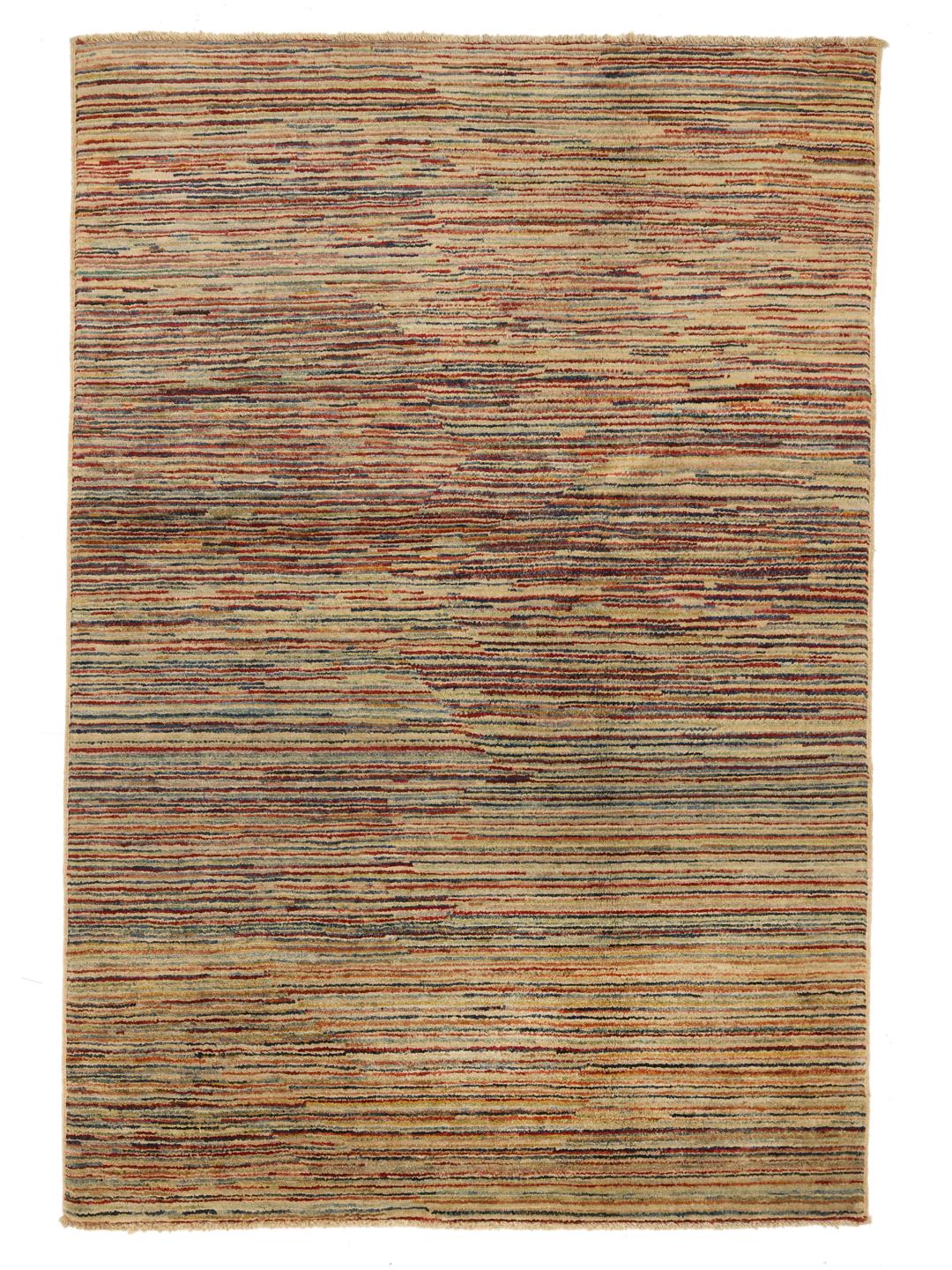
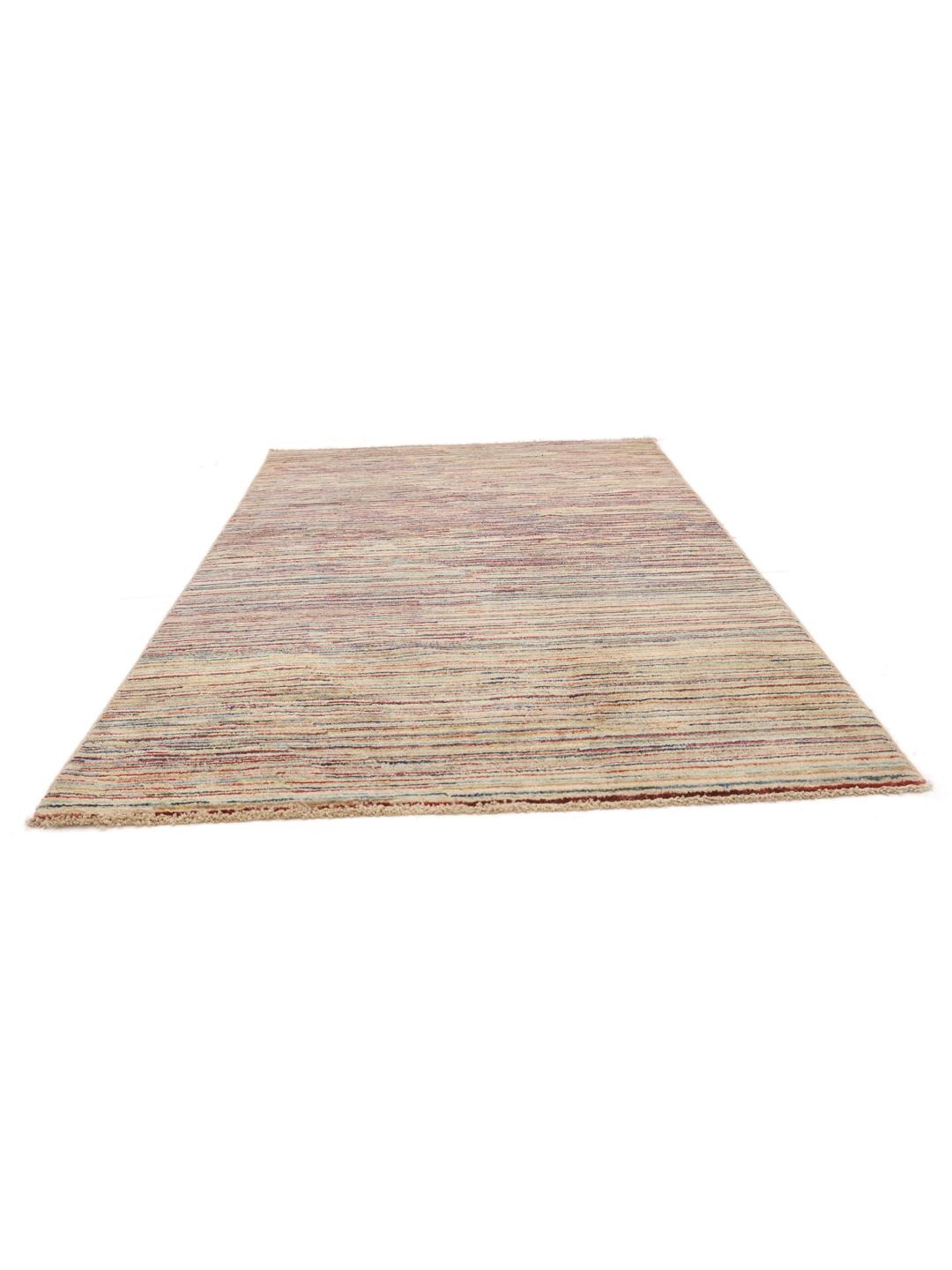
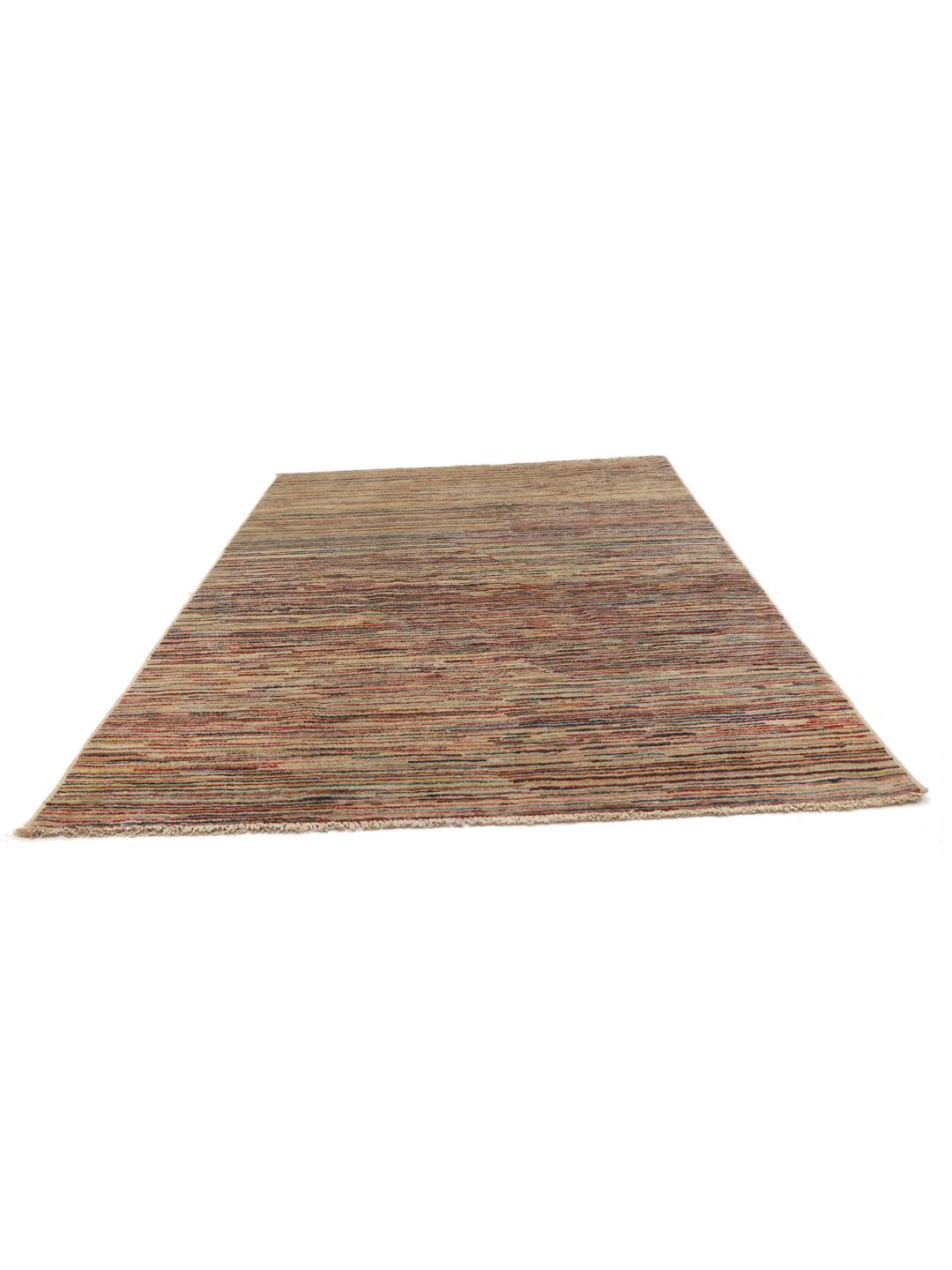
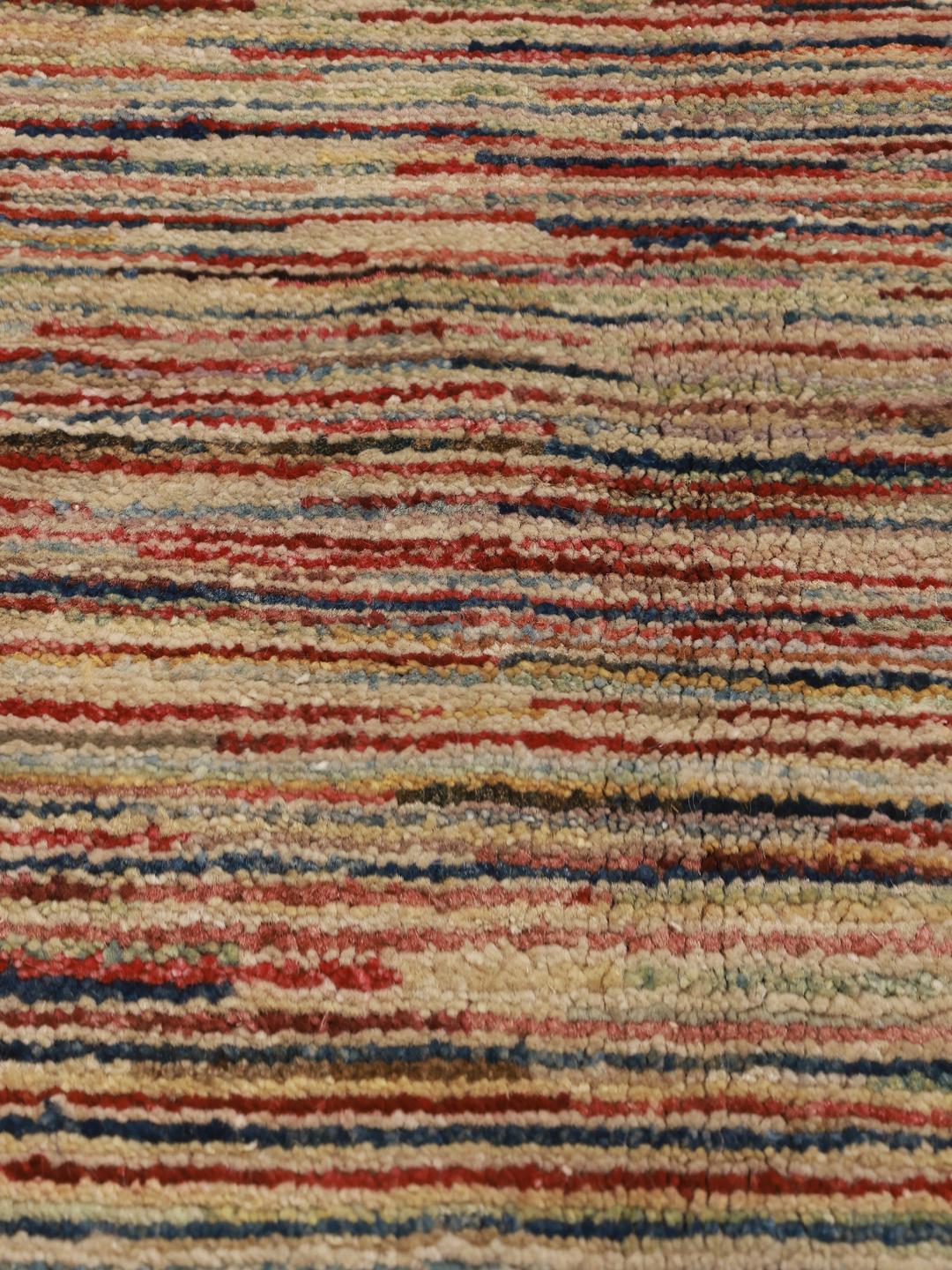
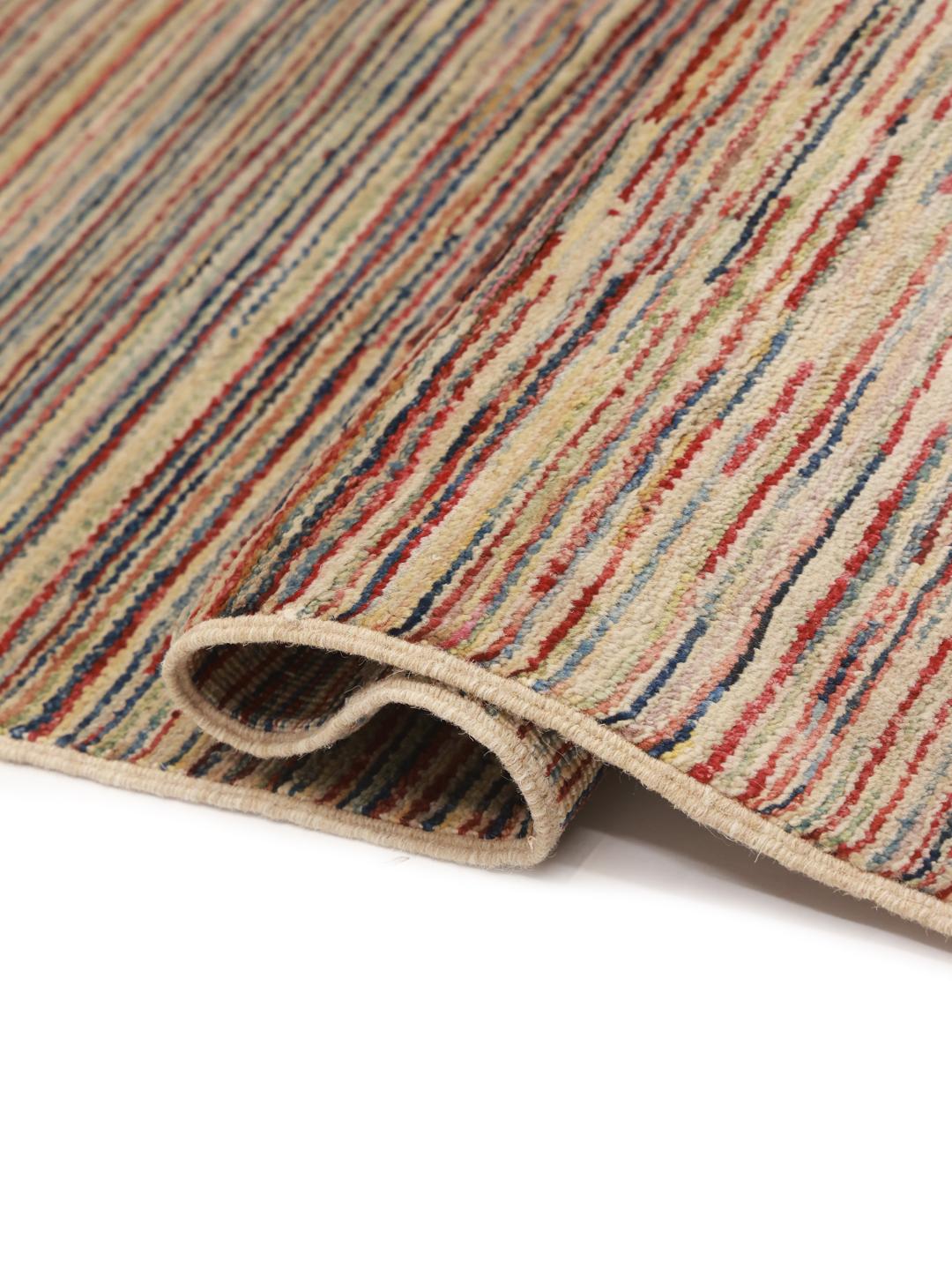
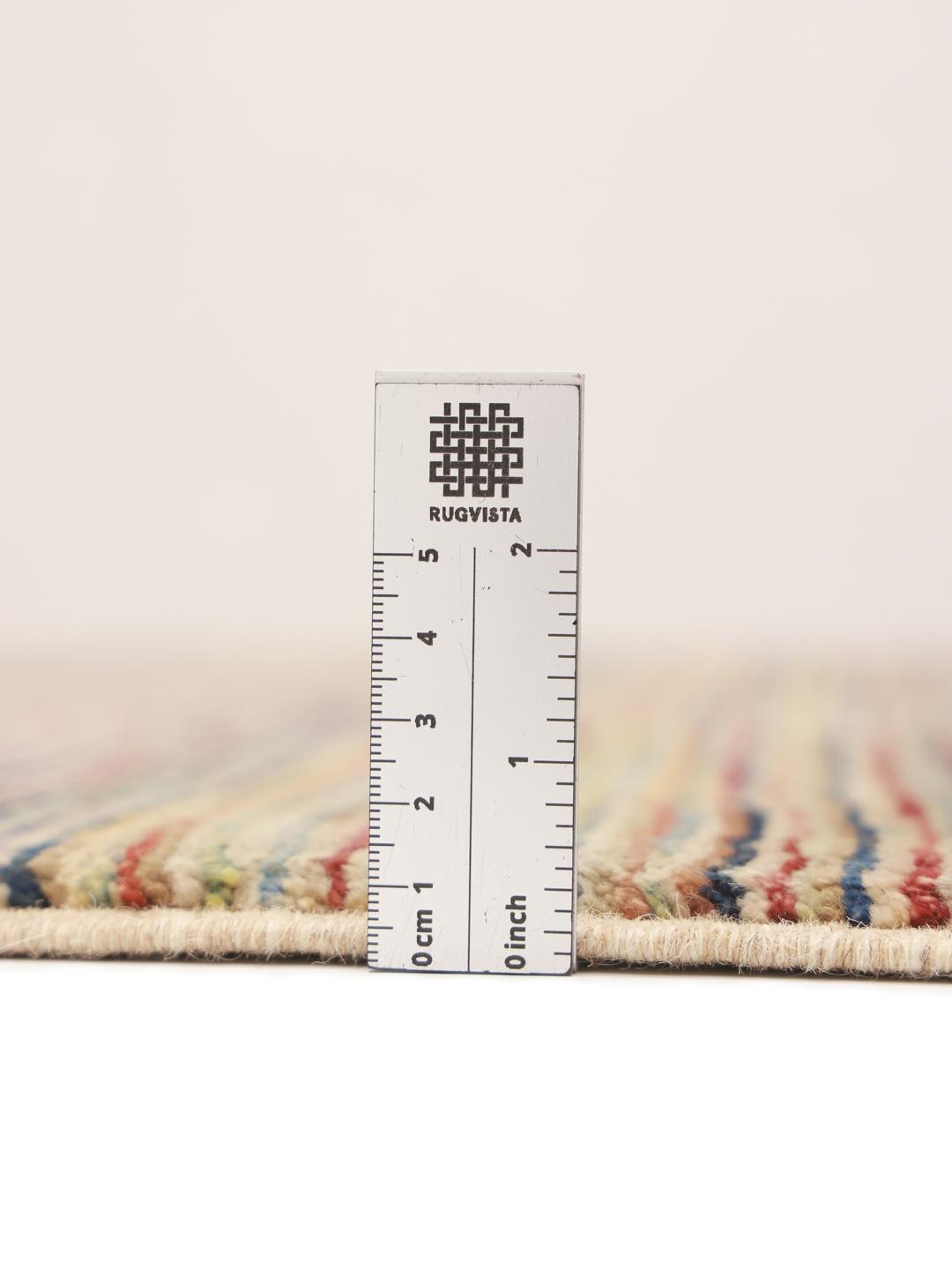
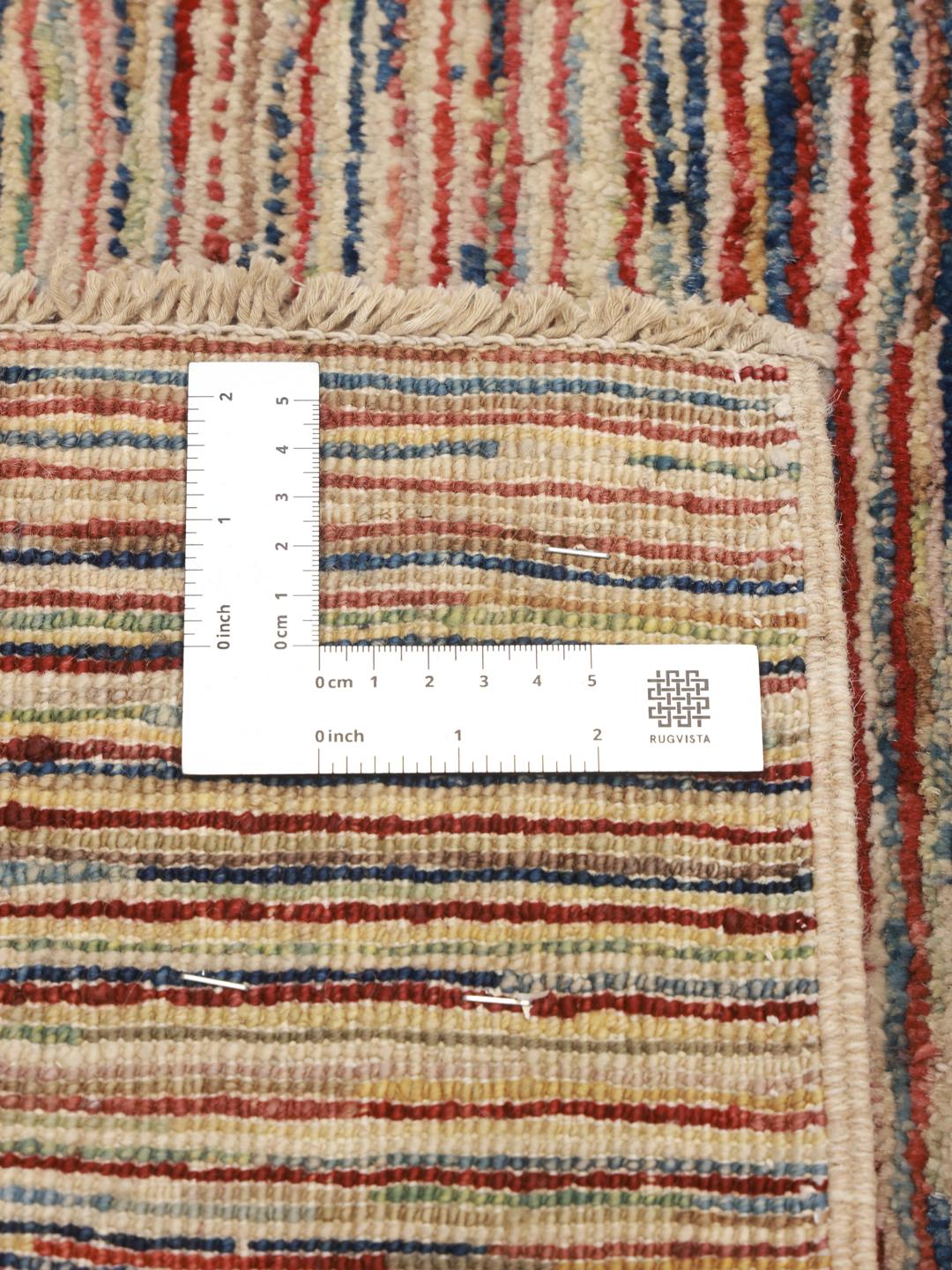
Visually, Gabbeh rugs are celebrated for their open fields and playful use of colour, often showcasing subtle tonal variations created by hand-spun wool and traditional natural dye methods.
The horizontal striped patterns found in modern interpretations are a nod to the quiet landscapes and earthy palettes cherished by generations of weavers.
Owning a Gabbeh rug connects you to a rich heritage of nomadic craftsmanship and storytelling.
Each piece represents a living tradition of skill and patience, offering a genuine sense of cultural history and enduring quality that mass-produced floor coverings simply cannot replicate.