The Gabbeh rug tradition has its roots in the nomadic cultures of the Middle East, where weavers traditionally created these rugs for their own personal use rather than for trade. Historically, these pieces were known for their thick, chunky pile and their use of undyed, natural wool, reflecting the landscape and the resources available to the weavers.
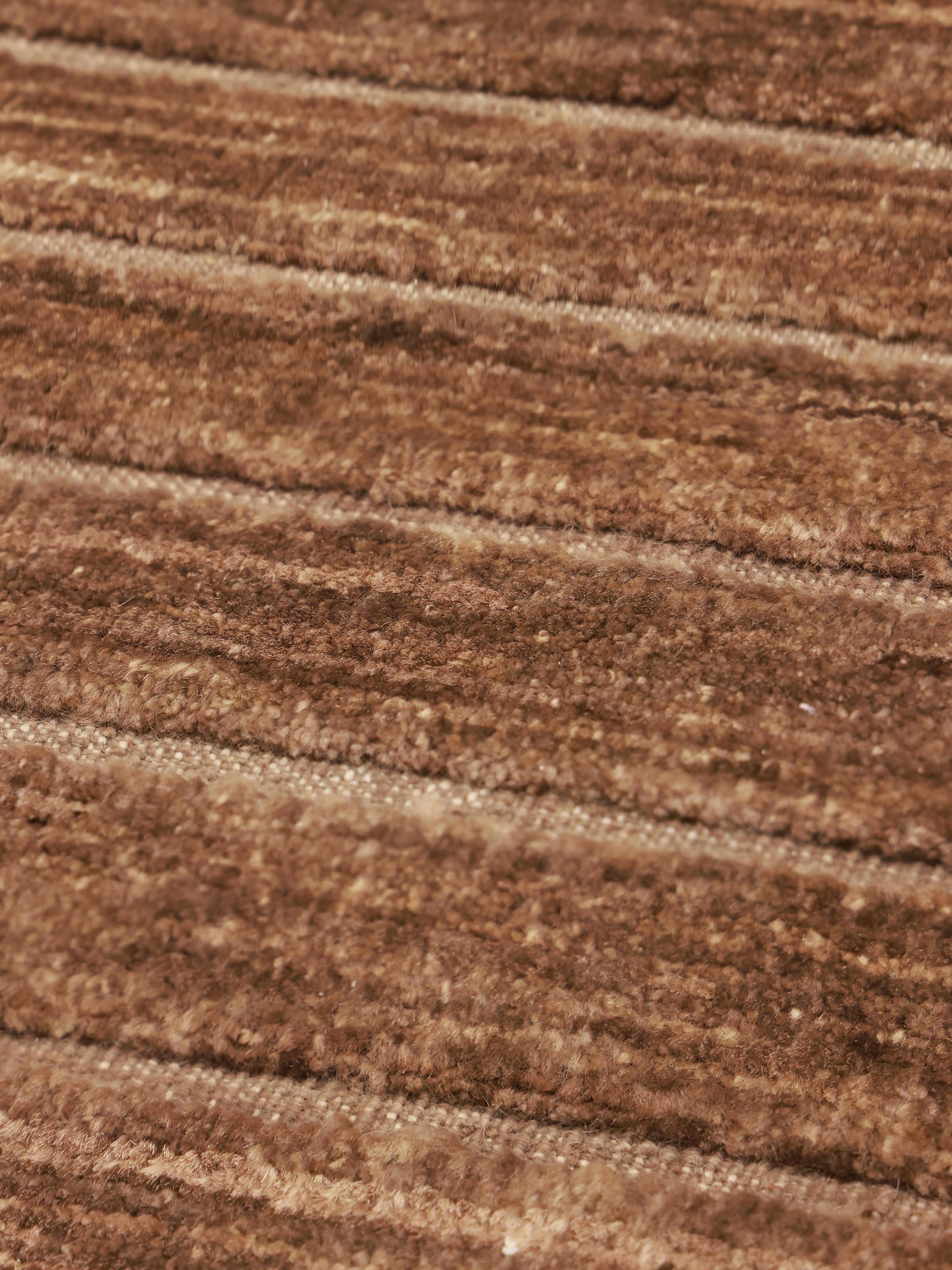
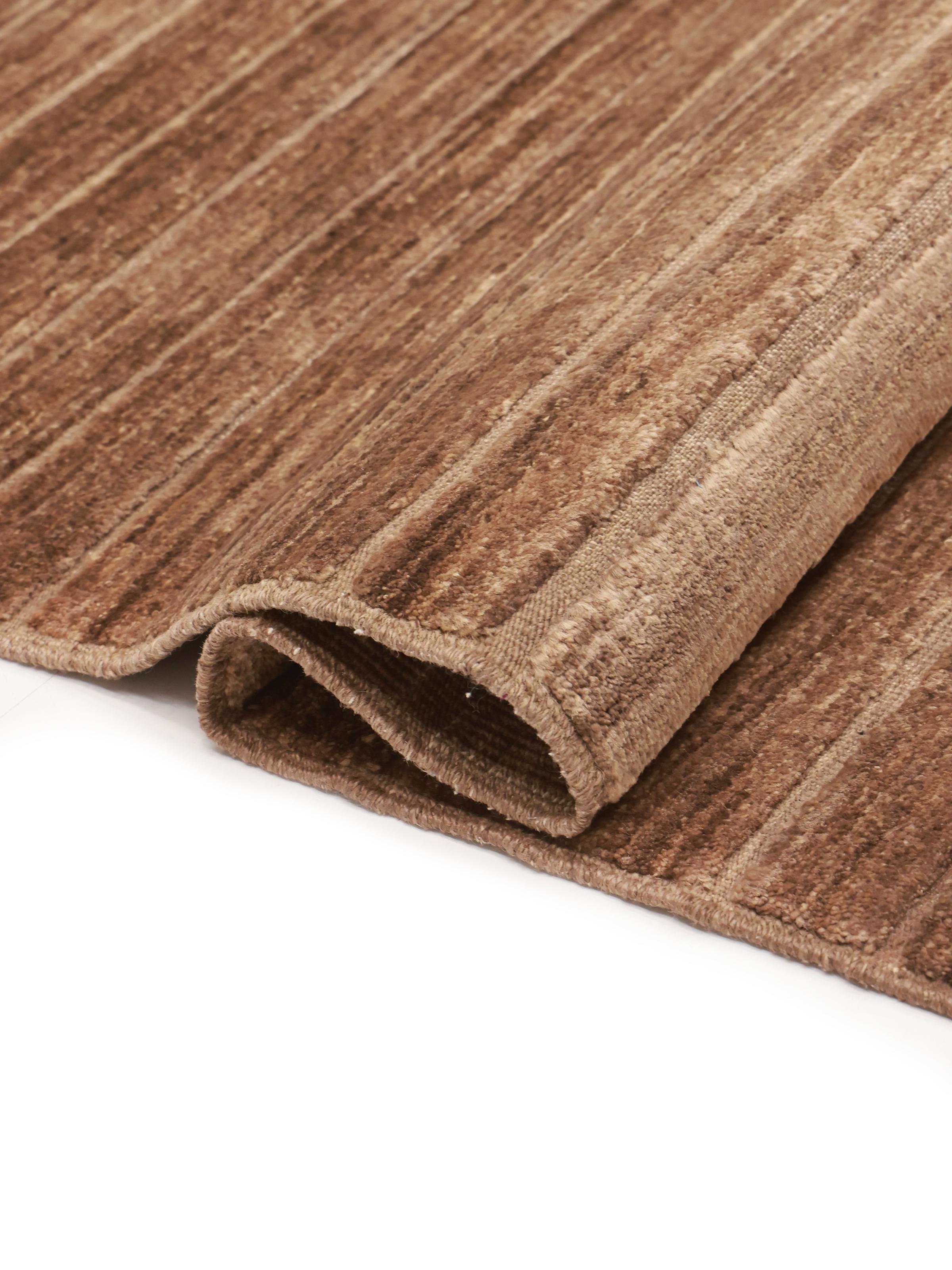
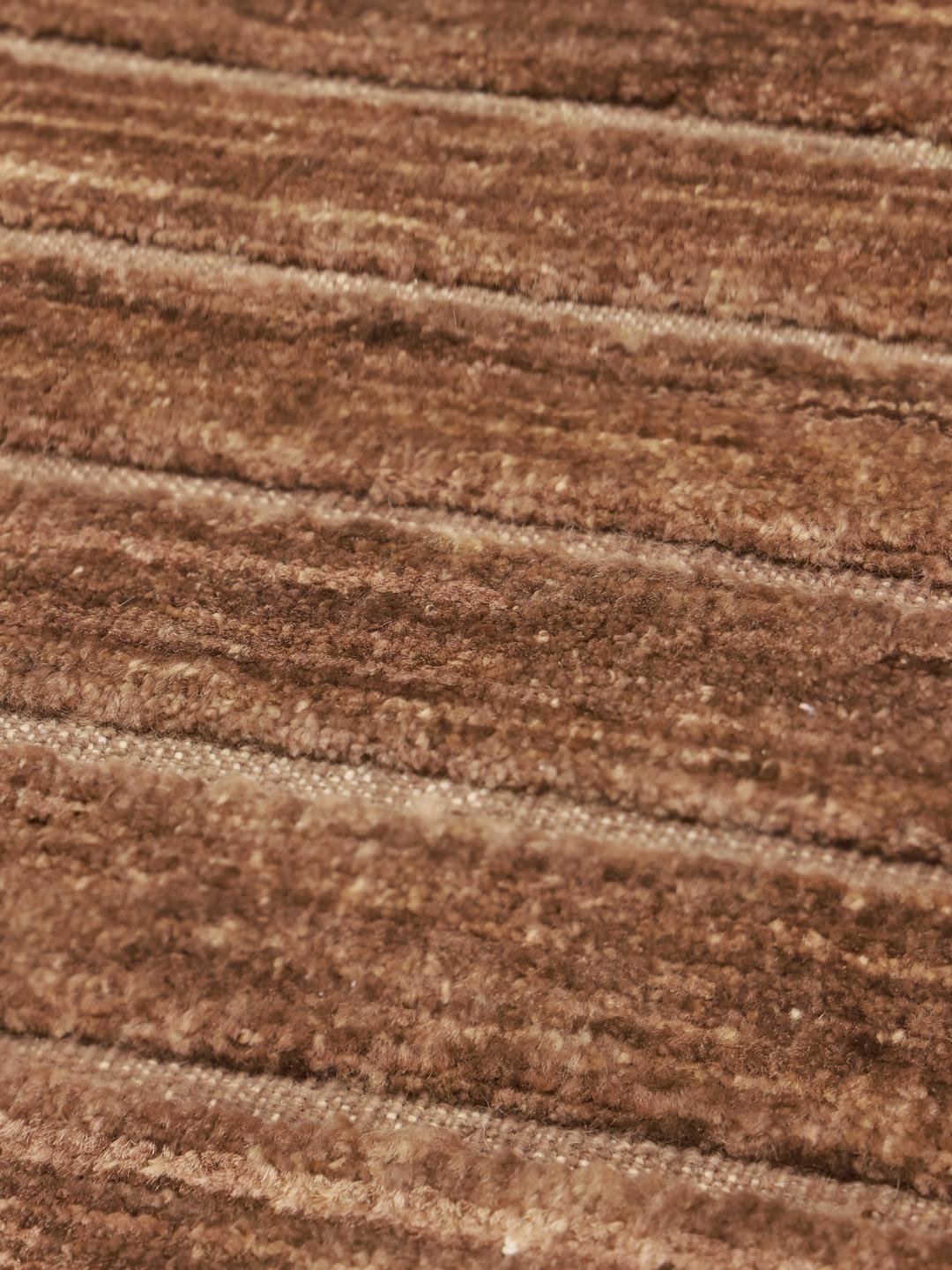
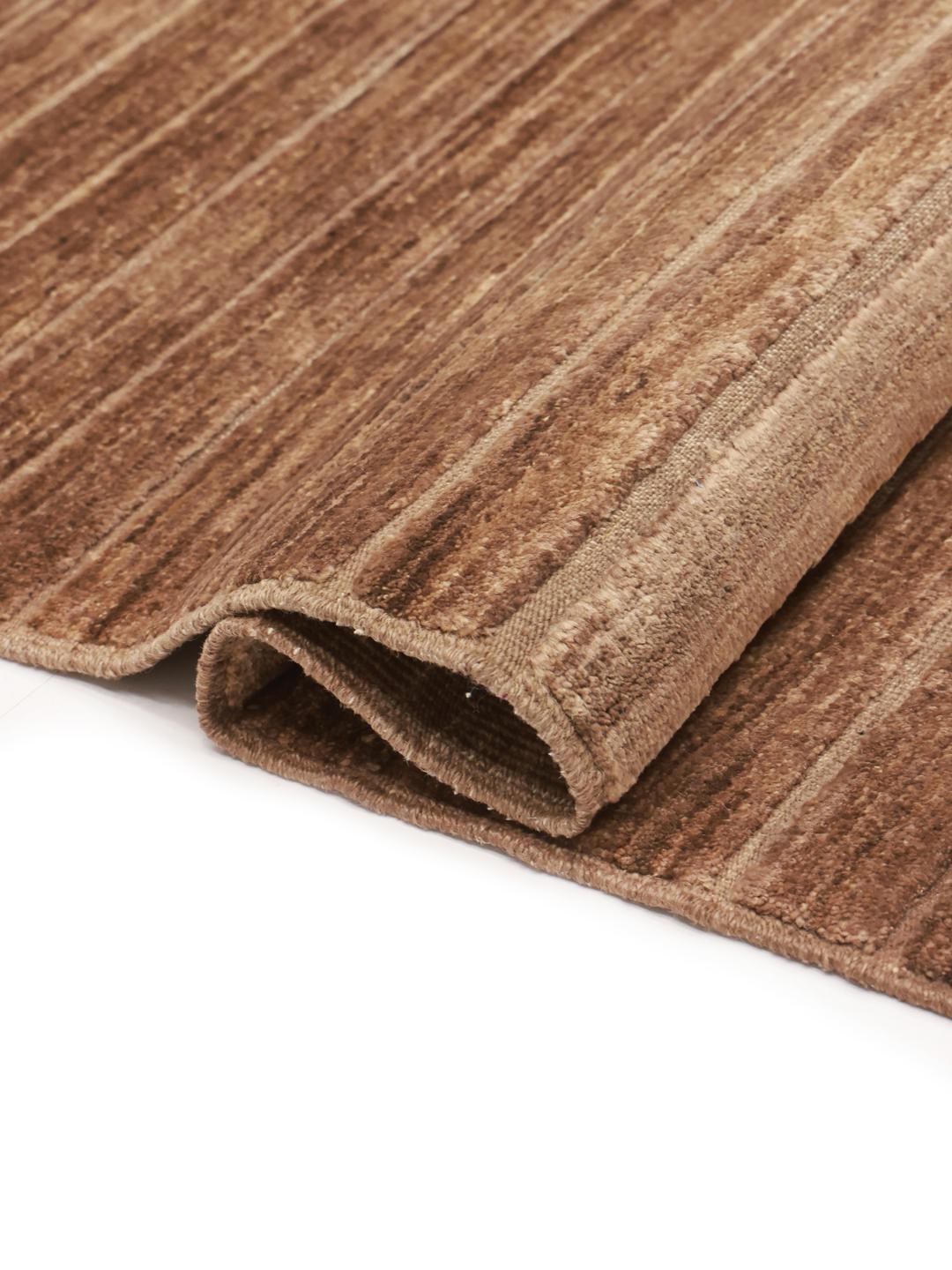
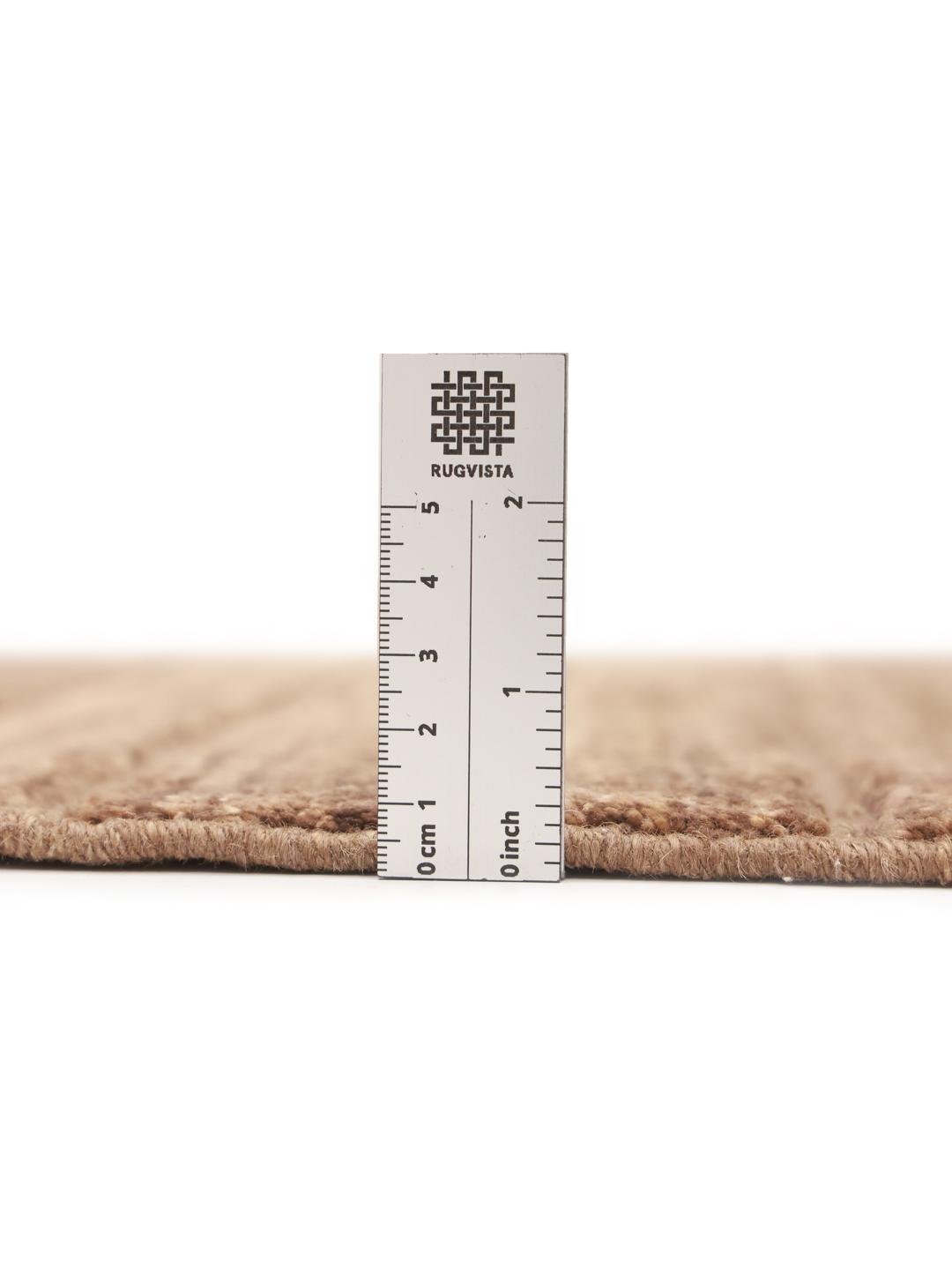
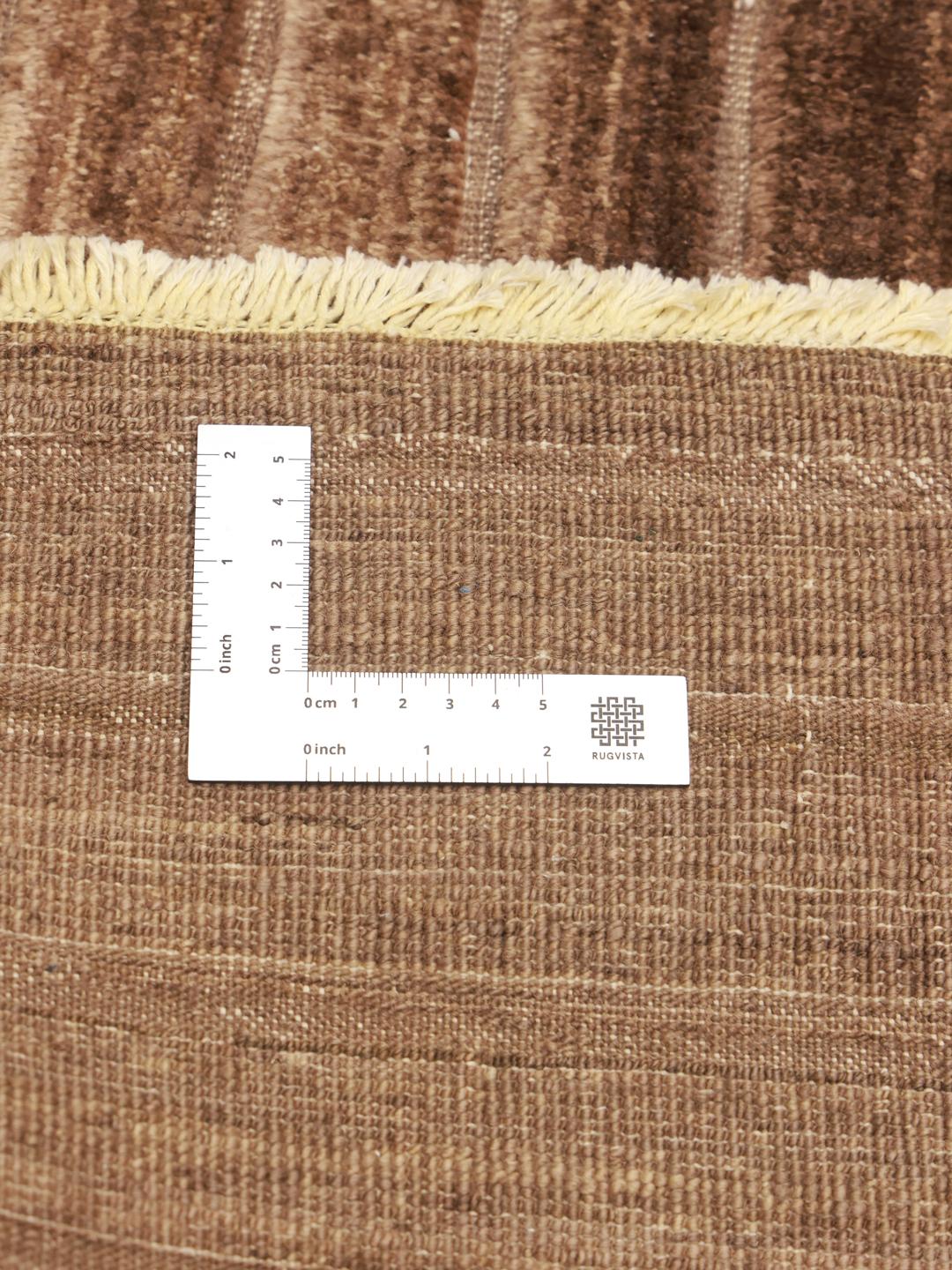
While the term Gabbeh refers to a specific style of construction, it has evolved to represent a broader design philosophy centred on simplicity and artistic expression. The construction is typically characterised by a lower knot density compared to formal city rugs, which results in a plush, heavy pile that is both incredibly soft and highly durable.
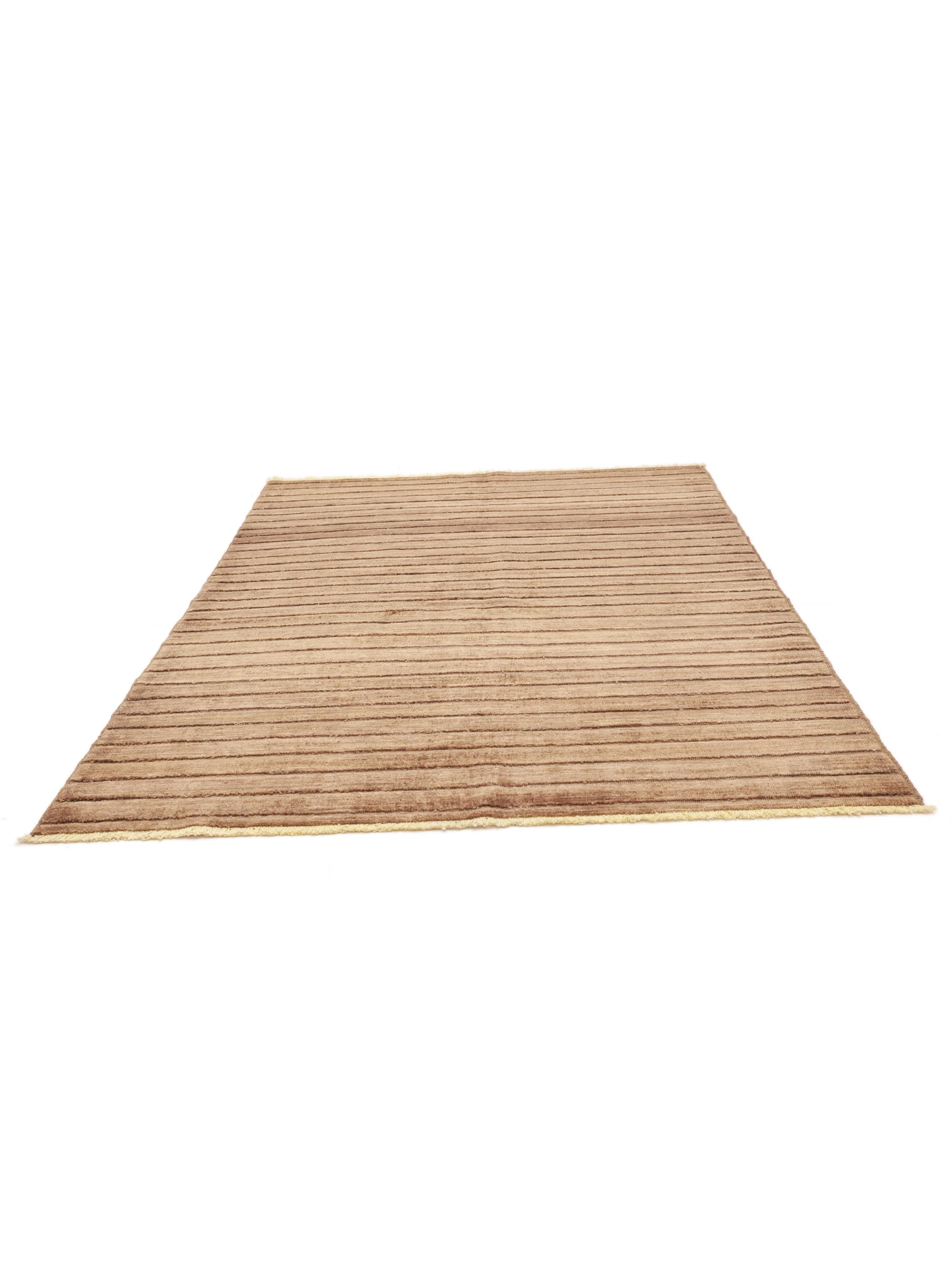
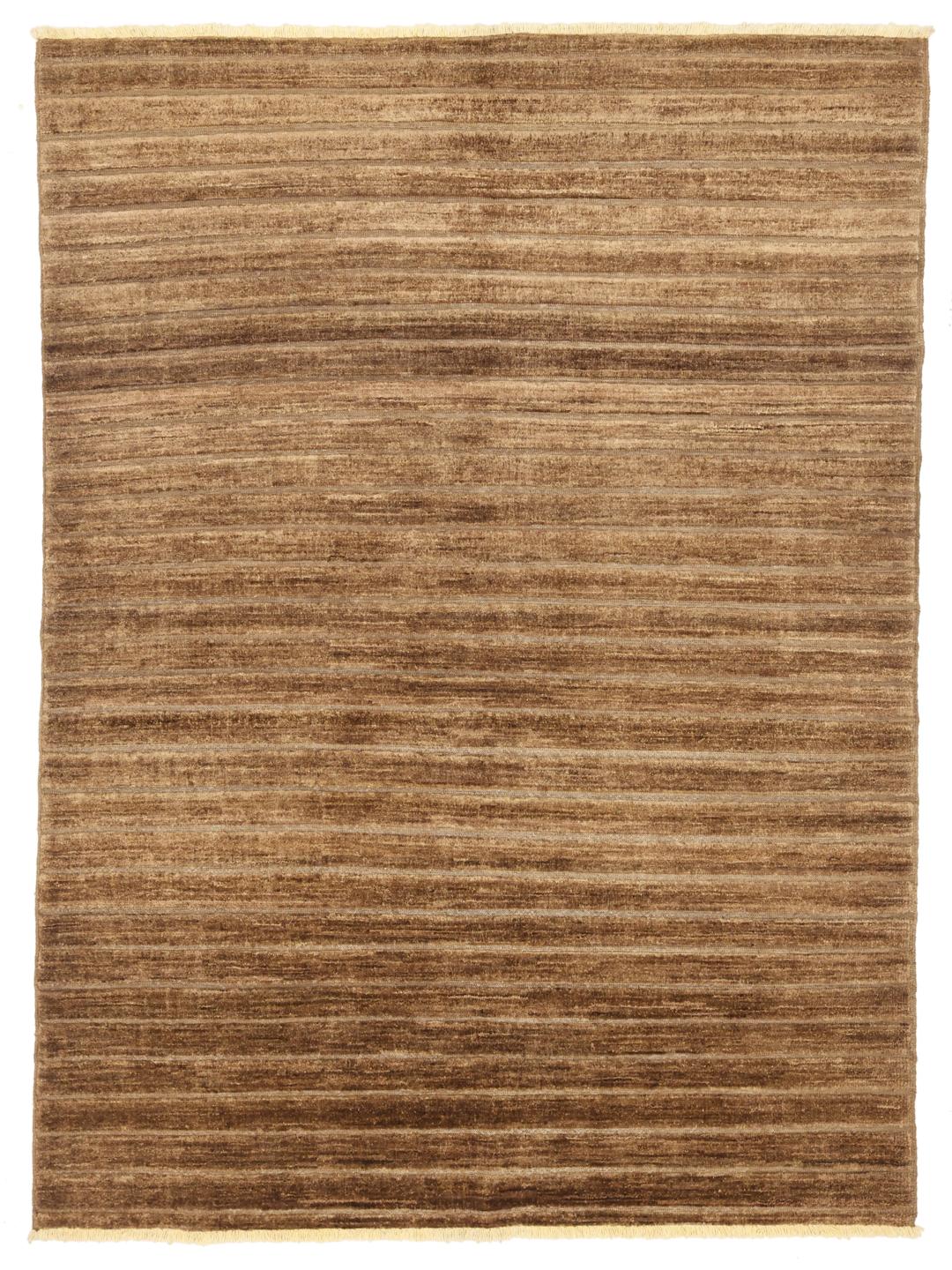
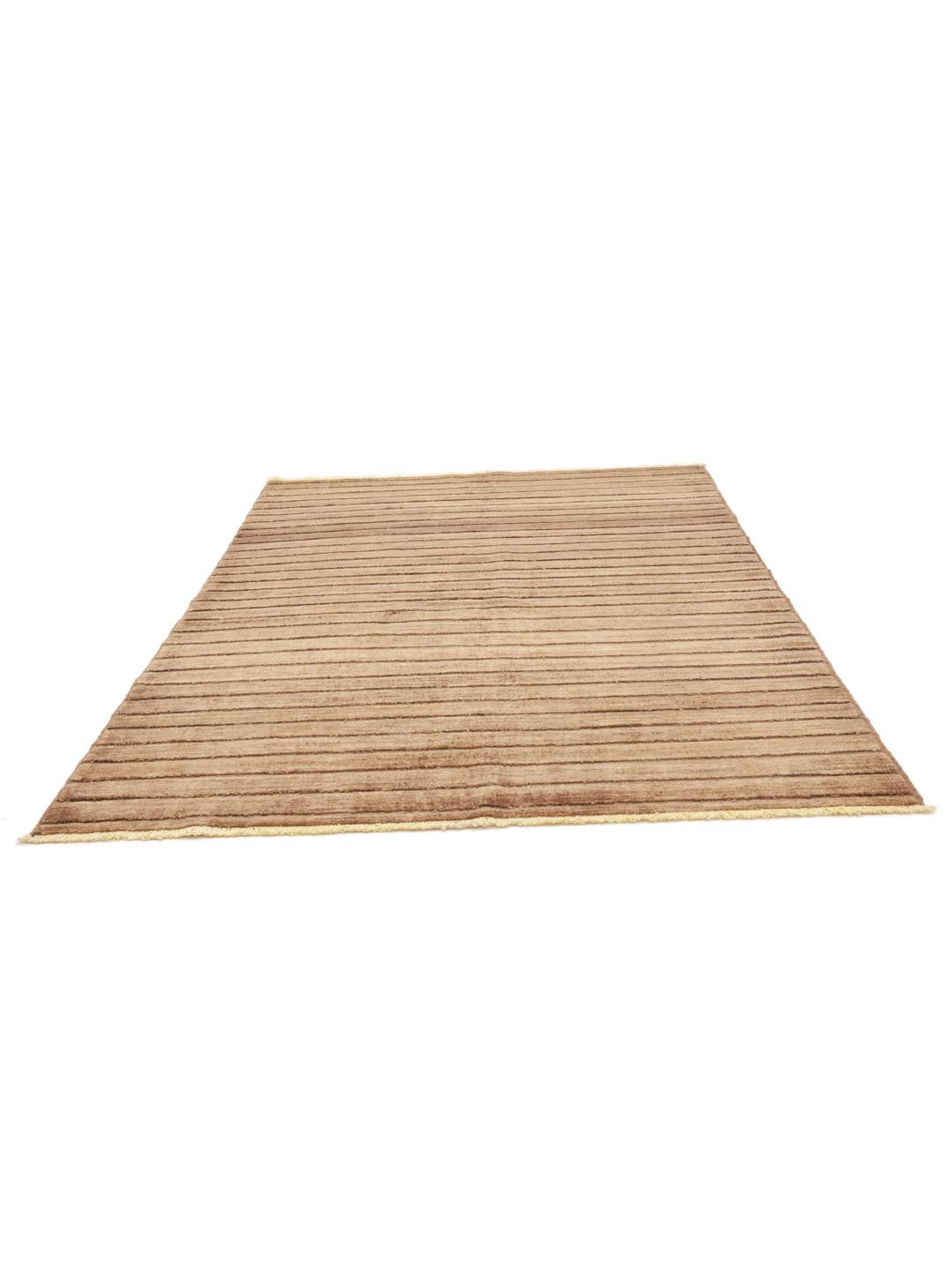
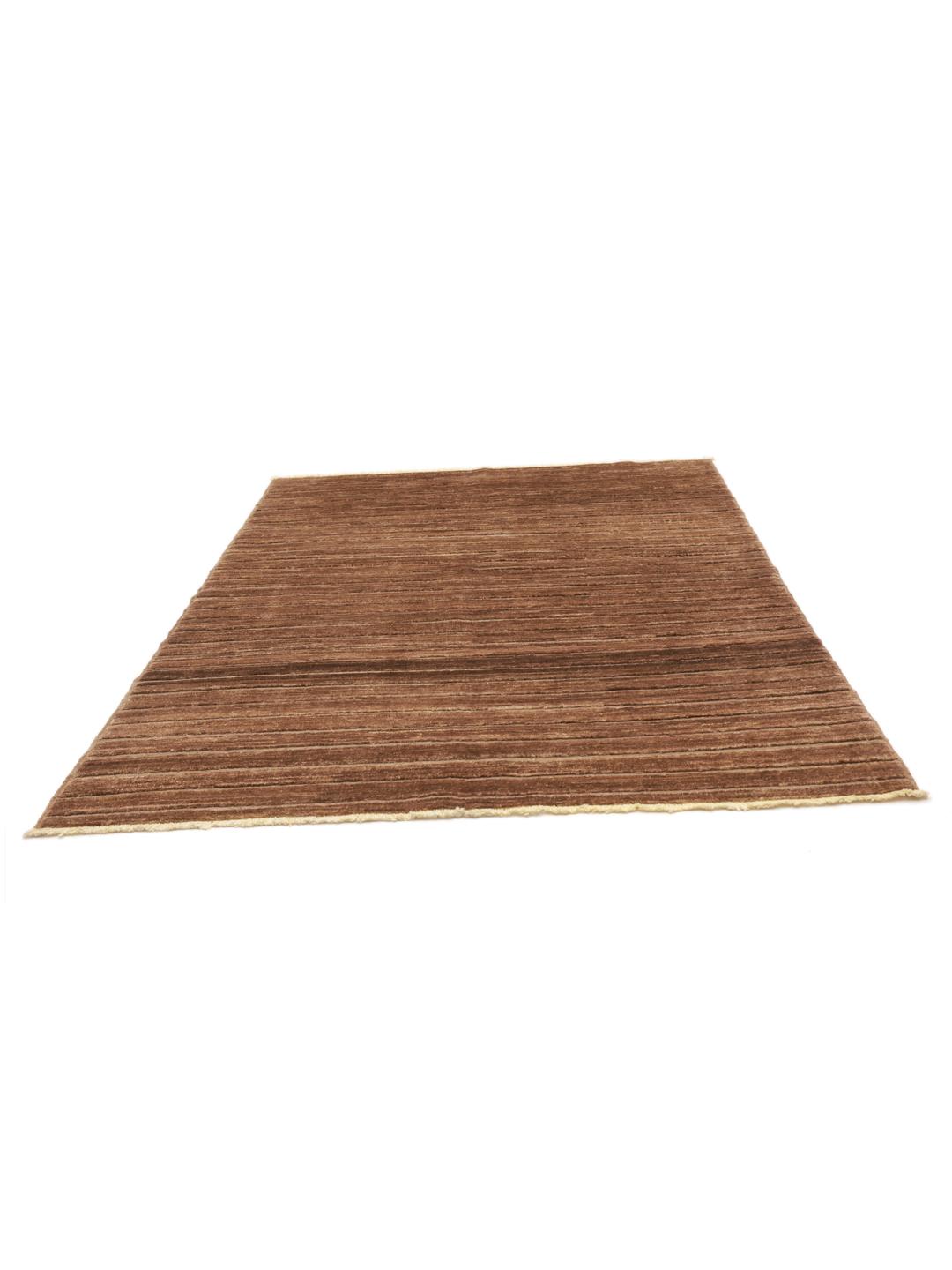
Visually, traditional Gabbehs are defined by their bold, minimalist approach to design. Often featuring simple geometric motifs or entirely solid fields of colour, they rely on the subtle variations of hand-spun wool to create depth. Modern interpretations, like this piece, continue this legacy by prioritising the beauty of the material and the richness of the colour palette over complex, repetitive patterns.
Owning a Gabbeh is an opportunity to connect with a storied craft tradition that values individual expression. These rugs are highly sought after by collectors and homeowners alike for their authenticity and the sense of warmth they bring to a modern home, bridging the gap between ancient nomadic heritage and contemporary living.