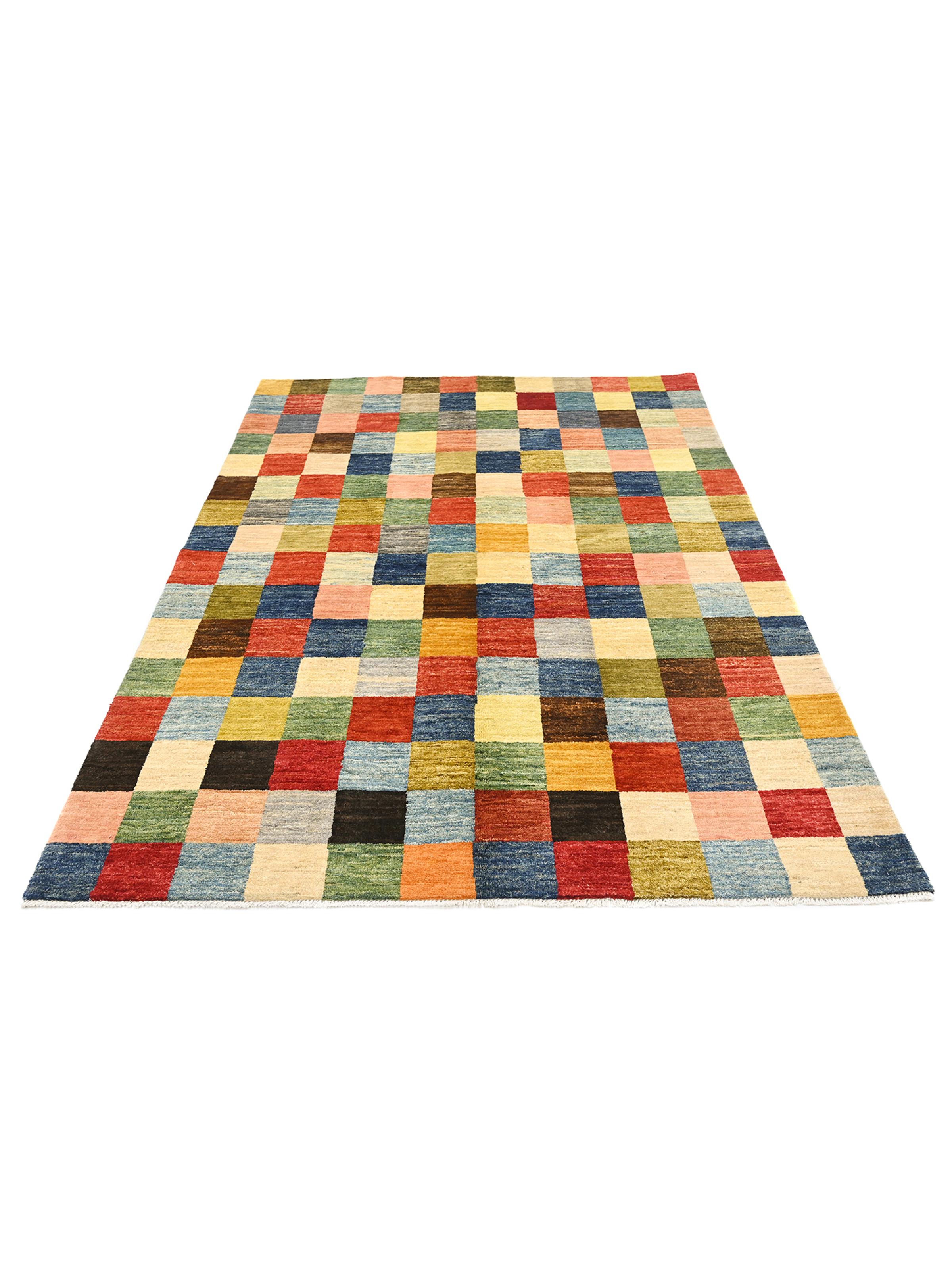
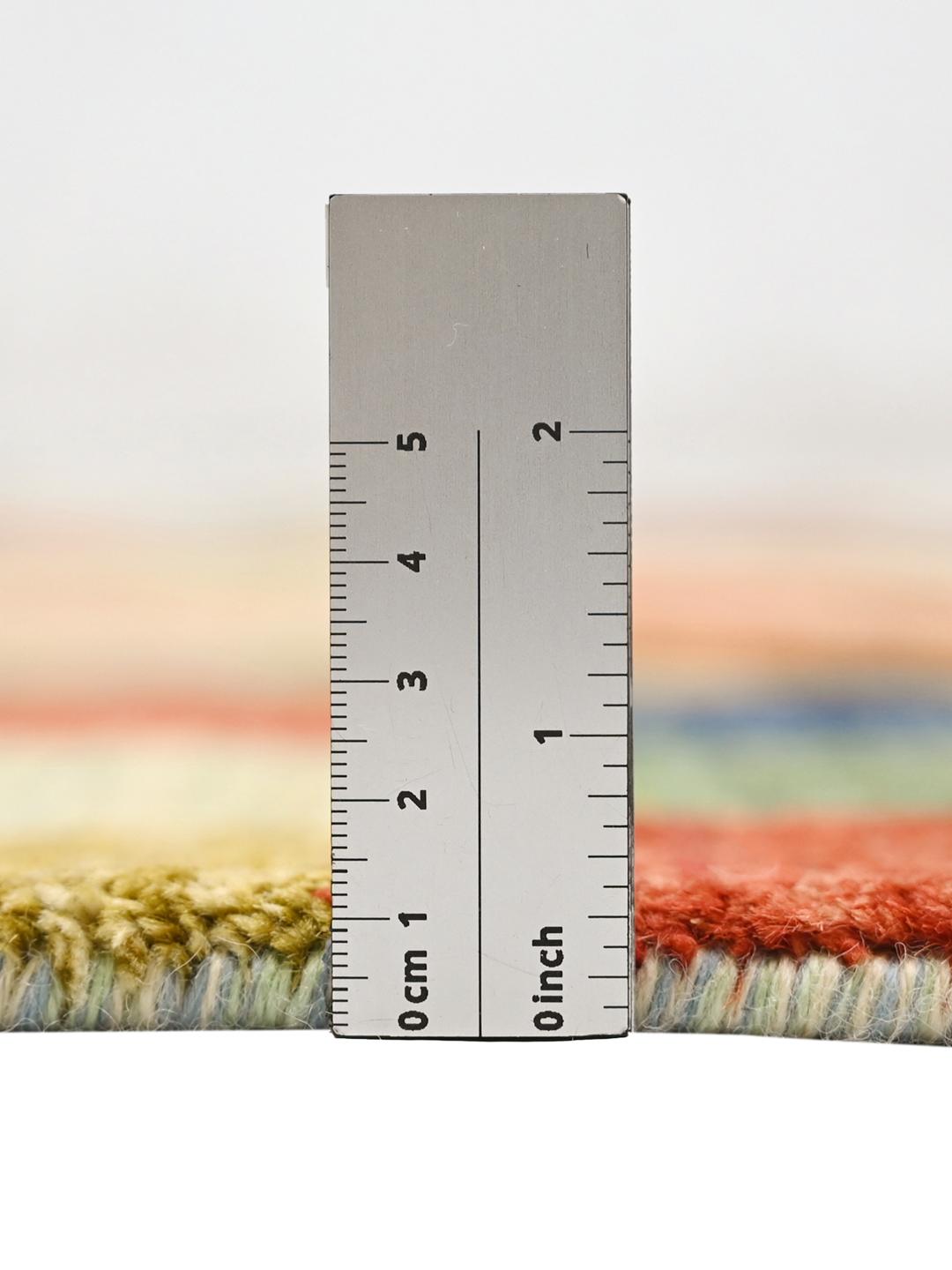
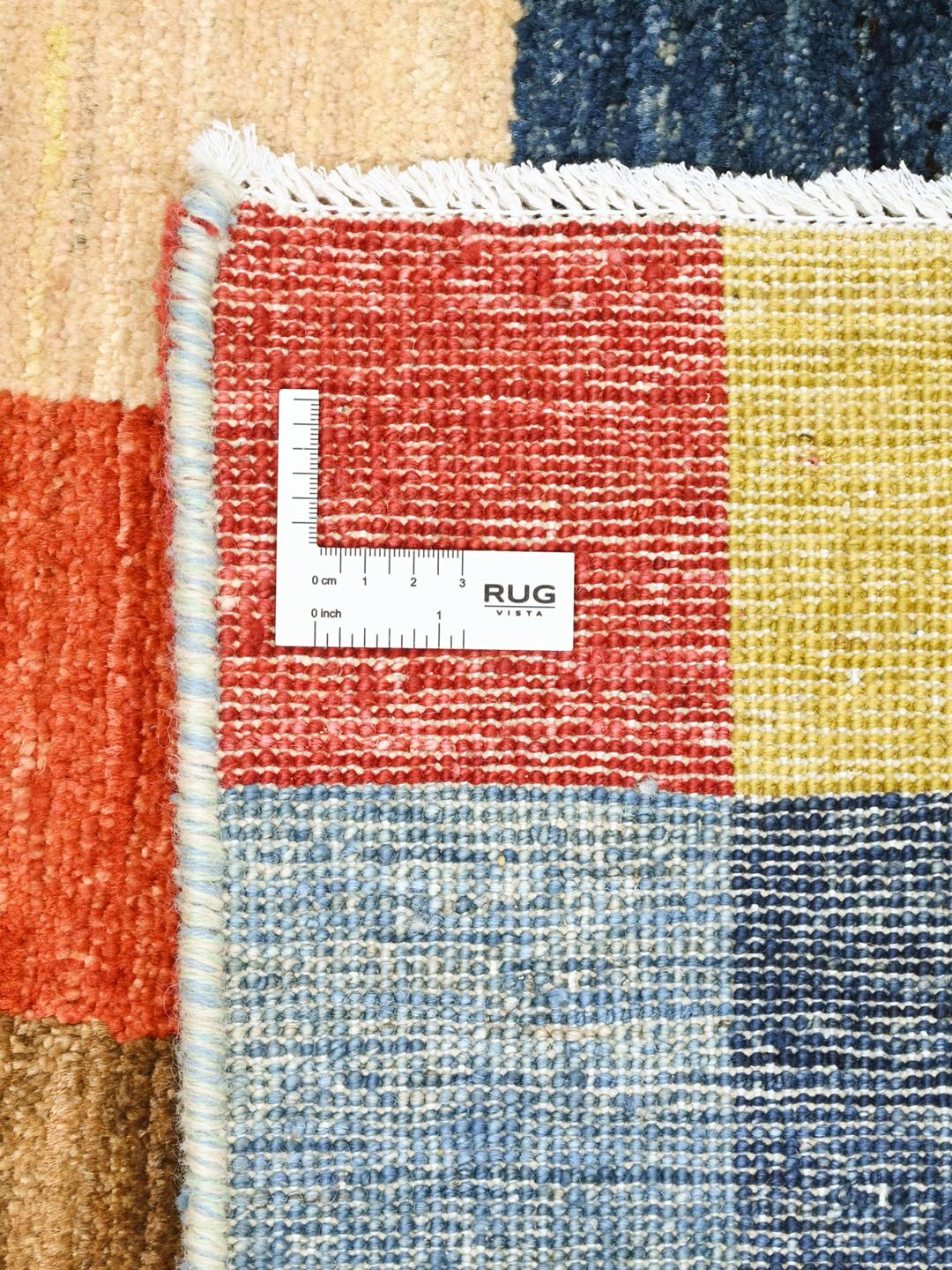
Gabbeh rugs were originally woven by nomadic tribes across Central and South Asia as functional floor coverings, bedding, and protective wraps. The word itself translates loosely to raw or natural, referencing the thick pile and relaxed, unstudied design language that defined early tribal examples.
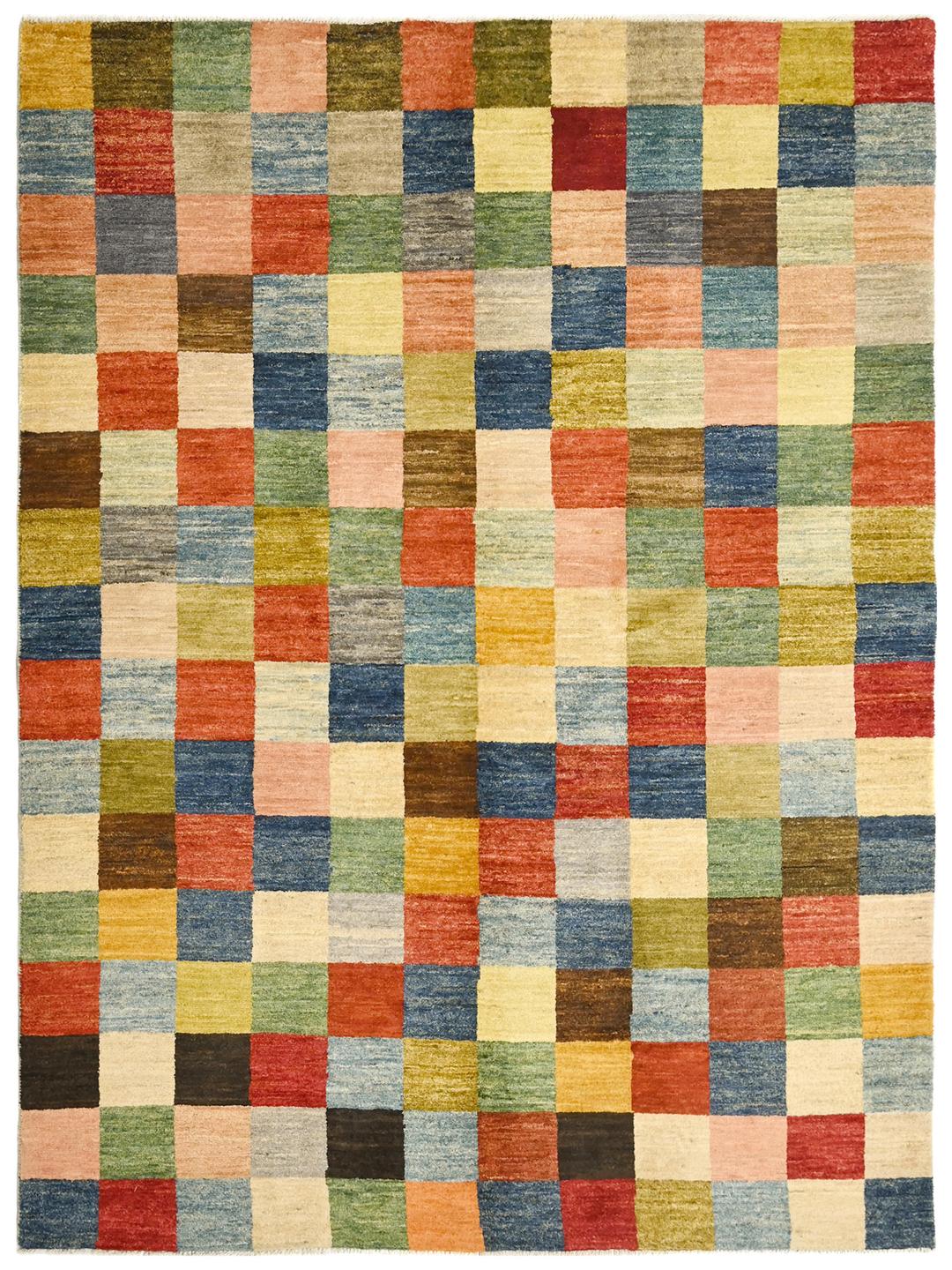
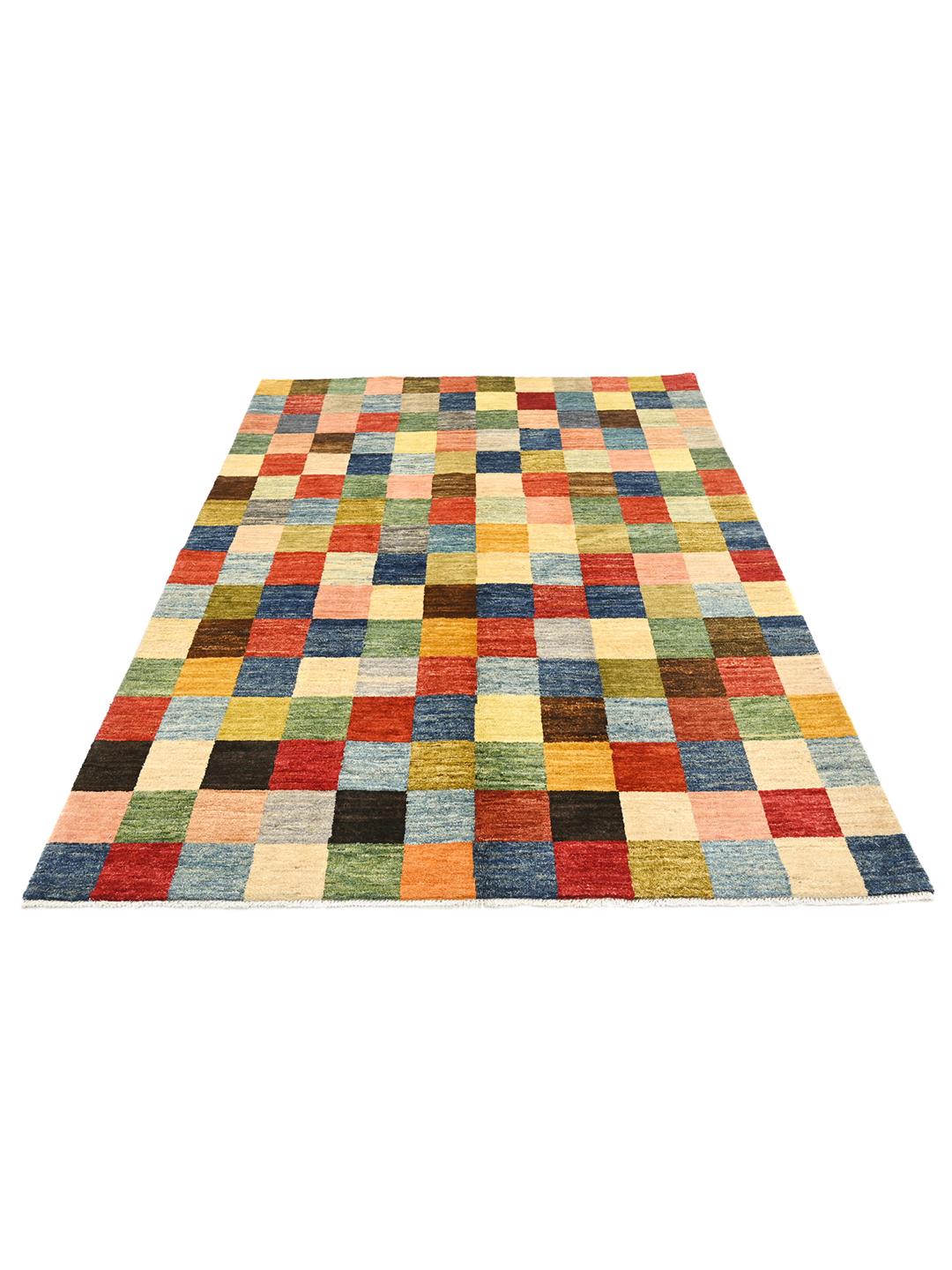
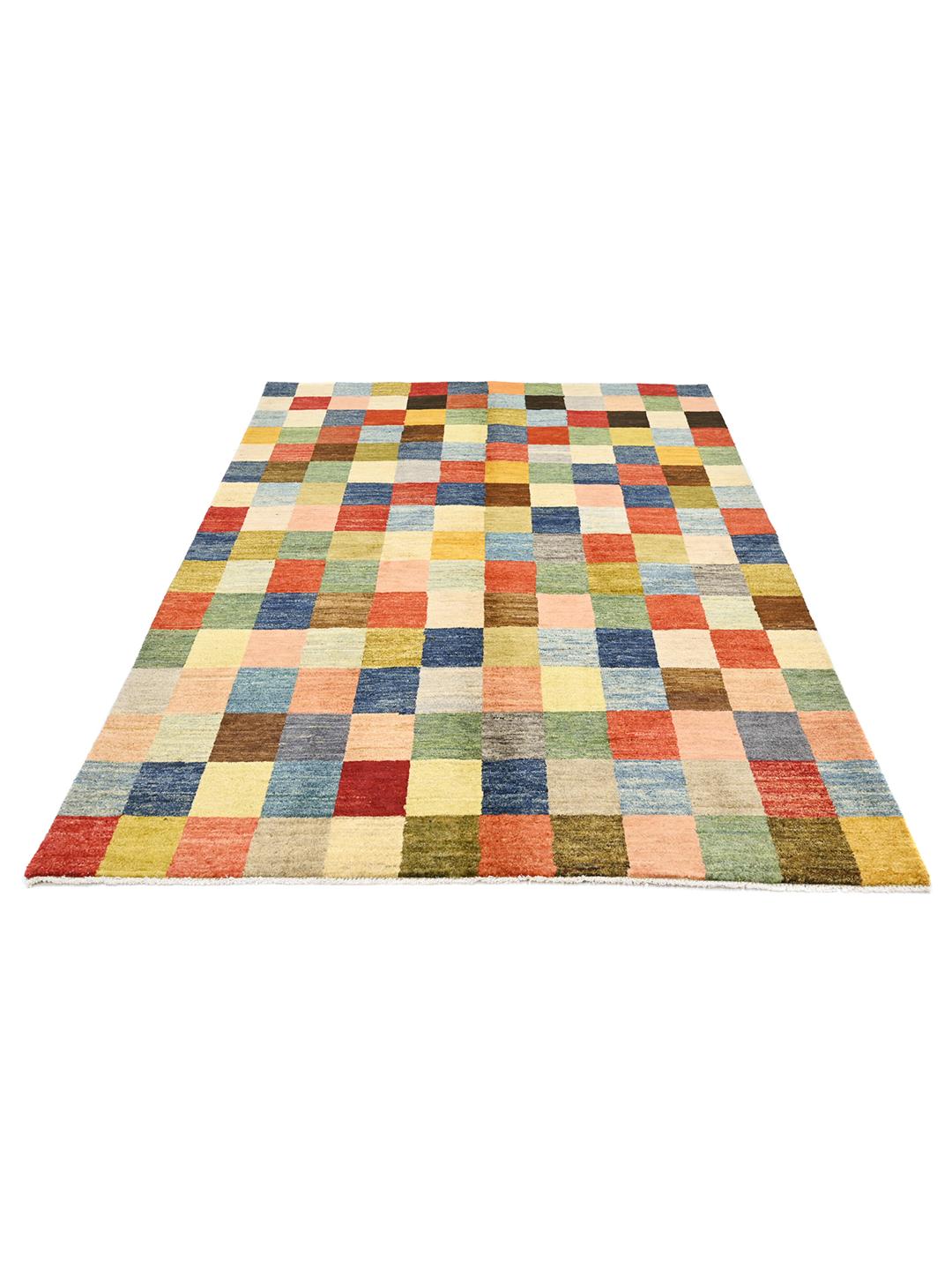
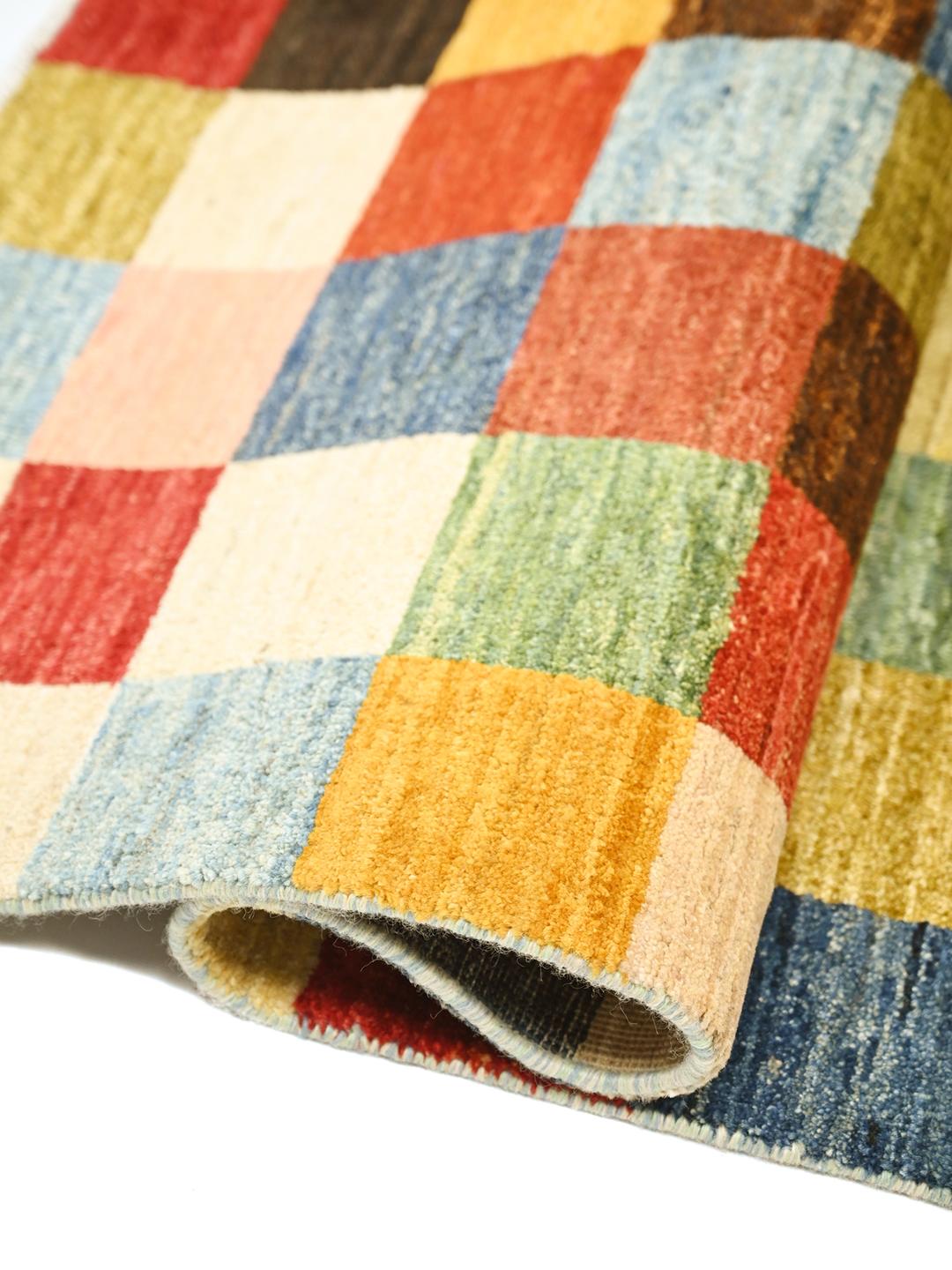
The modern Gabbeh tradition emerged as weavers adapted these ancient nomadic styles for contemporary homes. While classical Gabbeh rugs featured simple fields with minimal iconography, Gabbeh Modern pieces explore graphic geometry, color blocking, and refined proportions while retaining their heavy, comforting weave.
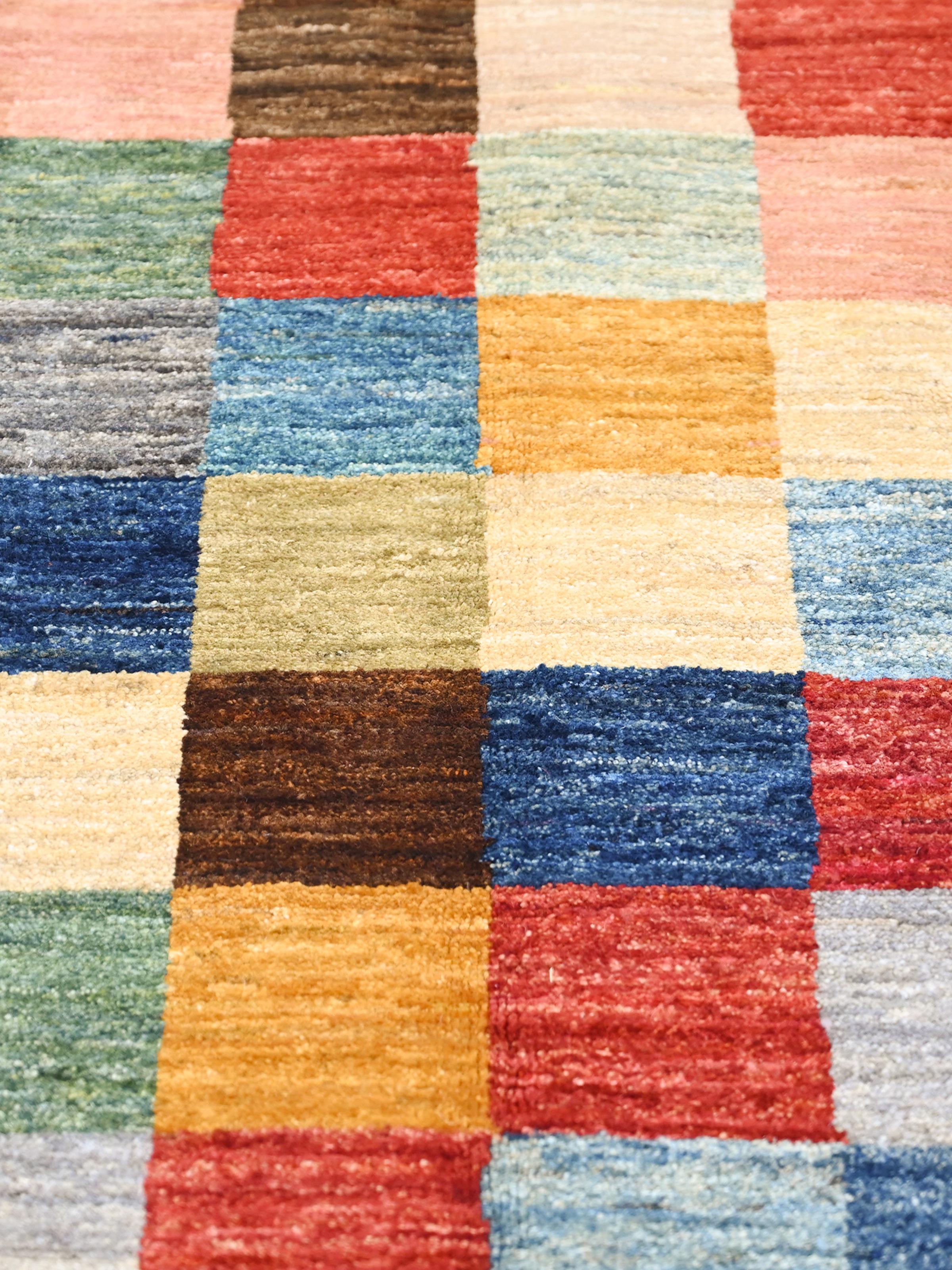
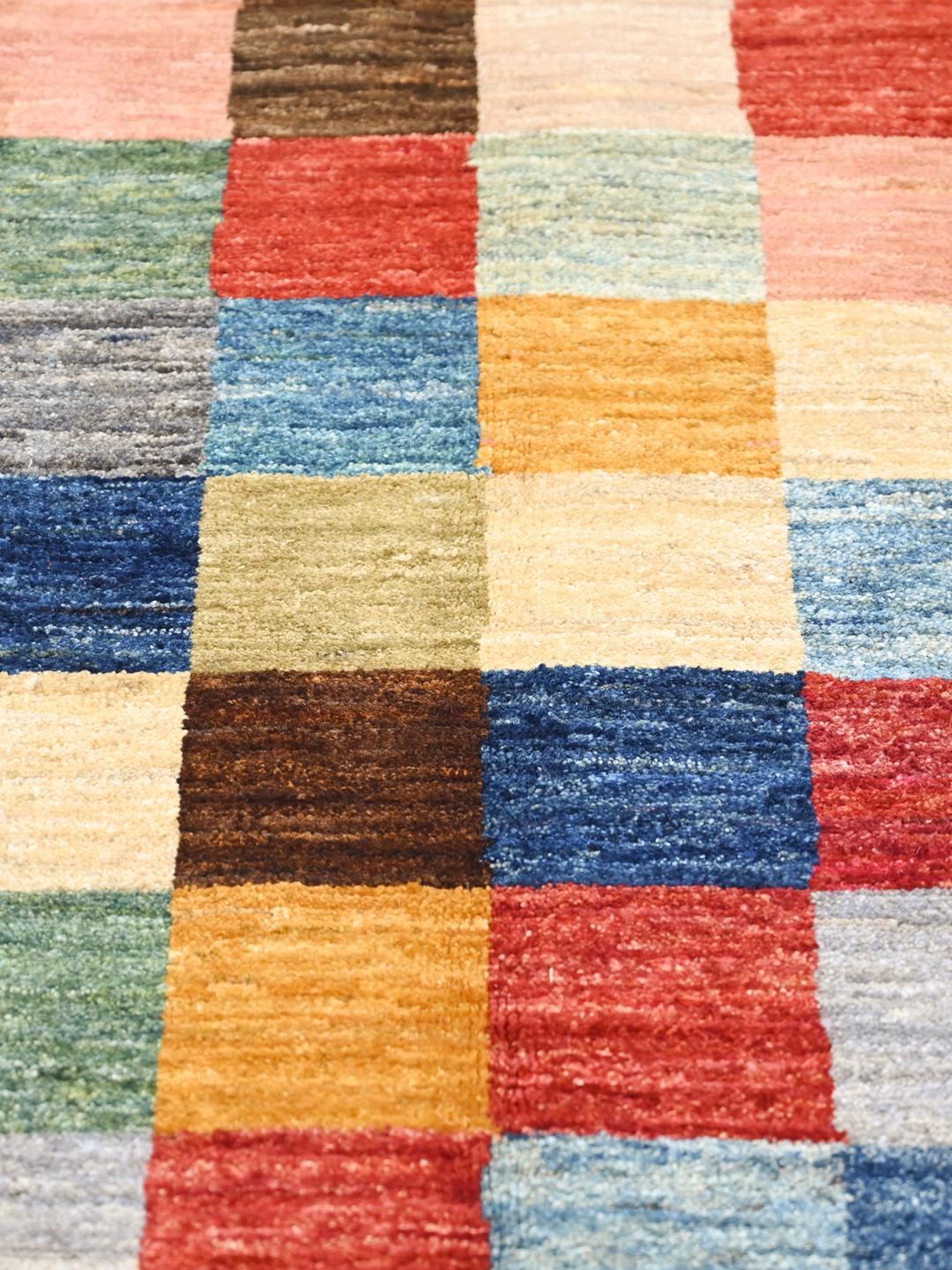
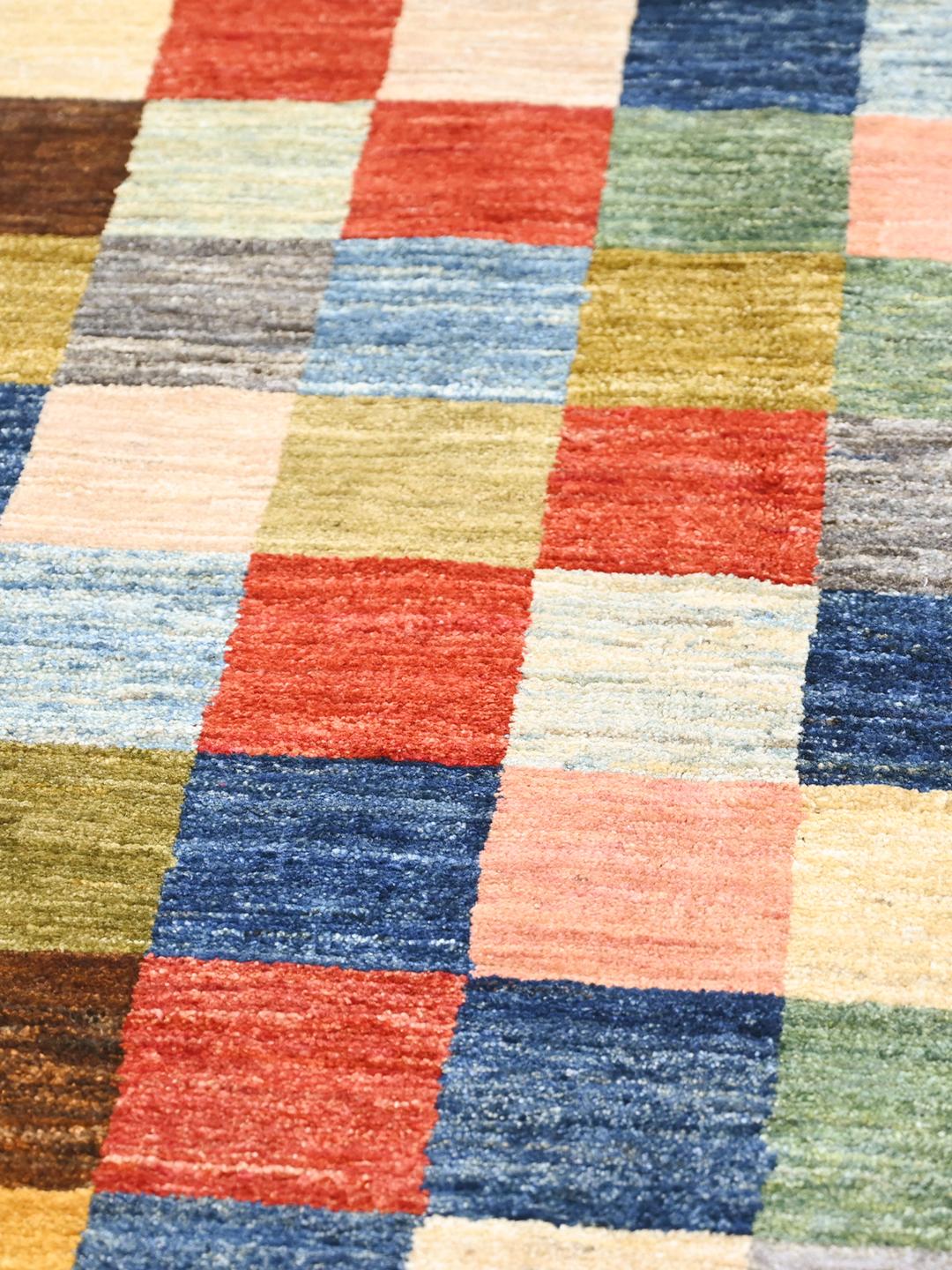
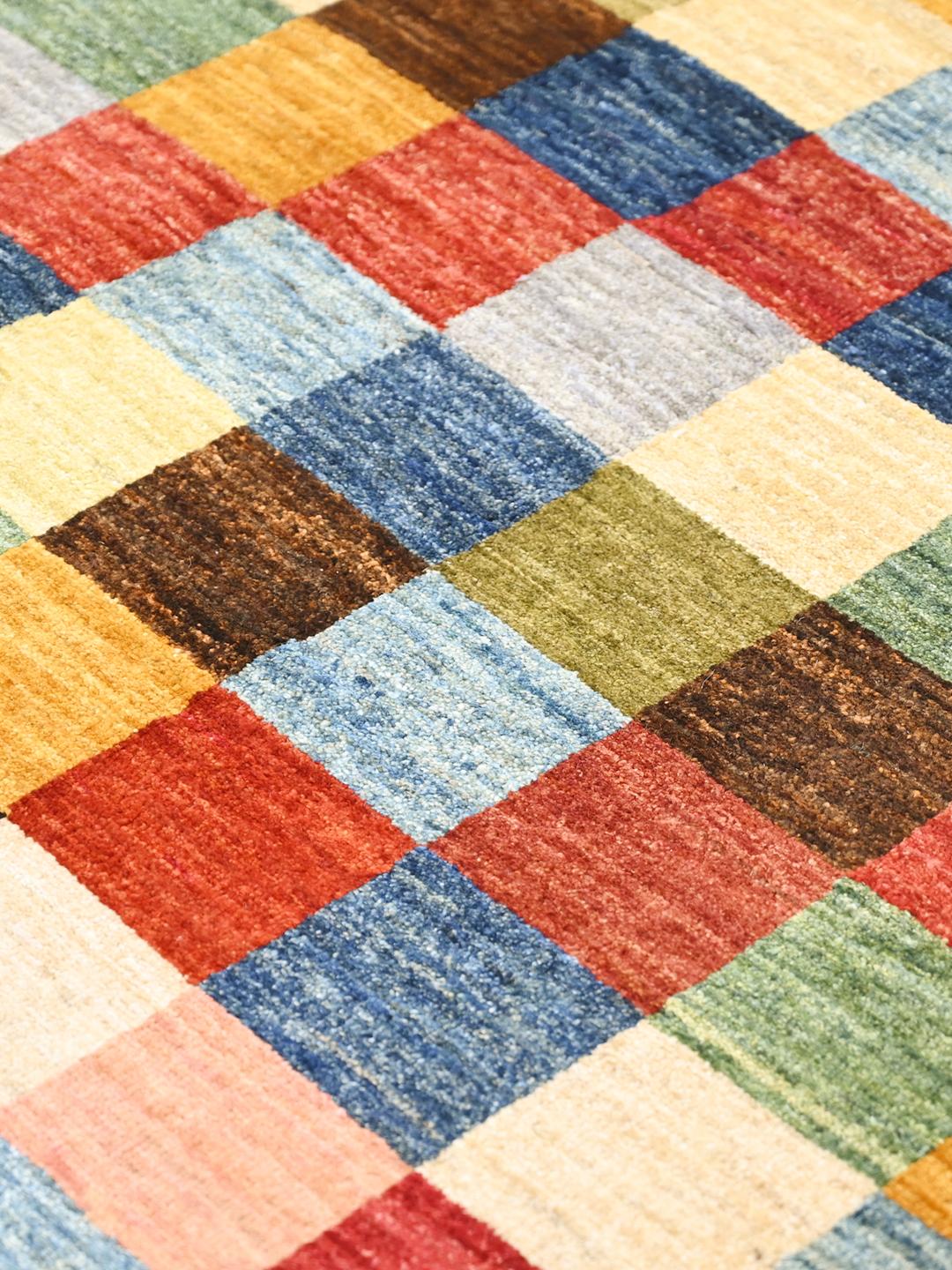
A key feature of modern Gabbeh weaving is the painterly quality of the colors. Using simple dyeing techniques, artisans create gentle Abrash — subtle horizontal shifts in color tone — which gives geometric patterns like grids and checks a textured, living quality rather than a flat, printed look.
Today, Afghan Gabbeh rugs are celebrated globally by interior designers and collectors alike. They bridge the space between folk art and modern minimalist design, offering an authentic connection to regional textile heritage that grows more charming as the rug ages.